📖 About this Collection
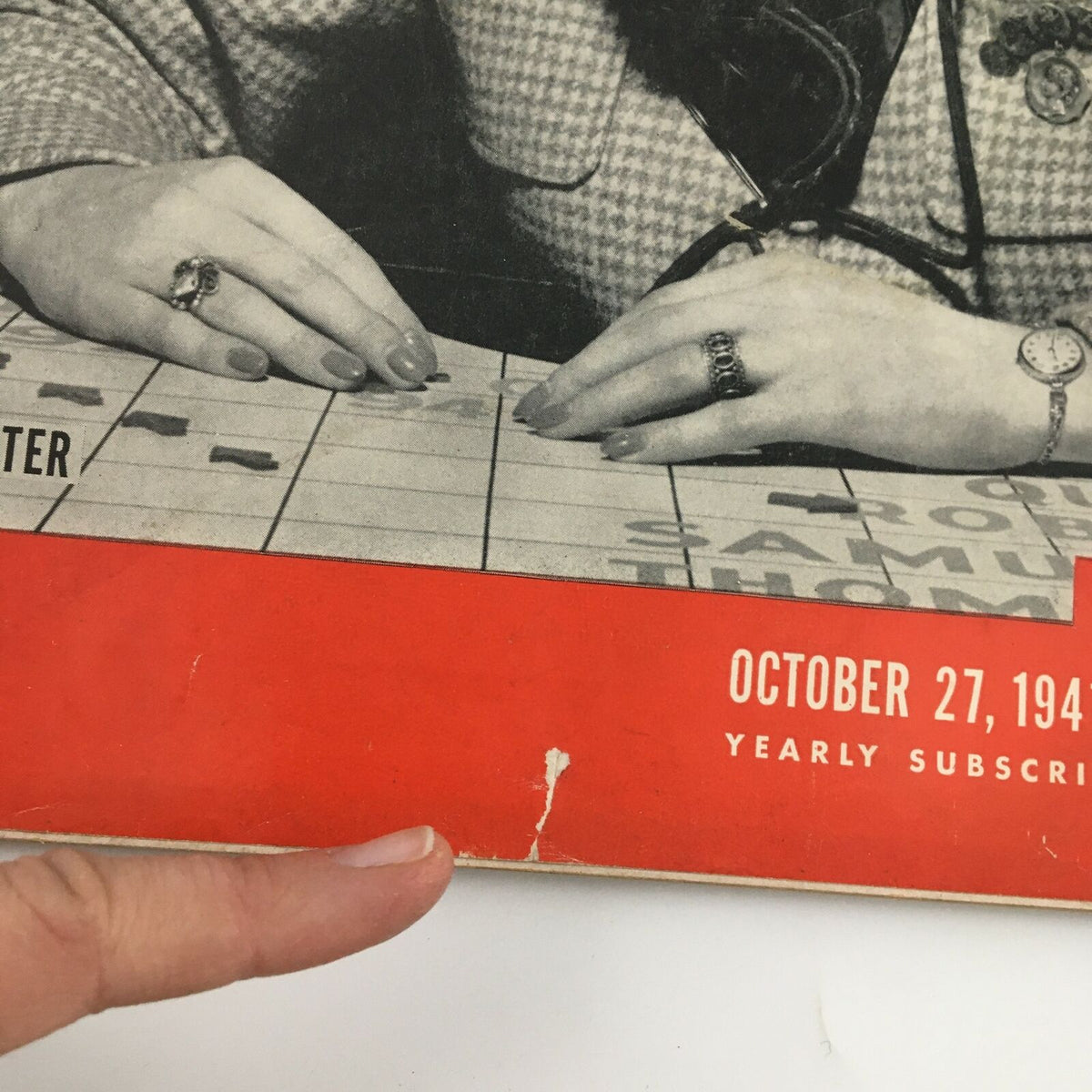
October 1941: On the Eve of Everything
The Historical Context
October 1941 crackled with a terrible momentum. The Eastern Front dominated every wire service and front page as German forces drove toward Moscow with terrifying speed—advancing to within sixty miles of the Soviet capital by mid-month. Hitler broadcast to the German people that Russia was "already broken and will never rise again," a declaration of certainty that the world's newspapers reprinted in bold. The Soviet government evacuated from Moscow to the Volga as Wehrmacht columns seized Bryansk and Vyazma. Then came word that would reshape the war entirely: on October 9th, President Franklin D. Roosevelt quietly approved an atomic program that would evolve into the Manhattan Project. The future of the world turned on that decision, though no one outside a small circle knew it yet. Meanwhile, the USS Kearny became the first American destroyer torpedoed in the conflict—still weeks before Pearl Harbor—and on Halloween, U-552 sank the USS Reuben James off Iceland. The United States was not yet at war. But it was no longer truly at peace.
Culture, Sports & Everyday Life
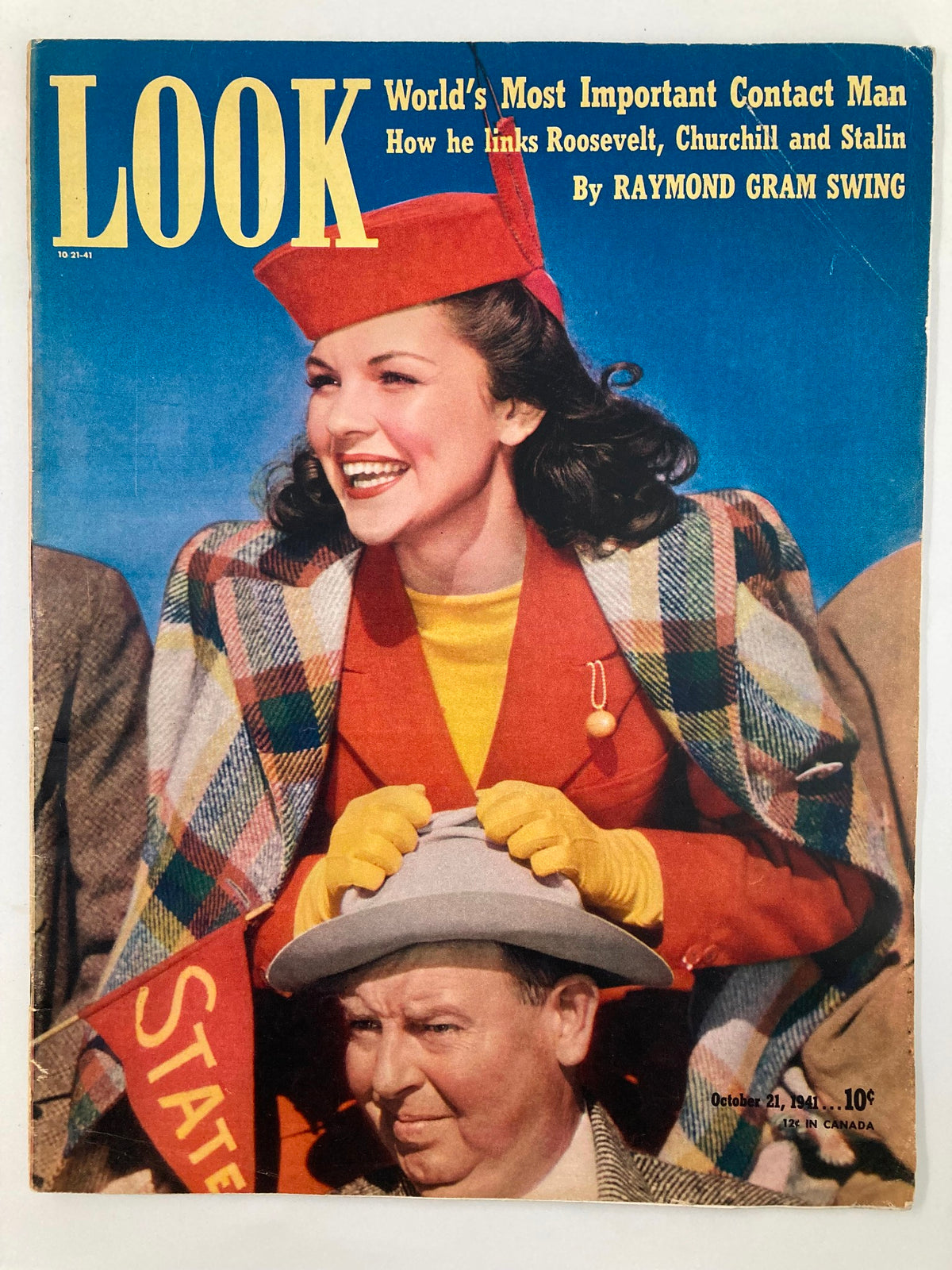
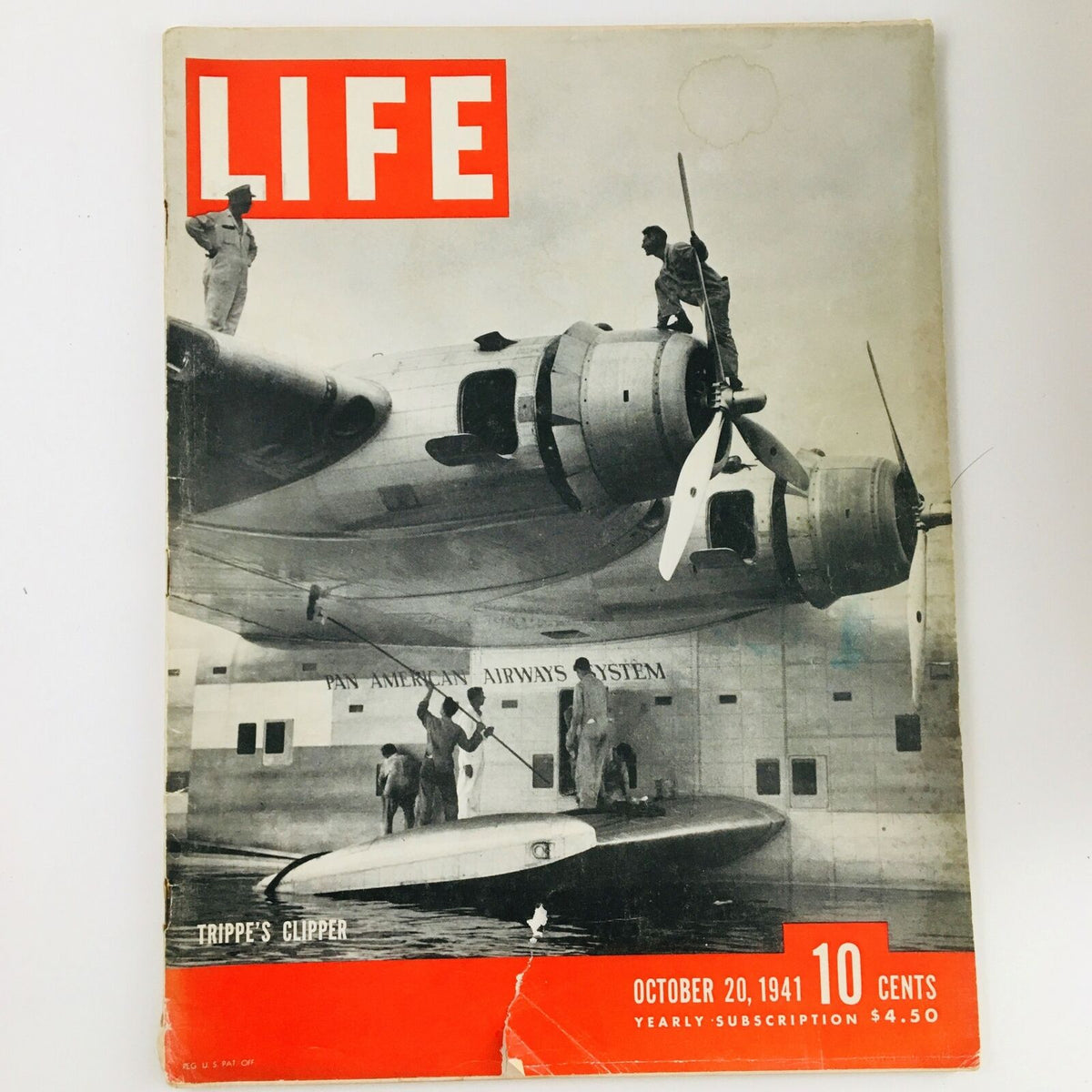
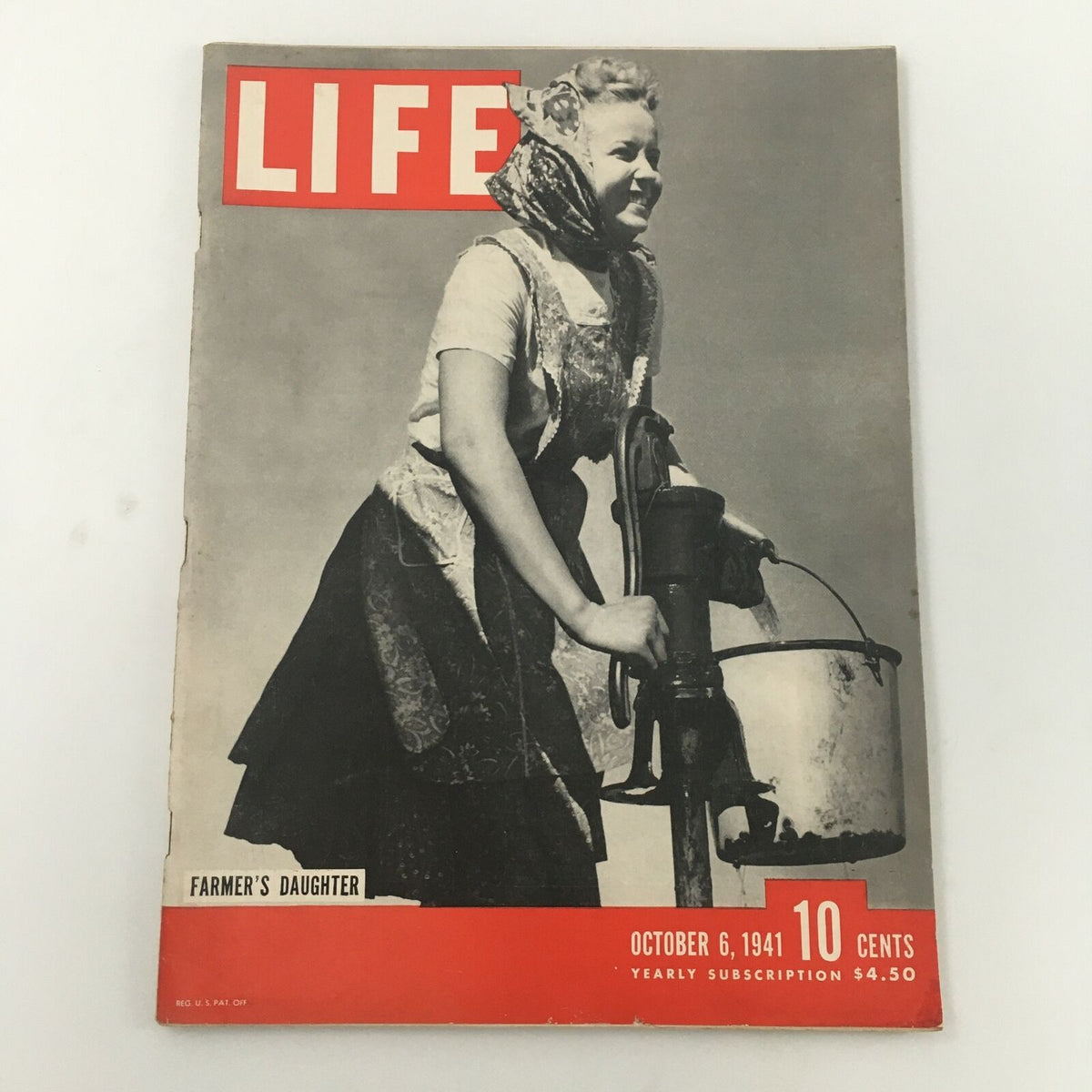
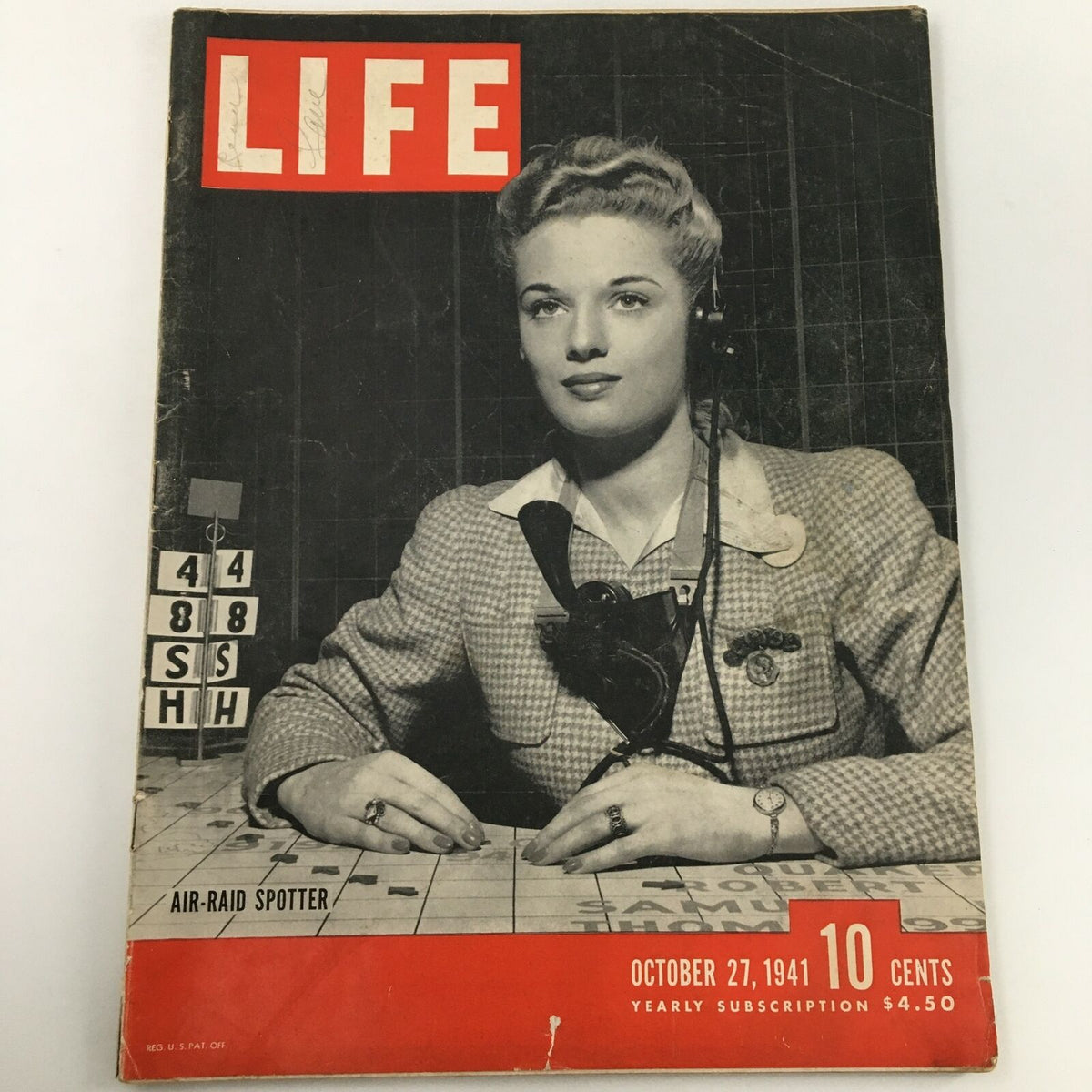
Even as global events hung heavy, October 1941 delivered some of the most enduring popular culture of the era. On October 3rd, The Maltese Falcon opened in New York City—John Huston's razor-sharp adaptation of Dashiell Hammett's novel, with Humphrey Bogart defining the screen detective for a generation. Three weeks later, Walt Disney's Dumbo charmed audiences with its tender, hand-painted beauty. On Broadway, Cole Porter's Let's Face It opened at the Imperial Theatre to strong notices, while Best Foot Forward introduced theatregoers to a young June Allyson, with choreography by Gene Kelly. On October 28th, How Green Was My Valley—directed by John Ford and starring Maureen O'Hara—premiered to the kind of acclaim that earns Best Picture Oscars. Sports offered one of the most infamous moments in World Series history: Dodgers catcher Mickey Owen's dropped third strike in Game 4 let the Yankees steal the series, their ninth championship overall. Original magazines from October 1941 captured this extraordinary collision of dread and brilliance—Life, Look, and Newsweek running war photographs alongside Hollywood glamour spreads, the cognitive dissonance of an era in full.
Curator's Checklist: What to Look For
-
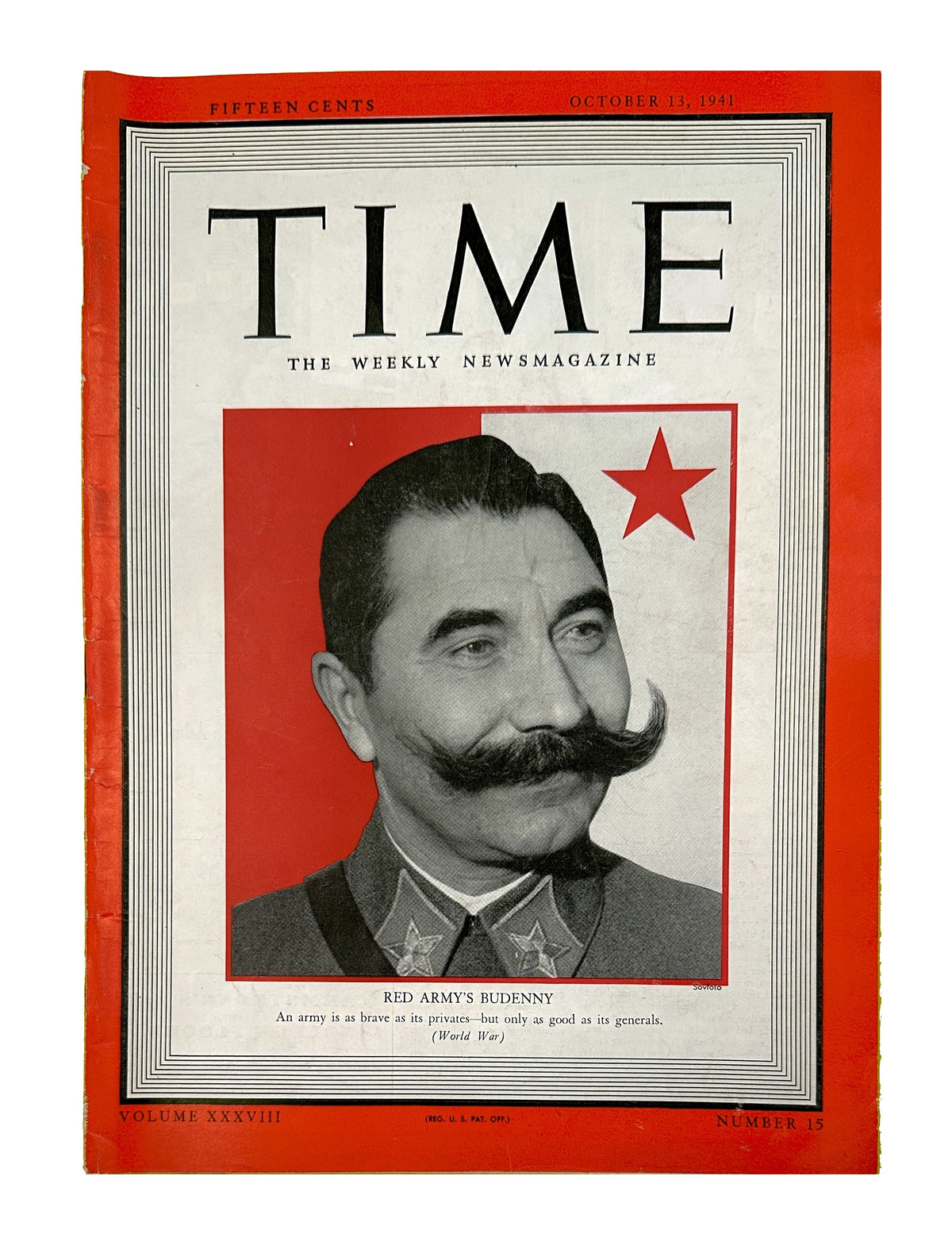
The March on Moscow: News magazines including Time, Life, and Newsweek featuring dramatic front-line photography and maps of the Eastern Front, often with double-page spreads illustrating the German advance and anxious headlines about Moscow's fate.
-
The Maltese Falcon & Hollywood's Golden Month: Entertainment coverage and rare magazines carrying film reviews and studio portraits of Humphrey Bogart, Maureen O'Hara, and the October premieres—Variety and general-interest titles ran full advertising pages for these releases.
-
The Manhattan Project's Secret Birth: While classified at the time, vintage magazines from this month document the public mood—Roosevelt's leadership, wartime science coverage in Popular Mechanics, and the gathering urgency that preceded America's entry into the war.
-
The World Series Blunder: Sports pages and Life photo essays covering the Yankees' dramatic championship win over the Brooklyn Dodgers, with Mickey Owen's infamous dropped third strike among the most-discussed plays of the decade.
-
Broadway's October Harvest: Theater listings and advertisement pages in The Saturday Evening Post and New York–focused titles showcasing Cole Porter's Let's Face It, Best Foot Forward, and the opening-night culture of a city still dressed in peacetime glamour.
The Perfect Gift
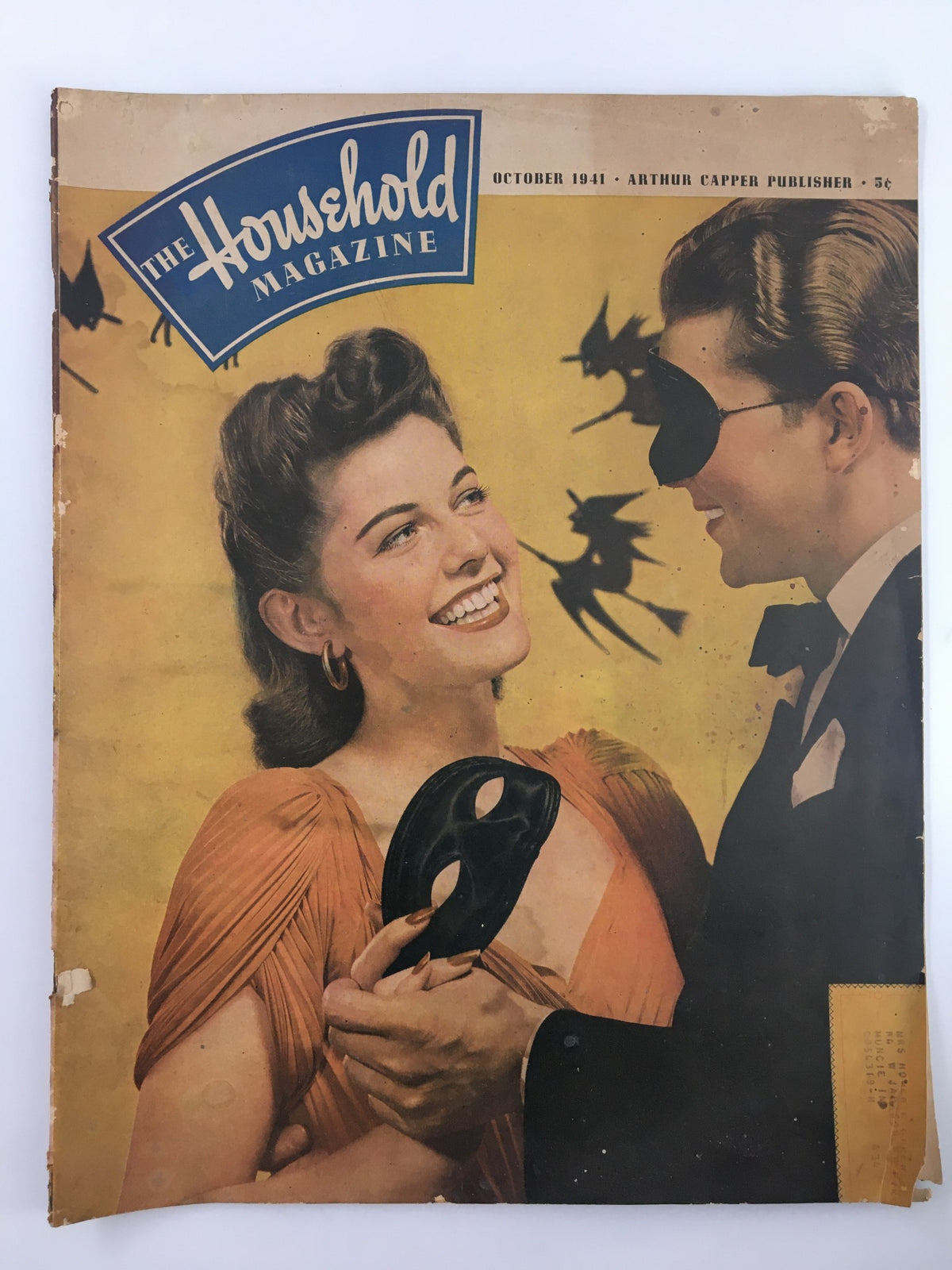
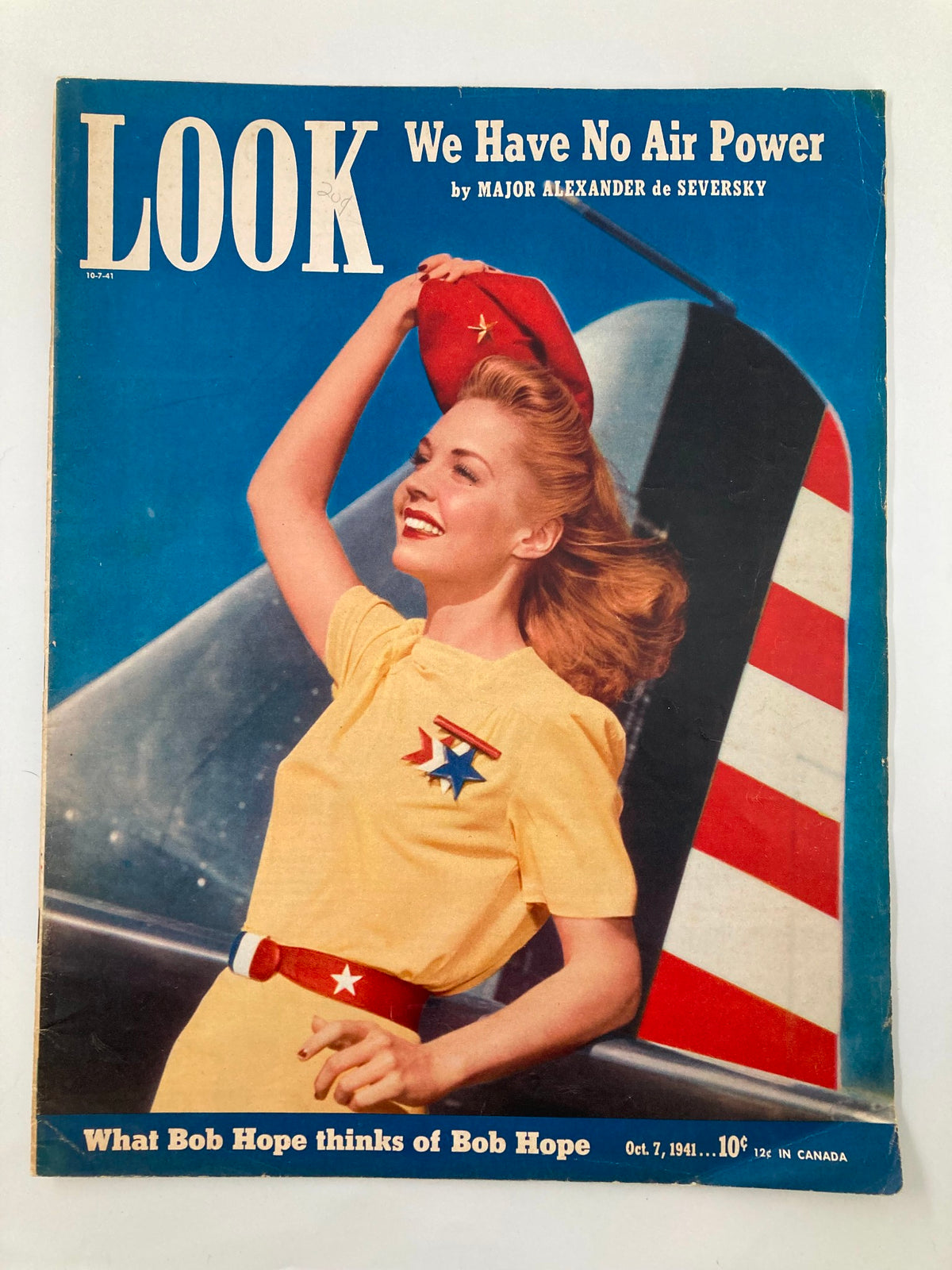
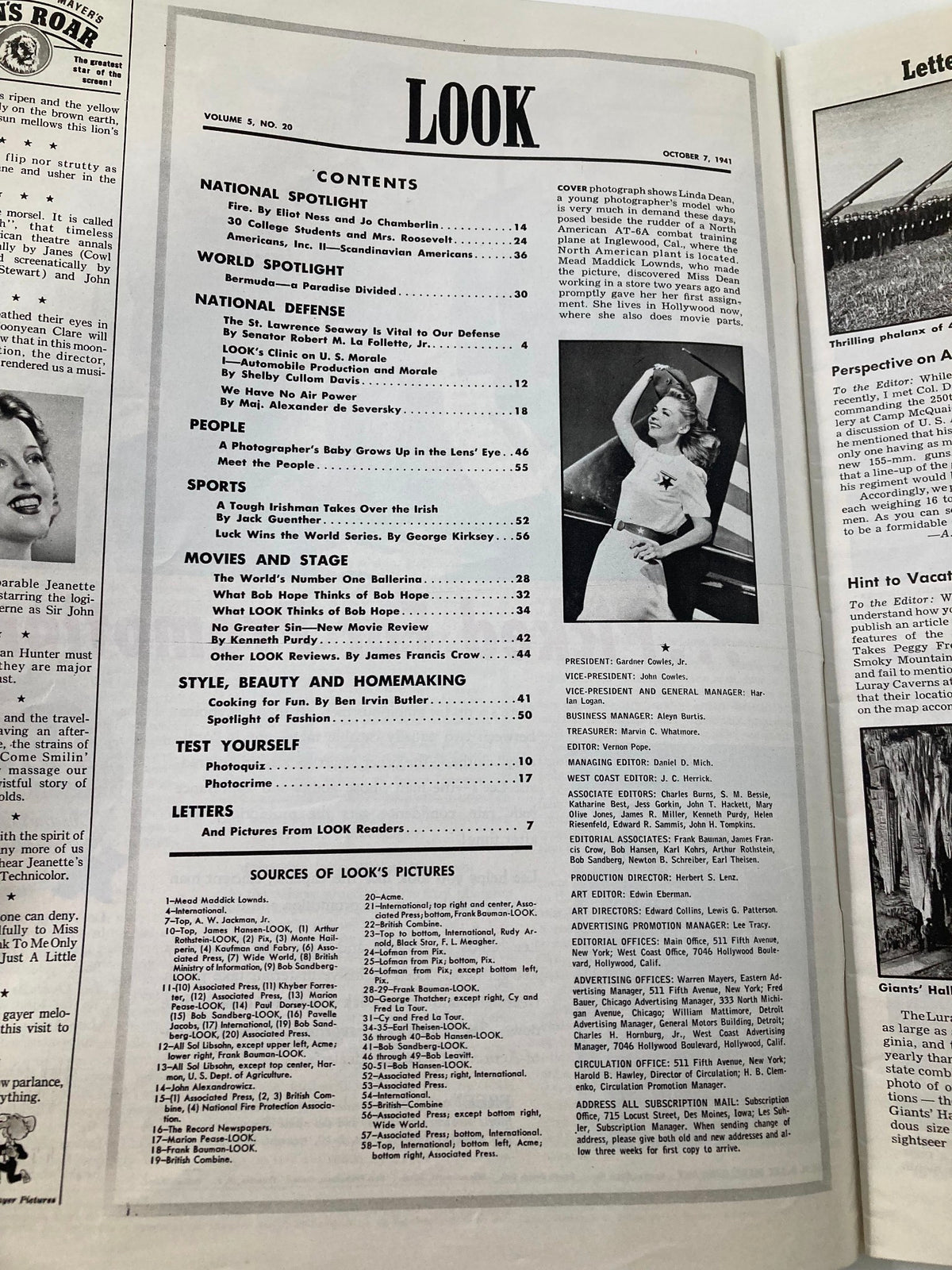
For someone born in October 1941, an original magazine from this knife-edge month isn't just a piece of paper—it's an authentic time capsule of the exact world they entered, preserved in genuine headlines, hand-set type, and the very advertisements that lined drugstore shelves the week they were born.