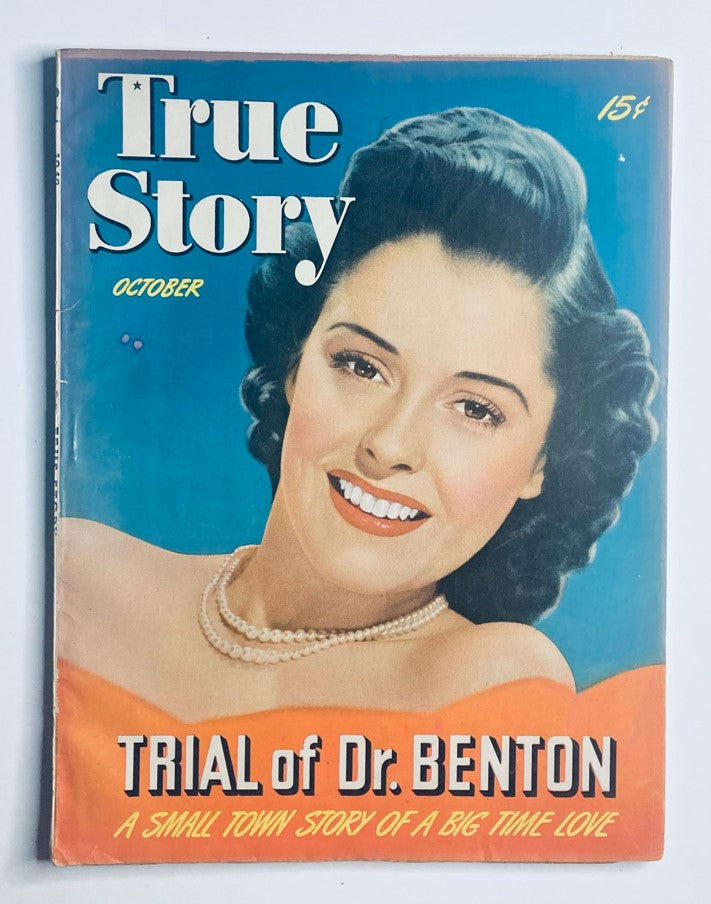
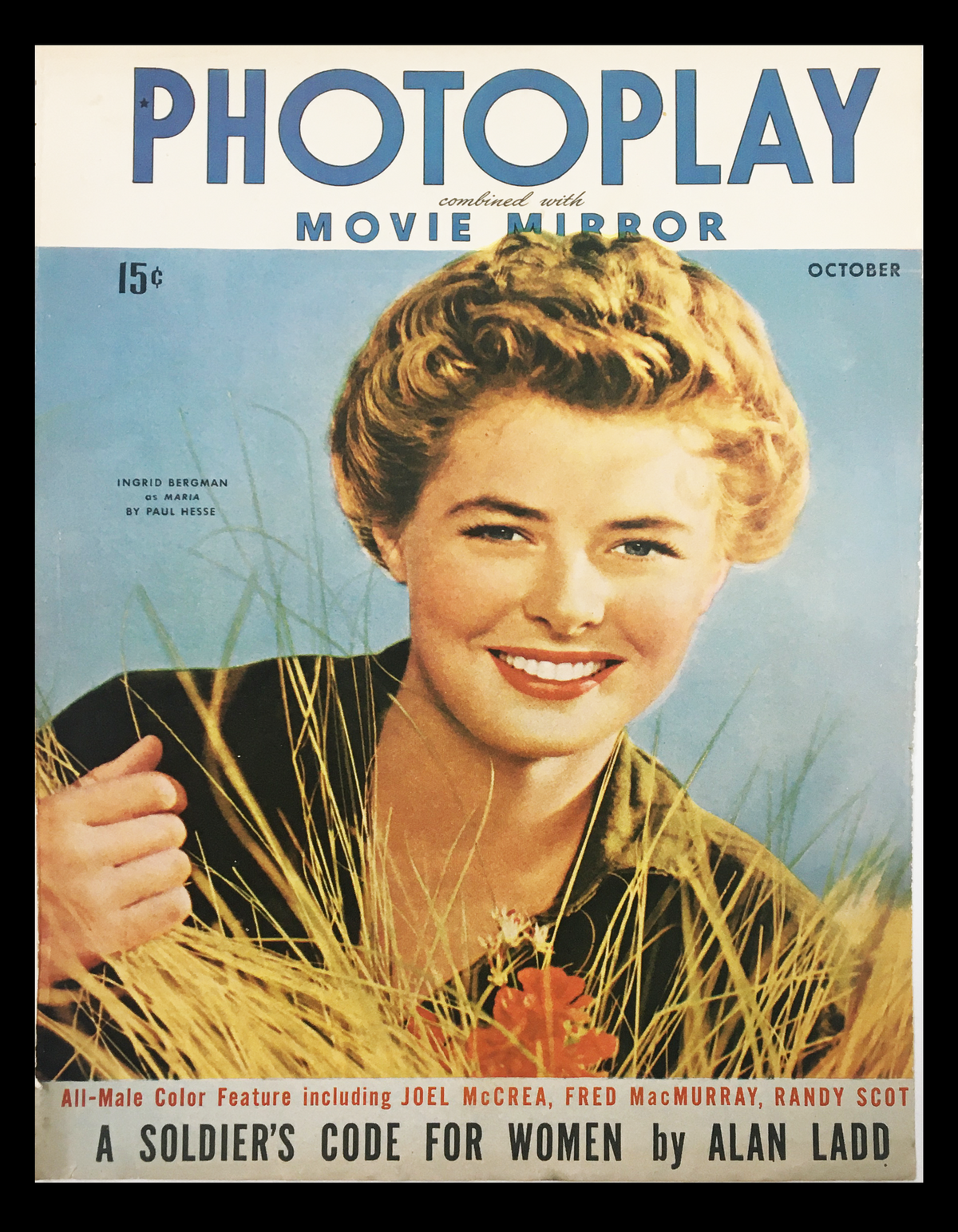
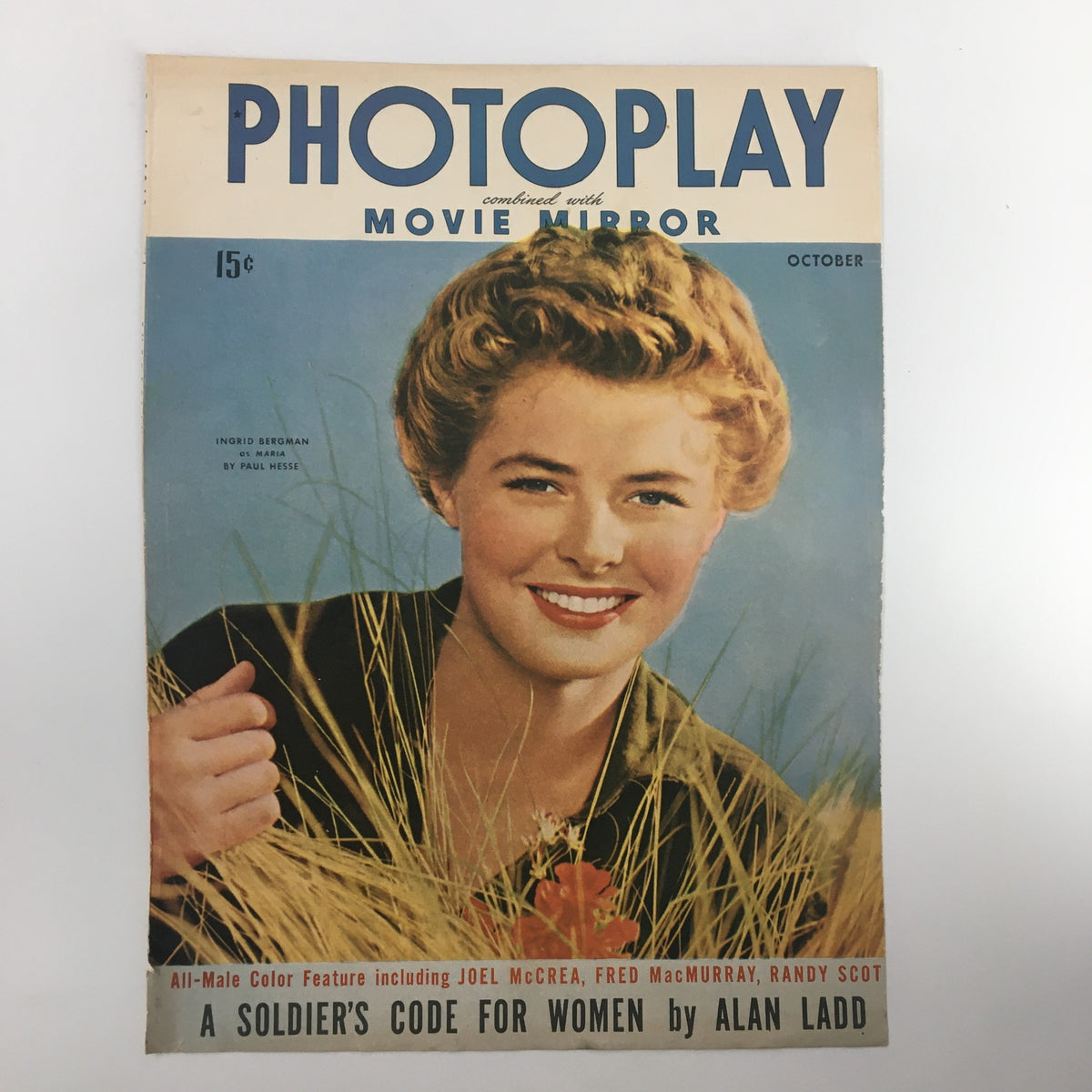
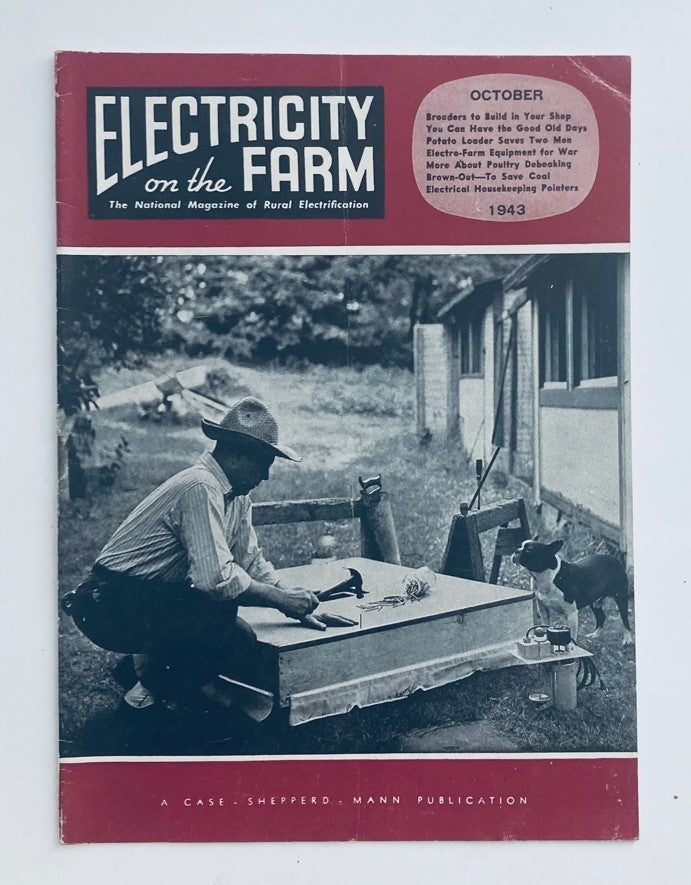
📖 About this Collection
October 1943: When the Axis Began to Crack
The Historical Context
The autumn of 1943 crackled with a tension unlike any other month of the war. The world held its breath as the Allied tide—long in turning—began to roll with unmistakable force. Italy, the first crack in the Axis façade, declared war on Germany on October 13th, a stunning reversal that rewrote the map of the European theater overnight. Allied forces had already captured Naples on October 1st, and the British 8th Army pressed east along the Italian coast at Termoli. From the Pacific to Eastern Europe, the grinding machinery of global conflict shifted gears. In Denmark, German occupiers moved against Jewish residents. In Rome, Nazi forces surrounded the Jewish quarter on October 16th, sending its inhabitants toward Auschwitz—one of the darkest weeks the ancient city had ever known. And in the Polish forest, 300 Jewish prisoners broke free from the Sobibor extermination camp in one of the war's most extraordinary acts of courage. This was the world your loved one was born into—a world at its most consequential hour.
The Culture Behind the Front Lines
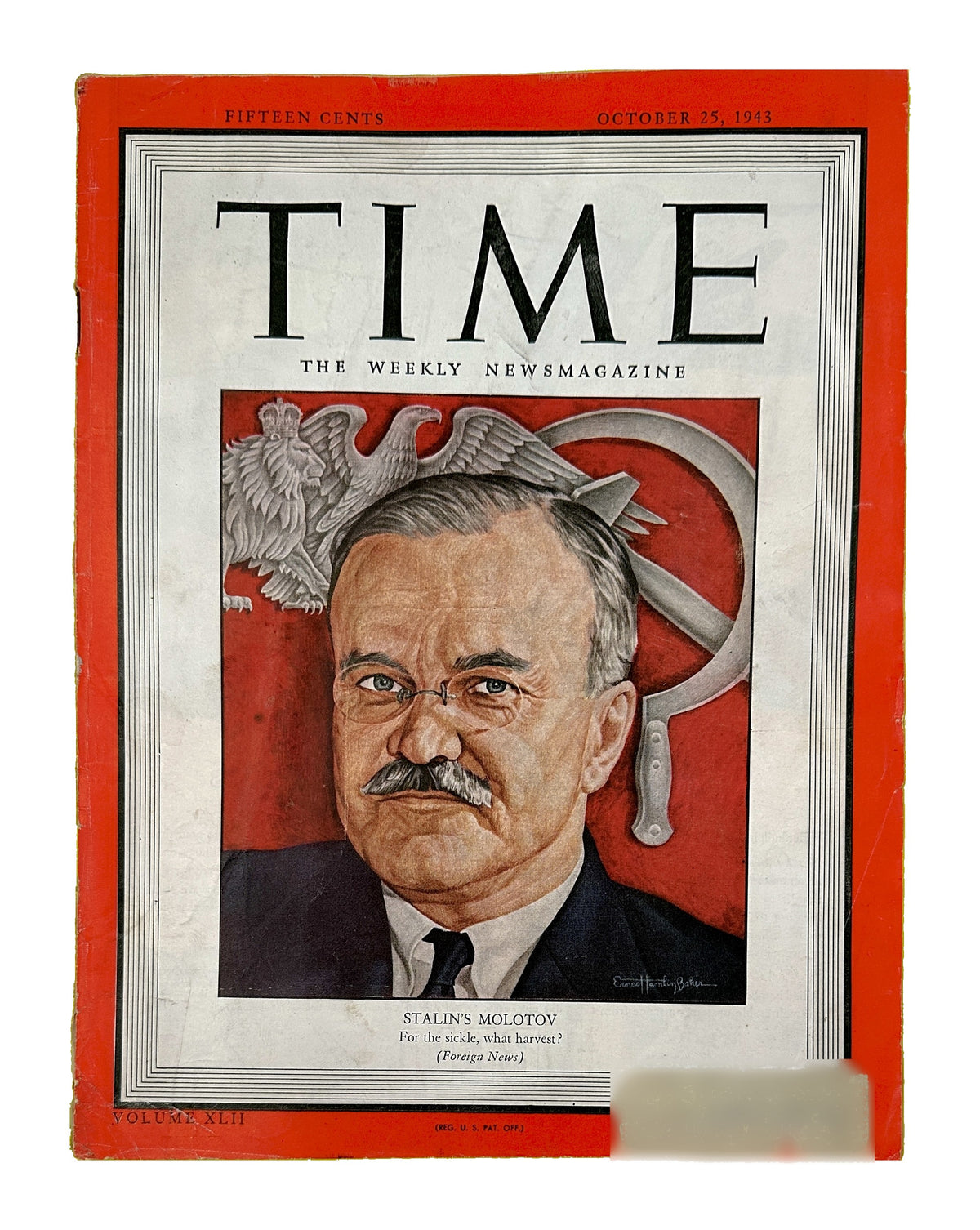
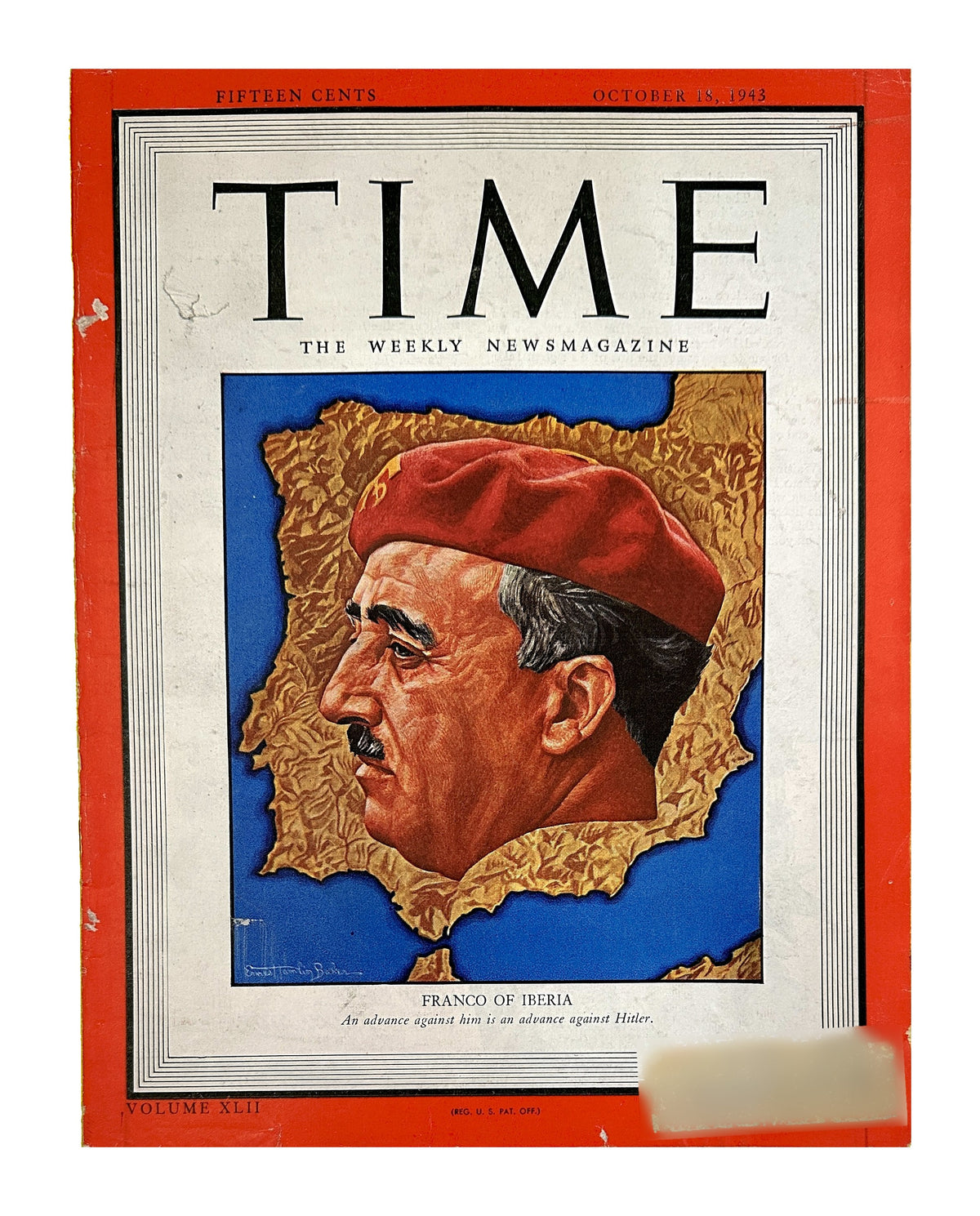
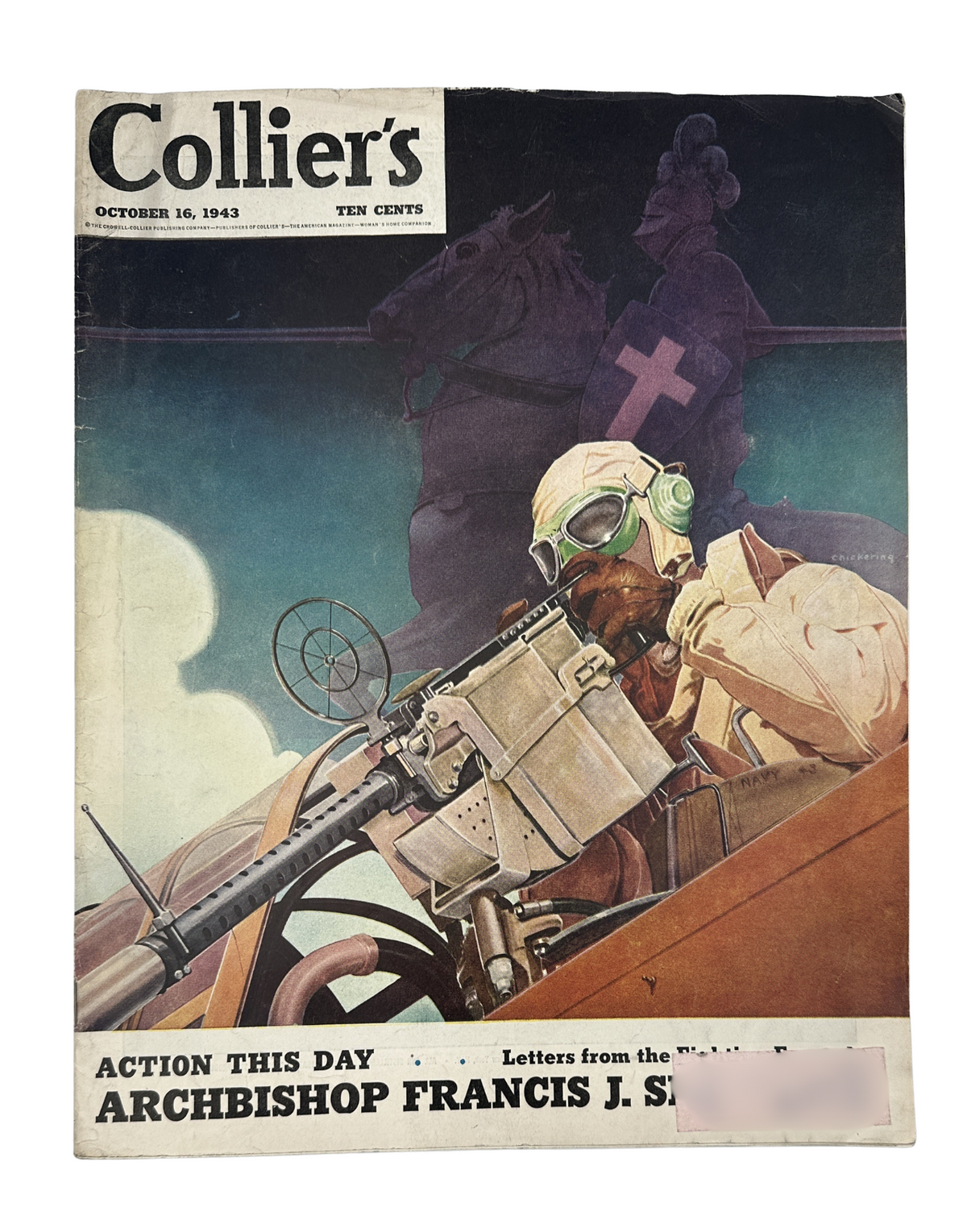
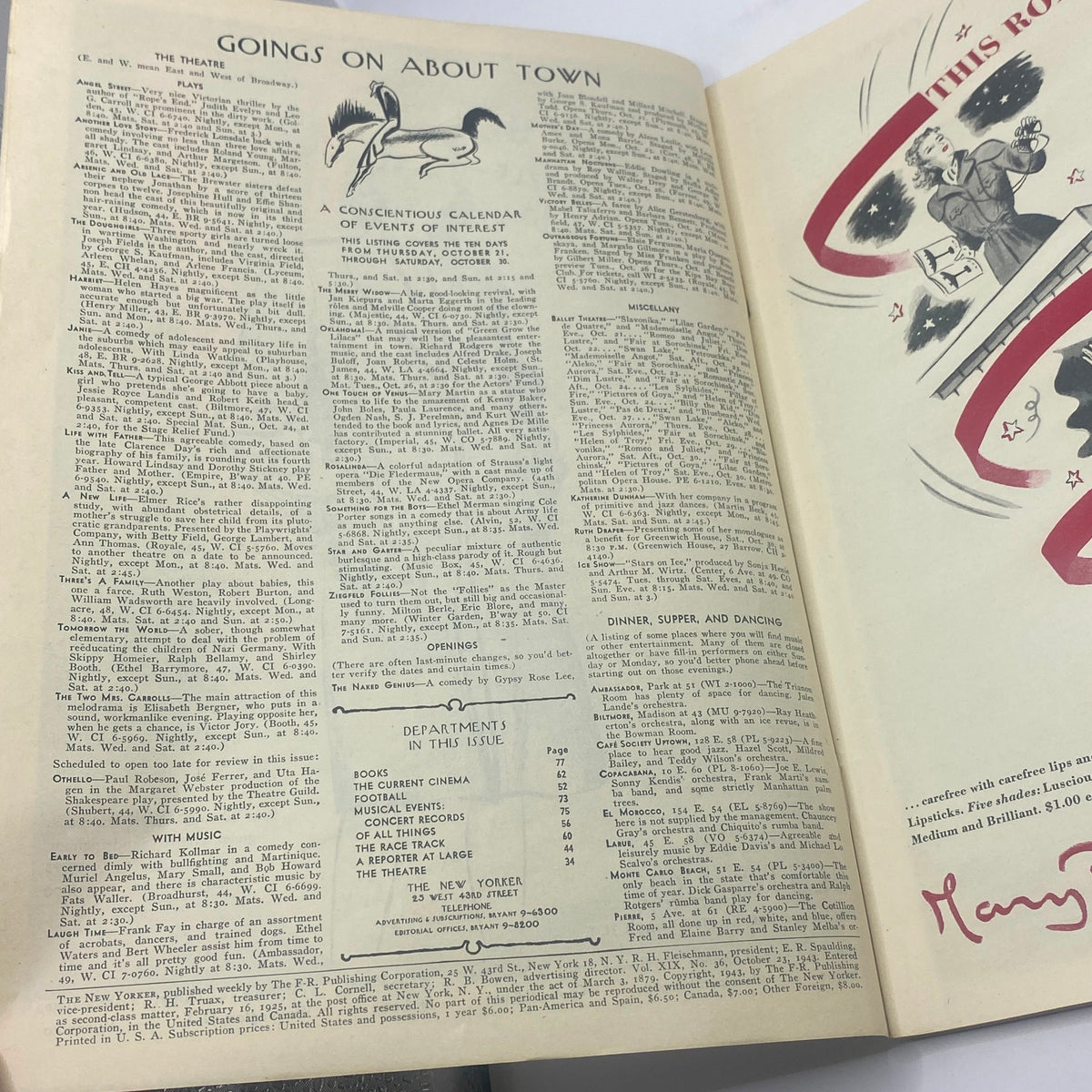
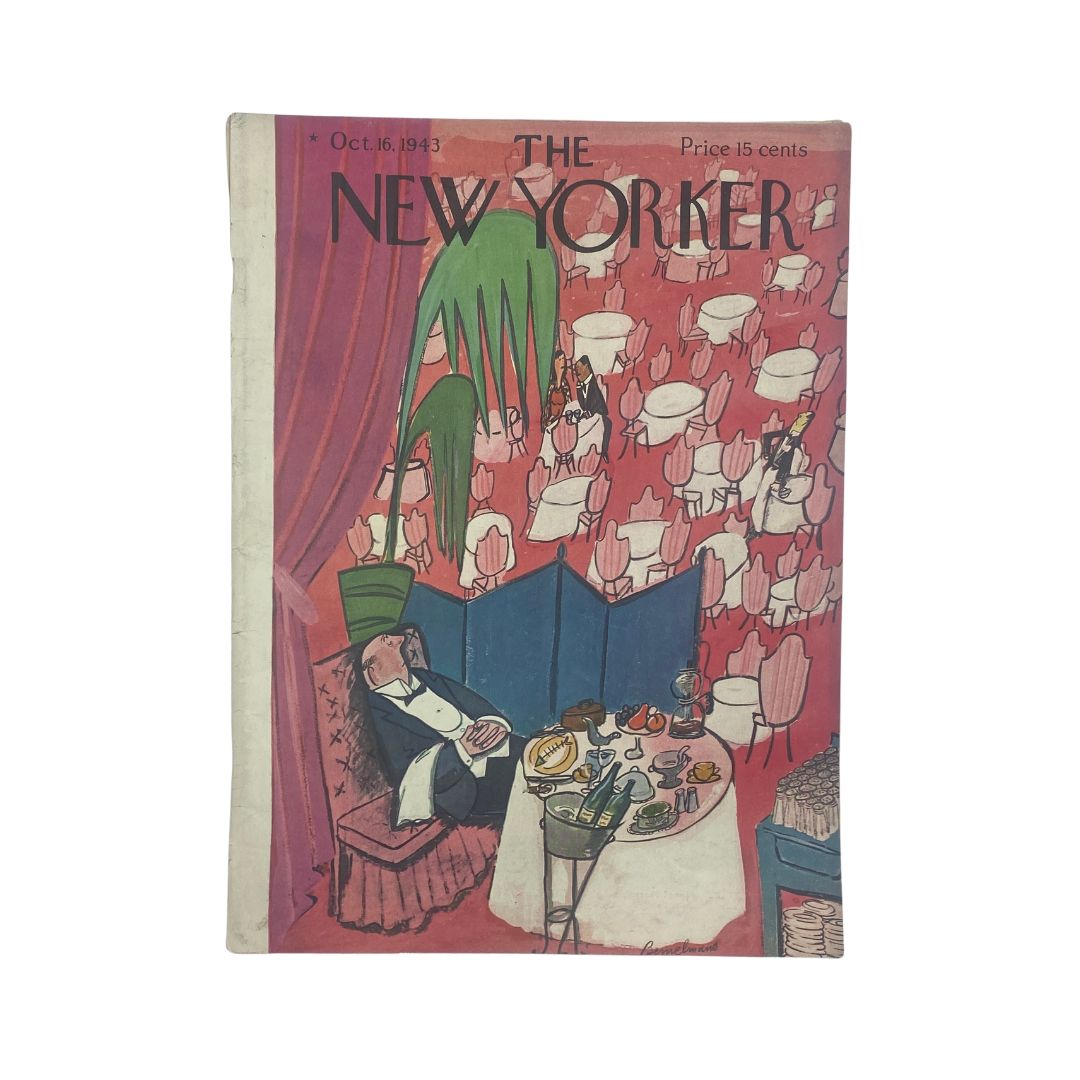
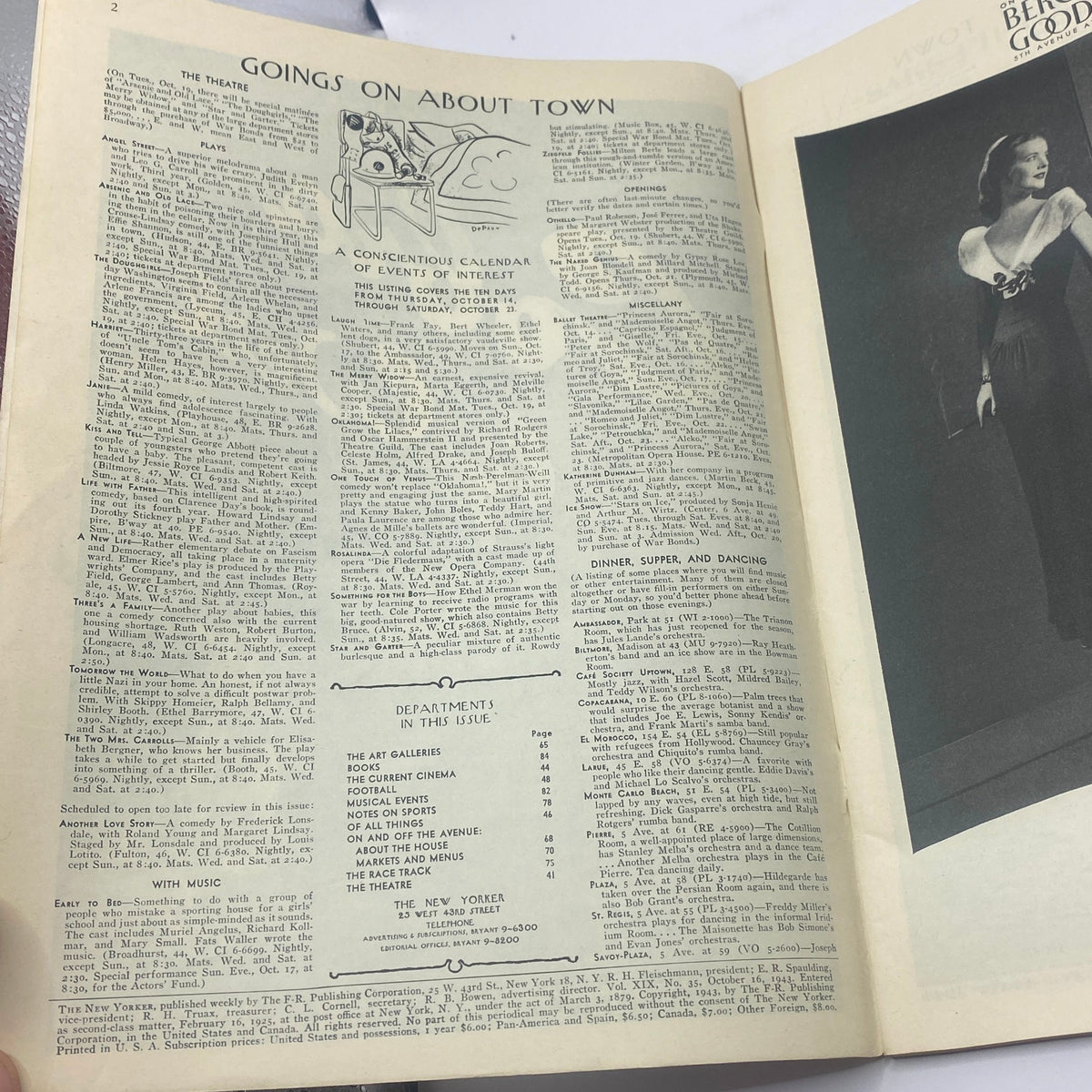
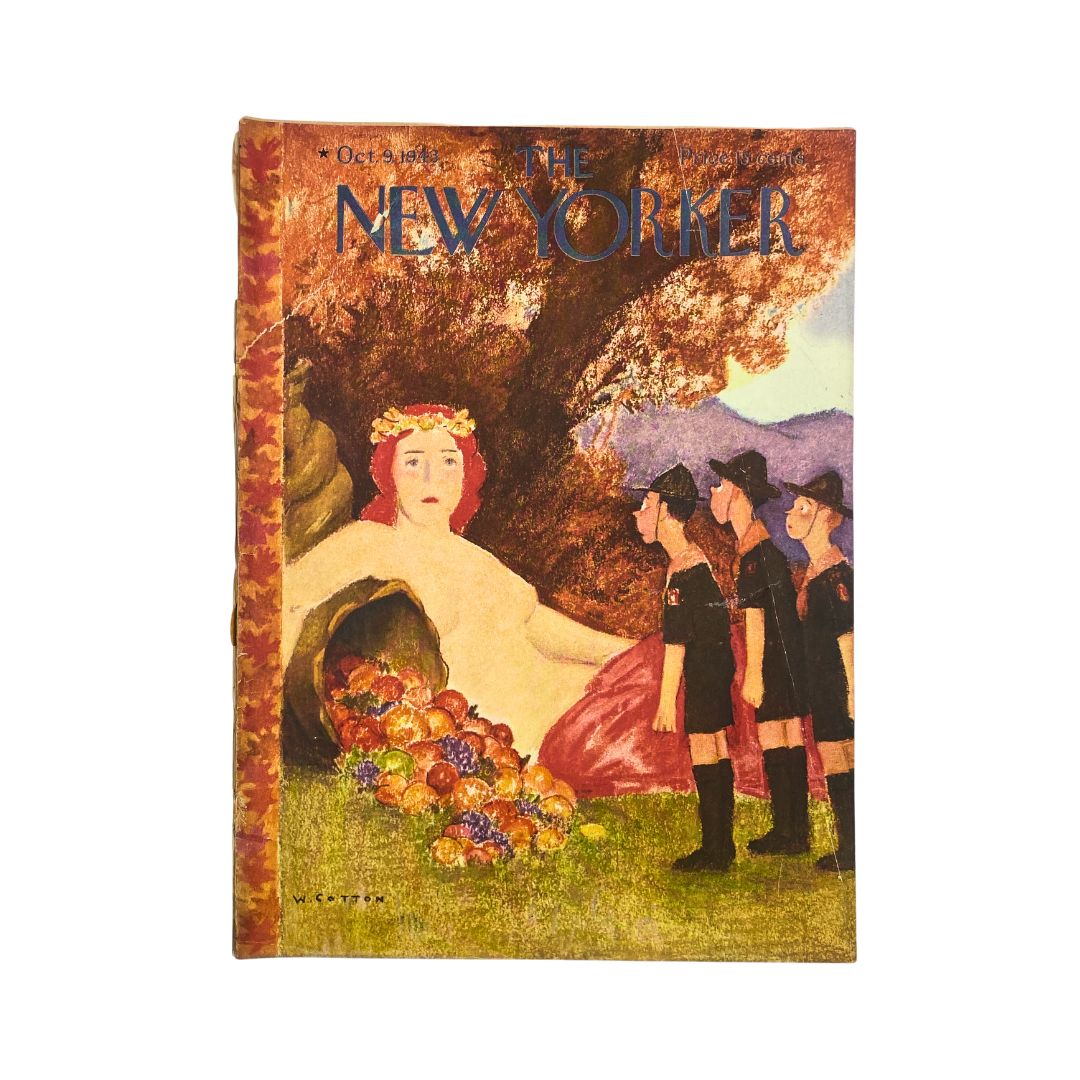
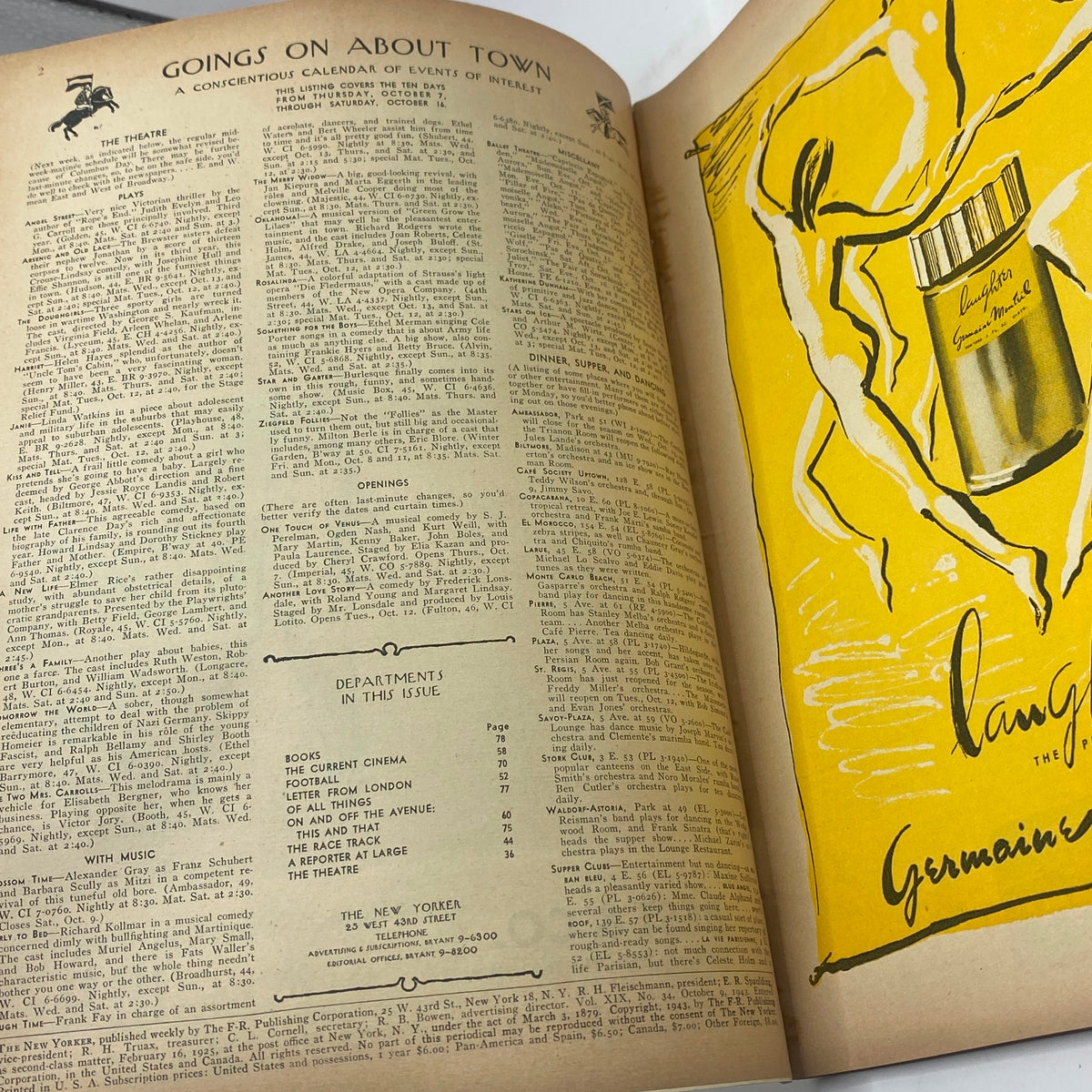
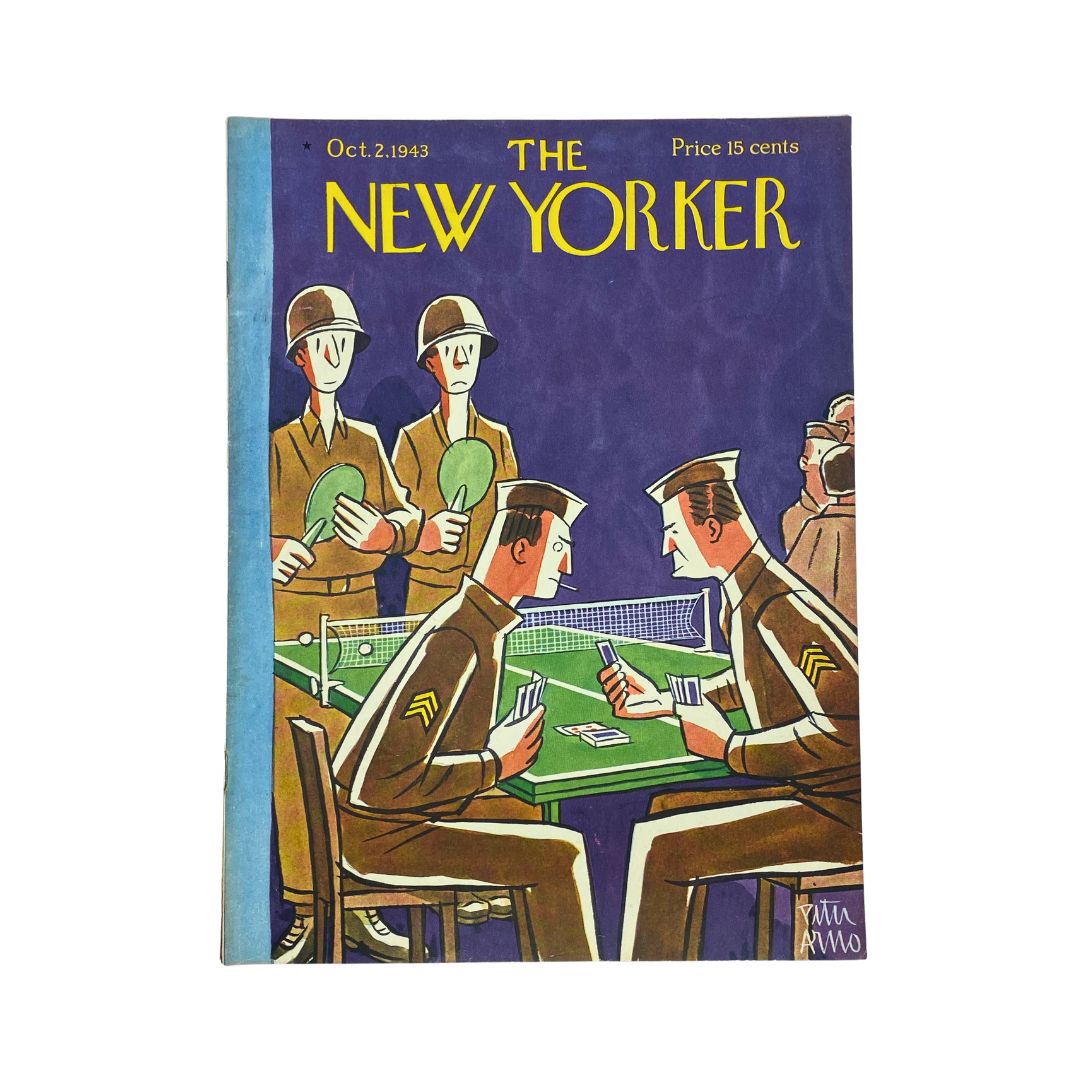
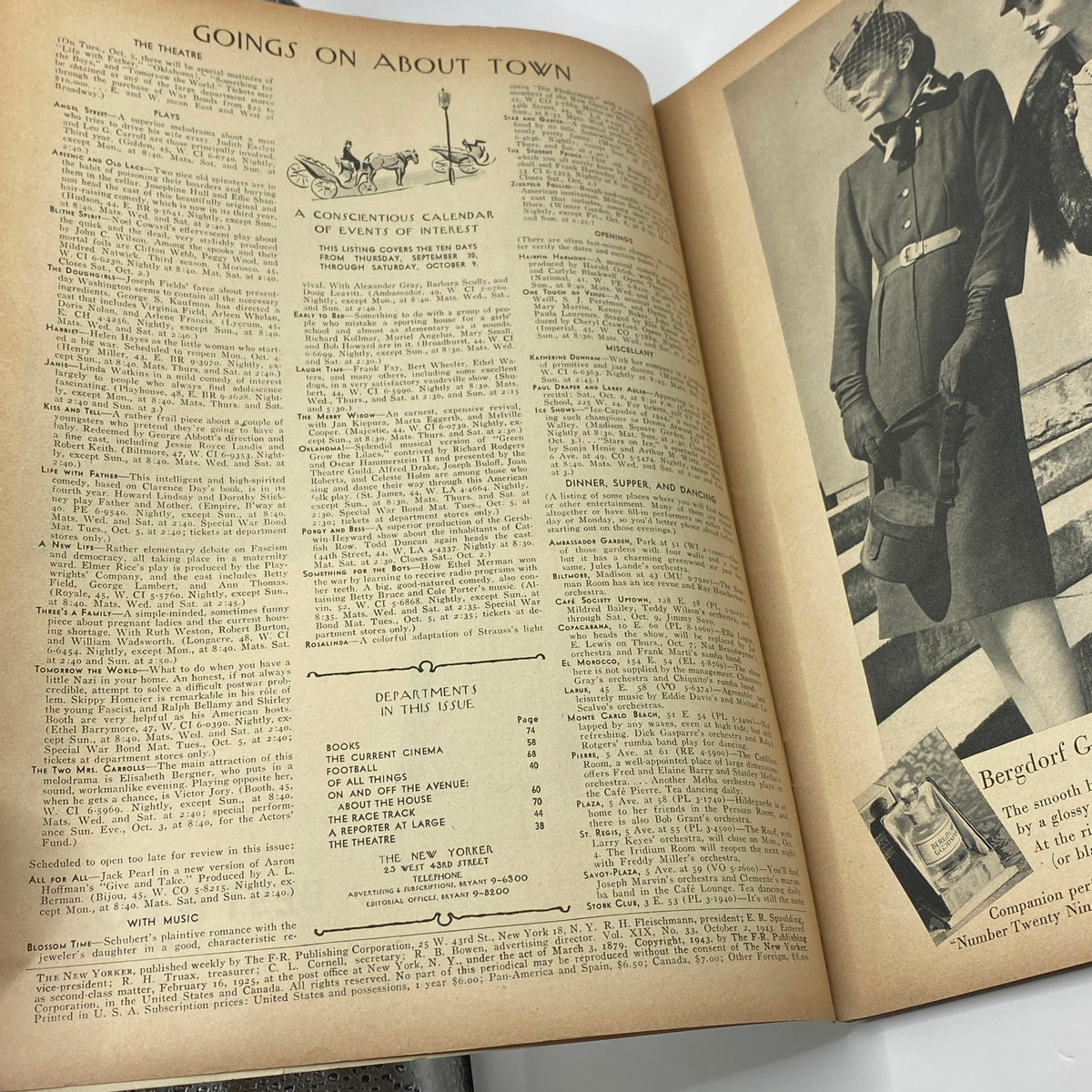
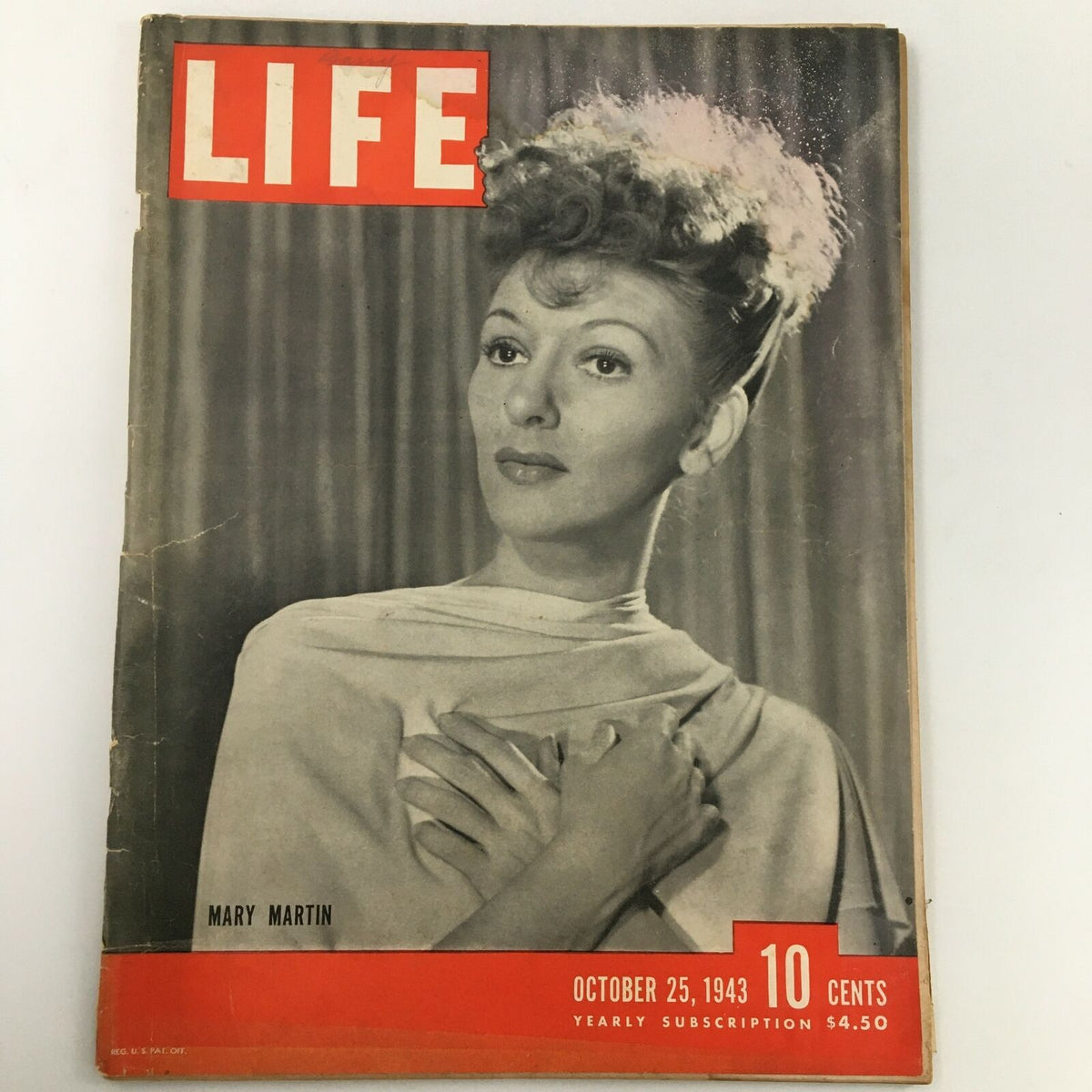
While dispatches from Italy and the Pacific filled newsstands, October 1943 offered moments of resilience and brilliance on the home front. On Broadway, the Theater Guild unveiled Shakespeare's Othello starring the magnificent Paul Robeson on October 19th—a production that would run 296 performances and electrify New York's cultural scene. Kurt Weill's musical One Touch of Venus had just opened earlier that week, giving theatergoers two landmark openings in a single fortnight. At Yankee Stadium, baseball offered its own drama: the New York Yankees clinched their 10th World Series Championship, defeating the St. Louis Cardinals four games to one. On October 25th, a new kind of hero arrived in American newspapers when Batman & Robin debuted as a comic strip. Original magazines from October 1943 capture all of this—the war coverage in Life and Time, the entertainment columns, the advertisements for products shaped by wartime rationing, and the photographs of a nation fighting on every front. These are rare magazines from a month that shaped a generation.
Curator's Checklist: What to Look For
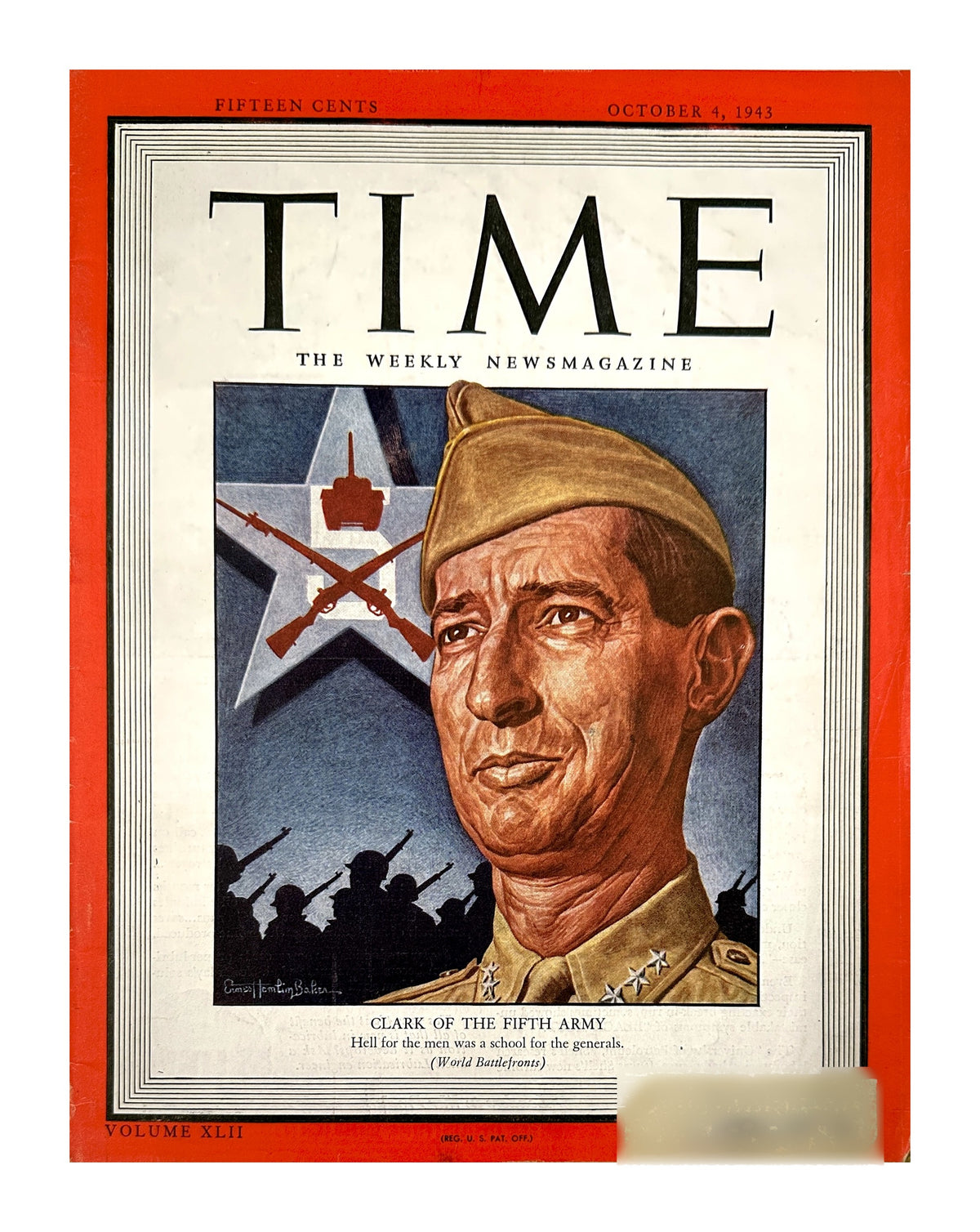
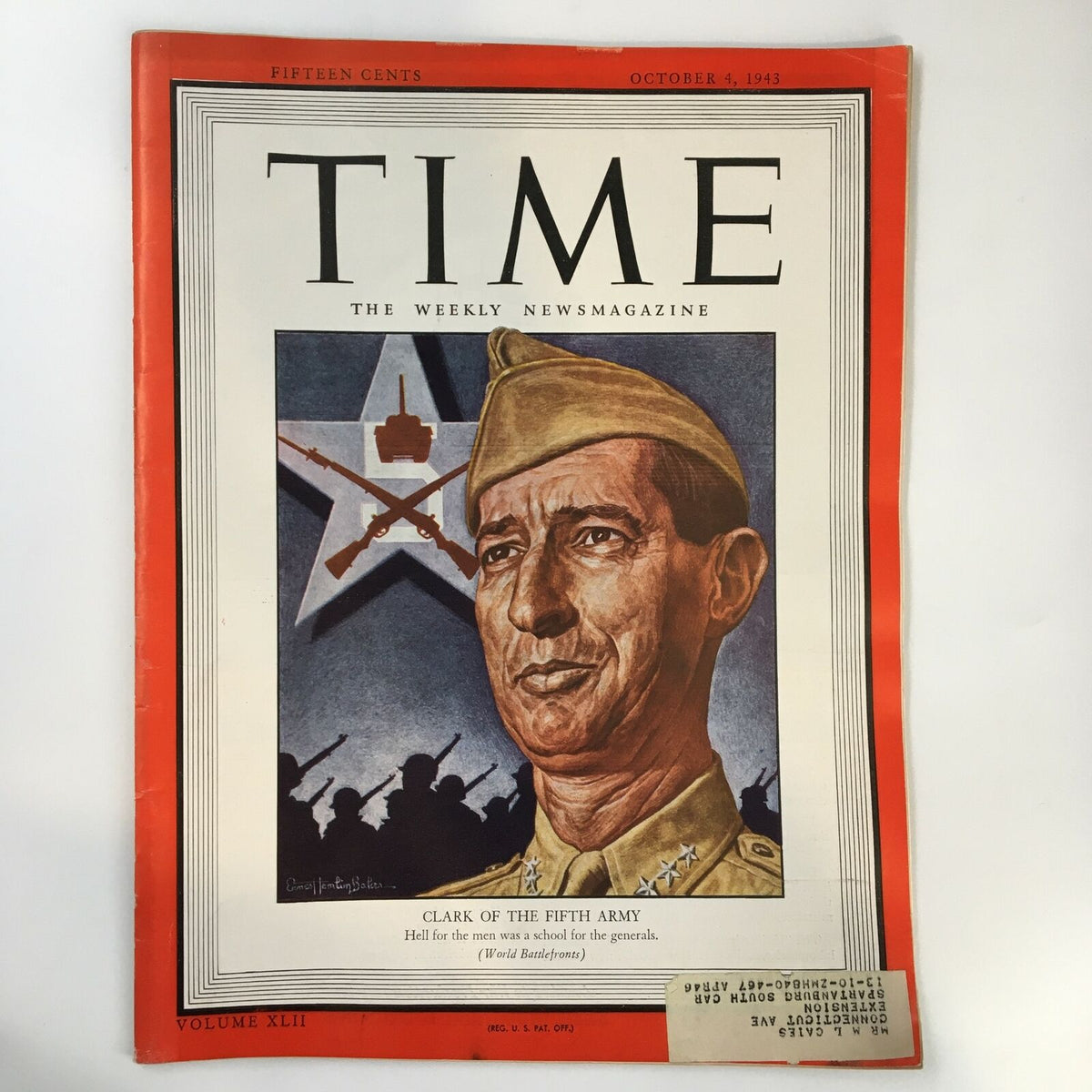
- Italy Switches Sides: News and photo magazines like Life, Time, and Newsweek ran extensive coverage of Italy's dramatic declaration of war on Germany, often featuring maps of the Italian front, portraits of Allied commanders, and photographs of troops entering Naples—authentic visual journalism from one of the war's defining pivots.
- World Series Coverage: Sports Illustrated didn't yet exist, but vintage magazines like Life and general-interest weeklies covered the Yankees' record 10th championship in detail, with action photography from Sportsman's Park and profiles of the players who made history during wartime baseball.
- Broadway's Othello: Theater and entertainment coverage in Variety, Life, and Saturday Evening Post celebrated Paul Robeson's landmark performance, with production photographs and reviews that document a culturally significant Broadway moment rarely discussed outside collector circles.
- The Burma Railway Completed: The grim milestone of October 17th—the completion of the Death Railway built by Allied POWs—appeared in wartime dispatches and illustrated magazines, often framed carefully around Allied morale; these articles now serve as primary historical documents of one of the war's most sobering chapters.
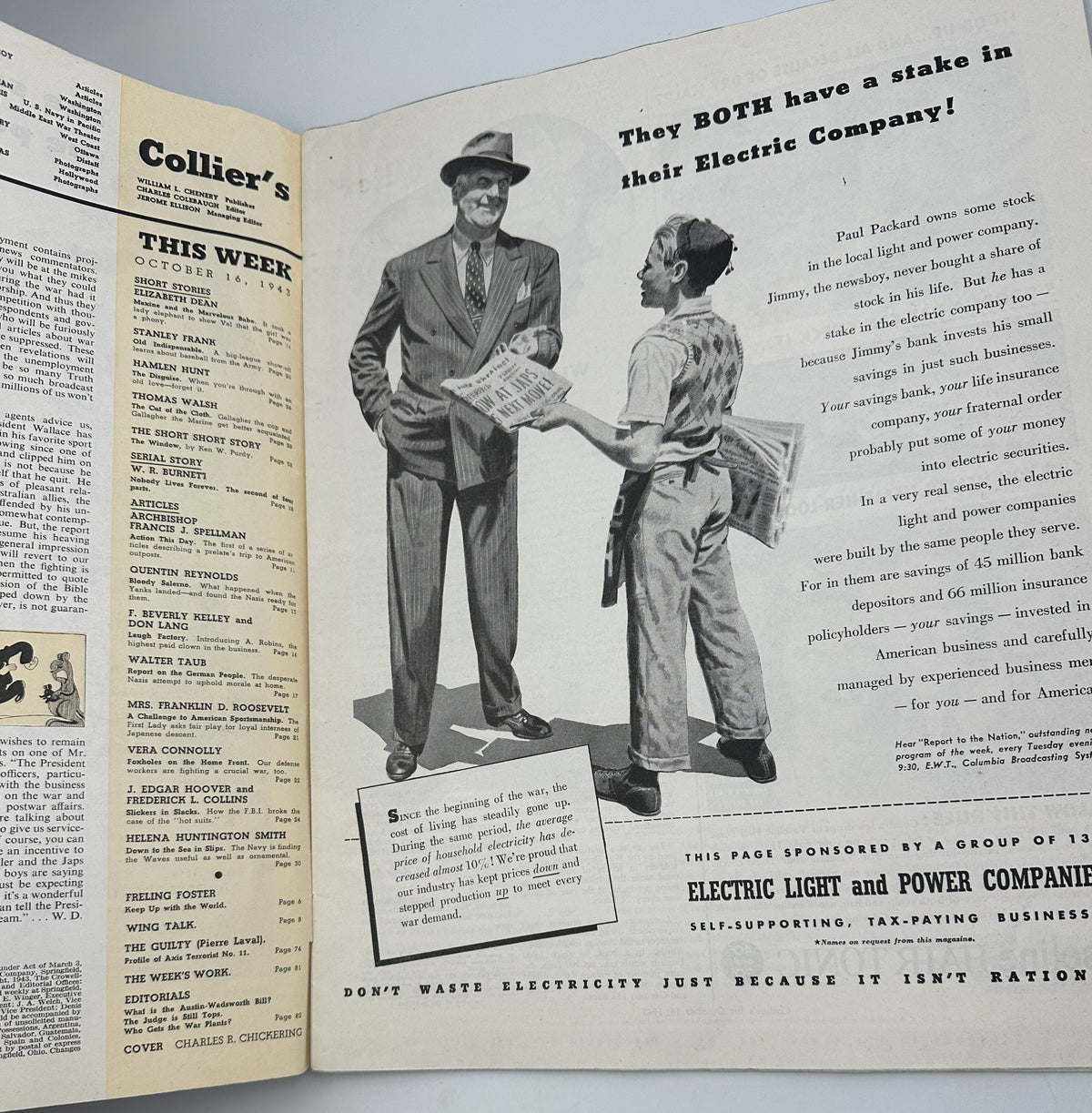
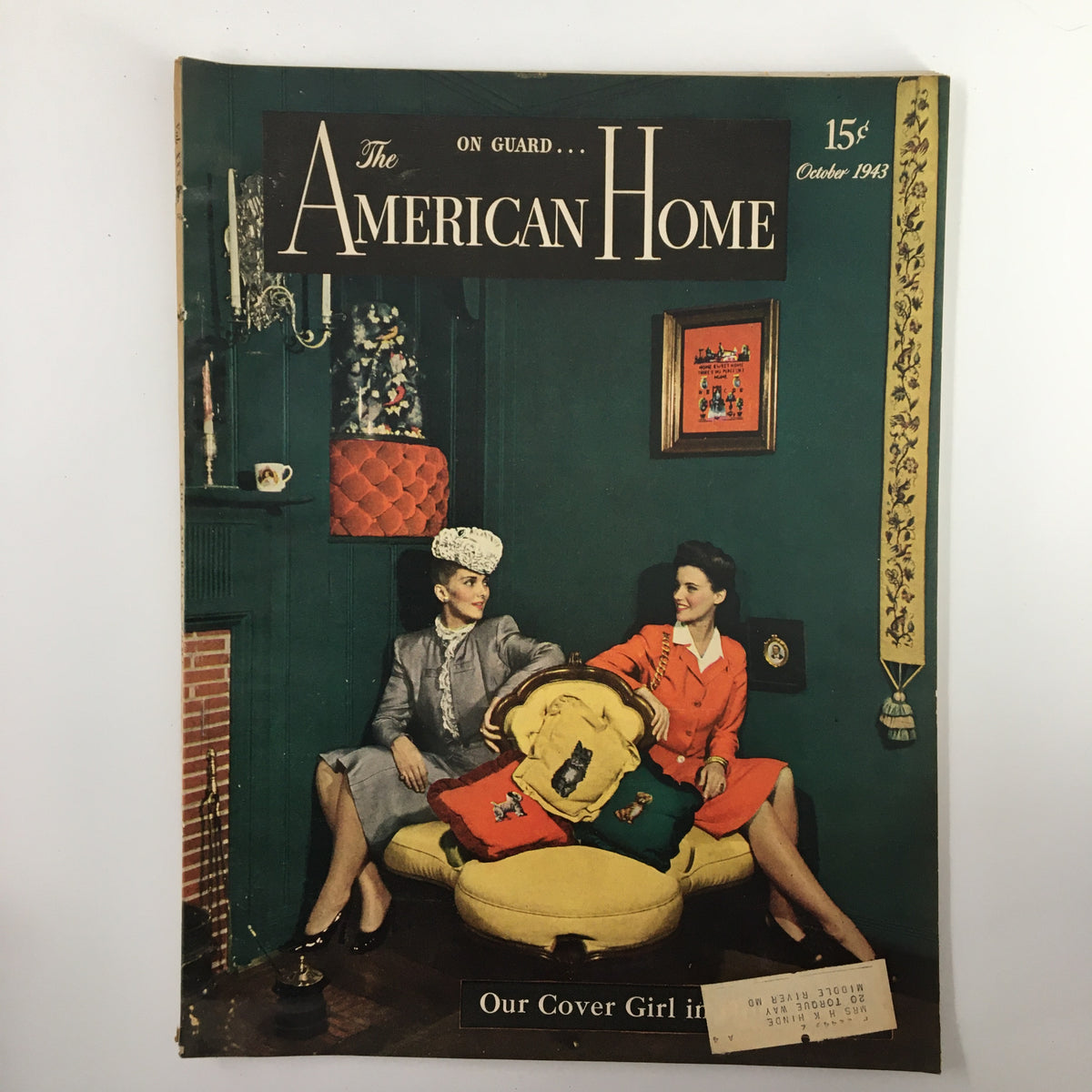
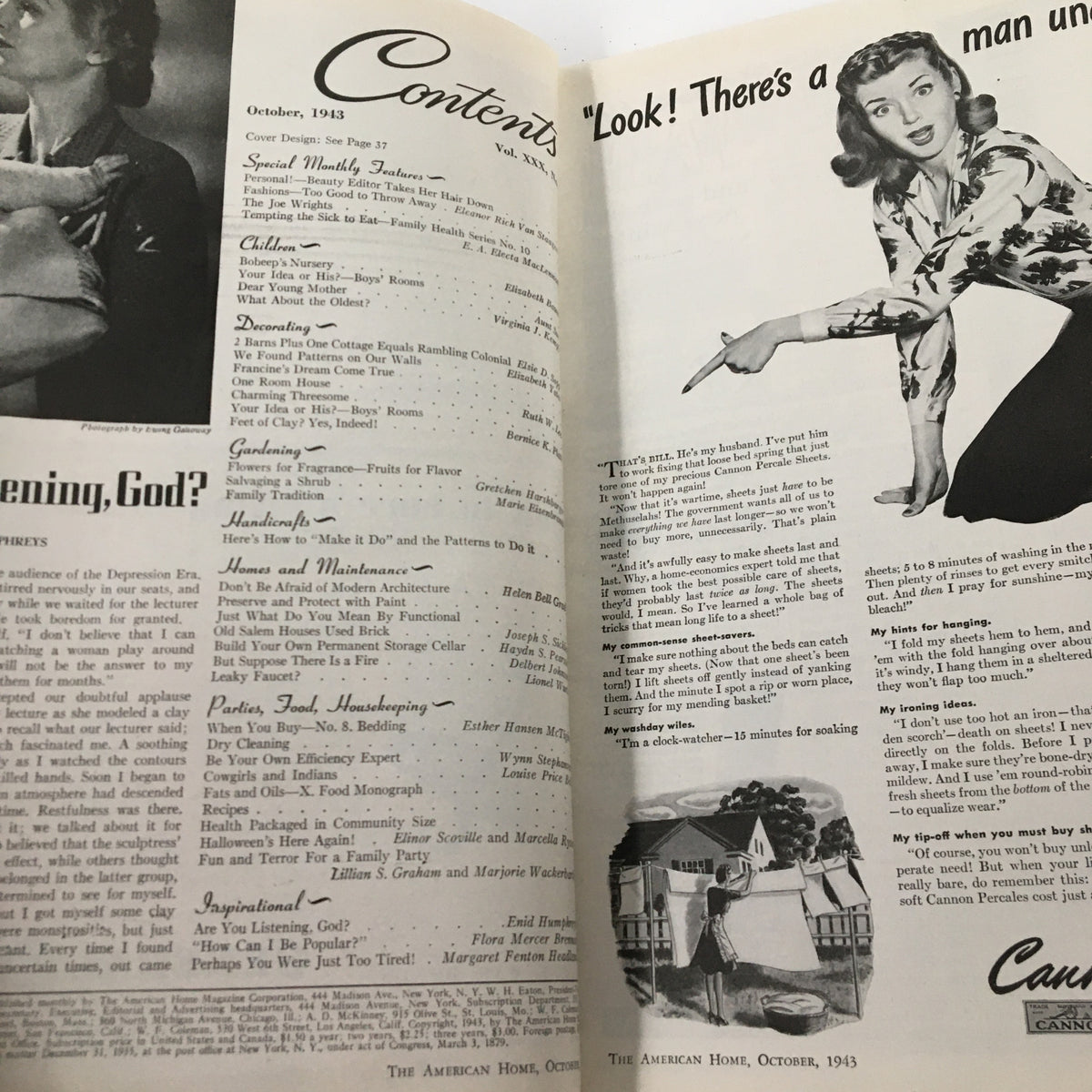
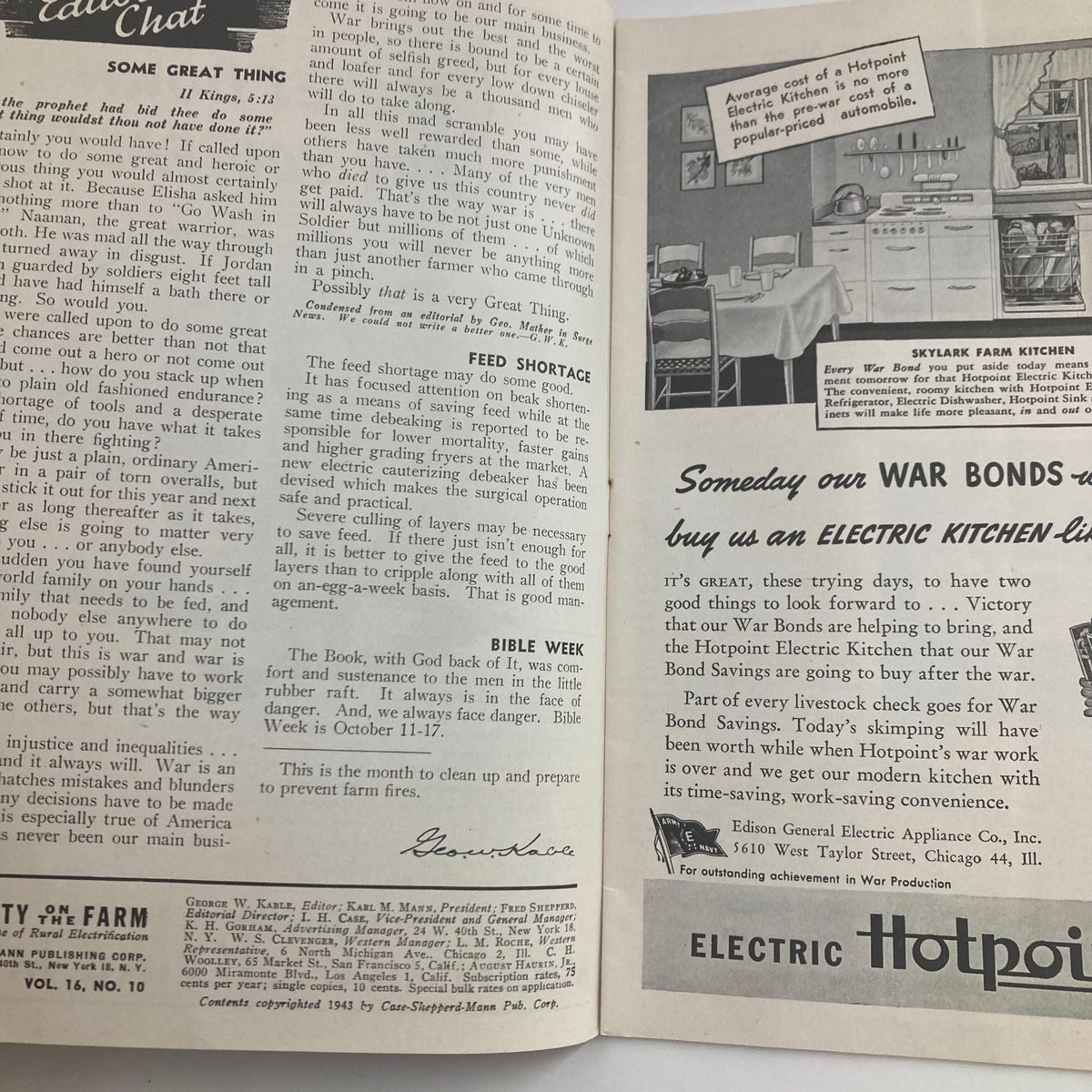
- Home Front Advertising: Authentic advertisements in any vintage magazine from this month reveal the texture of wartime civilian life—war bond promotions, rationing-era product campaigns, and defense industry advertisements that no reproduction can replicate, making each issue a genuine time capsule of October 1943.
The Perfect Gift
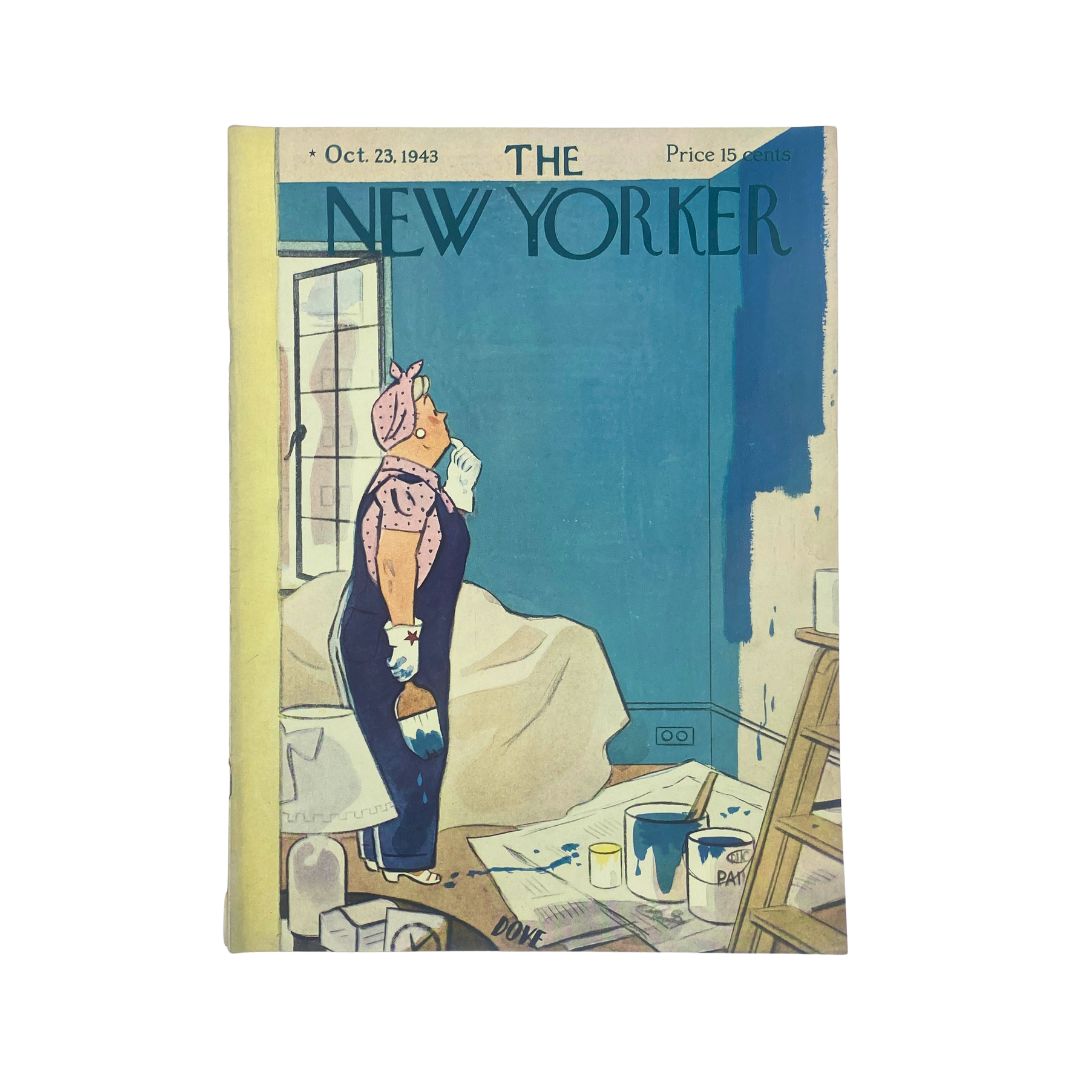
For someone born in October 1943, an original magazine from this pivotal month isn't just a keepsake—it's a birthday gift that places them at the exact center of history, preserved in the authentic headlines, photographs, and advertisements of the most consequential autumn of the twentieth century.