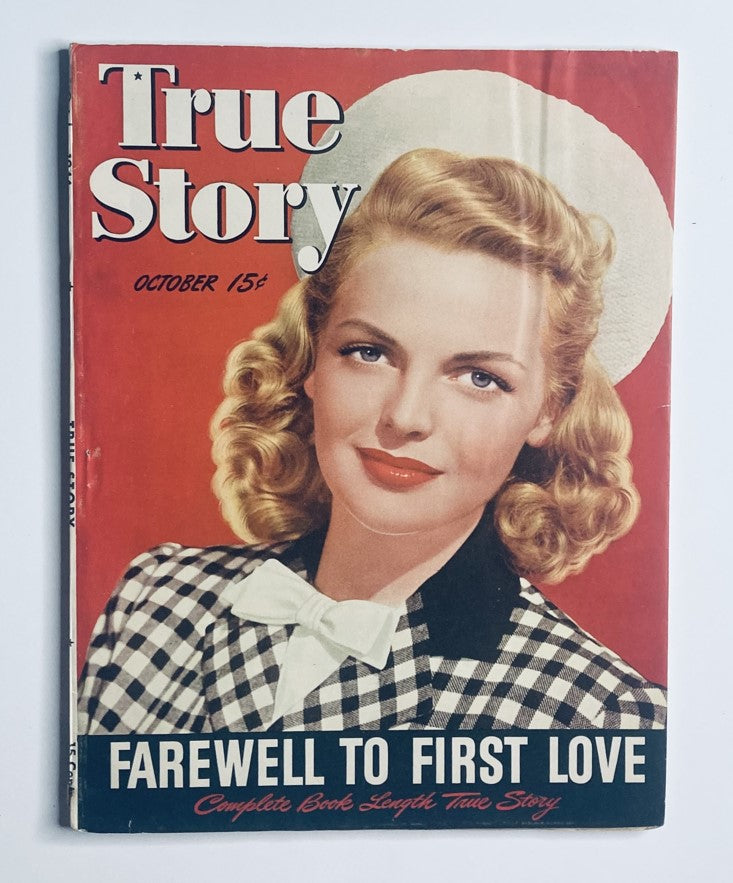
📖 About this Collection
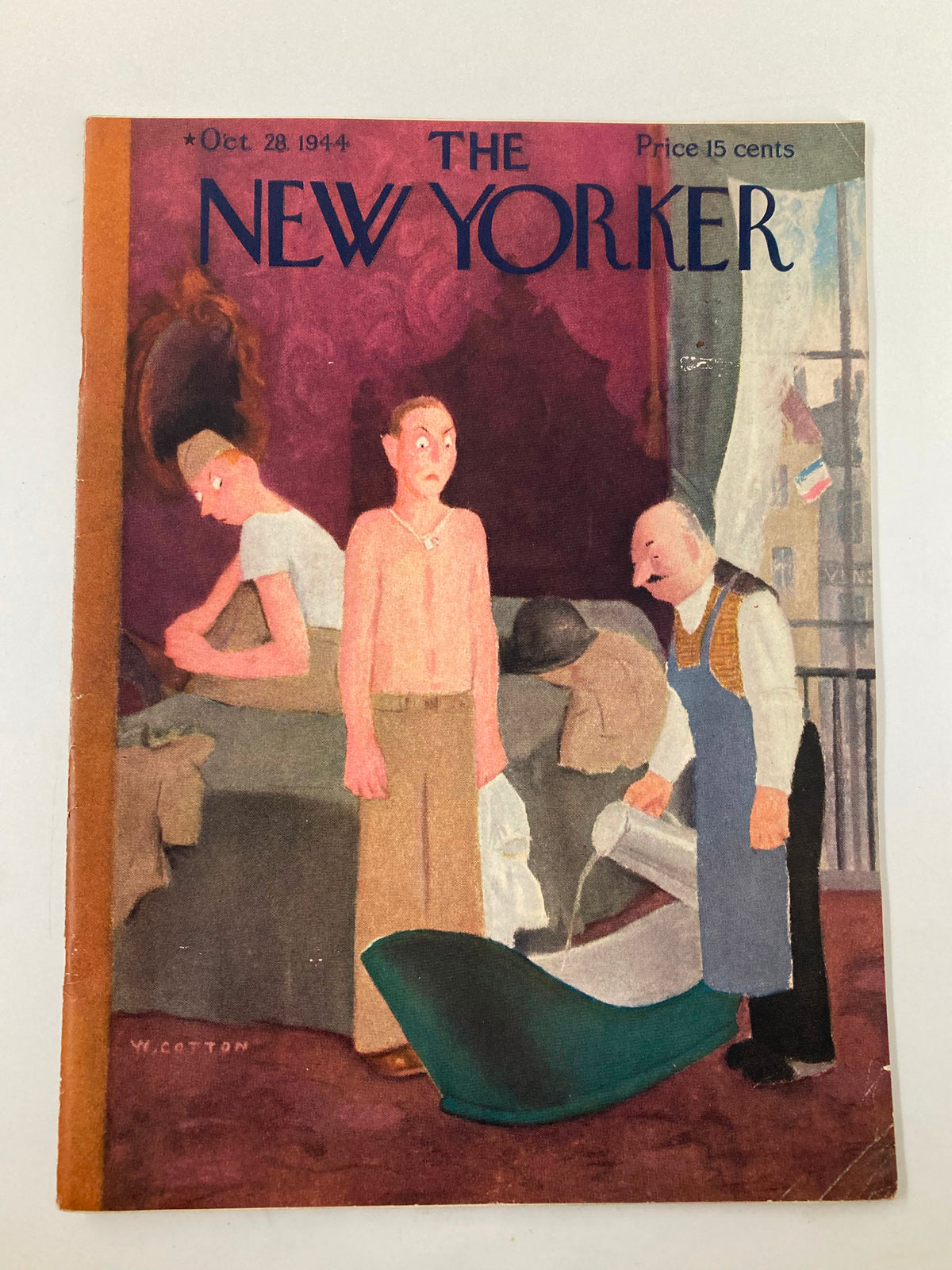
October 1944: The World at the Edge of Victory
The Historical Context
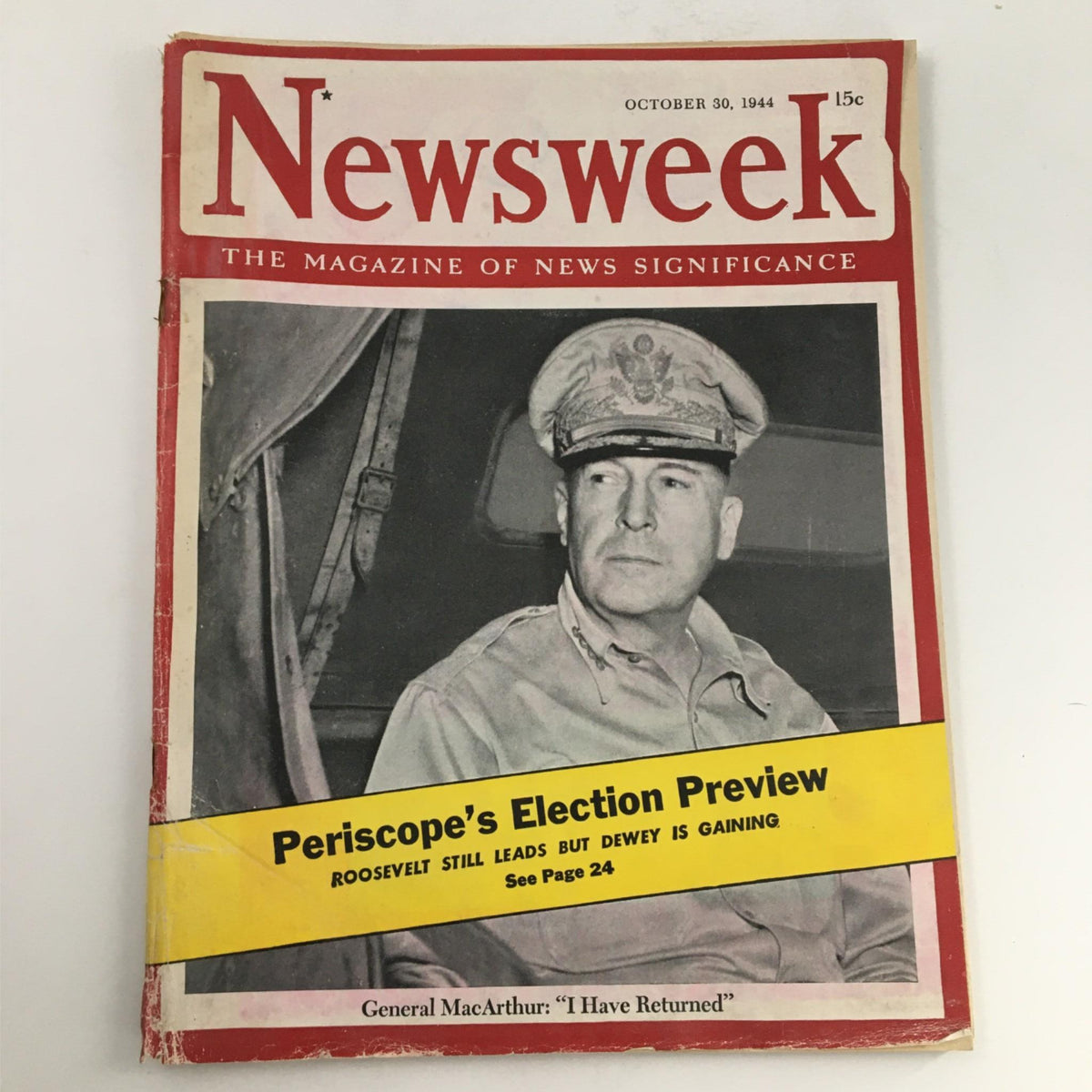
October 1944 arrived with the war's outcome no longer in doubt—but the cost still being tallied in blood. The month opened with a devastating reckoning in Warsaw, where Polish resistance fighters finally laid down their arms on October 2nd after sixty-three days of desperate urban combat. An estimated 250,000 lives had been lost. The silence that followed Warsaw's capitulation echoed across occupied Europe, even as Allied forces were pressing eastward: British troops marched into Athens on October 14th, Riga was liberated on the 13th, and U.S. forces under General Douglas MacArthur fulfilled his legendary promise—"I shall return"—landing on the Philippine island of Leyte on October 20th. That same week, American troops captured Aachen, the first major German city to fall to Allied forces, while the largest naval battle in history erupted in the waters of Leyte Gulf. This was the world in October 1944—brutal, pivotal, and turning inexorably toward liberation. This was the world your loved one entered.
What America Was Reading, Watching, and Living
Away from the front lines, American culture was absorbing the war's tempo into its rhythms. Otto Preminger's Laura opened in New York City on October 11th, Gene Tierney's enigmatic presence making it an instant sensation—film noir for an era that understood shadow and uncertainty intimately. On October 12th, the so-called "Columbus Day Riot" erupted in Times Square when 30,000 fans descended on the Paramount Theatre to see Frank Sinatra perform for a house that seated 3,500. The hysteria was front-page news, and original magazines from October 1944 captured it with a mixture of bemusement and cultural analysis. Meanwhile, radio audiences tuned in for the October 8th debut of The Adventures of Ozzie and Harriet on CBS, and Broadway welcomed two new works: the musical Bloomer Girl opened October 5th, and the drama I Remember Mama premiered October 19th—featuring an uncredited young actor named Marlon Brando in his Broadway debut. Life, Time, and Look tracked every frame of it.
Curator's Checklist: What to Look for in Your October 1944 Magazine
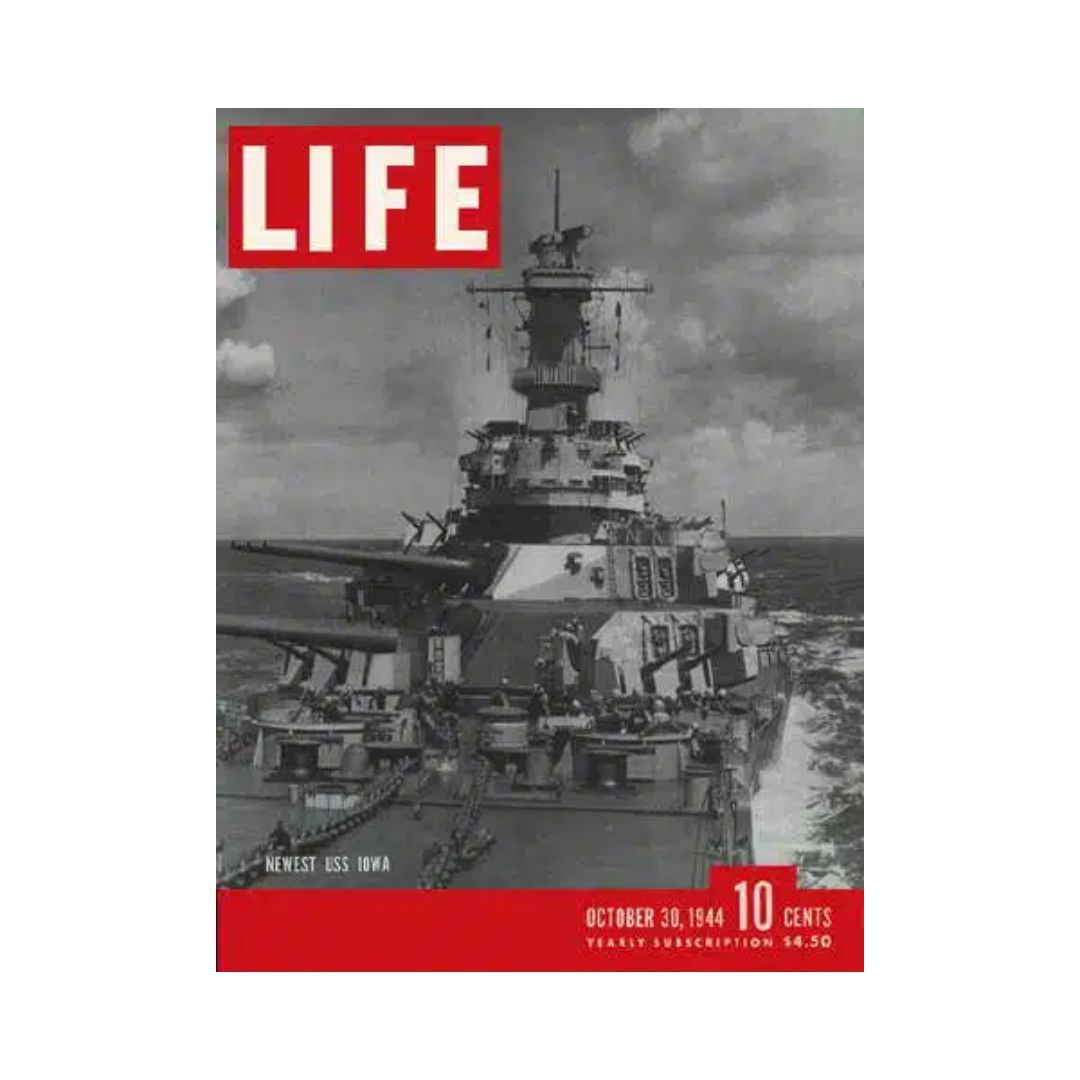
- The Battle of Leyte Gulf: News and photography magazines including Life and Newsweek featuring dramatic coverage of the largest naval battle in history, often illustrated with maps of the Philippine theater and wire-service photographs of the U.S. Sixth Army's beach landing under MacArthur's personal command.
- The Fall of Aachen: Rare magazines covering the U.S. First Army's capture of the first large German city to fall, with vintage magazines from this period often showcasing stark combat photography and headlines marking this symbolic milestone in the European campaign.
- Frank Sinatra and the Columbus Day Riot: Entertainment publications including Variety and general-interest weeklies chronicling the extraordinary scenes in Times Square, featuring photographs of the crowds and commentary on the emerging phenomenon of American teenage fandom.
- MacArthur Returns to the Philippines: Life and Look issues featuring the iconic wading-ashore imagery of General MacArthur at Leyte, one of the most reproduced photographs of the entire war, often accompanied by maps, troop positions, and strategic analysis.
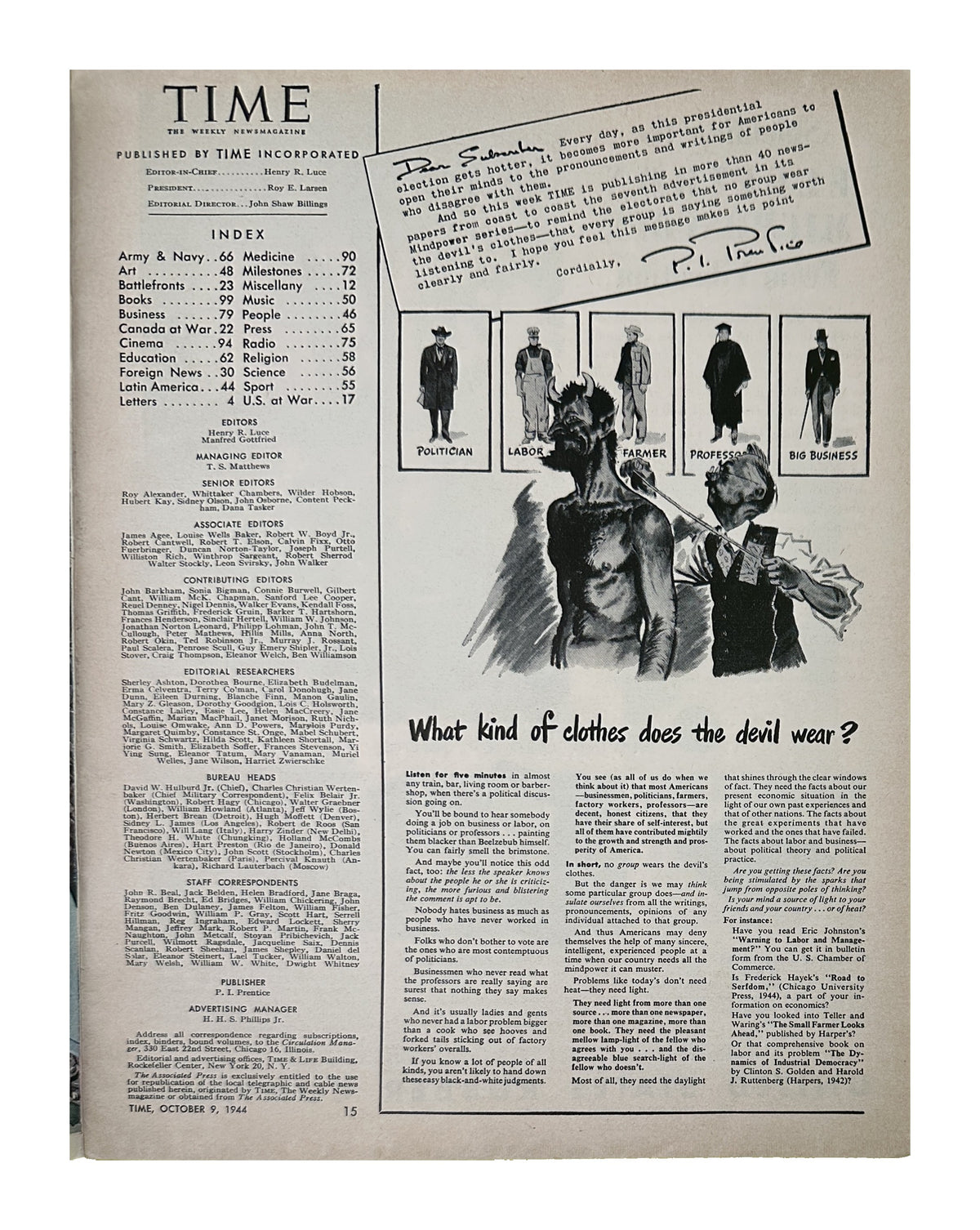
- The Home Front in Wartime America: Authentic advertising pages in Saturday Evening Post and Ladies' Home Journal preserving the genuine commercial landscape of 1944—war bond appeals, rationing-era product ads, and fashion spreads from Vogue and Harper's Bazaar showing how American style adapted to wartime scarcity.
The Perfect Gift
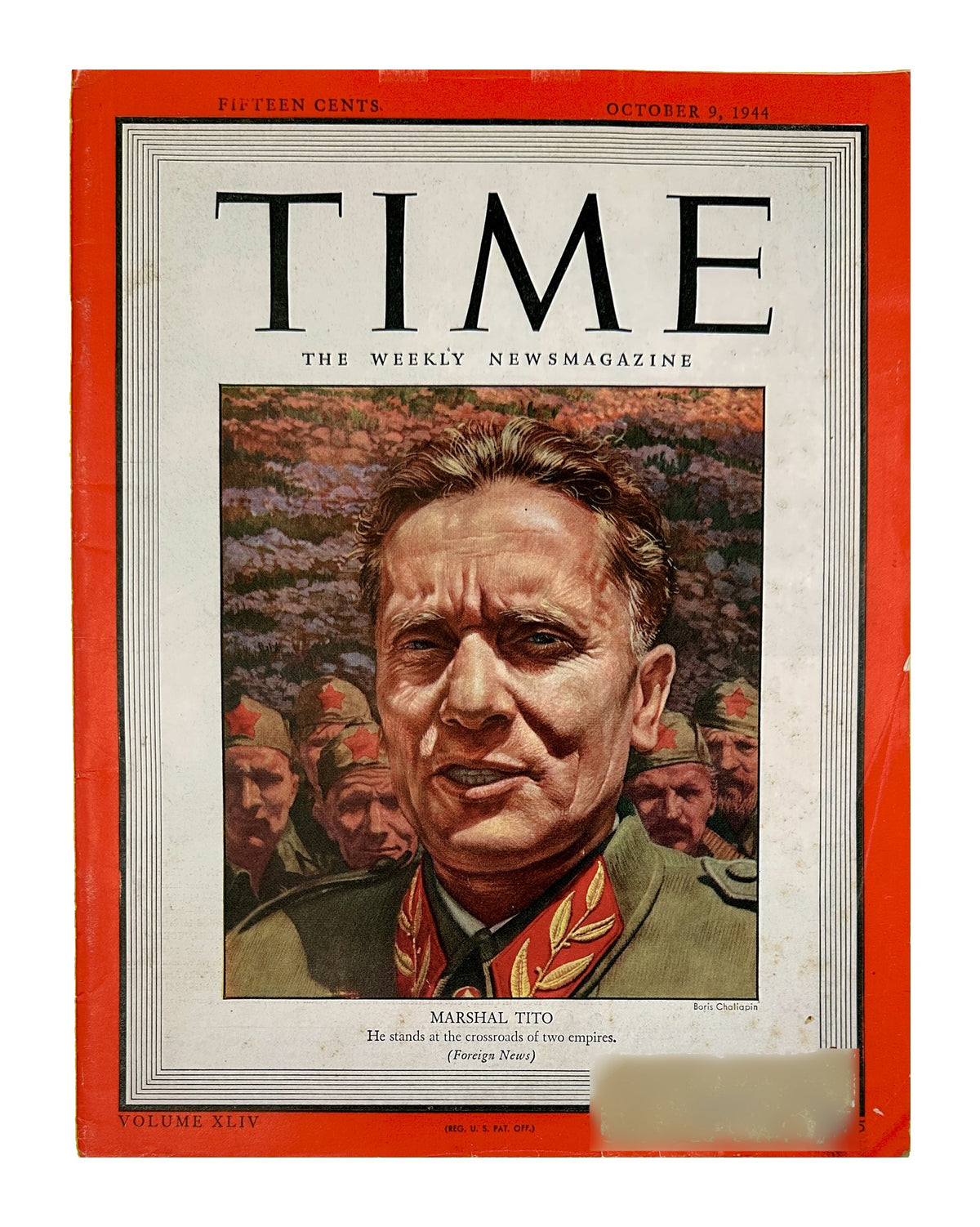
For someone born in October 1944, an original magazine from this extraordinary month isn't just a piece of old paper—it's a genuine time capsule of one of history's most consequential turning points, preserved in authentic headlines, genuine period advertising, and the original photography that a watching world could not look away from.