📖 About this Collection
October 1945: The World Remade at the Edge of Peace
The Historical Context
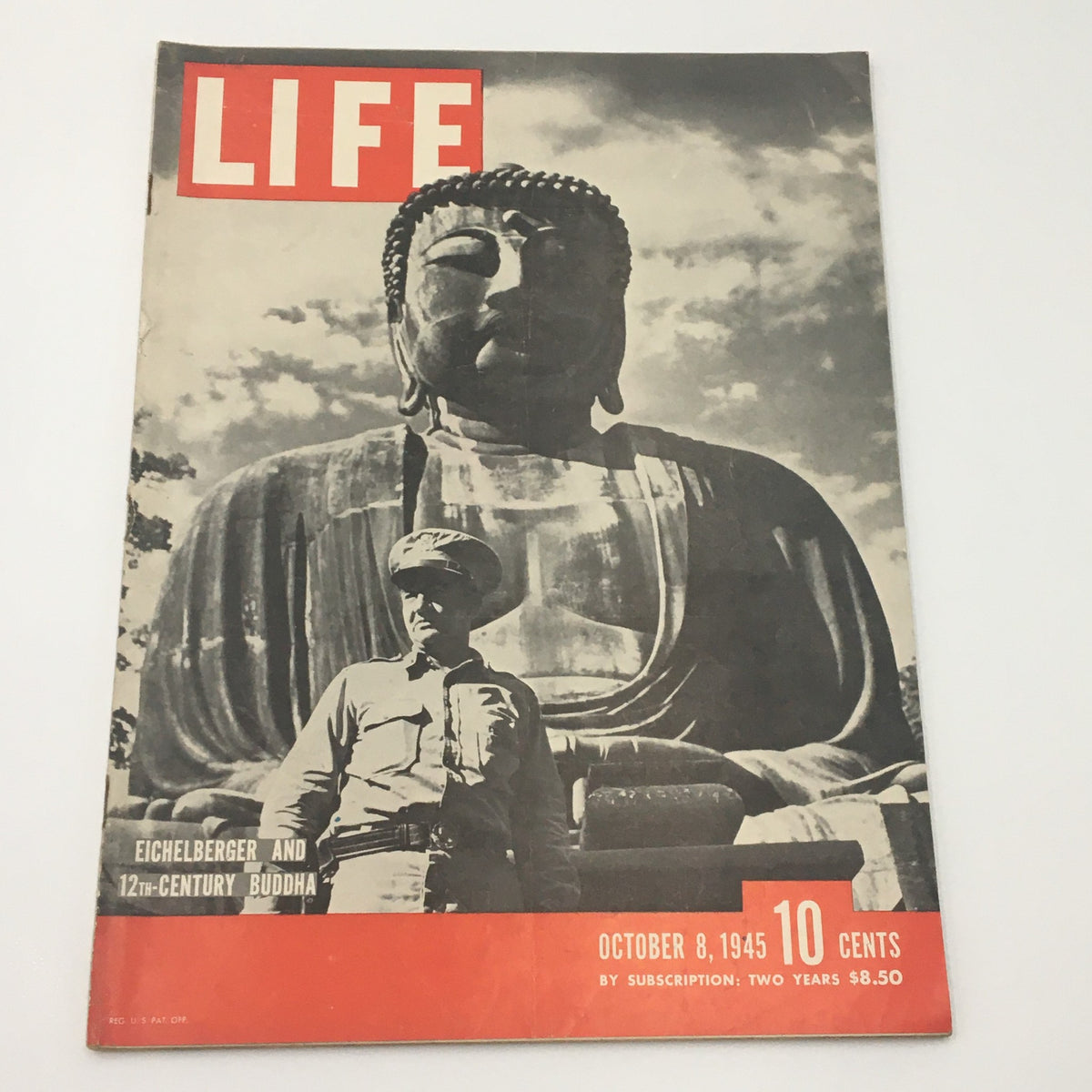
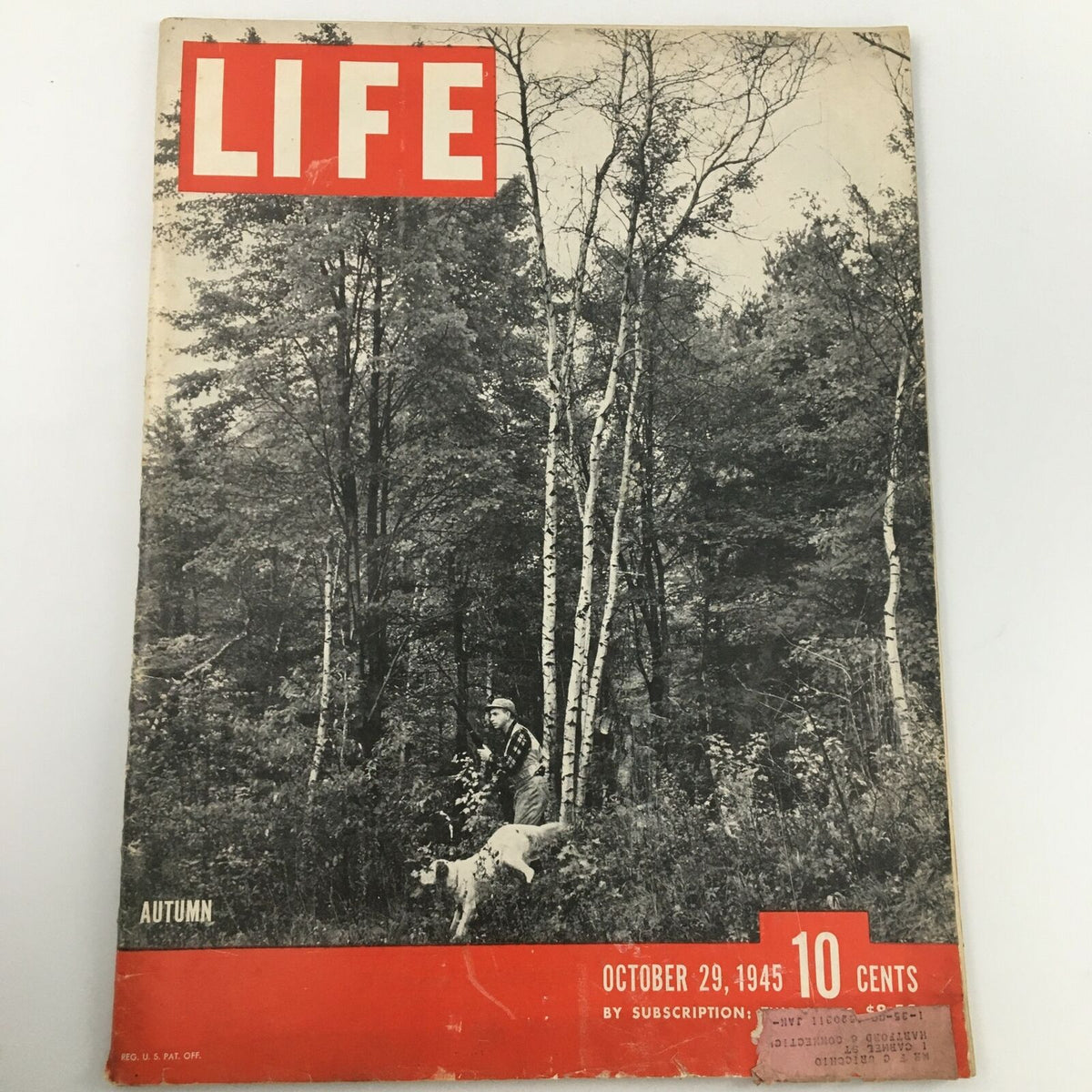
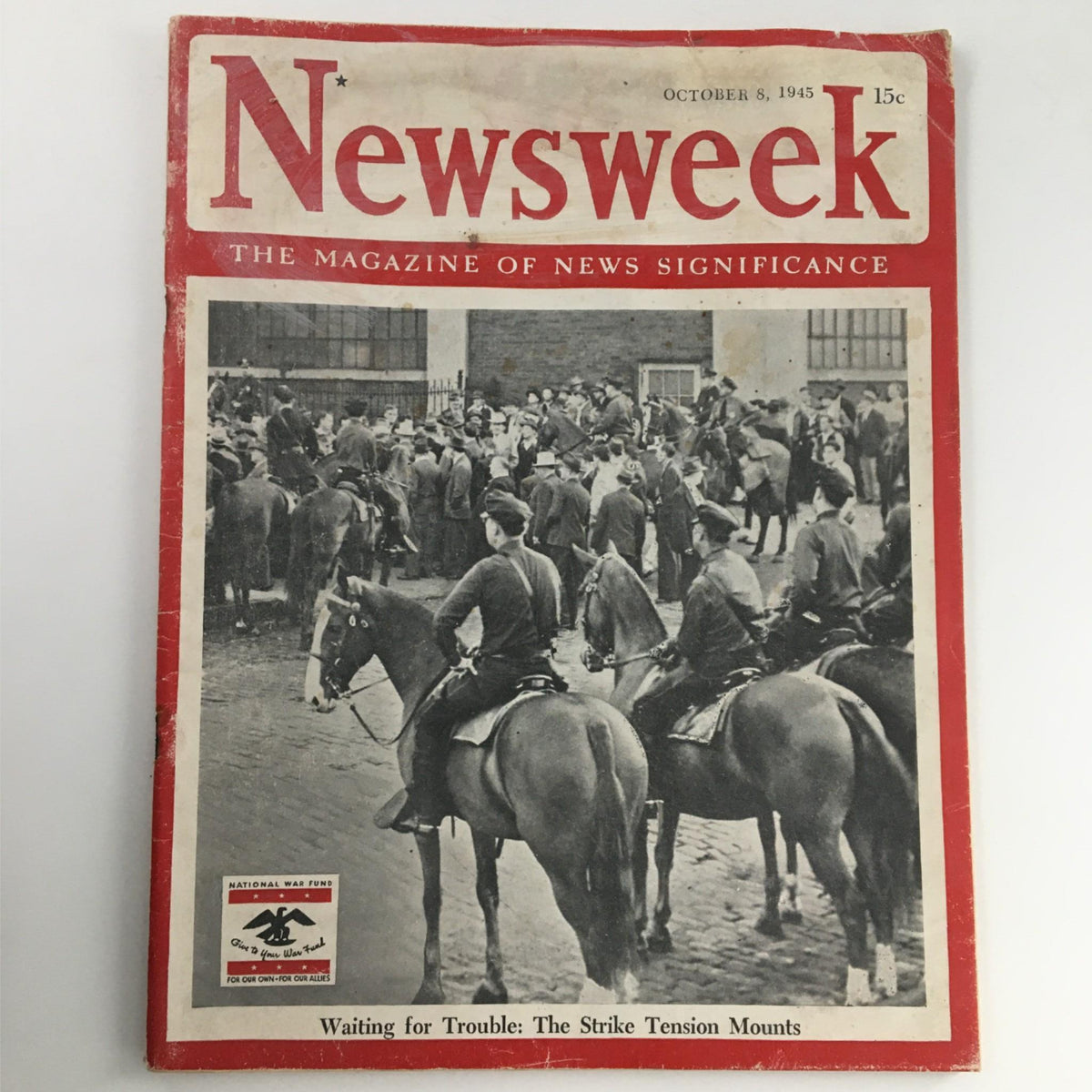
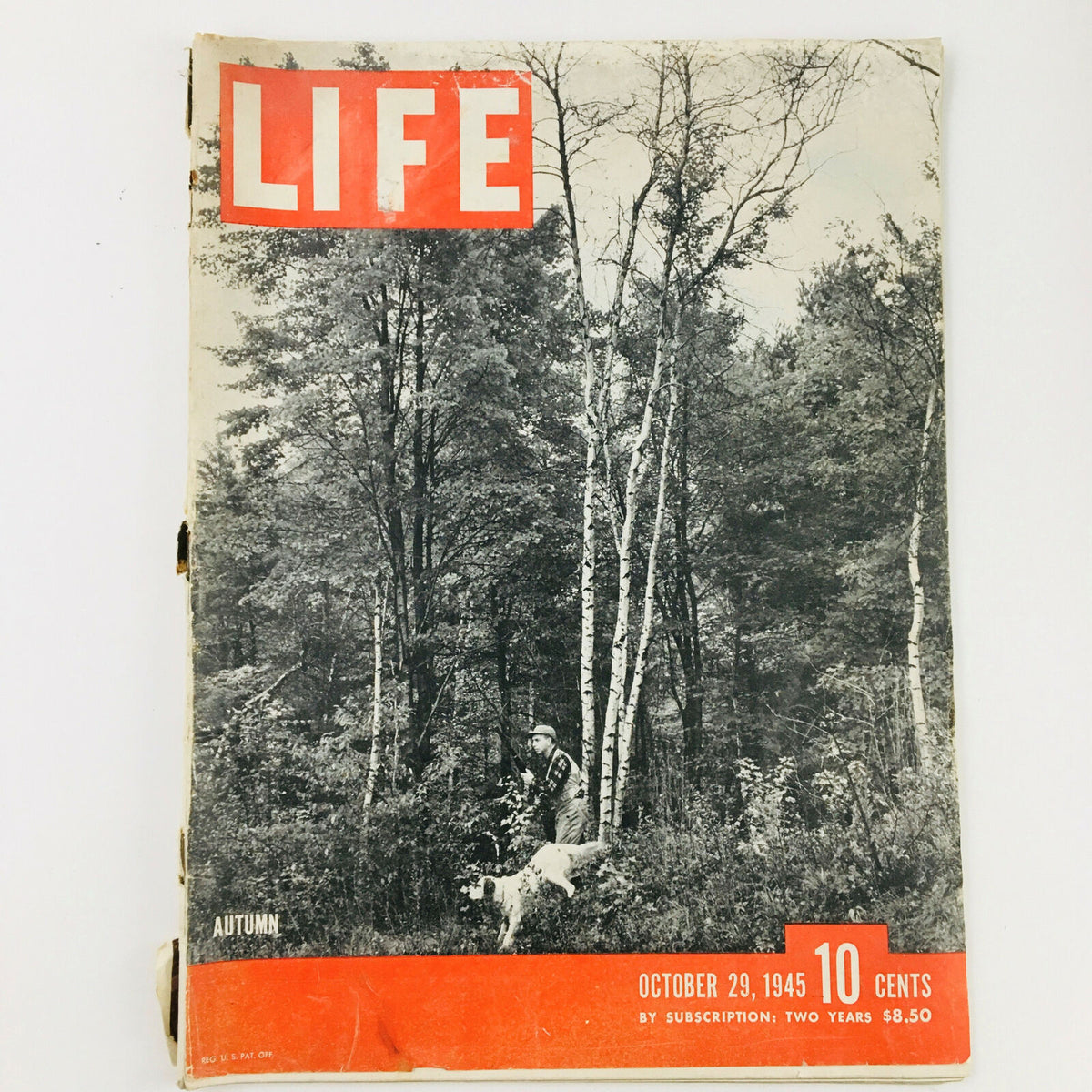
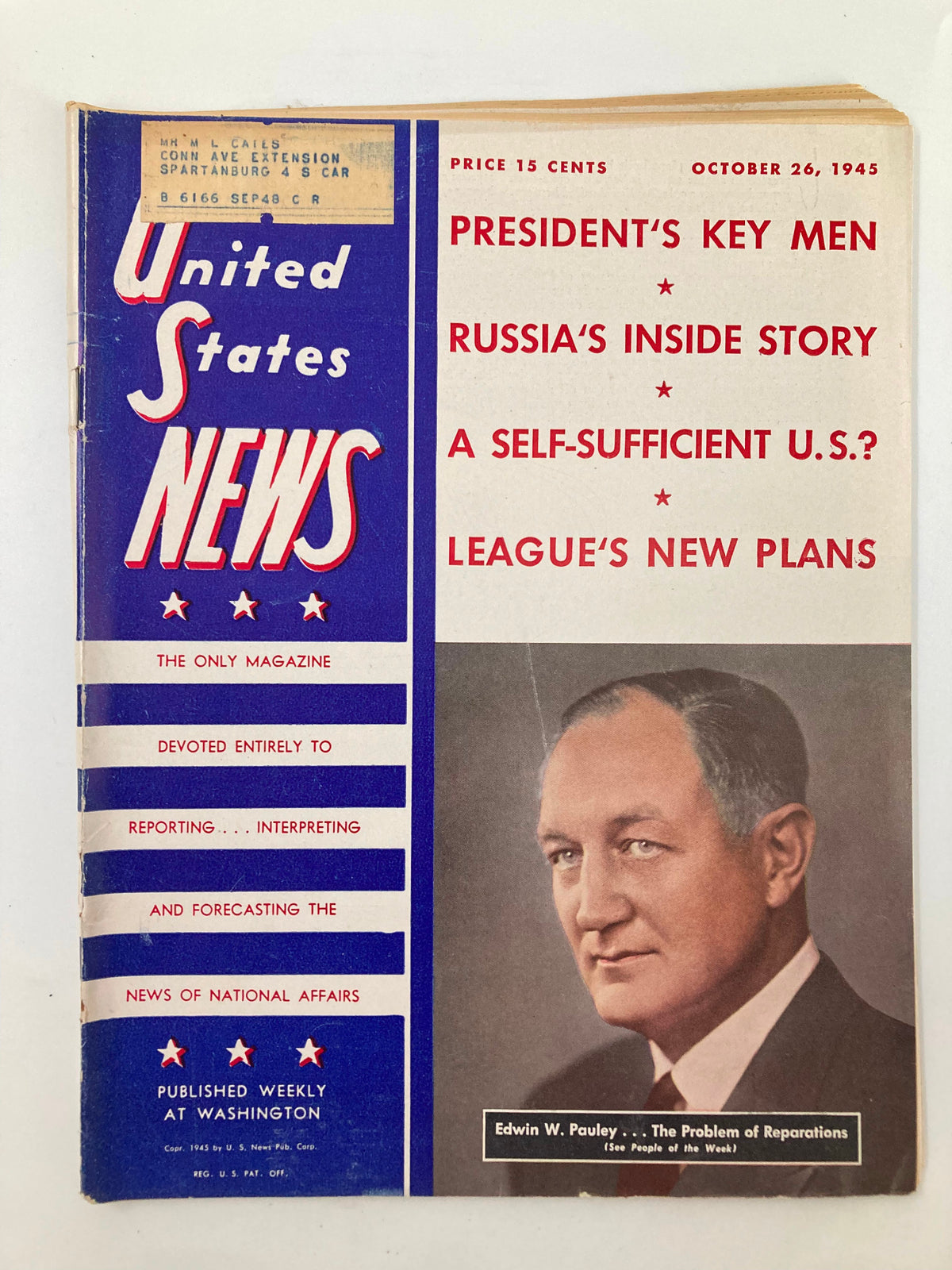
The autumn of 1945 arrived carrying the weight of a world that had only just remembered how to exhale. The war in Europe and the Pacific was over—but October delivered something the victors hadn't anticipated: the hard, complicated work of what came next. The most defining moment of the month came on October 24th, when the Charter of the United Nations officially entered into force. After the deadliest conflict in human history, 51 nations had signed their names to an unprecedented promise: that diplomacy, not warfare, would govern the future. Time and Life captured the solemnity with full coverage, their pages heavy with both hope and the awareness of how fragile that hope was.
Beneath that momentous headline, October crackled with the raw energy of a world reorganizing itself. On October 11th, the Chinese Civil War reignited as Chiang Kai-shek's Nationalist government and Mao Zedong's Communist forces resumed a conflict that had been suspended only by the presence of a common enemy. In Argentina, mass demonstrations on October 17th forced the release of Juan Perón—a pivotal moment that would shape South American politics for decades. And on October 29th, Brazilian dictator Getúlio Vargas was ousted in a military coup, closing a chapter that had defined a continent. This was the world your loved one entered—or the one their parents navigated in those first uncertain months of an uncertain peace.
The Culture of October 1945
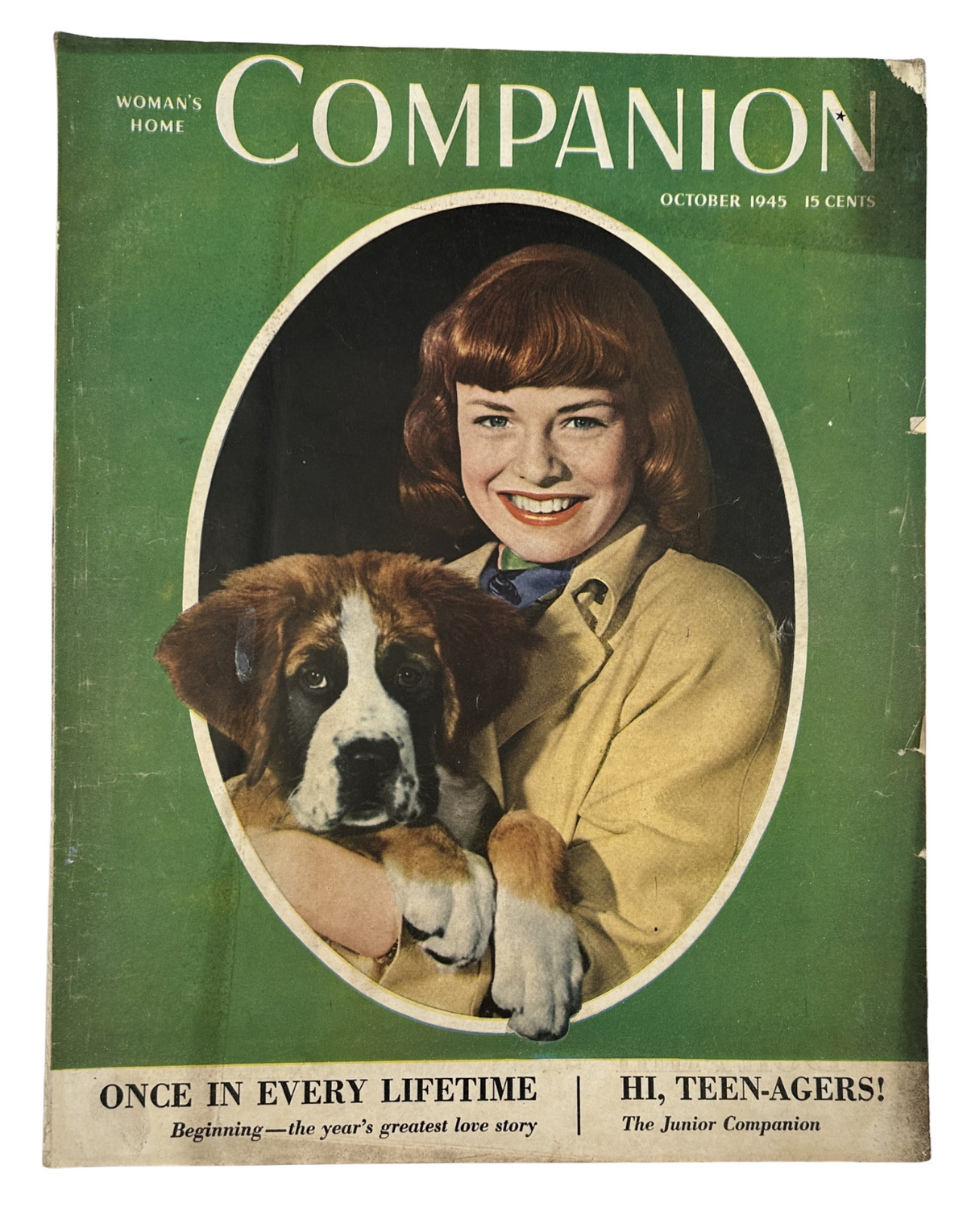
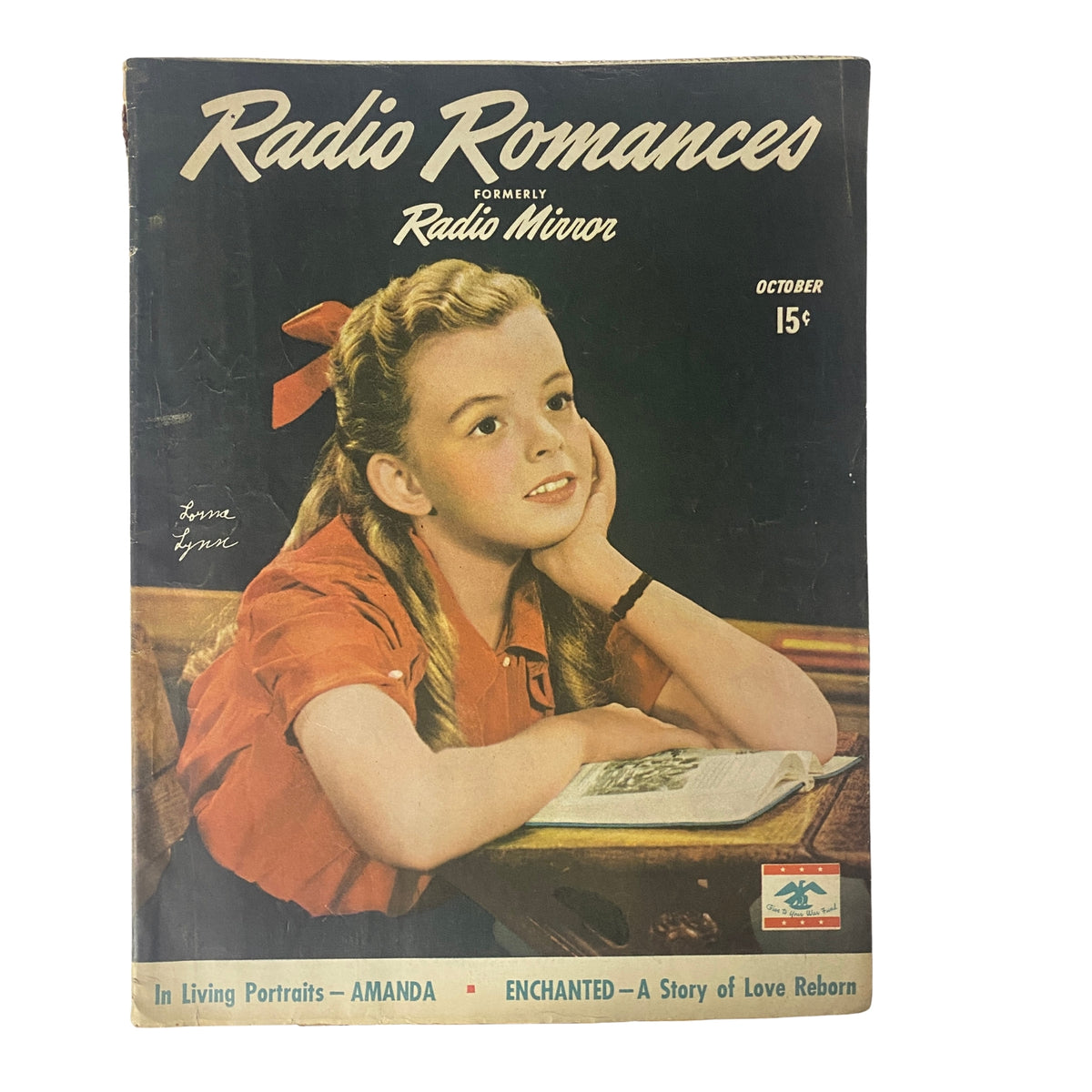
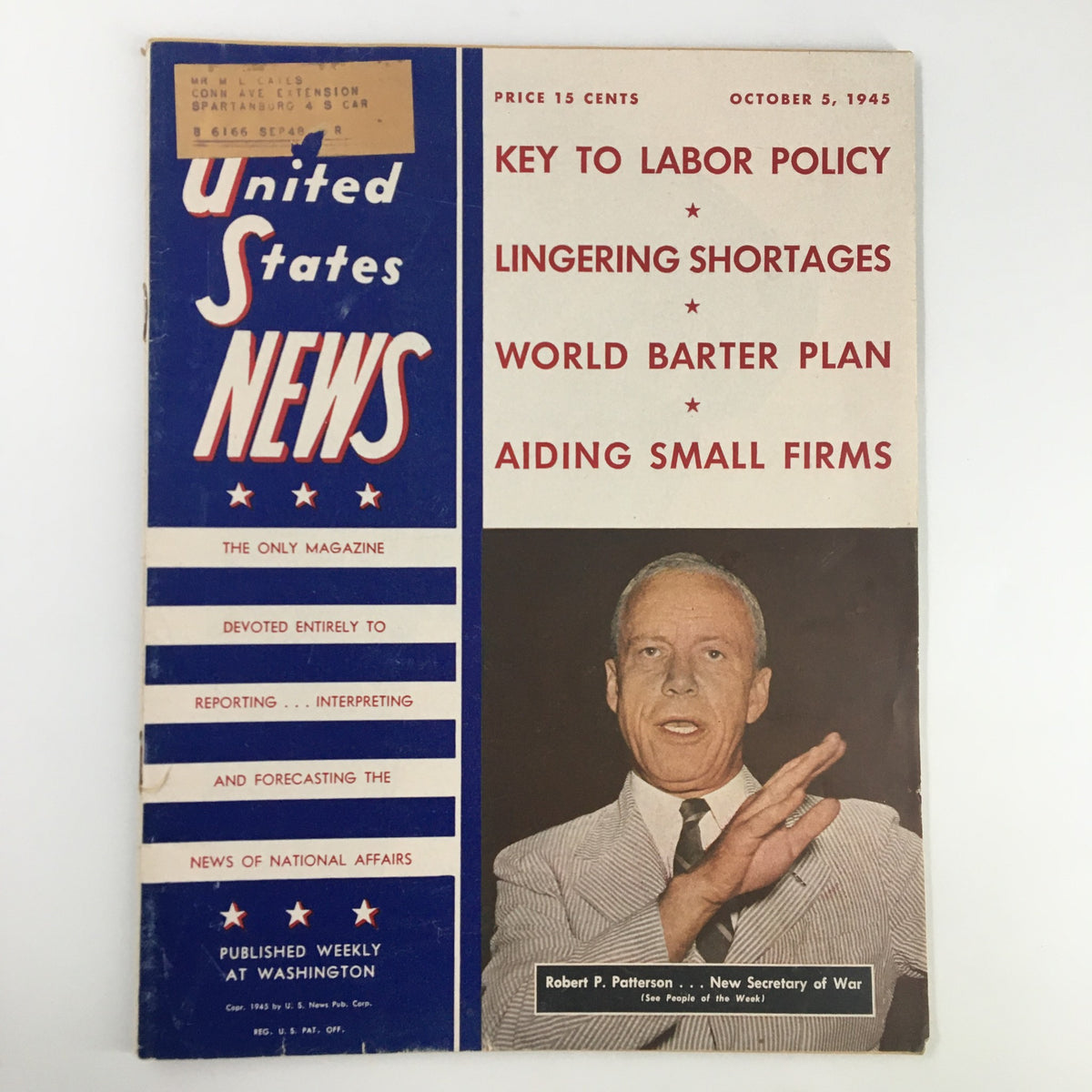
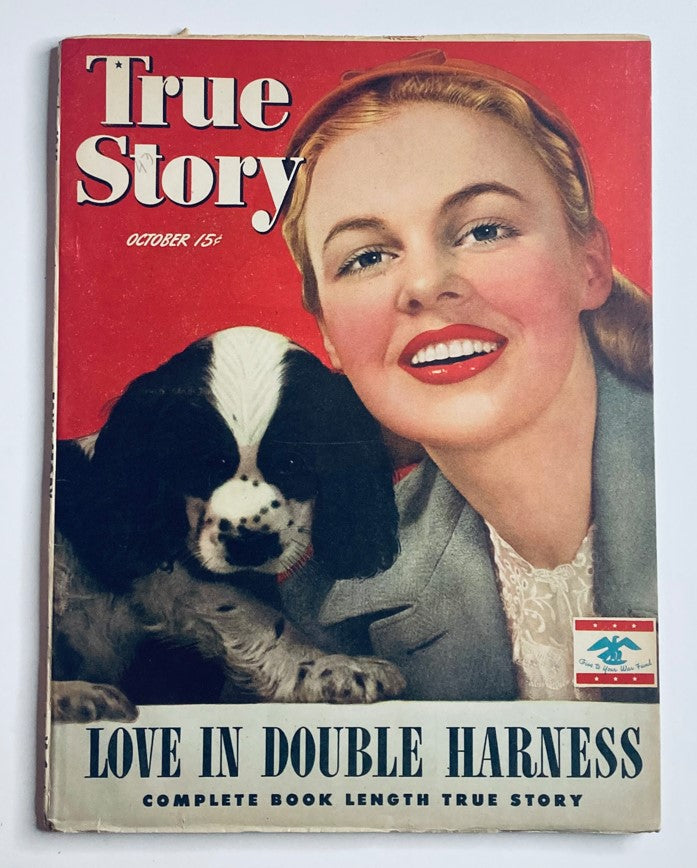
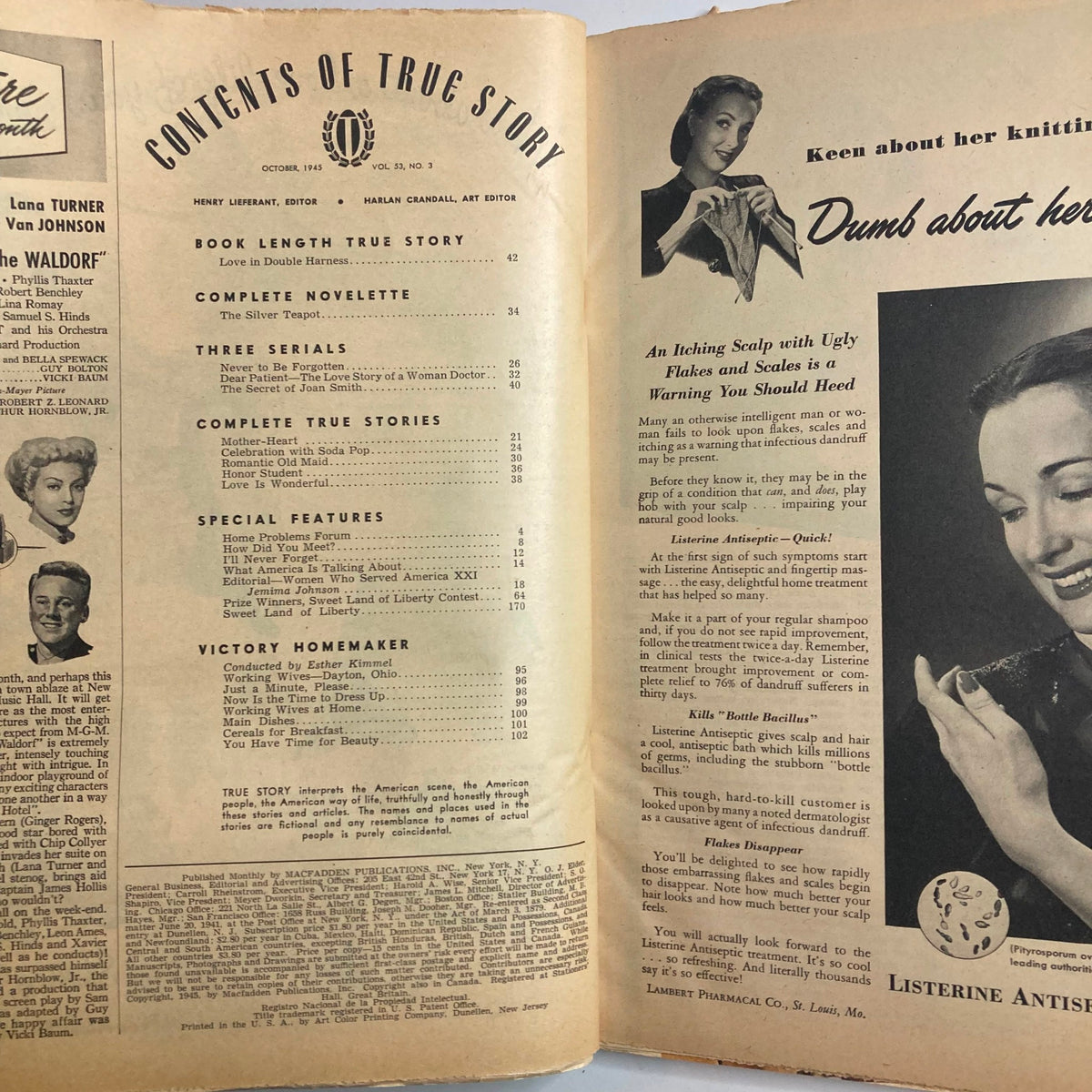
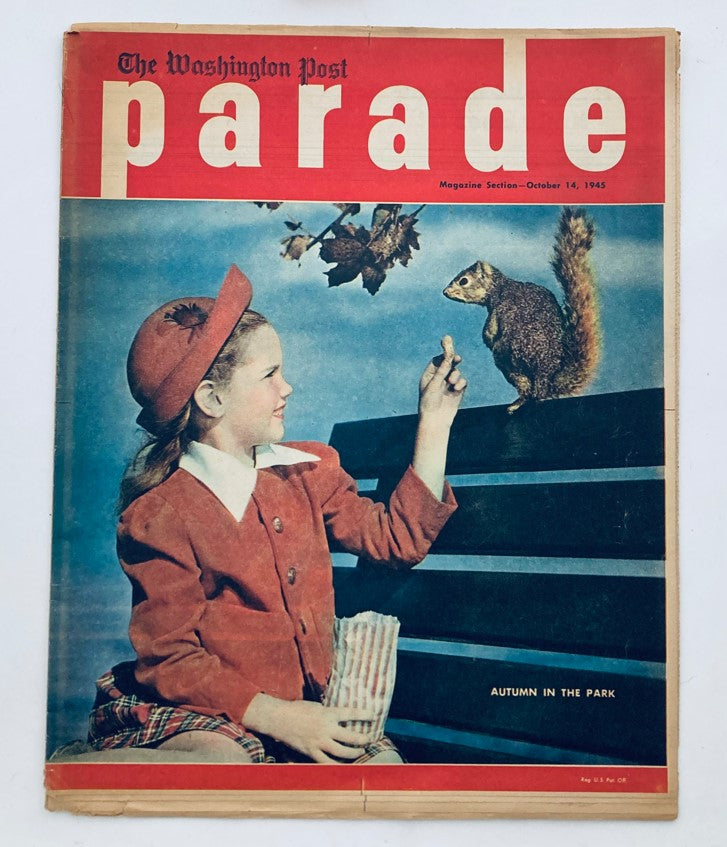
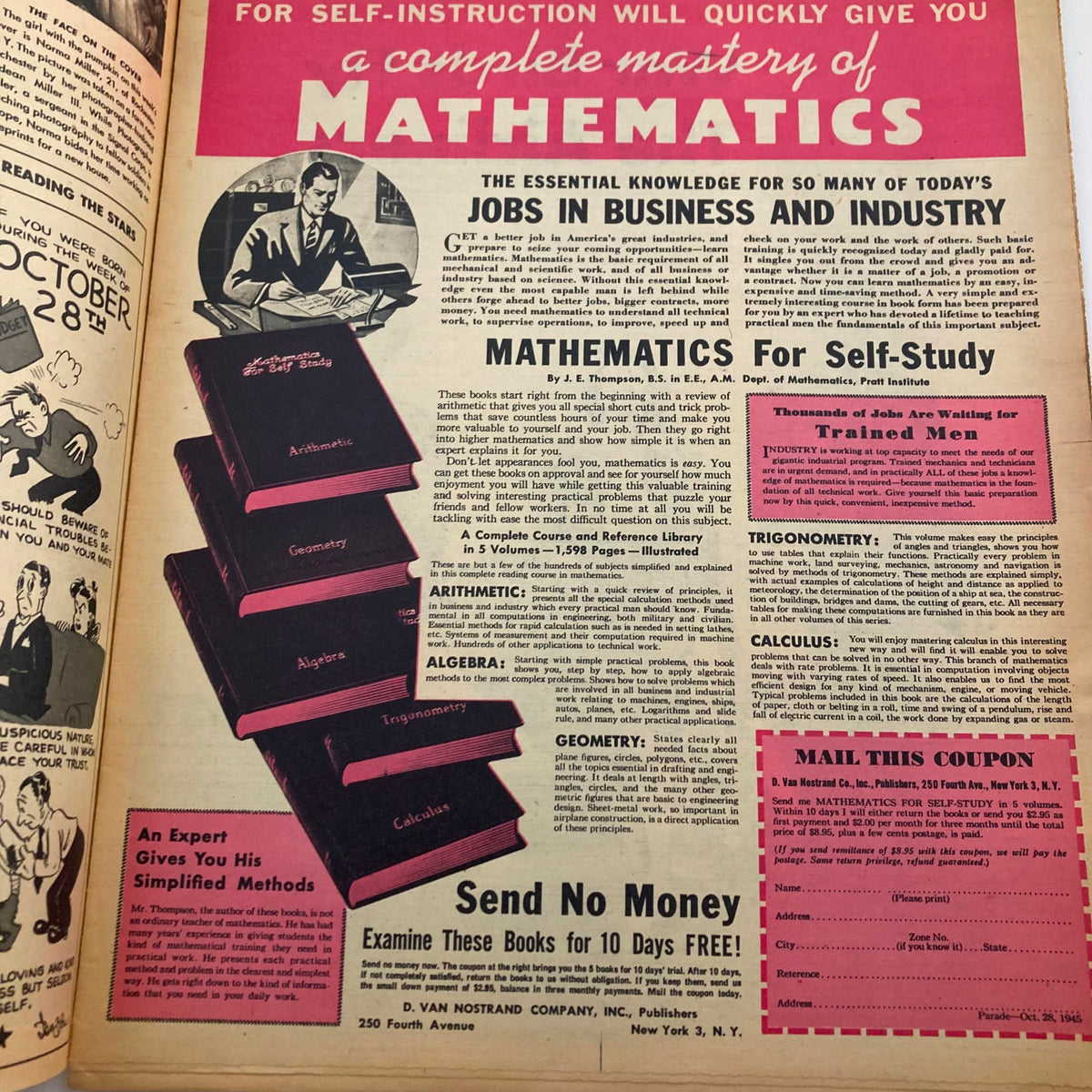
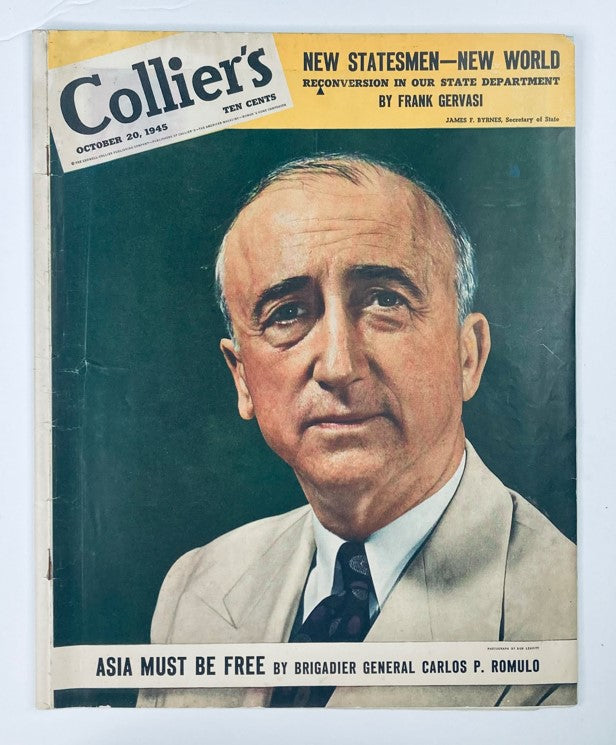
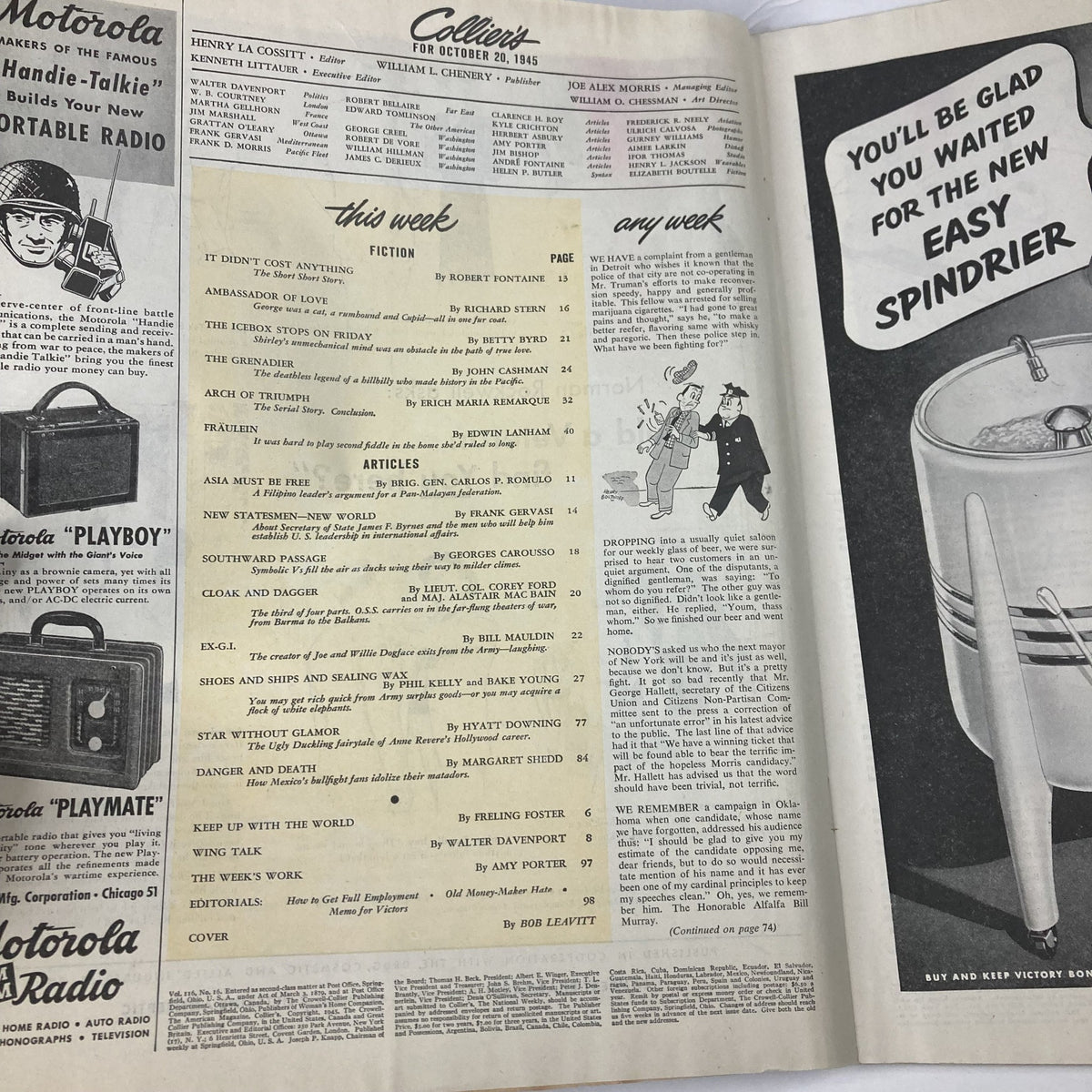
Away from the diplomatic chambers and the corridors of power, October 1945 offered Americans something they had been quietly starving for: the ordinary. Shoe rationing officially ended on October 30th—a small announcement that meant something profound to a nation that had been calculating its every purchase for years. Original magazines from October 1945 captured this pivot with advertisements that seemed almost giddy: consumer goods returning to shelves, the promise of abundance just around the corner.
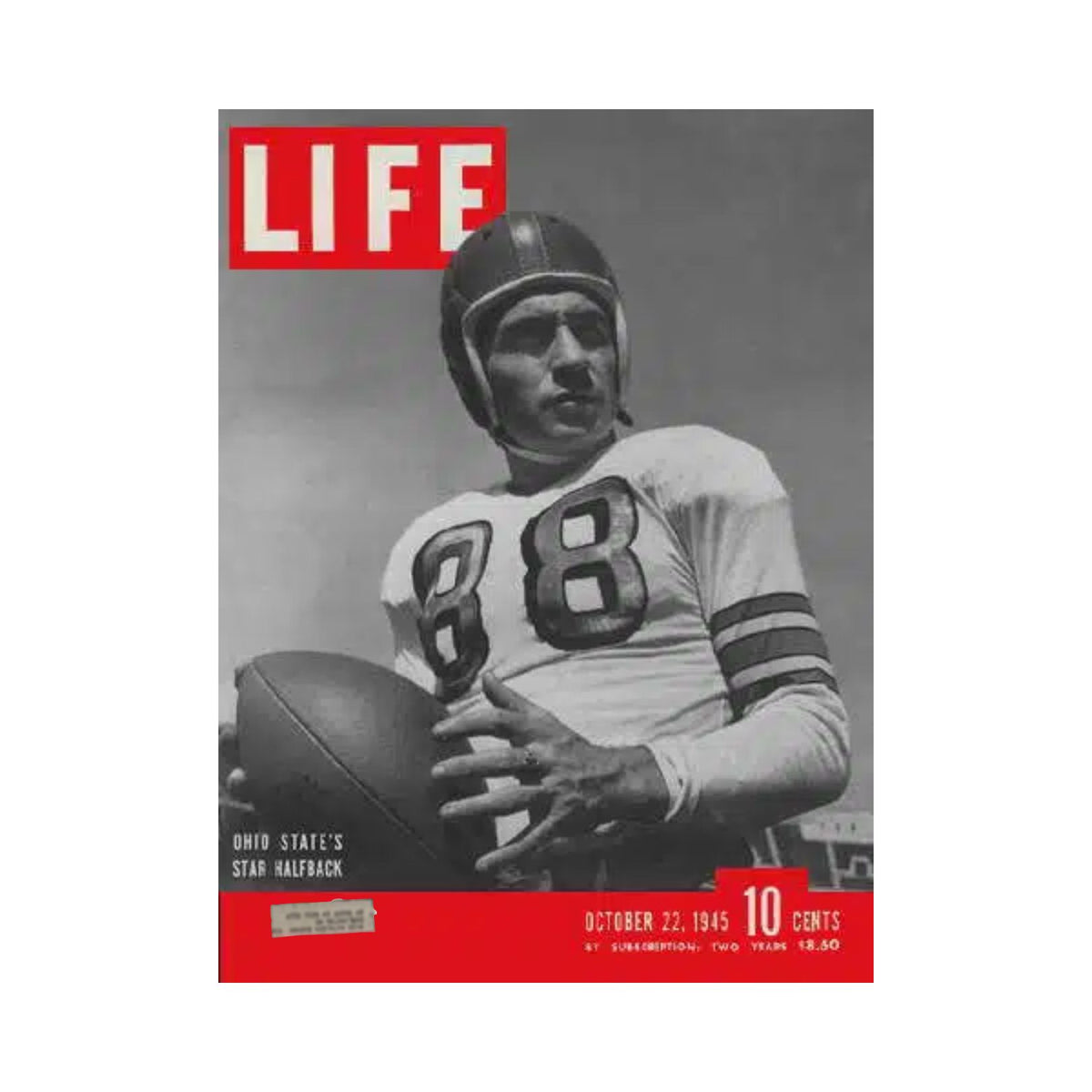
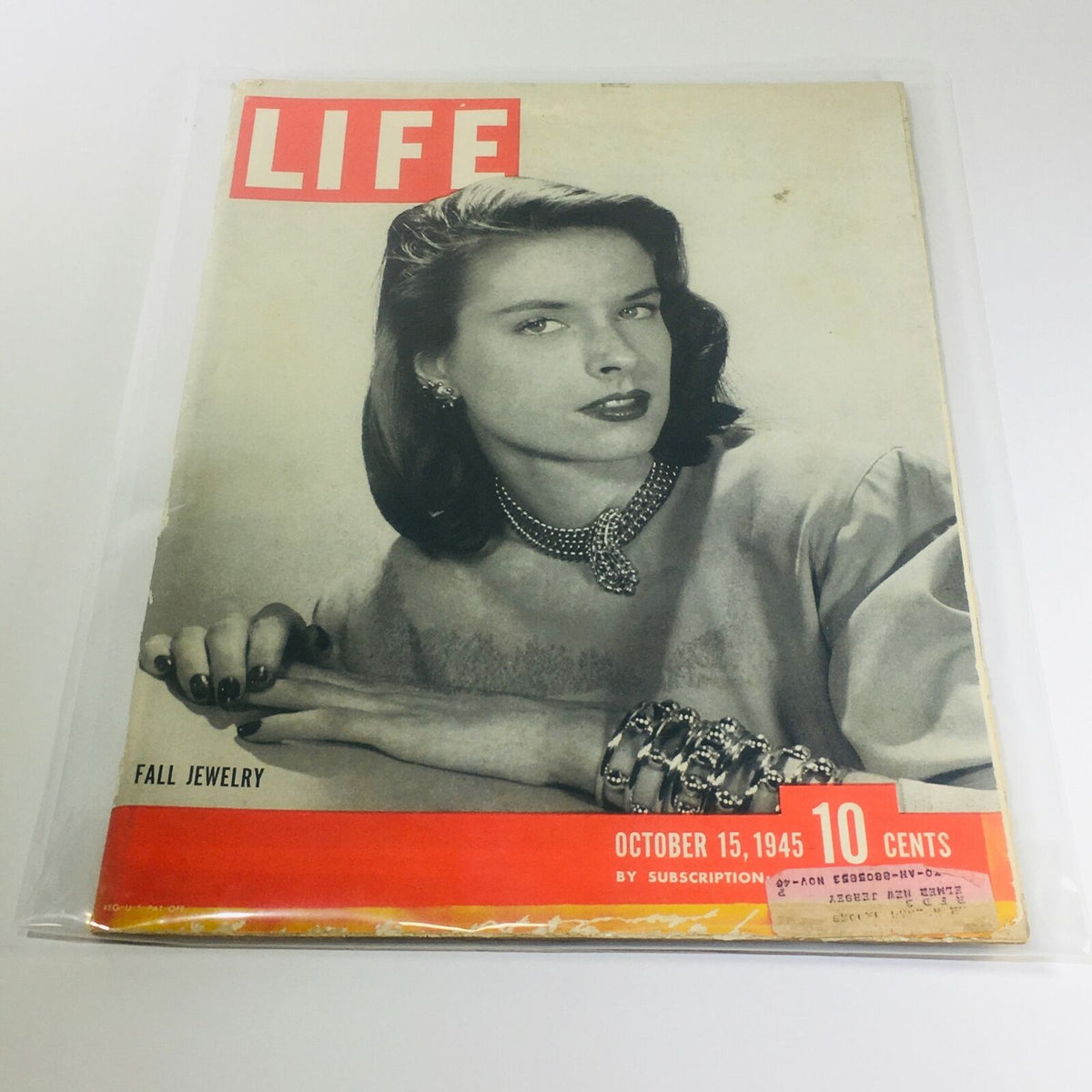
On the radio, Meet the Press premiered on October 5th, introducing a format that would define American journalism for generations. At the ballpark, the Detroit Tigers claimed the World Series in a tight seven-game battle against the Chicago Cubs—a Series that would later acquire mythological significance when tavern owner Billy Goat Sianis and his goat were famously ejected from Game 4, reportedly cursing the Cubs in the process. Sports Illustrated wouldn't yet exist to cover the series, but Life and Look brought the drama of Wrigley Field to millions of living rooms. Baseball attendance had hit a record 10.28 million that season—the country was hungry for spectacle and sport. On October 23rd, a quieter but equally momentous event occurred: Jackie Robinson signed with the Montreal Royals, making him the first Black player in organized professional baseball's modern era. The rare magazines that documented this moment with any prominence were ahead of their time.
Curator's Checklist: What to Look For
- The United Nations Charter: News weeklies including Time, Life, and Newsweek featuring detailed coverage of the UN's founding, illustrated with photographs of diplomats signing the historic document and early editorial commentary on the architecture of post-war peace.
- The 1945 World Series: Life and regional sports publications showcasing game-by-game photographic coverage of the Tigers-Cubs series, often featuring action photography from Wrigley Field and Briggs Stadium alongside vintage advertisements for beer and sporting goods brands of the era.
- Jackie Robinson's Signing: Look for vintage magazines with sports columns or news briefs on Robinson's contract with the Montreal Royals—one of the most significant and underreported stories of the month—alongside the genuine newspaper and periodical advertisements that reveal how quietly this landmark was treated at the time.
- The End of Rationing: Authentic period advertising is one of the great treasures of October 1945 magazines: shoe brands, apparel retailers, and consumer goods companies returning to full-page advertisements after years of restraint, captured in the glossy pages of Vogue, Harper's Bazaar, and the Saturday Evening Post.
- Percy Spencer's Microwave Patent: Science and technology publications such as Popular Mechanics offer insight into the inventions being quietly filed in October 1945—Spencer's patent application for the microwave oven sits buried in a month of history, a detail that makes these magazines extraordinary time capsules of innovation not yet recognized.
The Perfect Gift
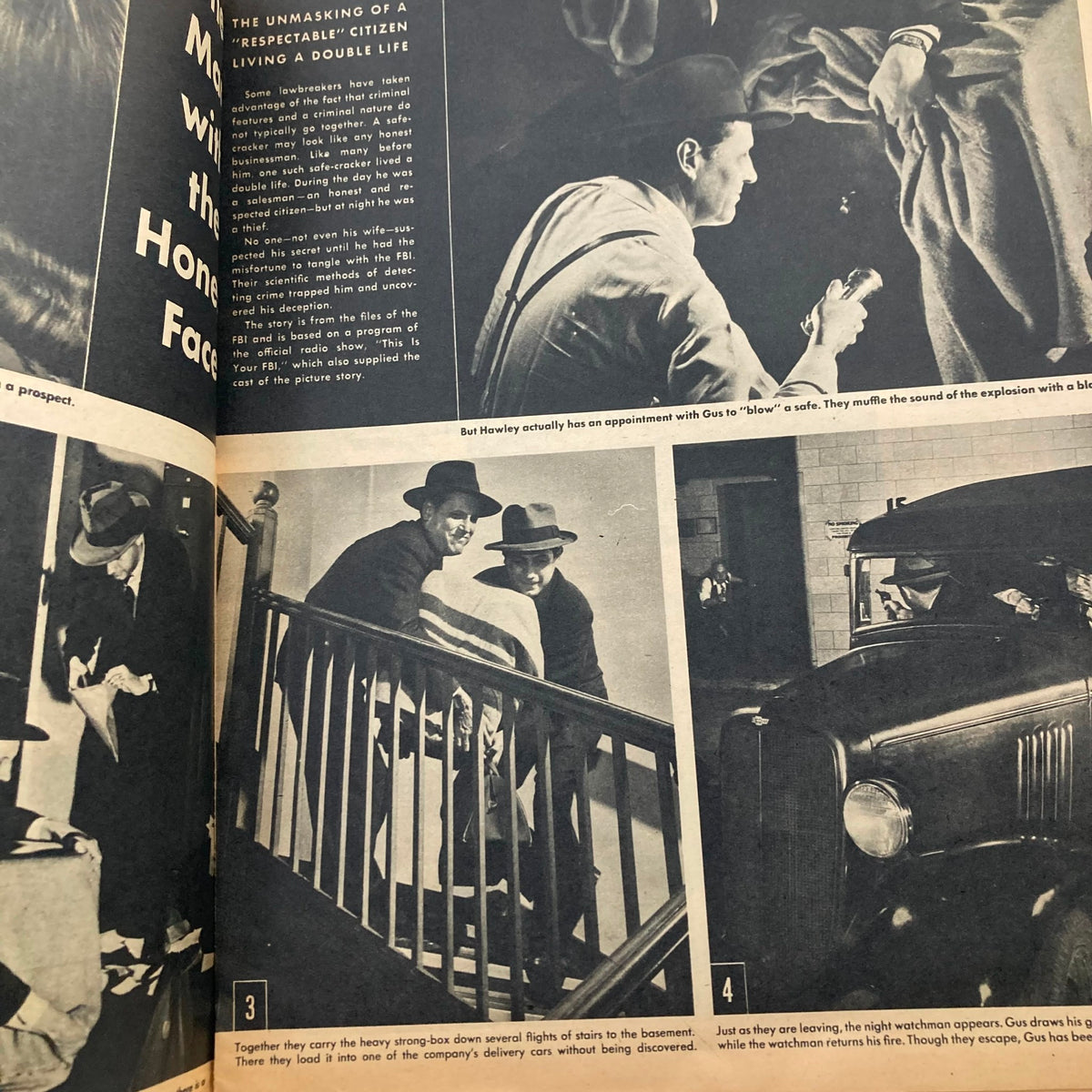
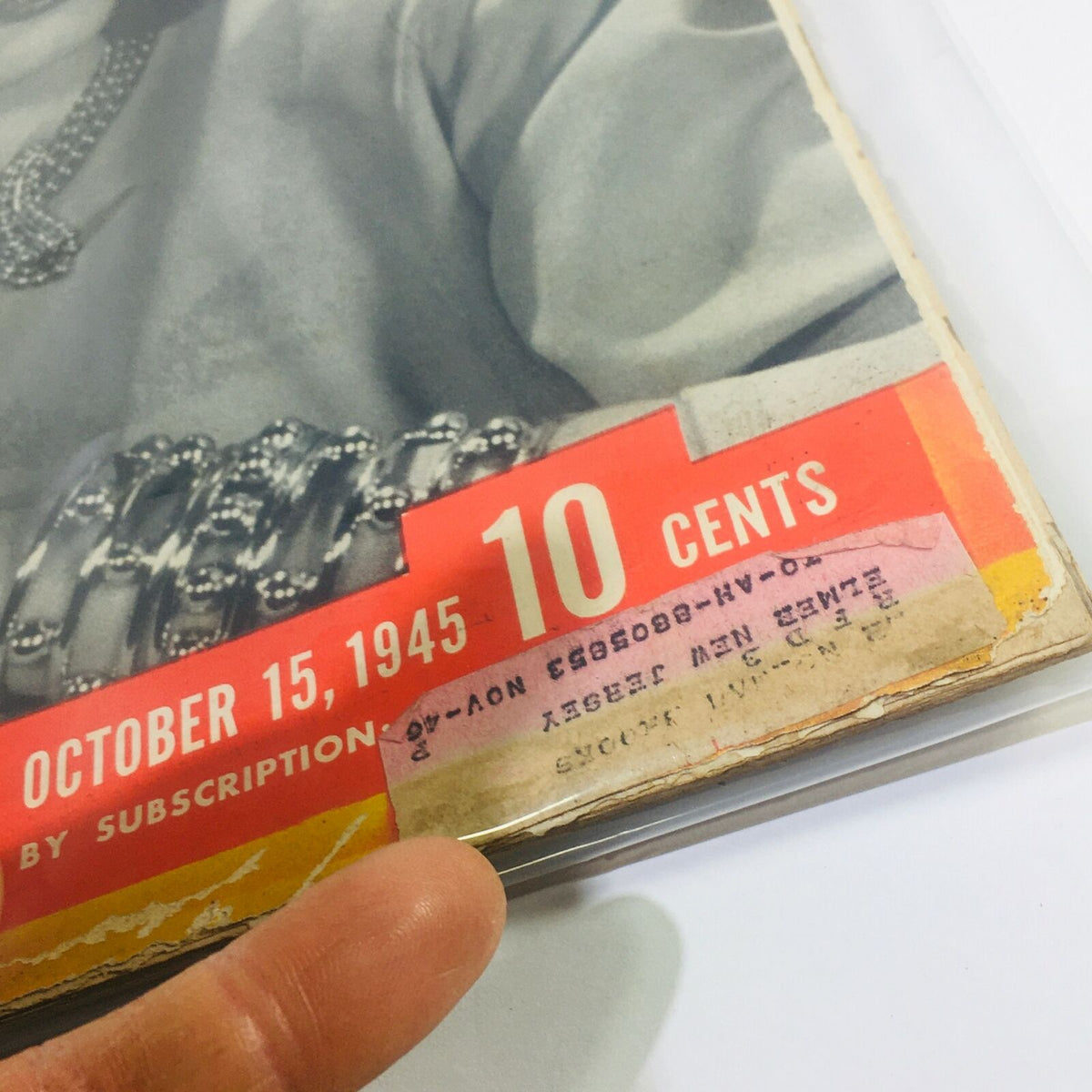
For someone born in October 1945, an original magazine from this pivotal month isn't just a piece of paper—it's an authenticated artifact of the exact world they entered, preserved in genuine headlines, period advertisements, and the authentic photography of a civilization finding its footing after the defining crisis of the 20th century.