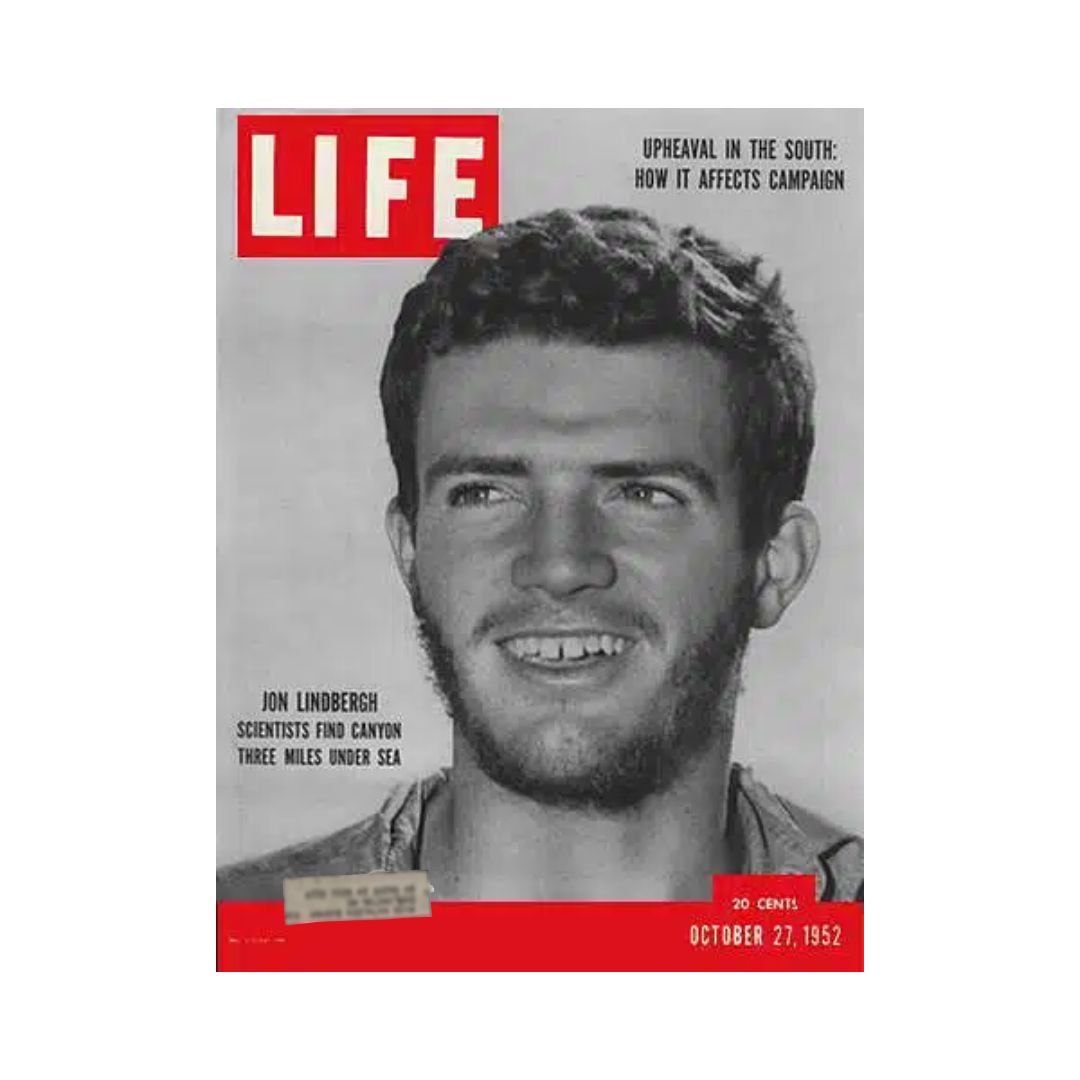
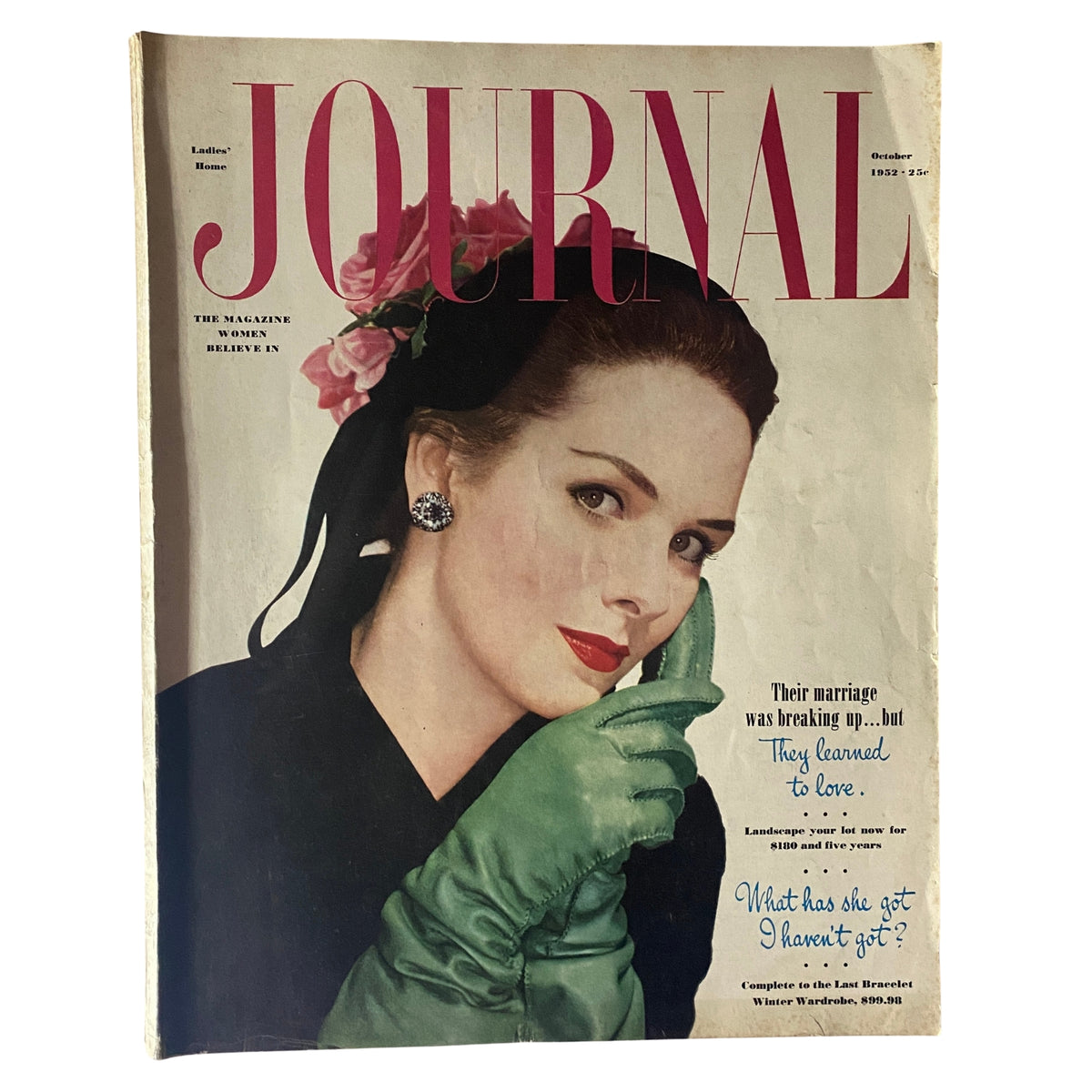
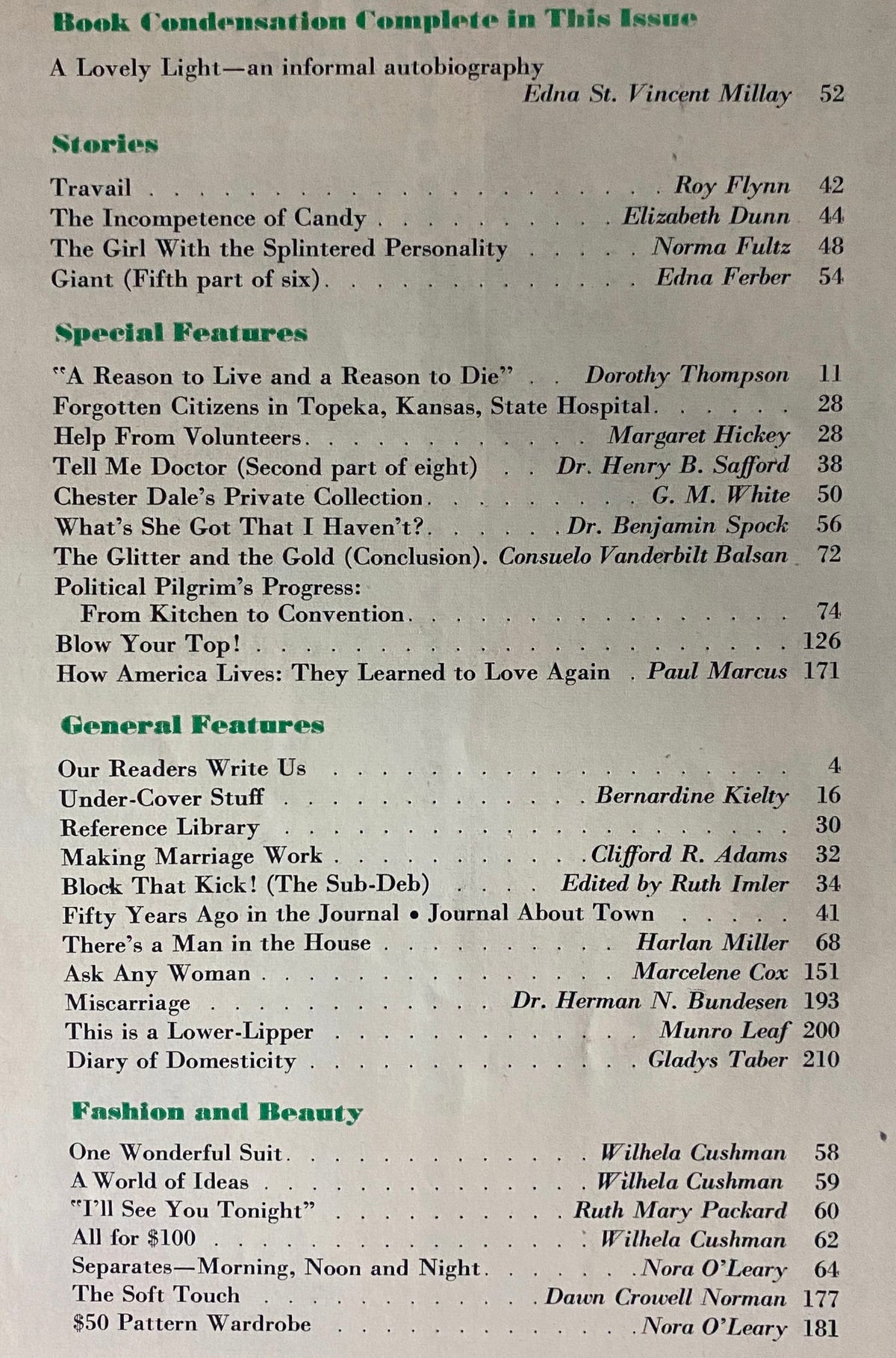
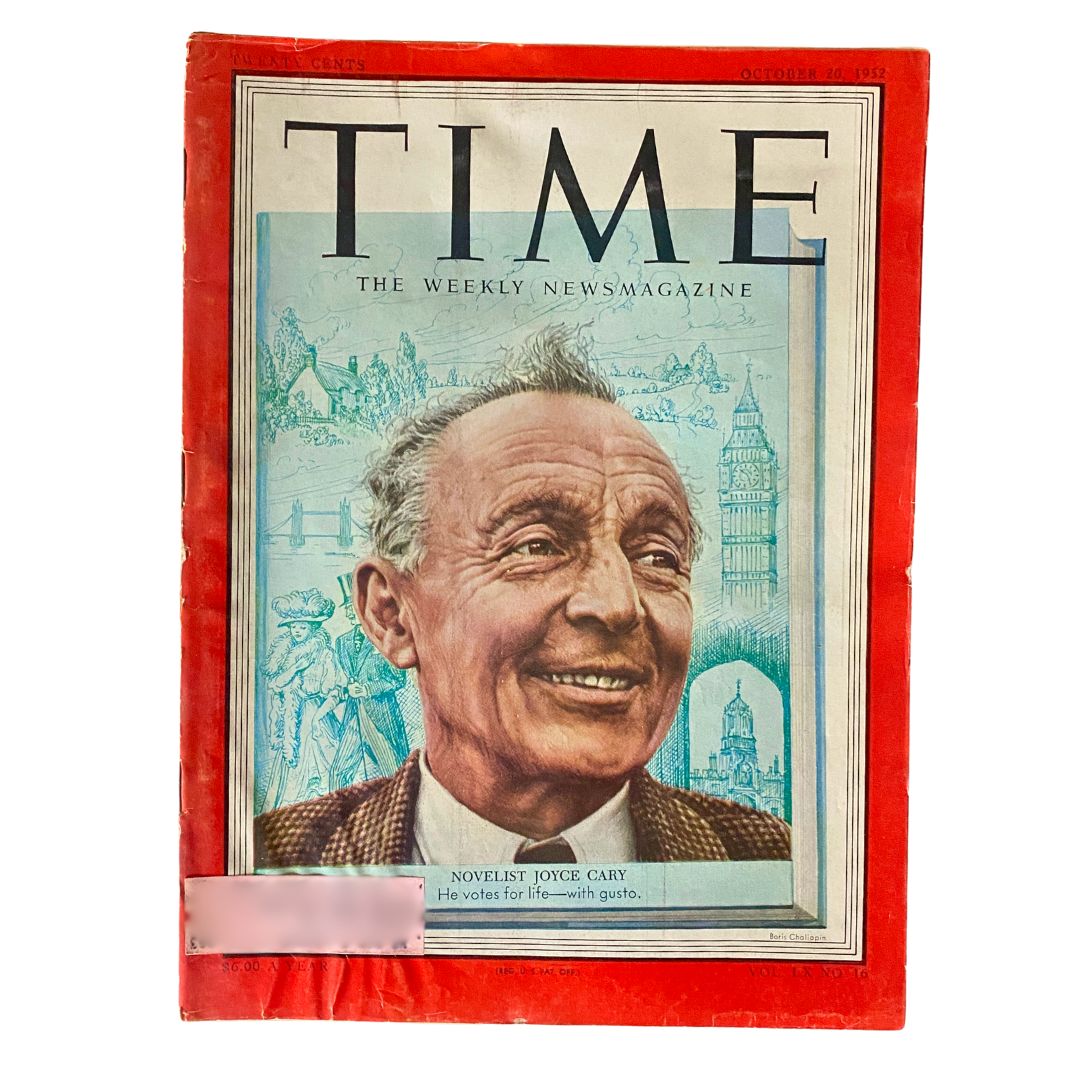
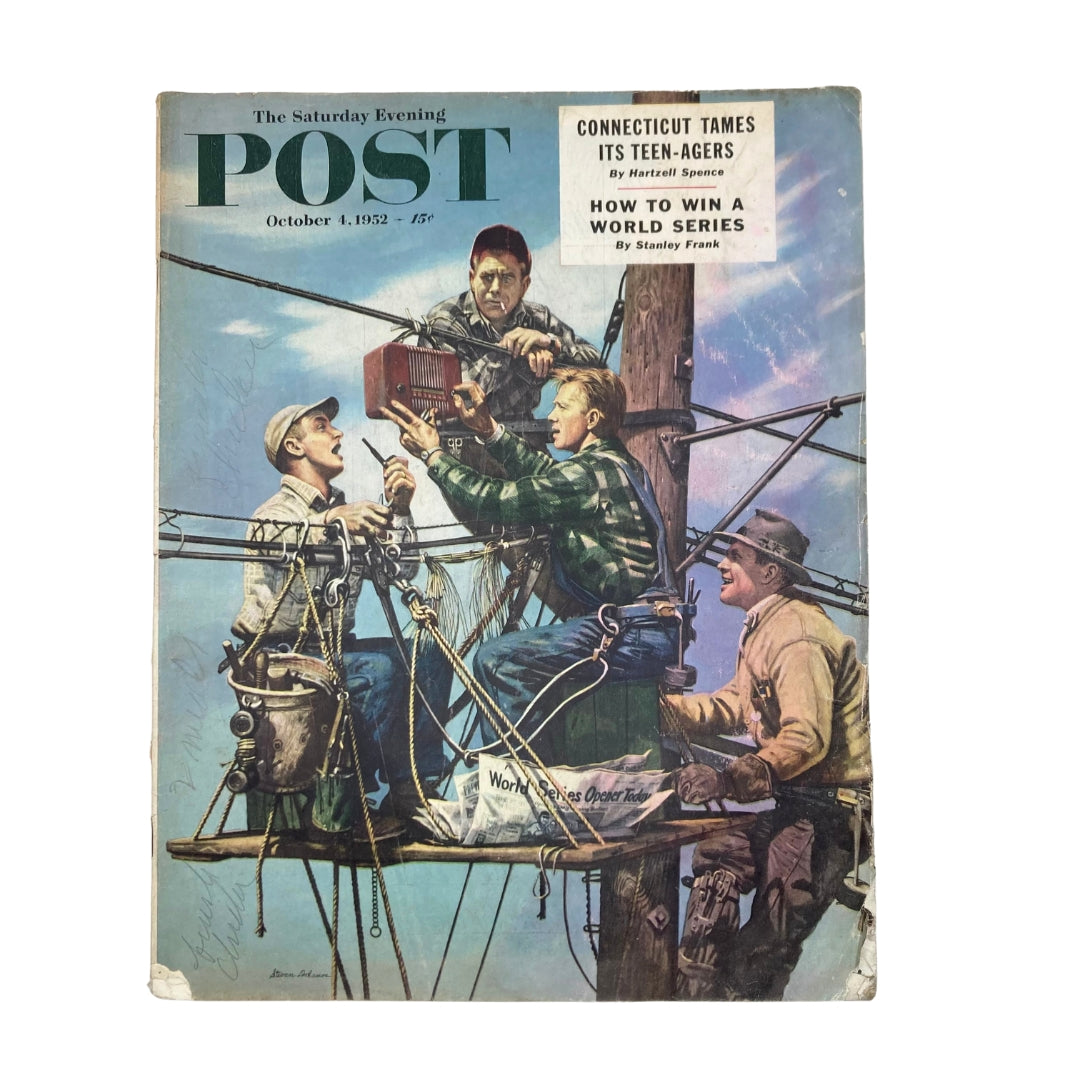
📖 About this Collection
October 1952: The Hydrogen Bomb Changes Everything
The Historical Context
October 1952 witnessed humanity's most terrifying leap into the nuclear age. On October 31st, the United States detonated the first thermonuclear bomb at the Marshall Islands—a hydrogen bomb whose explosive yield dwarfed the Hiroshima weapon by orders of magnitude. The world now possessed weaponry capable of destroying civilization itself. Britain joined the nuclear club on October 3rd with its first atomic test during Operation Hurricane at Monte Bello Island, Australia, becoming the world's third nuclear power after the US and Soviet Union. Kenya descended into crisis on October 20th when a state of emergency was declared in response to the Mau Mau Rebellion against British colonial rule. The UN General Assembly convened at its new Manhattan headquarters on October 14th, with the completed building symbolizing postwar hopes for international cooperation. Baseball crowned champions as the Yankees defeated the Dodgers 4-2 in Game 7 on October 7th, claiming their unprecedented fourth consecutive World Series. This was the world your loved one entered in October 1952—a month when the hydrogen bomb revealed humanity's capacity for ultimate destruction while institutions struggled to preserve peace.
Pop Culture & Everyday Life
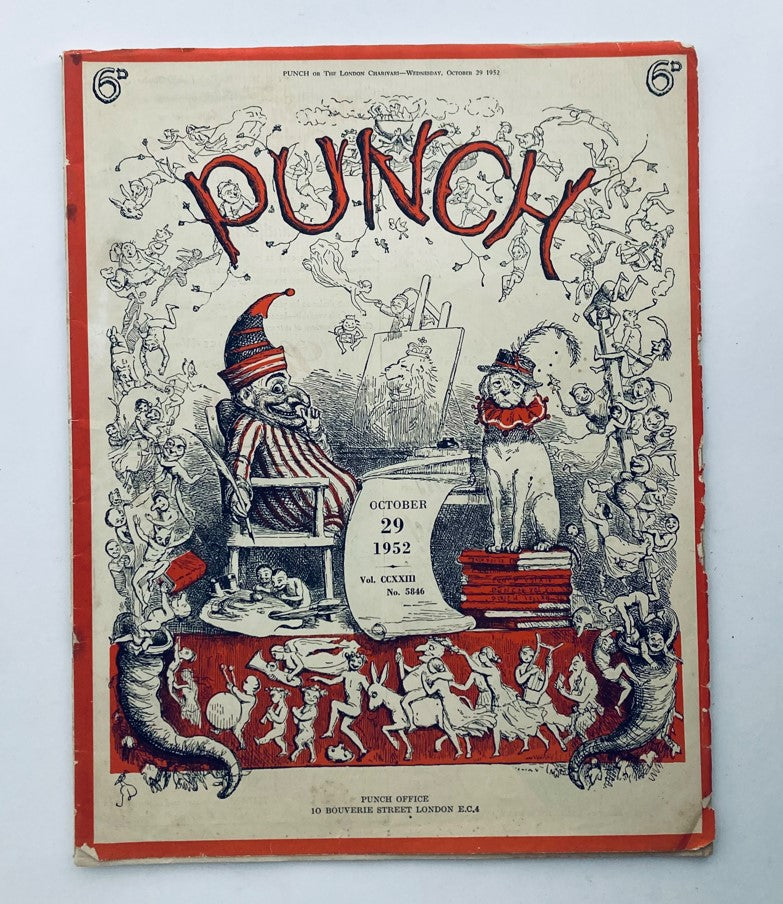
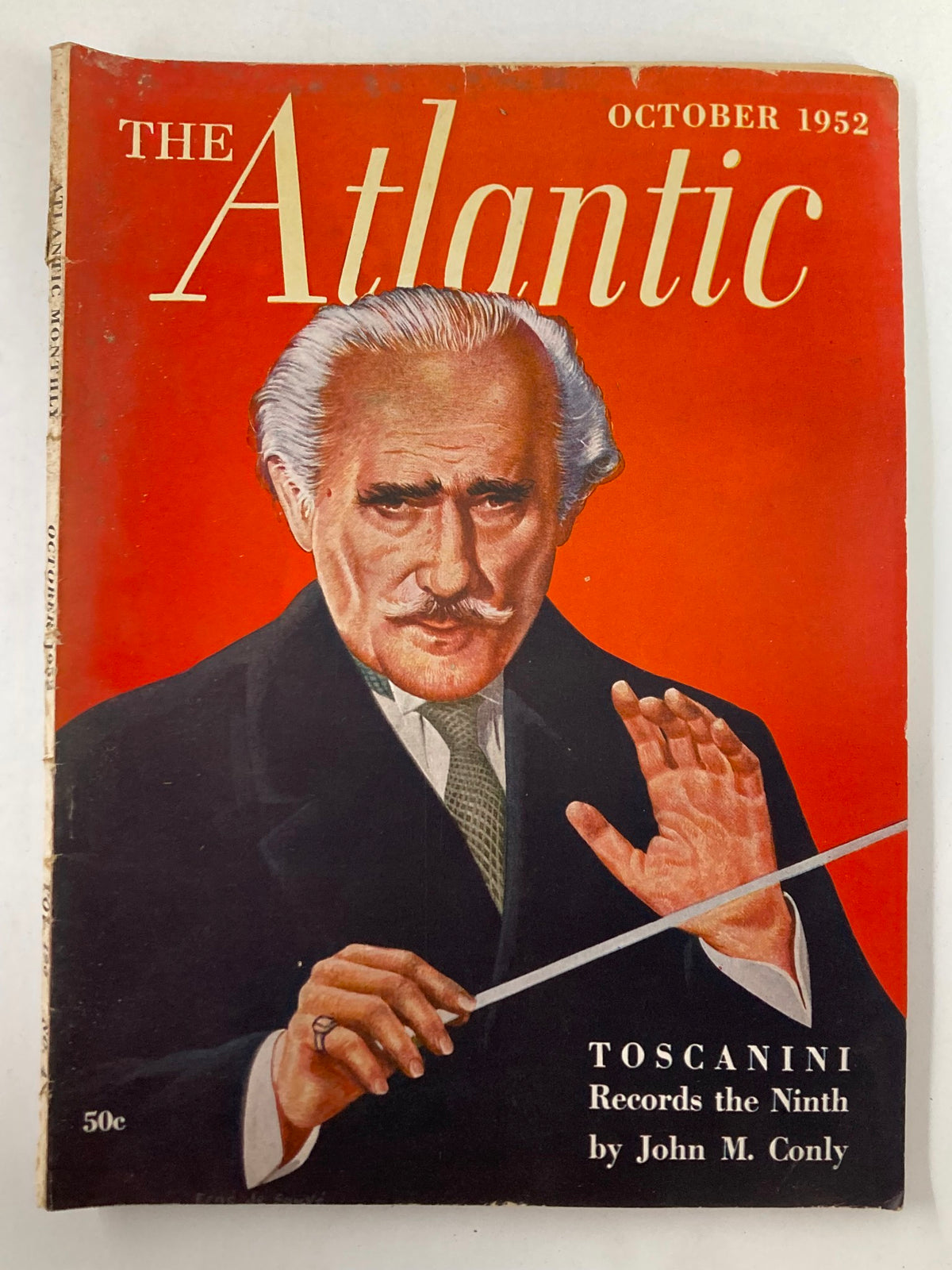
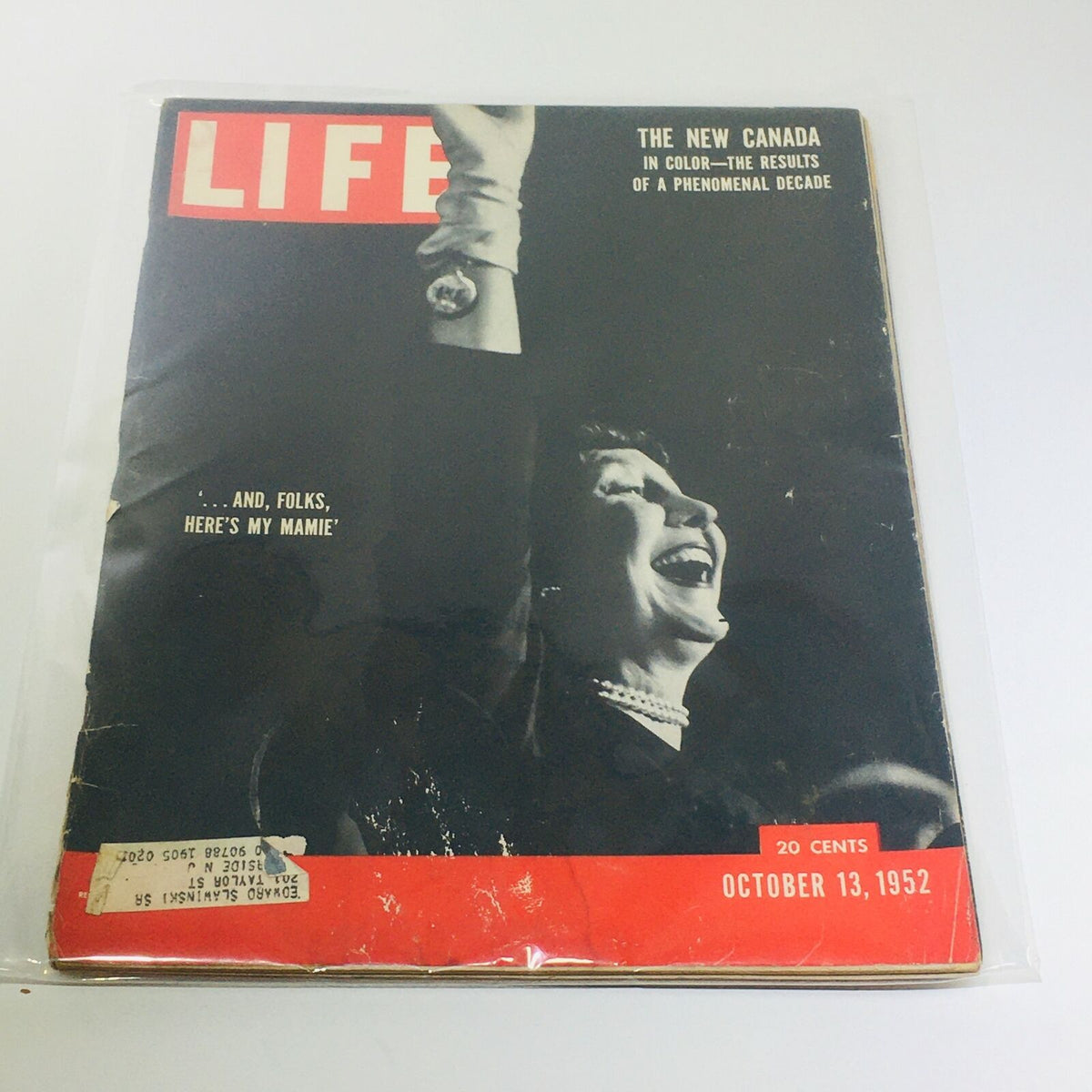
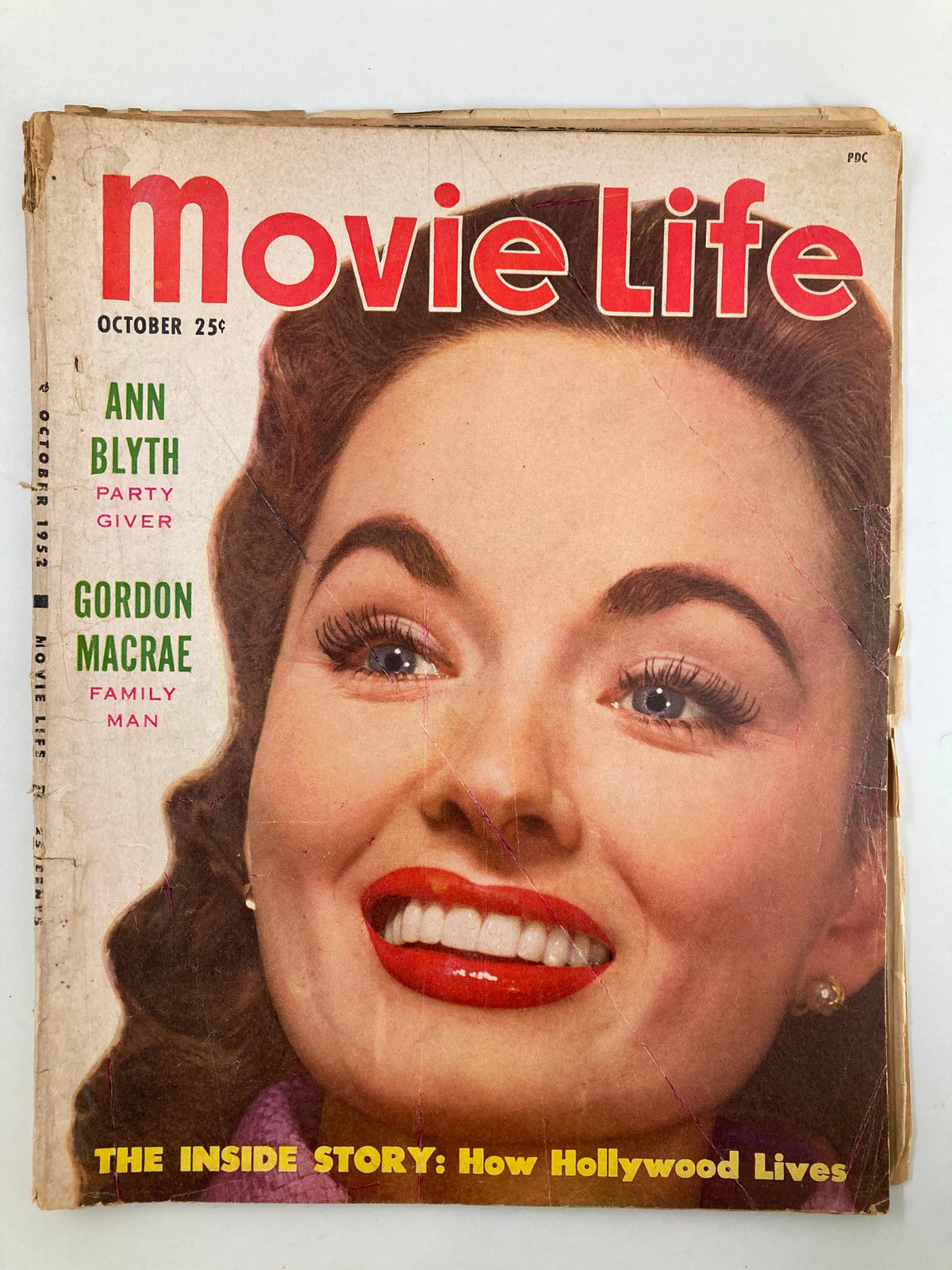
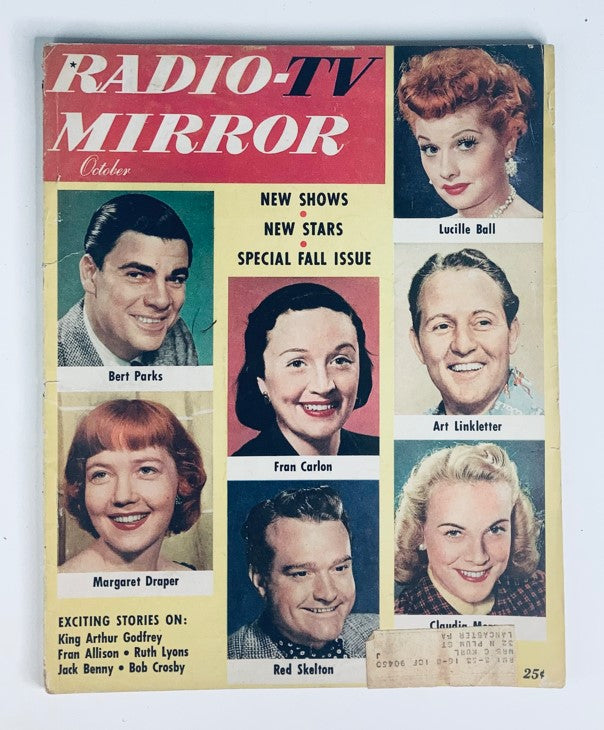
American culture flourished throughout October 1952. Charlie Chaplin's "Limelight" premiered in New York on October 23rd, starring the exiled comedian alongside Claire Bloom with an appearance by Buster Keaton—ironically premiering months after America barred his return, the film wouldn't play Los Angeles until 1972 but would ultimately win Chaplin his only competitive Oscar for original score. Literature celebrated when E.B. White's "Charlotte's Web" was published on October 15th by Harper & Brothers, introducing generations to Wilbur the pig and his devoted spider friend. The first issue of Mad Magazine hit newsstands on October 18th, launching the satirical institution that would define American humor. Photography evolved when Henri Cartier-Bresson's influential book "The Decisive Moment" was published on October 15th. Television expanded on October 7th when "Bandstand" first broadcast in Philadelphia on WFIL-TV—Dick Clark would join as substitute host in 1955, transforming it into "American Bandstand." Architecture witnessed modernism's triumph on October 14th when Le Corbusier's Unité d'Habitation was inaugurated in Marseille. Agatha Christie's "The Mousetrap" opened in London on October 6th, beginning the longest theatrical run in history. Original magazines from October 1952 preserved these moments in book reviews, entertainment features, architectural photography, and cultural coverage.
What You'll Discover in October 1952 Magazines
-
Hydrogen Bomb Detonation Coverage: News weeklies like Time, Life, and Newsweek featuring urgent coverage of the October 31st thermonuclear test at Marshall Islands, vintage magazines illustrated with mushroom cloud photography dwarfing atomic explosions, technical diagrams explaining fusion versus fission, maps showing Pacific test sites, and analysis examining how hydrogen bombs had made nuclear warfare exponentially more terrifying than the horrors already witnessed.
-
Britain's Nuclear Weapons Achievement: International news coverage documenting the October 3rd Operation Hurricane test at Monte Bello Island making Britain the third nuclear power, rare magazines featuring photographs of the Australian test site, political analysis examining how British nuclear capability affected Cold War dynamics, technical specifications, and commentary about the accelerating atomic arms race as more nations pursued the ultimate weapon.
-
Charlotte's Web Publication: Book review sections and literary magazines celebrating E.B. White's October 15th masterpiece, illustrated with Garth Williams' iconic artwork, early reviews praising the children's classic, author profiles, excerpts from the story, and features examining how White had created a tale about friendship, mortality, and the cycles of life that resonated equally with children and adults.
-
Yankees' Fourth Consecutive World Series: Sports periodicals documenting the October 7th Game 7 victory over Brooklyn at Ebbets Field, showcasing action photography, MVP Johnny Mize coverage, statistical analysis of the unprecedented four-peat dynasty, team retrospectives, and features examining how Casey Stengel's Yankees had dominated baseball unlike any franchise before, establishing a dynasty that would continue throughout the 1950s.
-
Chaplin's Limelight Premiere: Entertainment magazines and film journals covering the October 23rd New York opening despite Chaplin's exile from America, featuring photographs of the comedian with Claire Bloom, reviews praising the bittersweet meditation on aging performers, coverage of Buster Keaton's poignant appearance, and commentary about the irony of Chaplin's masterpiece premiering in a nation that had barred his return.
The Perfect Gift
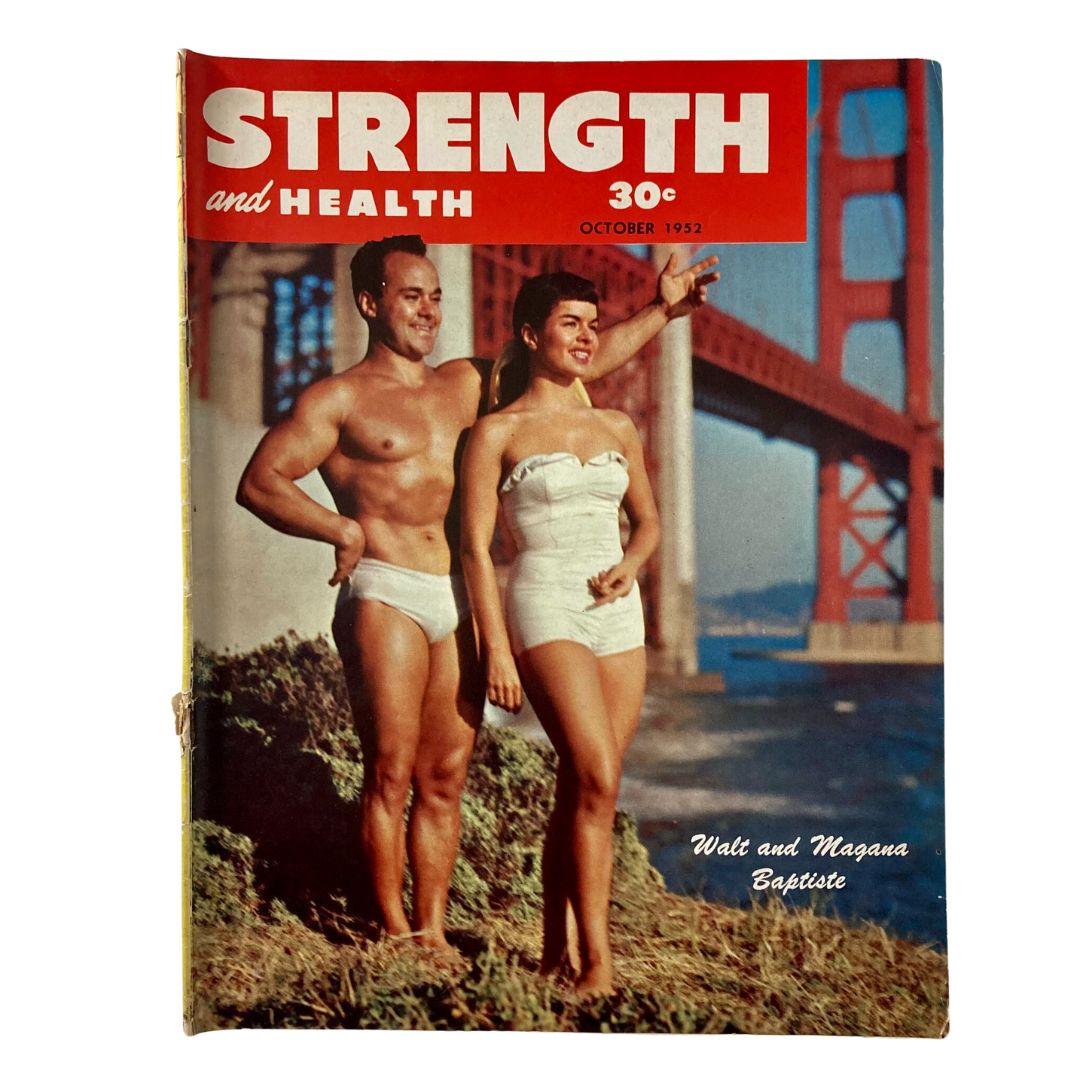
For someone born in October 1952, an original magazine from this pivotal month isn't just a birthday gift—it's a genuine time capsule capturing the exact moment when the hydrogen bomb changed warfare forever and Charlotte befriended Wilbur, preserved in authentic photographs and headlines.