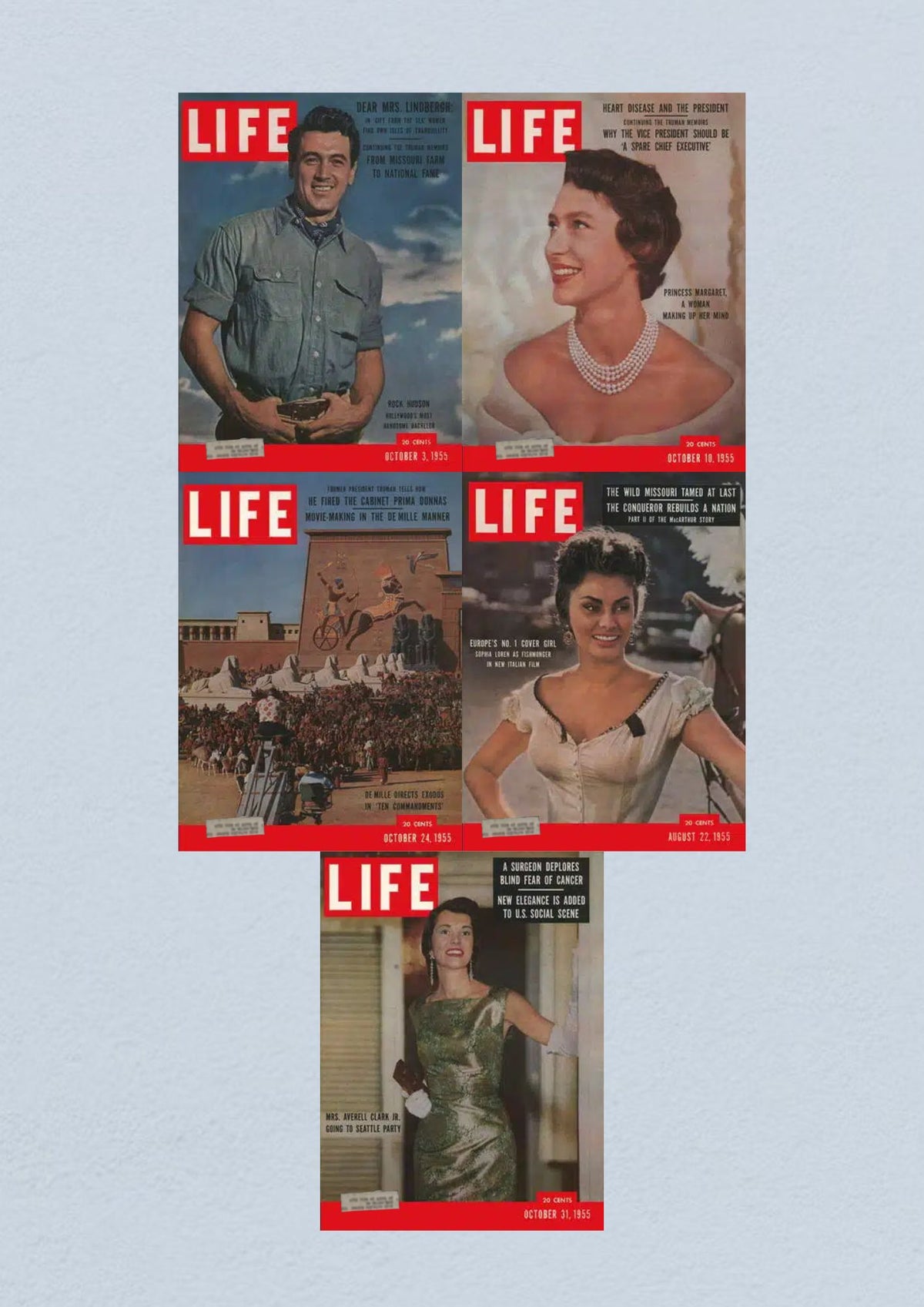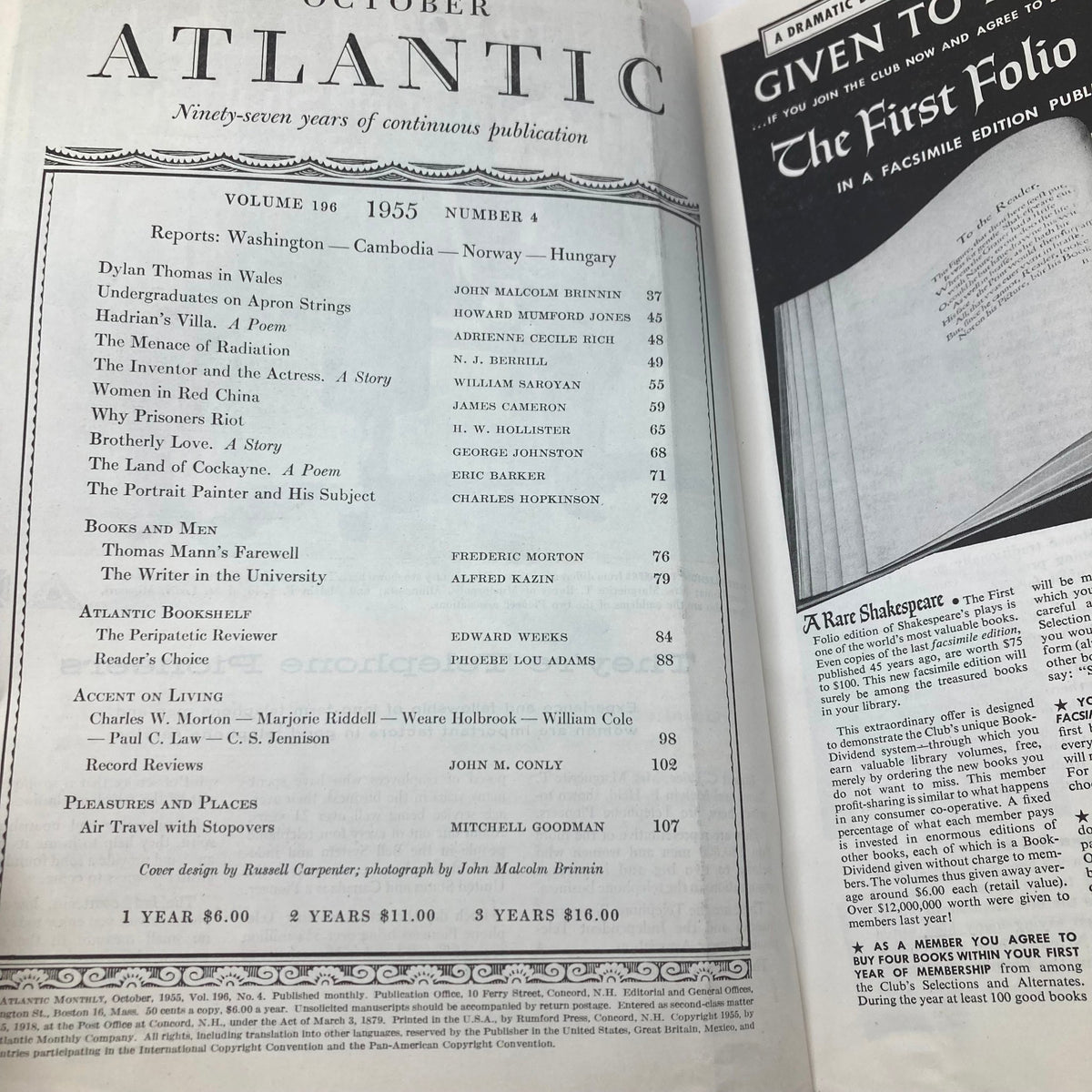
📖 About this Collection
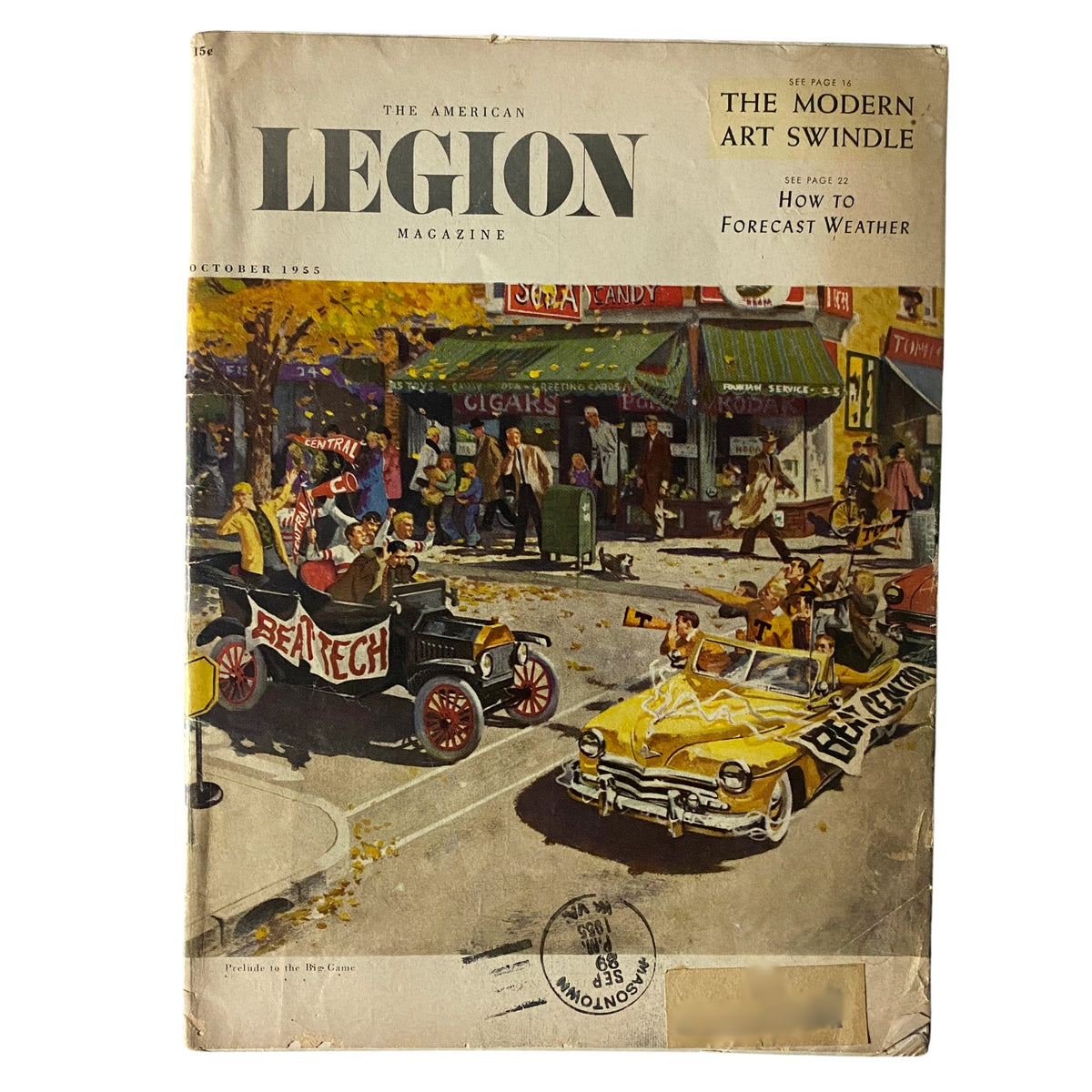
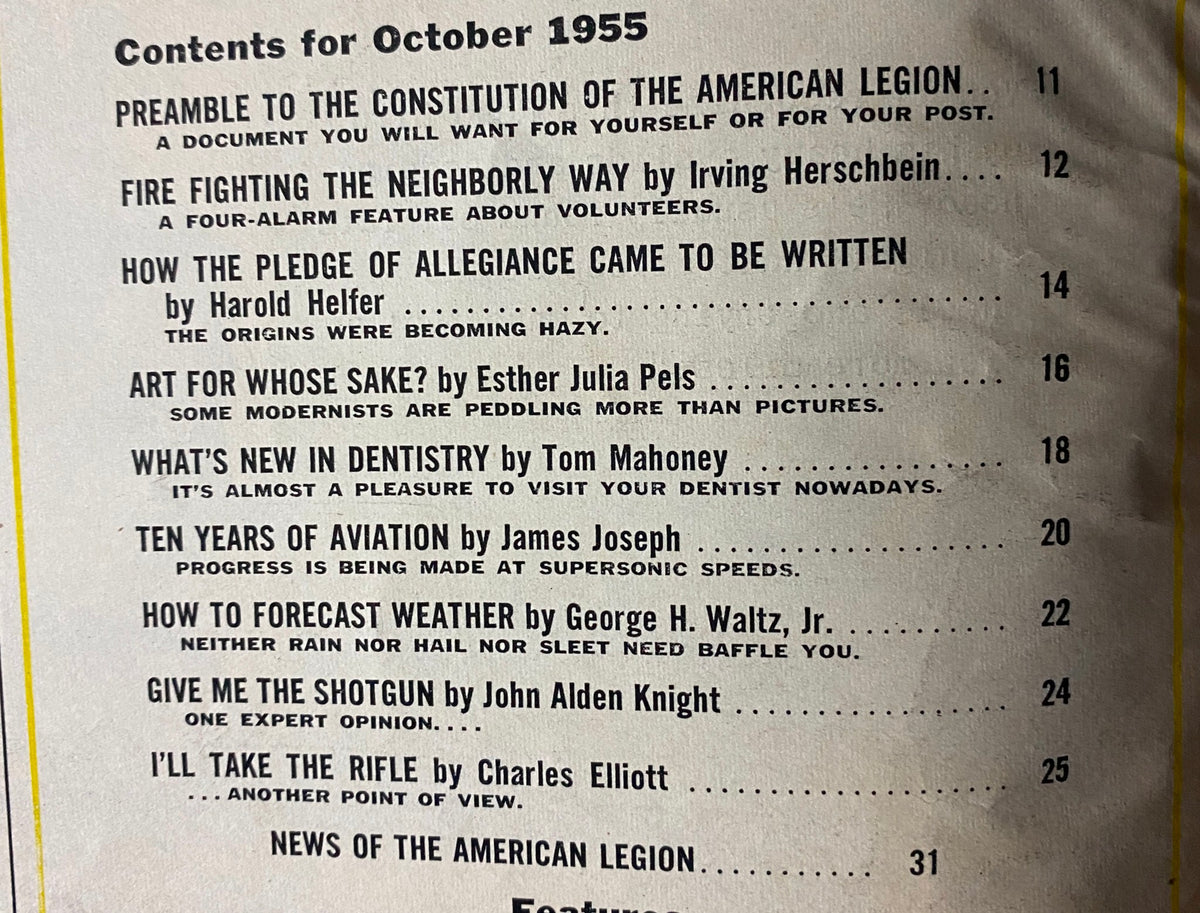
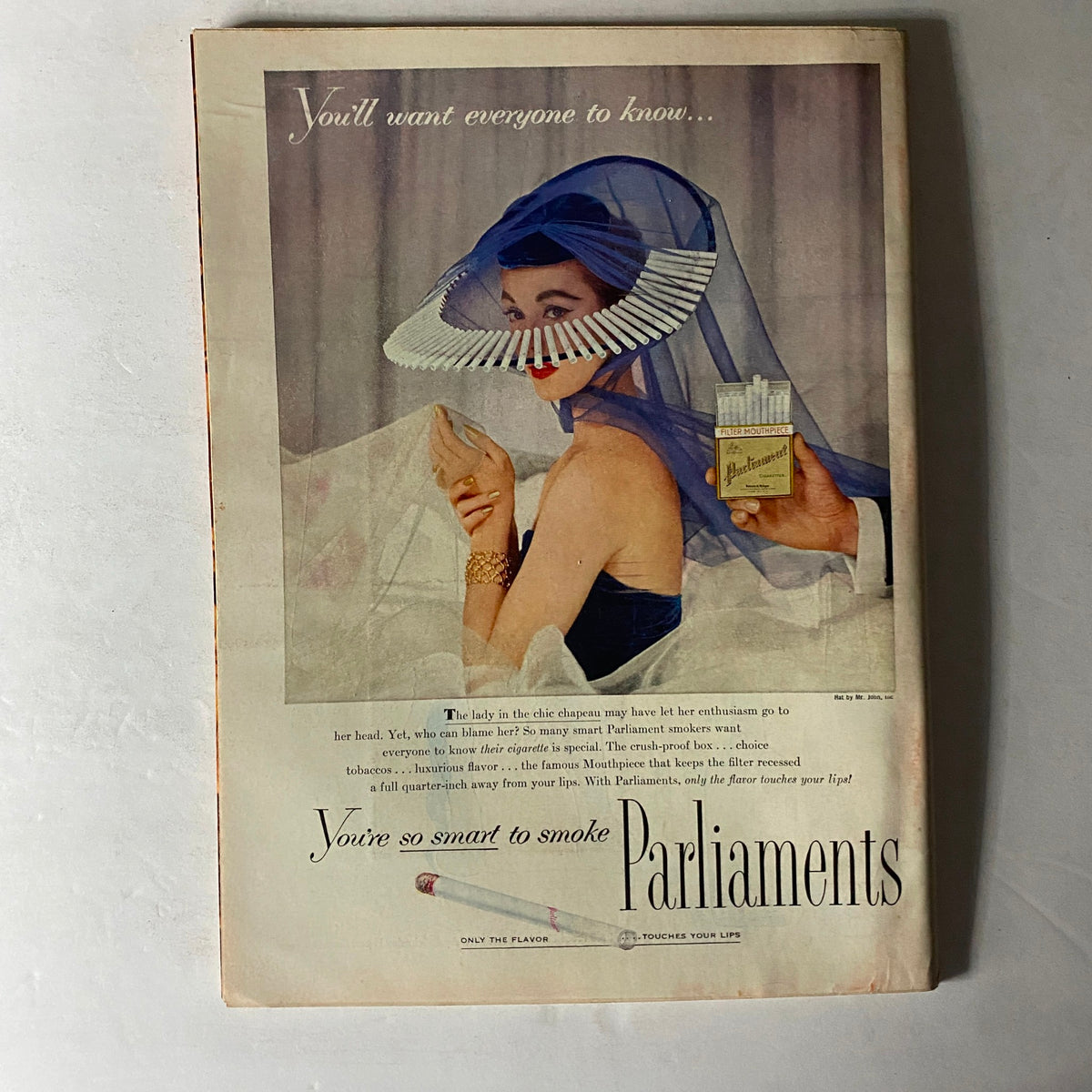
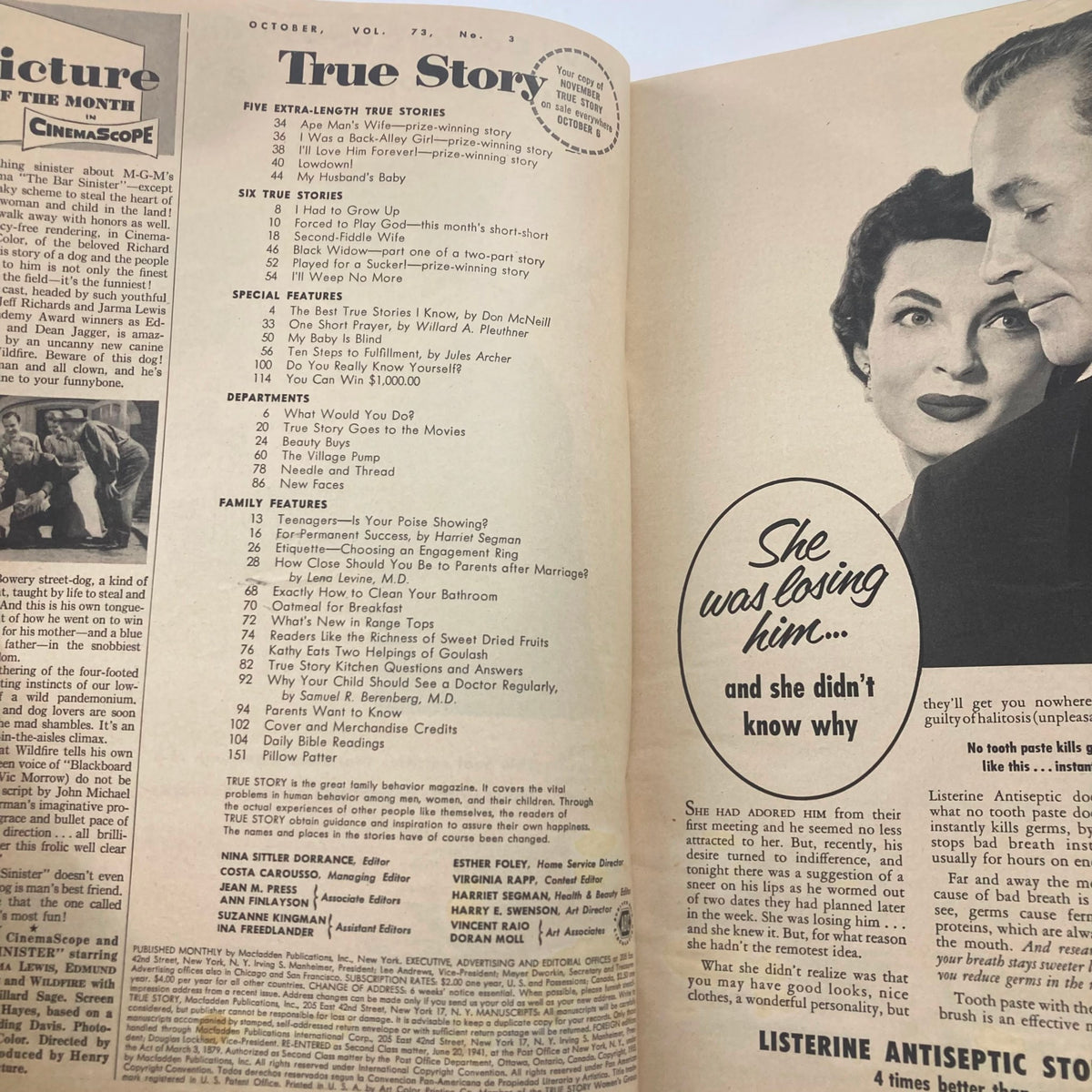
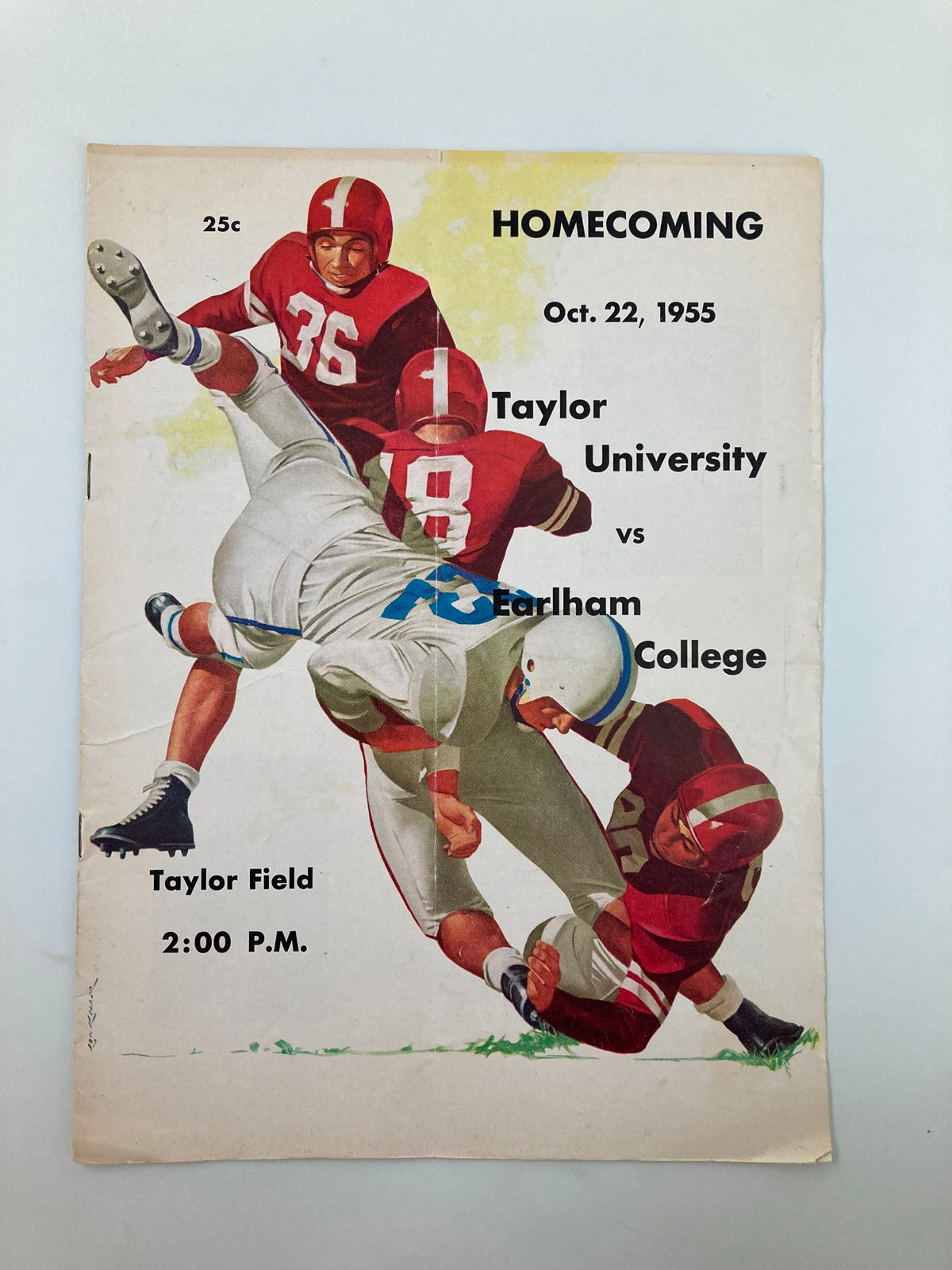
October 1955: The Month Television Changed Everything
The Historical Context
October 1955 crackled with the energy of a nation plugging itself in. While Cold War tensions simmered—Austria reclaimed its sovereignty for the first time since 1938, and South Vietnam declared itself a republic under Ngô Đình Diệm—American living rooms were undergoing their own revolution. CBS unveiled three programs that would define the medium for decades: Jackie Gleason's "The Honeymooners," Alfred Hitchcock's suspenseful anthology series, and Bob Keeshan's gentle "Captain Kangaroo." The Brooklyn Dodgers finally defeated their Bronx rivals in a dramatic seven-game World Series, ending decades of heartbreak. In San Francisco, Allen Ginsberg first read "Howl" to a stunned audience, while in London, J.R.R. Tolkien published "The Return of the King," completing his epic trilogy. The USS Saratoga launched as the world's most powerful aircraft carrier, and scientists at Berkeley discovered the antiproton. This was the world your loved one entered—a moment when postwar prosperity met technological innovation, and American culture was being broadcast into every home.
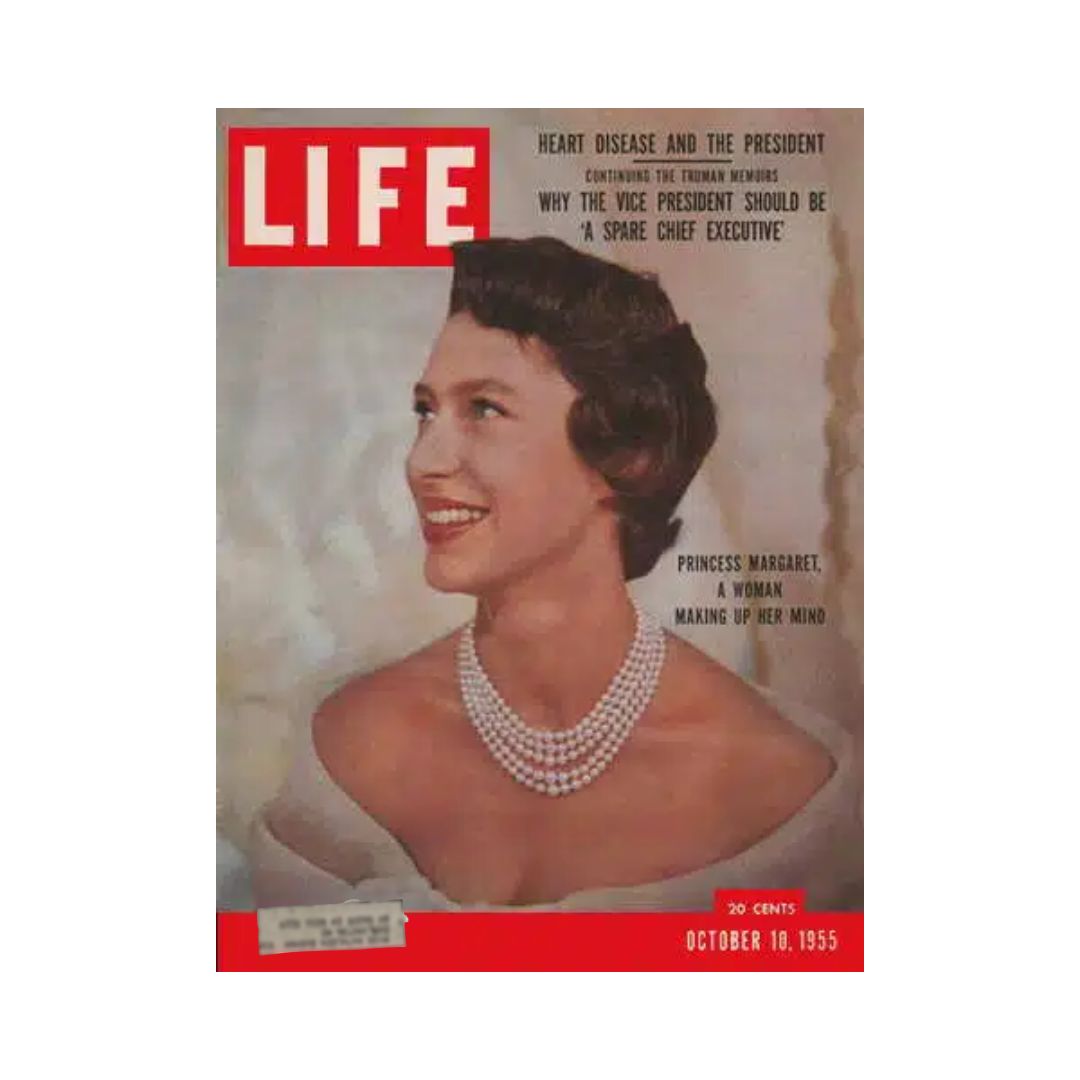
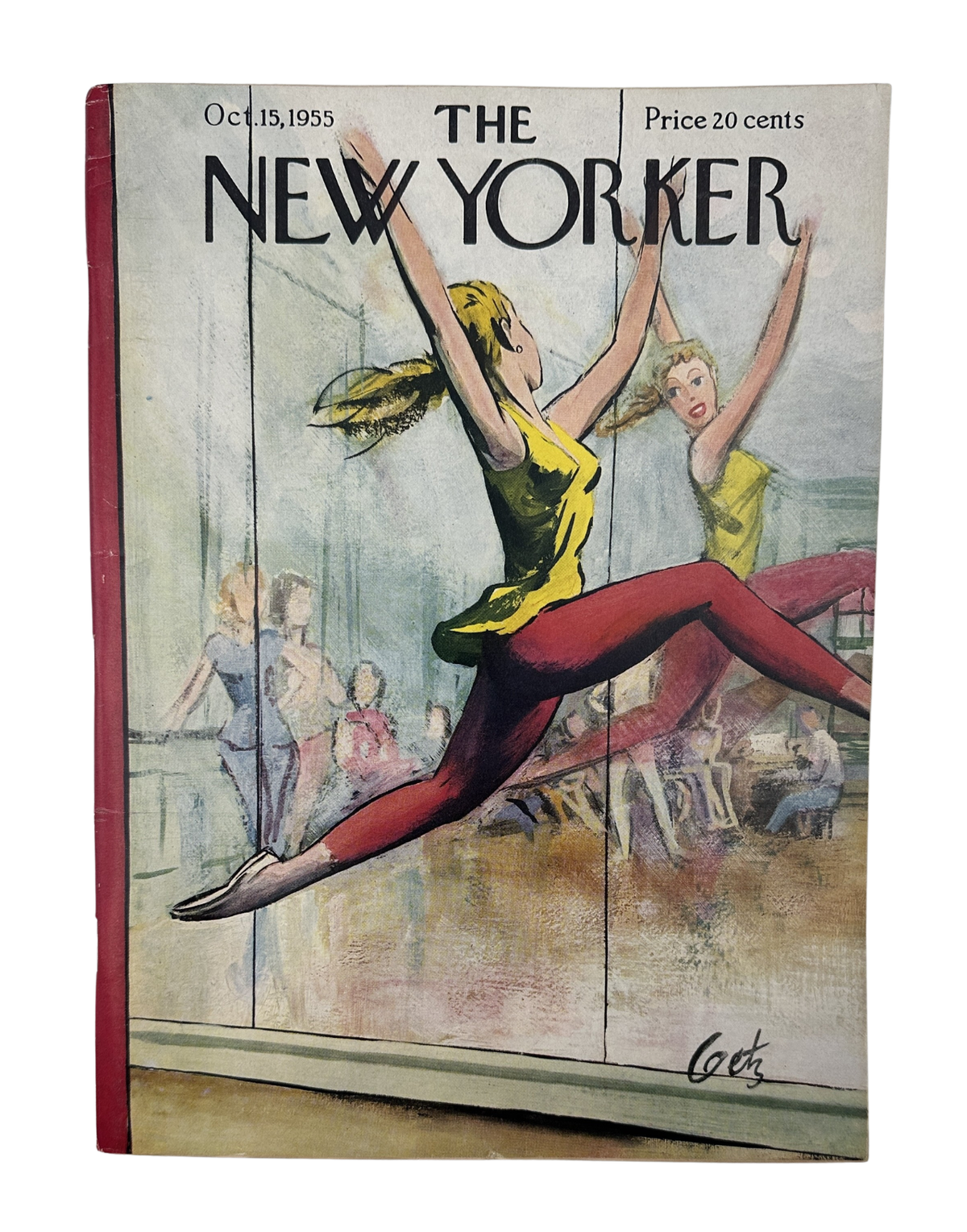
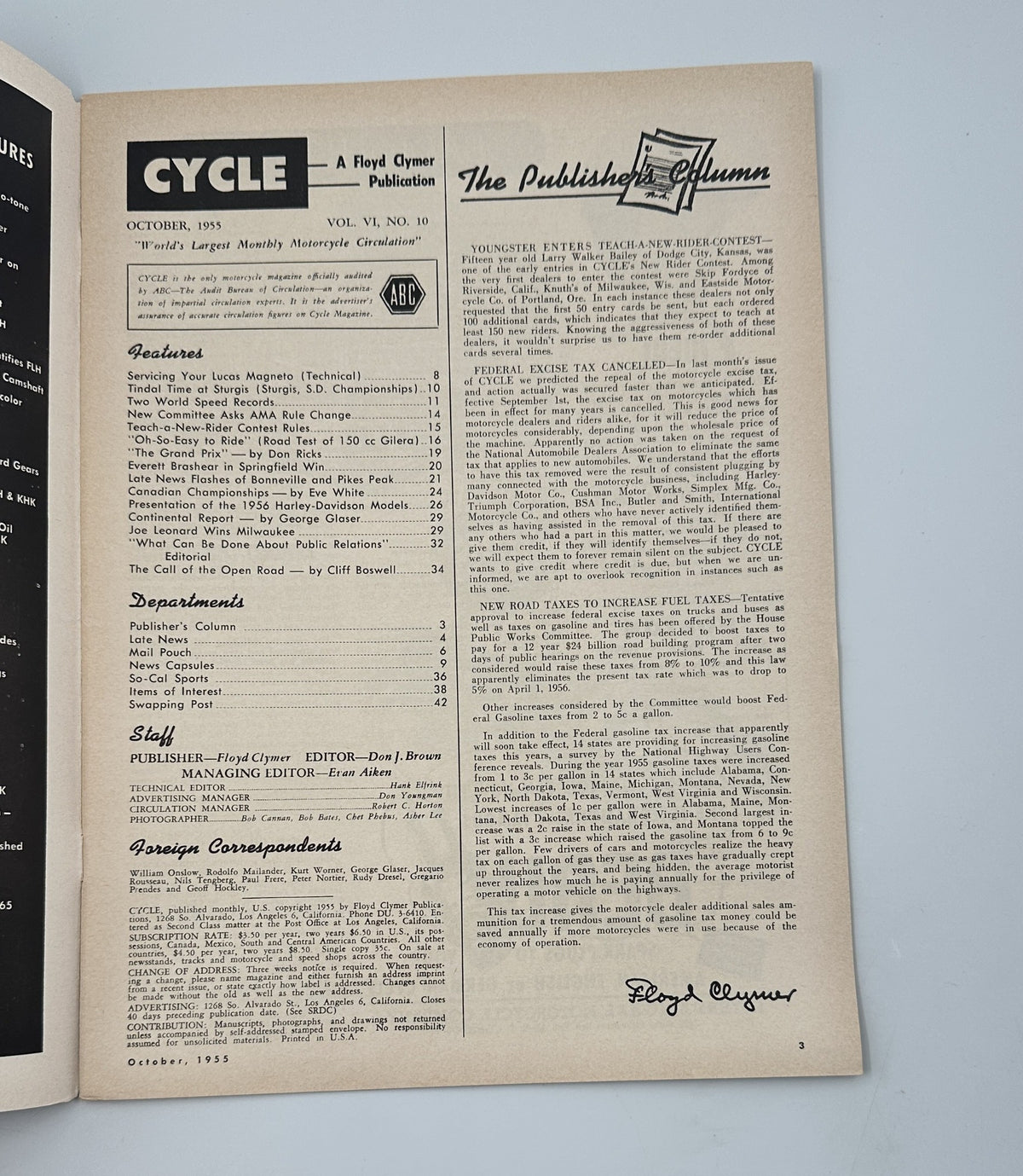
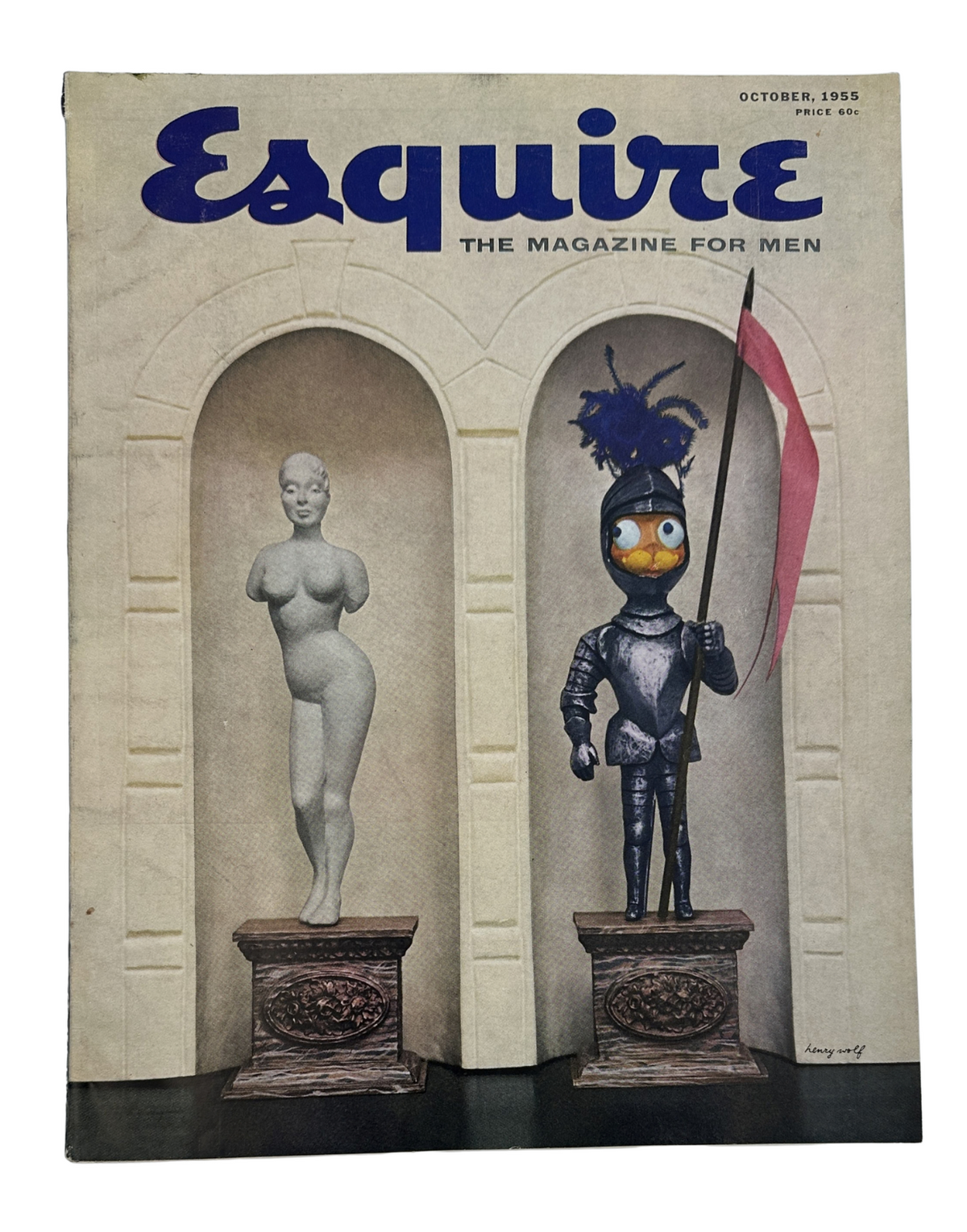
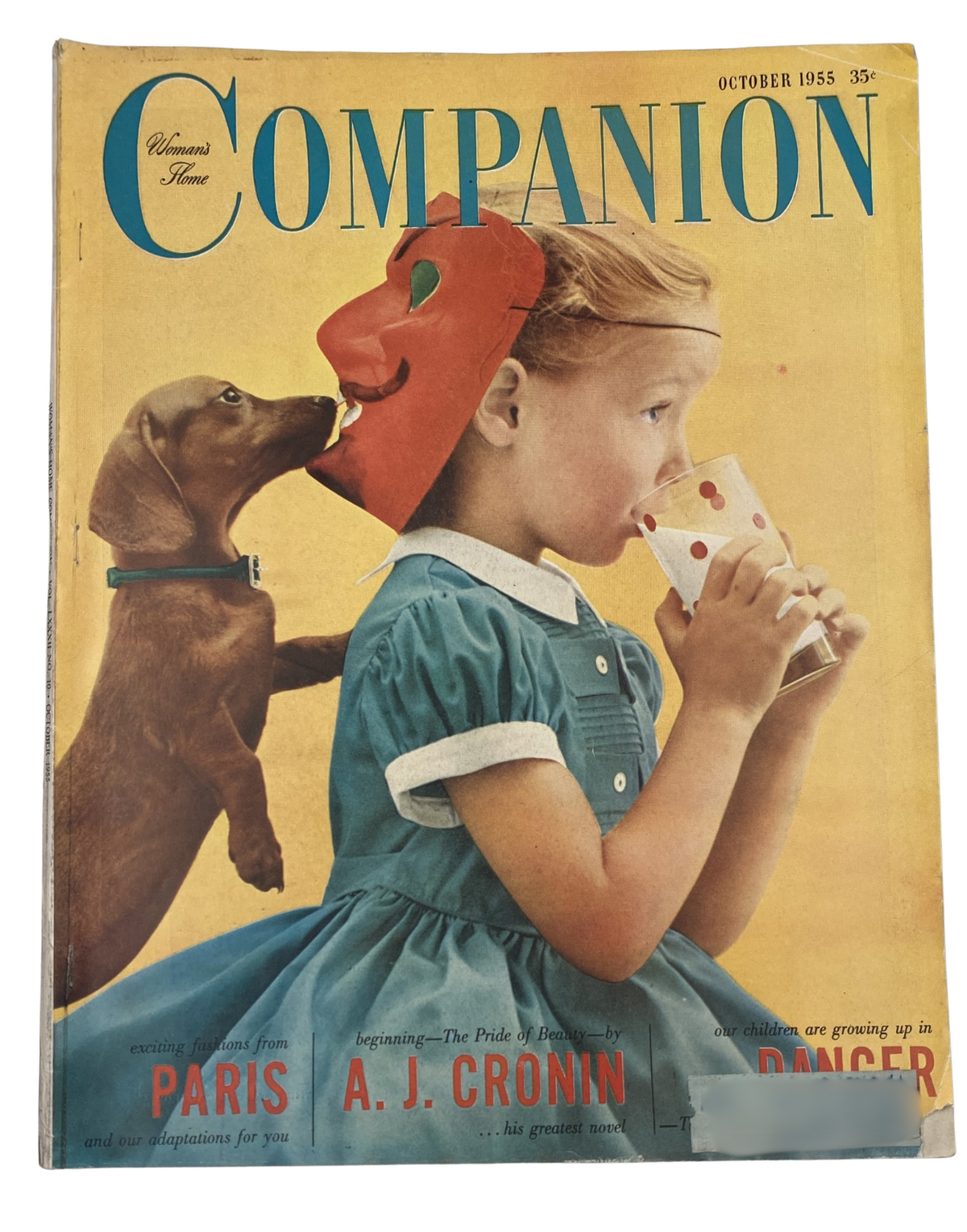
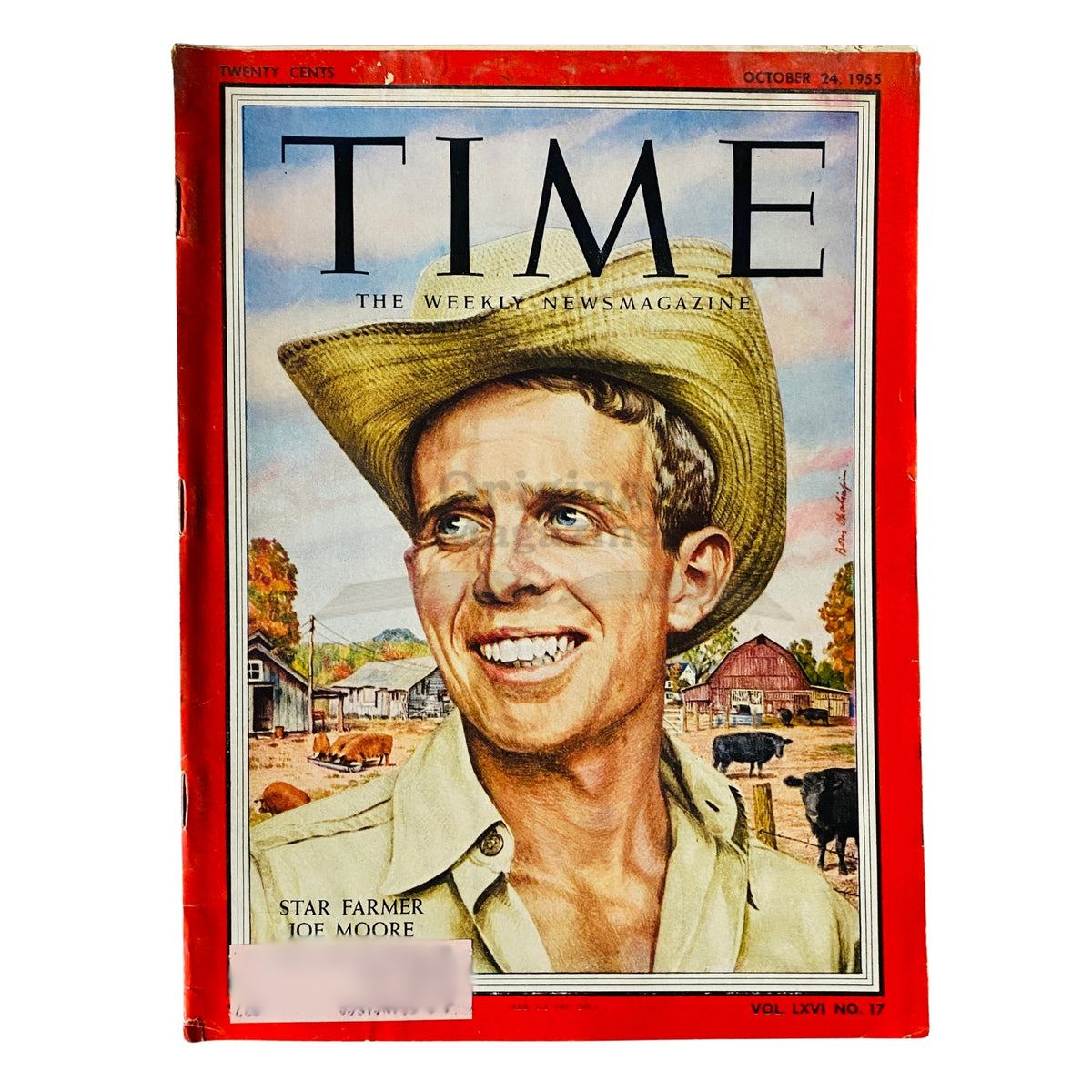
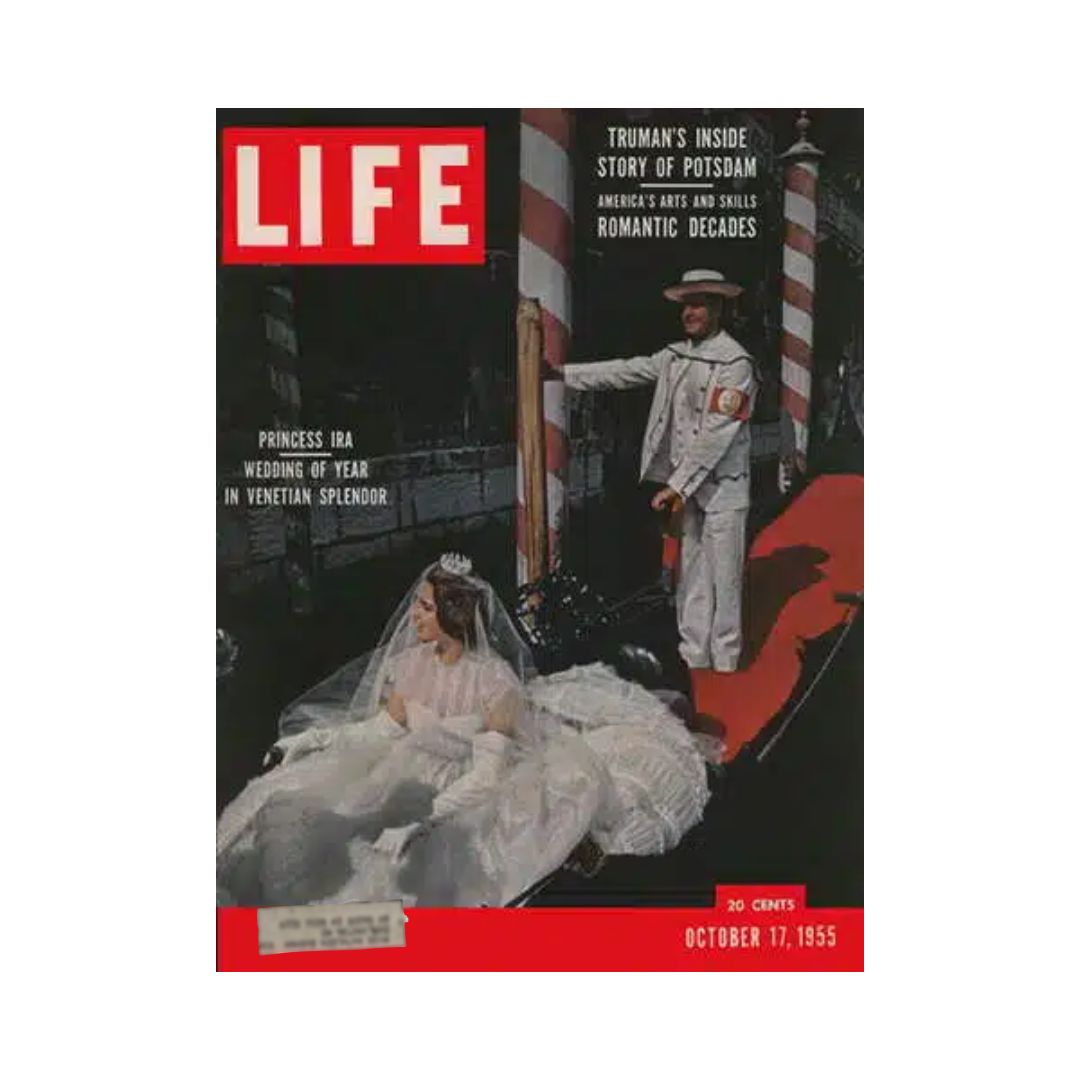
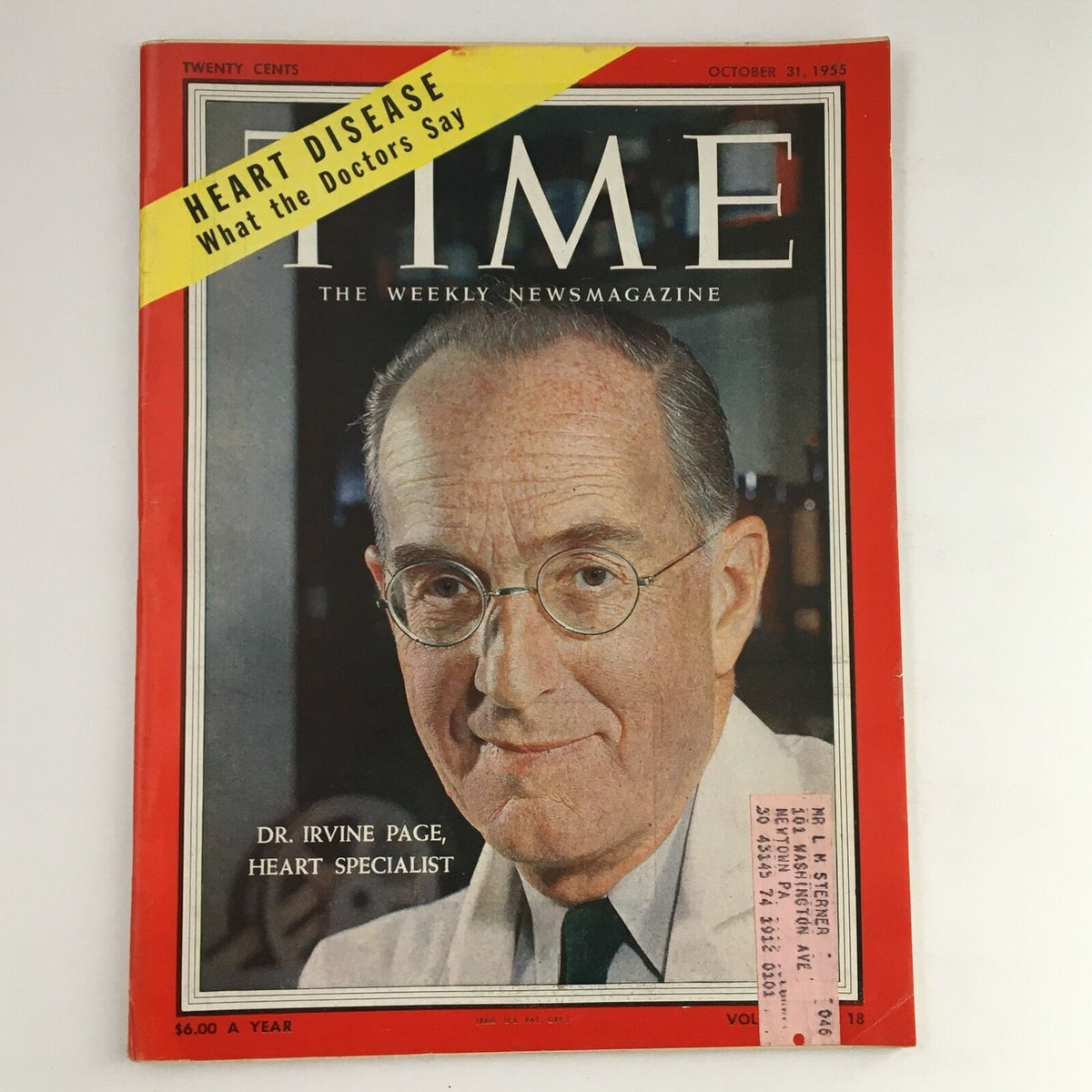
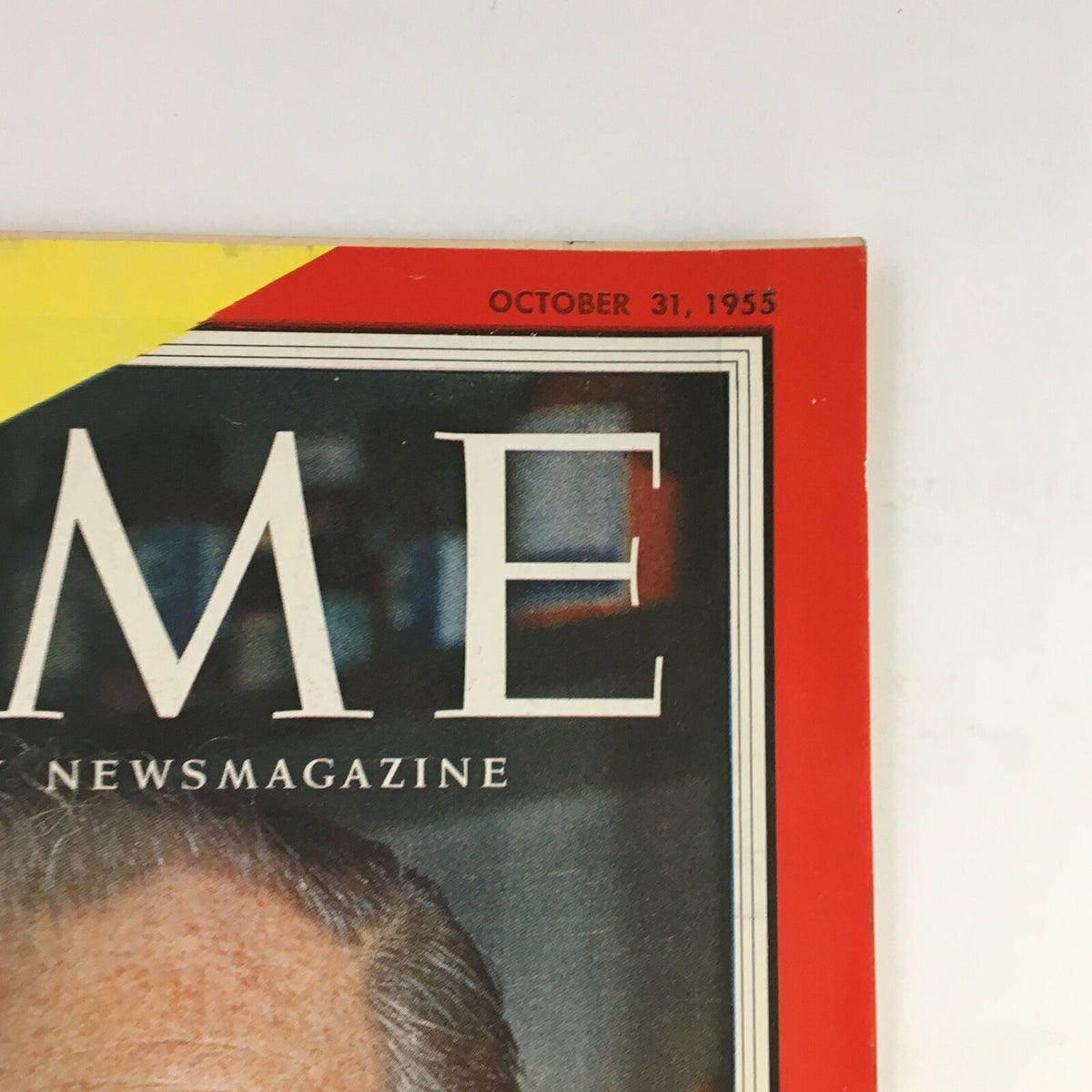
The entertainment landscape visible in original magazines from October 1955 reflected this seismic shift in how Americans spent their evenings. "Rebel Without a Cause" premiered in theaters, immortalizing James Dean just weeks after his tragic death, while "The Mickey Mouse Club" began its afternoon conquest of America's children. Harry Belafonte recorded "Day-O (The Banana Boat Song)" in New York studios, introducing calypso rhythms to mainstream audiences. Broadway welcomed "No Time for Sergeants" starring Andy Griffith, launching his career toward television immortality. Sports Illustrated covered Buddy Holly's fateful opening performance for Bill Haley & His Comets—the show that earned him a recording contract (complete with the misspelling that created his stage name). Time and Life magazines documented the Brooklyn Dodgers' historic championship, featuring Johnny Podres' pitching heroics in glossy photo spreads. Fashion magazines like Vogue showcased the streamlined elegance of mid-decade style, while Popular Mechanics marveled at Tappan's first commercial microwave oven, priced at a staggering $1,200.
What to Look for in Vintage Magazines from October 1955
-
The Dodgers' Championship Victory: Life and Look magazines featuring full-page photography of Brooklyn's World Series celebration, chronicling the moment "next year" finally arrived for Dem Bums, often with candid shots of fans flooding Flatbush Avenue.
-
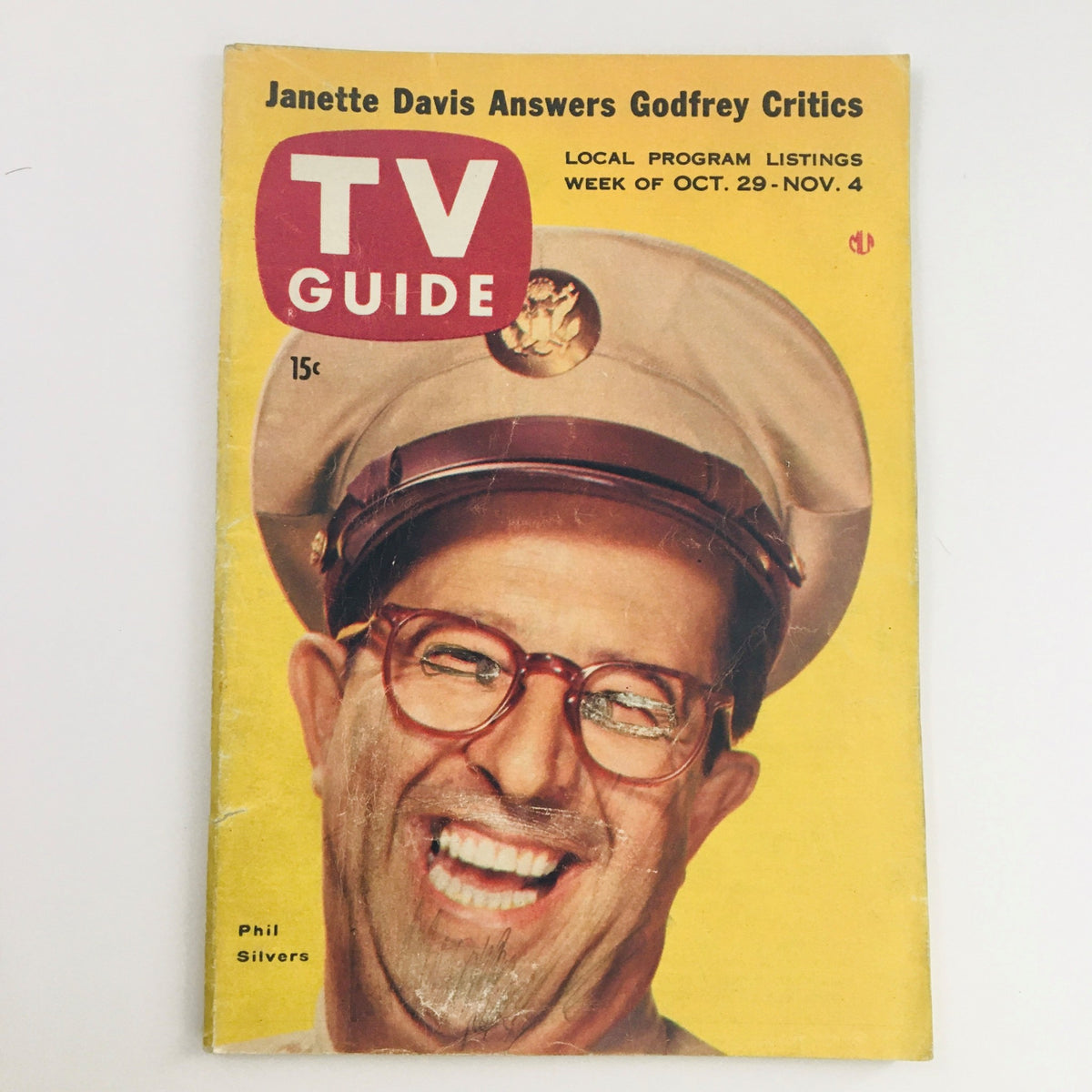
Television's Golden Lineup: TV Guide (still just two years old) showcasing fall premiere schedules with original cast photos from "The Honeymooners," "Alfred Hitchcock Presents," and "Captain Kangaroo"—programs that would run for decades in syndication.
-
James Dean's Posthumous Stardom: Movie magazines and entertainment weeklies featuring "Rebel Without a Cause" premiere coverage, memorial tributes, and behind-the-scenes photography from his final film, published just weeks after his September death.
-
Cold War Technology: Newsweek and Time covering the antiproton discovery and the USS Saratoga launch, illustrated with dramatic naval photography and scientific diagrams explaining antimatter—the cutting edge of atomic-age research.
-
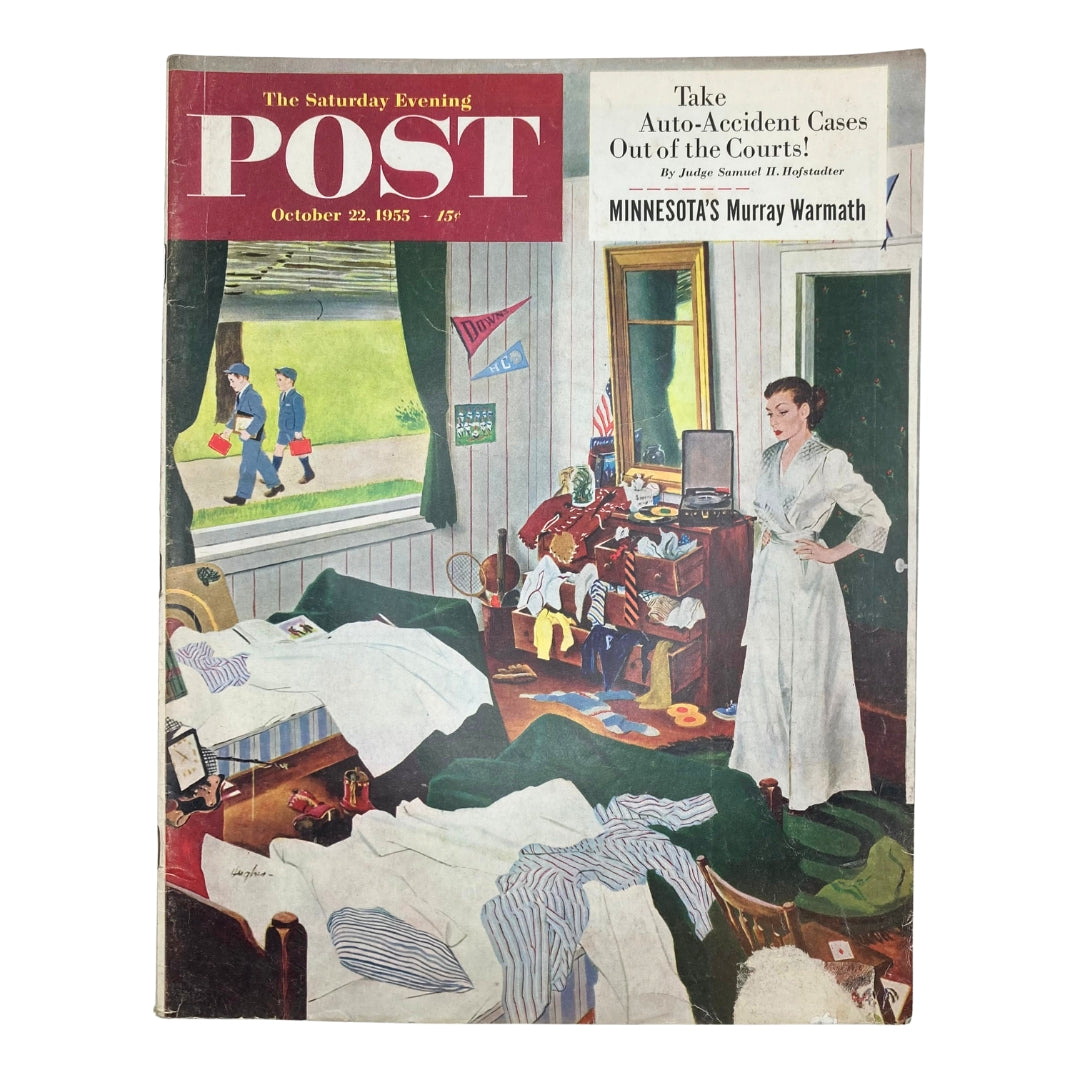
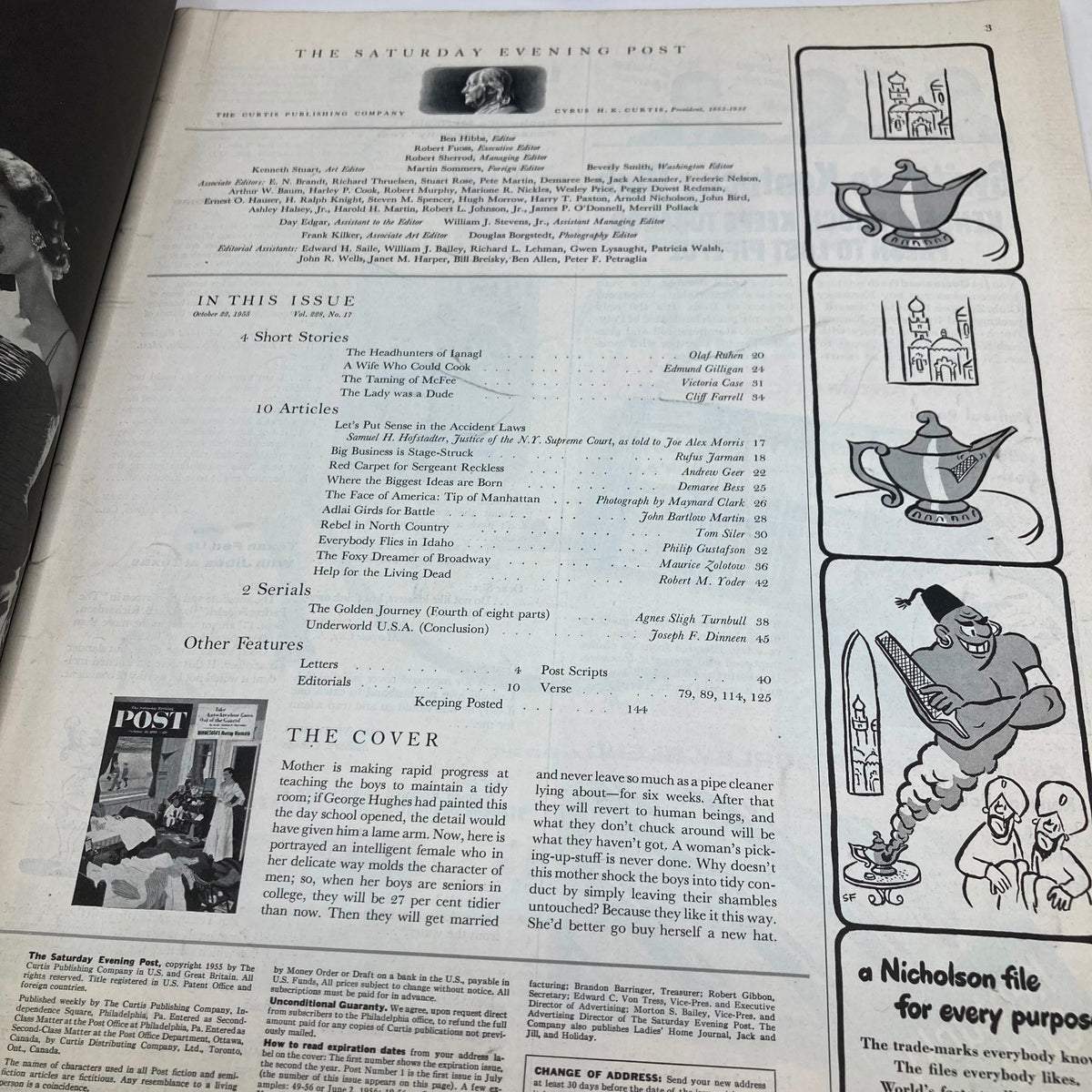
Literary Milestones: Book review sections in The Saturday Evening Post and quality magazines announcing Tolkien's "Return of the King" and early coverage of the Beat Generation following Ginsberg's "Howl" reading, capturing the dawn of counterculture.
The Perfect Gift
For someone born in October 1955, an original magazine from this transformative month isn't just a birthday card—it's an authenticated portal to the precise moment when television conquered America, the Dodgers conquered the Yankees, and genuine cultural revolutions were brewing in both literary salons and suburban living rooms, preserved in newsprint, advertisements, and photography.