📖 About this Collection
October 1958: The Month the Space Age Collided with Old World Power
The Historical Context
The world stood at a precipice between eras. On October 1st, NASA officially began operations, transforming America's scattered aerospace efforts into a unified force for the heavens—the same day Britain quietly transferred Christmas Island to Australia, a colonial sunset gesture barely noticed beneath the glare of rocket engines. The month crackled with nuclear tests: the Soviets detonated weapons at Novaya Zemlya while Americans responded at the Nevada Test Site, their atomic drumbeat punctuating nearly every week. Yet even as superpowers rattled sabers, the Vatican underwent its own transformation—Pope Pius XII was laid to rest on October 13th, and by month's end, Angelo Giuseppe Roncalli ascended as Pope John XXIII, bringing unexpected warmth to the papacy. In the Atlantic, BOAC launched the first transatlantic commercial jet service, shrinking continents overnight. The Springhill Mine disaster trapped 174 miners in Nova Scotia's deepest coal shaft, a grim reminder that progress extracted terrible costs. This was the world your loved one entered—caught between mushroom clouds and moonshots, between papal incense and jet fuel.
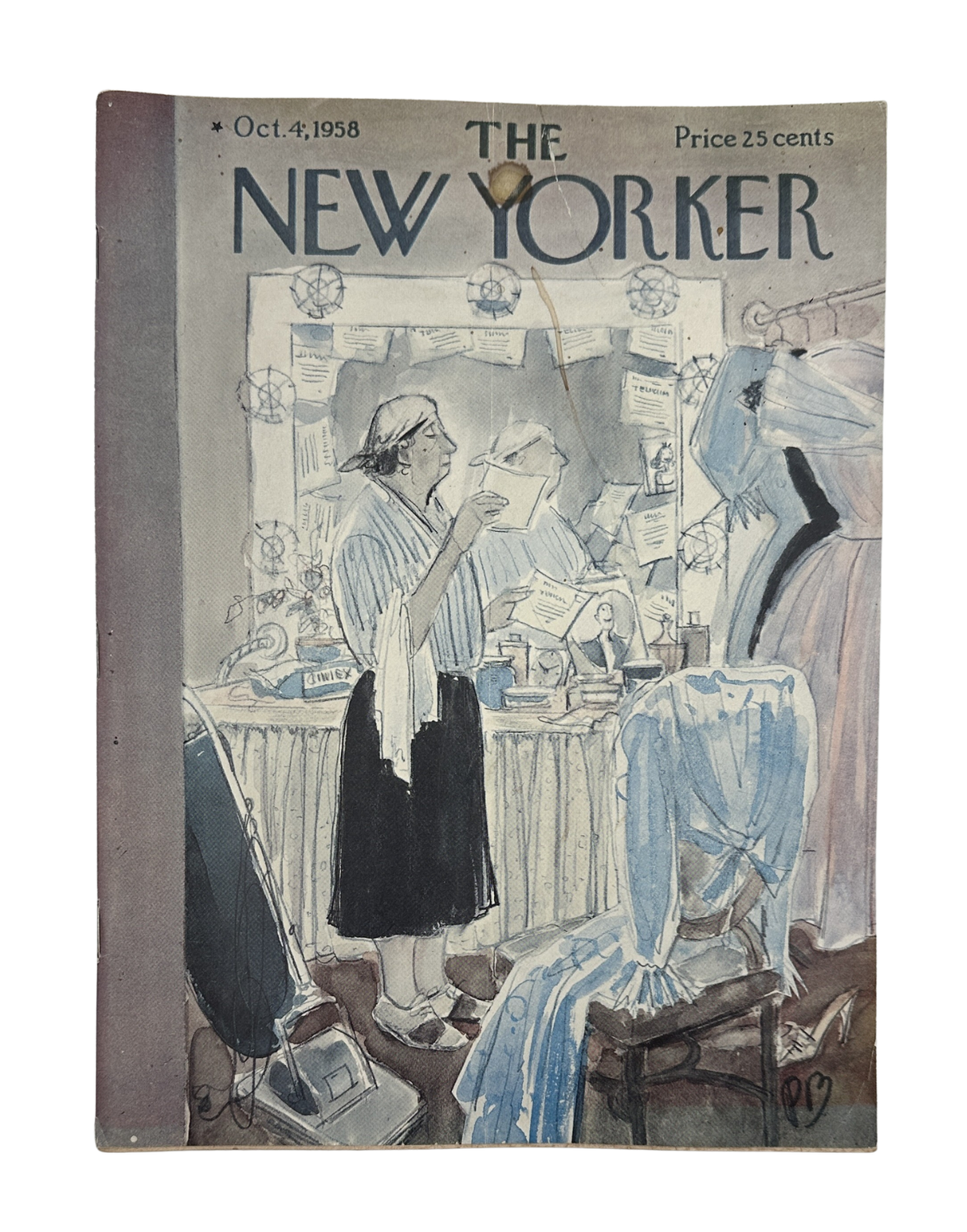
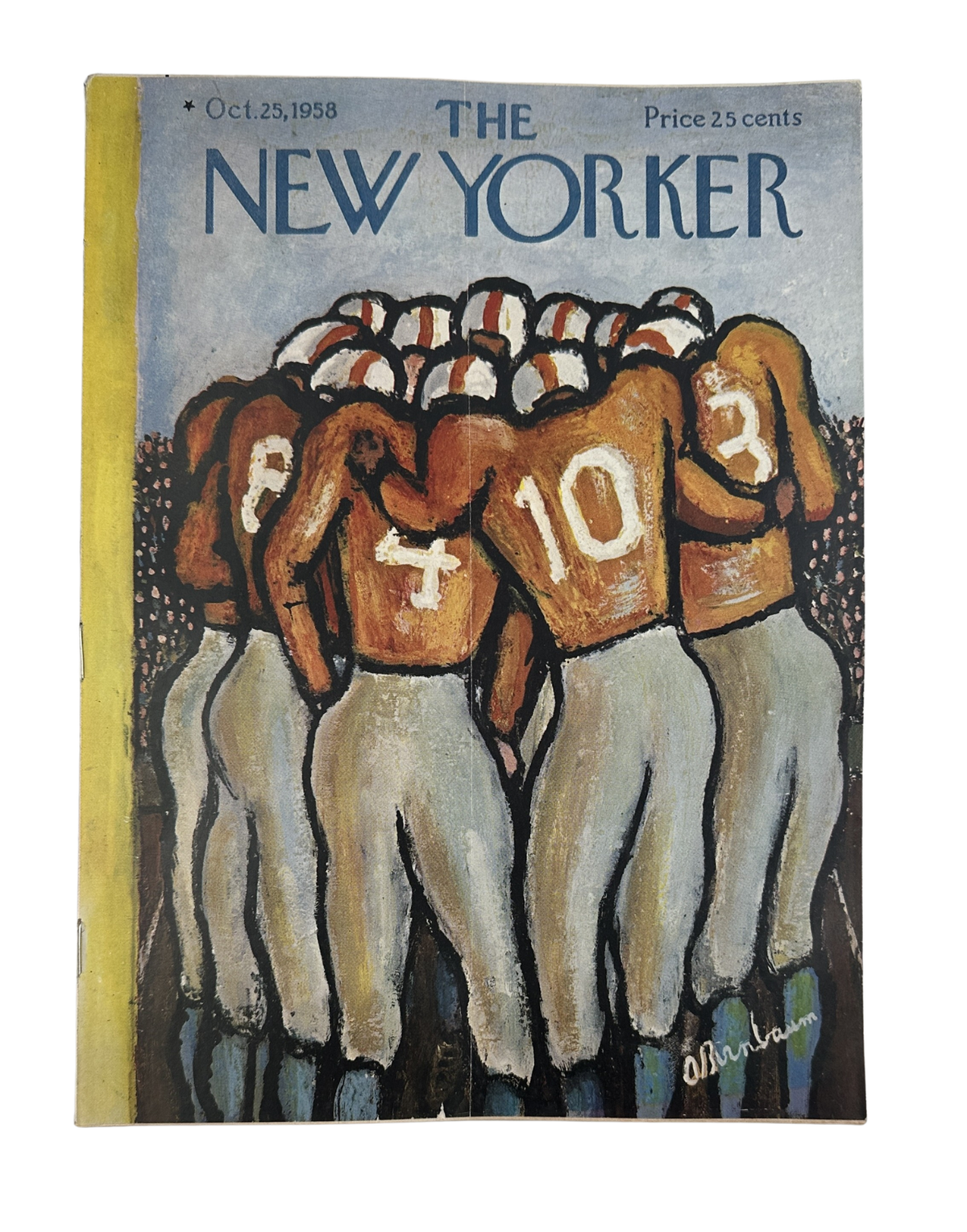
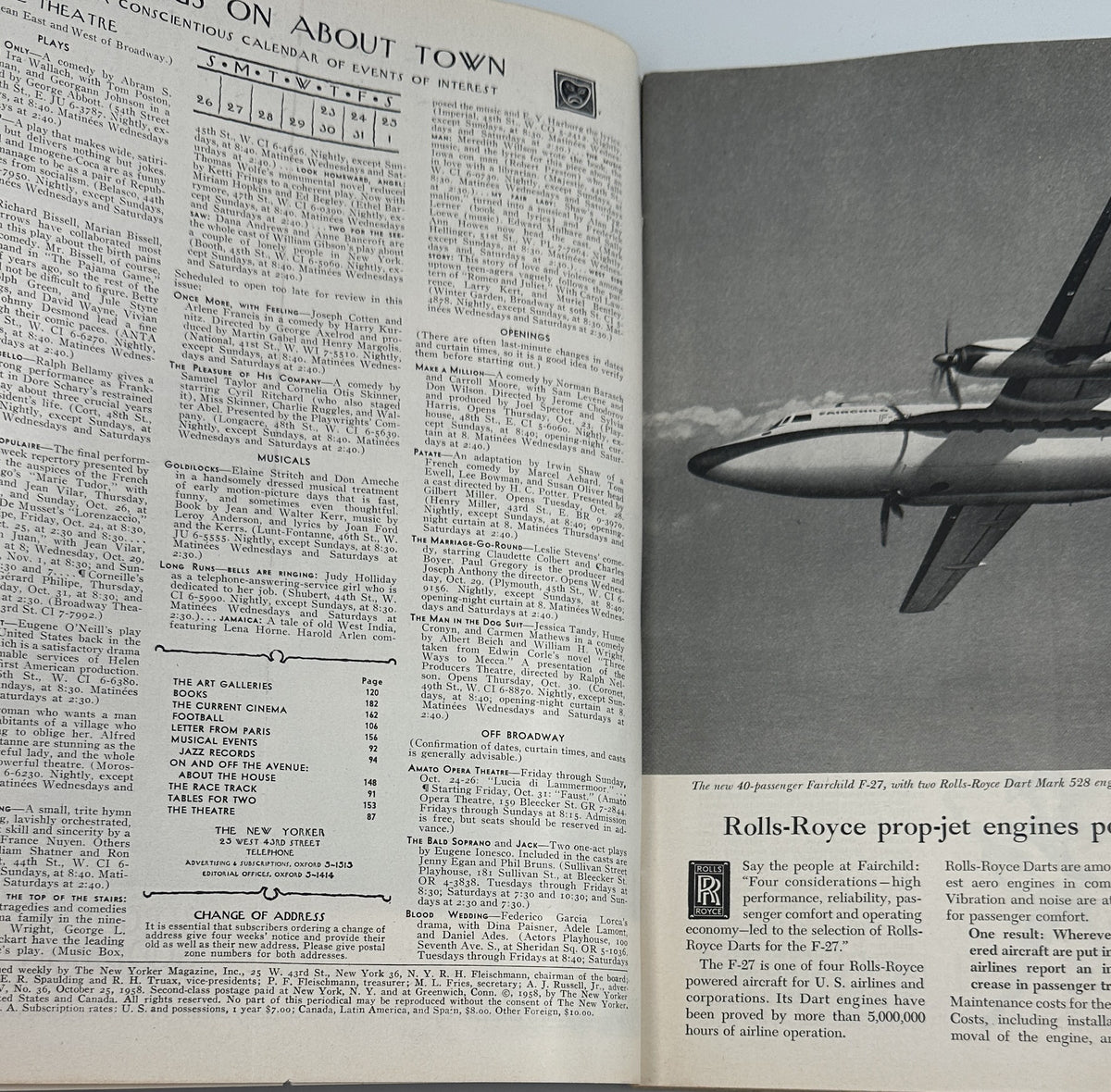
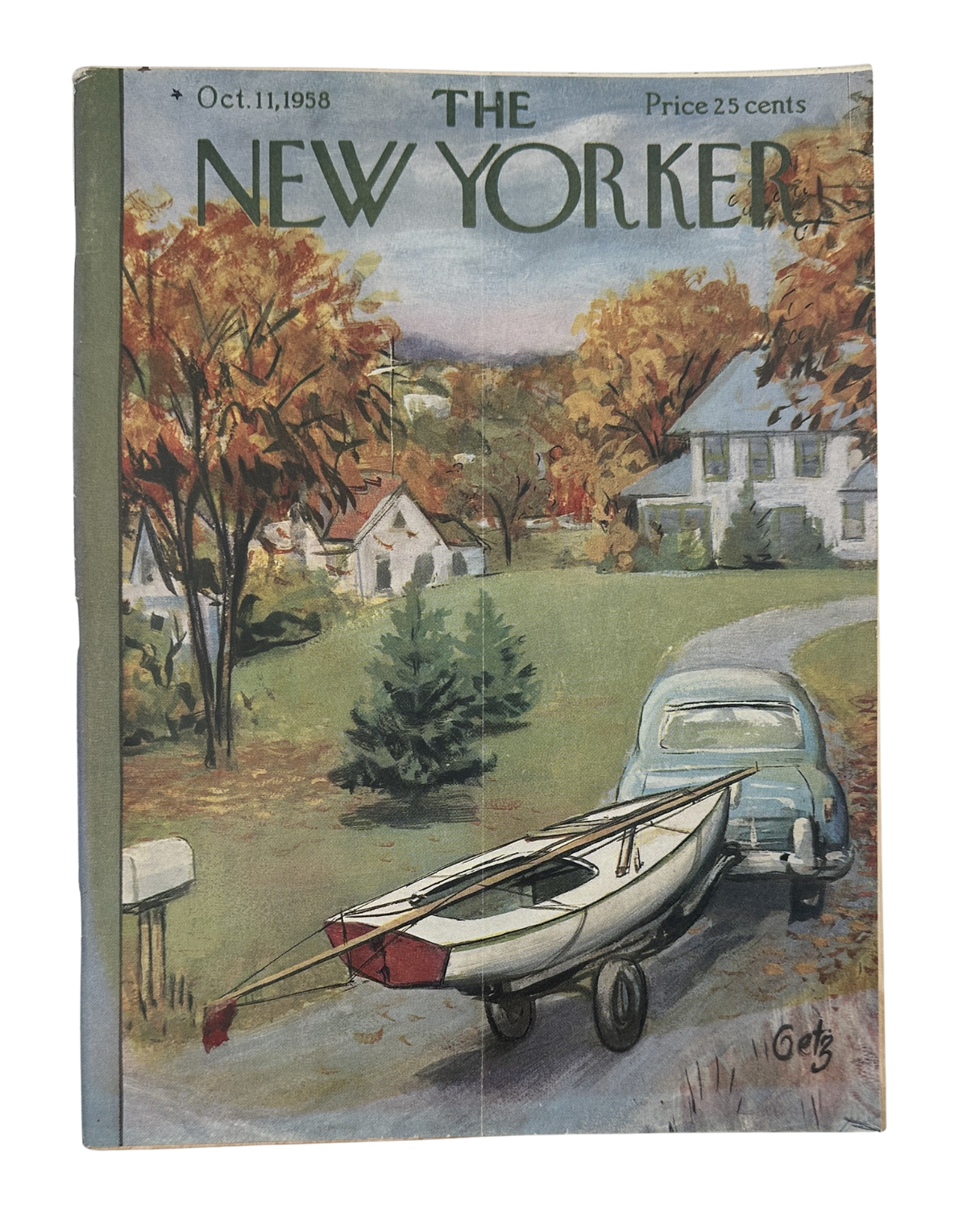
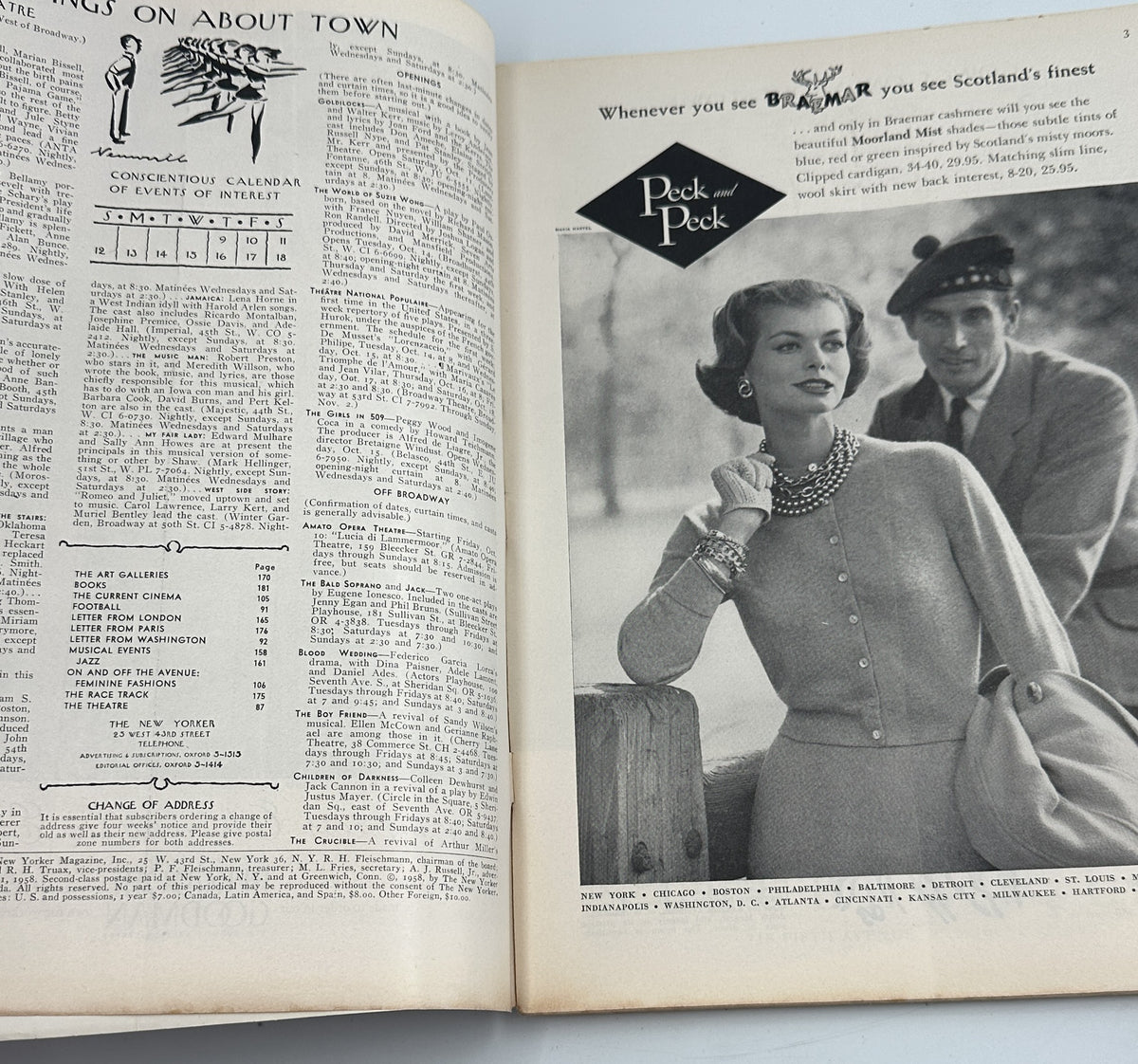
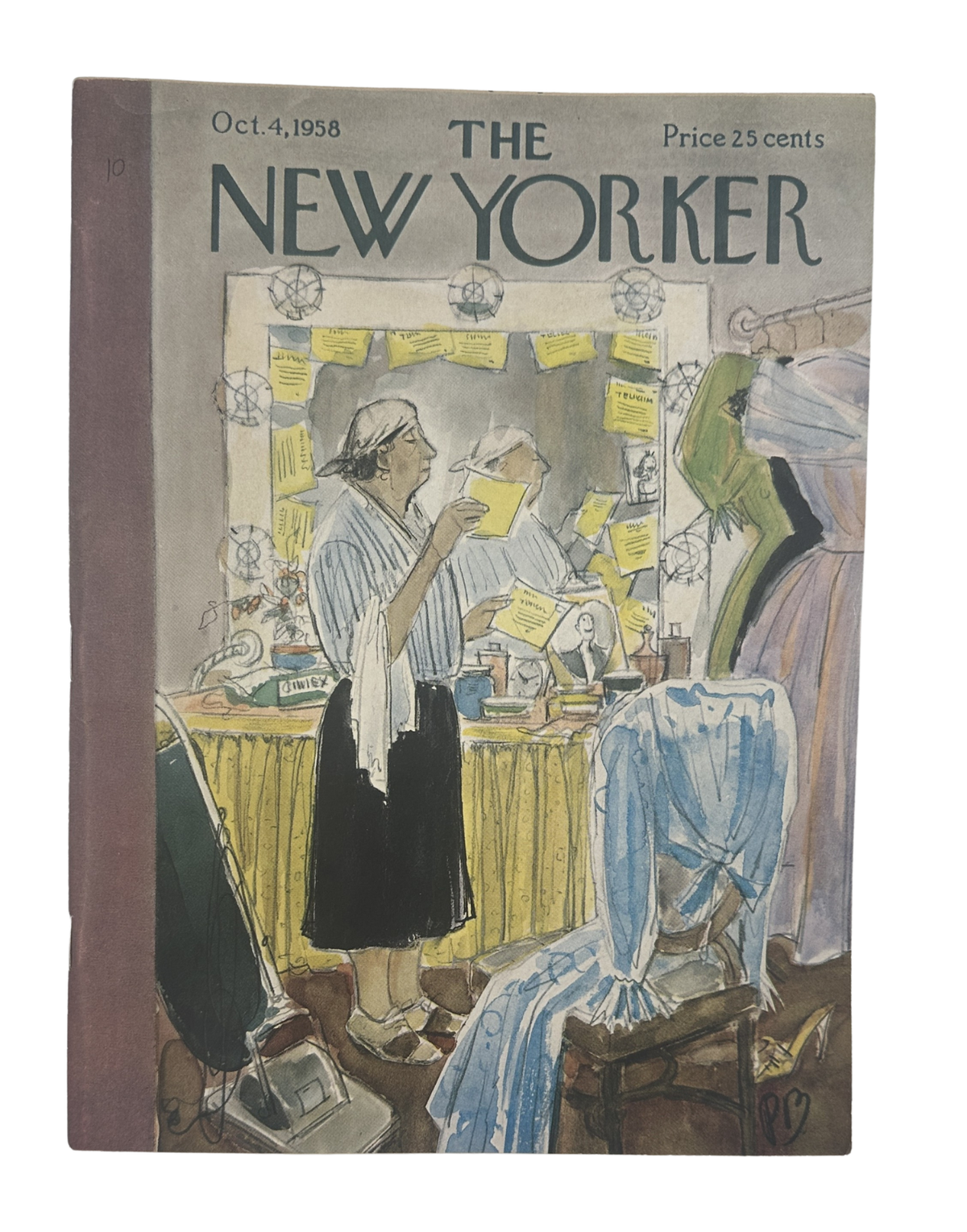
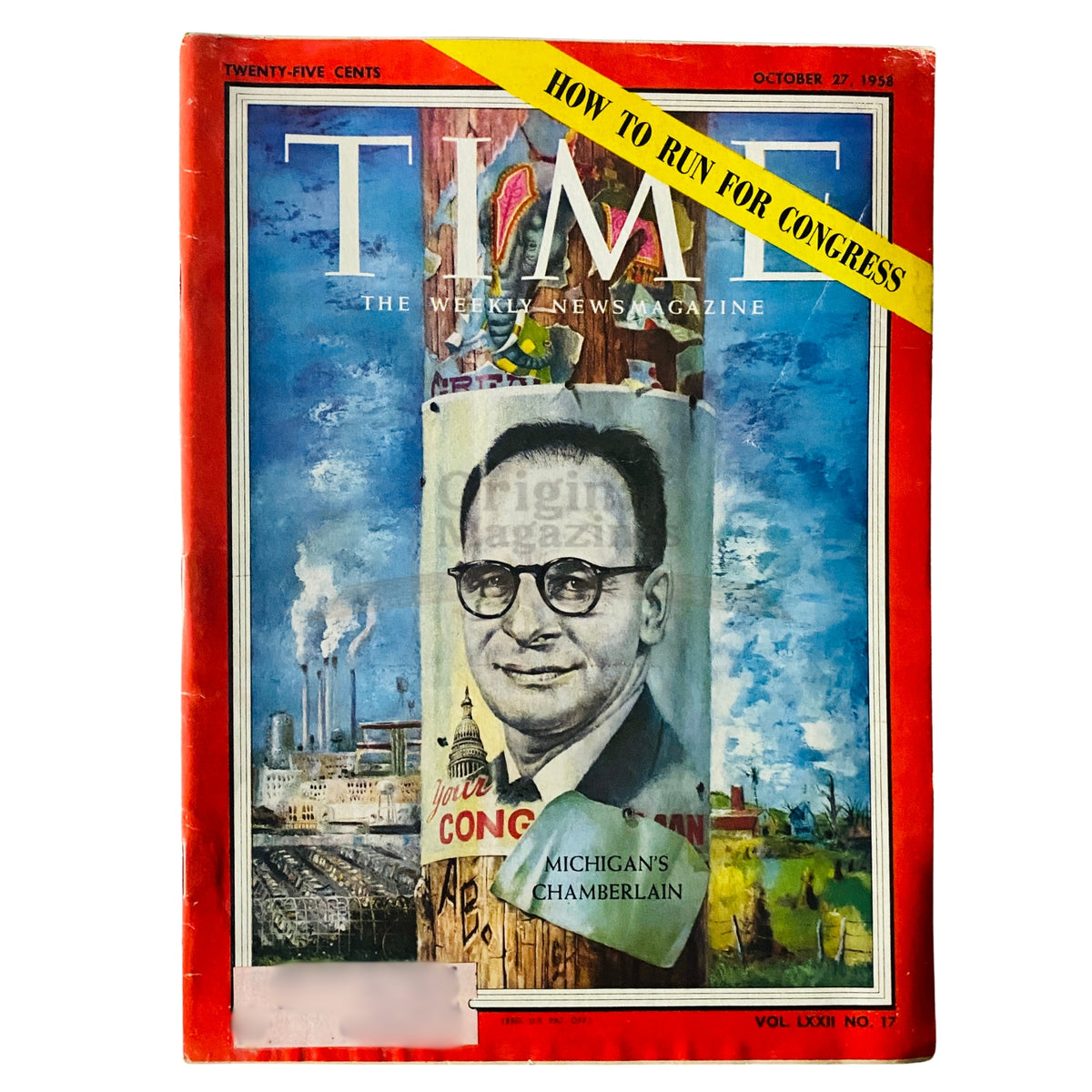
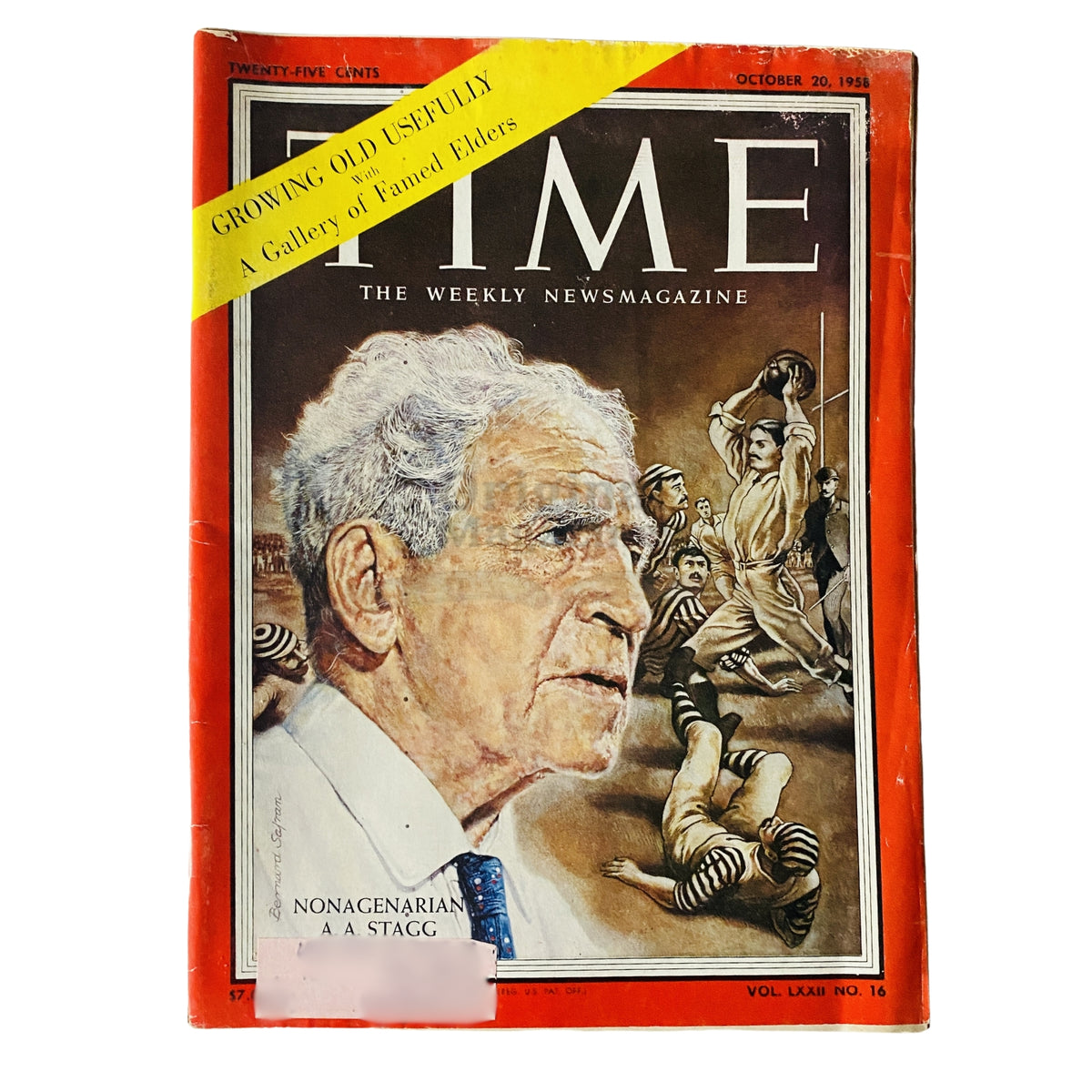
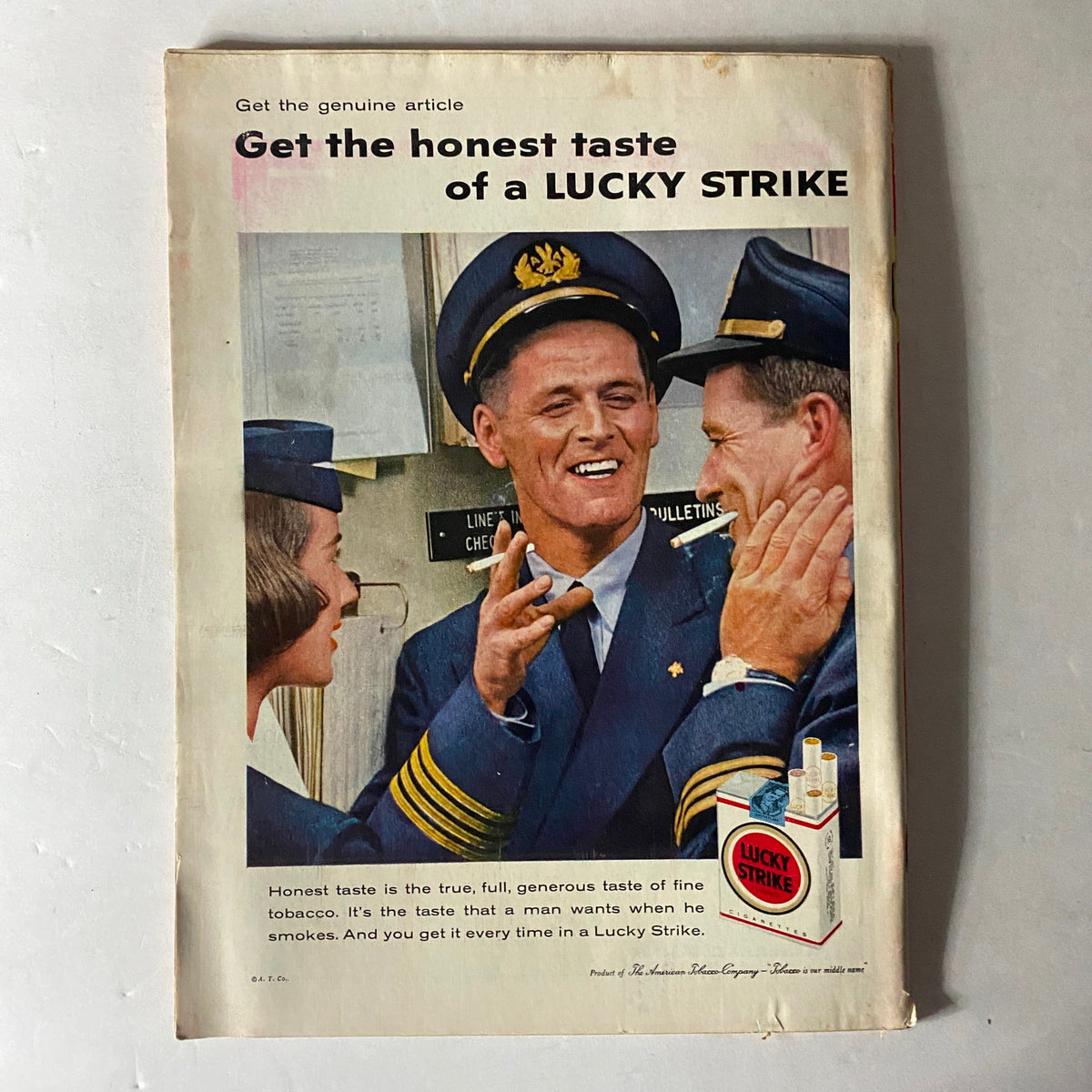
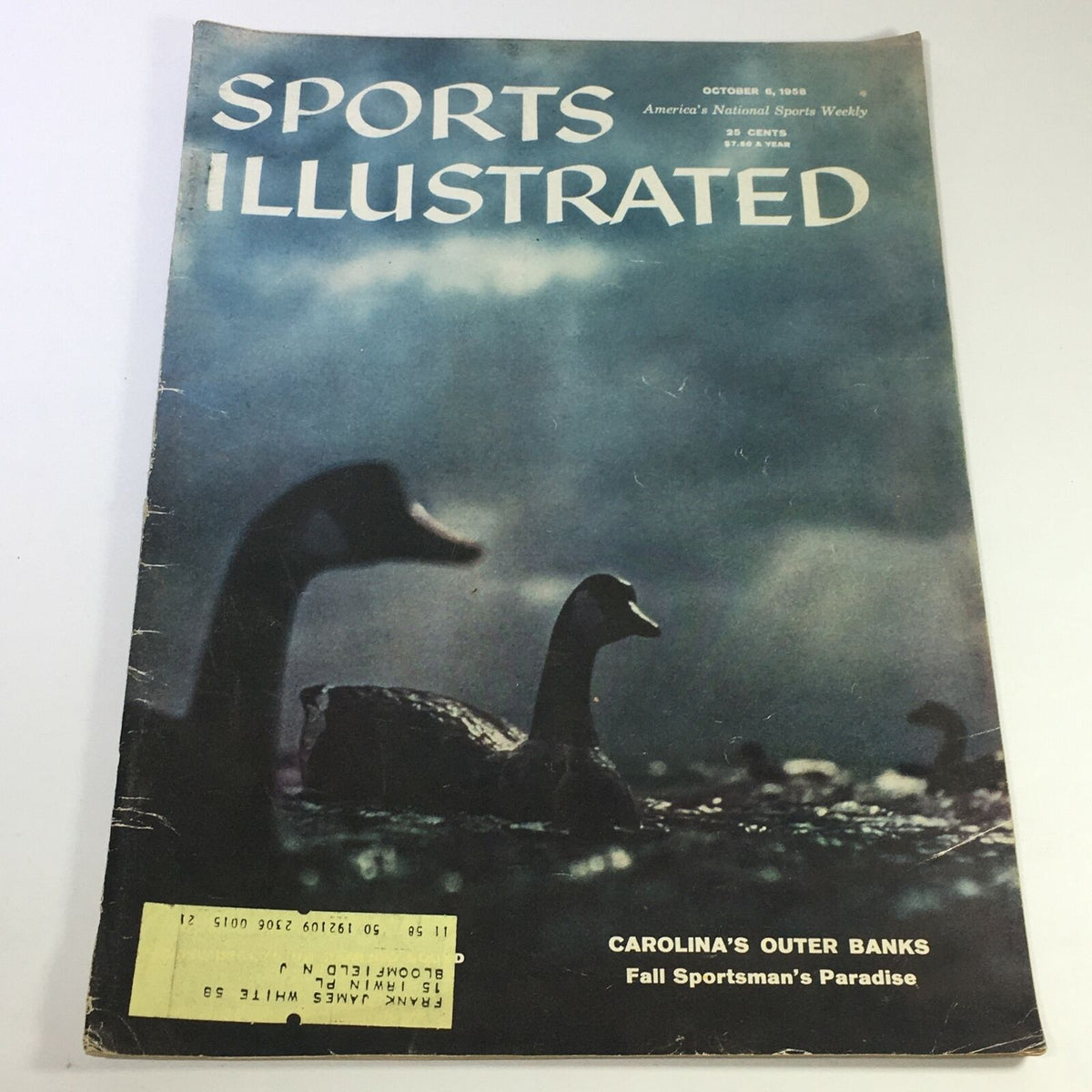
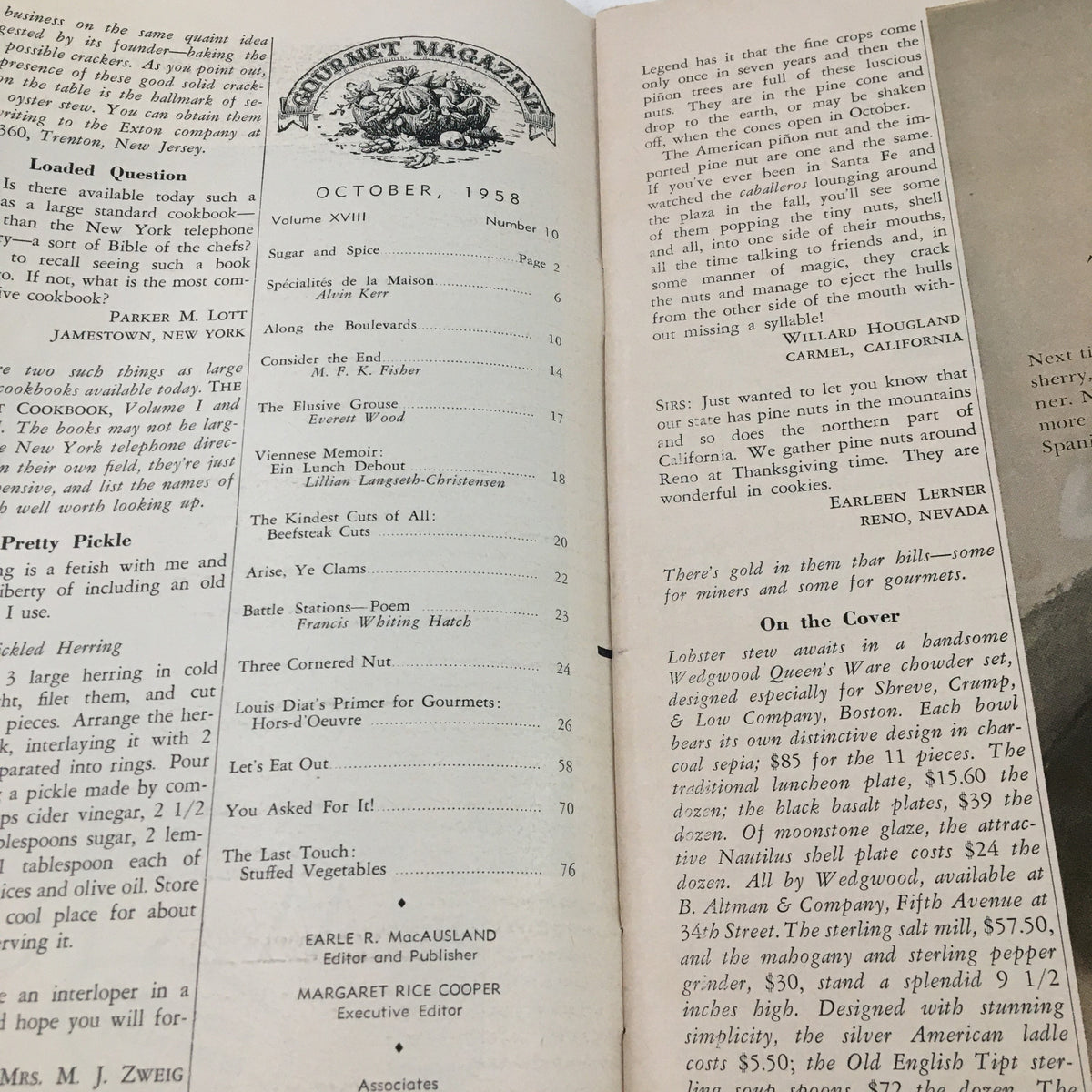
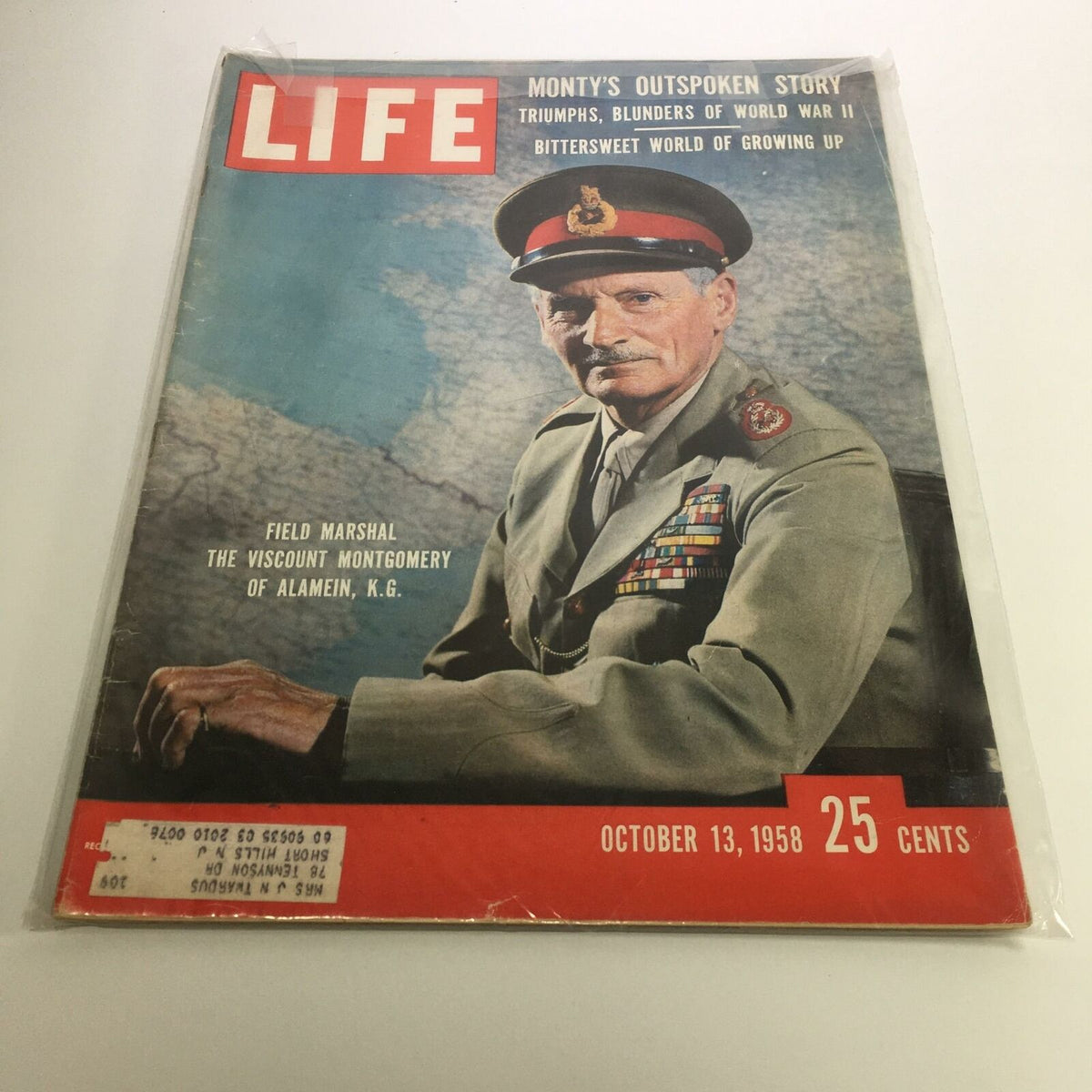
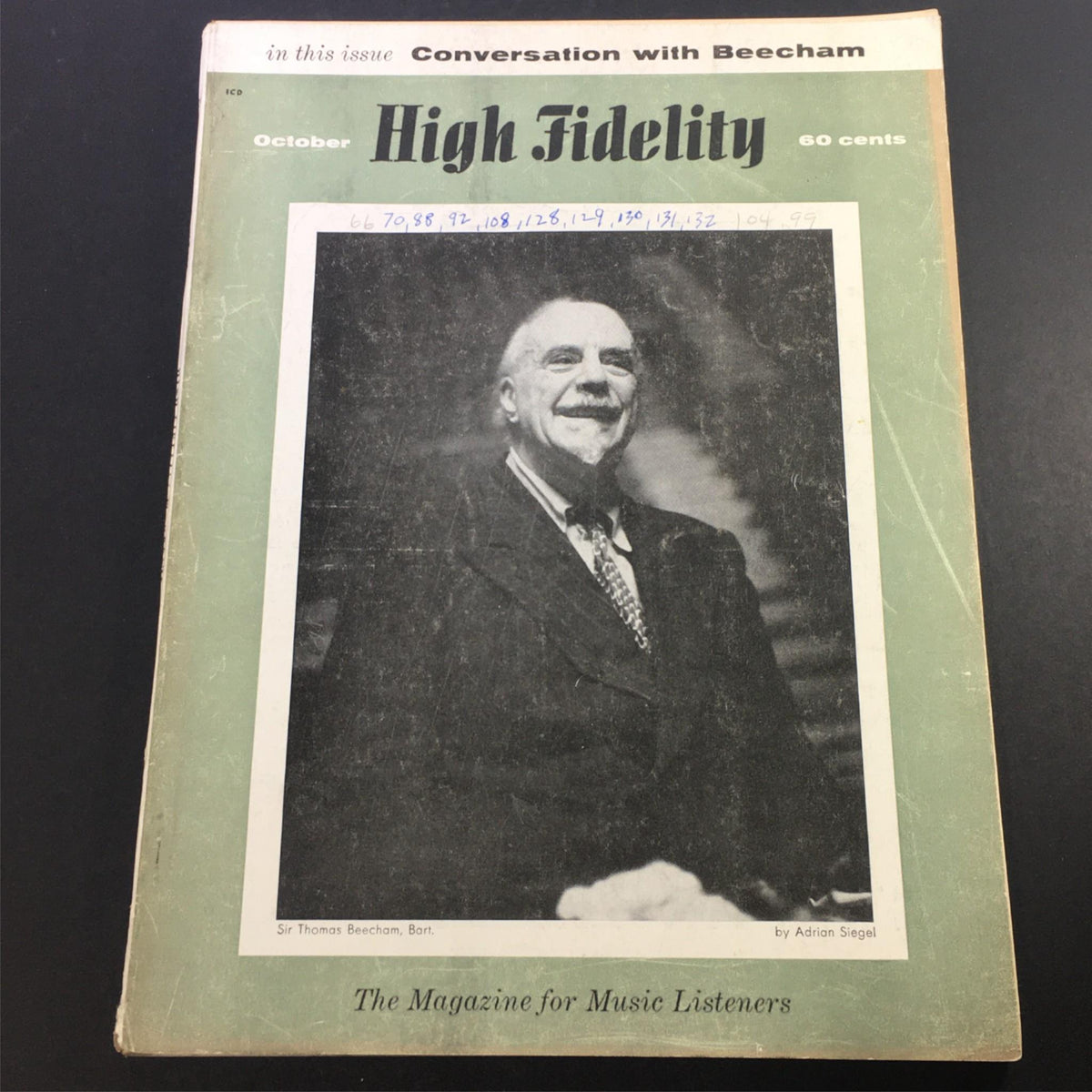
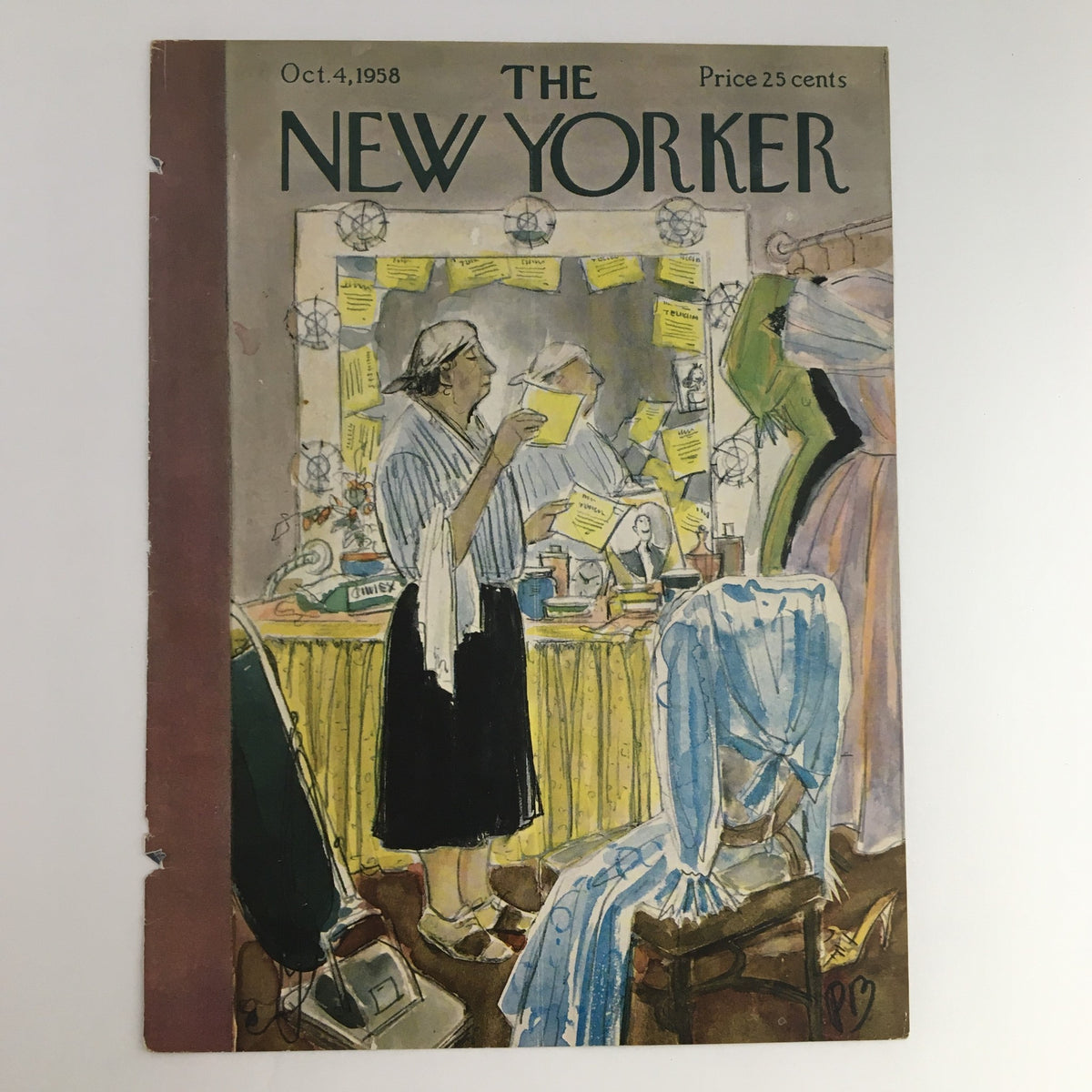
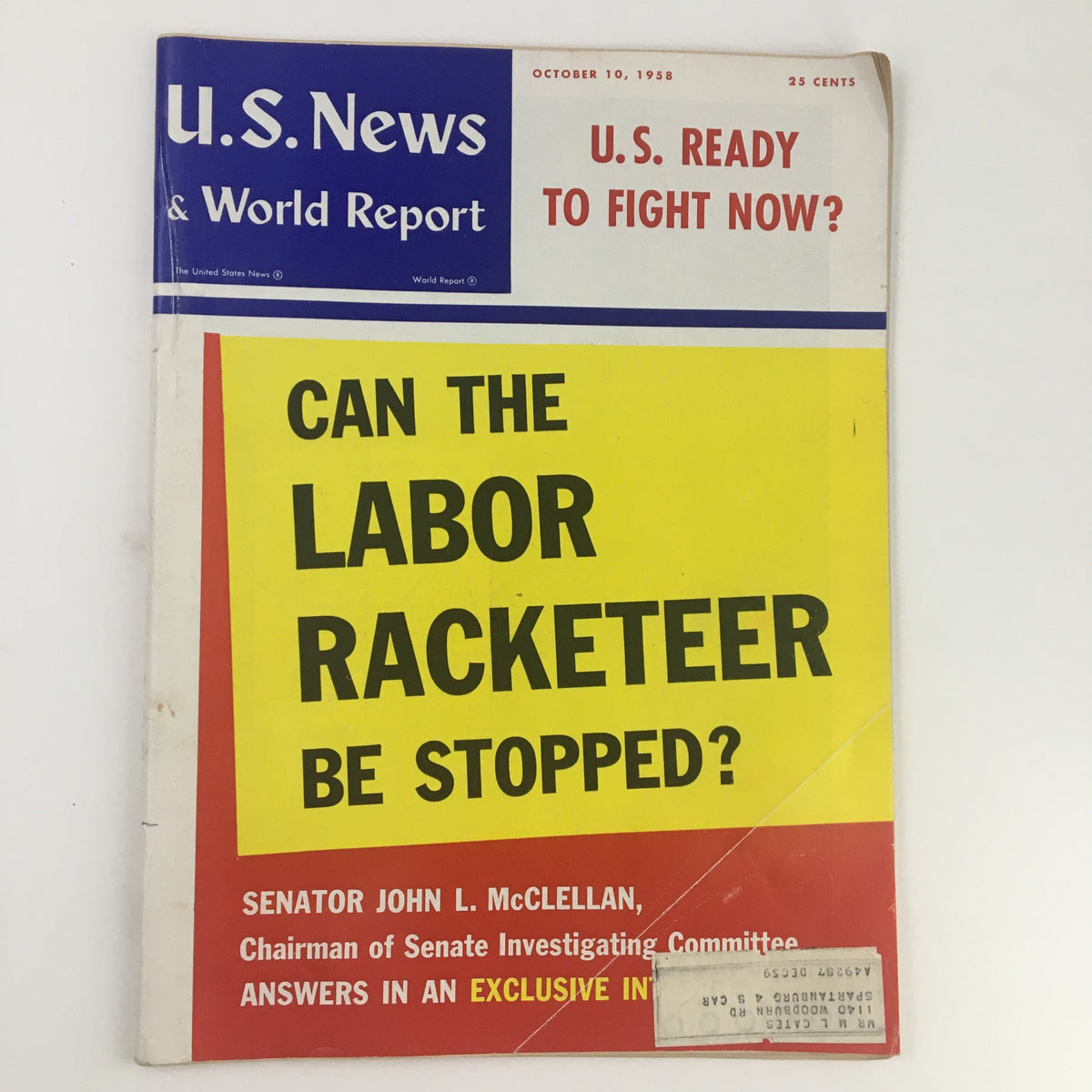
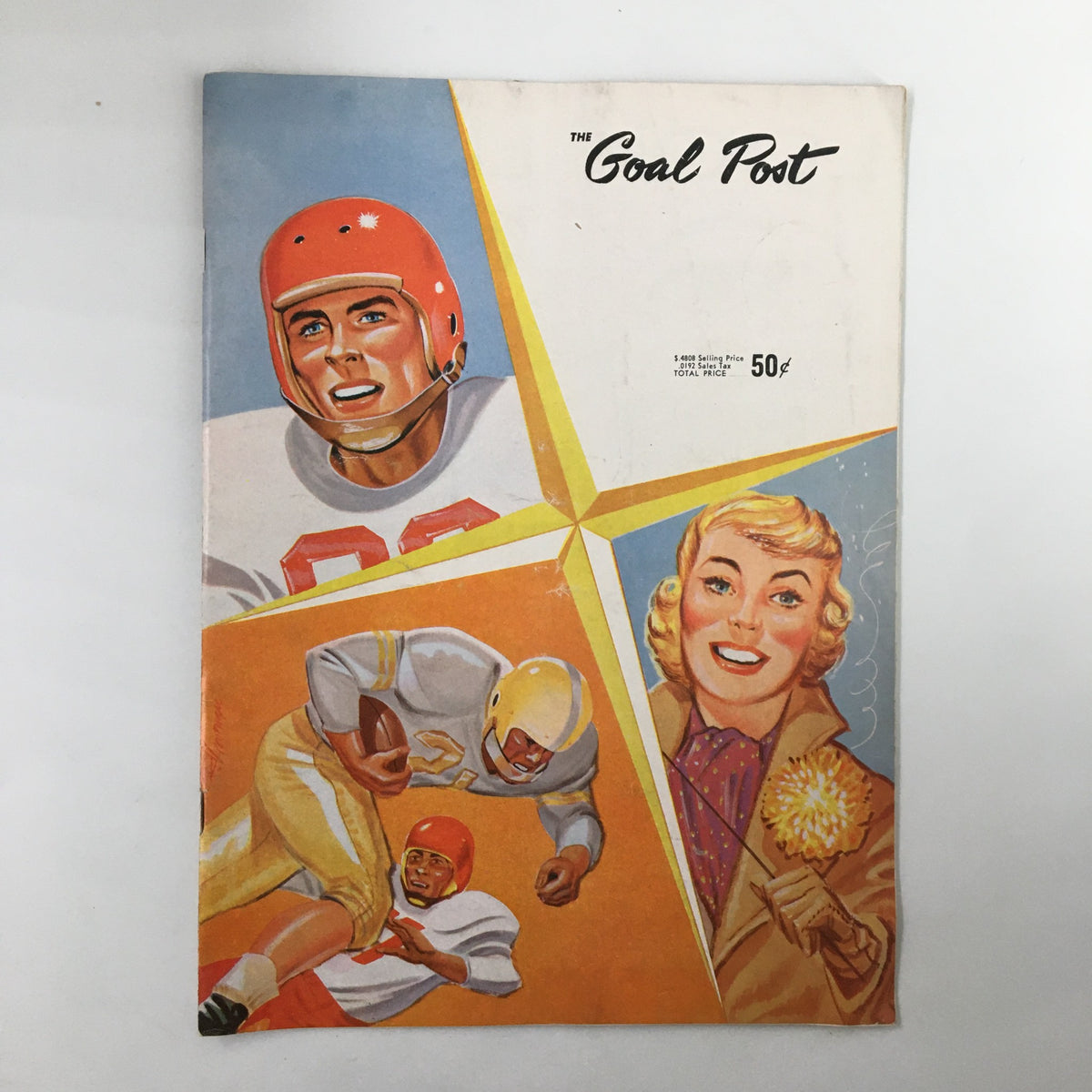
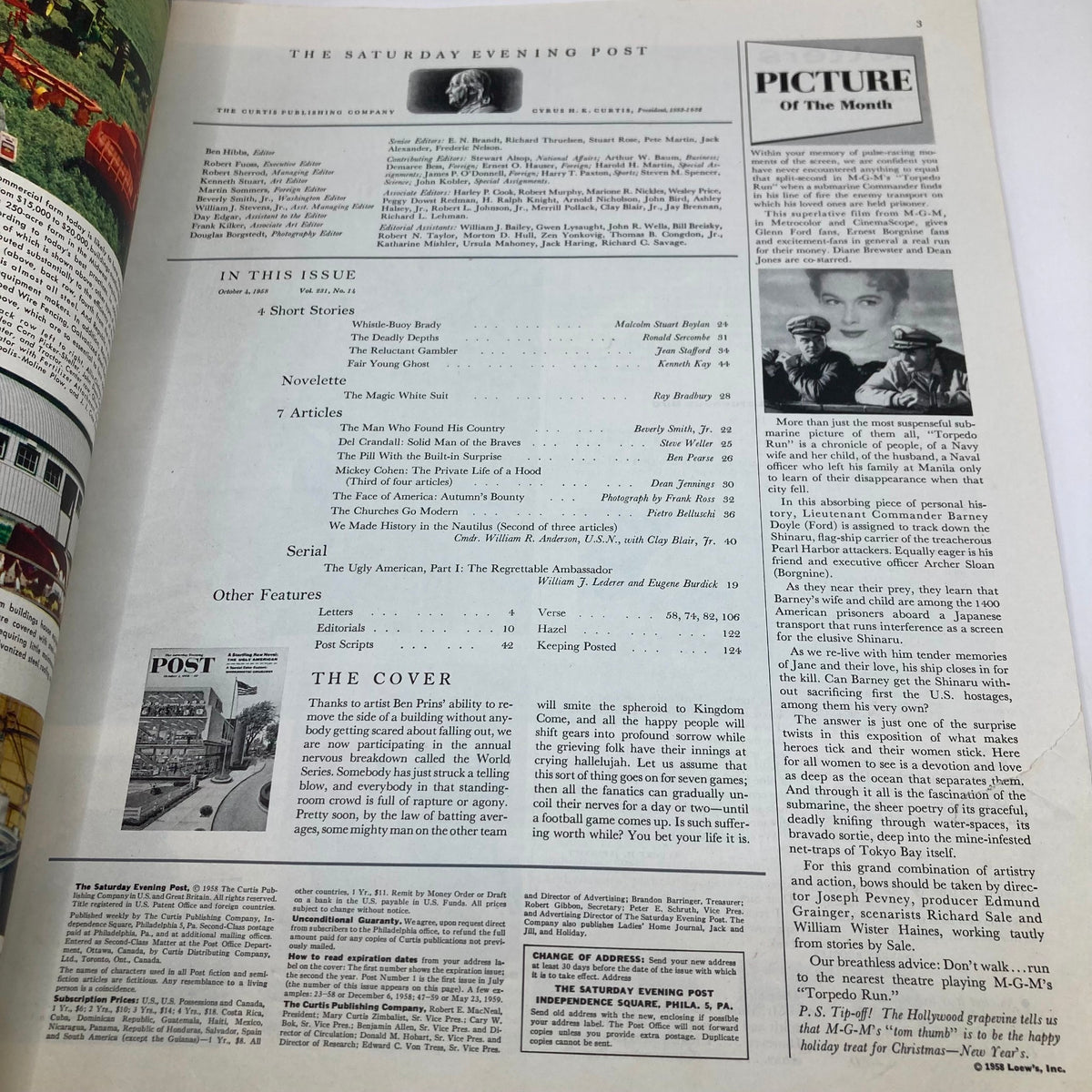
On newsstands and coffee tables, original magazines from October 1958 captured America's cultural contradictions. Movie theaters screened wholesome fare while television expanded its reach—the BBC debuted "Blue Peter," destined to become Britain's longest-running children's program. Sports pages chronicled the New York Yankees clinching the World Series against Milwaukee in seven games, with pitcher Bob Turley earning MVP honors, while Stirling Moss won Morocco's Grand Prix only to lose the championship by a single point to Mike Hawthorn, Britain's first Formula 1 world champion. Belgian cartoonist Peyo introduced the Smurfs in an obscure comic strip, unknowing he'd created future merchandising titans. Broadway welcomed "Goldilocks" and "The World of Suzie Wong," while fashion magazines showcased autumn collections reflecting post-war prosperity. Medical miracles appeared in news weeklies: Swedish surgeon Åke Senning implanted the first cardiac pacemaker, and Dr. Mason Sones performed the inaugural coronary angiogram, both breakthroughs that would save millions of lives. These vintage magazines preserved not just headlines but the advertisements, typography, and editorial voice of an optimistic yet anxious nation.
What to Look for in October 1958 Issues
-
NASA's Founding: News magazines like Time, Life, and Newsweek featuring inaugural coverage of America's space agency, often illustrated with rocket diagrams, astronaut candidate profiles, and comparisons to Soviet achievements—the visual grammar of the Space Race taking shape.
-
Papal Transition: Catholic publications and mainstream weeklies chronicling Pope John XXIII's election, showcasing the pageantry of Vatican ceremonies, architectural photography of St. Peter's Basilica, and biographical sketches of the 260th pontiff contrasting with Pius XII's austere legacy.
-
Jet Age Glamour: Travel and lifestyle magazines celebrating Pan Am's transatlantic jet service with sleek aircraft photography, elegant stewardess uniforms, and advertisements promising Paris in six hours—luxury and technology merged in glossy full-page spreads.
-
Cold War Anxiety: Rare magazines and news weeklies documenting the month's relentless nuclear testing schedule, featuring maps of test sites, fallout shelter advertisements, and earnest civil defense articles reflecting America's atomic-age paranoia beneath its prosperous surface.
-
World Series Drama: Sports Illustrated and regional publications chronicling the Yankees-Braves showdown, with action photography of Bob Turley's pitching dominance, Milwaukee's County Stadium packed with 46,000 fans, and the dynasty's seventh championship celebration.
The Perfect Gift
For someone born in October 1958, an original magazine from this pivotal month isn't just memorabilia—it's an authenticated passport to the precise moment when humanity reached for the stars while still tethered to earthly powers, preserved in genuine advertisements, Cold War headlines, and the optimistic layouts of a world transforming faster than its magazines could print.