📖 About this Collection
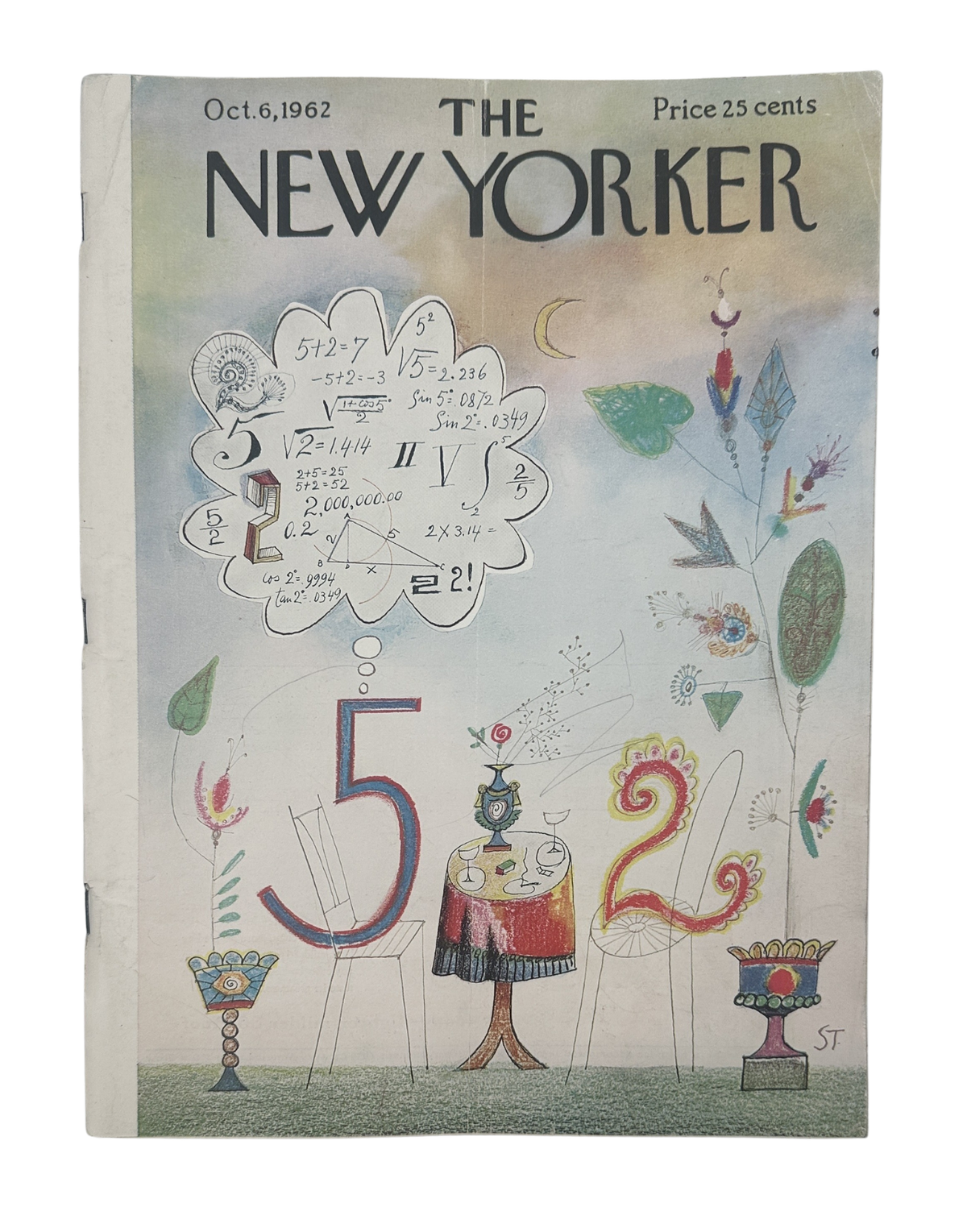
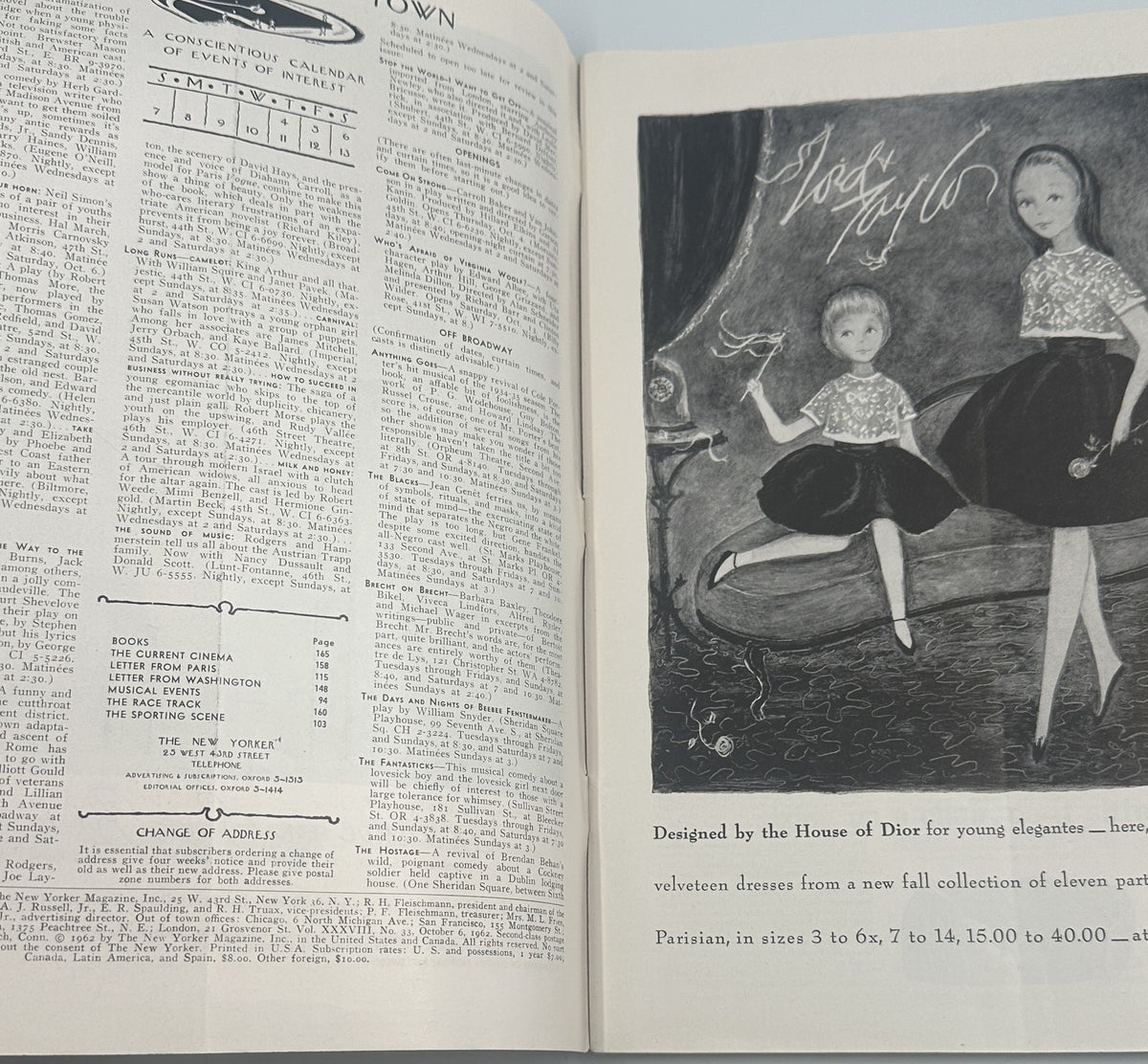
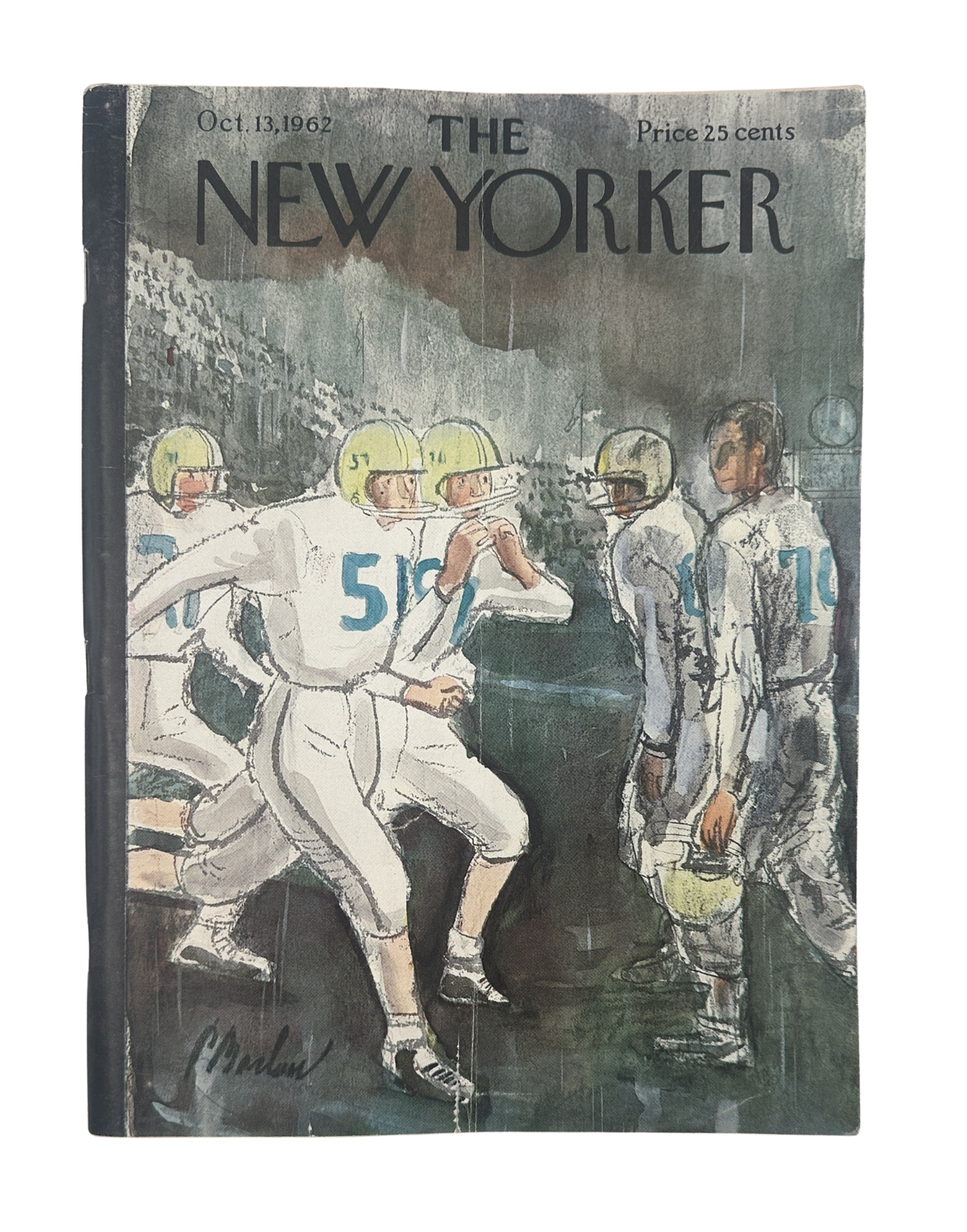
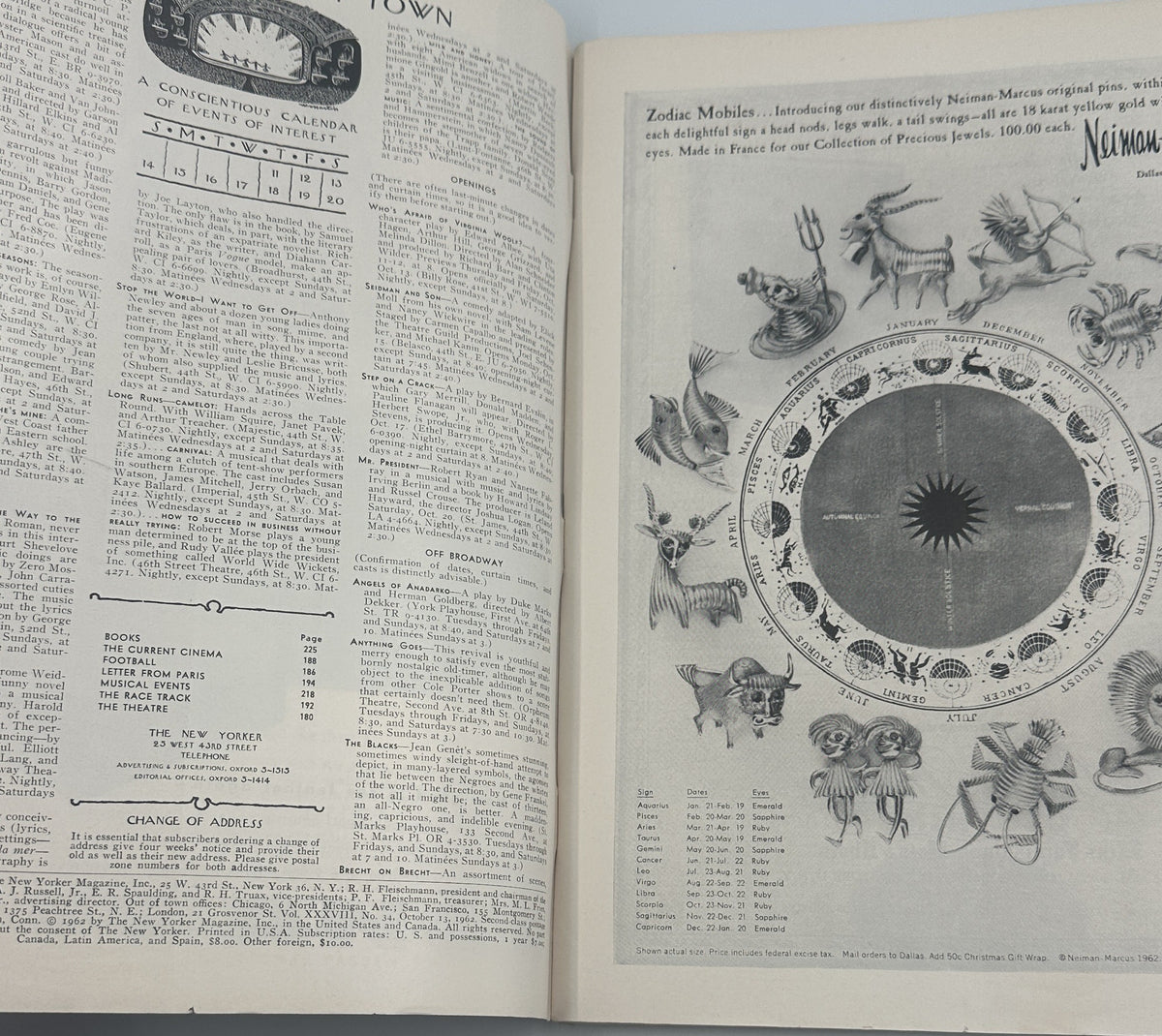
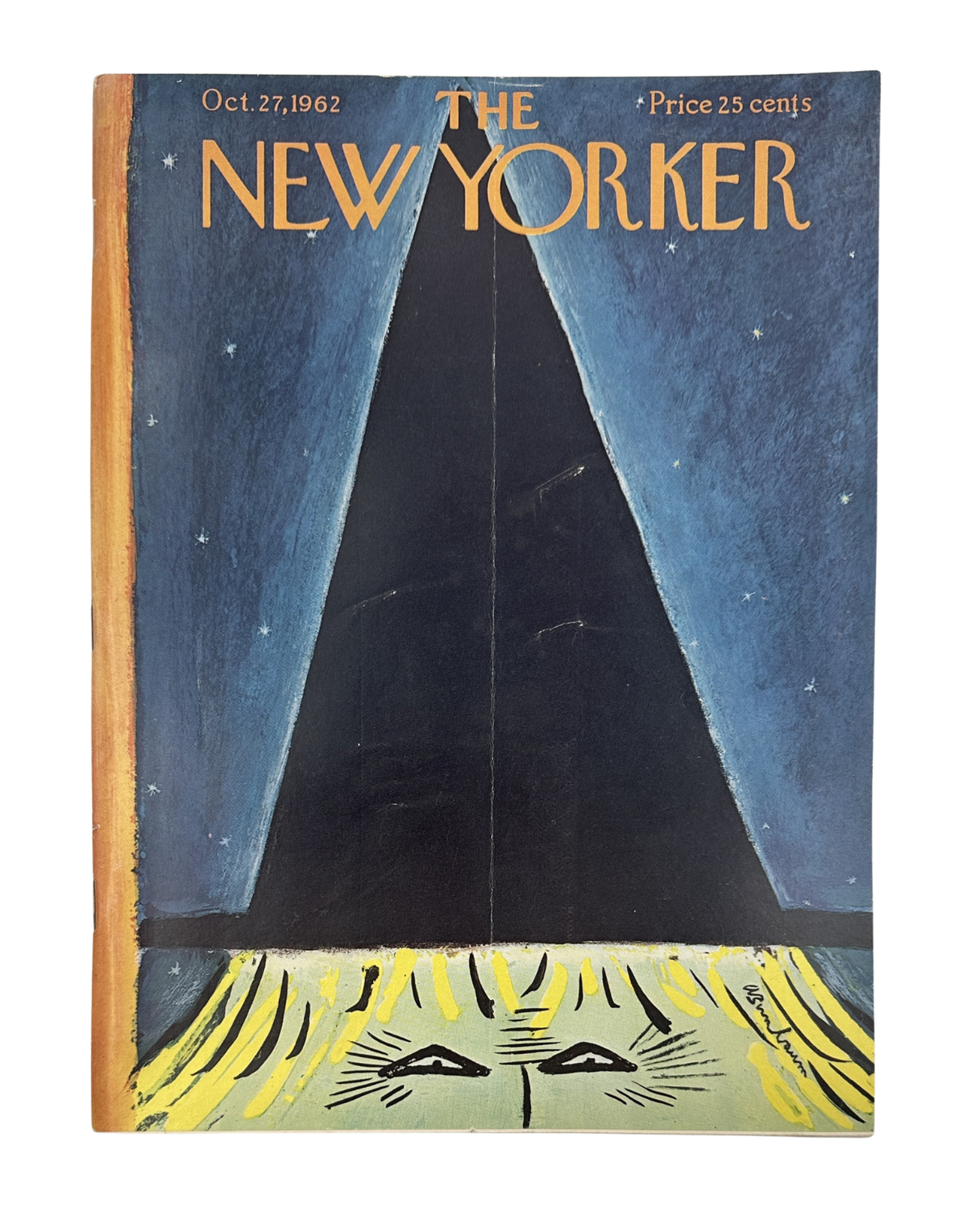
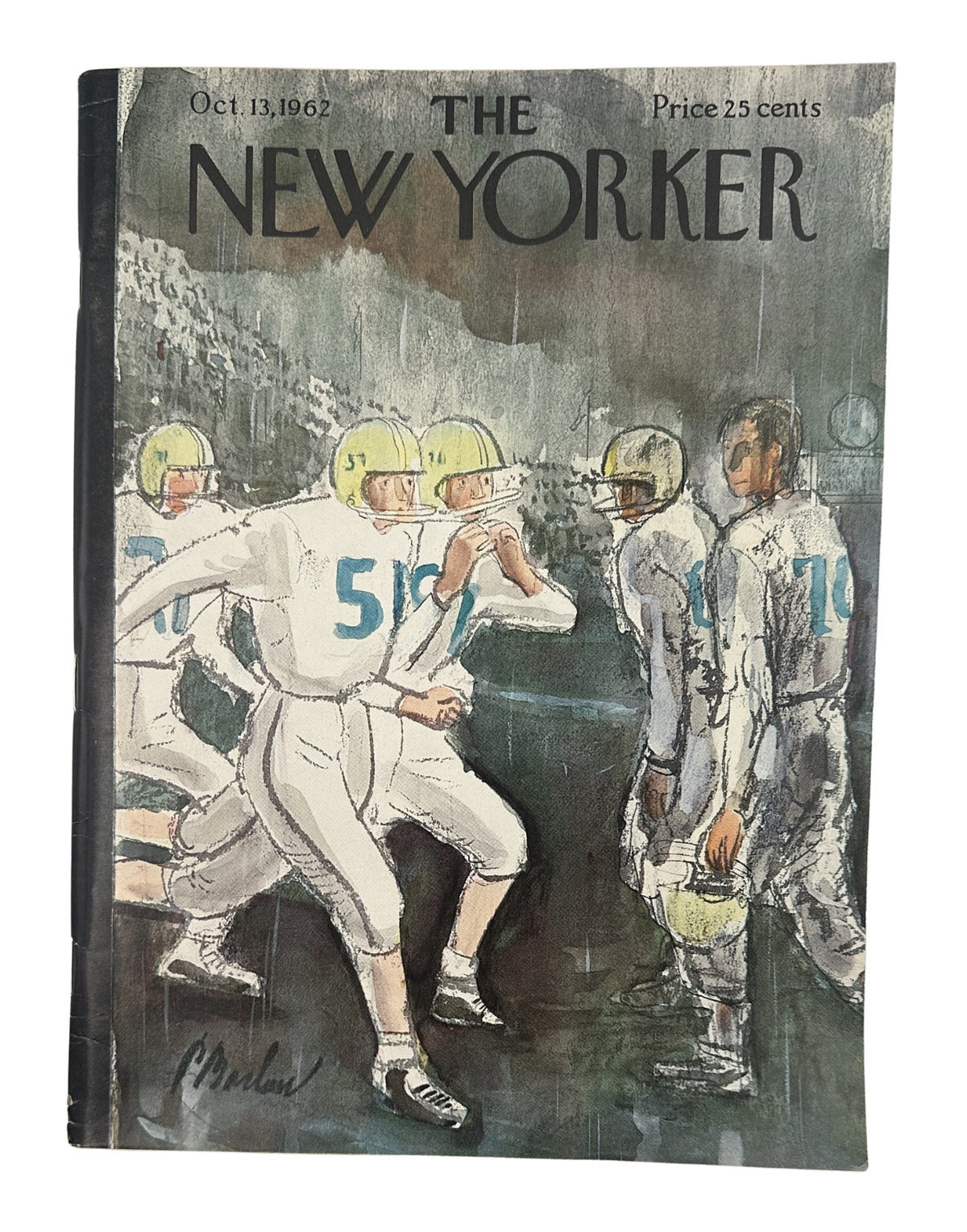
October 1962: The Month the World Held Its Breath
The Historical Context
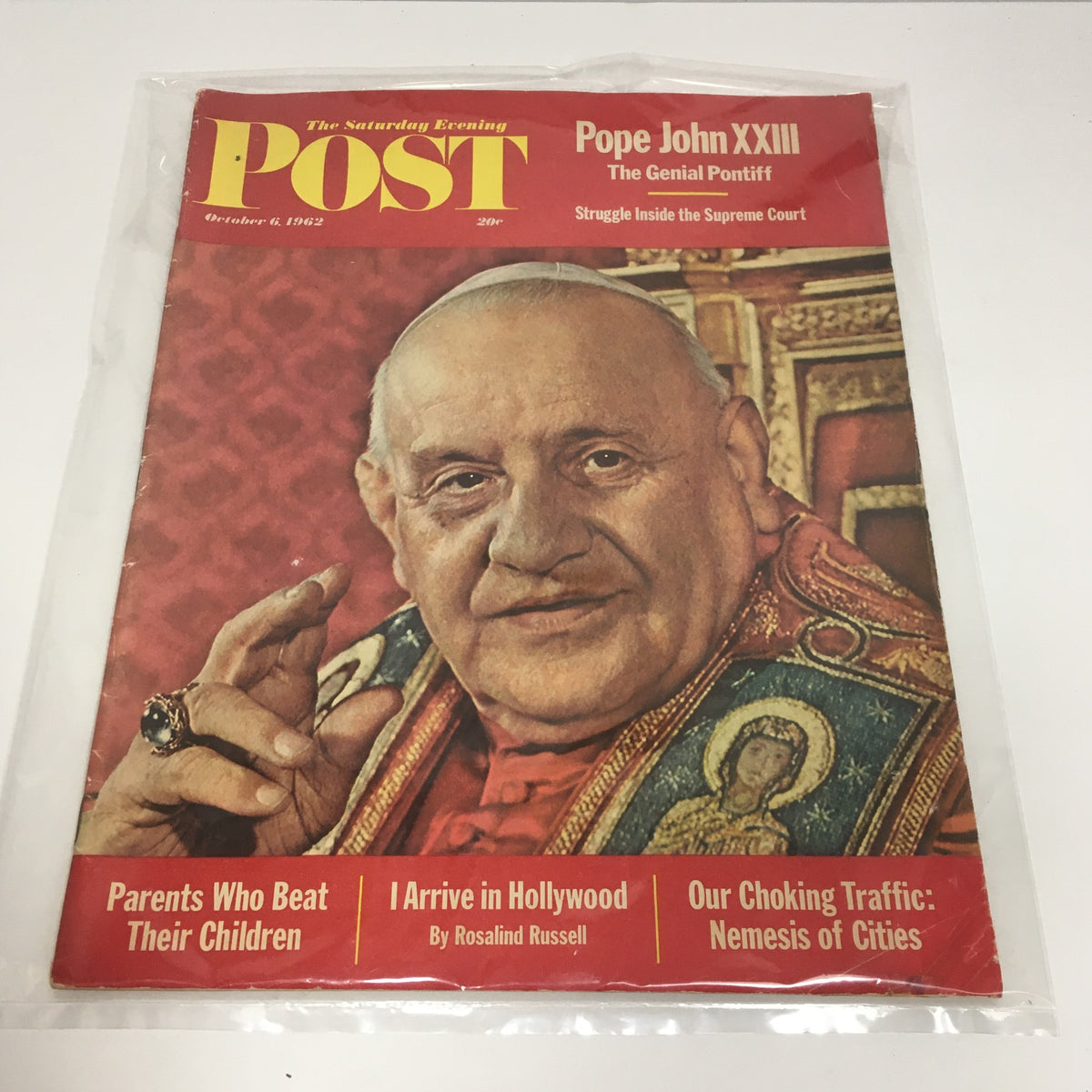
October 1962 remains seared in global memory as the month humanity teetered on the brink of nuclear war. The Cuban Missile Crisis dominated headlines from mid-month forward, beginning October 16th when President John F. Kennedy was shown reconnaissance photos confirming Soviet missile installations in Cuba. By October 22nd, Kennedy addressed the nation on live television, announcing a naval blockade that brought Soviet ships to within moments of confrontation on the high seas. The world watched in suspended terror as UN Ambassador Adlai Stevenson challenged his Soviet counterpart, declaring he would wait "until hell freezes over" for answers, while "Black Saturday" on October 27th saw an American U-2 pilot shot down over Cuba. When Radio Moscow finally announced the missiles' deactivation on October 28th, the collective exhale was palpable. This was the world your loved one entered in October 1962—a month when every newspaper, every magazine, every television broadcast carried the weight of potential annihilation.
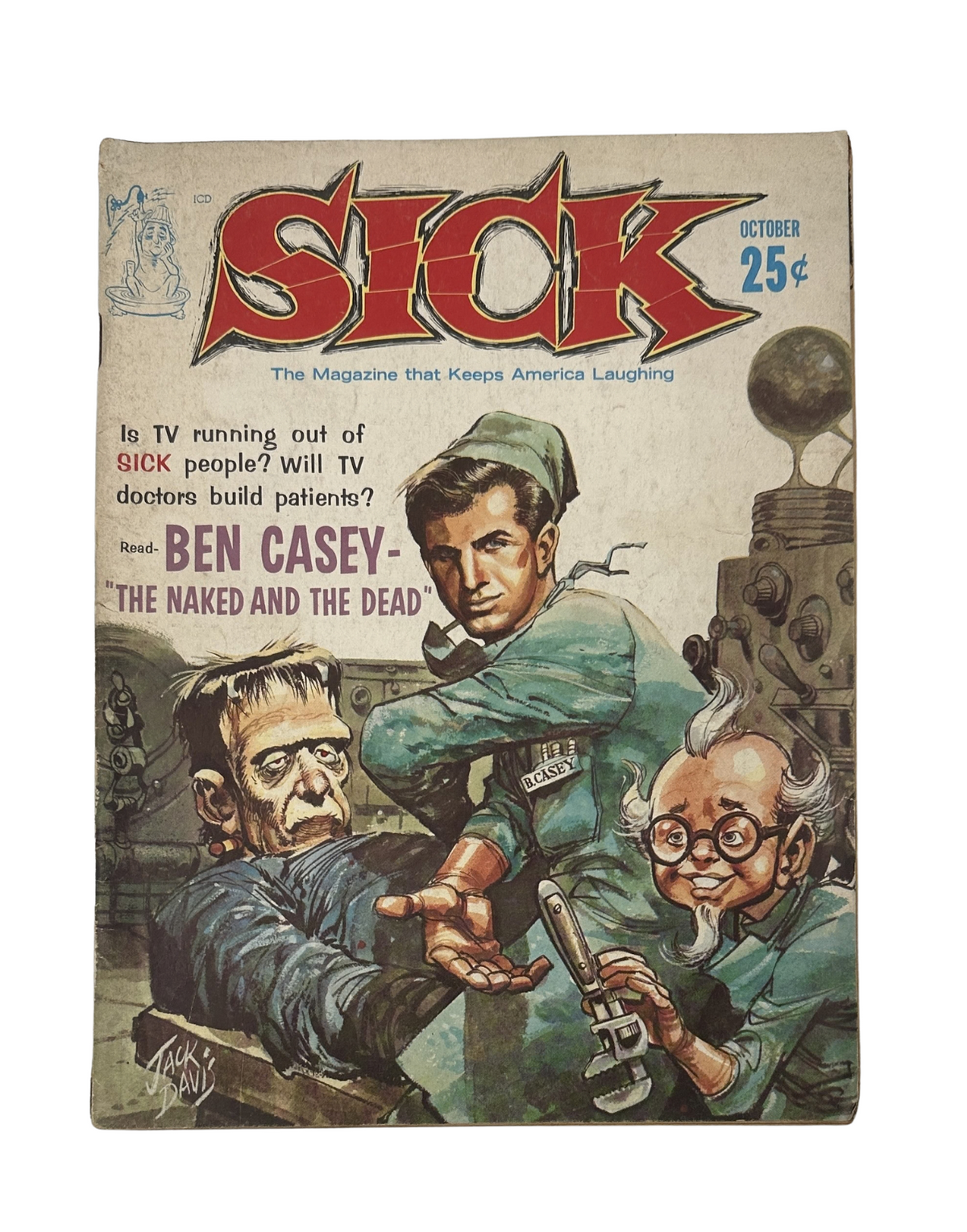
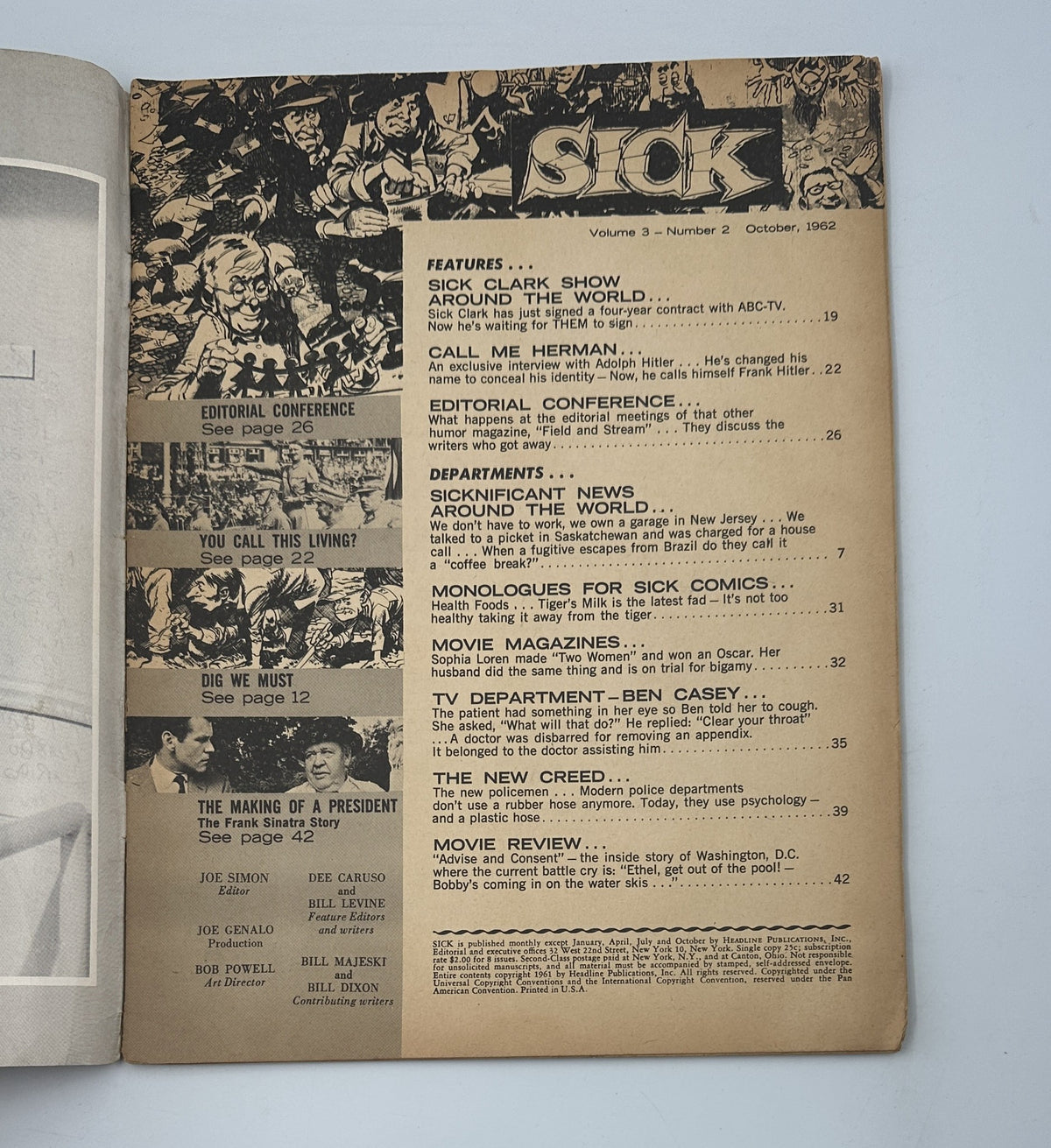
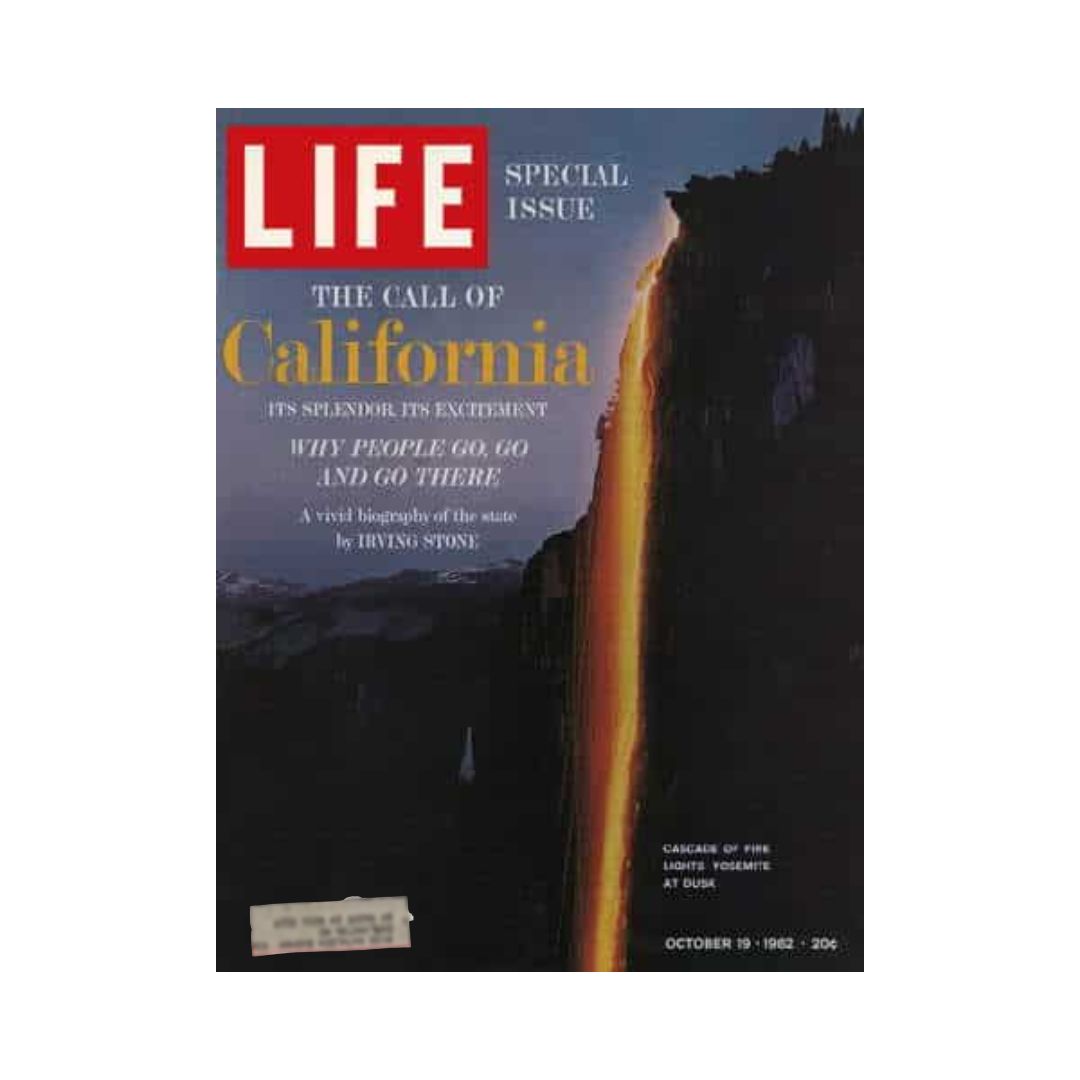
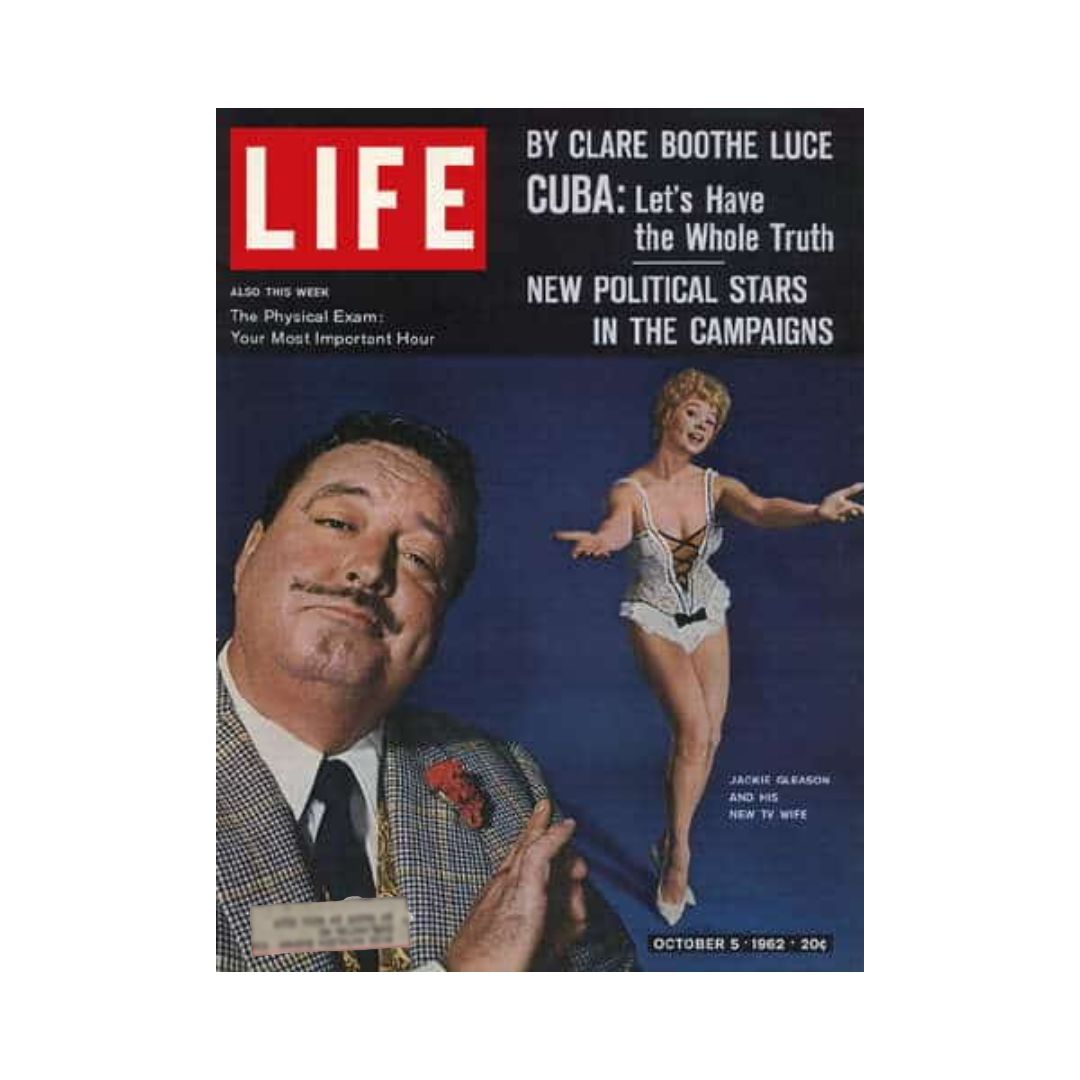
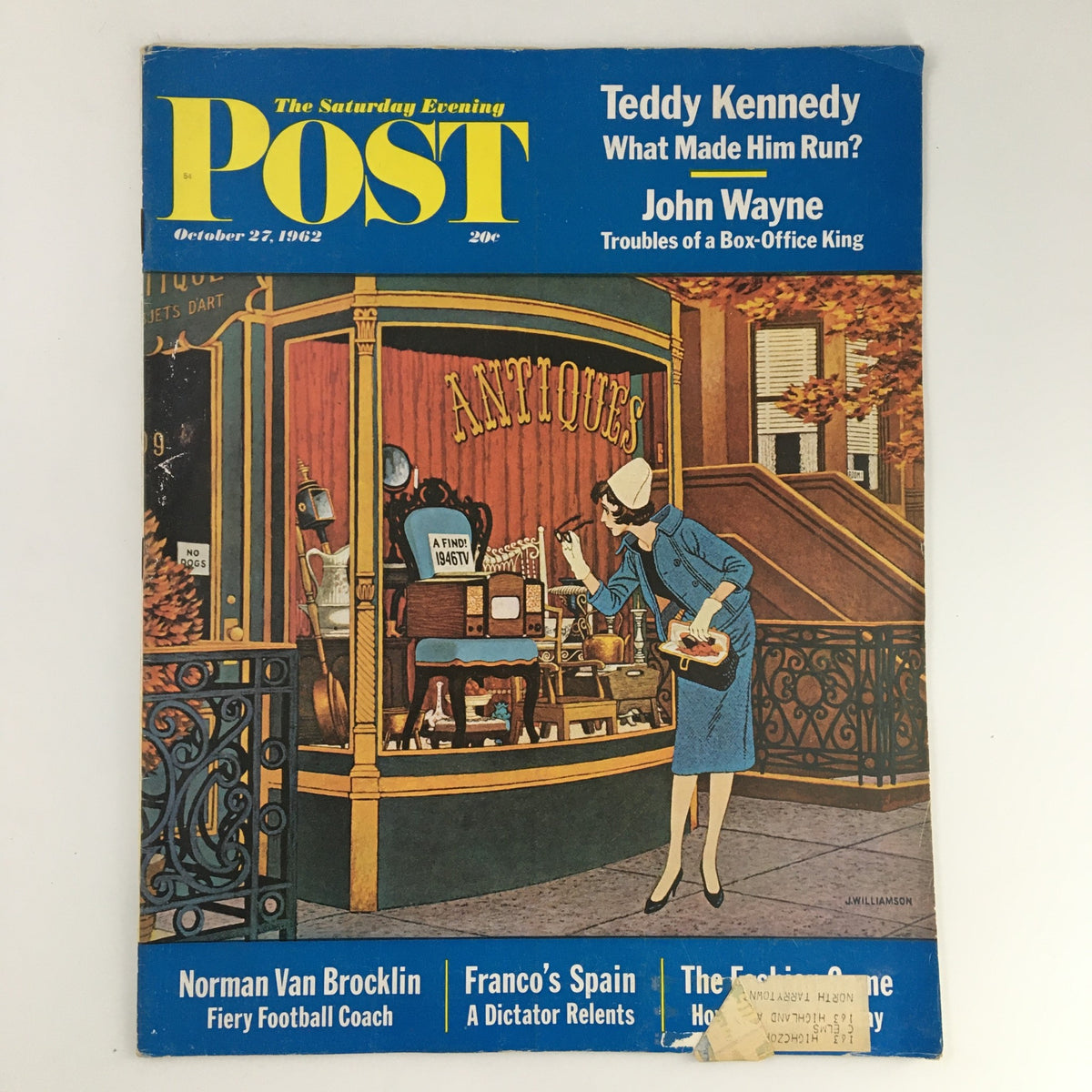
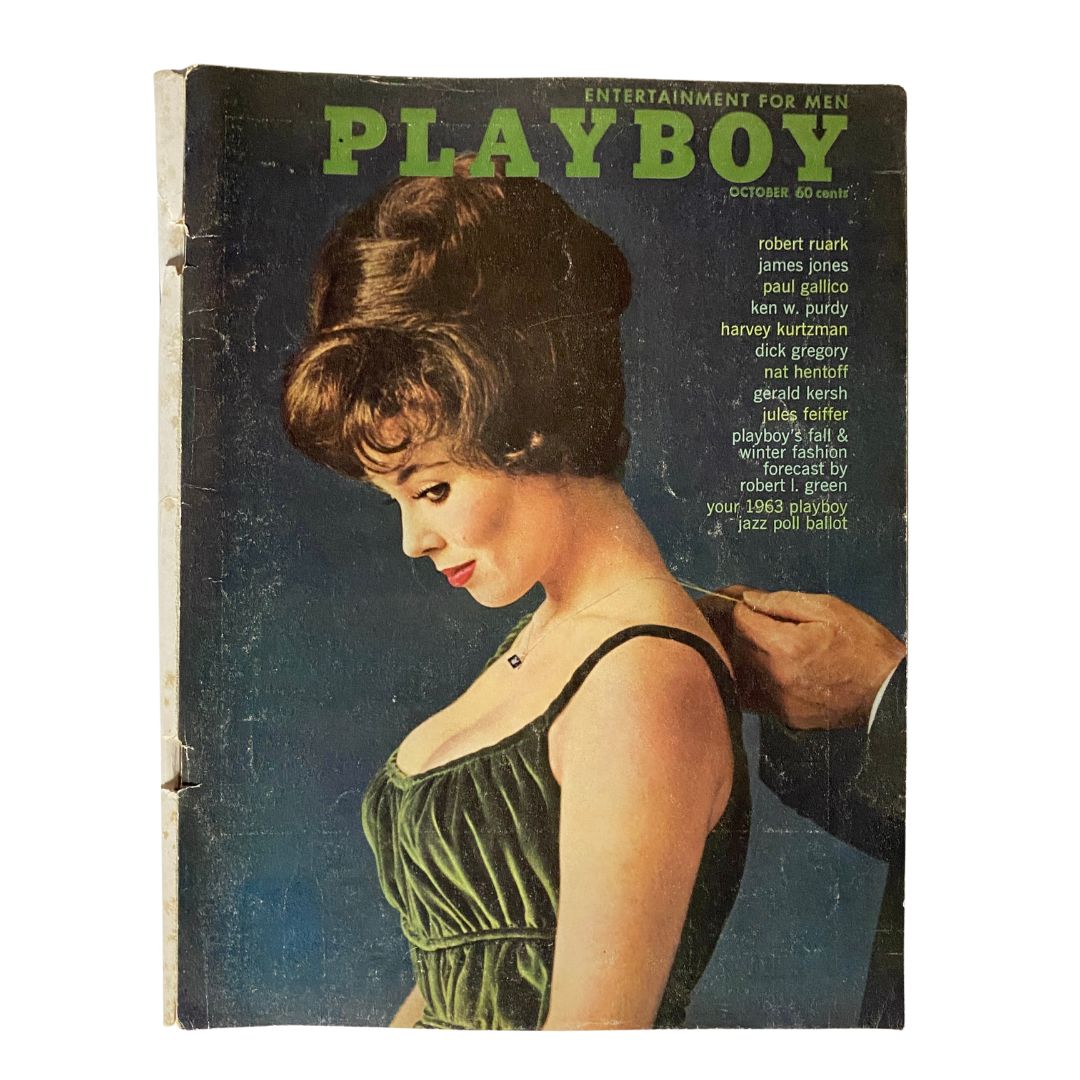
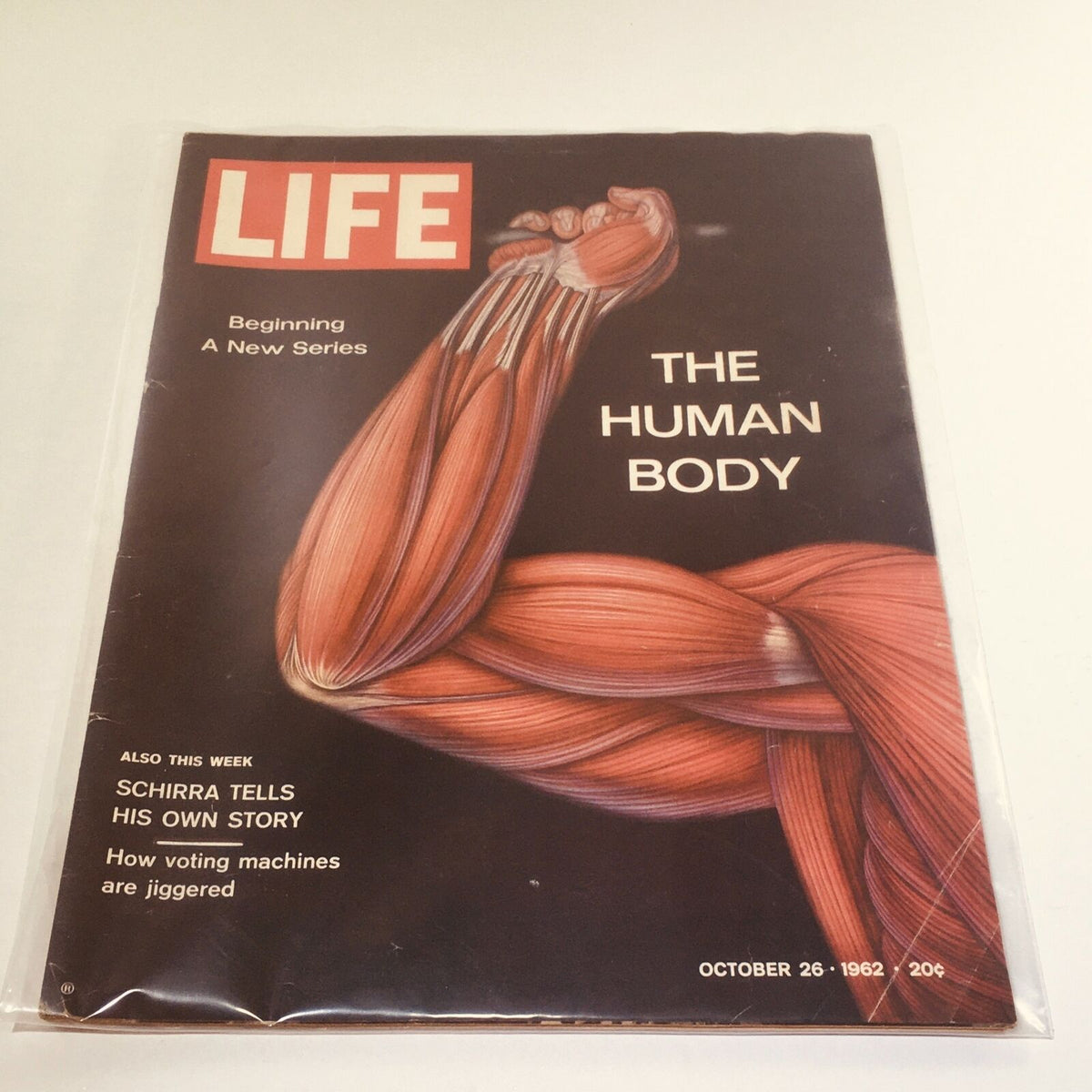
Yet even as the superpowers played their dangerous chess game, American culture surged forward with defiant vitality. Johnny Carson debuted as host of "The Tonight Show" on October 1st, welcoming Joan Crawford and Mel Brooks to what would become an institution. Lucille Ball returned to CBS with "The Lucy Show," while audiences flocked to theaters for the first James Bond film, "Dr. No," starring Sean Connery. The Beatles released their first single "Love Me Do" on October 5th and made their television debut on Manchester's "People And Places" program. Frank Sinatra chilled audiences in "The Manchurian Candidate," while Bette Davis and Joan Crawford delivered gothic horror in "What Ever Happened to Baby Jane?" The New York Yankees claimed their 20th World Series championship, and Nobel Prizes were awarded to James Watson, Francis Crick, and Maurice Wilkins for unraveling DNA's structure, and to John Steinbeck for literature. Original magazines from October 1962 captured this extraordinary duality—mushroom clouds and movie premieres existing side by side in authentic period layouts.
What You'll Discover in Vintage Magazines from October 1962
-
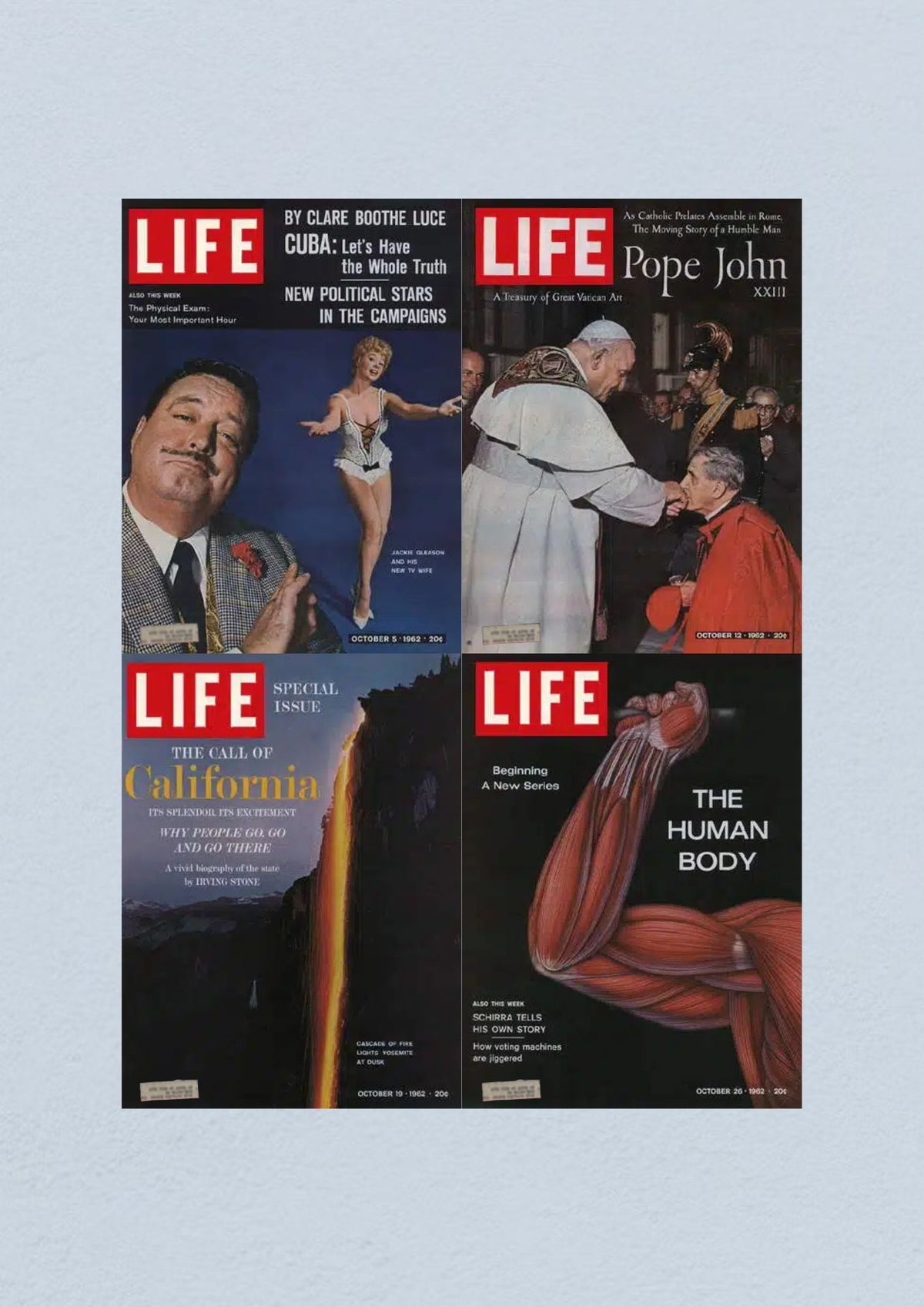
The Cuban Missile Crisis: Time, Life, and Newsweek featured unprecedented photojournalism of Soviet vessels approaching the naval blockade, reconnaissance images of missile installations, and Kennedy's televised address, often paired with maps charting the 90-mile proximity of nuclear warheads to American shores.
-
James Meredith's Integration of Ole Miss: News magazines chronicled the federal troops escorting the first Black student onto the University of Mississippi campus on October 1st, with rare magazines like Look preserving the civil rights milestone through powerful documentary photography that captured the violent riots and historic breakthrough.
-
Hollywood's Autumn Releases: Entertainment publications showcased Sean Connery's debut as 007 in "Dr. No" alongside advertisements for "The Manchurian Candidate" and "What Ever Happened to Baby Jane?," while TV Guide celebrated Johnny Carson's Tonight Show premiere with behind-the-scenes features.
-
The Beatles' First Steps: British music magazines and early American entertainment periodicals documented the release of "Love Me Do" and the band's television debut, capturing the nascent Beatlemania before the world knew what was coming—invaluable artifacts for collectors of authentic music history.
-
Scientific Triumph Amid Geopolitical Chaos: Popular Science and general-interest magazines featured the Nobel Prize announcement for DNA's discovery, Wally Schirra's Mercury mission orbiting Earth, and the installation of the 300-foot radio telescope in West Virginia—reminders that human achievement persisted even as humanity courted destruction.
The Perfect Gift
For someone born in October 1962, an original magazine from this harrowing month isn't just a nostalgic keepsake—it's a genuine time capsule from thirteen days that nearly ended the world, preserved in authentic Cold War-era headlines, advertisements, and photography that no reproduction can replicate.