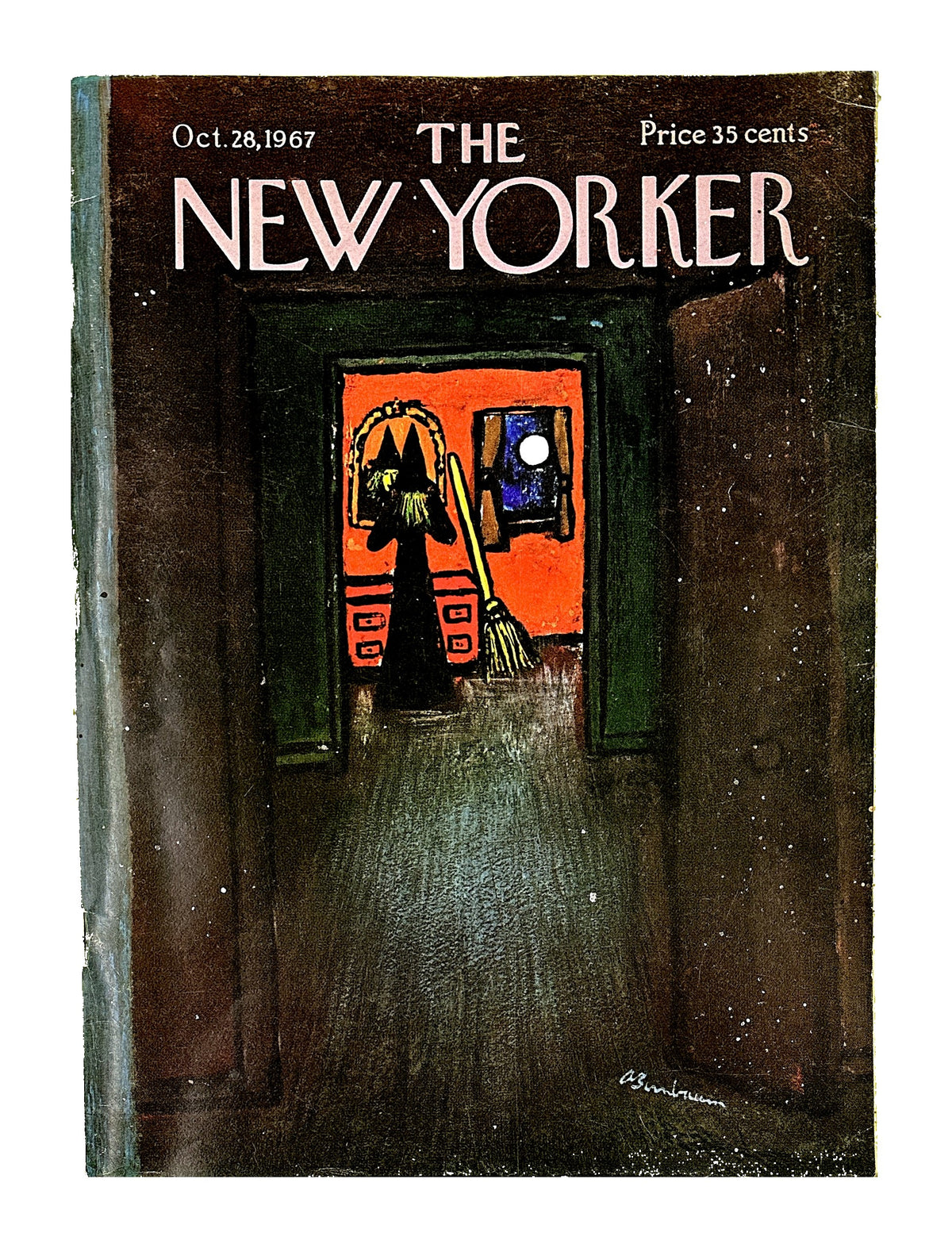
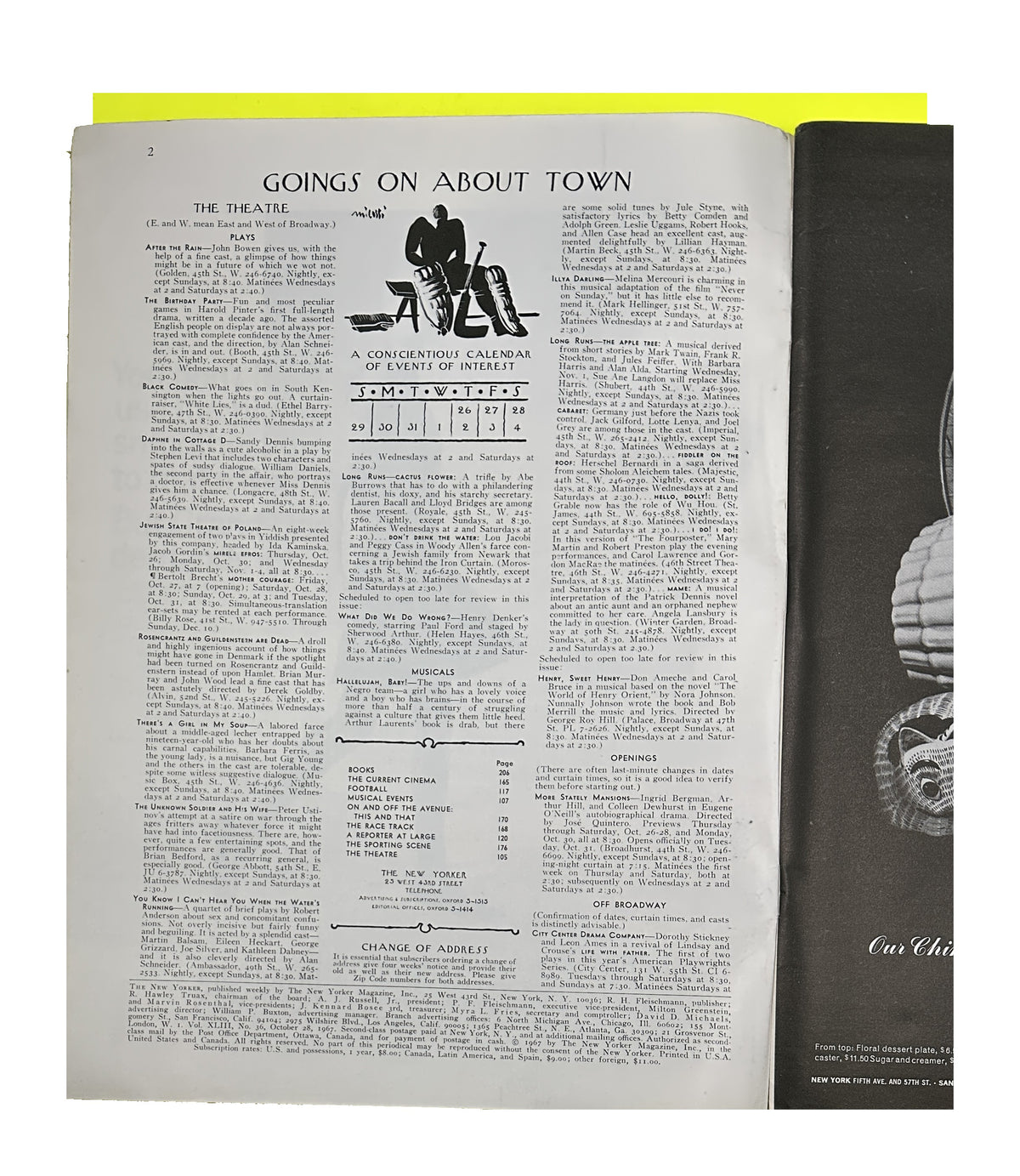
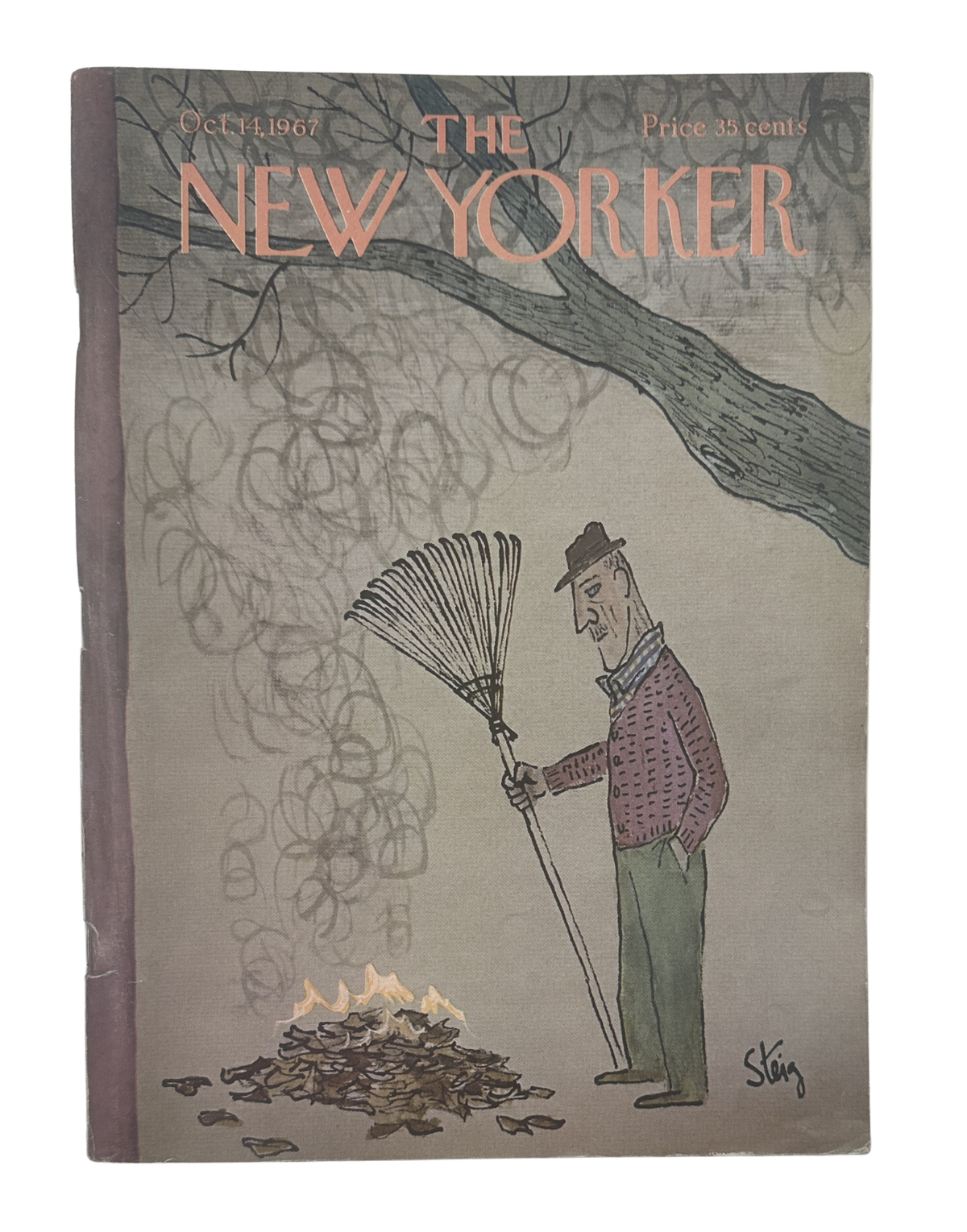
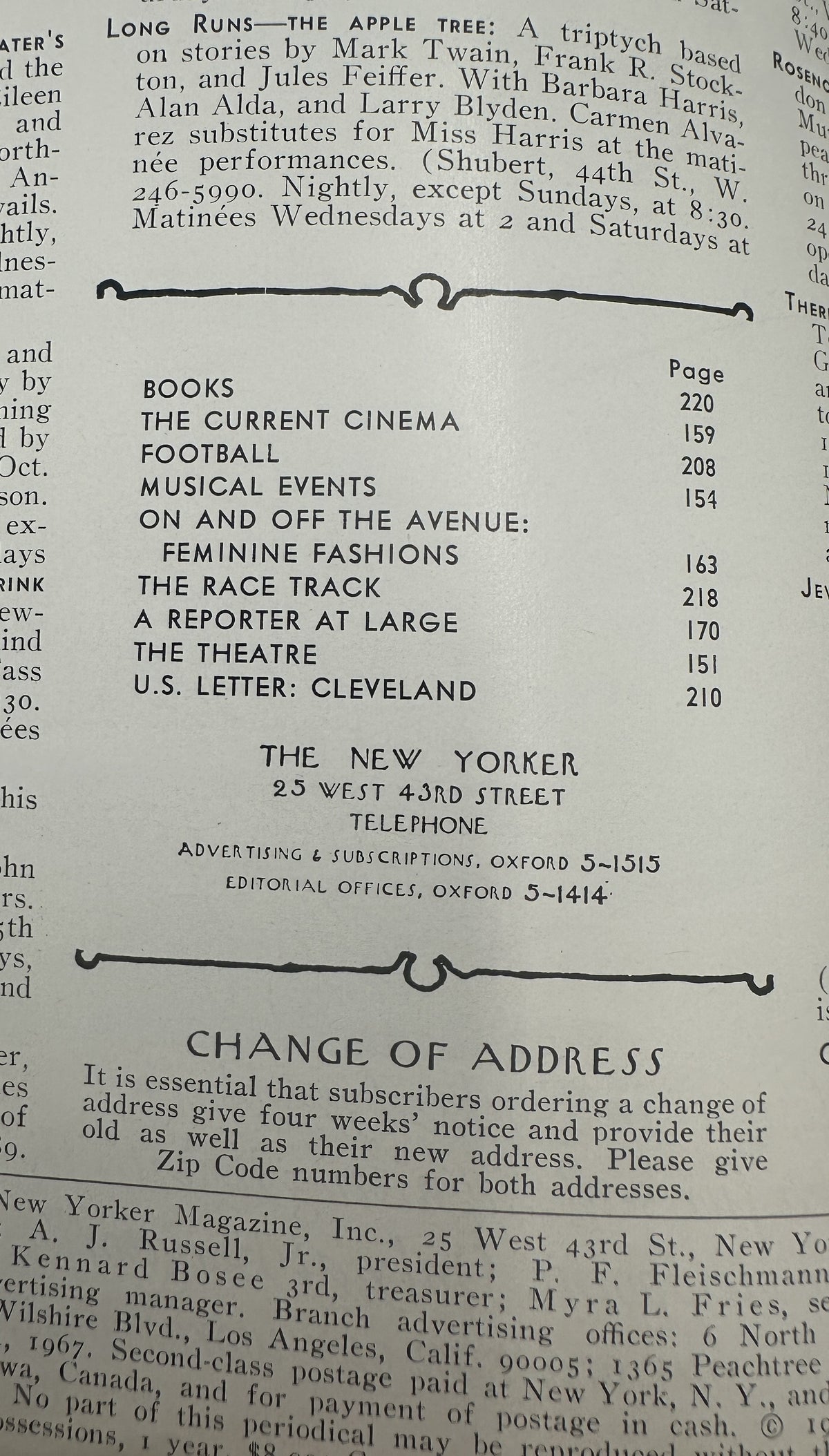
📖 About this Collection
October 1967: The Autumn of Revolution and Reckoning
The Historical Context
The world stood at a crossroads in October 1967, crackling with the tension between establishment power and youthful rebellion. Guerrilla leader Che Guevara's capture in Bolivia on October 8th sent shockwaves through revolutionary movements worldwide, marking the end of an era for armed insurrection in Latin America. Meanwhile, tens of thousands of anti-Vietnam War protesters besieged the Pentagon for two days beginning October 21st, bringing the conflict home to America's military headquarters in the largest demonstration yet against the war. Thurgood Marshall's swearing-in as the first Black Supreme Court Justice on October 2nd represented a historic milestone for civil rights, even as an all-white Mississippi jury convicted seven individuals for murdering three civil rights workers. In San Francisco, Haight-Ashbury hippies staged a theatrical "Death of Hippie" funeral on October 6th, declaring the Summer of Love officially over. This was the world your loved one entered in October 1967—a month when idealism confronted reality on every front.
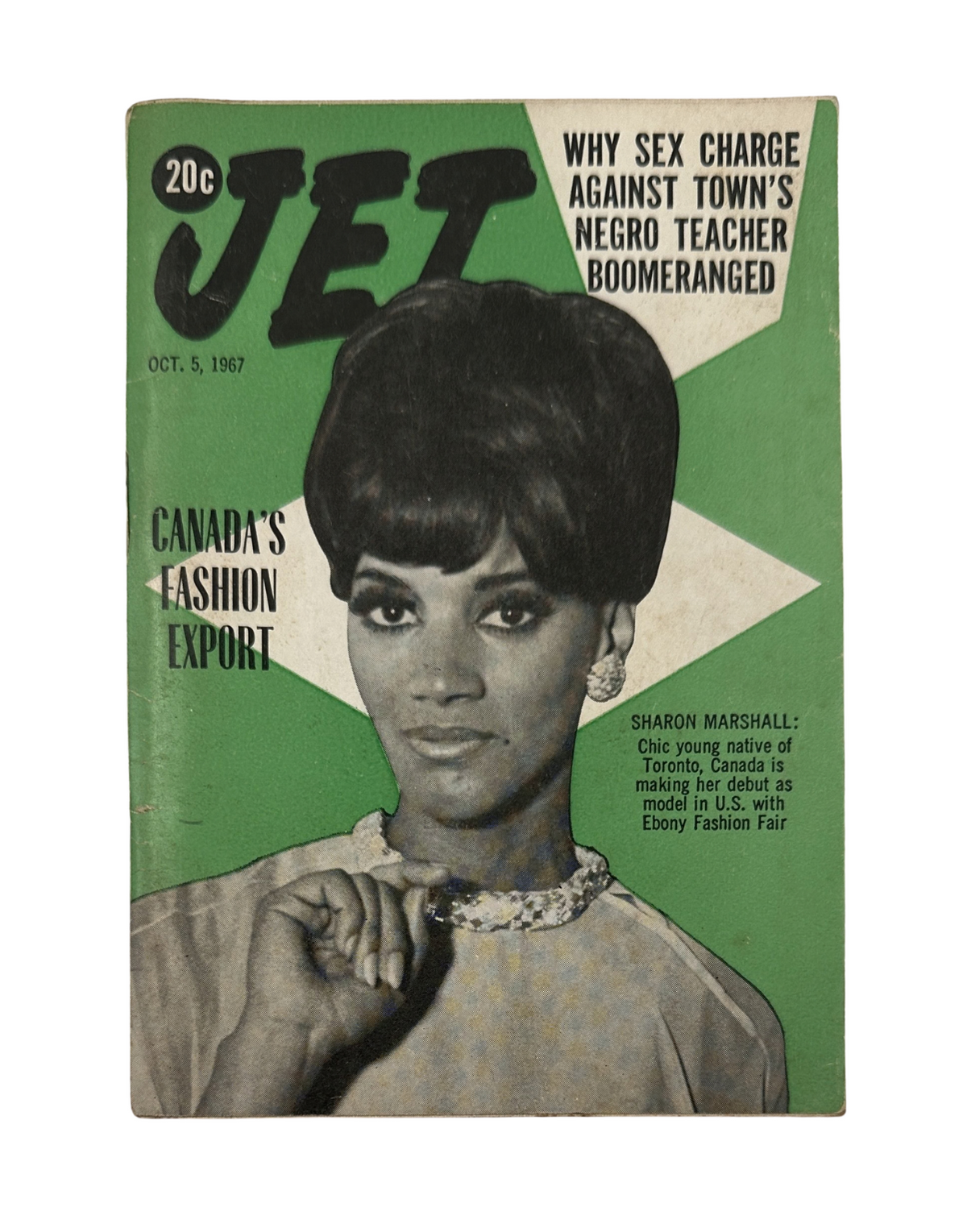
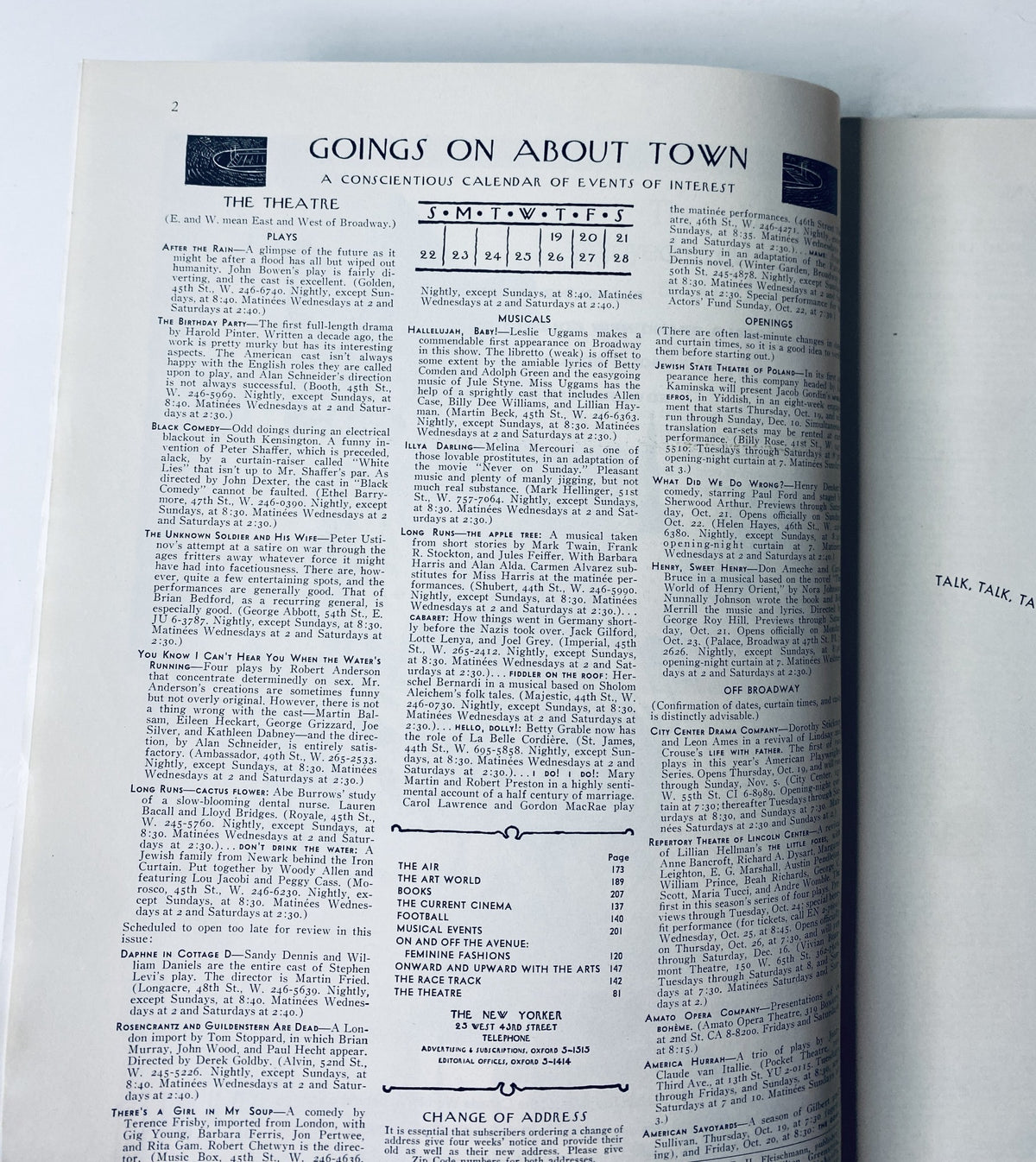
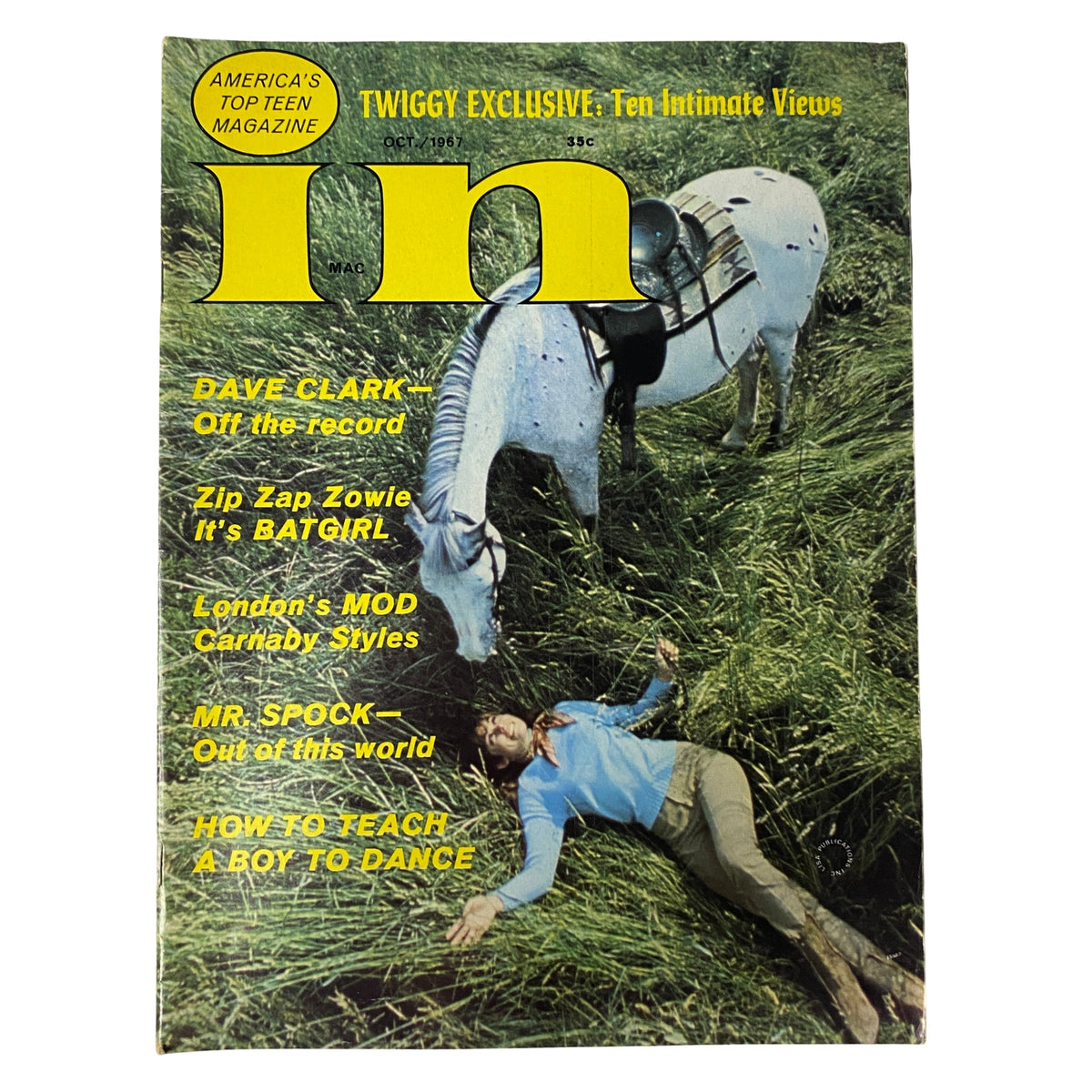
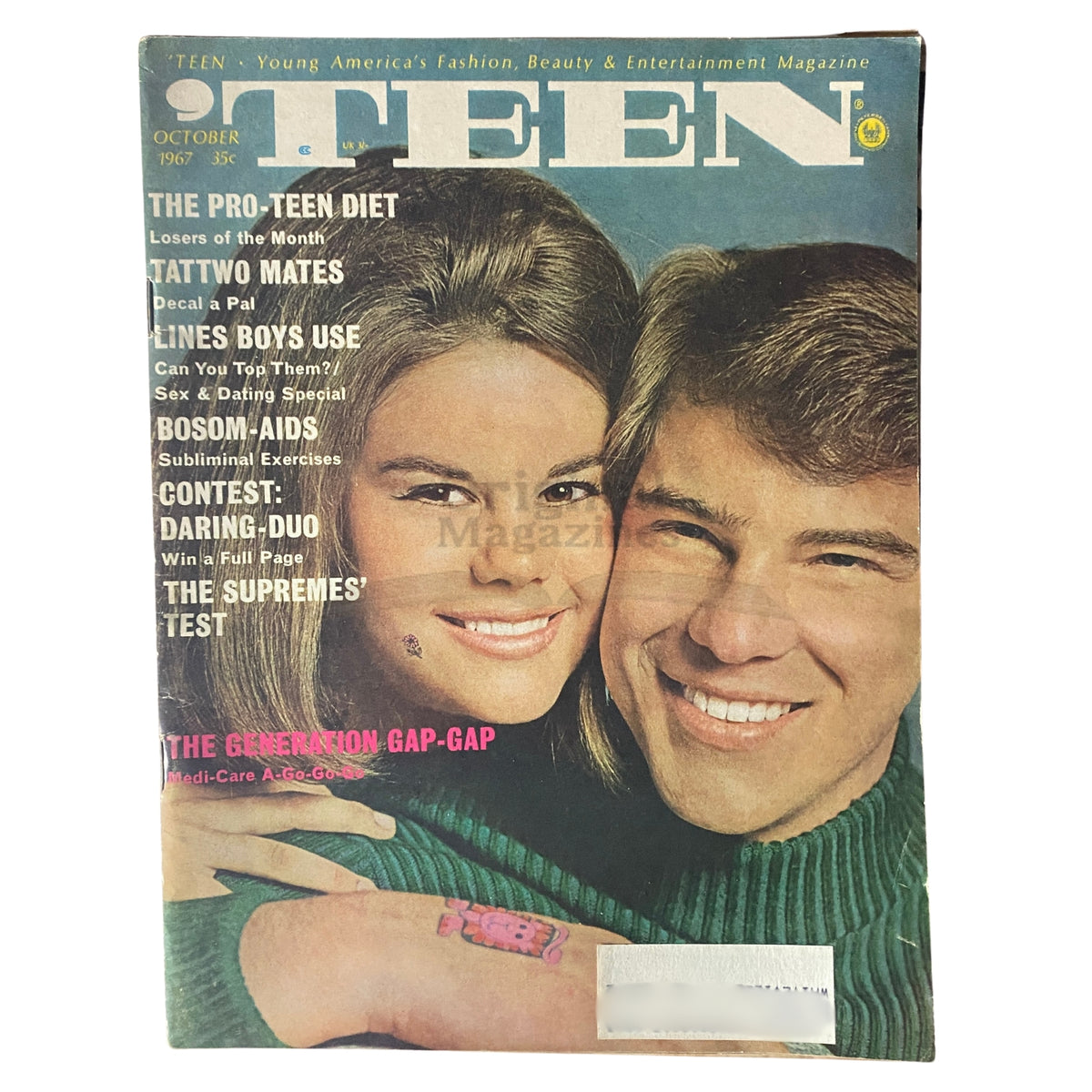
The cultural landscape shifted dramatically as the counterculture movement simultaneously peaked and began its transformation. Walt Disney's "The Jungle Book" premiered on October 18th, becoming an instant classic with Phil Harris and Louis Prima's unforgettable voices bringing Baloo and King Louie to life. Tom Stoppard's absurdist masterpiece "Rosencrantz and Guildenstern Are Dead" opened at the Alvin Theatre on October 16th, launching a 420-performance run that would capture four Tony Awards. The musical "Hair" debuted off-Broadway at Joseph Papp's Public Theatre on October 17th, introducing America to the "tribal love-rock musical" that would define the era. Original magazines from October 1967 captured Pink Floyd's arrival in New York for their first US tour, the Grateful Dead's arrest for marijuana possession, and the Beatles turning down a million-dollar offer to return to Shea Stadium. Sports fans witnessed the St. Louis Cardinals defeat the Boston Red Sox in a thrilling seven-game World Series, with Lou Brock stealing a record seven bases and Bob Gibson earning MVP honors. Life and Look magazines showcased these moments through genuine photography that no reproduction can replicate.
What to Look for in Your Vintage Magazines
-
Che Guevara's Capture: Time and Newsweek featuring dramatic coverage of the revolutionary's arrest in Bolivia, illustrated with the iconic photographs that would define his legend, often accompanied by analysis of the future of guerrilla movements across Latin America.
-
The March on the Pentagon: News magazines chronicling the massive anti-war demonstration, showcasing powerful photography of protesters confronting military police, with Life magazine's photojournalists capturing the clash between peace activists and establishment authority.
-
Thurgood Marshall's Historic Appointment: Rare magazines documenting the first Black Supreme Court Justice's swearing-in ceremony, featuring portrait photography and constitutional analysis that marked this watershed moment in American jurisprudence.
-
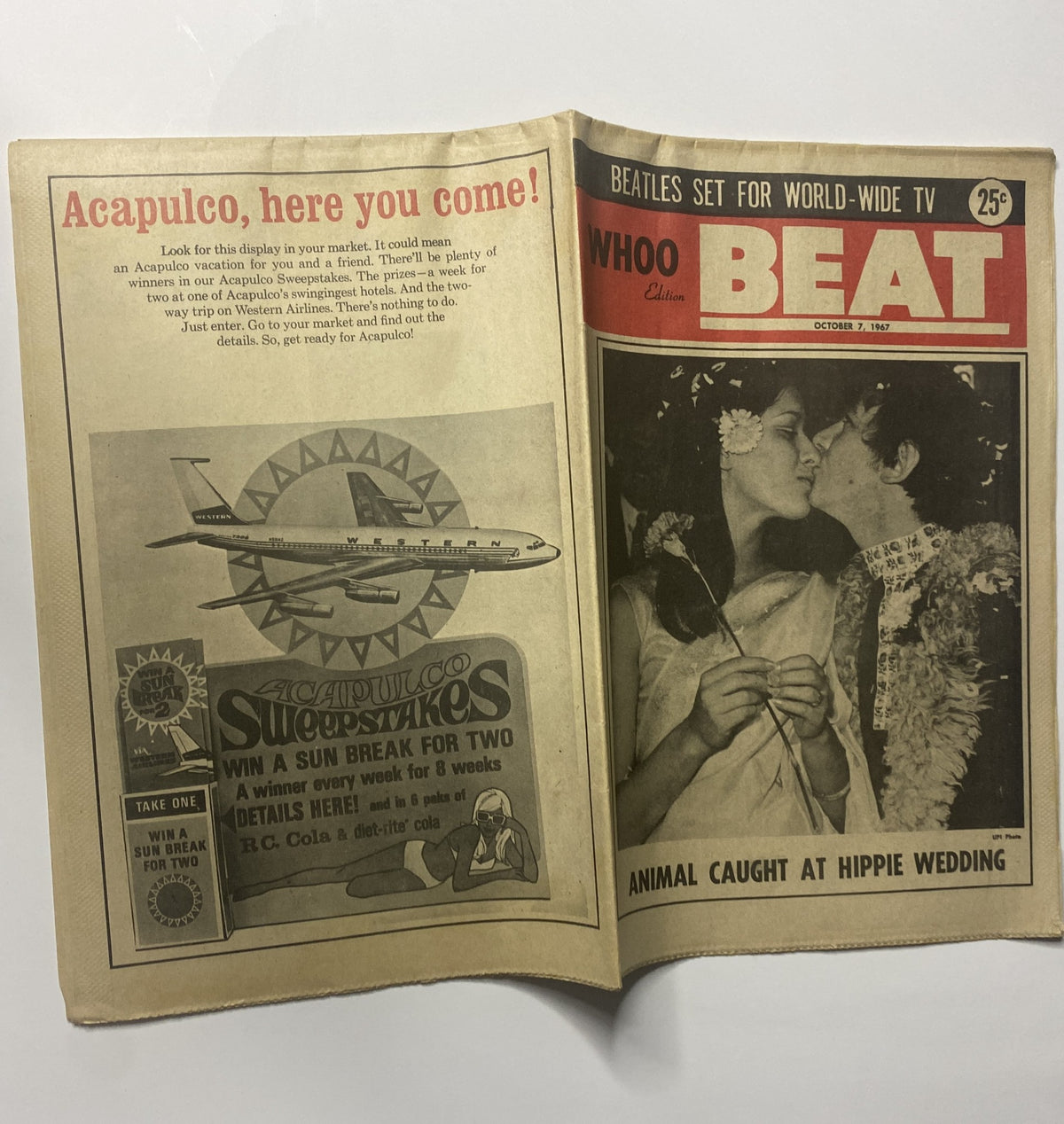
The Death of Hippie: Look and Saturday Evening Post capturing the Haight-Ashbury funeral procession, illustrated with the theatrical pageantry that signaled the counterculture's evolution, often featuring advertisements for the era's fashion trends alongside the social commentary.
-
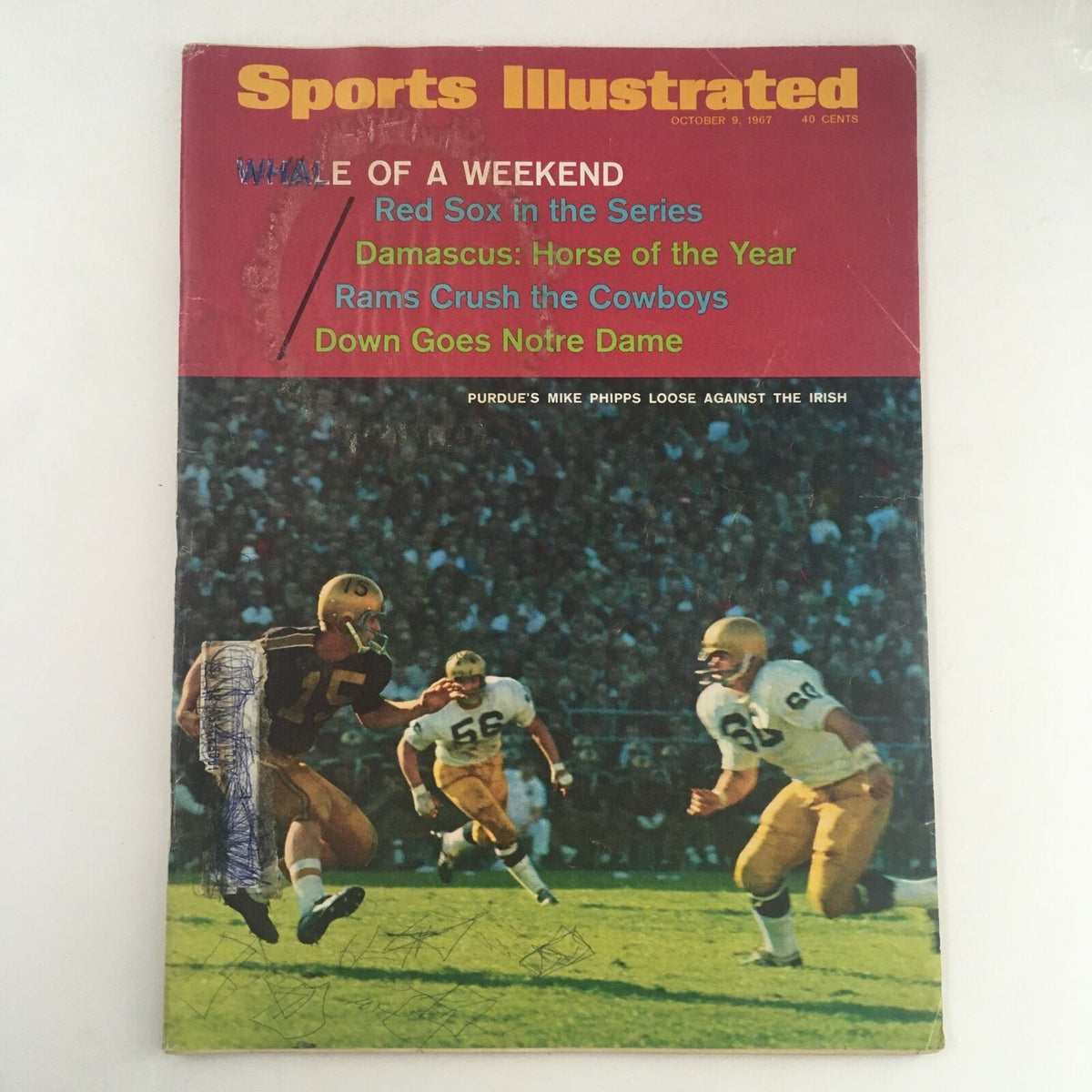
World Series Drama: Sports Illustrated (where available) and newspaper supplements featuring Carl Yastrzemski, Lou Brock, and Bob Gibson, showcasing the intense Cardinals-Red Sox rivalry through authentic action photography and statistics from this first Fall Classic without the Yankees, Giants, or Dodgers since 1948.
The Perfect Gift
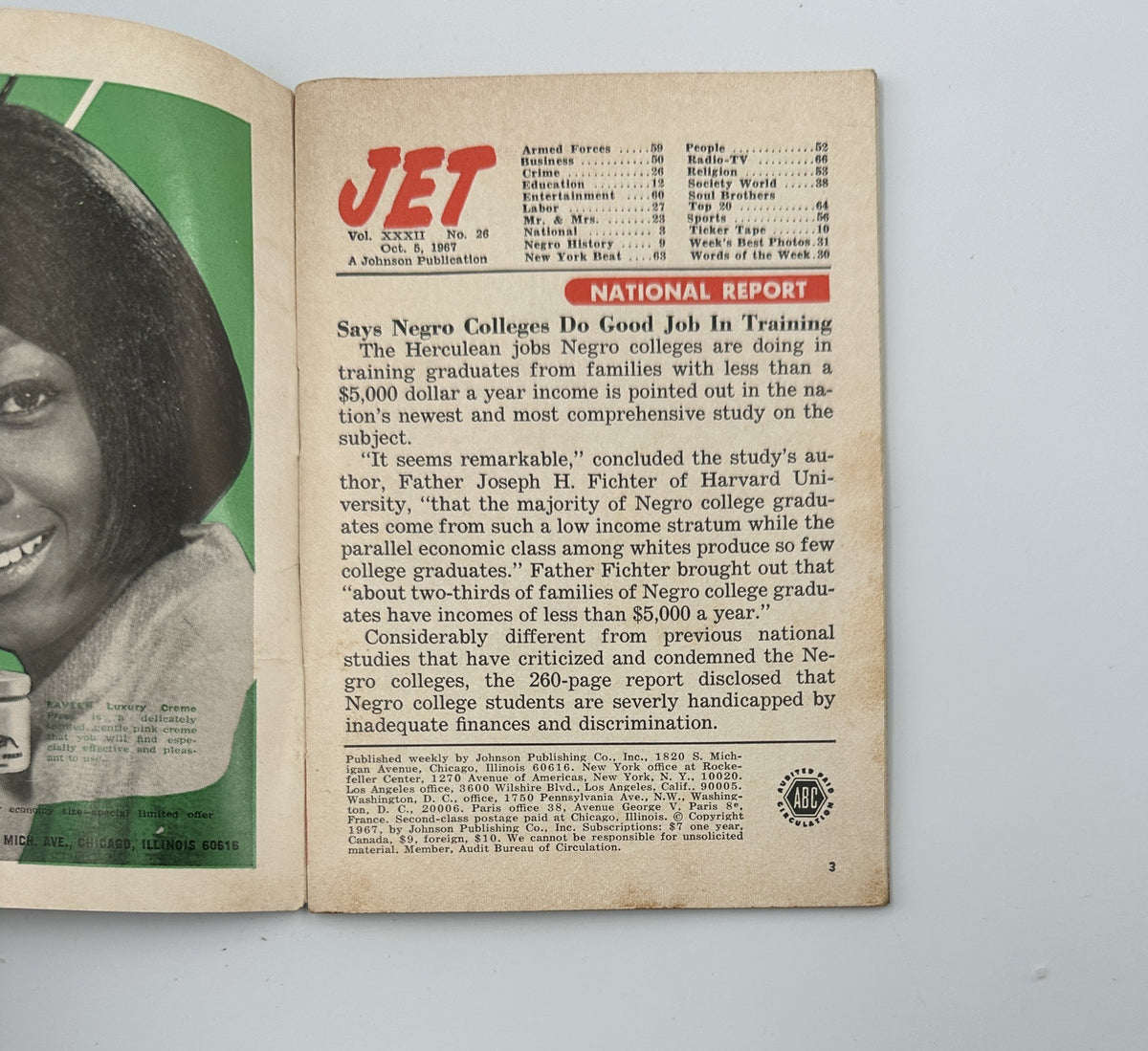
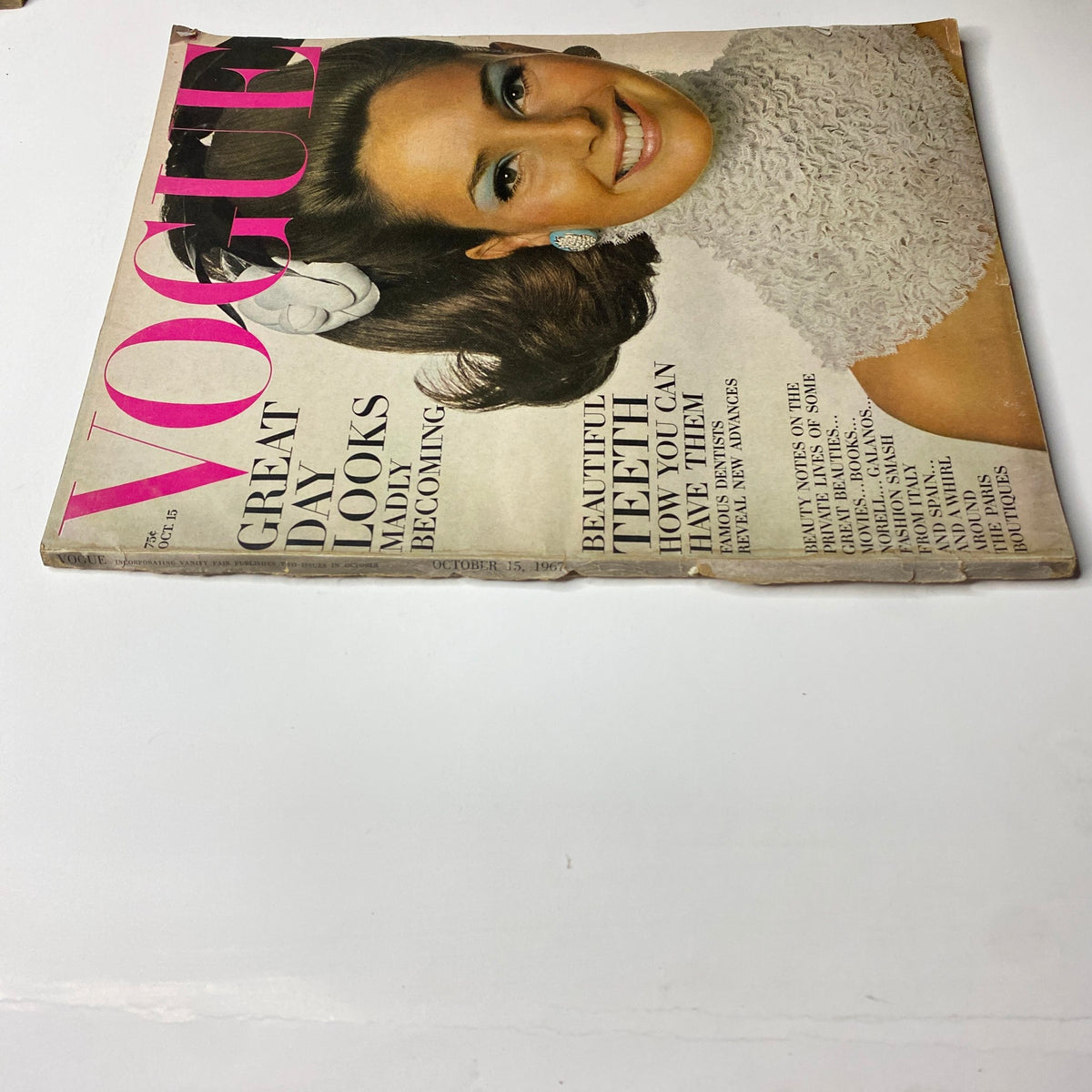
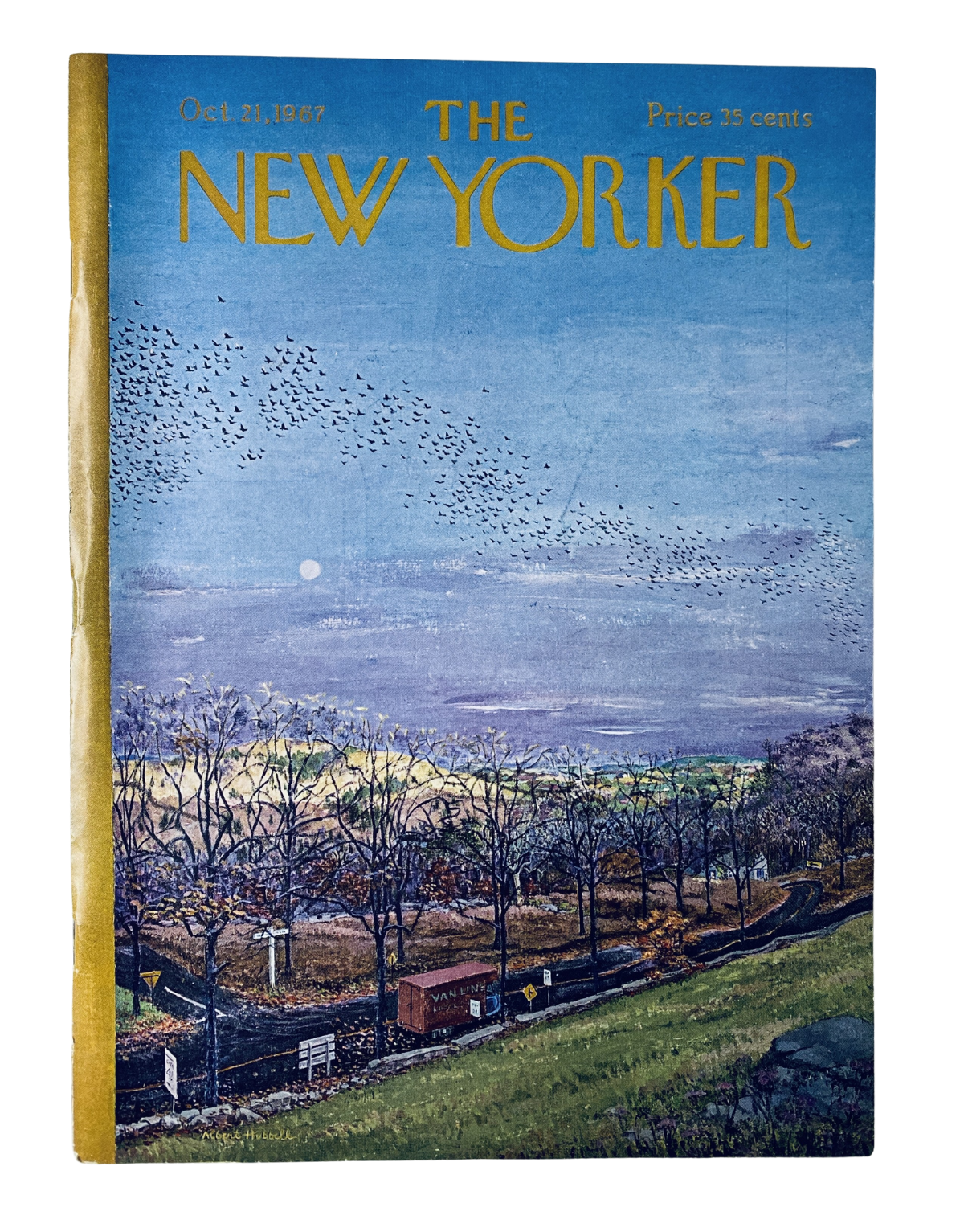
For someone born in October 1967, an original magazine from this revolutionary month isn't just a birthday gift—it's an authenticated time capsule of the moment when idealism collided with reality, preserved in genuine advertisements, headlines, and photography that museums cannot replicate.