📖 About this Collection
Oliver North: Dispatches from the Front Lines of History
The Legend & The Legacy
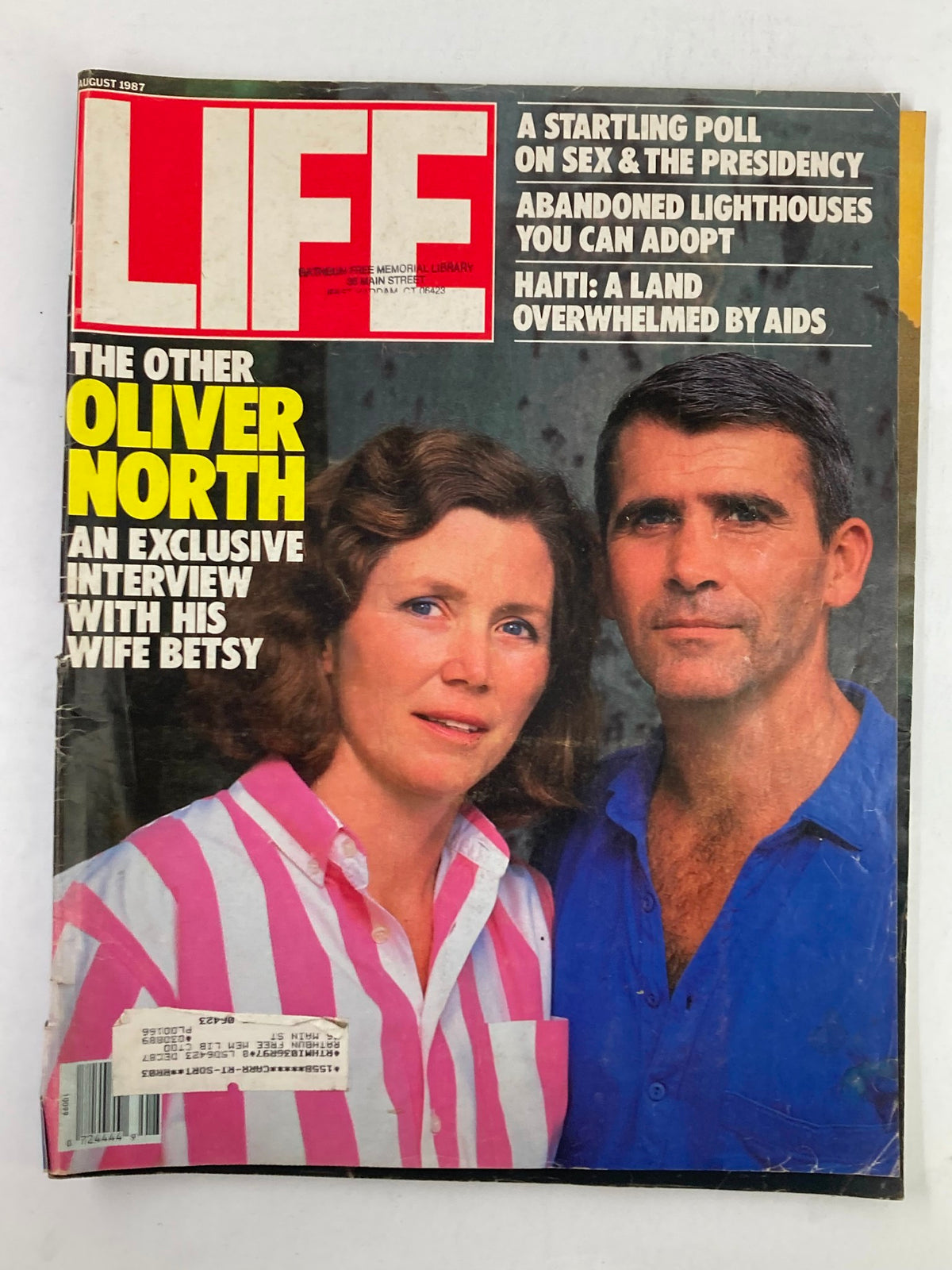
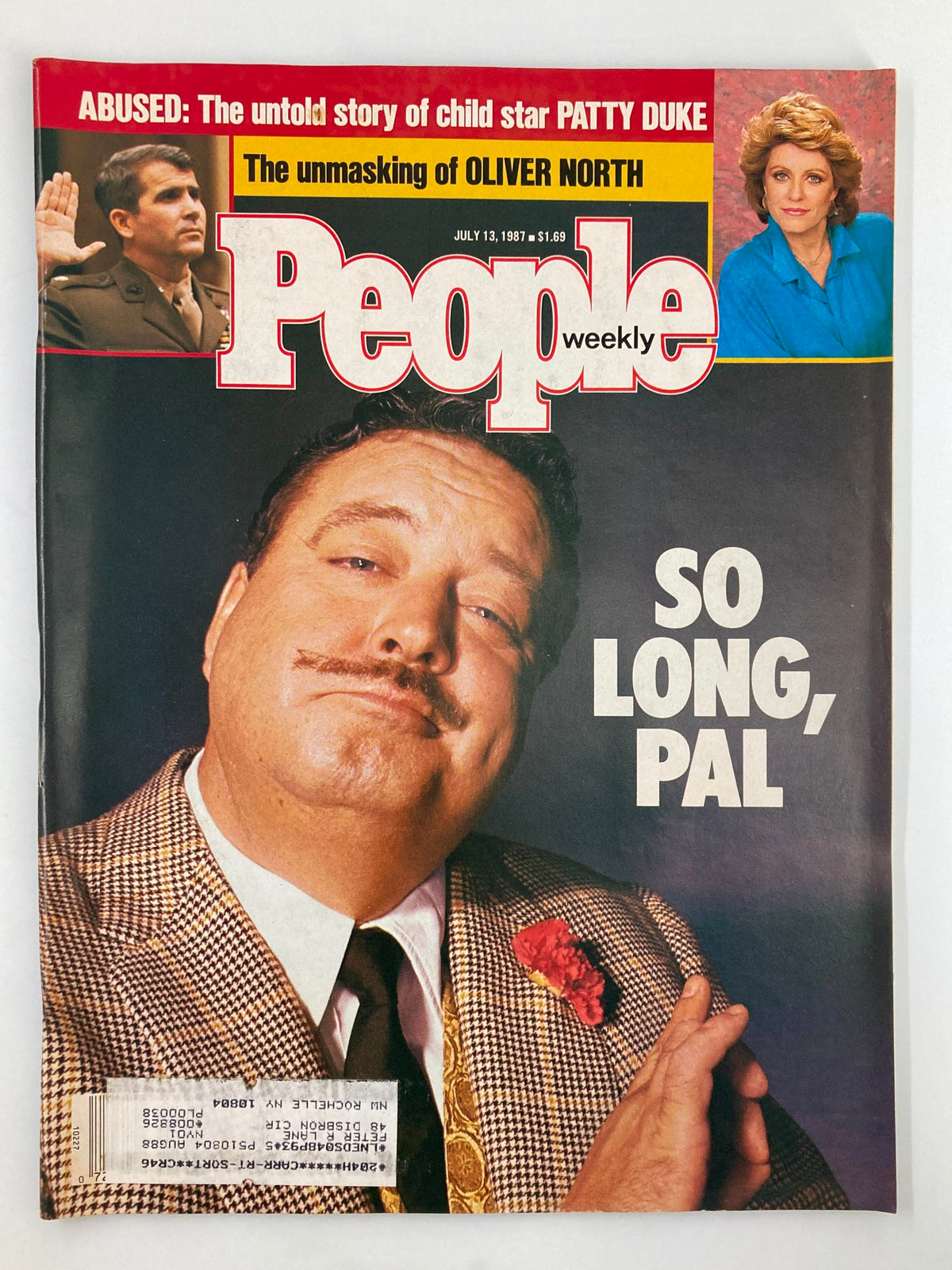
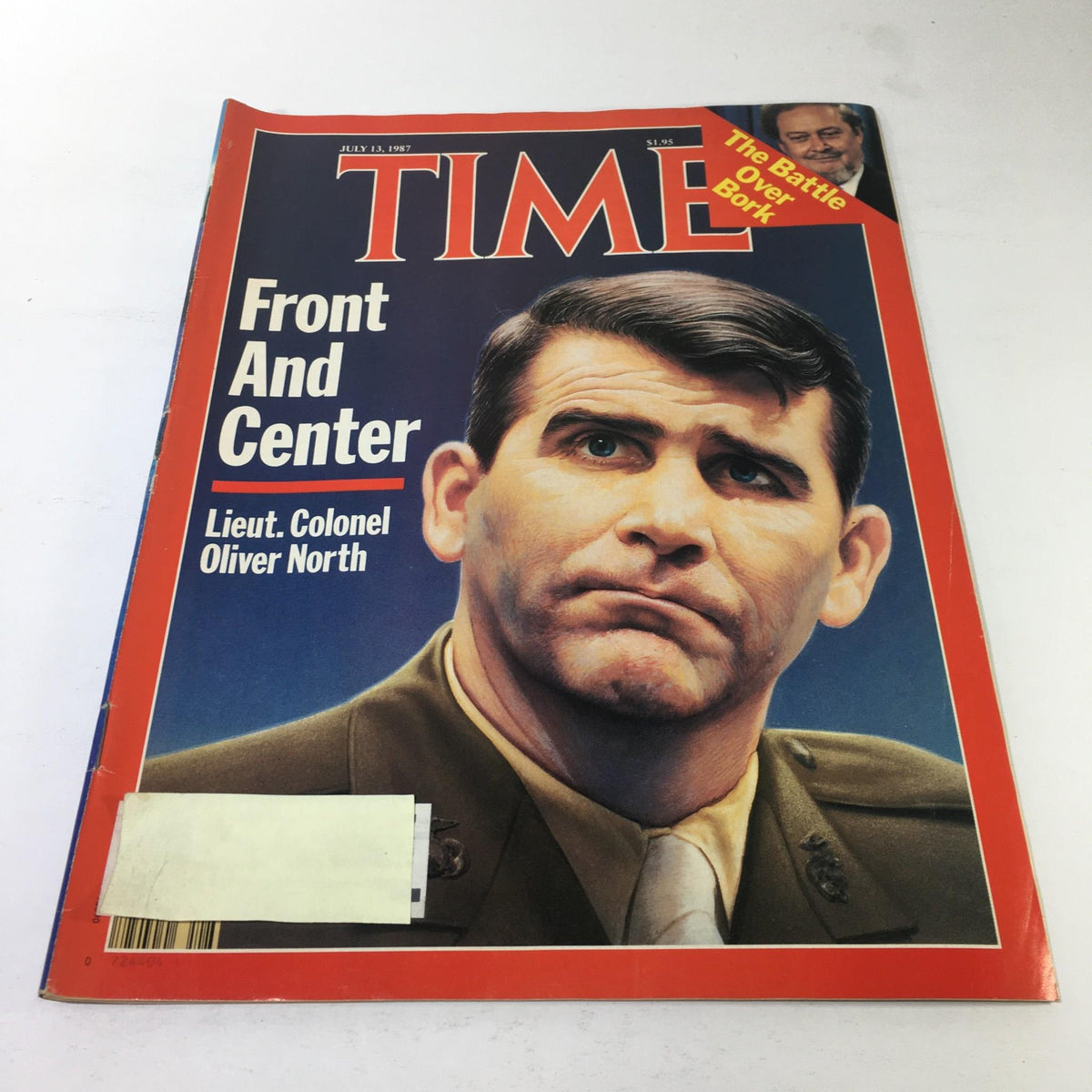
Few figures of the late Cold War era ignited the American public imagination — and its outrage — quite like Lieutenant Colonel Oliver North. A decorated Marine combat veteran of Vietnam who rose to prominence as a National Security Council aide under President Ronald Reagan, North became the human face of one of the most explosive political scandals in modern American history: the Iran-Contra Affair. When the story broke in late 1986, revealing a covert operation that secretly sold arms to Iran and funneled profits to Nicaraguan Contra rebels in defiance of Congressional law, the nation was riveted. In an era before social media and rolling internet news cycles, Americans gathered around their televisions to watch his televised Congressional testimony in the summer of 1987 — and then reached for their magazines to make sense of what they had witnessed. The decorated uniform, the unflinching gaze, the contested heroism — here was a man who forced an entire nation to debate the meaning of duty, patriotism, and the limits of power, all through the unforgiving lens of print media. What made his story so uniquely compelling was its moral ambiguity: depending on which publication you read and which week you picked it up, Oliver North was simultaneously villain and hero, scapegoat and architect. That tension — never fully resolved, still debated today — is precisely what made editors reach for him as a cover subject again and again throughout the late 1980s and into the 1990s, ensuring that the print record of his public life is both vast and fascinatingly contradictory.
Inside the Archive
The major newsweeklies and general-interest publications of the era covered the Marine lieutenant colonel with an intensity rarely seen outside of wartime. Time and Newsweek — then the twin pillars of American political journalism — devoted multiple cover stories to the scandal and its central figure, deploying stark, confrontational portrait photography that emphasized his military bearing against the chaos of Capitol Hill. The editorial tone oscillated dramatically: to some publications, he was a rogue operative who had subverted democratic oversight; to others, a soldier-patriot caught in the machinery of Washington politics. U.S. News & World Report offered more measured institutional analysis of the constitutional implications, while international titles such as Paris Match and Britain's The Economist examined the affair through the lens of global geopolitics, framing it as a defining rupture in the Reagan era's carefully constructed narrative of American moral authority. Photography from the congressional hearings — tight close-ups of a man composed under extraordinary pressure — gave these pages a dramatic, almost cinematic quality that has only grown more arresting with the passage of time. Beyond the hard news coverage, several long-form political magazines of the era, including The New Republic and National Review, devoted essay-length features to the ideological fault lines his case exposed, with writers on both sides of the political spectrum using his story as a lens through which to examine the soul of American governance. Taken together, the breadth of this coverage — from wire-photo-driven newsweeklies to thoughtful political quarterlies — means that the archive surrounding this figure is remarkably layered, offering collectors entry points across every level of journalistic depth and editorial perspective.
Curator's Checklist: Highlights Often Include
-
Iran-Contra Congressional Testimony Coverage (1987): Newsweeklies and political monthlies from the summer of 1987 frequently feature extensive reporting on the televised Senate hearings, including full-color photography from the Senate chambers, detailed infographics mapping the covert funding networks, and in-depth profiles of the key players surrounding him. Issues from this concentrated window of time represent some of the most historically dense and visually dramatic print documents of the entire Reagan era.
-
Reagan Administration Political Profiles: Features examining North's role within the NSC often appear alongside broader coverage of the Reagan White House, making such issues rich documents of an entire political era. Collectors who acquire these pieces find themselves holding a window not merely into one man's story, but into the full architecture of 1980s American power — the Cabinet room debates, the Cold War anxieties, and the ideological certainties that defined a generation of conservative governance.
-
Vietnam War Retrospectives: Given his decorated combat record and the Bronze Star and Silver Star citations he carried into public life, veteran-focused publications and general-interest magazines periodically revisited his military biography as essential context for understanding the man behind the headlines. These retrospective profiles, often richly illustrated with archival combat photography and maps of the Vietnamese theater, offer a striking counterpoint to the political turmoil of his later career and remind readers that before Washington claimed him, he was first and foremost a soldier.
-
The 1994 Virginia Senate Race: His entry into electoral politics generated a fresh wave of campaign coverage across regional and national publications, offering a fascinating second chapter for collectors interested in the full arc of his public life. Political magazines and Virginia-focused periodicals from this period document the remarkable journey of a man who transformed from congressional witness to congressional candidate, capturing a cultural moment when the boundaries between celebrity, scandal, and political ambition had never been more porous.
-
International Perspectives on Iran-Contra: Issues from European and Latin American publications provide rare and valuable counterpoint coverage, framing the affair within Cold War proxy politics and U.S. foreign policy in Central America. These foreign-press documents are particularly prized by serious collectors, as they capture reactions and analyses that domestic American media, often consumed by the procedural drama of the hearings, rarely had the distance to provide — offering a genuinely different historical vantage point on the same explosive set of events.
The Collector's Value
To hold one of these original magazines is to hold something that no documentary or digital archive can replicate: the full texture of a moment in time. The slightly rough, uncoated newsprint of a 1987 Newsweek, the rich smell of decades-old ink, the vivid political cartoons tucked between full-page advertisements for American cars and cold remedies — these details remind you that history was once breaking news, consumed urgently by millions of ordinary readers trying to understand their world. The Iran-Contra scandal unfolded in real time across these pages, issue by issue, and the editorial decisions made under deadline pressure reveal as much about that era as the events themselves. There is something profoundly humanizing about encountering a major historical figure not through the curated perfection of a retrospective documentary, but through the slightly breathless, occasionally contradictory, always urgent voice of a journalist working on a weekly deadline with incomplete information — that rawness is irreproducible. The advertisements alone serve as an extraordinary time capsule: the cars being sold, the films being promoted, the public service announcements running alongside political bombshells all paint a portrait of an America that was simultaneously ordinary and in crisis. For collectors of Cold War political history, Reagan-era Americana, or American military and intelligence history, these publications offer an irreplaceable primary source — not a reproduction, not a scan, but the actual artifact that shaped public opinion in its day. Browse the current available inventory below and discover which pieces of this remarkable chapter in American history are waiting to find a new home.