📖 About this Collection
Olivia Newton-John: Pure Gold, Pressed into Print
The Legend & The Legacy
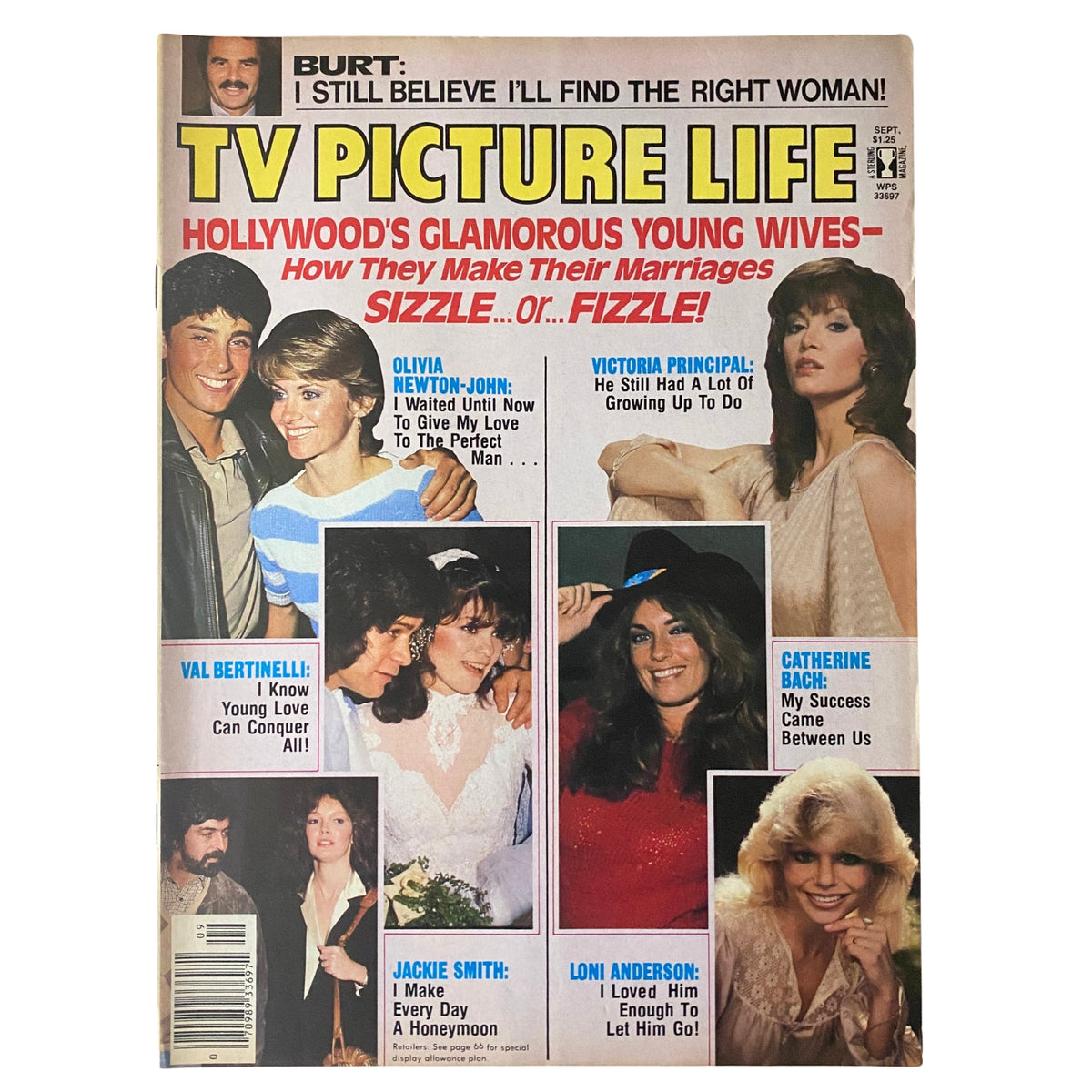
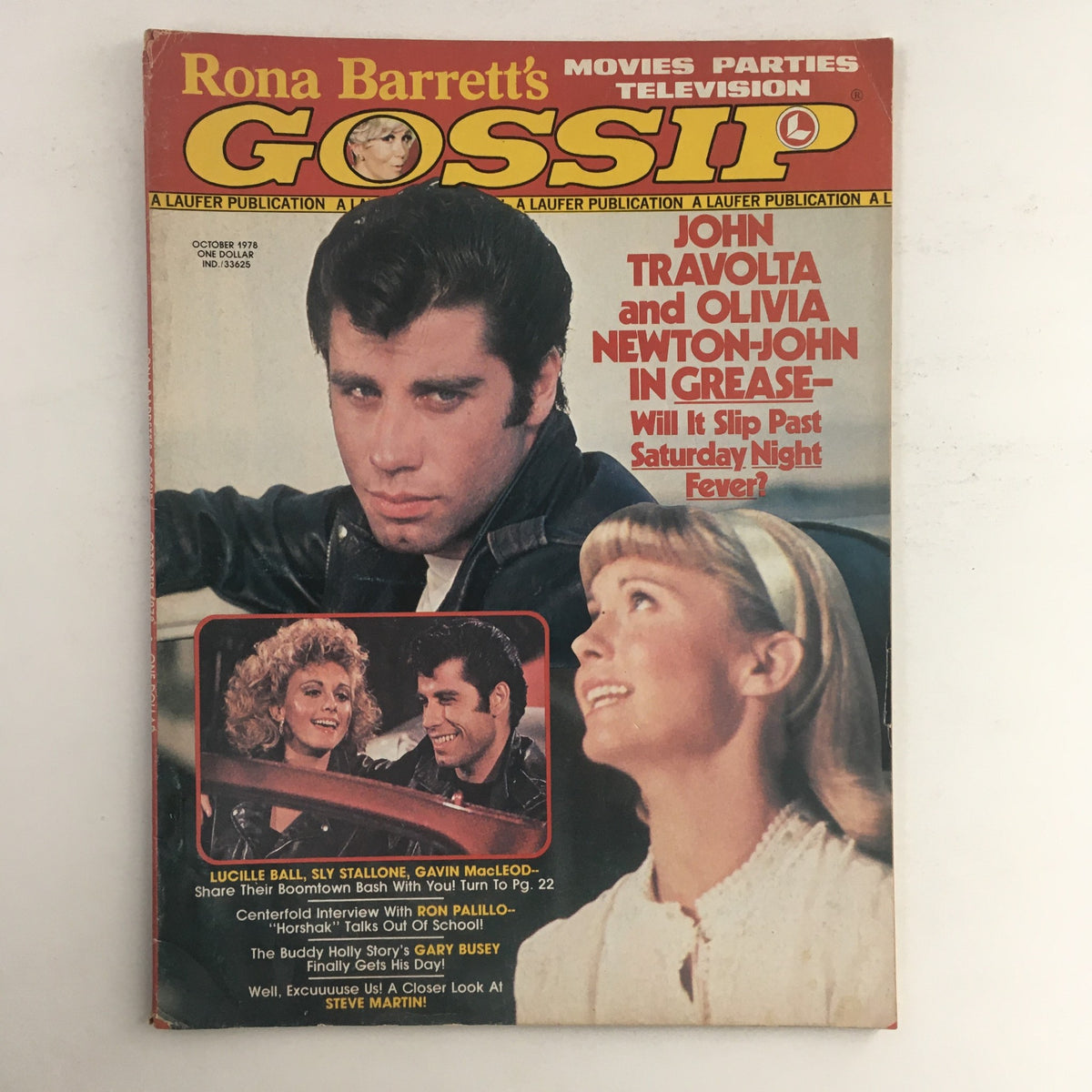
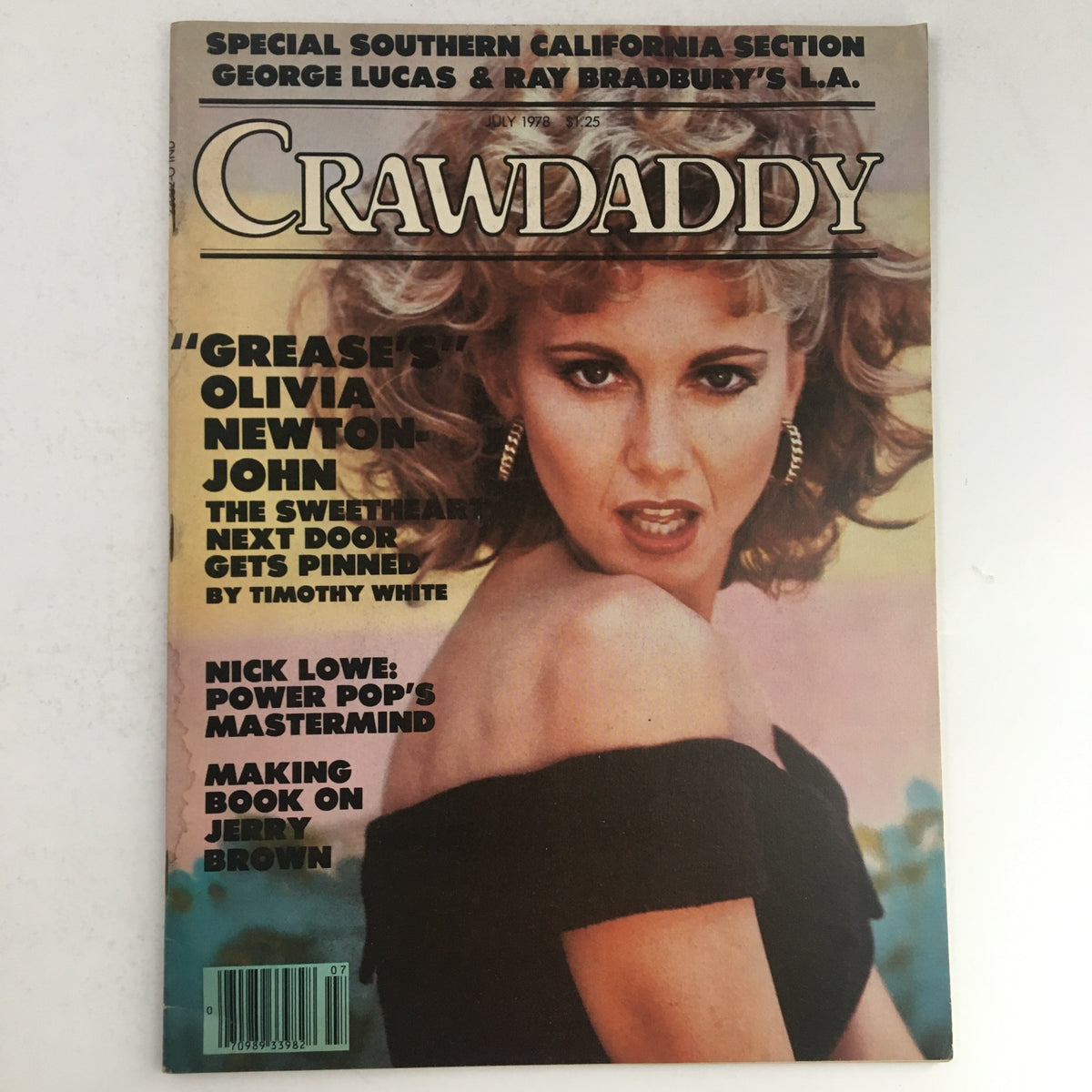
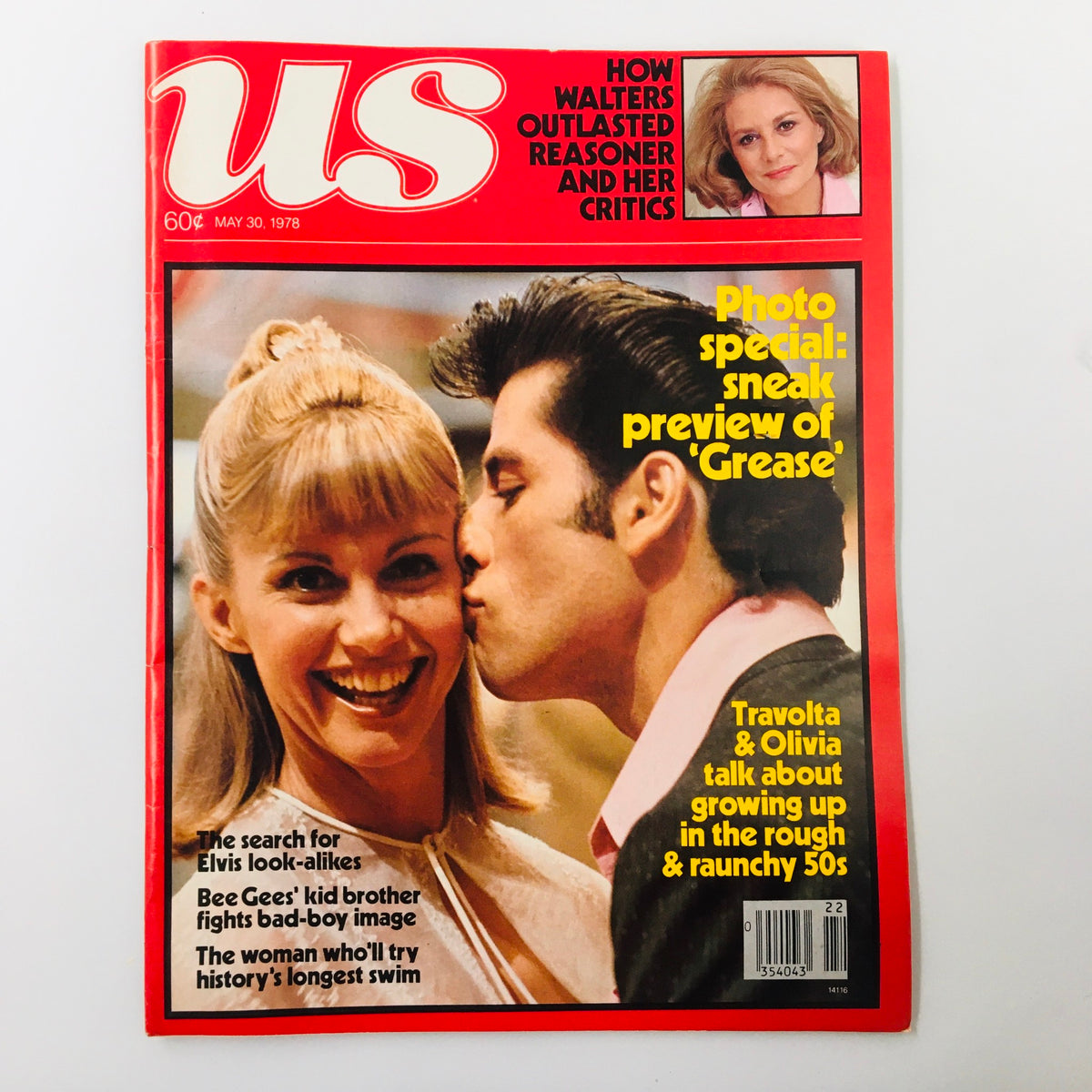
Few figures in the latter half of the twentieth century crossed so many cultural thresholds so gracefully. Born in England, raised in Australia, and ultimately claimed by the world, Olivia Newton-John arrived in the public imagination as a wholesome country-pop ingénue before detonating into a global phenomenon with Grease in 1978 — a film that would become the highest-grossing musical of its era. In the years before streaming algorithms and social media feeds, fans experienced her transformation in real time, issue by issue, frame by frame, through the glossy pages of magazines stacked on newsstands from Sydney to Cincinnati. The arc of her career — from soft-spoken folk singer to leather-clad screen siren to fitness icon to beloved advocate for breast cancer awareness — unfolded across decades of print, each chapter captured by photographers and editors who understood they were documenting something singular. She was not merely a celebrity; she was a cultural weather vane for an era obsessed with reinvention, femininity, and the power of a smile that could reach the back row.
Inside the Archive
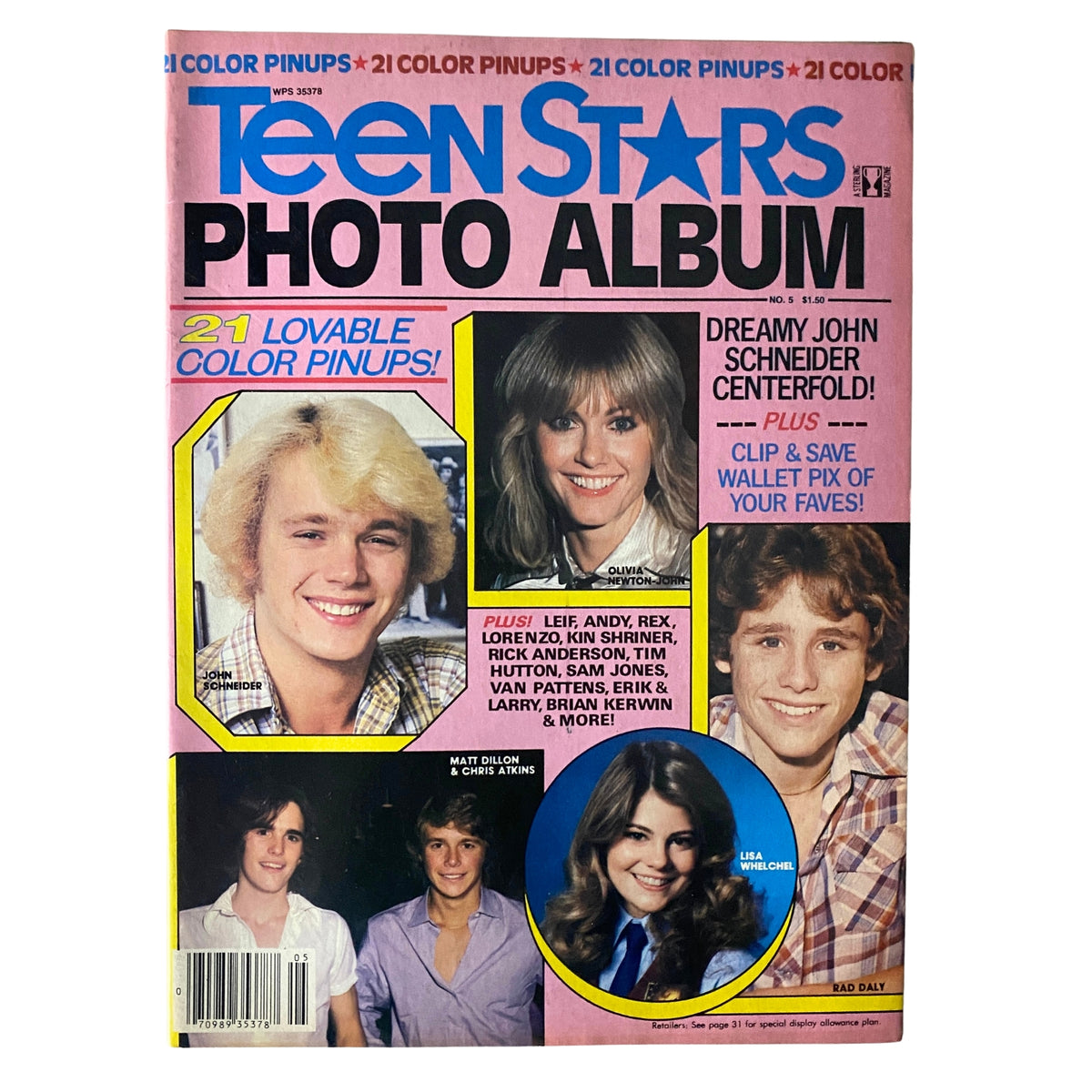
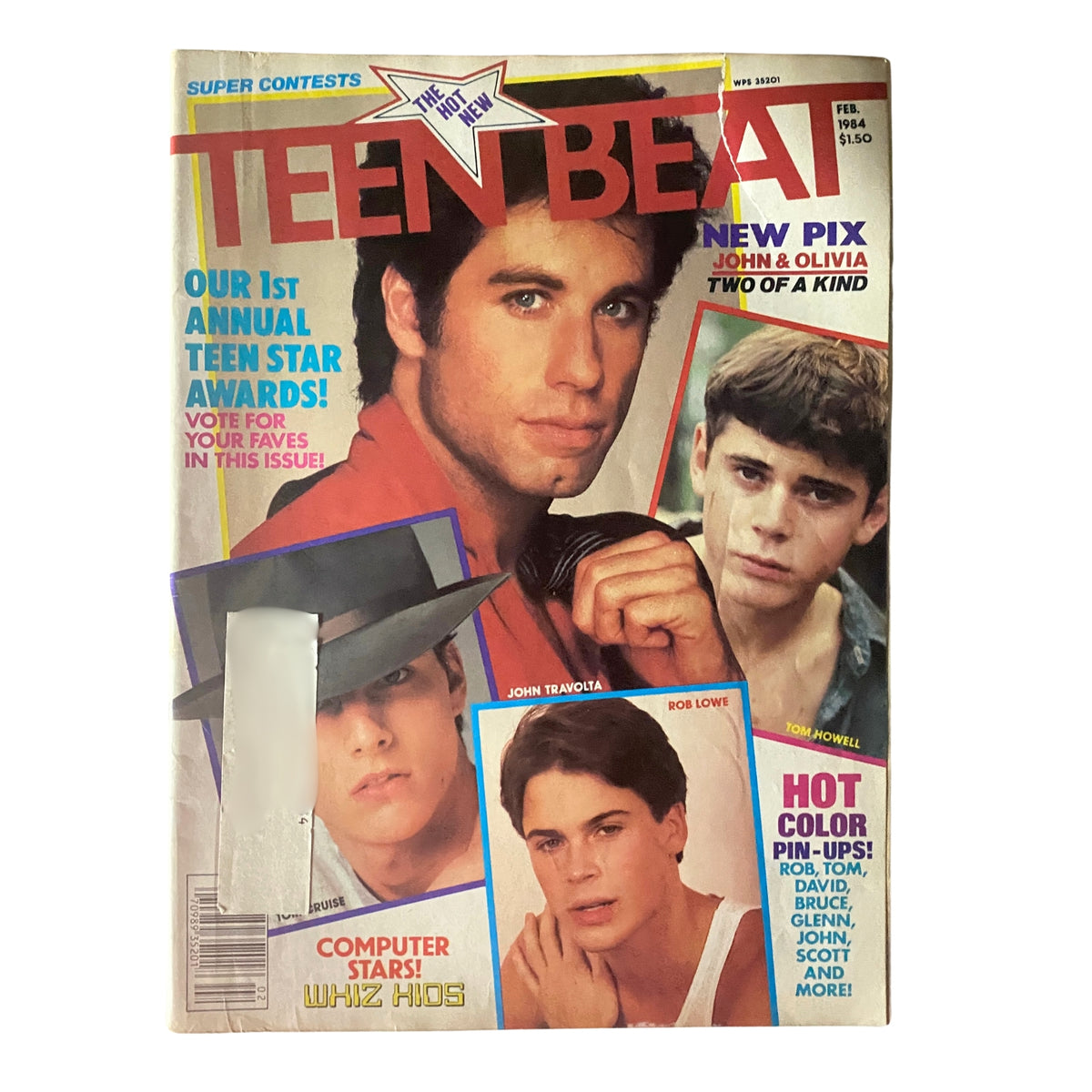
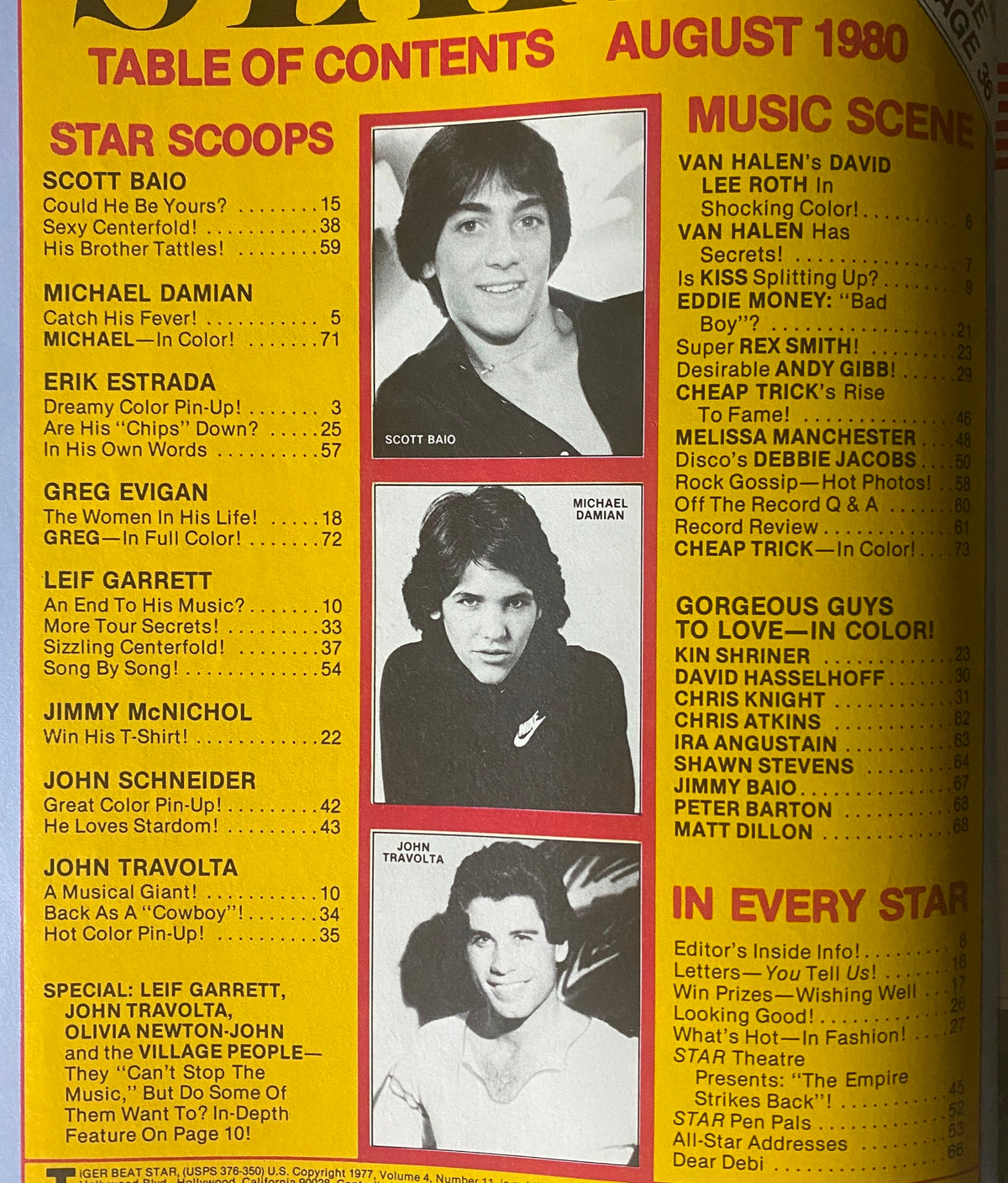
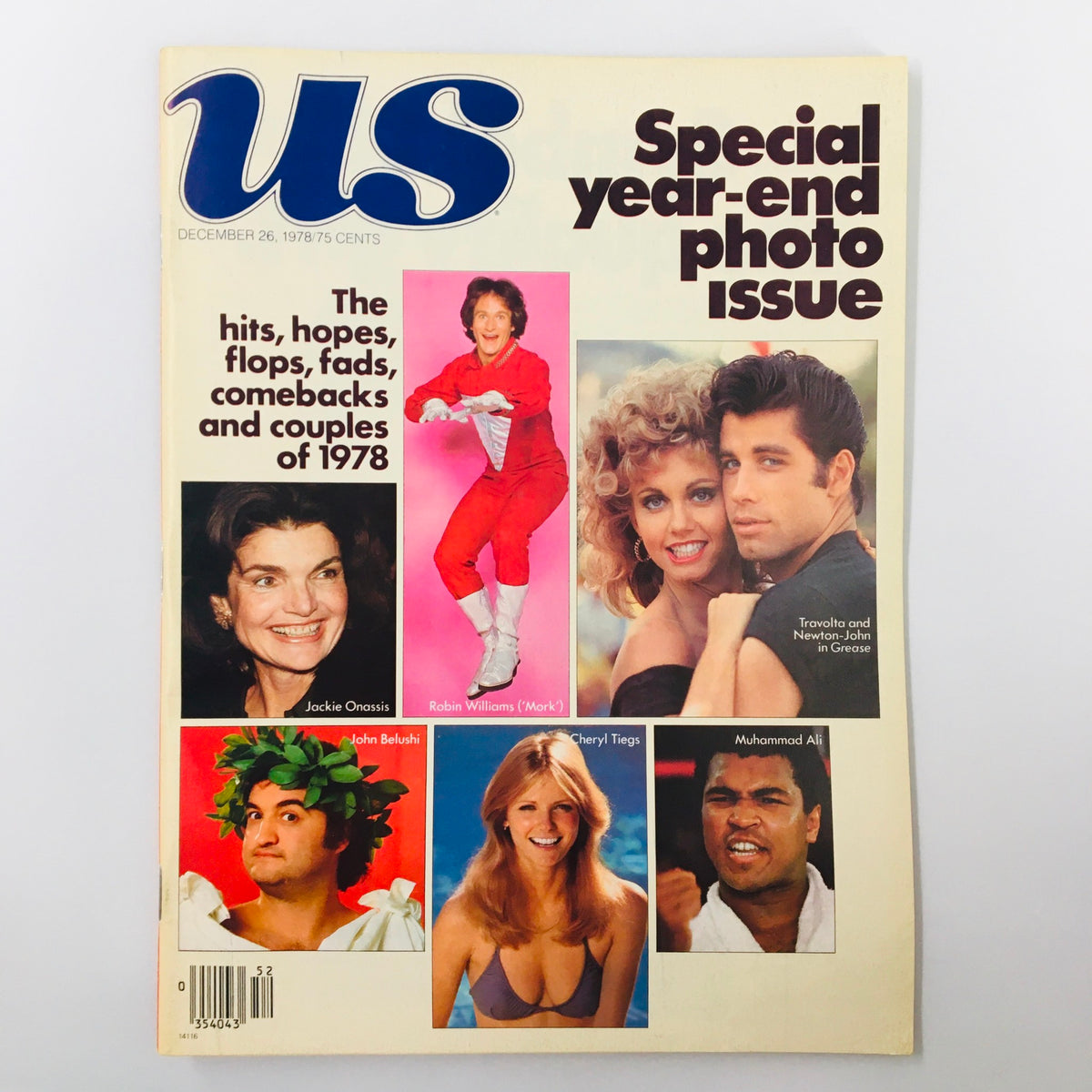
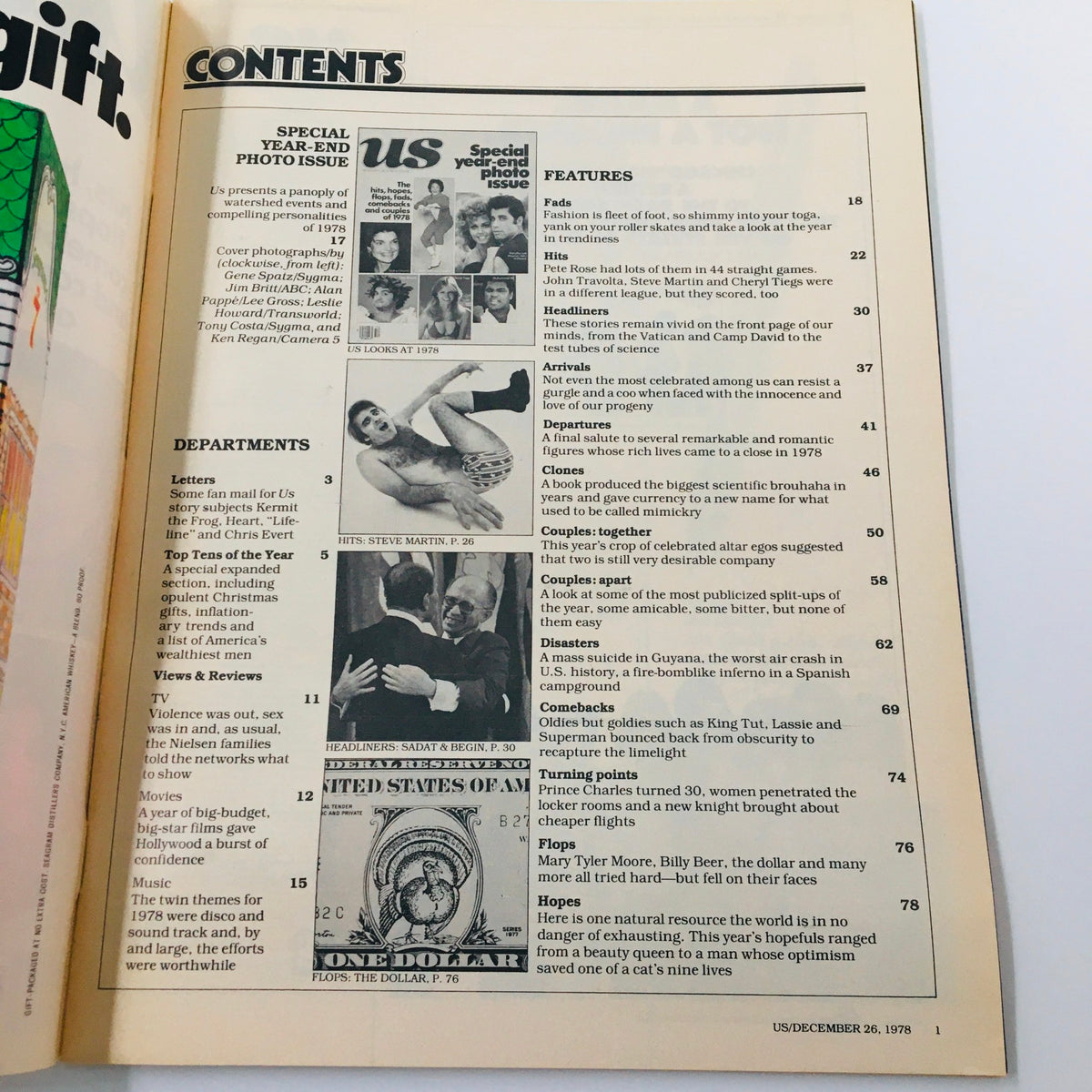
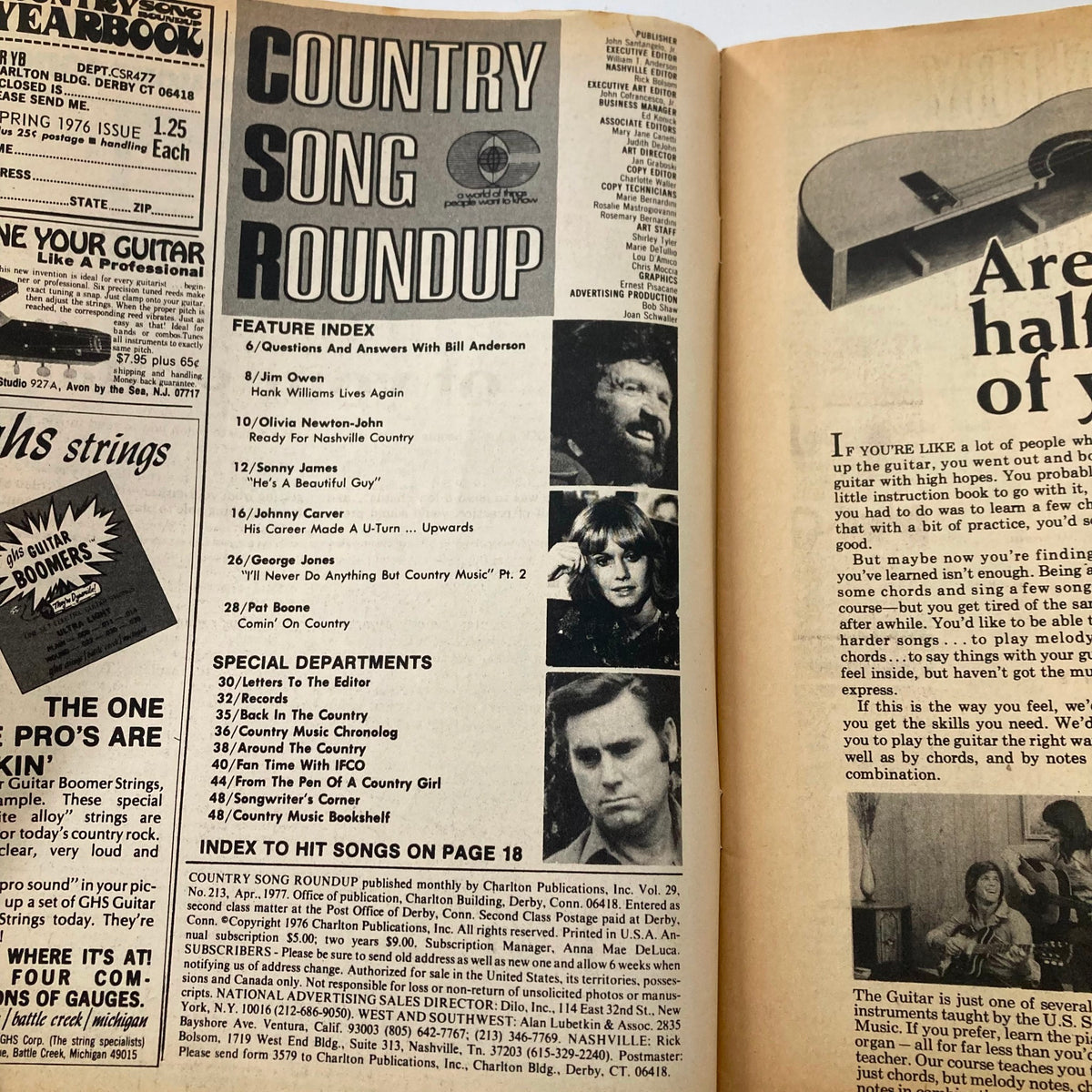
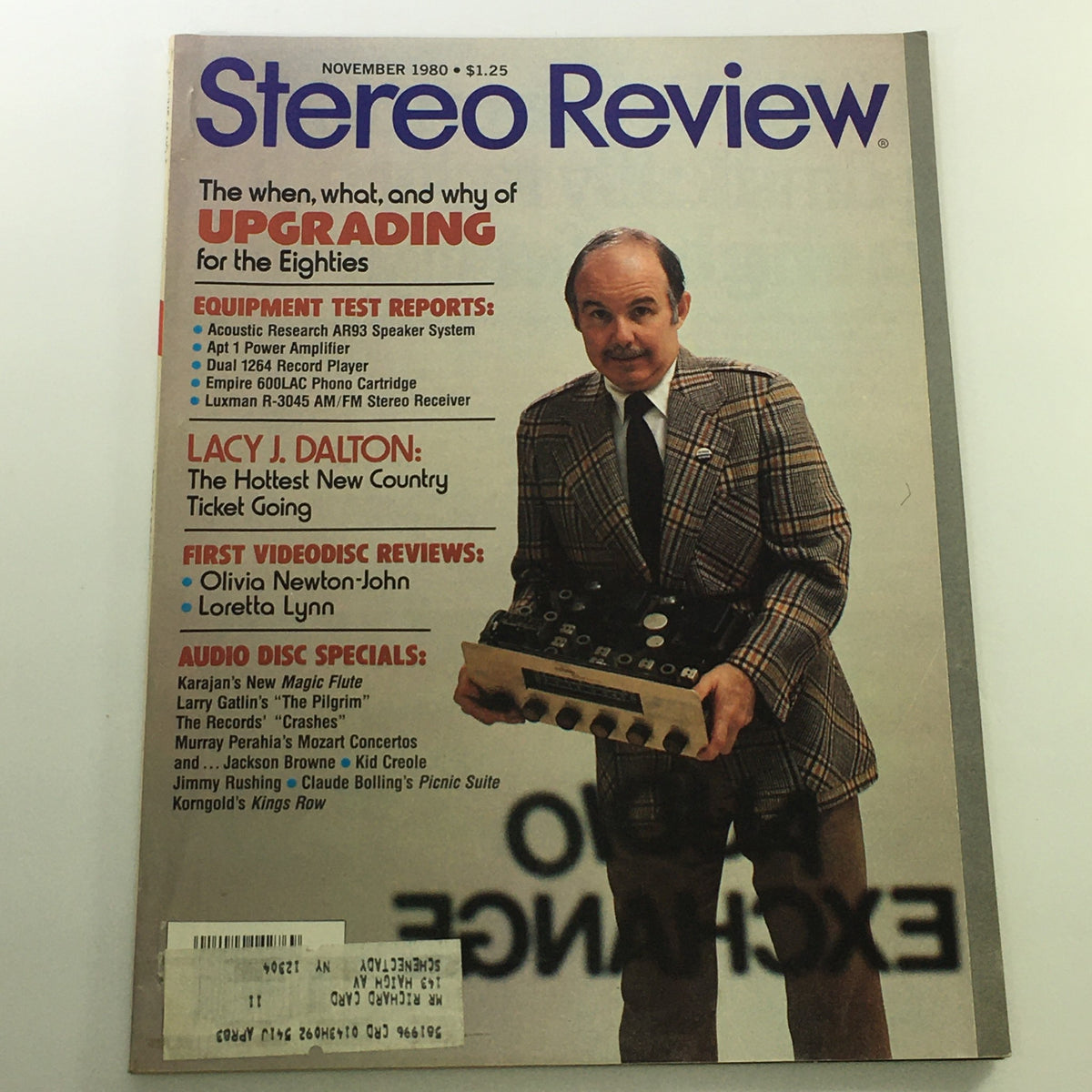
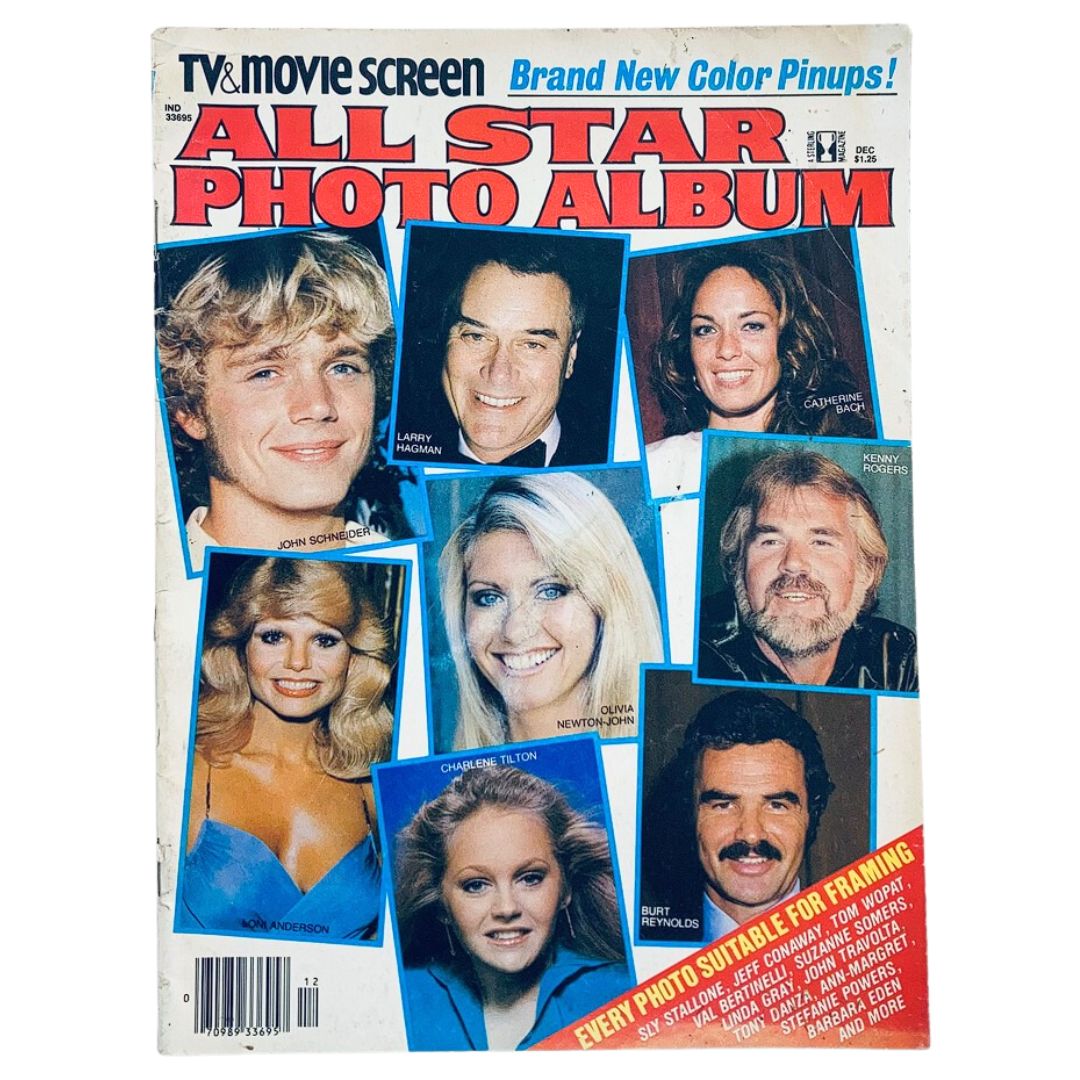
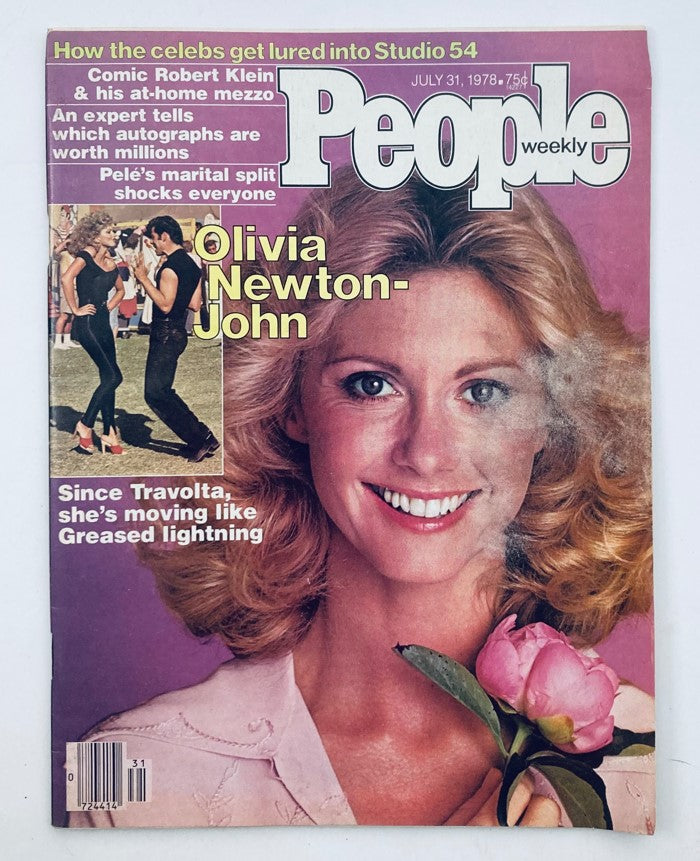
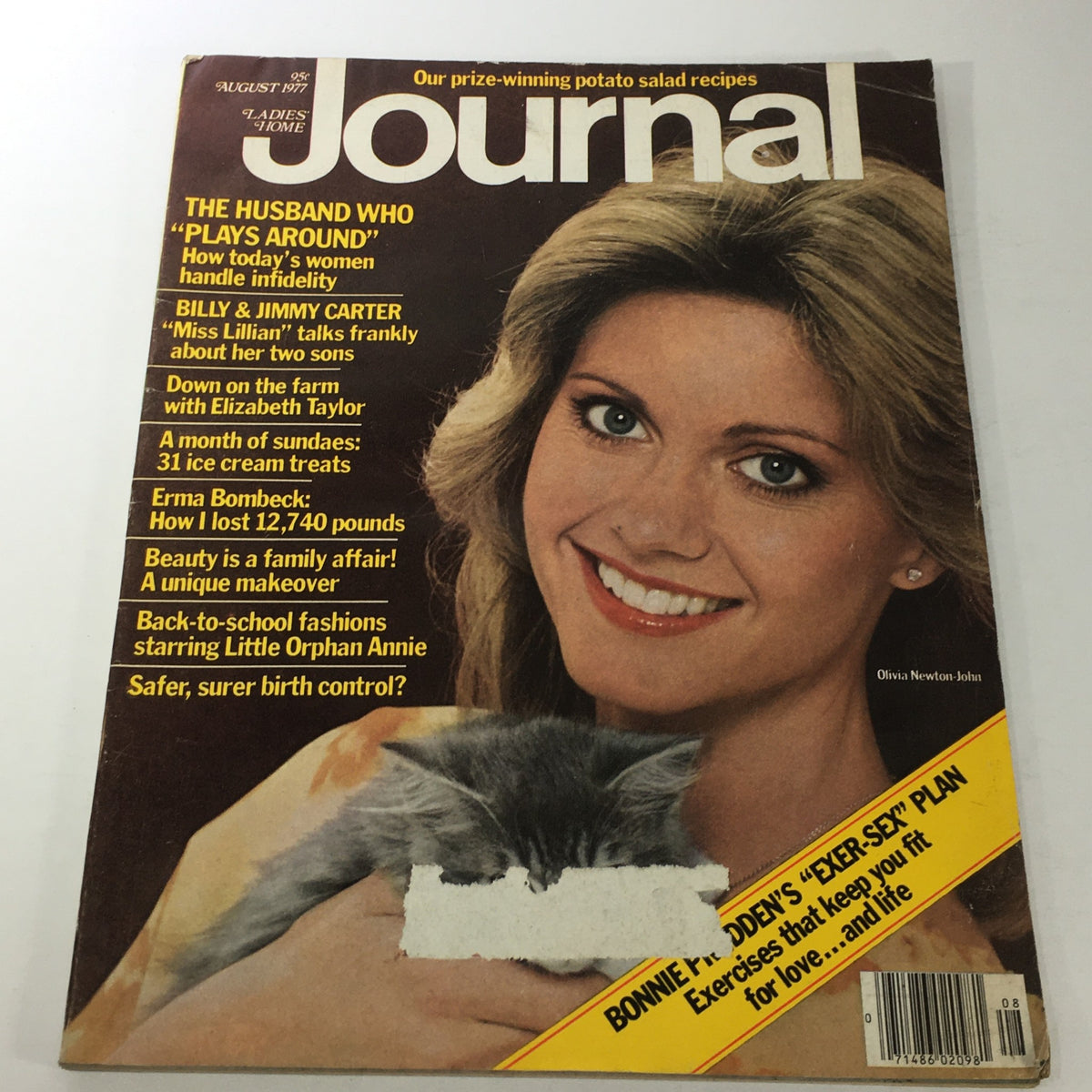
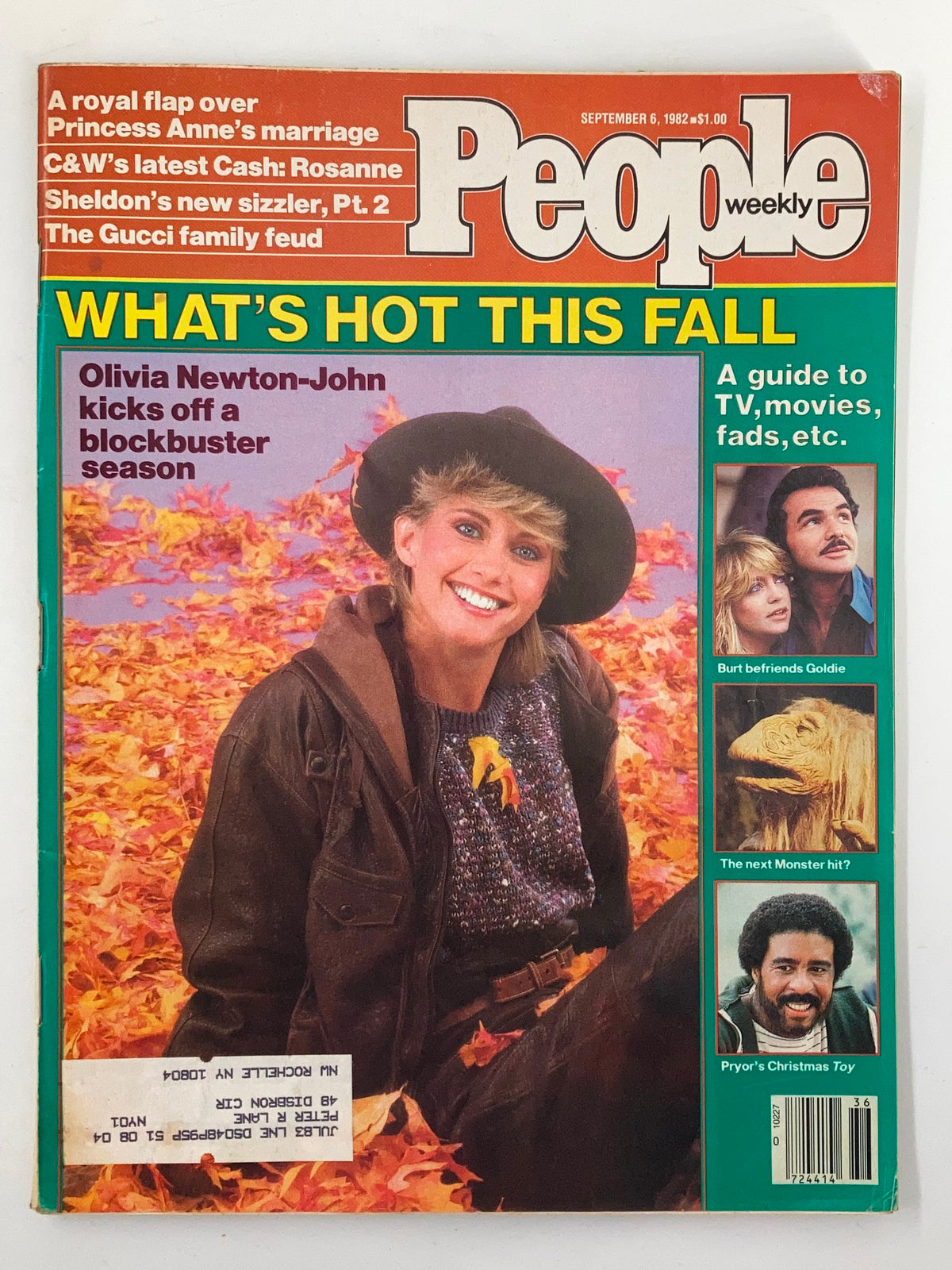
Vintage magazines treated her with a reverence reserved for genuine stars. Editorial photography of the late 1970s and early 1980s leaned into her luminosity — sun-drenched studio portraits, candid backstage shots, and the occasional fashion spread that balanced glamour with an approachable warmth entirely her own. People magazine returned to her repeatedly throughout her peak years, charting the Grease phenomenon and her subsequent chart dominance with the kind of breathless cover treatment reserved for America's sweethearts. Rolling Stone captured her more complex artistic negotiations, profiling the tensions between her pop accessibility and her genuine musicianship. Meanwhile, Australian publications such as TV Week documented her with a national pride bordering on devotion, offering readers an intimacy that international outlets rarely matched. International titles including Paris Match and various European fan weeklies tracked her global reach, recognising that by the early 1980s, she had become as recognisable in Tokyo or London as she was in Los Angeles.
Curator's Checklist: Highlights Often Include
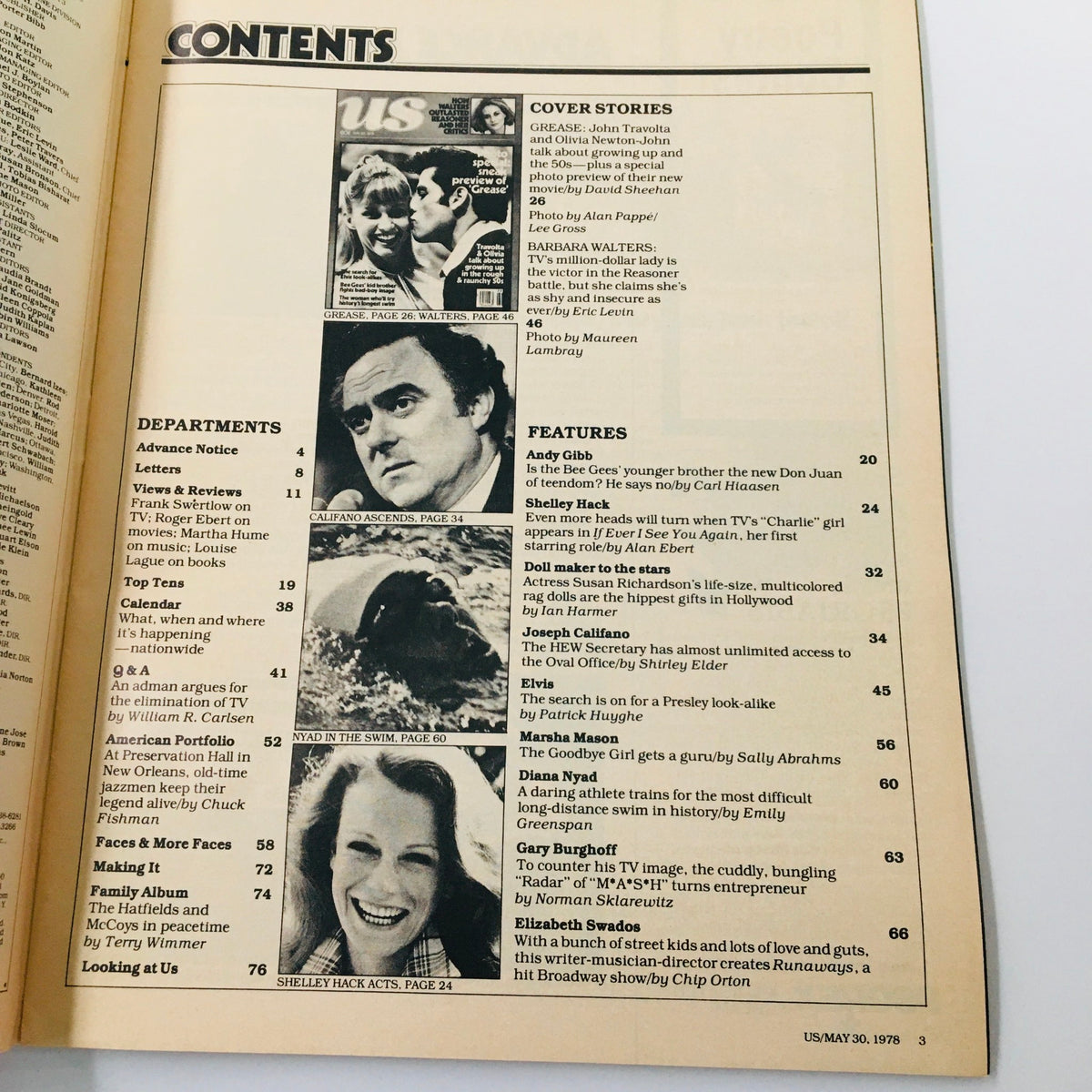
- The Grease Era (1978–1979): Coverage from the film's release and record-breaking run, frequently featuring iconic imagery from the production and contemporaneous interviews in which she discussed the role's unexpected demands on her public identity.
- "Physical" and the Fitness Phenomenon (1981–1982): Editorial features tied to her chart-topping single and its groundbreaking music video, often accompanied by profiles exploring her transition into the aerobics and wellness culture that would define the early decade.
- Australian Homecoming Coverage: Domestic publications celebrating her returns to Australia, capturing a softer, more personal side of the star that international media rarely accessed.
- Advocacy and Personal Courage (Early 1990s onward): Magazine features documenting her breast cancer diagnosis and subsequent public advocacy — among the most emotionally resonant and historically significant issues for collectors interested in the intersection of celebrity and public health awareness.
- Anniversary and Retrospective Issues: Later publications marking the enduring legacy of Grease, her decades of recording, and tributes recognising her status as one of the best-selling music artists in history.
The Collector's Value
To hold one of these original issues is to hold time itself at a slight, papery angle to the light. The stock on which her image was printed — whether the heavier gloss of a major American weekly or the softer, slightly yielding pages of an Australian fan publication — carries a weight that a digital file simply cannot replicate. There is the faint perfume of aged ink, the particular yellow that creeps into white margins across the decades, and the surrounding advertisements for Tab cola, Farrah Fawcett shampoo, and eight-track players that locate each issue so precisely in its moment that the effect is almost cinematic. These are primary sources, not reproductions — artefacts of a mass culture that processed stardom communally, through shared copies passed between friends, dog-eared and debated. For collectors of vintage pop culture ephemera, 1970s and 1980s cinema memorabilia, or Australian music and entertainment history, these publications offer an irreplaceable window into an era when one woman's image was powerful enough to anchor a cover and sell out a newsstand. Browse the current available inventory below and find the issue that speaks to you.