📖 About this Collection
Oscar Robertson: The Architect of the Modern Game
The Legend & The Legacy
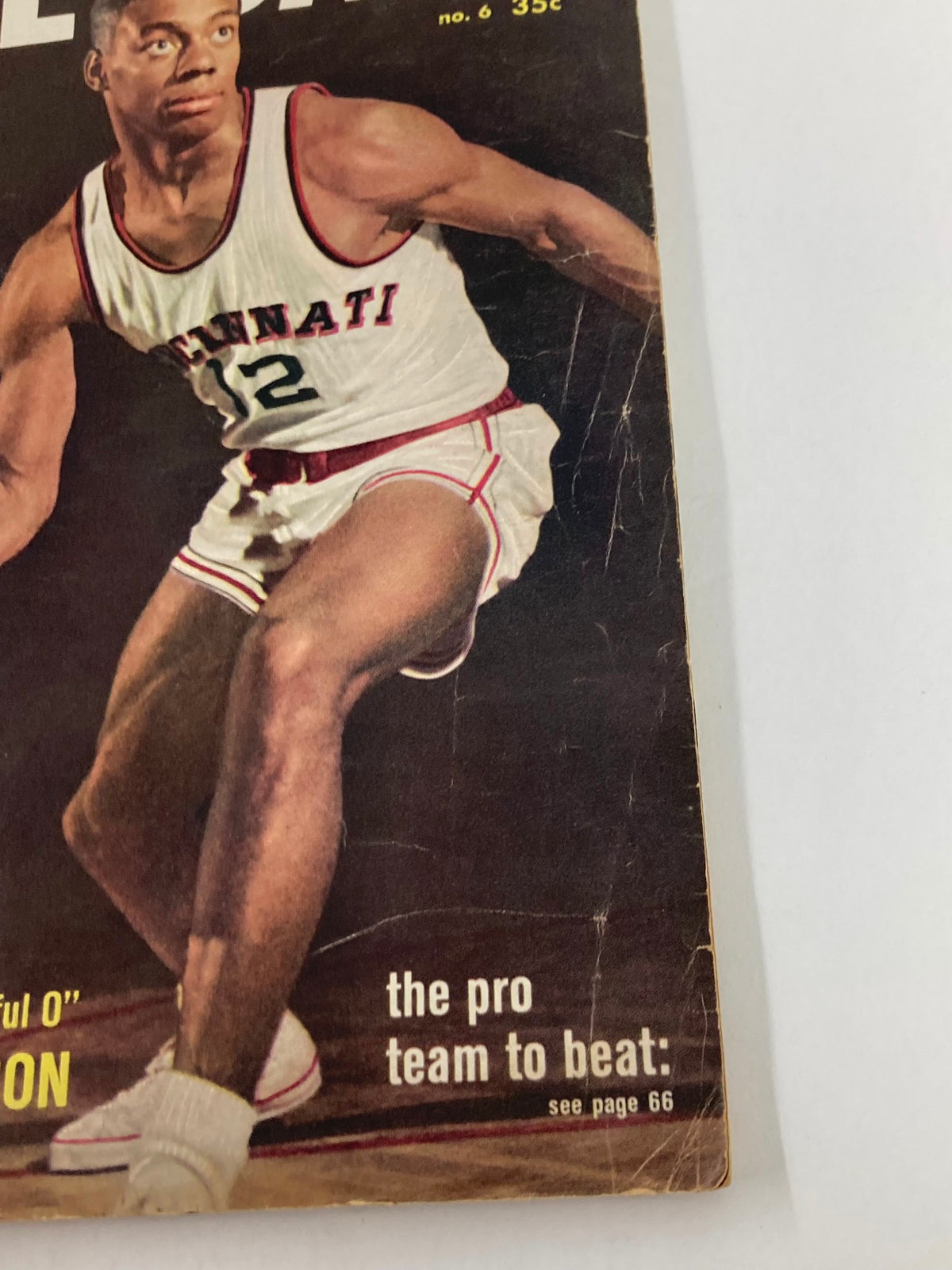
Before the highlight reel, before the algorithm, before the 24-hour sports ticker reduced greatness to a stat line, there was Oscar Robertson — and the only way to truly know him was through print. The Big O emerged from the segregated sandlots of Indianapolis and ascended to become one of the most complete basketball players the sport has ever witnessed, a man who averaged a triple-double across an entire season at a time when such a feat seemed almost cosmically impossible. His story unfolded across decades of physical pages: the civil rights era college star at the University of Cincinnati who desegregated hotels and arenas through sheer, undeniable excellence; the Cincinnati Royals professional whose artistry elevated a franchise; and finally, the Milwaukee Buck who, alongside Kareem Abdul-Jabbar, claimed a championship that felt long overdue. He was also a man of fierce moral conviction — his landmark antitrust lawsuit against the NBA fundamentally reshaped player freedom, making him as consequential in a courtroom as he ever was on a court. Americans who cared about basketball and justice alike followed his journey not through a screen, but through the ink-stained pages delivered to their doorsteps and stacked on barbershop counters across the country.
Inside the Archive
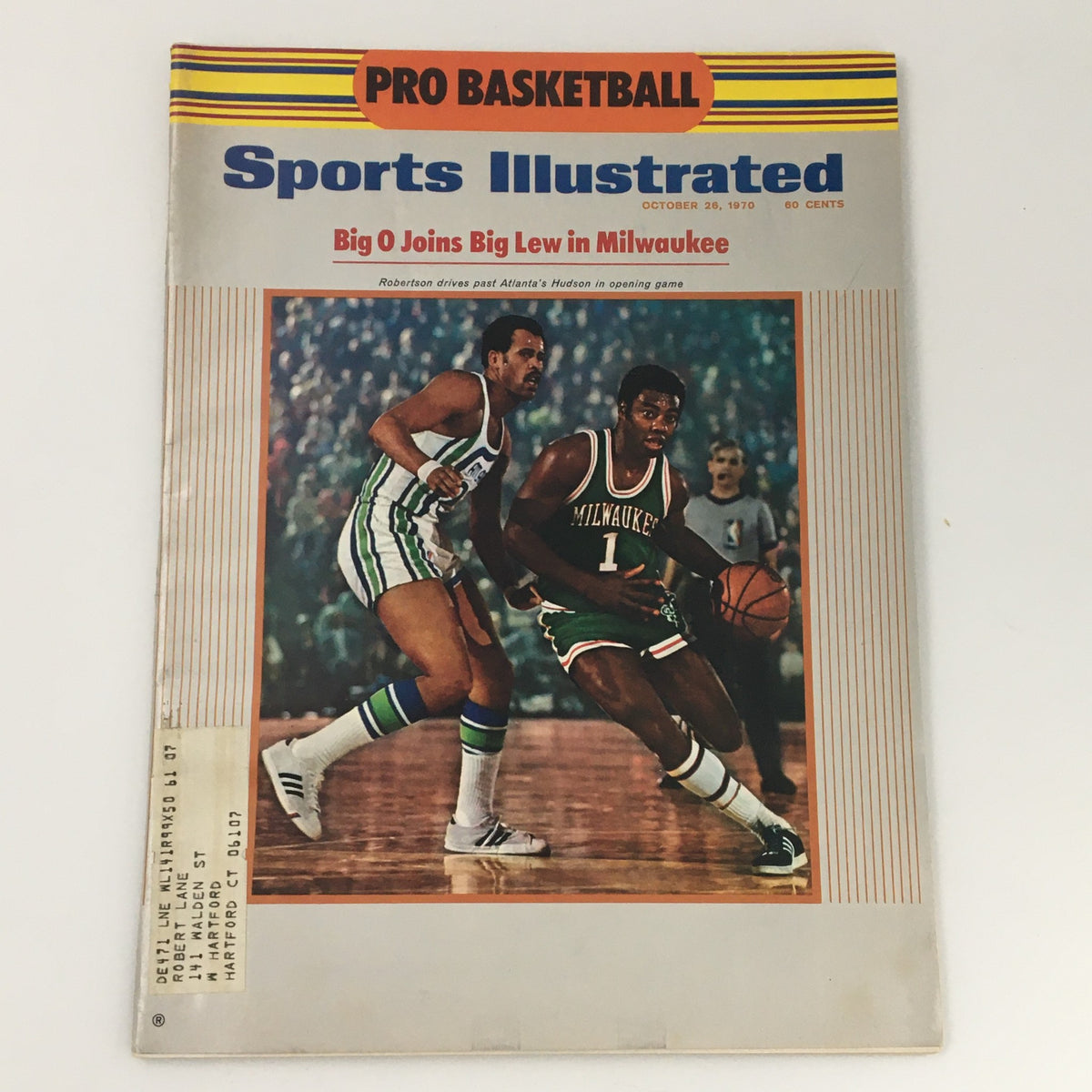
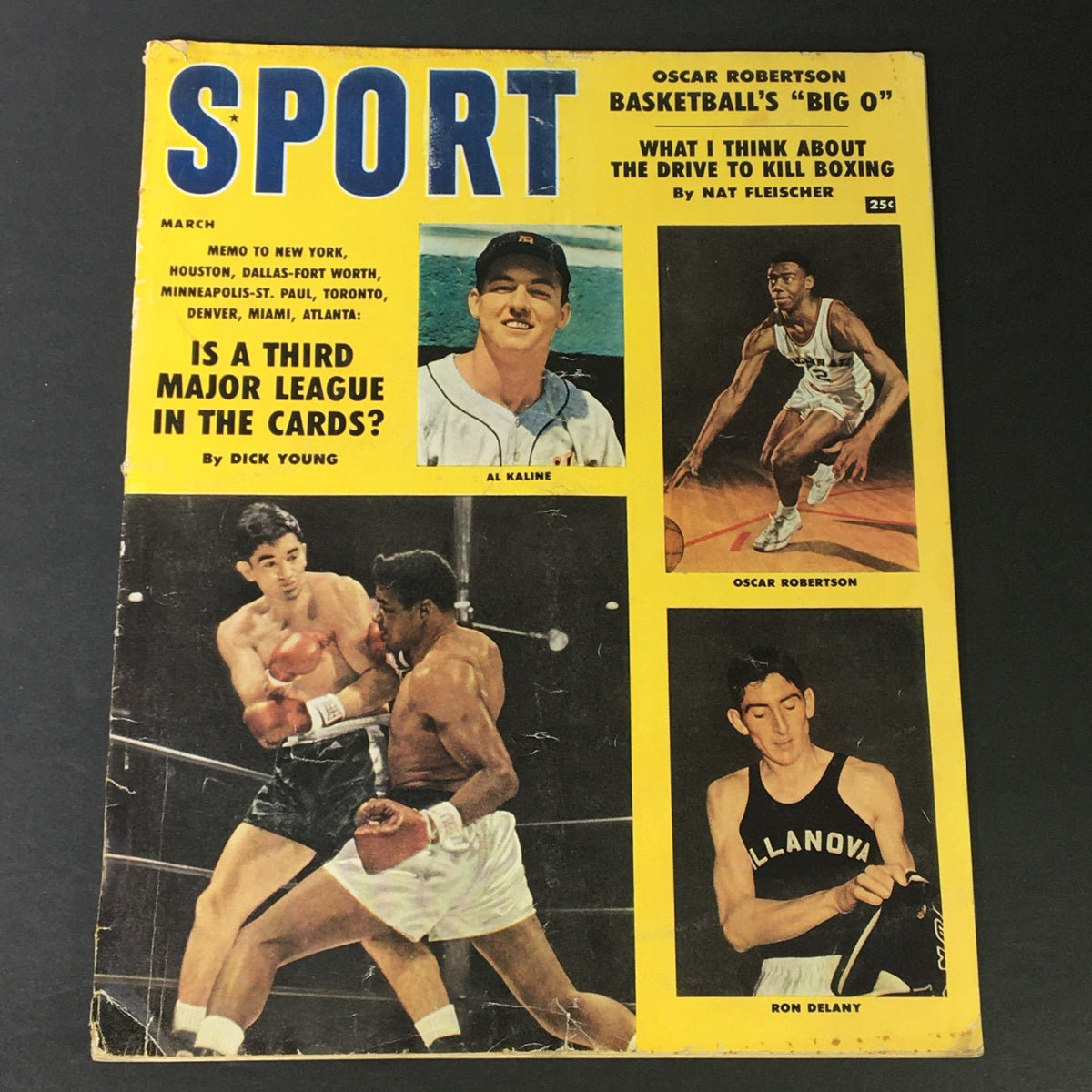
Vintage sports and culture magazines pursued the Big O with a reverence fitting for a man who seemed to be rewriting what was possible in real time. Sports Illustrated, which came of age alongside Robertson's own career in the late 1950s and 1960s, featured him in the kind of long-form profiles that treated athletes as complex human beings rather than mere performers — editorials that wrestled with his dominance on the court and his outspoken dignity off of it. Ebony and Jet, the vital chroniclers of Black American achievement during the civil rights era, covered Robertson with particular cultural weight, framing his excellence as both athletic triumph and social statement during a period when such distinctions carried profound meaning. Photography from this era tends to capture a specific, irreplaceable aesthetic: the grainy, high-contrast black-and-white action shots of the early 1960s hardwood, the sharply tailored suits in off-court portrait sessions, and the earnest editorial headshots that project a man acutely aware of what his image represented to millions. These were publications that understood they were documenting history as it happened.
Curator's Checklist: Highlights Often Include
- Triple-double season coverage (1961–62): Period issues from that singular season frequently contain statistical breakdowns, editorial admiration, and the early attempts by sportswriters to articulate what Robertson was accomplishing — documentation of a record that would stand for decades
- Civil rights era profiles: Features placing Robertson within the broader context of Black athletic excellence in America, covering his early battles against segregation as a collegiate star and his refusal to remain silent on social issues throughout his professional career
- NBA Players Association & the Robertson Rule: Coverage from the early 1970s surrounding his landmark antitrust suit and eventual settlement, which granted players free agency — issues that capture a pivotal, often underappreciated turning point in professional sports labor history
- 1971 NBA Championship: Milwaukee Bucks championship coverage featuring Robertson and Kareem Abdul-Jabbar, including team portraits, playoff recaps, and the cultural significance of that title for a city and a franchise
- Retrospective and career tribute features: Late-career and post-retirement profiles from the mid-to-late 1970s, in which sports journalists began the work of cementing his canonical place among the all-time greats
The Collector's Value
There is simply no digital substitute for holding a 1962 issue of Sports Illustrated that covered Oscar Robertson's historic season in the very weeks it was unfolding — the slight give of aging coated paper stock beneath your fingertips, the faintly sweet, musty perfume of mid-century ink, the full-page advertisements for Chevrolets and Lucky Strike cigarettes that frame the editorial content and transport you bodily to another America entirely. These are primary source documents, not reproductions, not retrospectives — they are the living record of how a civilization processed and celebrated one of its most gifted and principled athletes in real time. For collectors of vintage basketball memorabilia, African American cultural history, or mid-century American print media, these publications offer an irreplaceable window into an era that shaped the modern game and the broader struggle for dignity in American public life. Browse the current available inventory below, and discover which pieces of that history are waiting to find a new home.