📖 About this Collection
Ozzy Osbourne: The Prince of Darkness in Print
The Legend & The Legacy
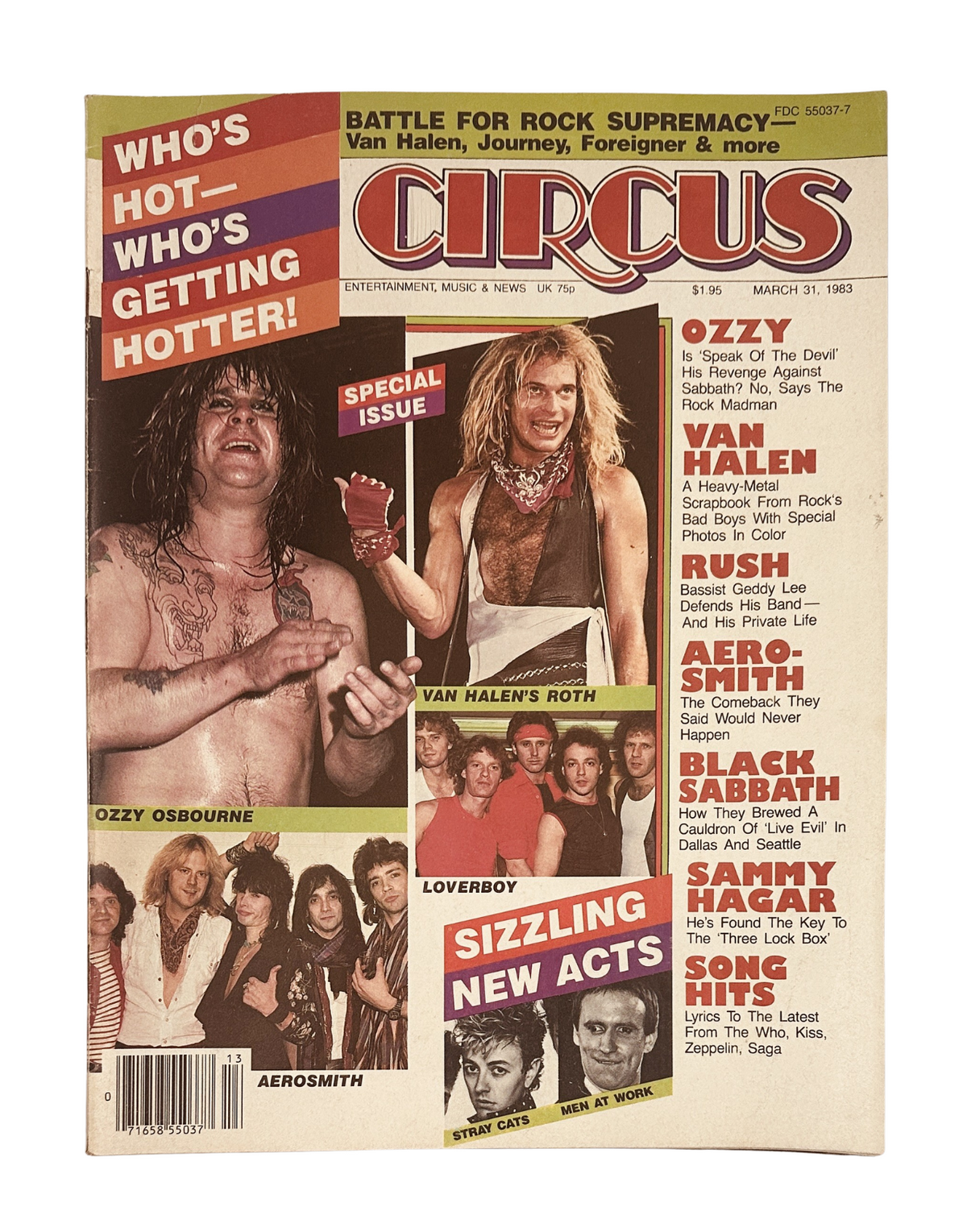
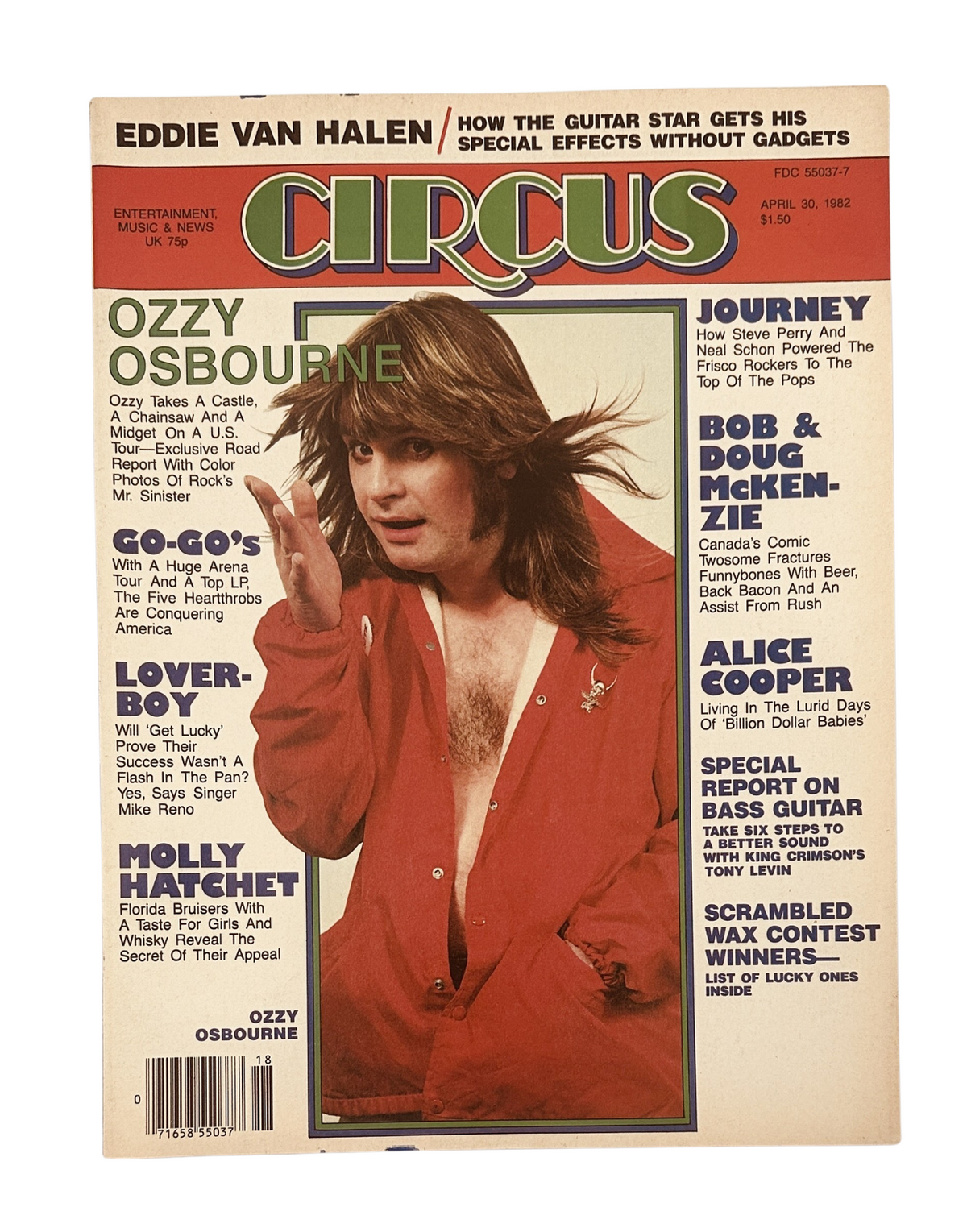
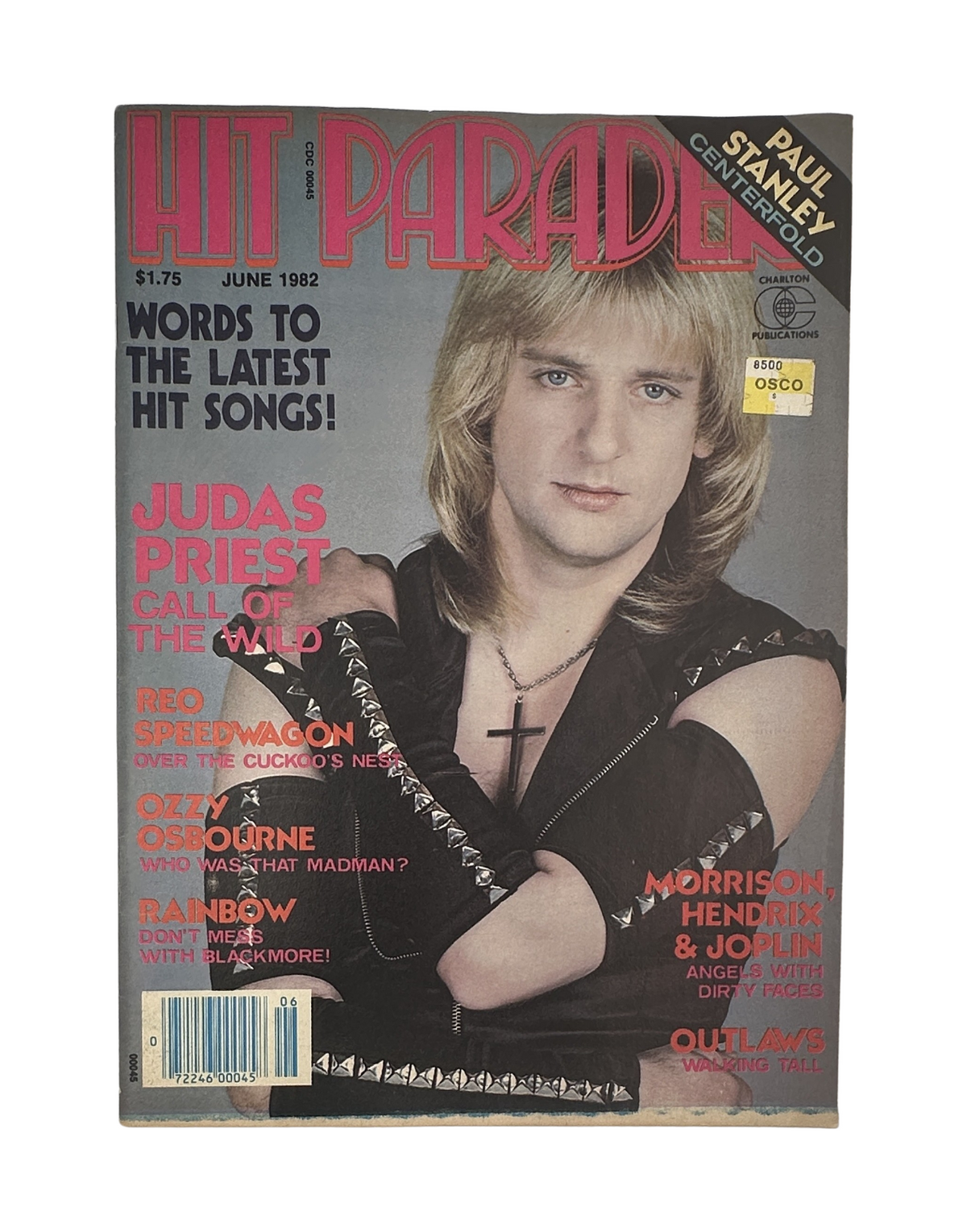
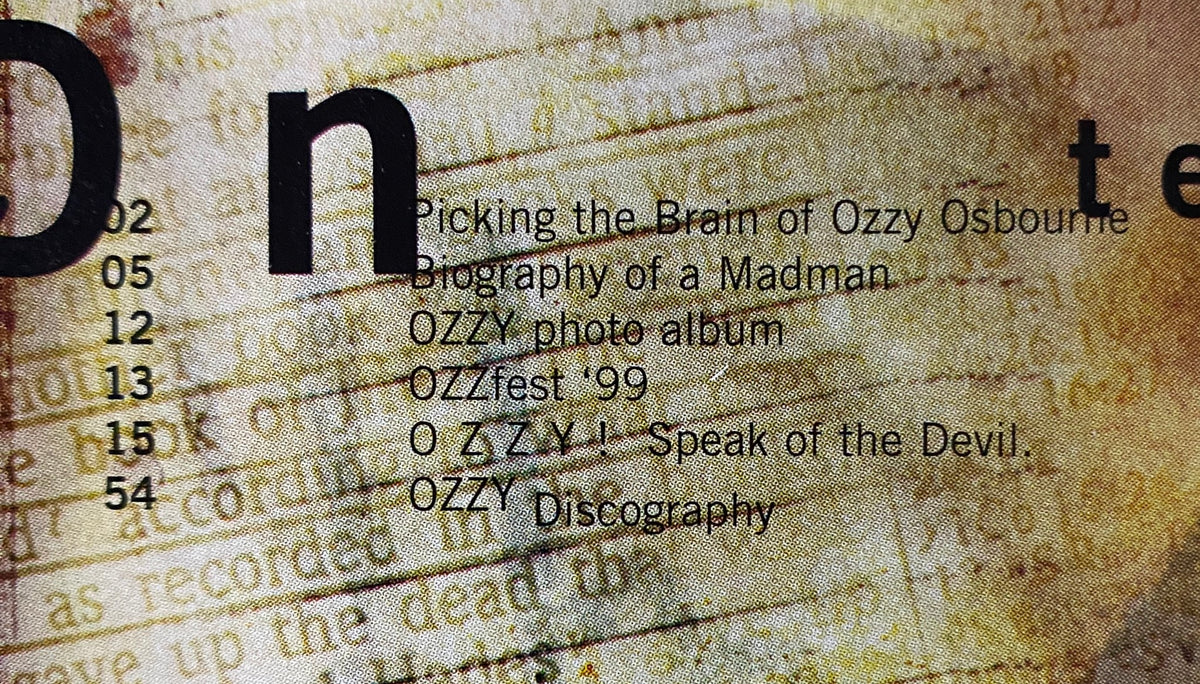
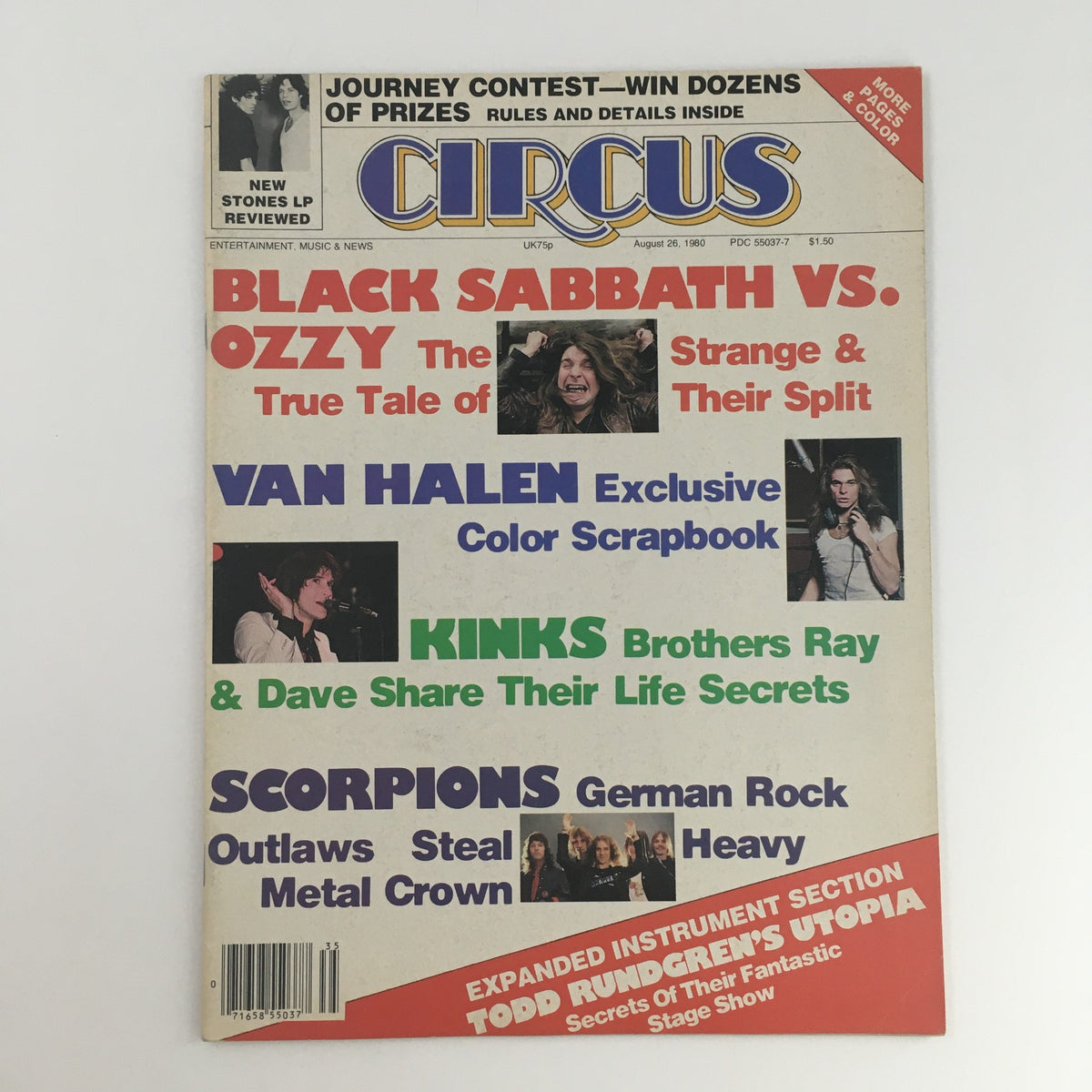
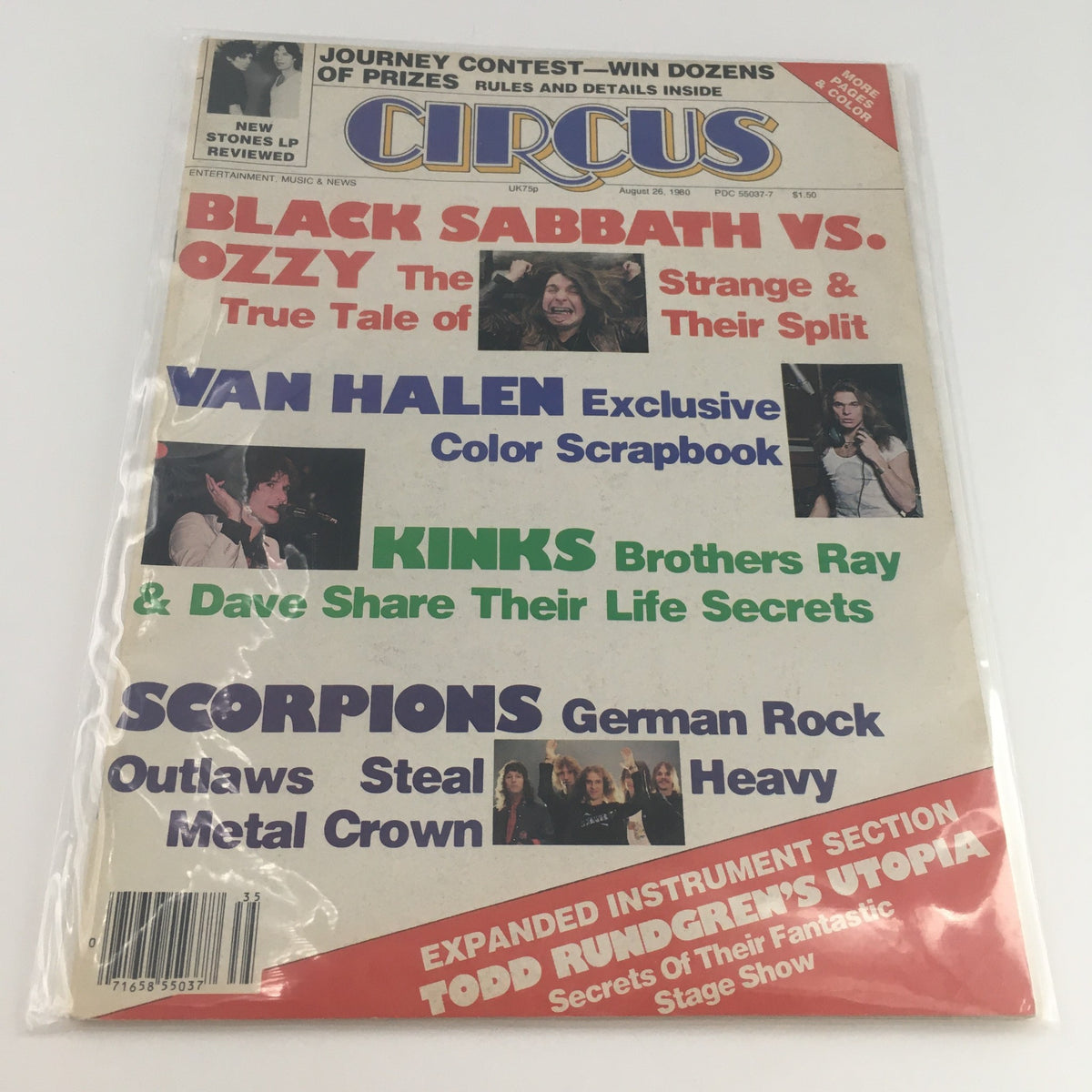
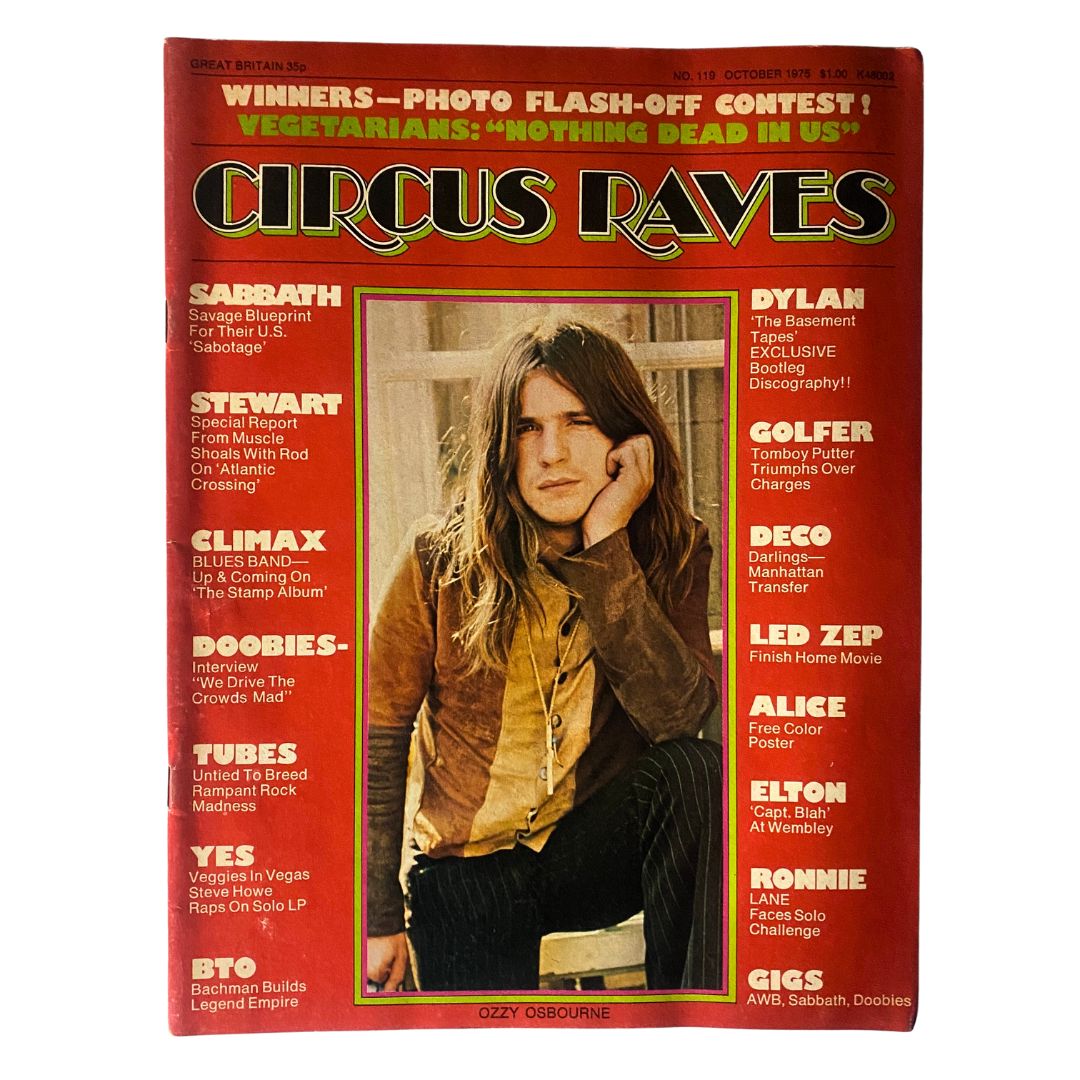
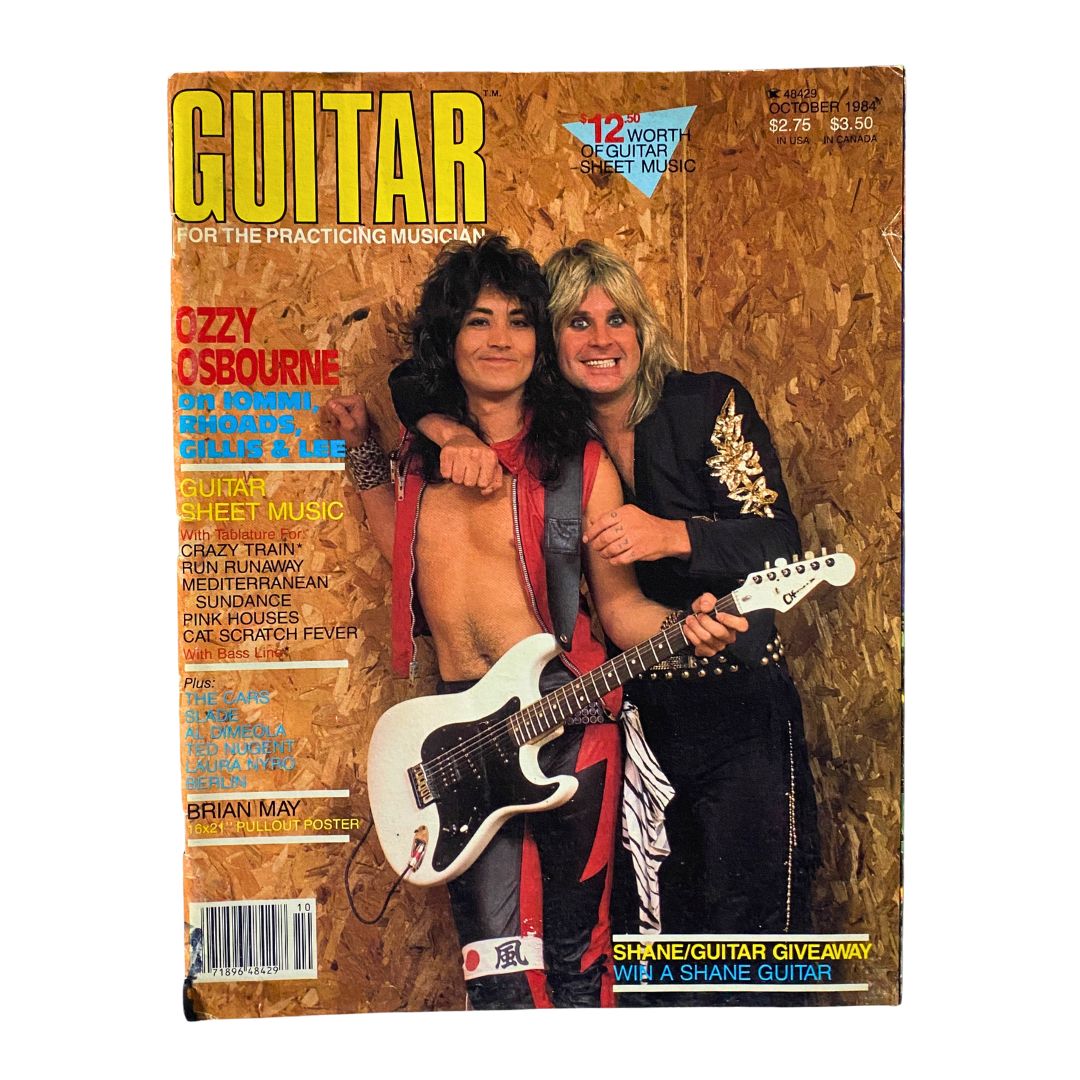
Few figures in the history of popular music have carved a mythology as dark, defiant, and deeply human as Ozzy Osbourne. Rising from the industrial grime of Birmingham, England, he fronted Black Sabbath through the early 1970s and single-handedly forged the blueprint for heavy metal — a genre that would go on to shape generations of musicians, subcultures, and moral panics alike. His subsequent solo career, launched in the late 1970s and exploding through the 1980s, made him a household name in the most unlikely of households. In an era before social media, before streaming, before the 24-hour news cycle, the public's understanding of Ozzy Osbourne was built almost entirely through the printed page — through concert reviews in music weeklies, through sensational tabloid headlines, through long-form profiles that attempted, and often failed, to reconcile the gentle family man with the bat-biting, fire-spitting antihero the world had decided he was. For fans in suburban bedrooms from Birmingham to Brisbane, a magazine with his face on the cover was a totem, a conversation, a rebellion held in two hands.
Inside the Archive
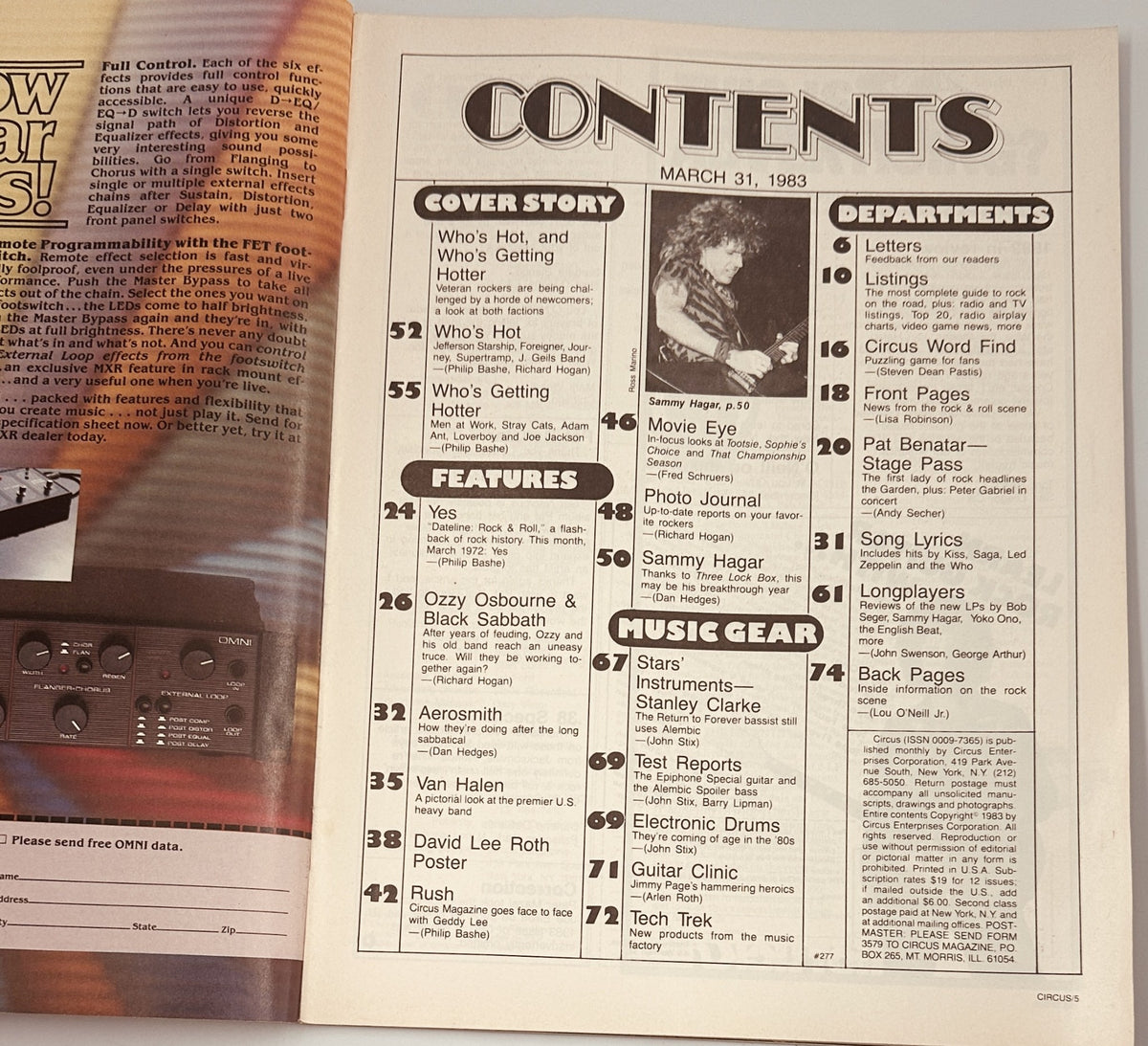
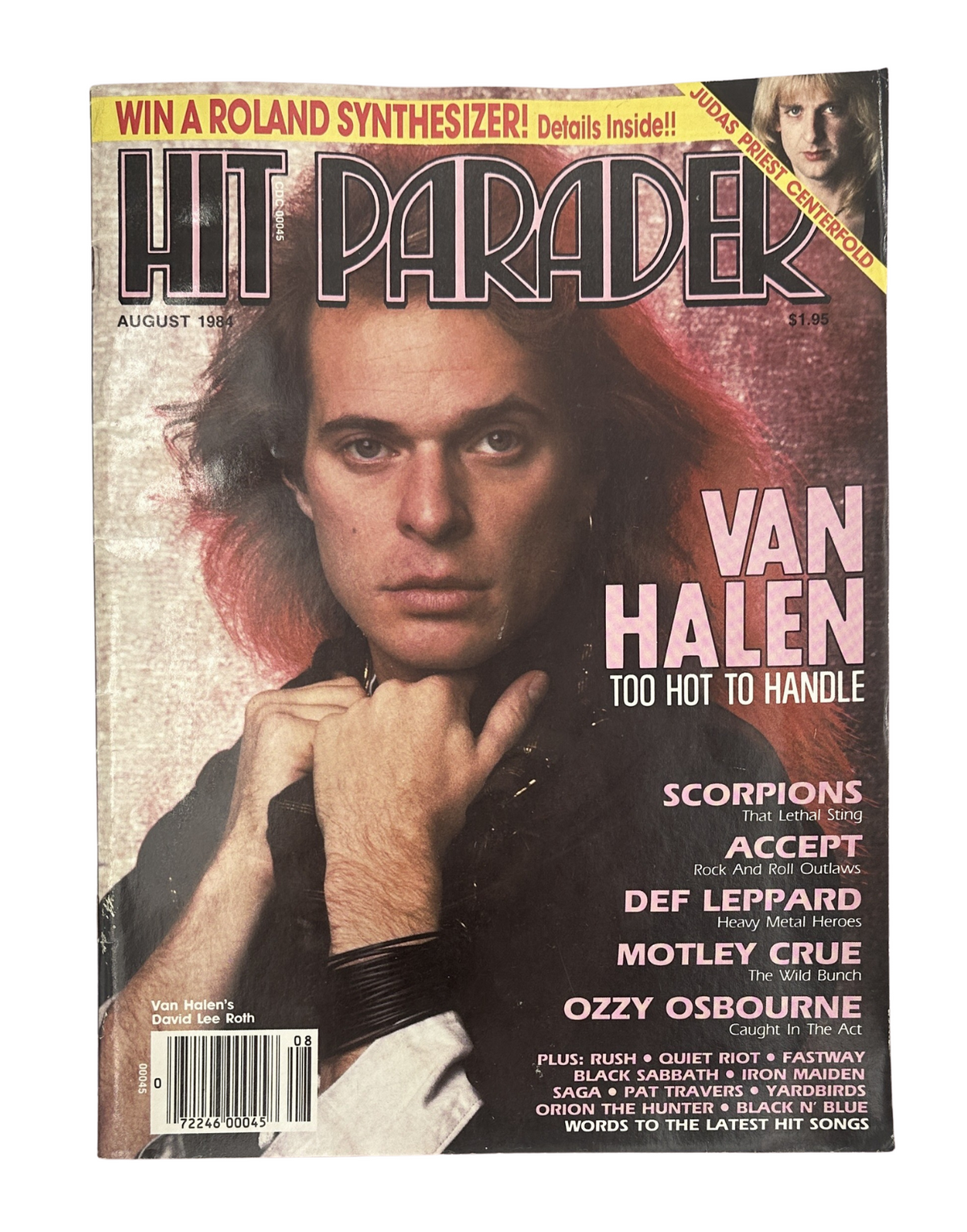
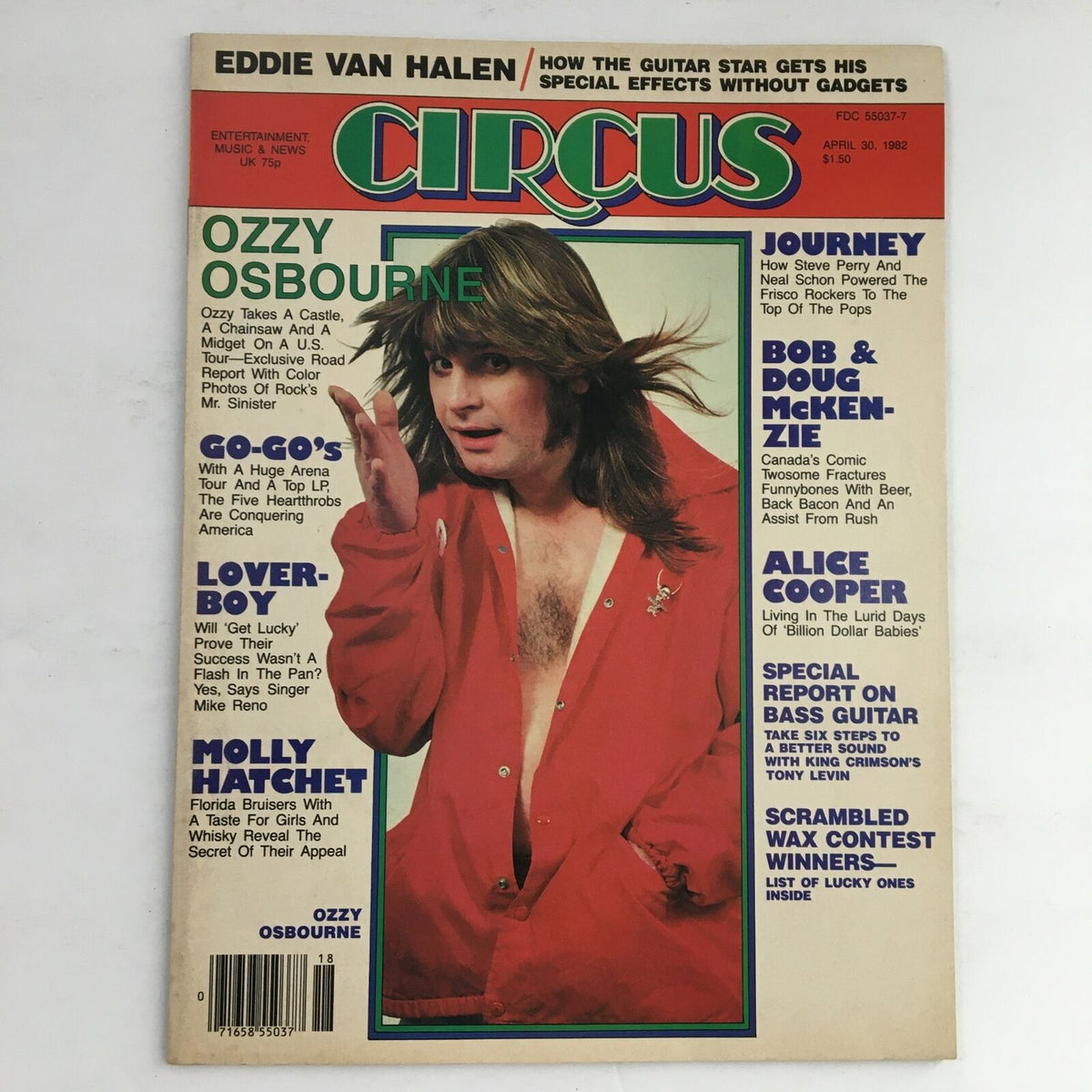
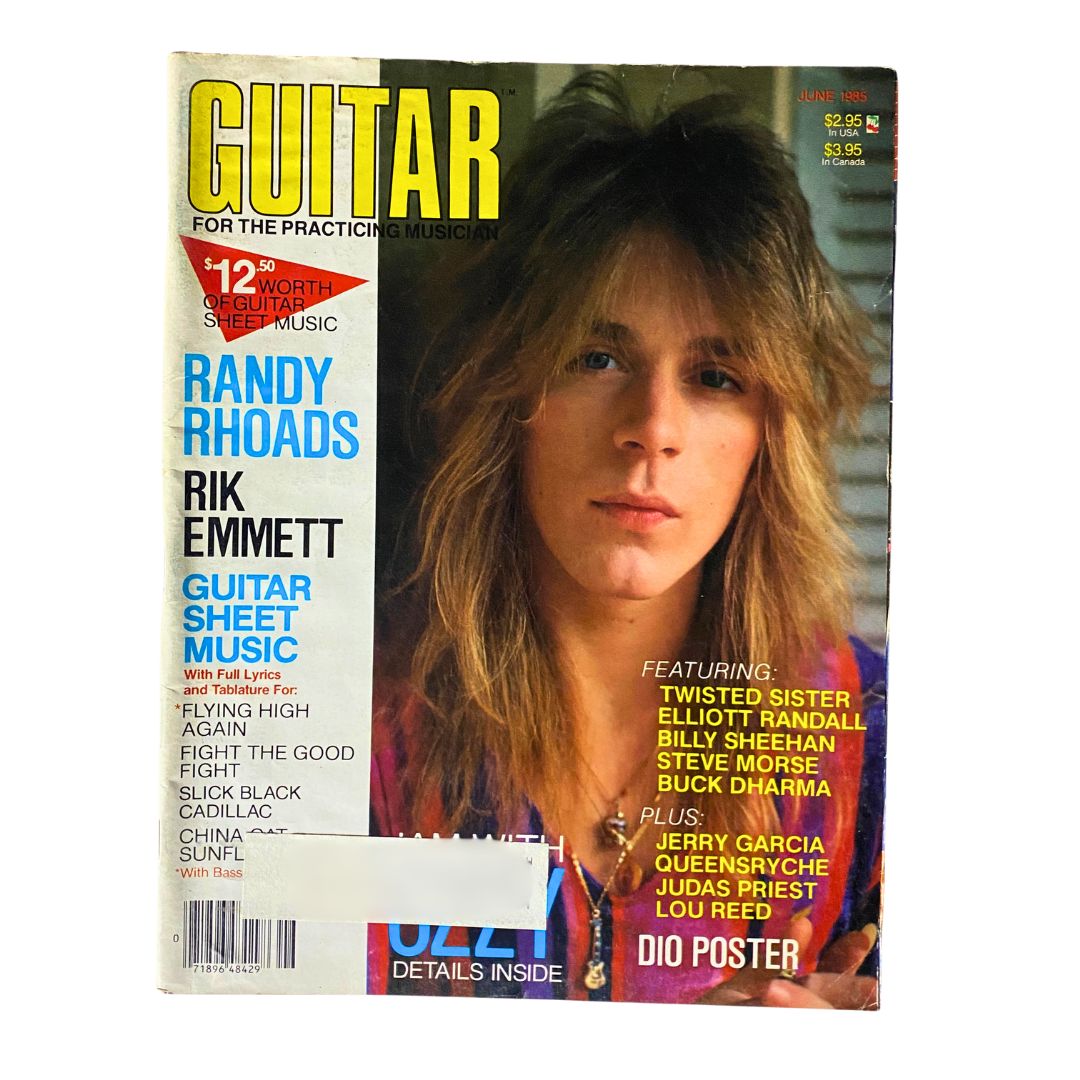
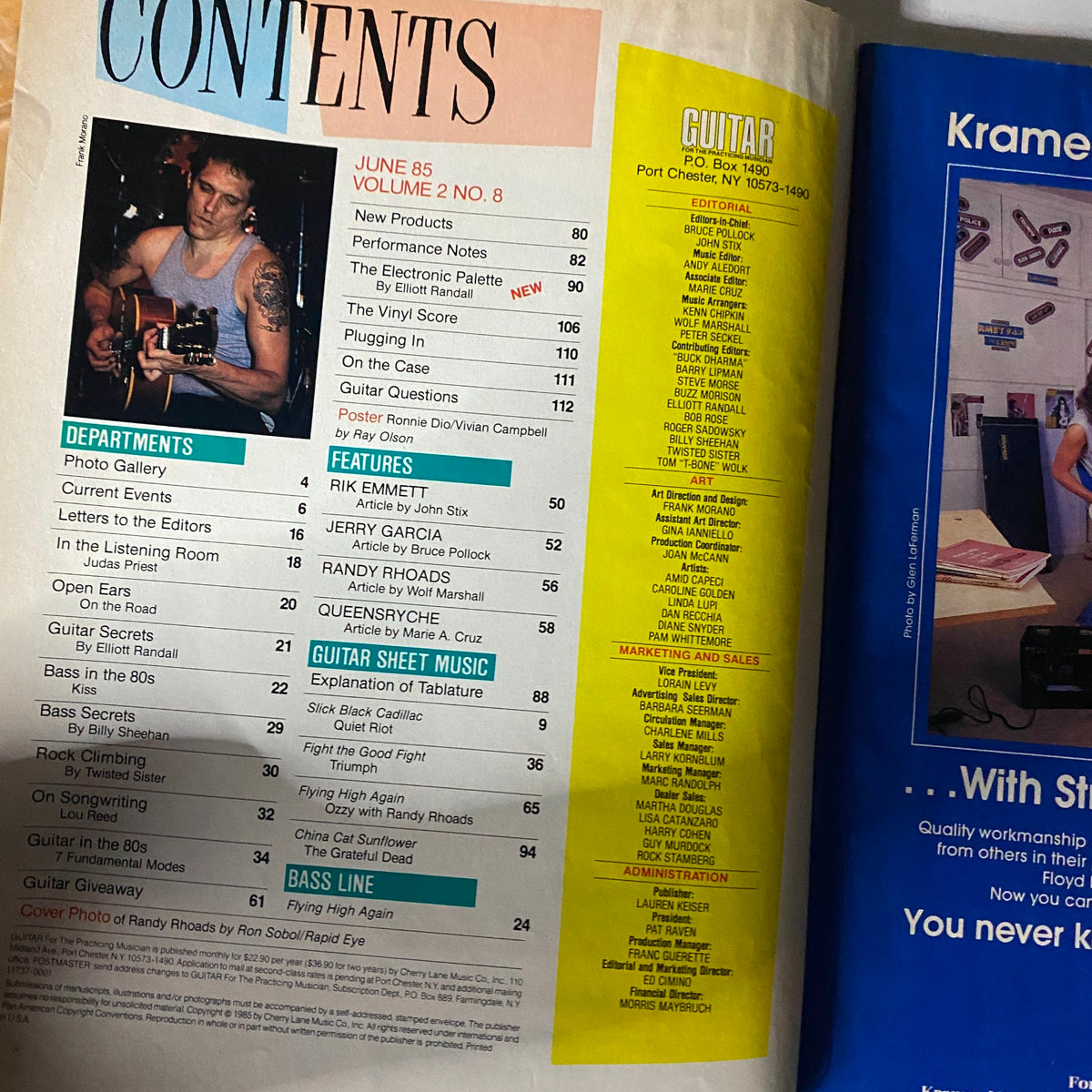
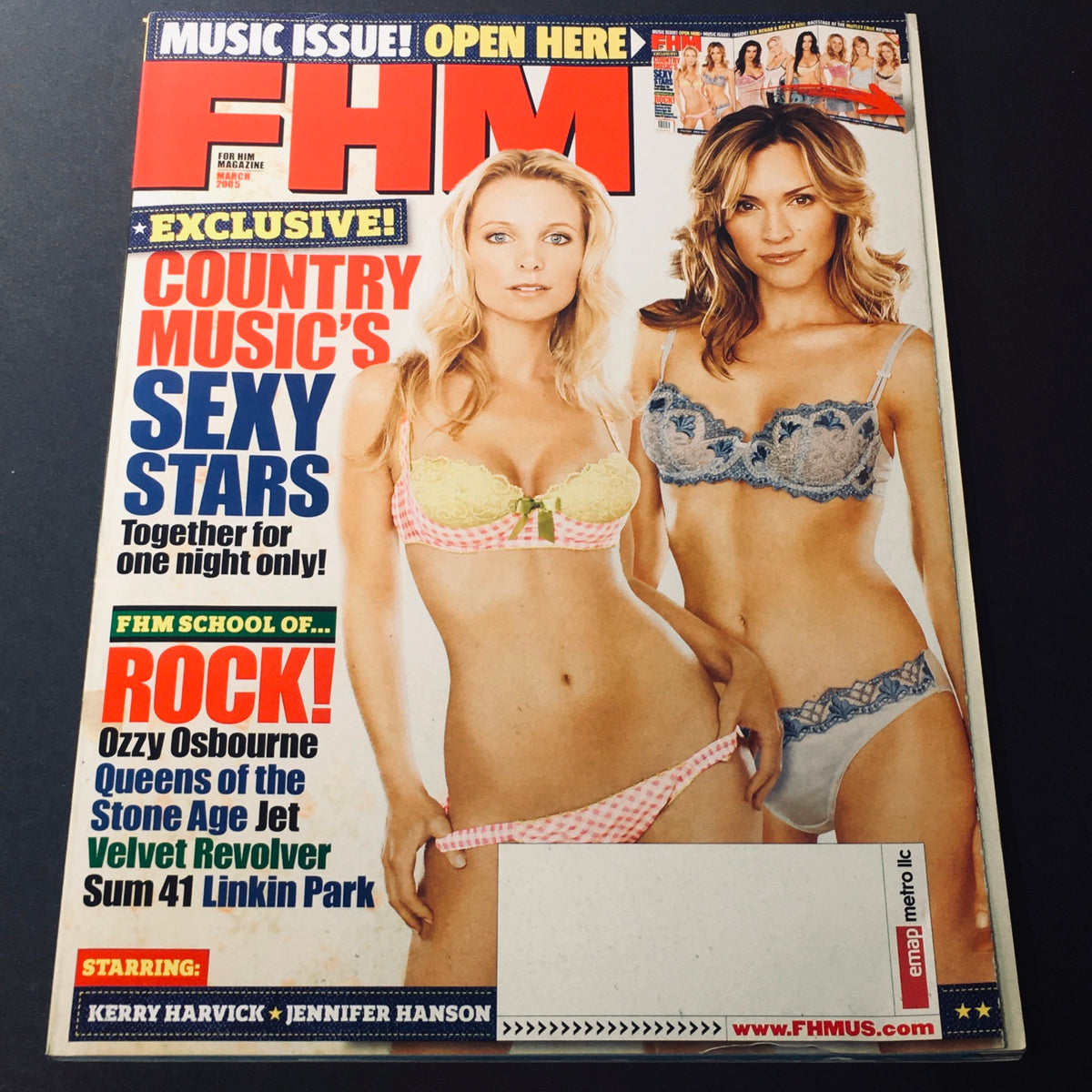
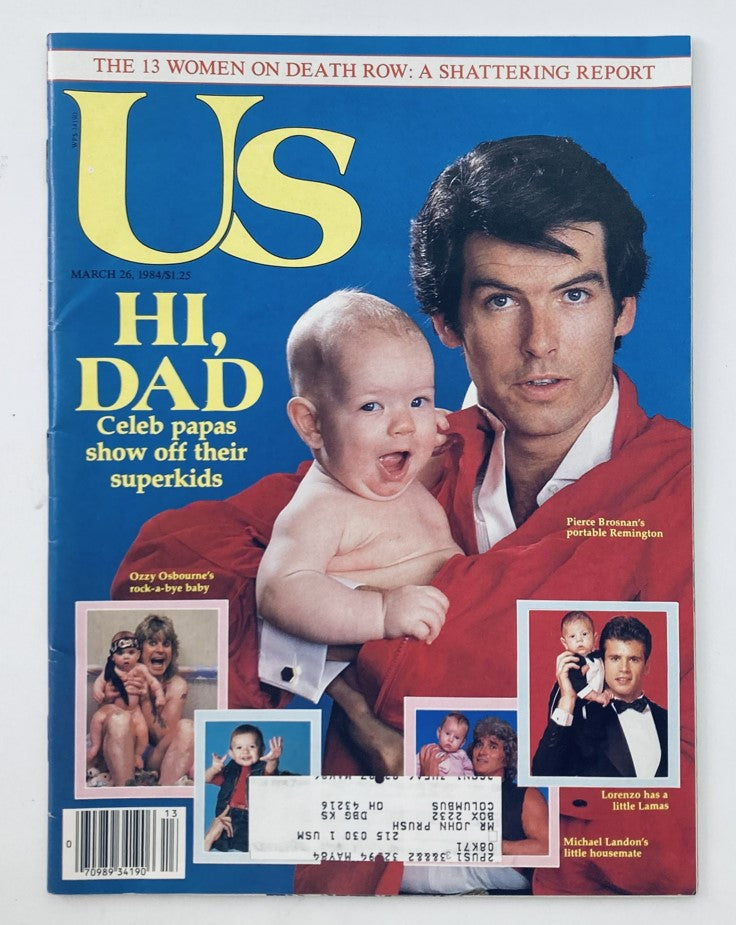
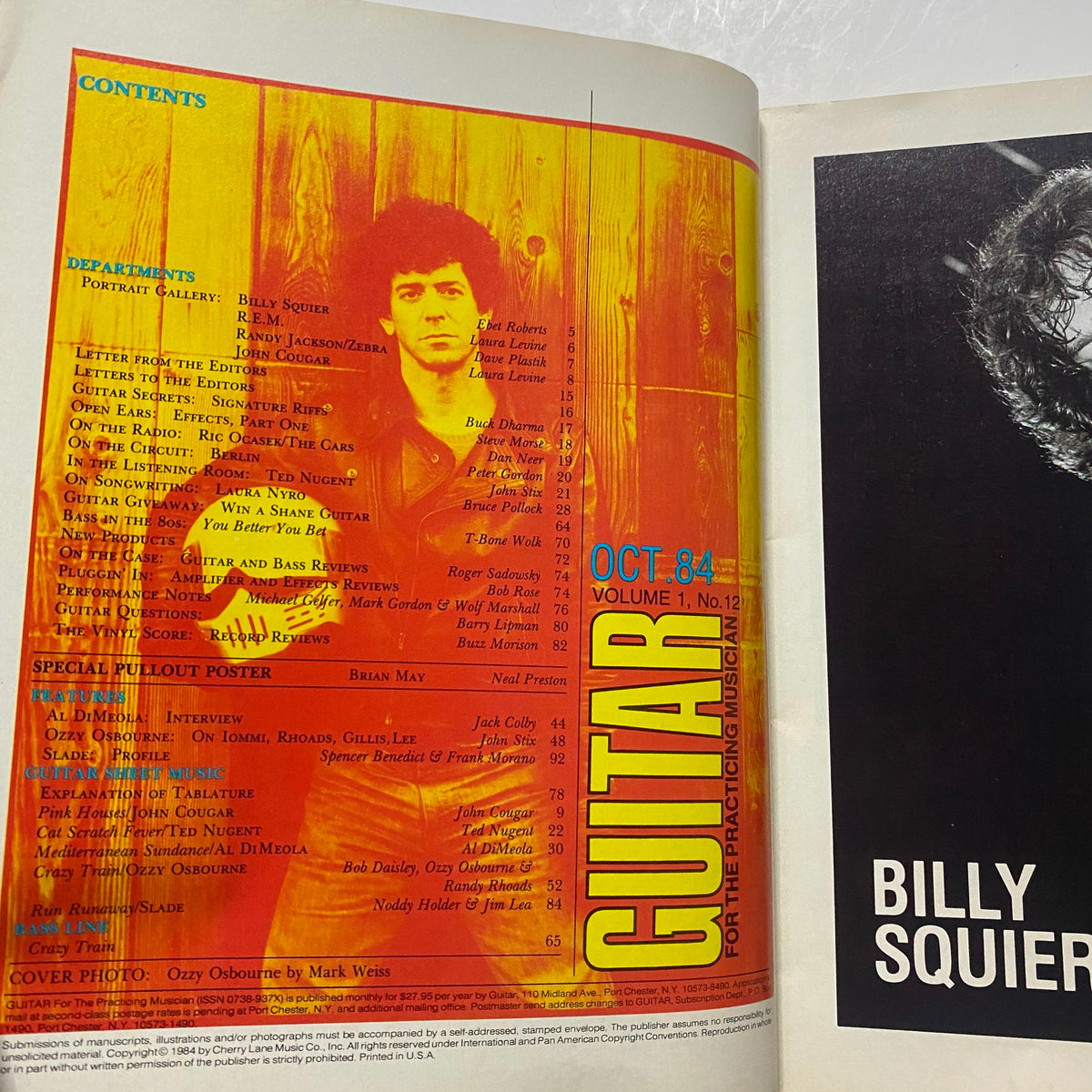
Vintage print coverage of the Prince of Darkness is a study in contradictions, and the photography reflects that tension beautifully. Early issues tend toward raw, high-contrast black-and-white concert shots — sweat-drenched, chaotic, alive with the dangerous energy of a Sabbath stage. By the mid-1980s, at the peak of his solo fame, the imagery had evolved into something more theatrical: elaborate costumes, fog machines, and the kind of maximalist rock staging that demanded a full magazine spread to contain. Kerrang!, the British weekly that became the bible of heavy metal, was among the most devoted chroniclers of his career, offering cover features and centrefold posters that became enduring artifacts of the genre's golden age. Across the Atlantic, Rolling Stone profiled him at pivotal moments — his firing from Black Sabbath, the Alamo incident, the landmark Blizzard of Ozz era — lending a legitimacy and literary weight to his story that surprised those who had written him off as a novelty. Creem, the irreverent American rock magazine known for its punk sensibility, captured him with a particular affection, treating the mayhem with a knowing, almost conspiratorial wit that resonated deeply with its young readership.
Curator's Checklist: Highlights Often Include
- Early Black Sabbath coverage (1970–1978): Features, interviews, and live photography from the band's formative years, documenting the birth of heavy metal through the eyes of the music press at a time when few critics knew what to make of them
- Solo career breakthrough features (1980–1986): Editorial spreads and cover stories tied to landmark albums such as Blizzard of Ozz and Bark at the Moon, often accompanied by dramatic studio portraiture and candid tour photography
- Tabloid and mainstream crossover moments: Issues from the early 1980s capturing the media frenzy surrounding his most notorious incidents — coverage that blurred the line between rock journalism and mainstream scandal reporting
- Retrospective and comeback narratives (late 1980s–1990s): Long-form profiles tracing his survival, sobriety, and continued relevance, often framed as redemption stories that added new layers to the public mythology
- International and European music press: British and continental European publications frequently offered perspectives unavailable in American media, including candid hometown coverage and deeply reported pieces on his cultural significance in the UK
The Collector's Value
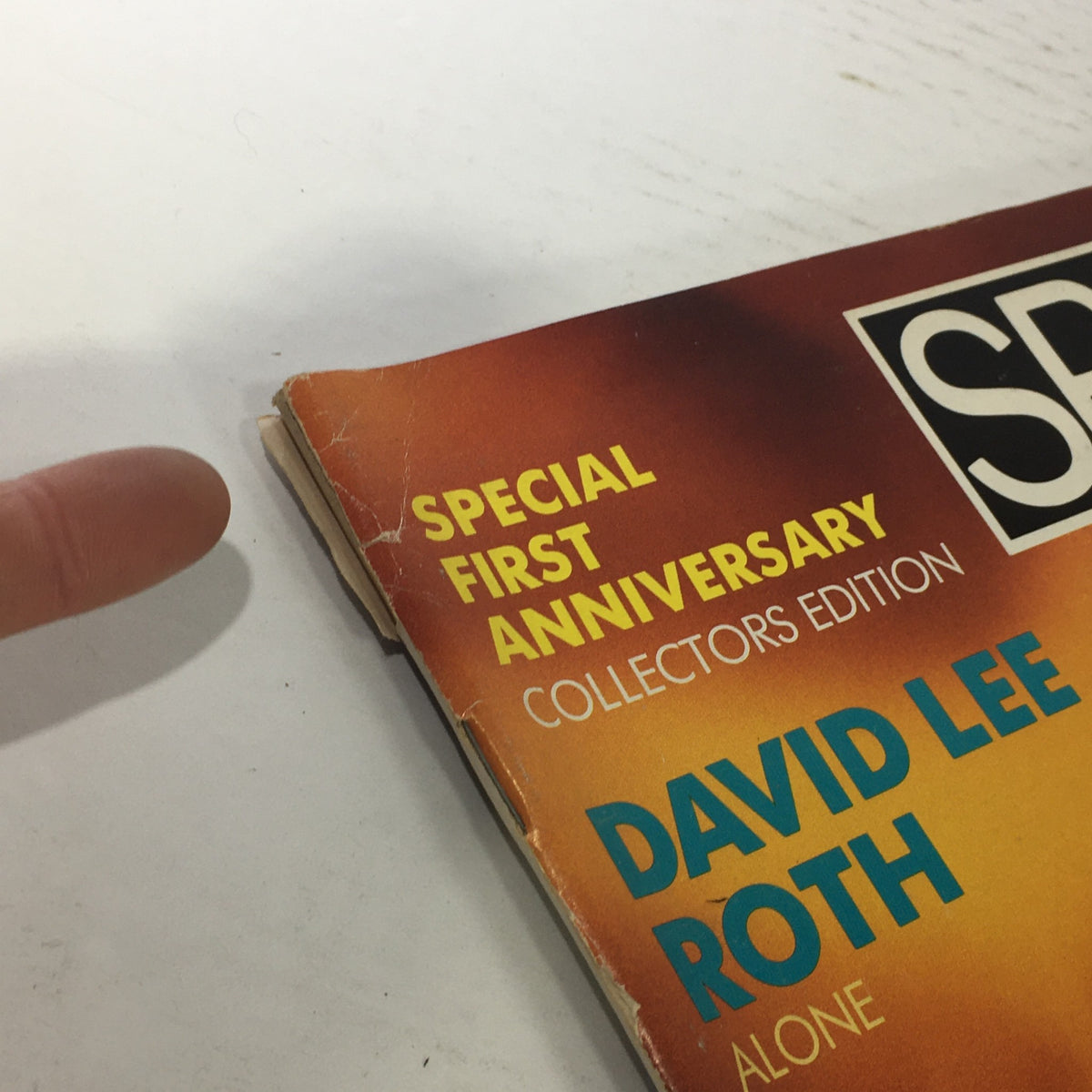
To hold a vintage magazine featuring Ozzy Osbourne is to hold a primary document of rock history — and the physical experience of that is irreplaceable. The slightly rough tooth of a 1970s newsprint page, the vivid offset printing of a 1984 Kerrang! cover, the faint, sweet-dust scent of decades-old ink that rises when you turn a page: these are sensations no digital archive can replicate, and they place you, viscerally and immediately, inside the cultural moment that produced them. The surrounding context — the advertisements for cassette decks and leather jackets, the tour announcements for bands long since disbanded, the letters pages bristling with adolescent passion — transforms each issue into a time capsule of an era as much as a document of one man's extraordinary life. For collectors of heavy metal memorabilia, classic rock history, or 20th-century counterculture ephemera, these publications offer an intimacy and authenticity that no poster, no reissue, and no streaming documentary can match. Explore the current inventory below and discover which pieces of the legend are waiting to find their next keeper.