📖 About this Collection
Pam Grier: The Queen Who Refused to Be Anything Less
The Legend & The Legacy
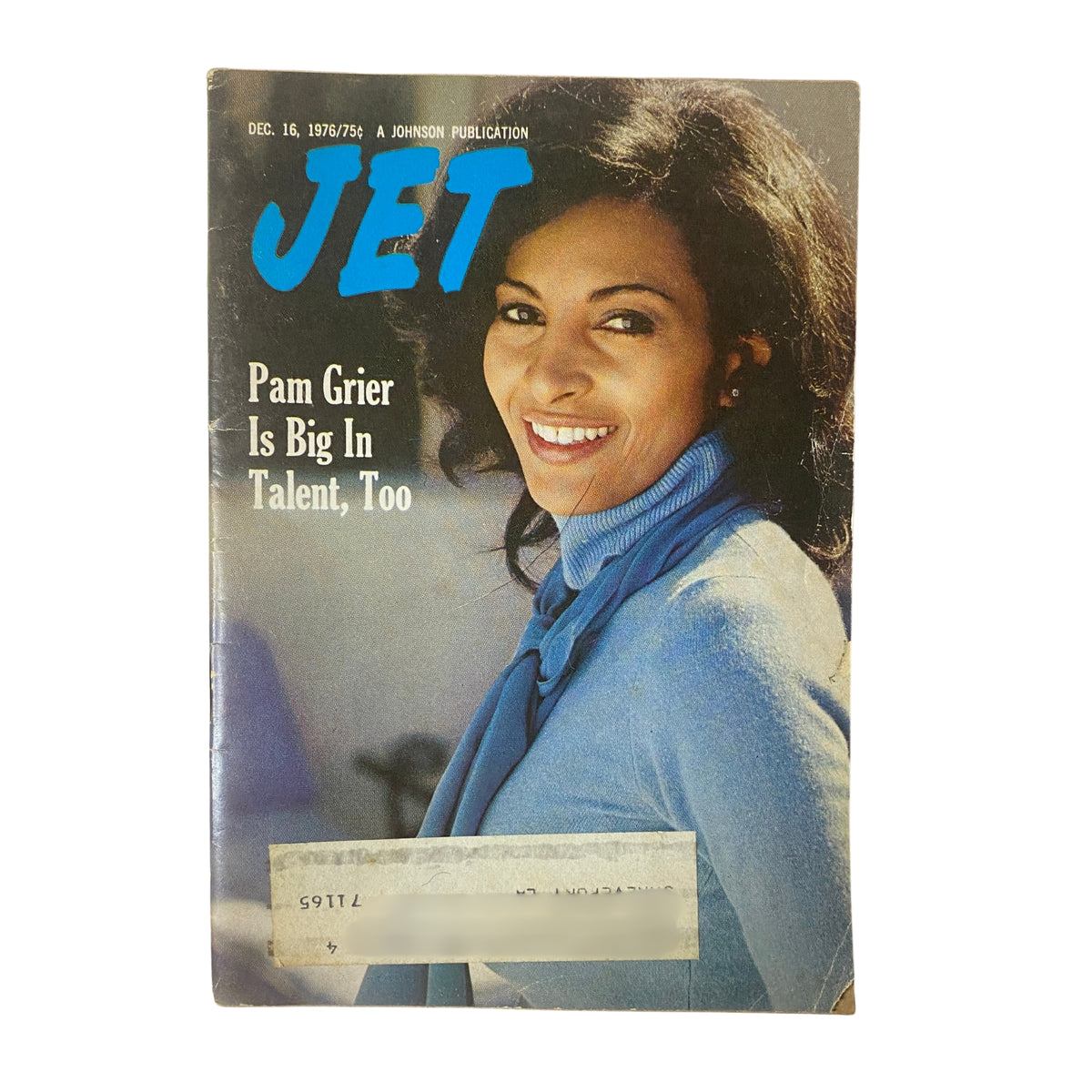
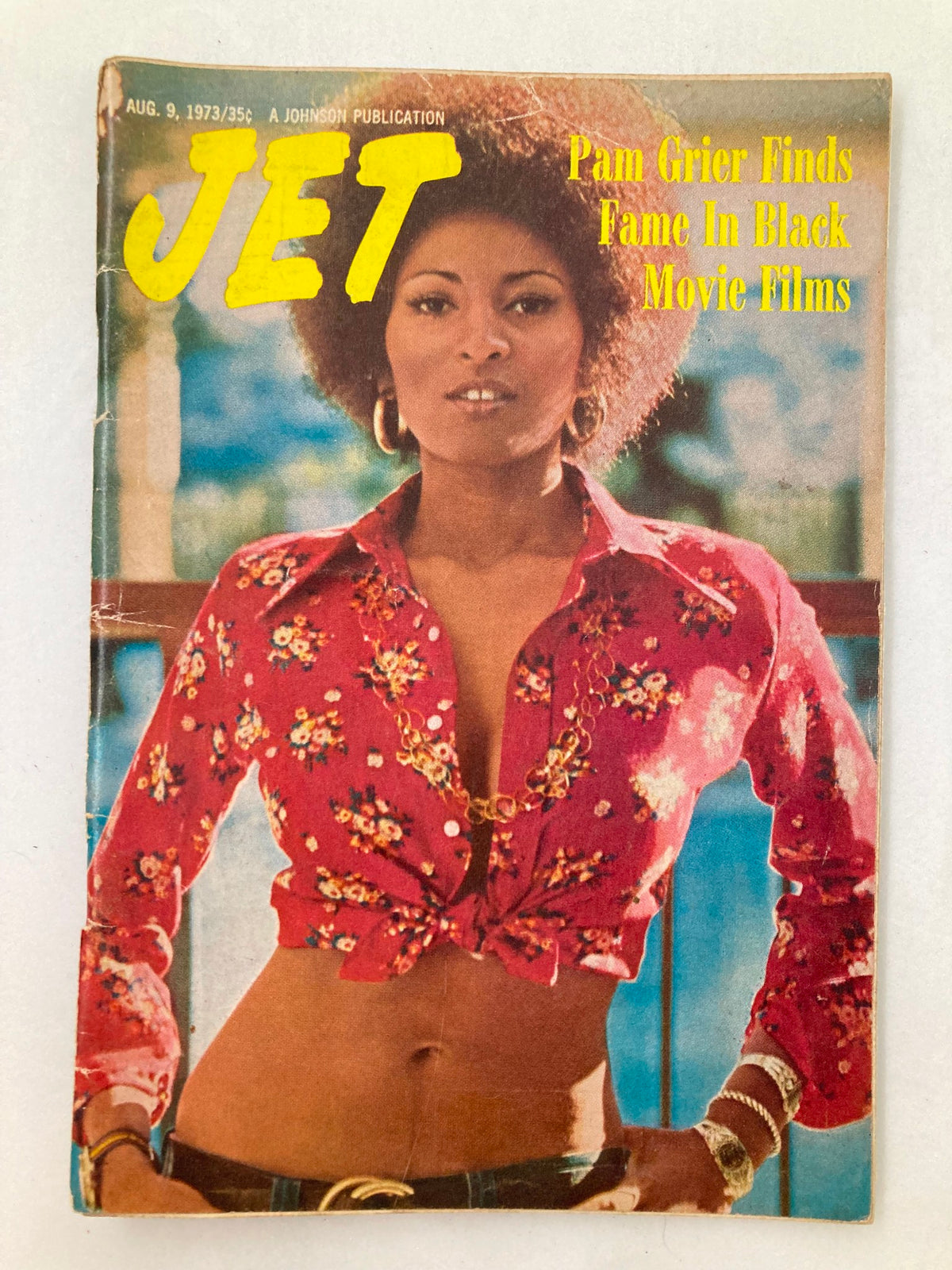
Long before the term "representation" entered the cultural conversation, Pam Grier simply was — unapologetic, magnetic, and impossible to ignore. Rising to prominence in the early 1970s through a string of independently produced action films, she became the undisputed queen of Blaxploitation cinema, a genre that was itself a cultural uprising — Black audiences finally seeing themselves as heroes, avengers, and forces of nature on the silver screen. In an era when Hollywood heroines were largely decorative and largely white, she occupied the screen with a physicality and authority that was entirely her own. Magazines were the primary vessel through which her legend traveled: to barbershops and beauty salons, to college dormitories and living room coffee tables, to newsstands in cities where her films might never even screen. For her fans, a magazine cover was not merchandise — it was a dispatch from a revolution.
Inside the Archive
The photography that defined her print presence was bold, sensual, and deliberately confrontational — images that dared the viewer to look away and made it impossible to do so. Black publications understood her significance first and most completely. Ebony and Jet chronicled her ascent with the gravity of a cultural institution documenting one of its own, their editorial tone balancing celebration with serious engagement — profiling her not merely as a sex symbol but as a working actress navigating and reshaping a hostile industry. Black Stars, the beloved 1970s fan magazine dedicated entirely to Black entertainers, featured her with a frequency that reflected her dominance of the era's popular imagination. Mainstream film and entertainment publications like Photoplay and Cinema eventually followed, often grappling — sometimes awkwardly — with how to frame a Black woman whose power was entirely self-generated and entirely her own.
Curator's Checklist: Highlights Often Include
- Early 1970s Blaxploitation-era film features — promotional coverage and interviews tied to landmark releases, capturing a moment when independent Black cinema was reshaping Hollywood from the outside in
- Ebony and Jet profile pieces spotlighting her as a breakthrough figure in American entertainment, with editorial copy that placed her career within the broader context of the Civil Rights era and Black cultural pride
- Pin-up and glamour spreads from dedicated film fan magazines of the 1970s, showcasing the iconic photography style of the era — high contrast, richly printed, and radiating the unfiltered confidence that made her a generational icon
- Late 1970s and 1980s transition coverage as she navigated Hollywood's shifting landscape, including television appearances and dramatic roles that revealed the full range of an actress the industry had long tried to reduce to a single dimension
- Quentin Tarantino-era retrospective and revival coverage from the mid-1990s, when Jackie Brown reintroduced her to a new generation and publications from Vibe to mainstream entertainment weeklies revisited and reappraised her extraordinary career
The Collector's Value
There is something irreplaceable about holding the era in your hands. A 1974 issue of Jet featuring her on the cover carries weight that no digital archive can replicate — the slightly rough texture of the newsprint stock, the warm amber that time has breathed into the page margins, the surrounding advertisements for pomades and soul records and Afro picks that place you, without apology, inside a specific and electric moment in American history. These are primary sources: unfiltered, commercial, alive with the aesthetic sensibility of their decade. The ink does not merely convey an image; it preserves a cultural argument — that this woman mattered, that these audiences mattered, that this moment was worth documenting in print and placing on a newsstand for the world to see. For collectors of 1970s cinema memorabilia, Black cultural history, or trailblazing feminist iconography, these publications offer something a poster or a streaming service never can — the tangible, time-stamped proof that the legend was recognized while it was happening. Explore our current rotating inventory below, and claim a piece of that history for your own archive.