📖 About this Collection
Pamela Anderson: The Blonde Bombshell Who Became the World's Pinup
The Legend & The Legacy
Few figures in the final decade of the twentieth century burned as brightly — or as globally — as Pamela Anderson. Rising from a small-town Canadian girl spotted on a stadium Jumbotron to the most downloaded woman on the early internet, her ascent was documented in real time by a print media industry still at the absolute height of its power. In the pre-streaming, pre-social-media world of the 1990s, magazines were the sole arbiters of celebrity, and they were utterly obsessed with her. From her breakout role on Baywatch — the most-watched television show on the planet at its peak — to her incendiary cultural presence as a Playmate, activist, and tabloid fixture, the story of Pamela Anderson was told, retold, and mythologized through glossy pages and newsstands from Los Angeles to London to Tokyo. She was not merely famous; she was a phenomenon that the print world could not look away from.
Inside the Archive
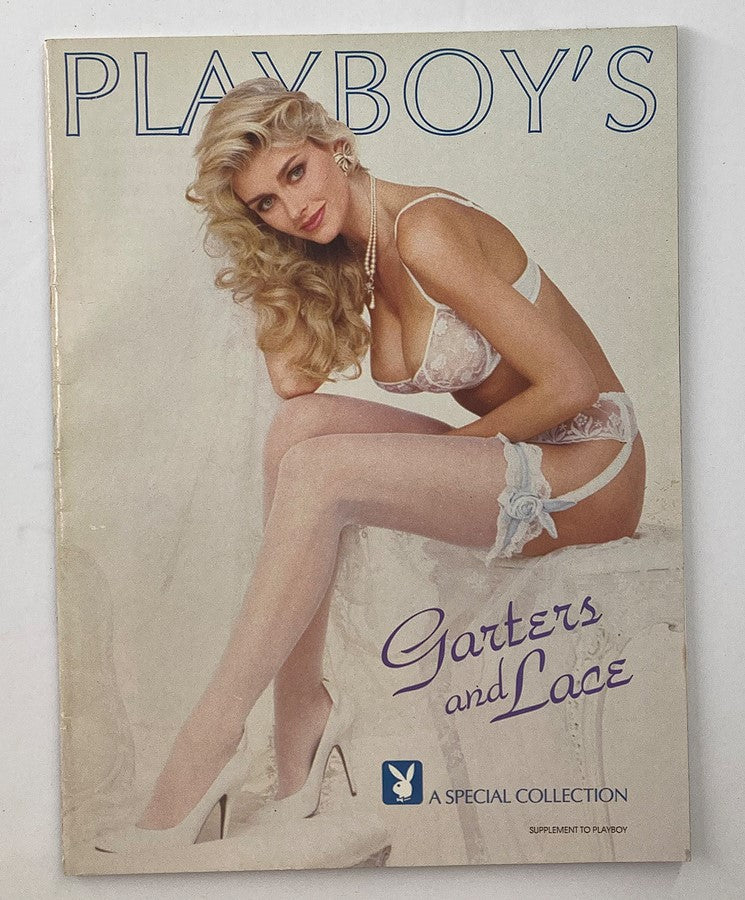
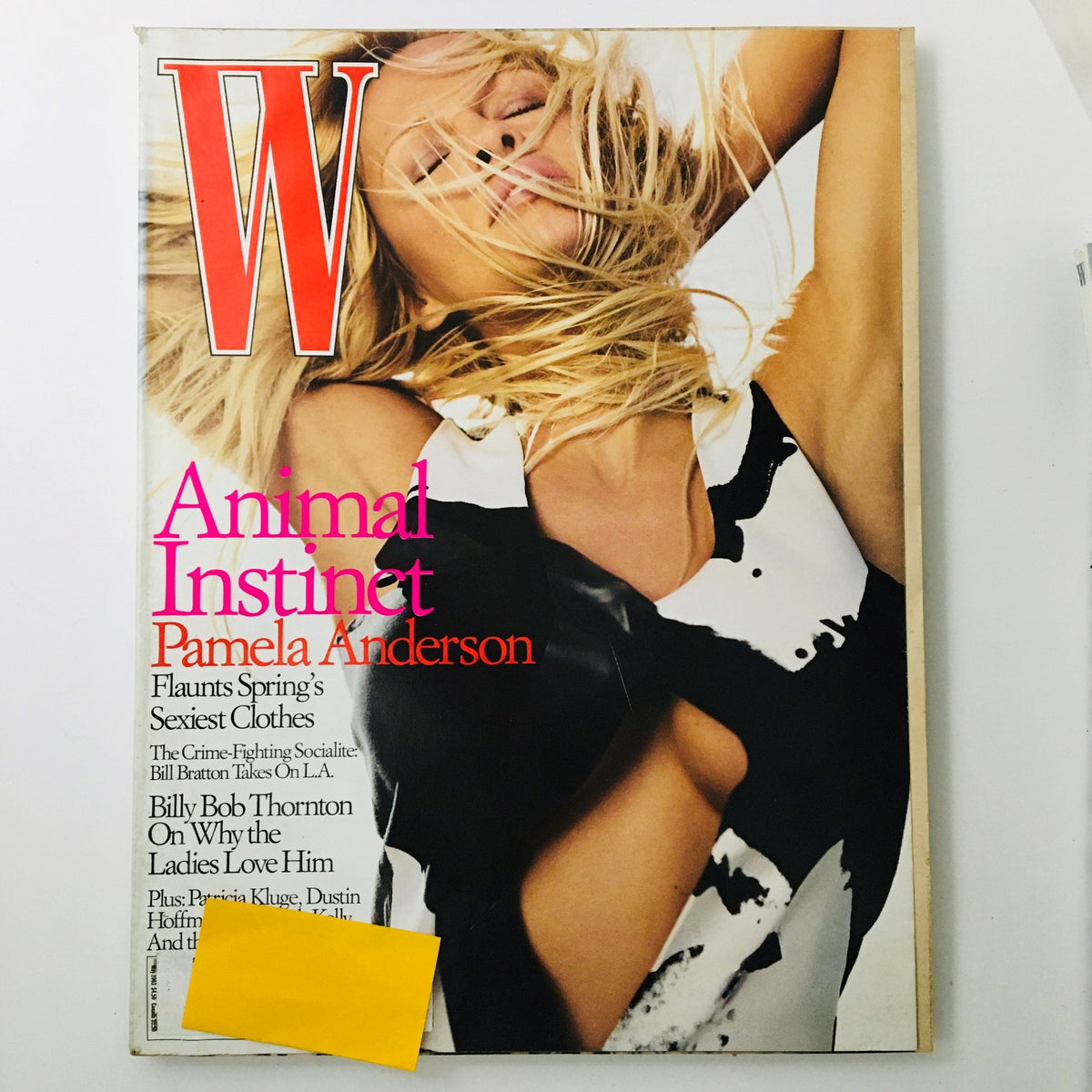
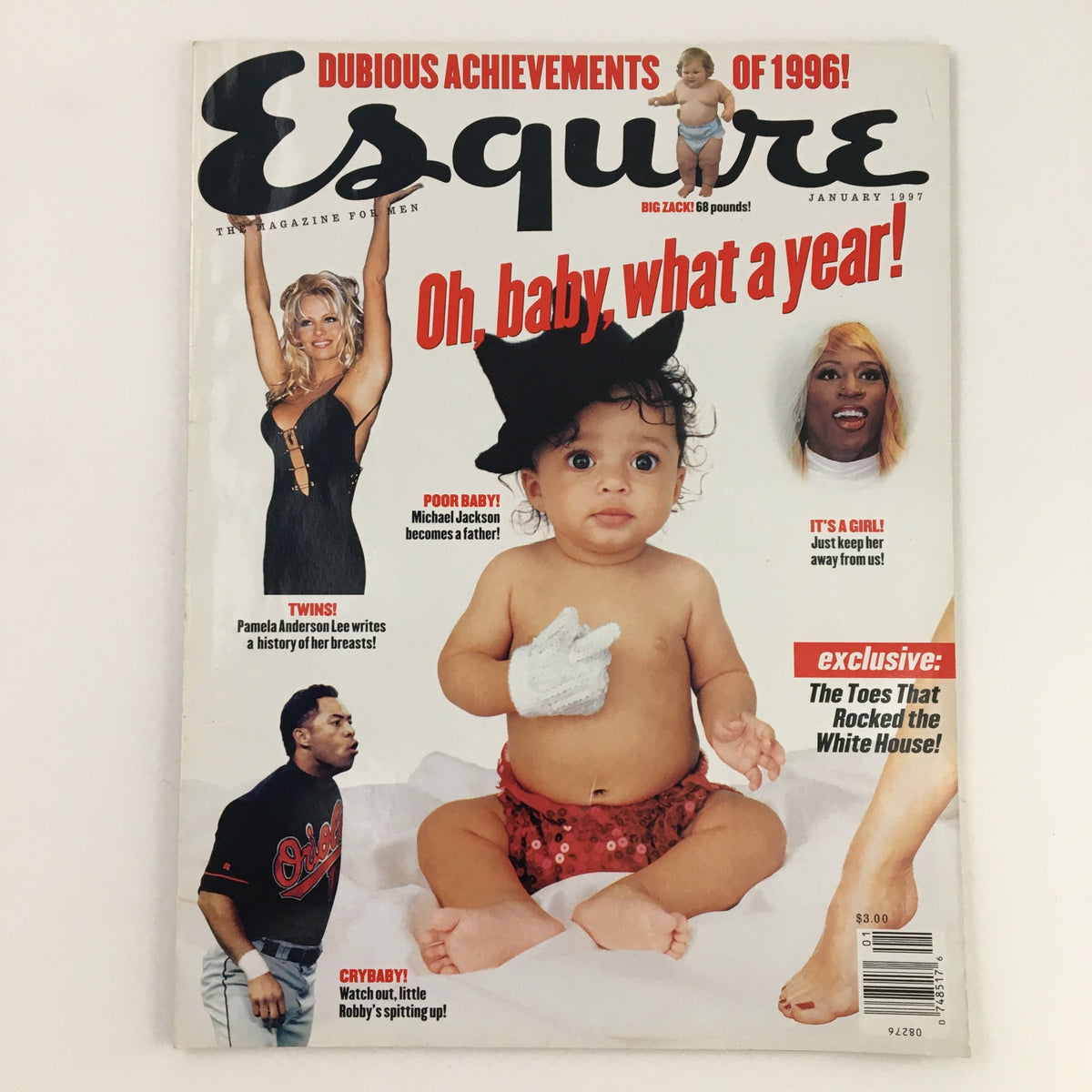
Vintage magazines of the late 1980s through the 2000s treated Pamela Anderson as both muse and spectacle, capturing her in a visual language that was uniquely of its era — sun-drenched, unfiltered, and brazenly bold. Photographers leaned into her larger-than-life persona: the slow-motion beach run, the red swimsuit, the platinum wave of hair against a California sky. Playboy, with which she holds a record-breaking relationship across multiple covers, documented her transformation from fresh-faced Playmate of the Month to international icon across dozens of issues spanning nearly two decades. People magazine chronicled the more turbulent chapters — her marriages, her legal battles, her outspoken animal rights advocacy for PETA — with the breathless intimacy of a nation that genuinely could not stop watching. Meanwhile, international editions of FHM and Maxim, then at the zenith of their cultural dominance, treated her as the defining cover star of the lad-mag era, their editorial tone oscillating between reverence and irreverence in equal measure. The photography across all these publications reflects a specific, unrepeatable moment in pop culture — analog warmth, saturated color, and an earnestness that digital media has never quite replicated.
Curator's Checklist: Highlights Often Include
- Baywatch-era feature spreads from entertainment and lifestyle magazines circa 1992–1998, often showcasing on-set photography and interviews about her meteoric rise to global recognition
- Playboy collector's issues, including rumored anniversary editions and retrospectives celebrating her unprecedented multi-decade relationship with the publication
- PETA campaign coverage in news weeklies and entertainment magazines, documenting her evolution into one of Hollywood's most prominent and provocative animal rights activists
- International magazine covers — particularly from European and Australian markets, where her celebrity commanded enormous newsstand real estate and where coverage often differed markedly in tone from its American counterparts
- Tabloid-adjacent glossies and gossip weeklies from the mid-1990s through early 2000s capturing the headlines — the Tommy Lee marriage, the legal controversies, the reinventions — as they unfolded in raw, unmediated print
The Collector's Value
To hold one of these magazines is to hold a physical artifact of a cultural moment that can never be reconstructed — the weight of the coated paper stock, the faint petroleum richness of decade-old ink, the surrounding advertisements for long-discontinued perfumes and obsolete electronics that place you unmistakably in 1994 or 1997 or 2002. These are not reprints or digital scans; they are primary sources, the very objects that sat on coffee tables and barbershop shelves and airport newsstands while the world was actively, breathlessly consuming the story of one of its most iconic figures. For collectors of 1990s pop culture memorabilia, Baywatch and television history, or feminist and cultural studies of the male gaze and celebrity womanhood, these publications offer an irreplaceable window into how a singular woman was packaged, projected, and perceived at the apex of print media's cultural authority. Explore our current rotating inventory below and discover which pieces of this remarkable archive are available today.