📖 About this Collection
Patrick Swayze: The Last Romantic — Muscle, Grace, and the Ghost of a Generation
The Legend & The Legacy
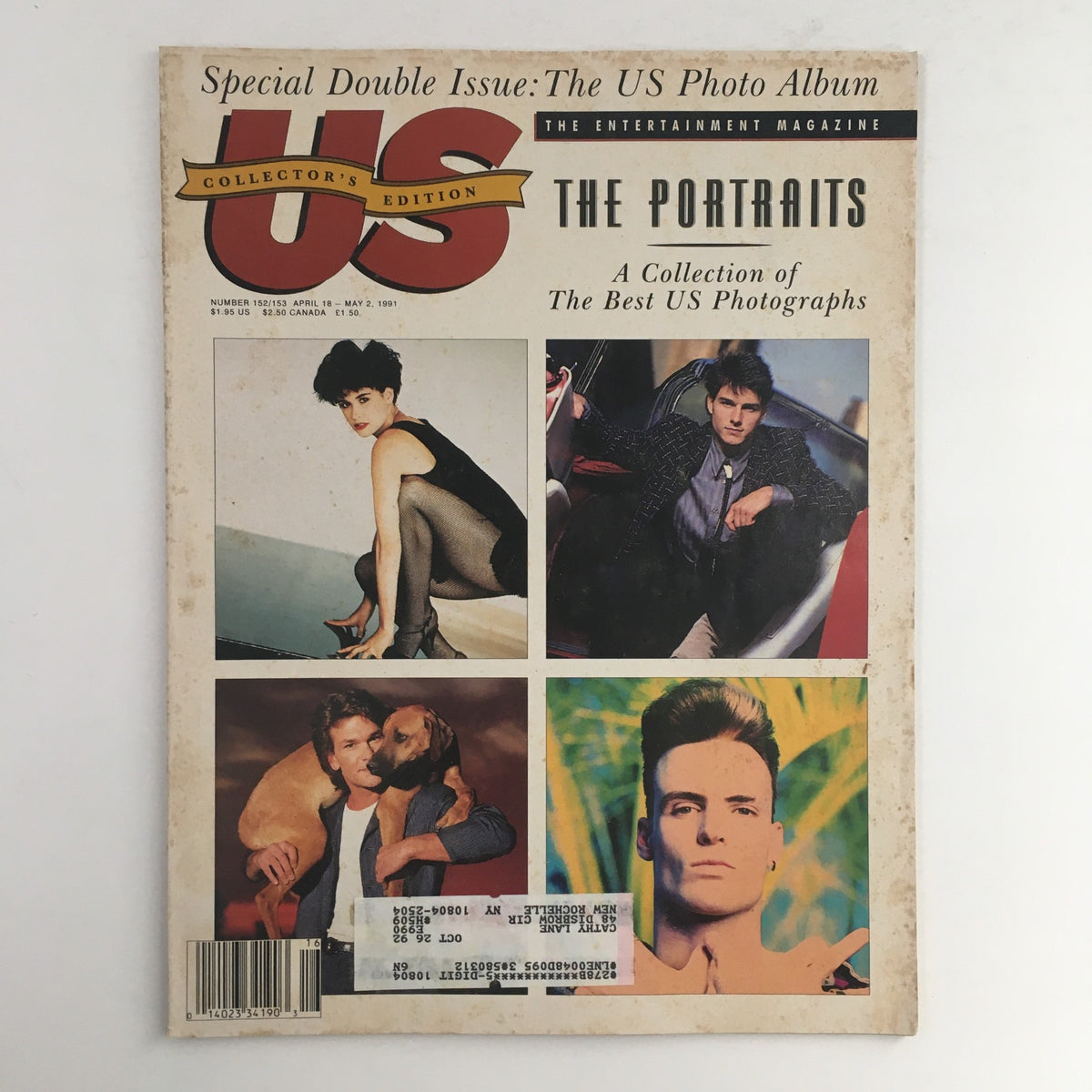
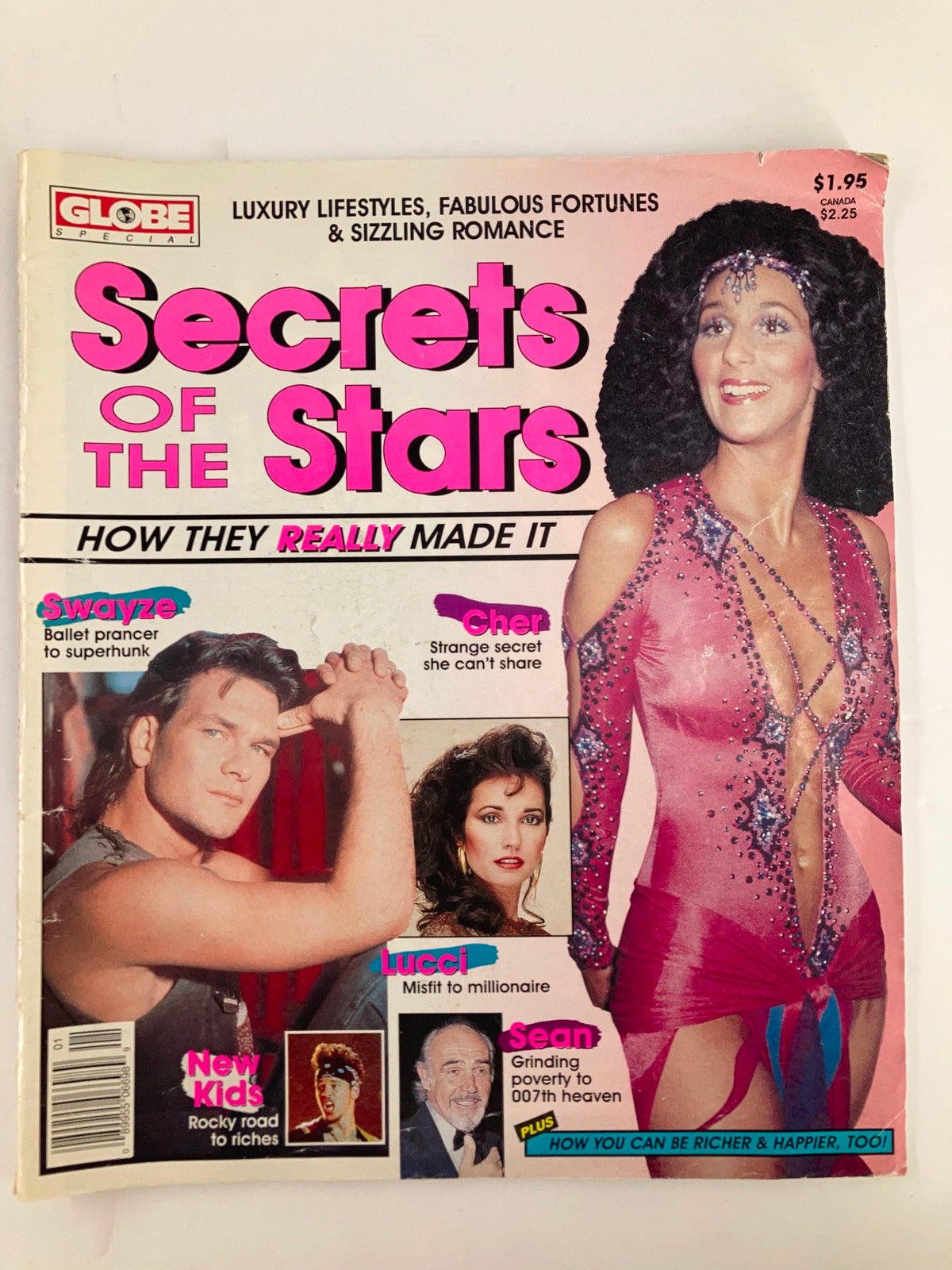
In an era before streams and algorithms decided what the world would watch, Patrick Swayze became a phenomenon the old-fashioned way — one darkened cinema at a time, one glossy cover at a time. From his breakout as the brooding Darry Curtis to the leather-jacketed sovereignty of Dirty Dancing and the sunburned mythology of Point Break, he occupied a singular space in late 20th-century popular culture: a man who could fight, dance, and cry on screen without apology. Audiences did not simply admire him — they projected onto him, debated him, and devoured every printed word written about him. In the pre-internet world of the late 1980s and early 1990s, the magazine rack was the only place fans could find him between films, and publishers knew it. His face sold issues. His story — the trained dancer turned action hero, the Texas boy turned global icon — was irresistible copy, and the print media industry capitalized on every chapter of it.
Inside the Archive
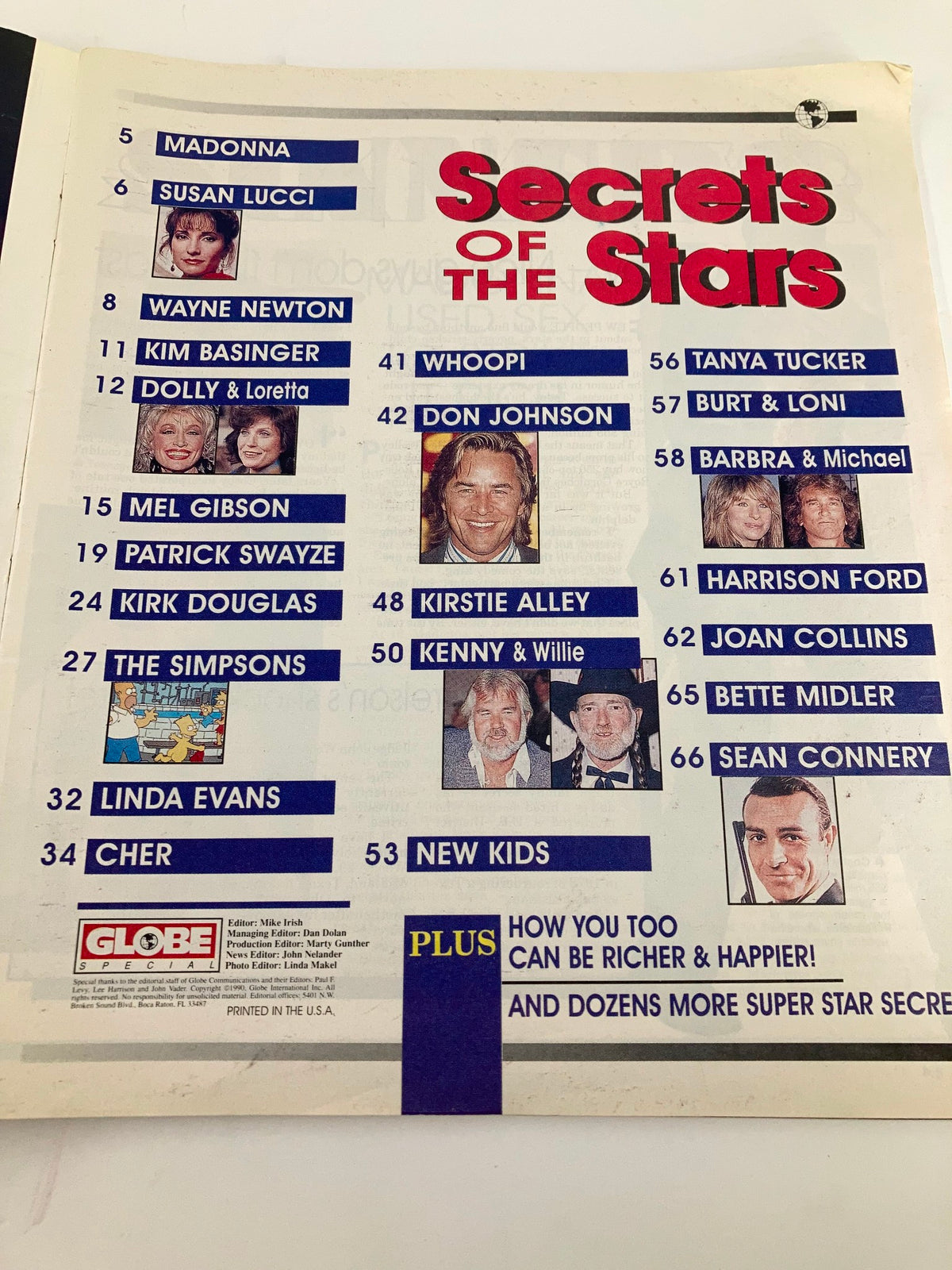
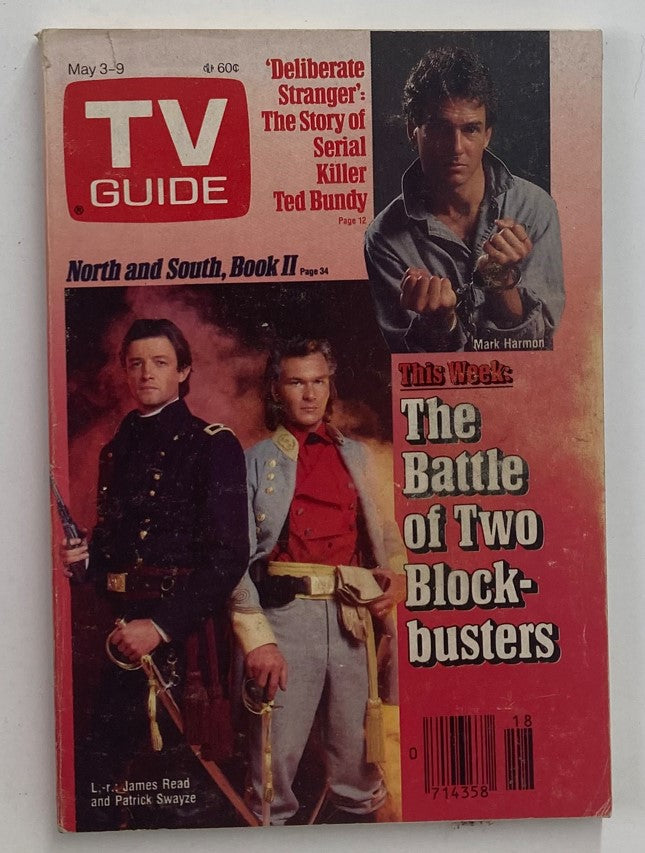
The coverage of this era's most unlikely superstar was as varied as his range. Entertainment weeklies and celebrity monthlies ran feature spreads captured by Hollywood's top photographers, often shot in moody natural light that played to the athleticism and sensitivity he projected in equal measure — shirtless on a beach, mid-movement in a rehearsal studio, or fixed in a direct, searching gaze that seemed to challenge the lens itself. People magazine chronicled his meteoric rise with the kind of breathless warmth it reserved for figures who felt genuinely beloved rather than merely famous, while Rolling Stone applied a sharper, more analytical lens to his crossover from dance films to surf-and-adrenaline cinema. International titles such as Paris Match and Bravo — the German youth and entertainment giant — gave him enormous coverage across Europe, where Dirty Dancing and Ghost ignited a fandom that rivaled anything seen stateside. The editorial tone across publications consistently returned to the same paradox that made him so compelling: here was a man of physical power who was unafraid of tenderness, and the press never quite got over it.
Curator's Checklist: Highlights Often Include
- Peak-era entertainment features (1987–1991): Issues tied to the releases of Dirty Dancing, Road House, Ghost, and Point Break frequently generated cover stories and multi-page pictorials that now represent the most sought-after material in this category.
- Dance and body culture coverage: Given his background with the Joffrey Ballet and his choreography-driven early career, fitness and arts-adjacent publications of the late 1980s often profiled him in ways that straddled the line between athletic profile and cultural essay.
- Awards season and Hollywood roundups: Collectors often find his name and image woven into broader Oscar and Golden Globe coverage from the early 1990s, particularly around Ghost's extraordinary commercial and critical run.
- International editions and foreign-language issues: European and Latin American entertainment magazines of this period frequently ran exclusive interviews and photoshoots not replicated in their American counterparts, making these issues especially rare and distinctive.
- Later career and personal narrative coverage: Publications from the mid-1990s through the 2000s often featured reflective, long-form profiles as he navigated Hollywood's shifting landscape — candid, occasionally raw, and historically significant as documents of a star in evolution.
The Collector's Value
There is something irreplaceable about holding the actual magazine that landed on newsstands the week Ghost became a cultural sensation — feeling the slight give of the coated paper stock, catching the faint ghost of ink and wood pulp that no digital archive can replicate, and finding, tucked between the pages, the period advertisements for perfumes and cars and soft drinks that place you, with uncanny precision, inside a specific and vanished moment in time. These are not reprints or facsimiles. They are primary sources — artifacts of a media landscape that shaped how tens of millions of people understood fame, beauty, and storytelling. For collectors of 1980s and 1990s Hollywood memorabilia, devotees of dance and physical performance culture, or those who curate the broader history of American popular cinema, these publications offer an unfiltered window into the era as it was actually lived and consumed. Explore the current available inventory below and discover which pieces of that world are waiting to come home with you.