📖 About this Collection
Penny Marshall: The Woman Who Made America Laugh — Then Made It Listen
The Legend & The Legacy
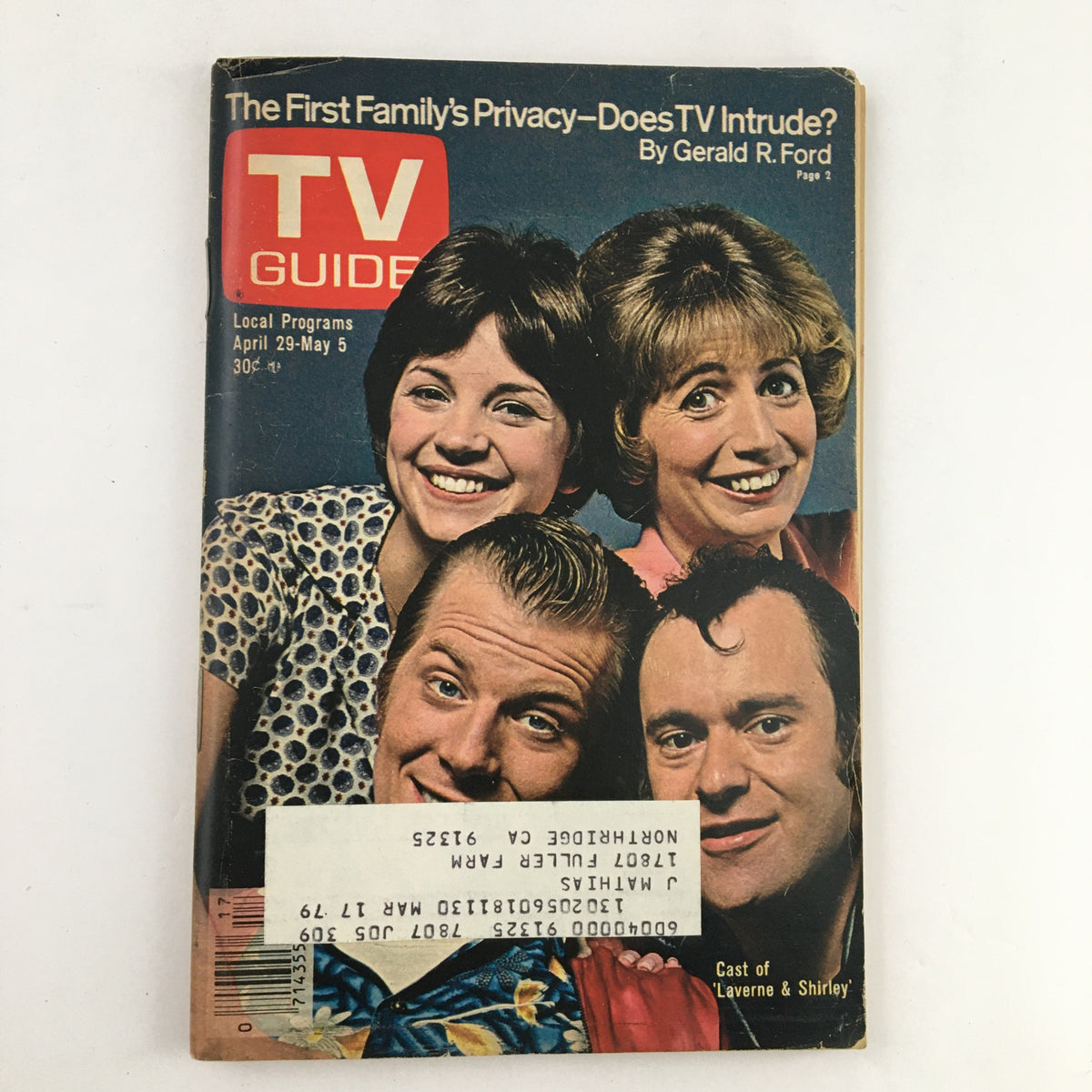
Before streaming algorithms and viral clips, America fell in love with Penny Marshall the old-fashioned way — week by week, in living rooms, through the warm glow of a cathode-ray television set. As the lovably sardonic Laverne DeFazio on Laverne & Shirley, she became one of the most-watched women in the country during the late 1970s, helping ABC dominate primetime in an era when Nielsen ratings were the only scoreboard that mattered. But the arc of her public life did not end at the studio lot. When she stepped behind the camera, she shattered one of Hollywood's most stubborn glass ceilings — becoming the first female director to helm a film that crossed the $100 million mark at the domestic box office, with Big in 1988, followed swiftly by the emotionally shattering Awakenings and the culturally defining A League of Their Own. In an age when celebrity was mediated entirely through print, her journey from Bronx girl to Hollywood powerhouse was chronicled, debated, and celebrated across the glossy and ink-stained pages of the American magazine industry.
Inside the Archive
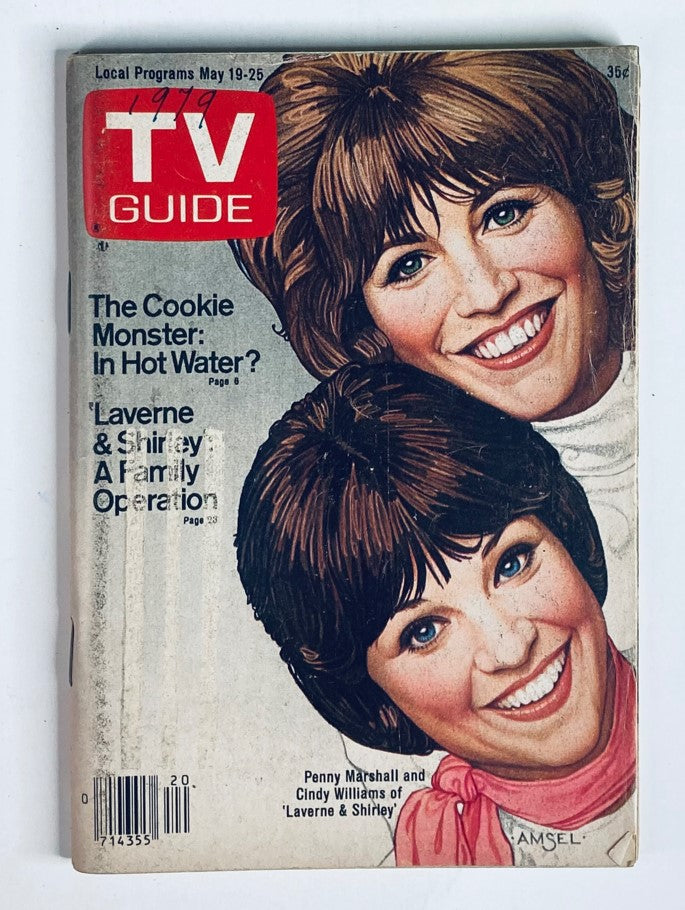
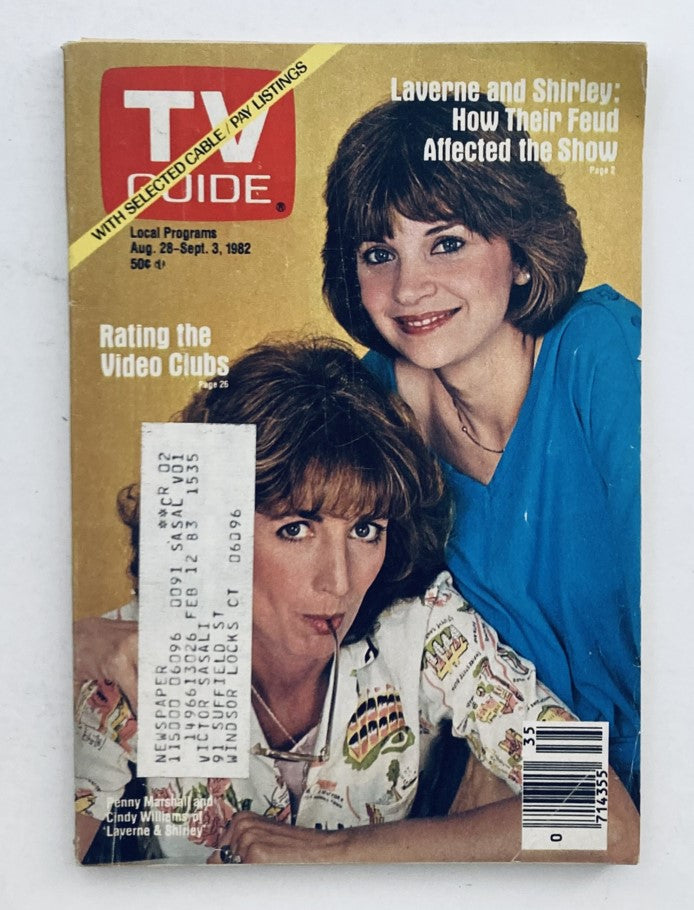
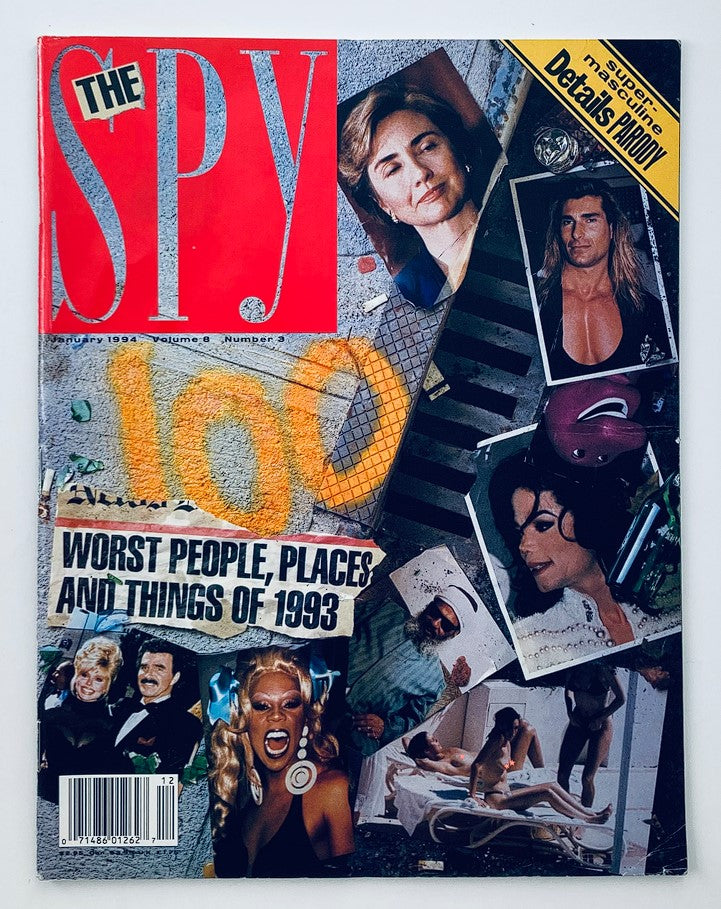
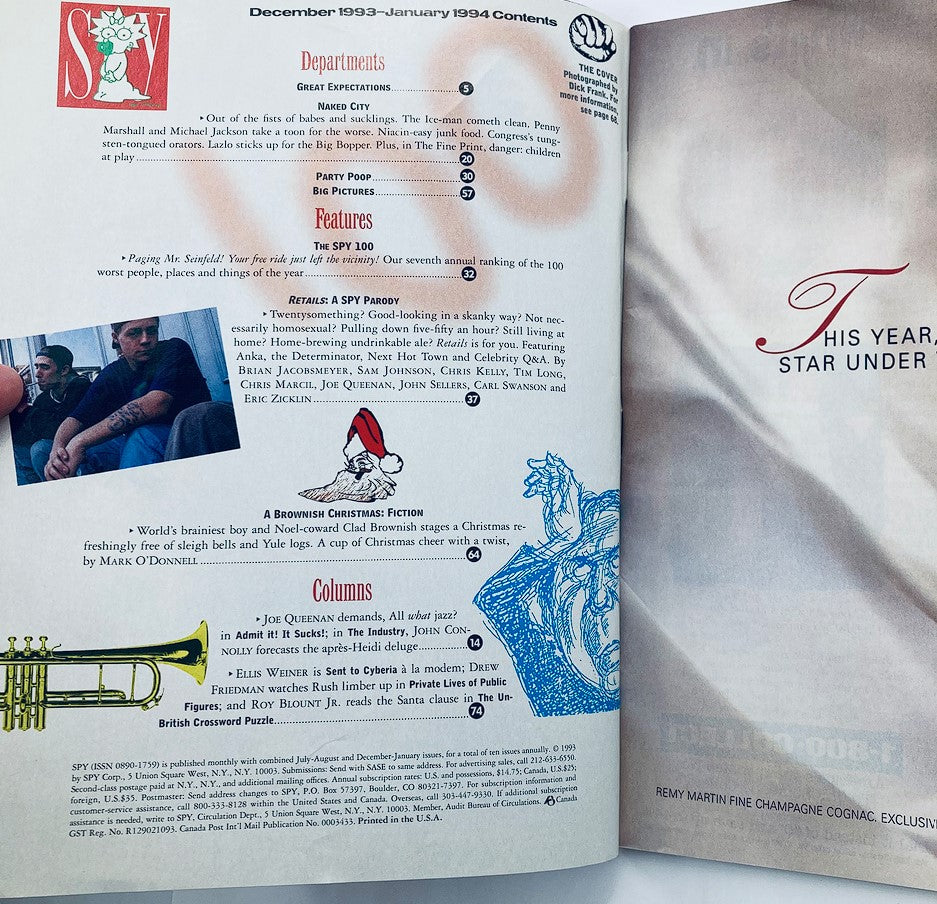
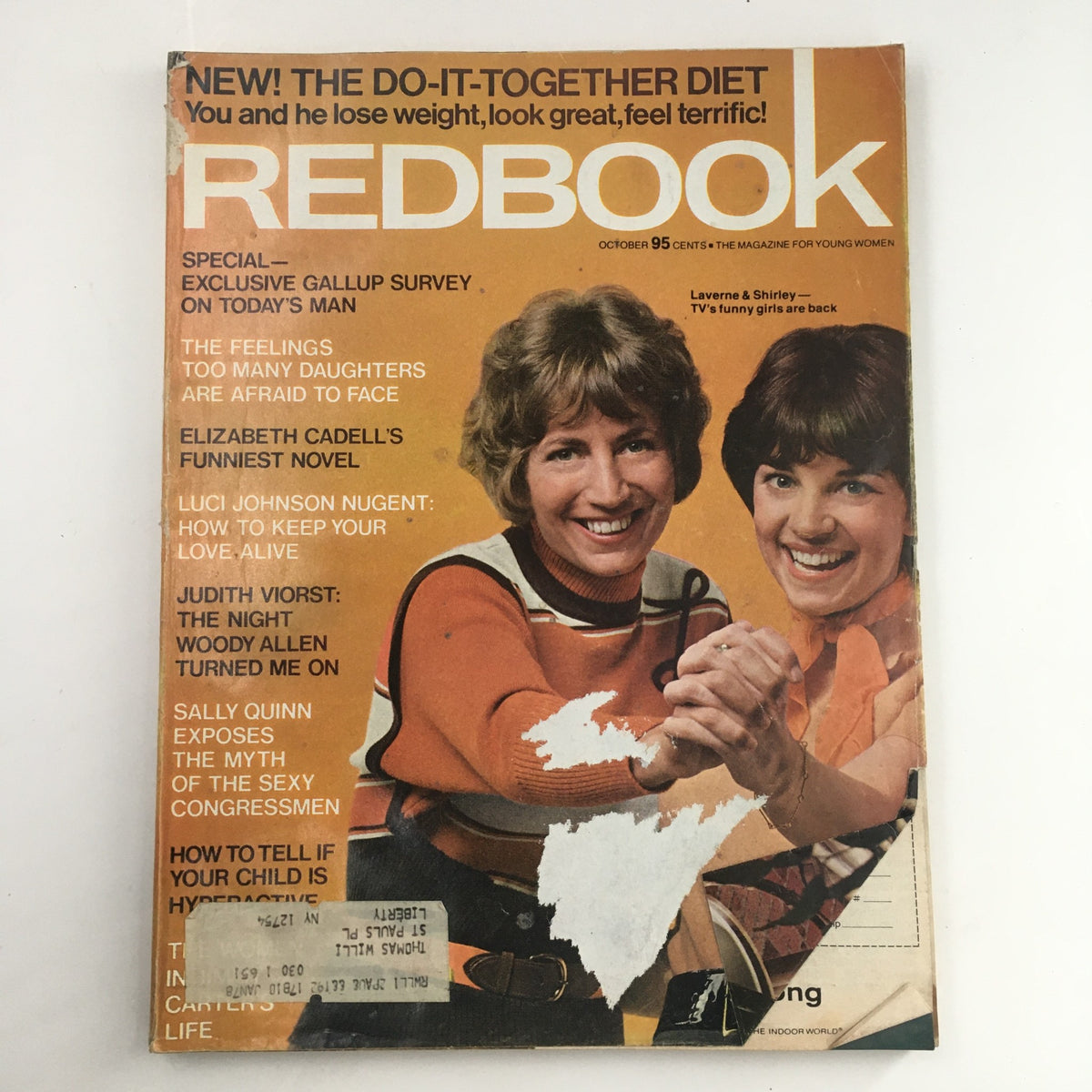
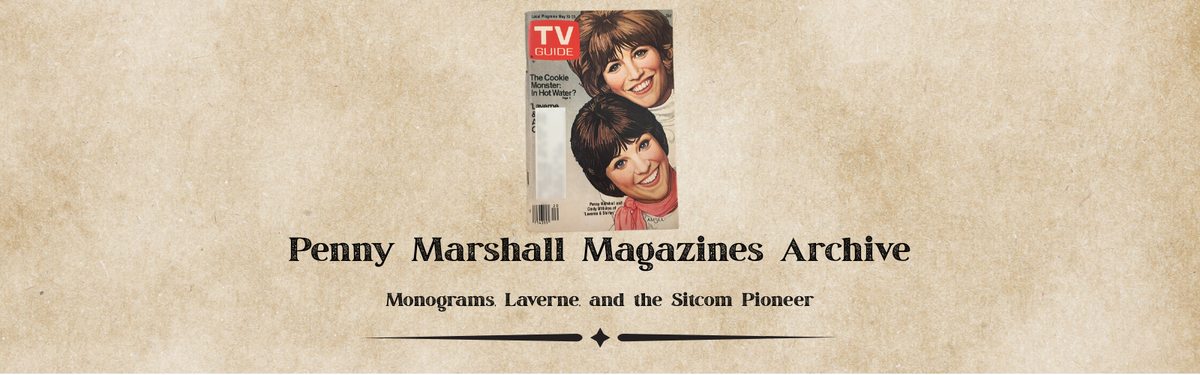
The magazine coverage of this New York-born trailblazer reflected the dual chapters of her public life with striking tonal contrast. During her television years, the editorial approach was warm and comedic — spreads in TV Guide captured her with the disarming physical comedy and self-deprecating charm that made Laverne a national sweetheart, often photographed alongside her on-screen partner Cindy Williams in the kind of relaxed, playful two-shots that defined late-70s celebrity portraiture. As she transitioned into directing, the framing shifted considerably; publications like Rolling Stone and People began treating her as a serious cultural force, running longer, more contemplative profiles that grappled with what her success meant for women in an industry notoriously hostile to female ambition. Entertainment Weekly, in its formative years, positioned her as a barometer of mainstream Hollywood's evolving identity, while women's interest publications celebrated her as proof that reinvention was not only possible — it was powerful. The photography evolved alongside the narrative: gone were the slapstick publicity stills, replaced by director's-chair portraits and on-set candids that conveyed authority, humor, and hard-won gravitas in equal measure.
Curator's Checklist: Highlights Often Include
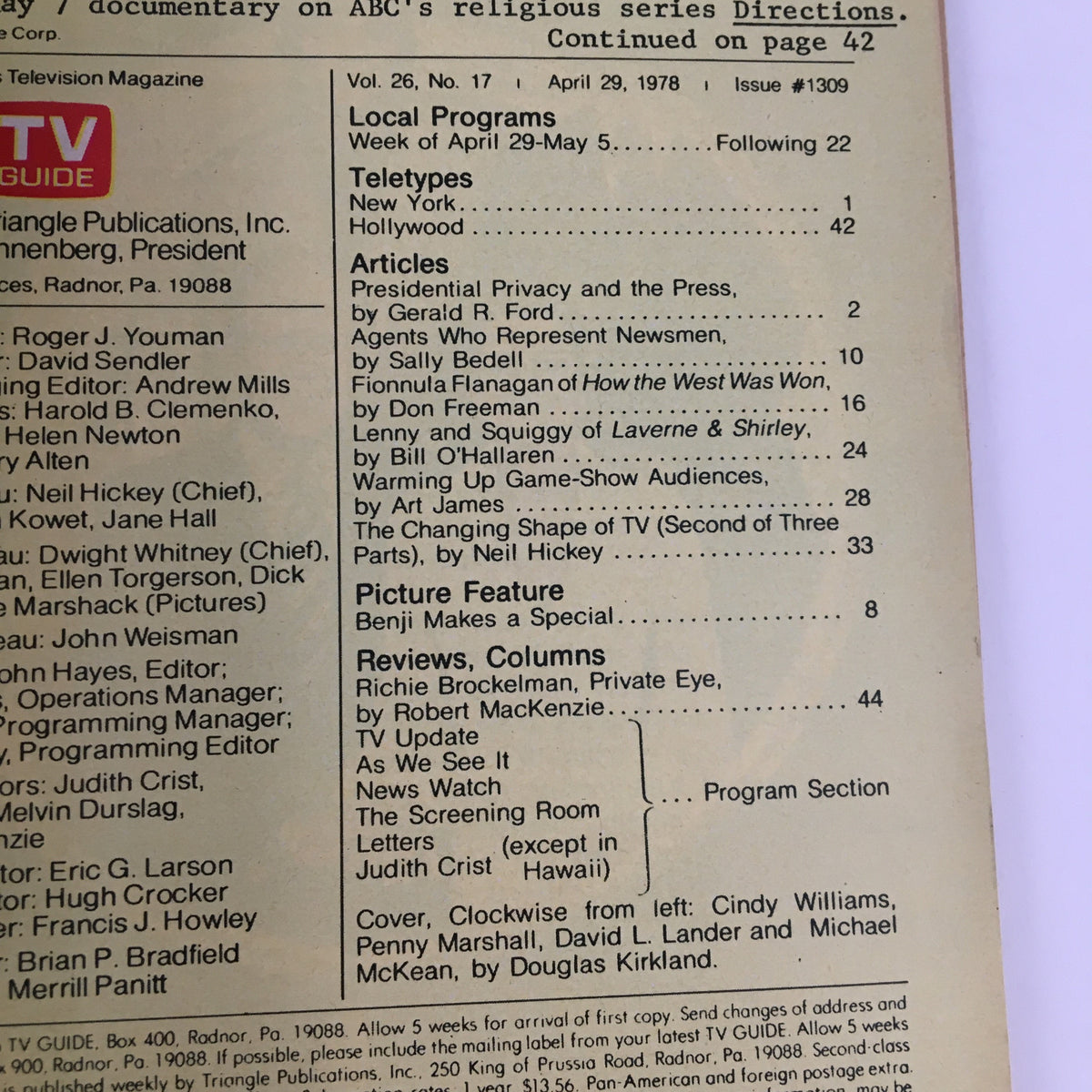
- Laverne & Shirley cast features and season previews — television weeklies and entertainment monthlies from the mid-1970s through the early 1980s frequently ran promotional spreads timed to season premieres, often featuring behind-the-scenes photography from the Paramount lot
- Breakthrough director profiles — following the release of Big in 1988, collectors often encounter in-depth career retrospectives and think-pieces in entertainment and general interest magazines examining what her box-office triumph meant for women in Hollywood
- Human interest and personal profile pieces — coverage of her Bronx upbringing, her marriage to and divorce from Rob Reiner, and her close friendships with figures like Carrie Fisher surfaced regularly in personality-driven publications throughout the 1980s and 1990s
- A League of Their Own era features — the 1992 film generated a notable wave of magazine coverage touching on themes of women, sports, wartime America, and nostalgia, with the director frequently interviewed alongside cast members
- Year-end and decade retrospective issues — as the 1980s and 1990s were catalogued by editors looking back at the decade's cultural landmarks, her name appeared consistently in lists celebrating women who reshaped American entertainment
The Collector's Value
There is something irreplaceable about holding a decades-old magazine that carried her story to millions of readers in real time — the slightly rough texture of the newsprint beneath your fingertips, the faint, distinctive perfume of aged ink and paper stock that no digital archive can replicate, the charming dissonance of a Pan Am advertisement or a Sears catalog insert framing an interview with one of television's biggest stars. These are not reproductions or commemorative reprints; they are primary sources, frozen moments of cultural consensus that tell us not only who she was, but who we were when we were watching, reading, and cheering for her. For collectors of classic American television memorabilia, Golden Age Hollywood history, or feminist cultural milestones, these publications offer an intimate and tactile connection to a woman whose influence was felt far beyond any single screen. Browse the current inventory below and discover which pieces of that history are waiting to find their next keeper.