📖 About this Collection
Peter Falk: The Rumpled Genius in the Rain-Soaked Coat
The Legend & The Legacy
Long before streaming algorithms and binge culture, there was a singular figure who commanded the television screen with an artful dishevelment that felt utterly revolutionary — a glass eye, a battered Peugeot, and a half-finished cigar became the most recognizable props in American living rooms. Peter Falk arrived in an era when a hit television series meant the entire nation tuned in at the same hour, and Columbo was precisely that kind of cultural event. His portrayal of the deceptively bumbling Los Angeles detective wasn't merely popular entertainment; it was a weekly ritual, a shared national experience absorbed through the glow of cathode-ray tubes and discussed the following morning at kitchen tables and office water coolers across the country. Print media was the only mechanism through which fans could extend that experience — through profiles, interviews, and behind-the-scenes photography published in the pages of magazines that landed on doorsteps and filled barbershop waiting rooms. He was also a serious actor of the stage and silver screen, twice nominated for the Academy Award before Columbo made him immortal, which gave the press rich, layered material that spanned decades of genuine artistic evolution.
Inside the Archive
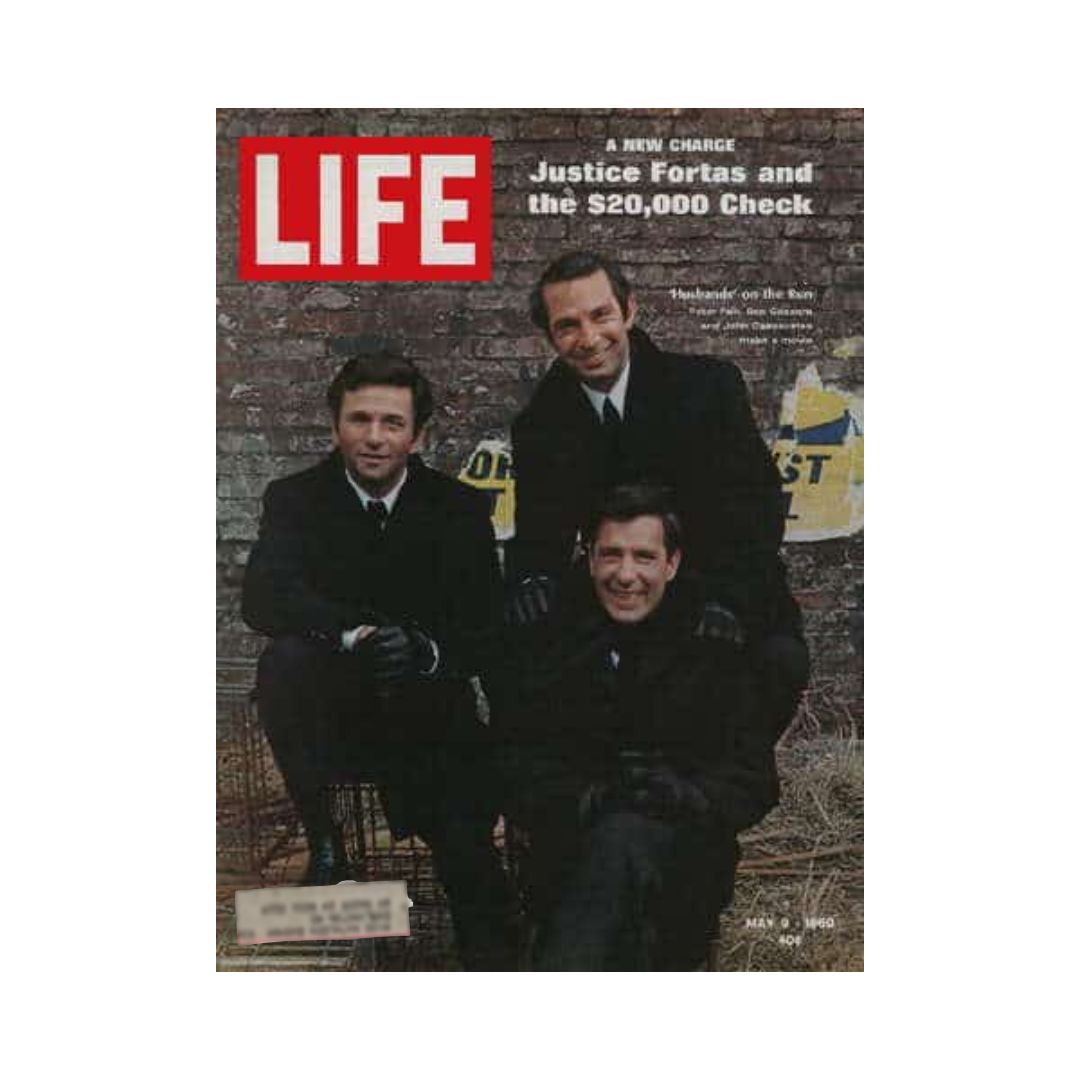
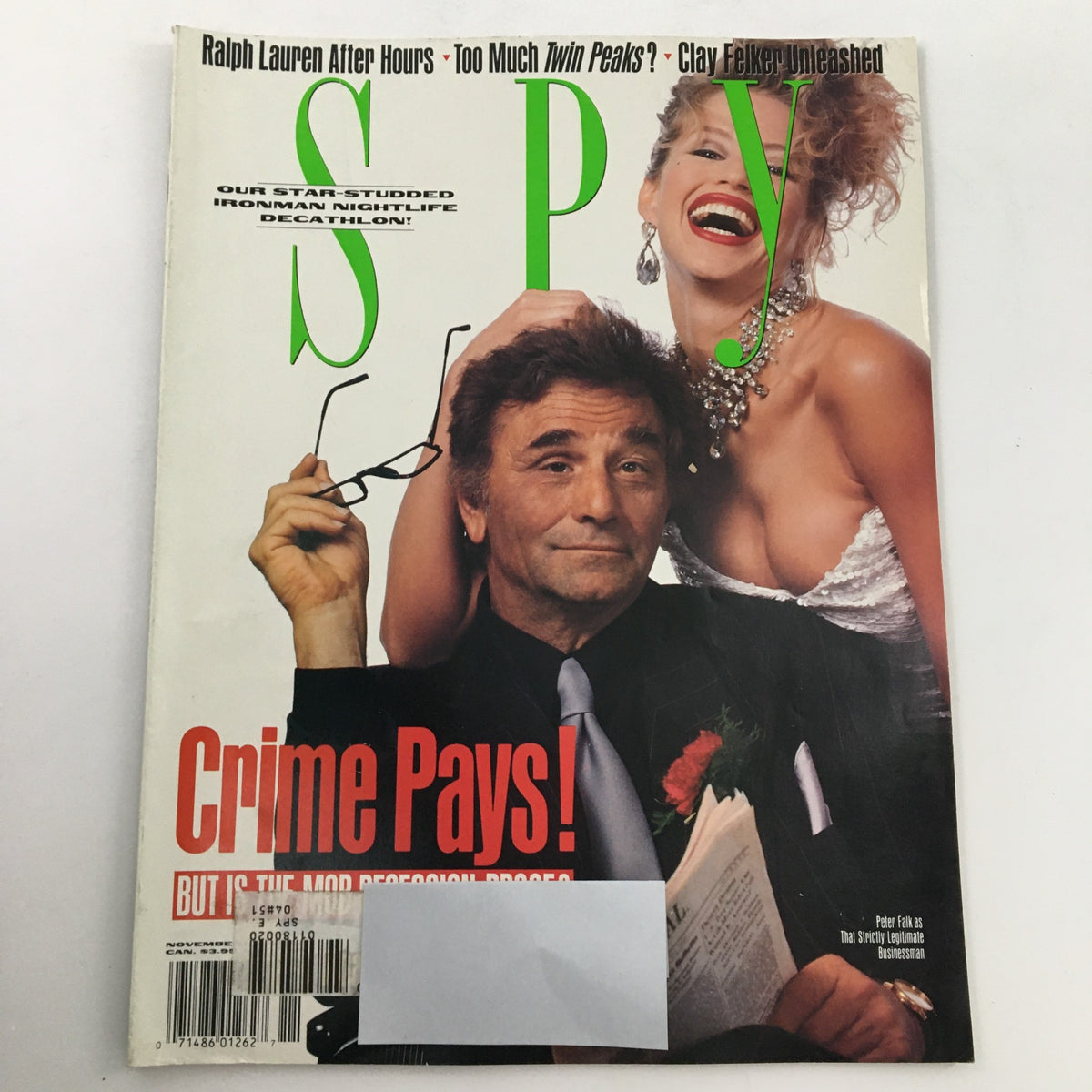
The coverage of Falk across the golden age of print is as textured and fascinating as the man himself. In the early 1960s, when he was earning critical admiration for films like Murder, Inc. and Pocketful of Miracles, the entertainment press photographed him with the brooding intensity befitting a serious character actor — stark, dramatic portraiture that spoke to his theater roots and his studied, Method-influenced craft. When Columbo exploded into the cultural mainstream in the 1970s, the editorial tone shifted warmly: feature spreads became more intimate, often catching him on set in that iconic rumpled raincoat, cigar in hand, mid-thought. TV Guide is perhaps the most essential publication for any Falk collector, having featured him on its cover and in extensive profiles across multiple decades as the detective became a Sunday-night institution. People magazine, from its 1974 founding onward, treated him as a beloved celebrity figure and chronicled both his professional peaks and personal life. Publications like Rolling Stone and Esquire engaged with him on a more intellectual level, probing the art behind the apparent simplicity of his performance — the deliberate genius disguised as accidental charm.
Curator's Checklist: Highlights Often Include
- Early film-era profiles from the late 1950s and early 1960s, when the critical press was heralding him as a powerful new character actor emerging from New York's competitive stage world
- Golden-era Columbo features from the 1970s, including on-set photography, cast interviews, and episode previews that capture the series at the absolute height of its cultural dominance
- Television industry trade coverage in publications like Broadcasting and mainstream entertainment weeklies documenting the remarkable Columbo revival of the late 1980s and 1990s, when the detective returned to enormous ratings success
- Human interest and personality profiles that explored the paradox of the man — a classically trained, Oscar-nominated dramatic actor who found his greatest fame playing a character who pretended to be less intelligent than everyone in the room
- International magazine coverage, particularly from British and European publications, reflecting the extraordinary global reach of Columbo and the detective's enduring popularity far beyond American shores
The Collector's Value
To hold one of these original issues is to hold a document of a specific, unrepeatable cultural moment — the paper slightly warm with age, perhaps a little foxed at the corners, carrying the faint mineral scent of decades-old ink and the ghost of a world before remote controls had more than four buttons. The vintage advertisements surrounding the editorial content are themselves a time capsule: the automobiles, the cigarette brands, the television sets being sold to the very audience that adored him. These are not reprints or digital facsimiles; they are primary source artifacts, the exact object a fan held in their hands the week they first read about Columbo's next case. For collectors of classic American television history, golden-age detective and crime drama culture, or mid-century film and stage memorabilia, these publications offer an irreplaceable tactile connection to an era of storytelling that defined what prestige popular entertainment could be. Browse the current available inventory below and discover which pieces of that legacy are waiting to find a new home.