📖 About this Collection
Pierce Brosnan: The Last Gentleman Spy
The Legend & The Legacy
Few figures in late-twentieth-century popular culture embodied the tension between old-world elegance and modern reinvention quite like Pierce Brosnan. Rising from modest Irish beginnings, he first captured the world's imagination as the charming, roguishly dependable Remington Steele in the early 1980s — a role that made him a fixture in the living rooms of millions before a single frame of film had been shot. When he finally stepped into the tuxedo of James Bond in 1995's GoldenEye, it felt less like a casting decision and more like a cultural inevitability. In an era before social media and streaming, audiences followed his ascent entirely through the printed page — through glossy fan magazines passed between friends, airport newsstand weeklies, and the authoritative spreads of international style titles. He was a man whose face sold issues, whose personal life — the devastating loss of his first wife, Cassandra, his quiet devotion to his family — gave tabloid and prestige publications alike a story of substance beneath the spectacle.
Inside the Archive
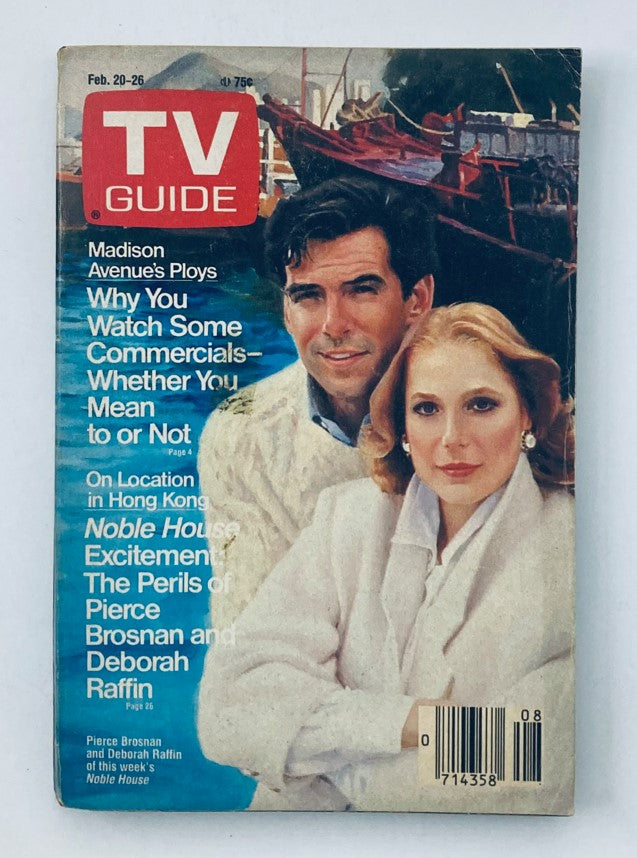
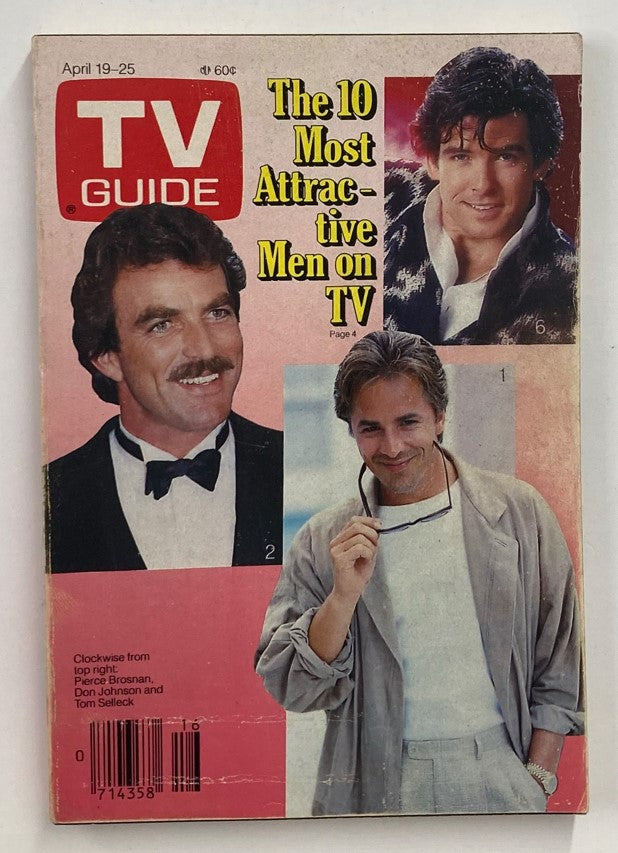
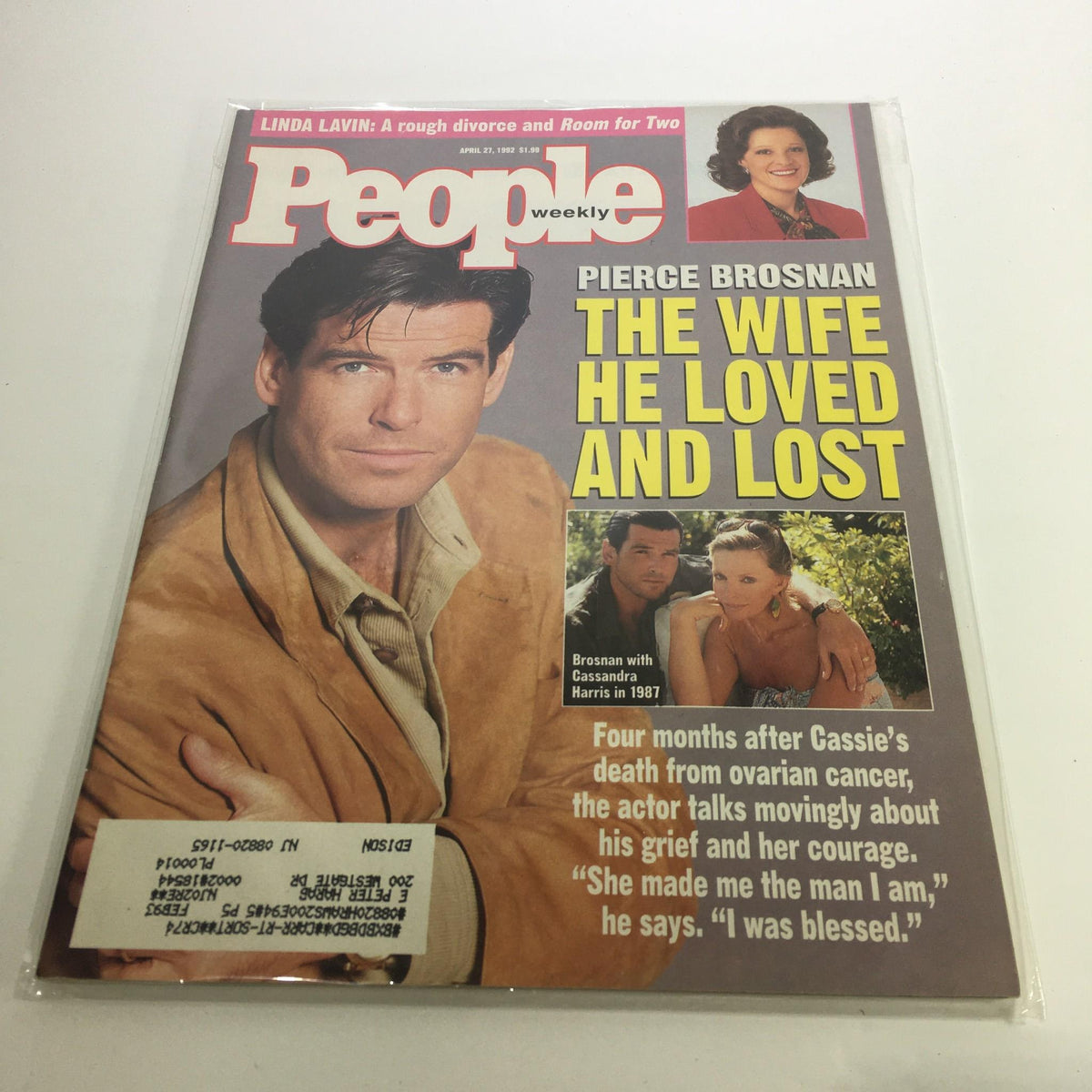
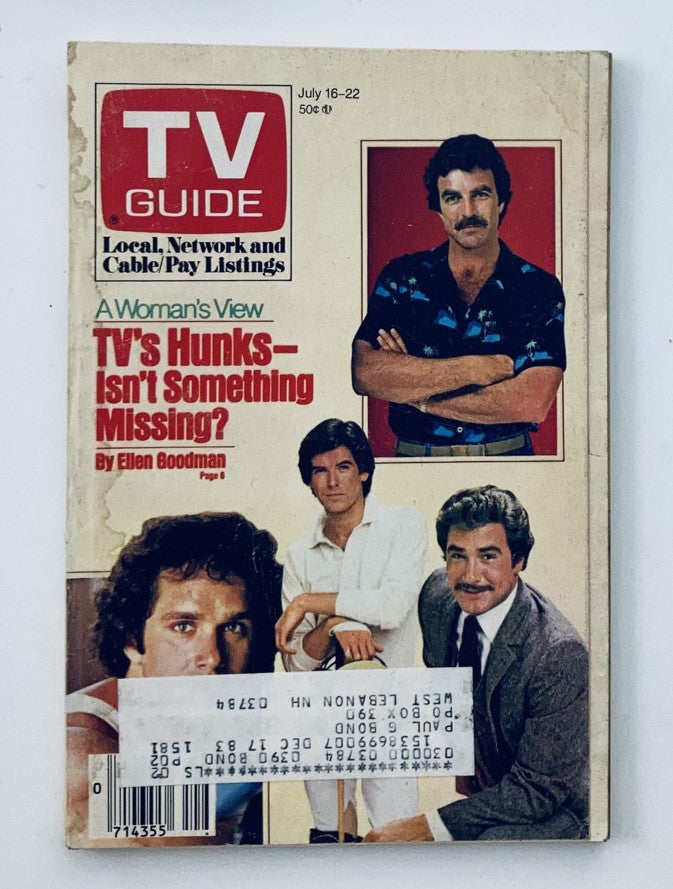
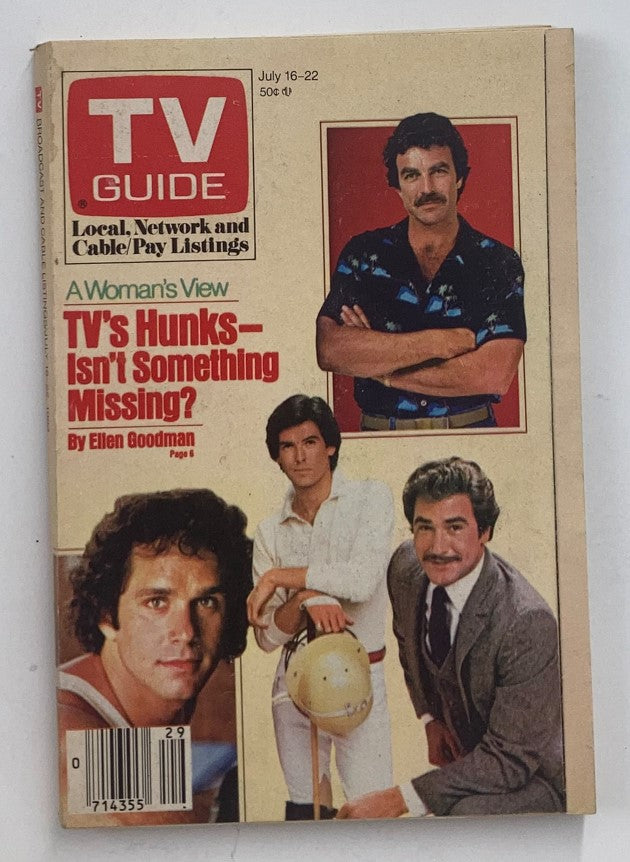
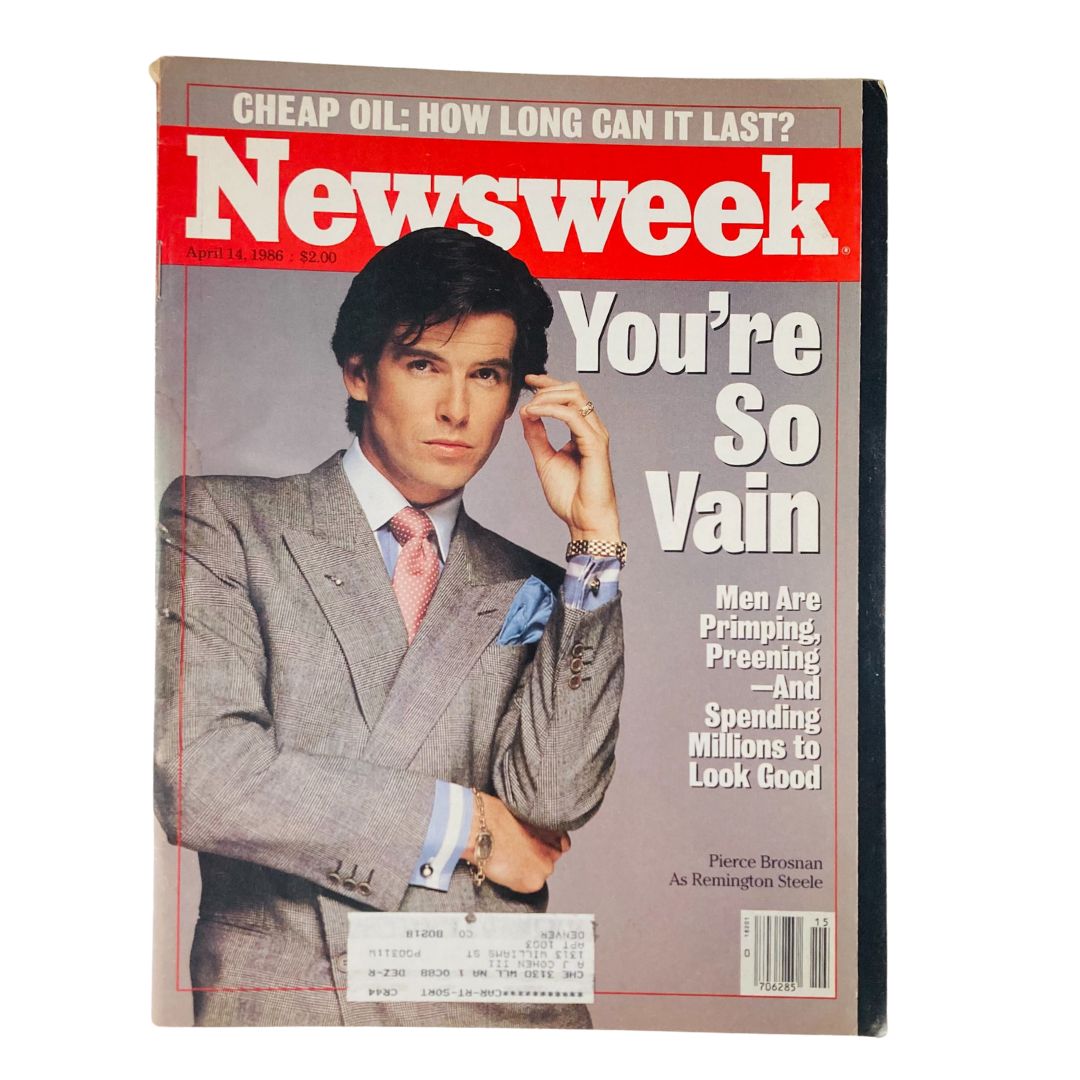
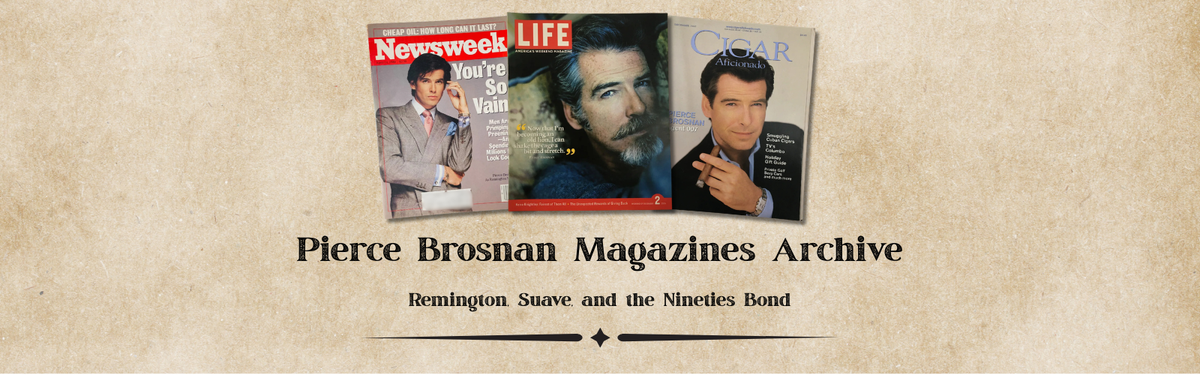
Vintage magazines of the 1980s through the early 2000s chronicled the Brosnan phenomenon with a reverence reserved for true crossover stars. In his Remington Steele years, publications such as TV Guide and People frequently ran close, warmly lit portrait sessions that leaned into his approachable magnetism — the kind of photography designed to feel intimate, as though the reader had caught him between takes. With the Bond era came an altogether different editorial register: GQ devoted considered, architectural spreads to him that emphasized tailoring, composure, and a certain cinematic authority, while Empire and Premiere dissected his performances with the seriousness of cultural criticism. Across the Atlantic, titles like Hello! and the Irish edition of VIP Magazine treated him as a point of national pride, offering more personal access — interviews conducted at home, candid family moments, and reflections on identity that the American press rarely pursued. The photography across all these publications shares a consistent quality: the studied confidence of a man who has learned, deliberately, how to inhabit a frame.
Curator's Checklist: Highlights Often Include
- Bond-era feature spreads from entertainment and men's style titles, coinciding with the release of GoldenEye (1995), Tomorrow Never Dies (1997), The World Is Not Enough (1999), and Die Another Day (2002) — the four-film run that redefined the franchise for a new generation
- Early television coverage from the Remington Steele years (1982–1987), including cast ensemble shoots and network promotional features in American and British television weeklies
- Human interest and profile pieces addressing the passing of his first wife, Cassandra Harris, in 1991 — coverage that revealed a depth of character the glossy spy imagery rarely allowed, and which significantly deepened public affection for him
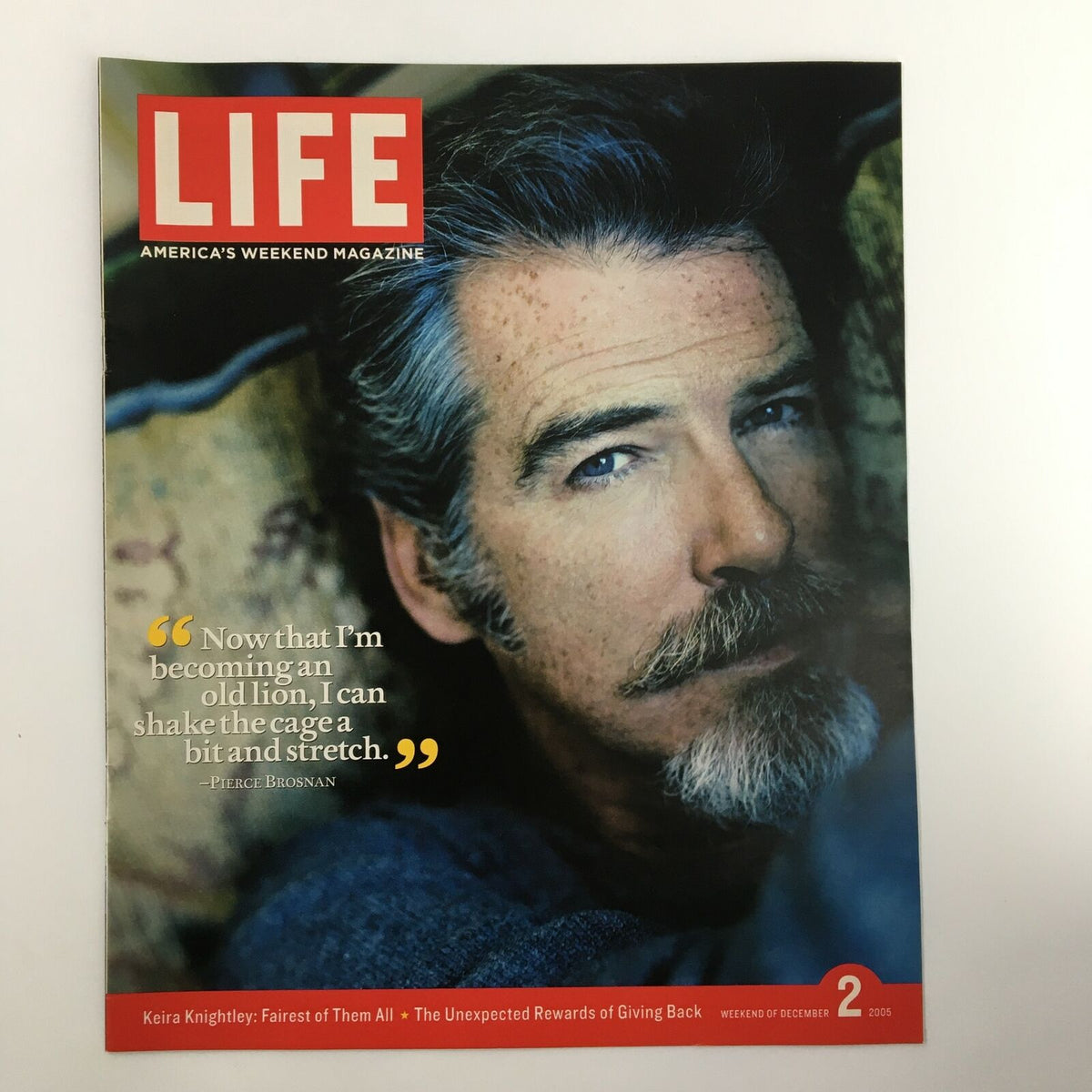
- International lifestyle features, particularly from Irish, British, and continental European titles, covering his marriage to journalist Keely Shaye Smith and his high-profile environmental advocacy work through the late 1990s and 2000s
- Transition-era coverage marking his departure from the Bond franchise in 2002 and his subsequent reinvention as a dramatic and comedic film actor, including profiles tied to Mamma Mia! (2008) and The Thomas Crown Affair (1999)
The Collector's Value
To hold one of these original issues is to re-enter a specific, irretrievable moment in popular culture — the weight of the paper stock between your fingers, the slight resistance of a pages-thick glossy magazine that has survived decades intact, the faint, unmistakable perfume of aged ink and coated stock that no digital archive can replicate. Surrounding the editorial content, the period advertisements — for colognes, automobiles, and cinema listings of their day — create an accidental time capsule, contextualizing the star within the full texture of the era that made him famous. These are primary sources: unfiltered, physical records of how the world saw a man in the very moment it was watching him. For collectors of Bond and espionage cinema memorabilia, students of 1990s and 2000s popular culture, or admirers of Irish cultural figures who achieved genuine global iconography, these publications offer something no poster or replica can — the authentic, singular thrill of holding the original record. Explore the current inventory of available issues below, and find the piece of that era that belongs in your collection.