📖 About this Collection
Prince Charles: Heir to the Throne, Witness to a Century
The Legend & The Legacy
Few figures of the twentieth century were observed so closely, so persistently, and with such a peculiar mix of reverence and fascination as the Prince of Wales. From the moment of his investiture at Caernarfon Castle in 1969 — a ceremony watched by hundreds of millions on television and dissected in exhaustive detail across the world's press — he became one of the most documented lives in the history of print media. Yet long before the broadcast age fully took hold, it was the magazine that served as the primary lens through which the public understood the heir apparent: his upbringing at Gordonstoun, his years at Cambridge, his naval service, his passions for polo and architecture and the countryside, and above all, the spectacular, ultimately tragic arc of his marriage to Lady Diana Spencer. In an era without rolling news or social media, readers turned to their weekly and monthly publications for intimacy, context, and the carefully composed royal portrait — and the publishing world answered with extraordinary fervour.
Inside the Archive
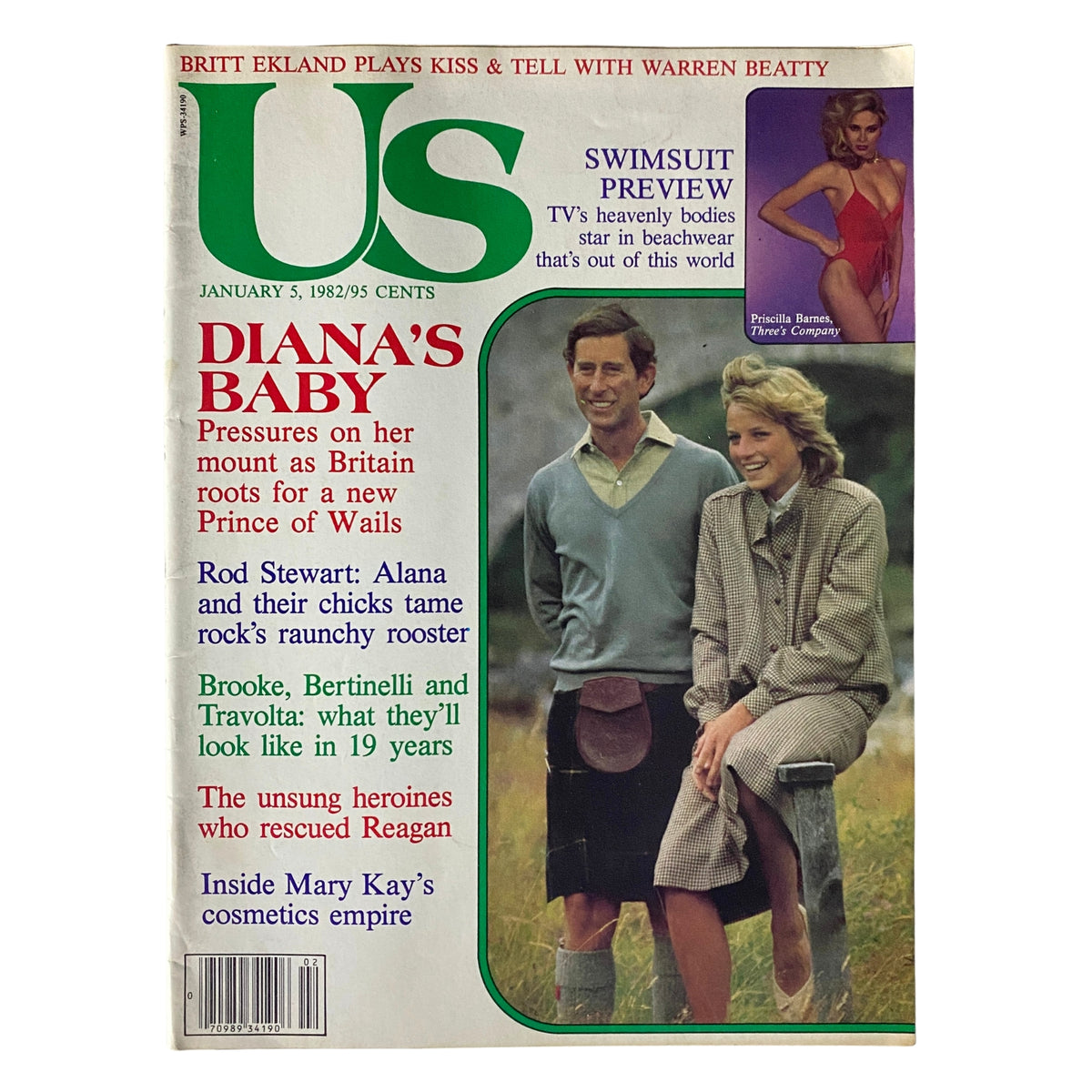
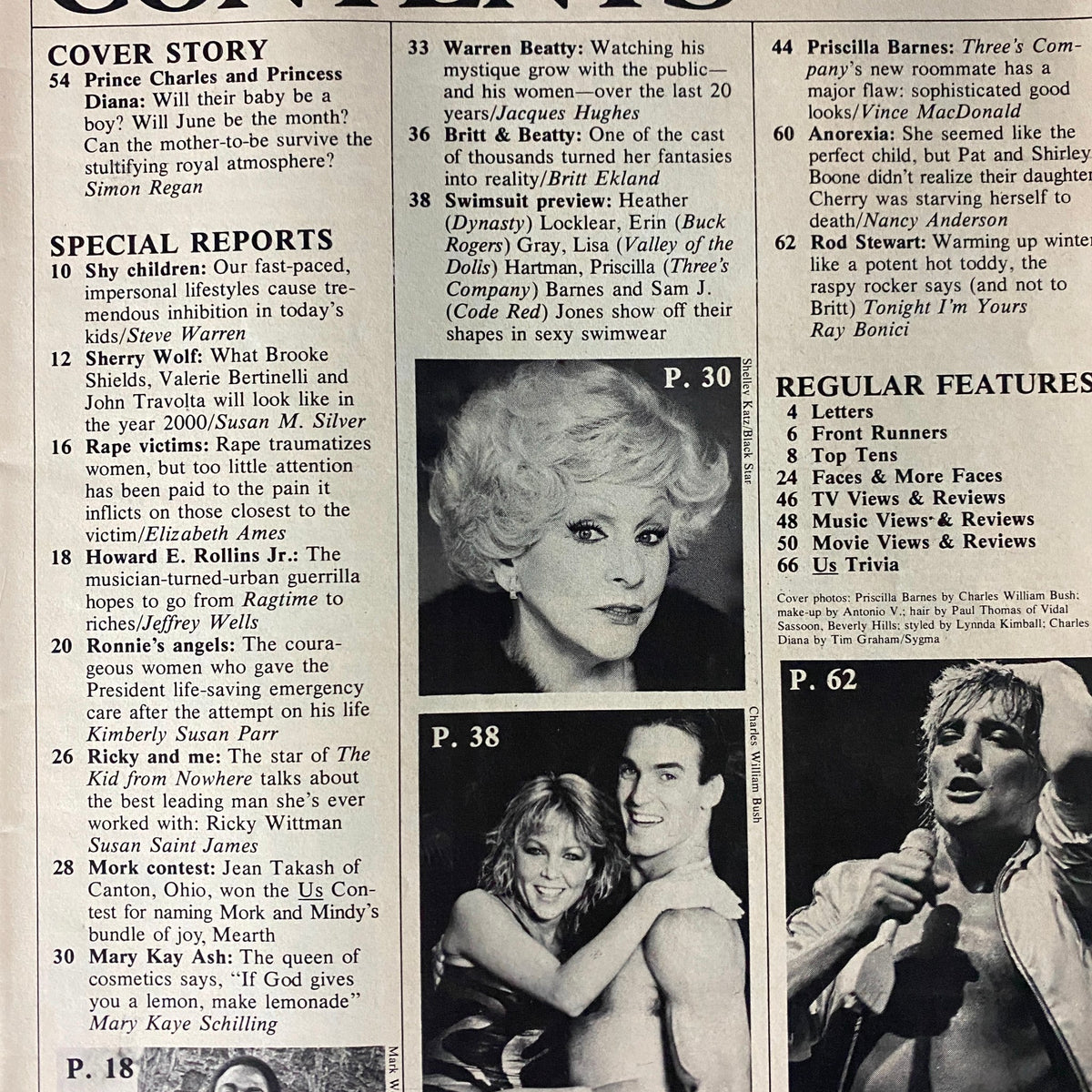
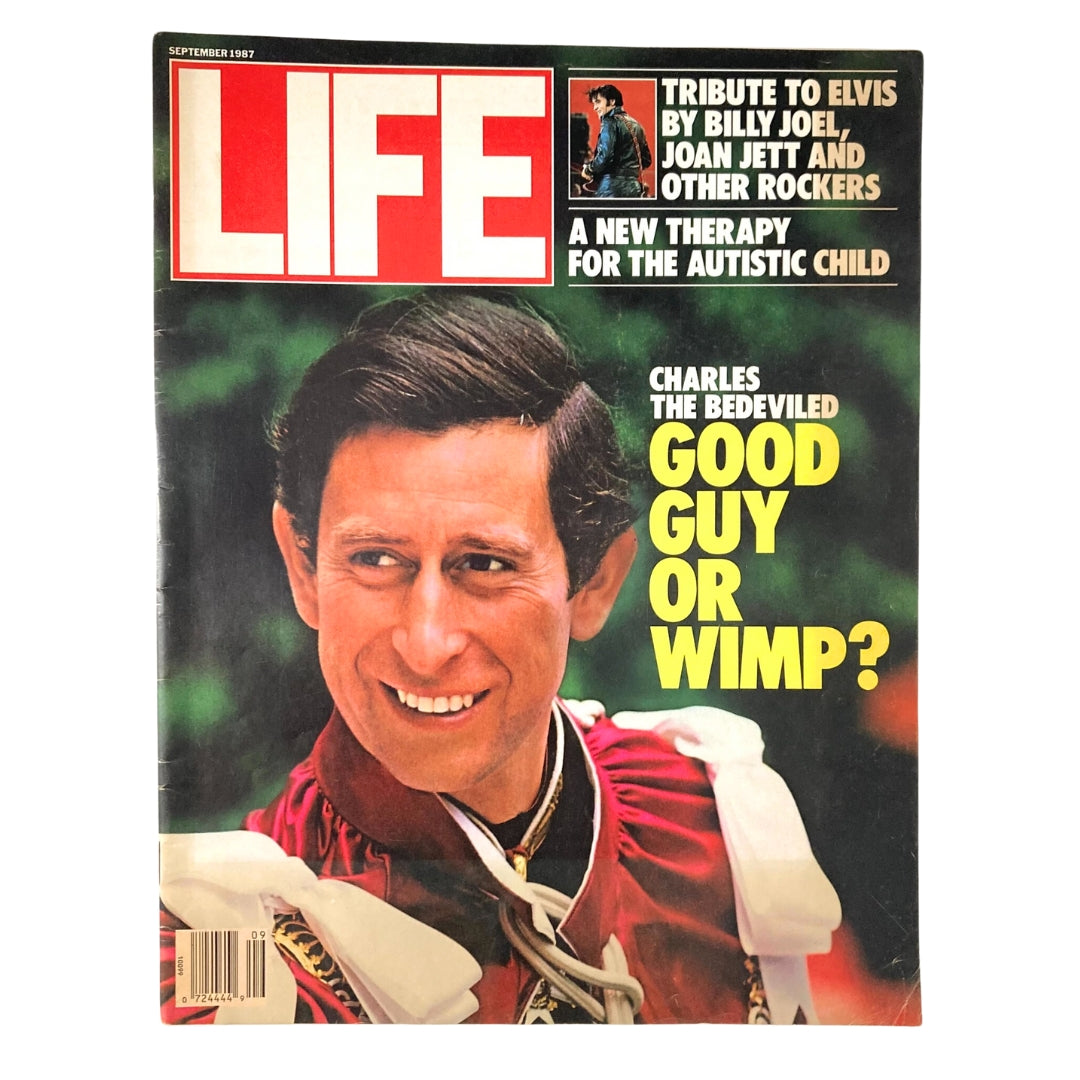
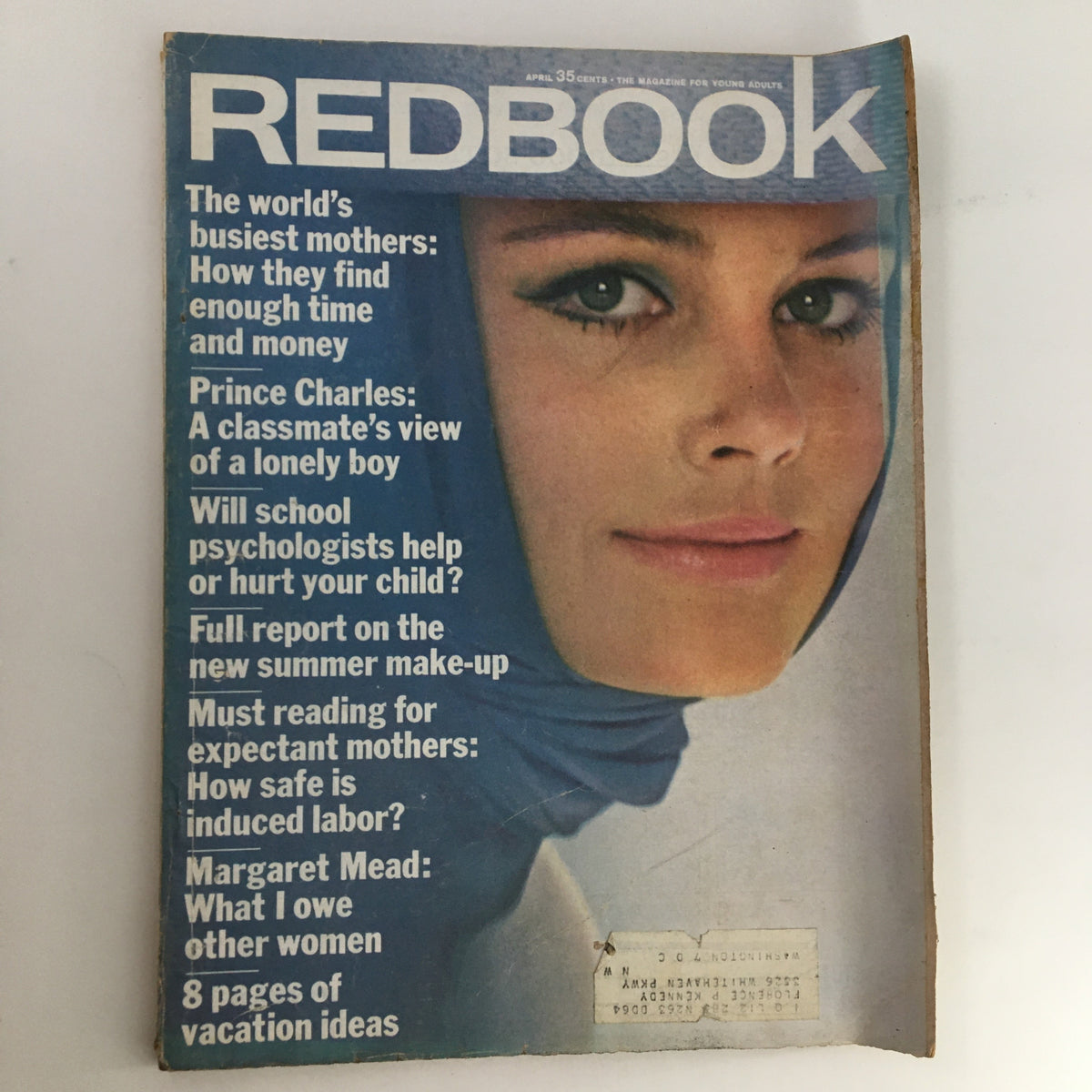
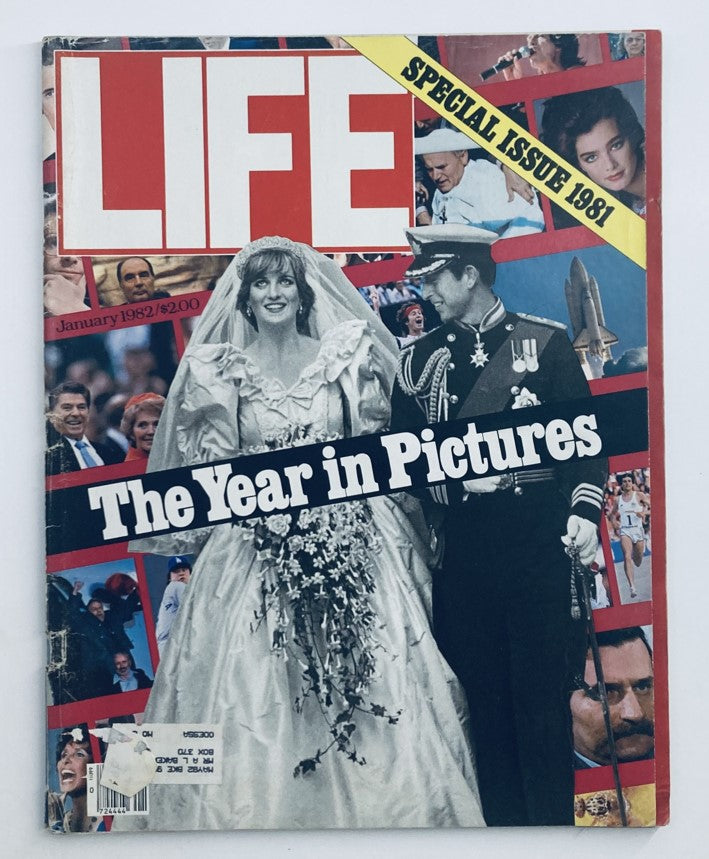
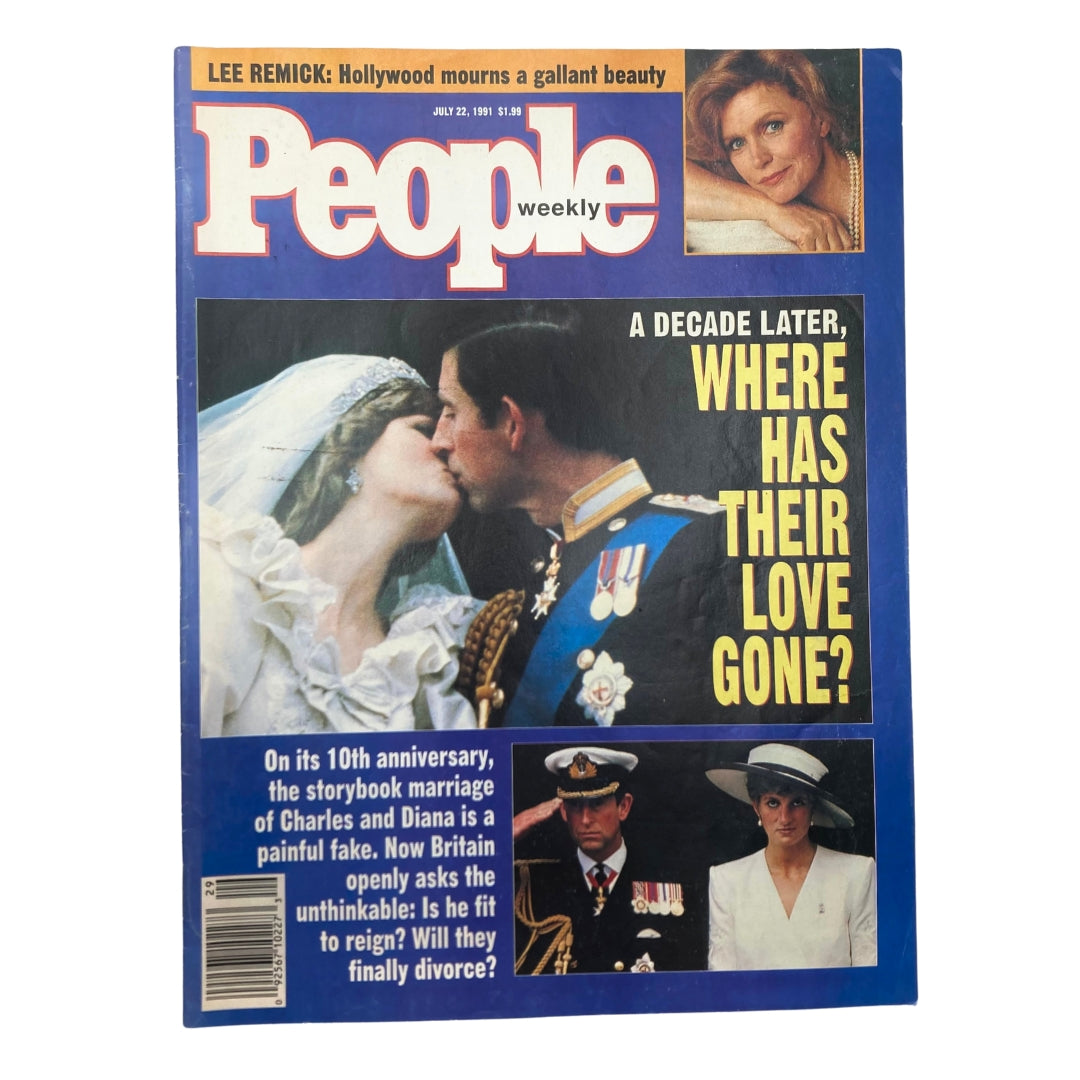
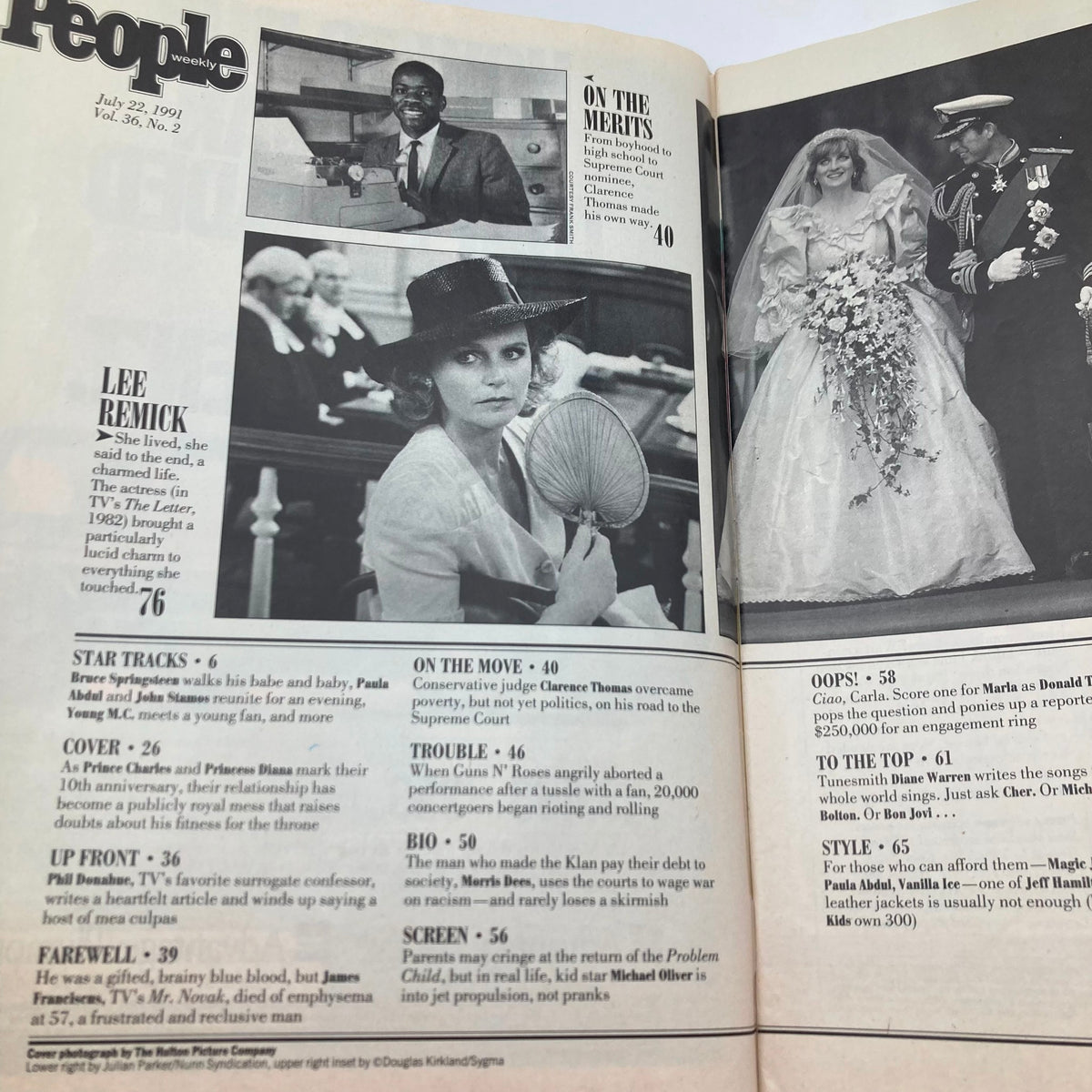
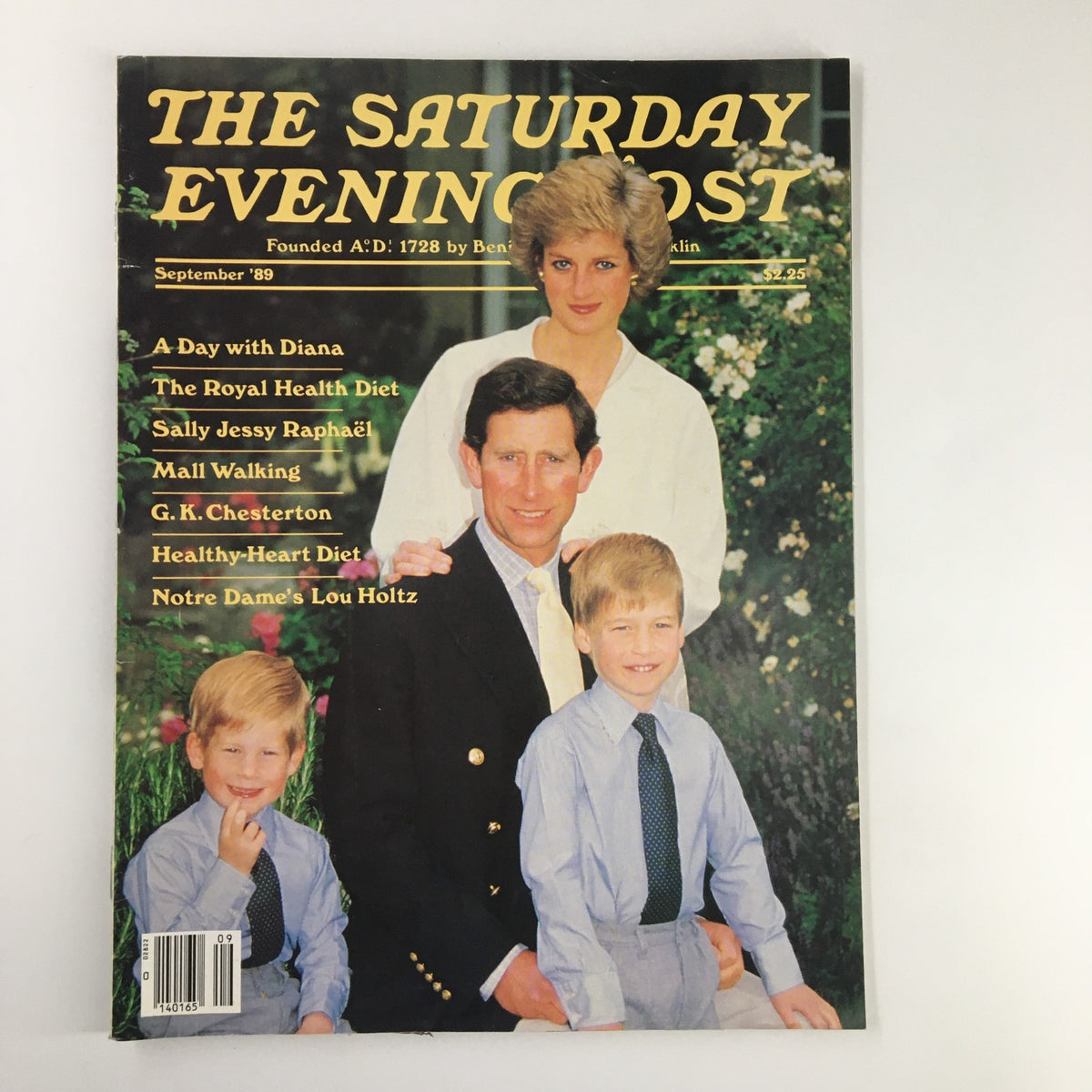
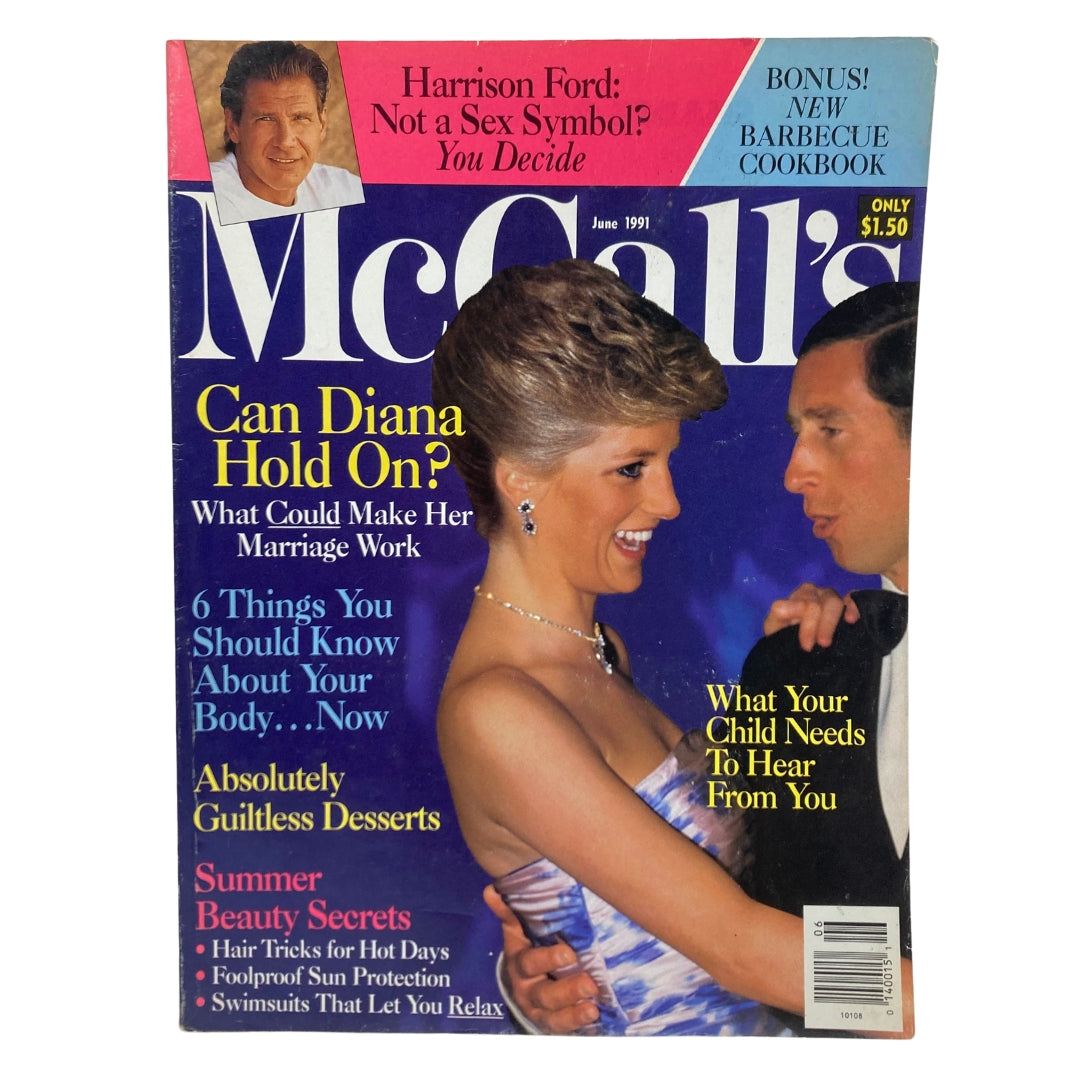
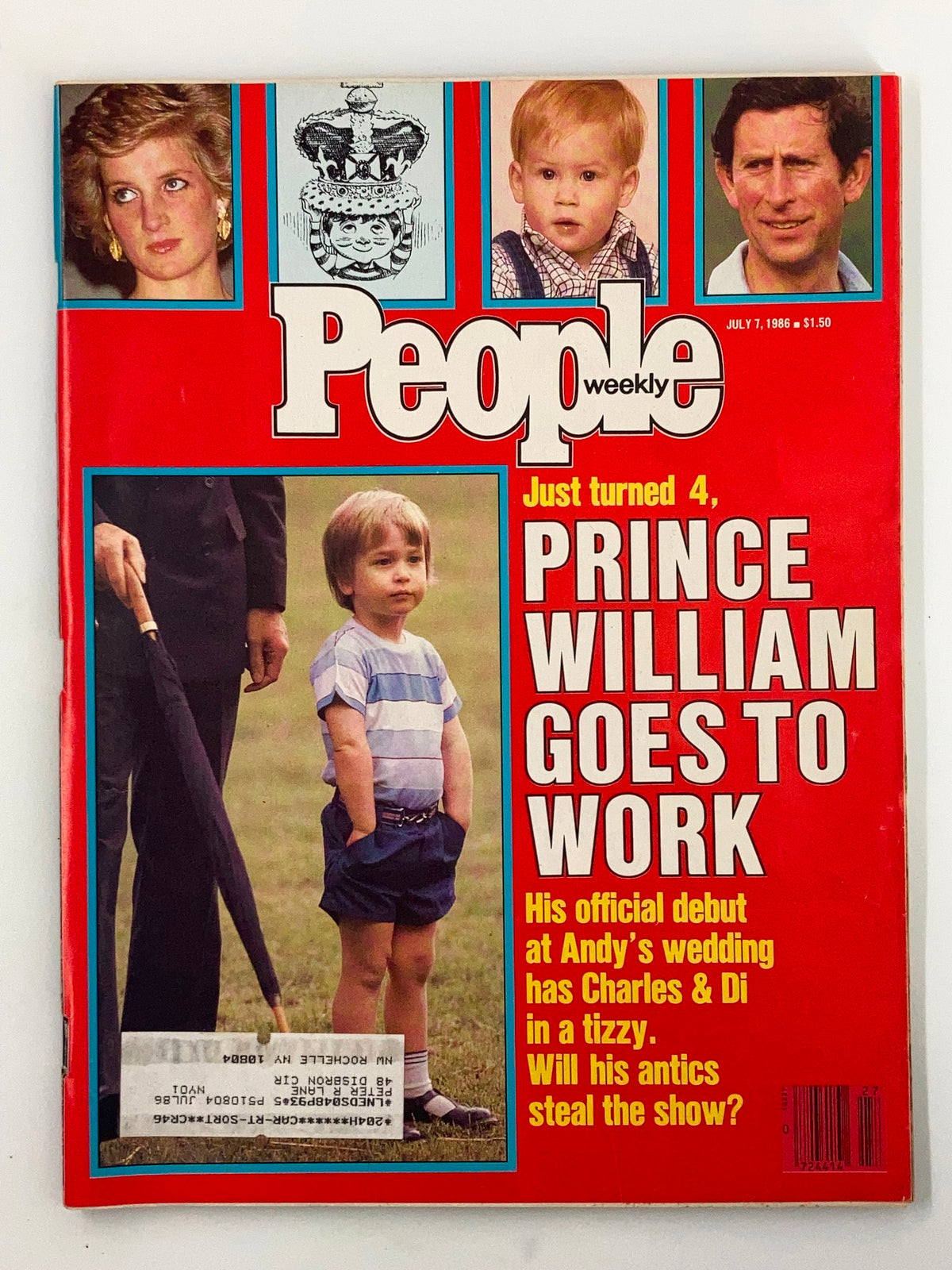
The coverage afforded to the Prince across four decades of print journalism was as varied as it was relentless. British publications led with formal gravitas — stately portraiture, ceremonial photography, and measured prose befitting the dignity of the Crown — while American titles approached the monarchy with the breathless wonder of an outsider looking in. Life magazine gave the Royal Family sweeping, cinematic spreads that transformed Buckingham Palace into a kind of secular Olympus. Paris Match, ever the master of emotional portraiture, captured the Prince in moments of both splendour and vulnerability with a Continental intimacy that British editors rarely dared. People magazine, from its founding in 1974 onward, made the Wales marriage a recurring centrepiece of its royal coverage, tracking its romance, its tensions, and its unravelling with the serialised intensity of a long-running novel. The photography across these publications ranges from austere, formally lit official portraits to candid polo-field action shots and the stolen, windswept images that came to define the age — all framed by the design sensibilities and advertisement culture of their respective decades.
Curator's Checklist: Highlights Often Include
- Investiture and early royal life coverage — issues from the late 1960s and early 1970s documenting the Caernarfon investiture ceremony, his Cambridge years, and his emergence as a public figure in his own right, often accompanied by colour photo essays of remarkable formality and grandeur.
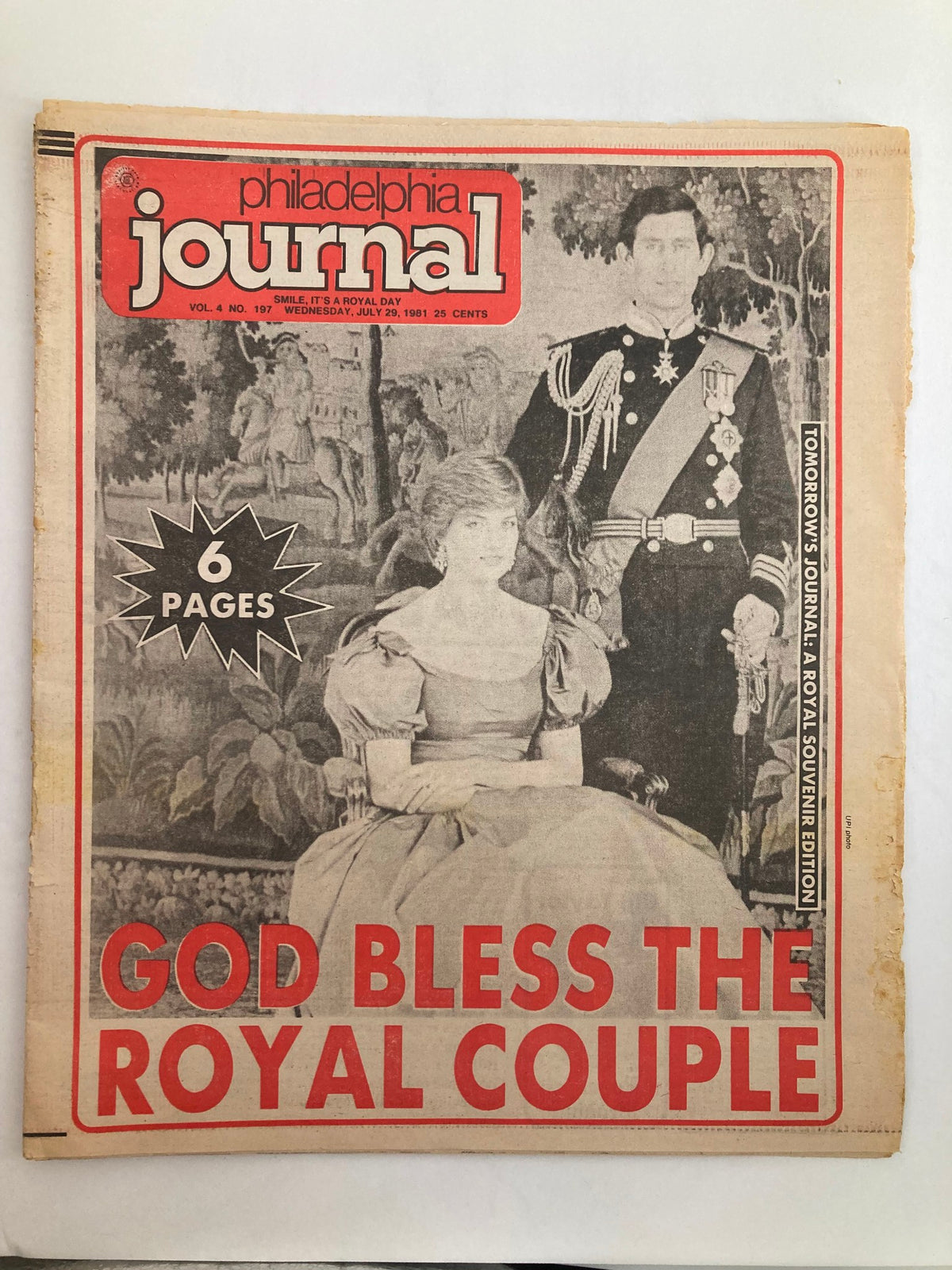
- The royal courtship and wedding of 1981 — among the most sought-after issues in any royal collection, featuring wall-to-wall coverage of the engagement announcement, bridal speculation, and the St. Paul's Cathedral ceremony itself, captured across virtually every major domestic and international title simultaneously.
- The Prince's passions and controversies — editorial features from the 1980s and 1990s exploring his outspoken views on modern architecture, organic farming, and environmental stewardship, often sparking considerable public debate and generating substantial opinion-led coverage.
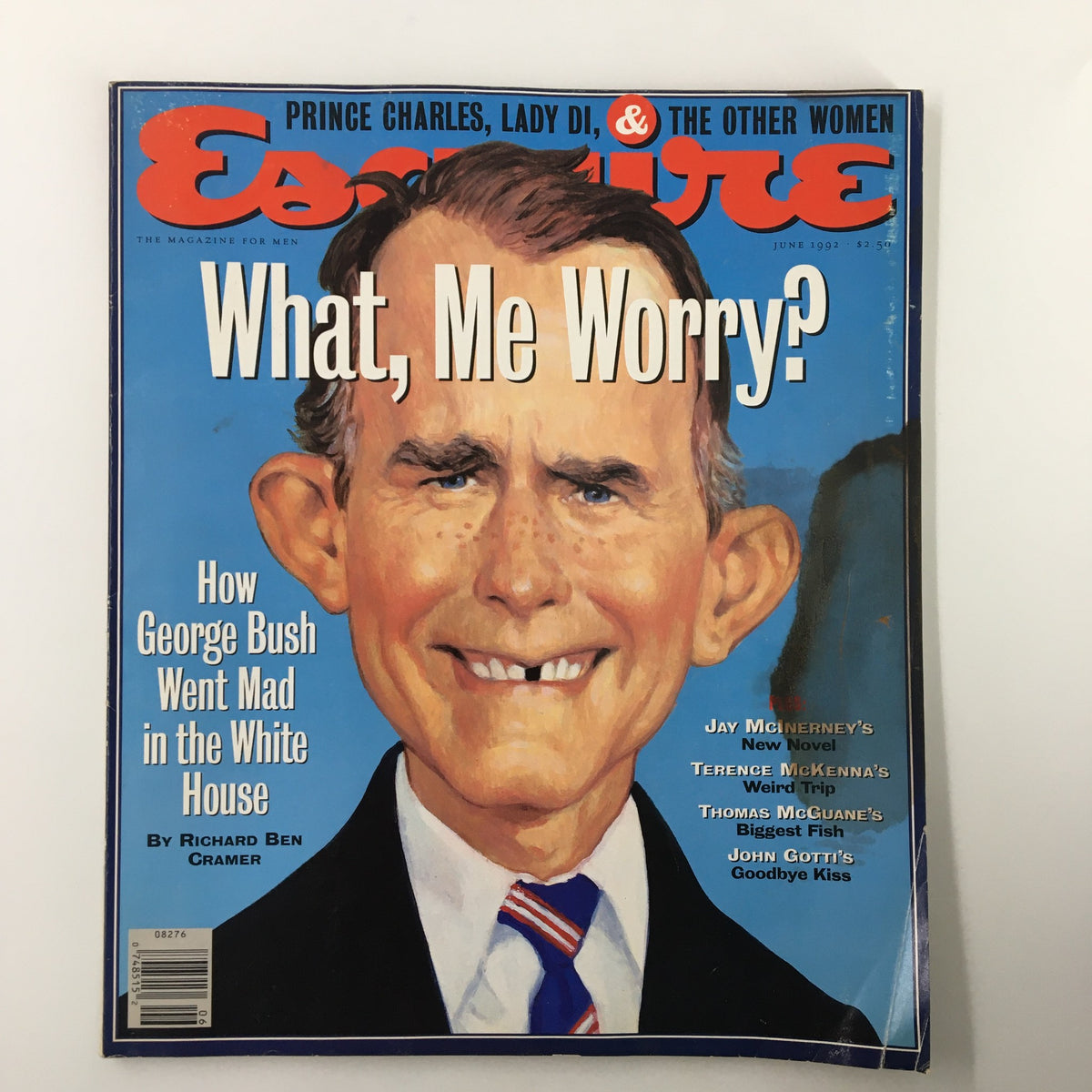
- The breakdown of the Wales marriage — a defining media saga of the early 1990s, reflected in nuanced, carefully worded features that navigated the tension between palace protocol and an increasingly unbuttoned press, culminating in the separation announcement of 1992.
- Tributes, retrospectives, and the road to Camilla — later coverage charting his rehabilitation in the public eye, his relationship with Mrs. Parker Bowles, and the broader question of his eventual succession, providing a fascinating documentary record of shifting public opinion across time.
The Collector's Value
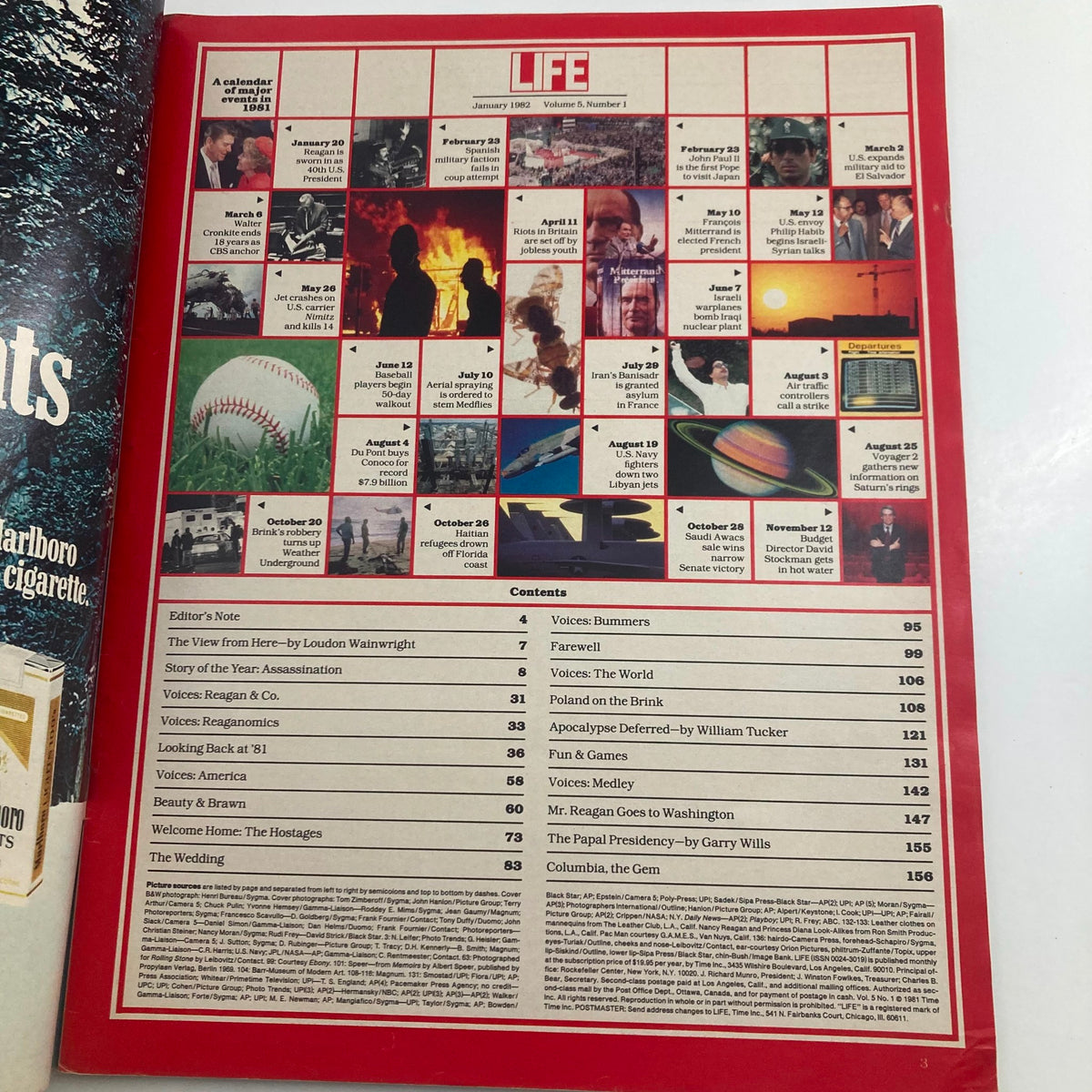
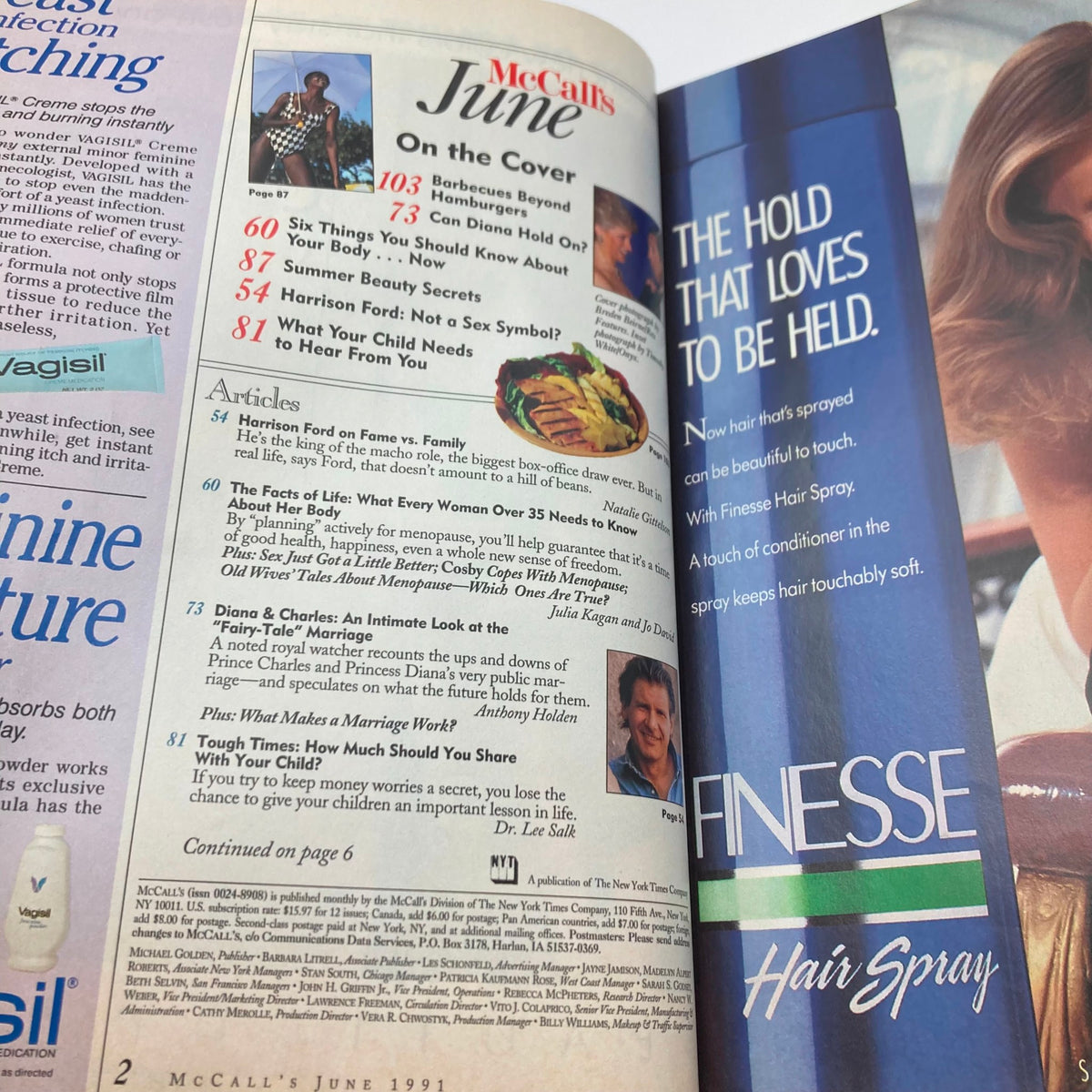
To hold one of these original issues is to hold something that no digital archive can replicate. The paper — whether the glossy, heavy stock of a mid-century Life spread or the slightly foxed, cream-toned pages of a British weekly from the Thatcher years — carries a physical memory of the moment it was printed, folded, and delivered into waiting hands. The ink has a particular quality under lamplight; the advertisements surrounding the royal portraits speak volumes about the world those readers inhabited: the cars they drove, the cigarettes they smoked, the fashions they aspired to. These are primary sources in the truest sense — unmediated, unrevised, and irreplaceable snapshots of how an era understood one of its most watched figures. For collectors of British royal memorabilia, twentieth-century press history, or the cultural legacy of the Diana era, these publications offer an unparalleled and deeply personal window into a story that shaped the modern monarchy. Explore the current available inventory below and discover which pieces of this extraordinary chronicle are waiting to find a new home.