📖 About this Collection
Queen Latifah: The Crown Never Wavers
The Legend & The Legacy
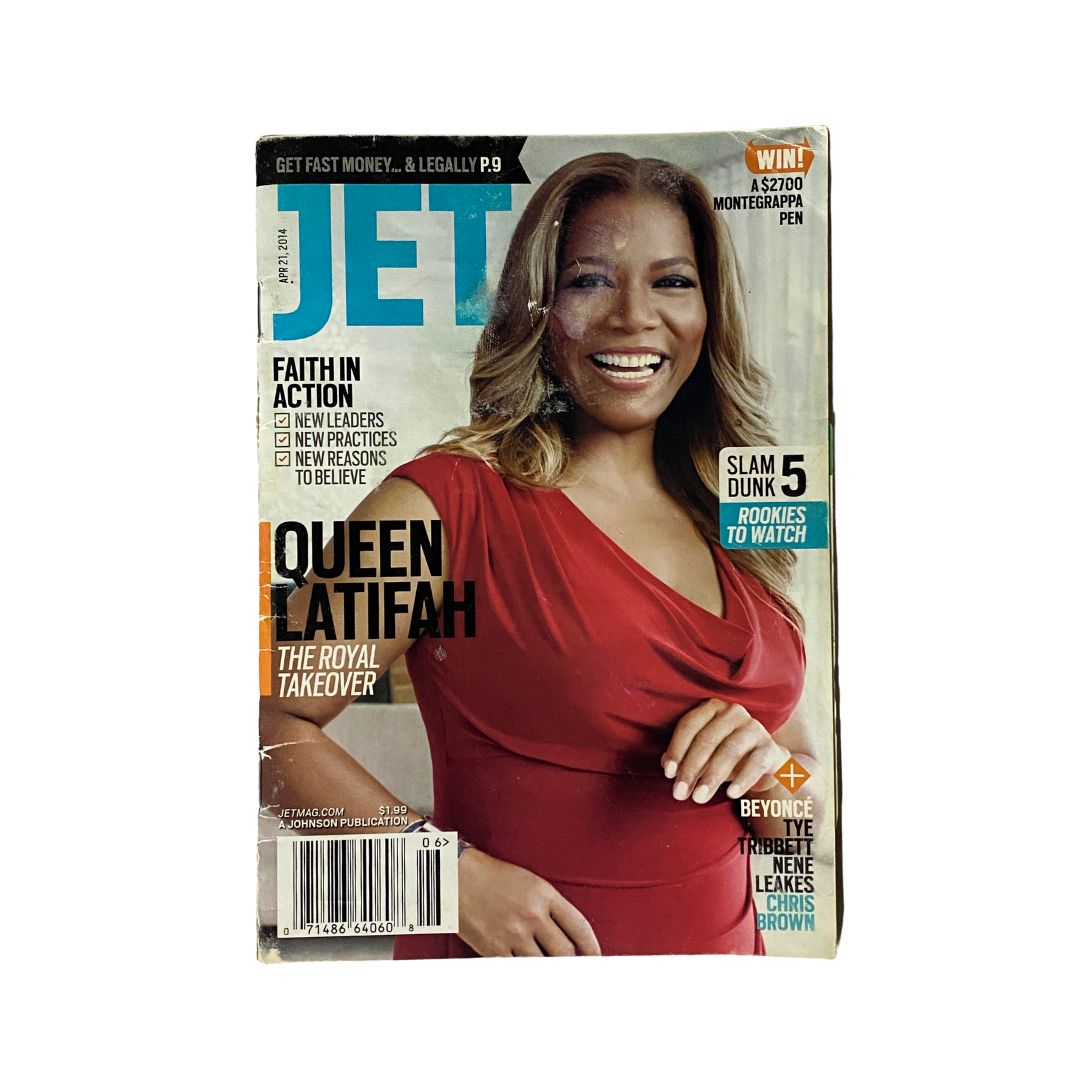
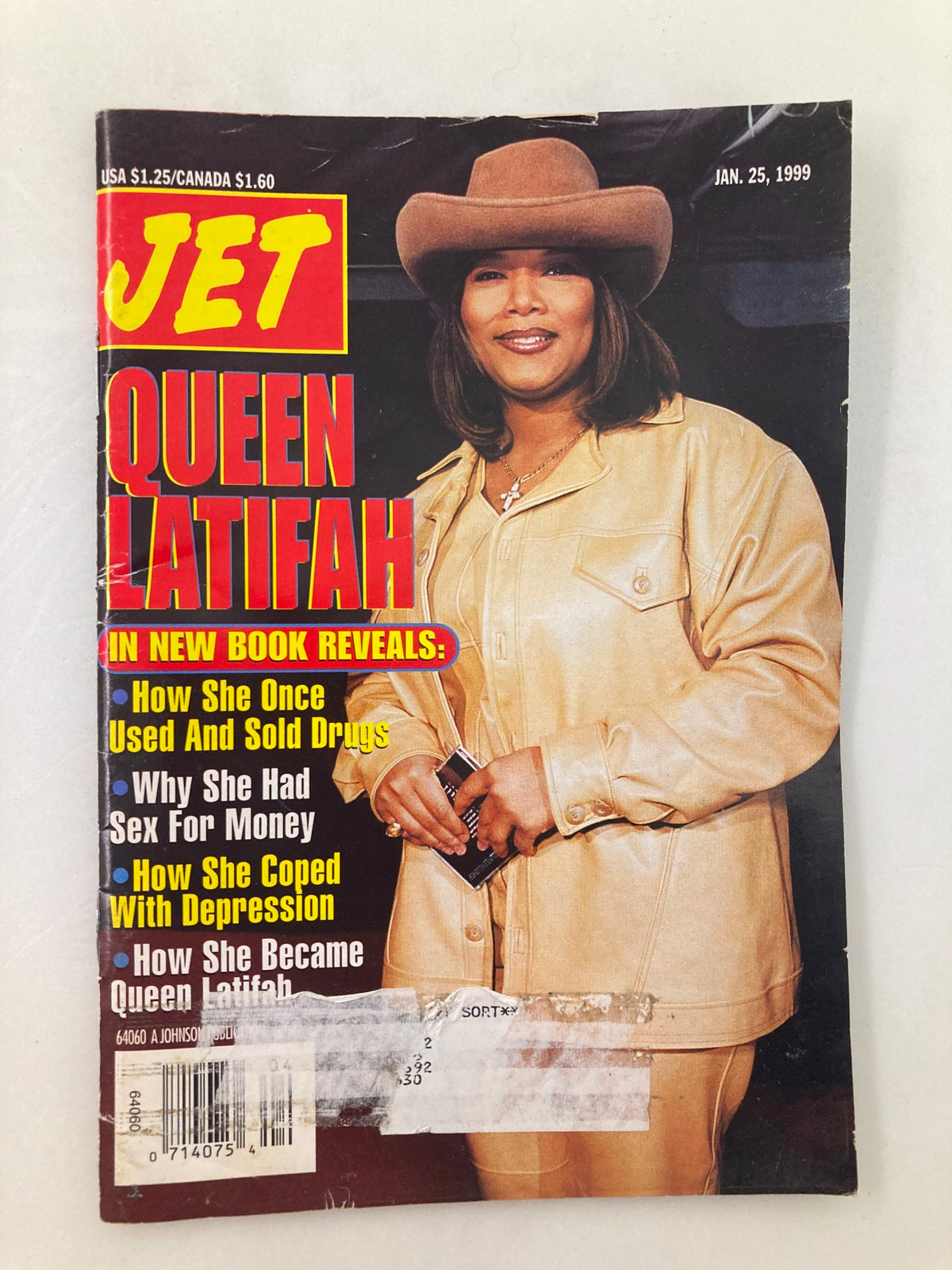
Before streaming platforms could compress an empire into a thumbnail, Queen Latifah built hers page by page, bar by bar, and headline by headline — in ink. Emerging from the housing projects of Newark, New Jersey in the late 1980s, Dana Elaine Owens arrived on the cultural stage with a name that was itself a declaration: queen. At a moment when hip-hop was still fighting for mainstream legitimacy and Black women in the genre were largely pushed to the margins, she stepped forward wearing Afrocentric crowns and commanding verses that demanded respect before the word became a rallying cry. By the early 1990s, she had already transcended music — her Grammy win, her pivotal role in Set It Off, and her groundbreaking sitcom Living Single made her a recurring subject of national conversation. Readers encountered her not through algorithms or trending feeds, but through the deliberate, curated pages of print — in waiting rooms, on kitchen tables, and in barbershops — where her image carried the full weight of a culture watching one of its own ascend.
Inside the Archive
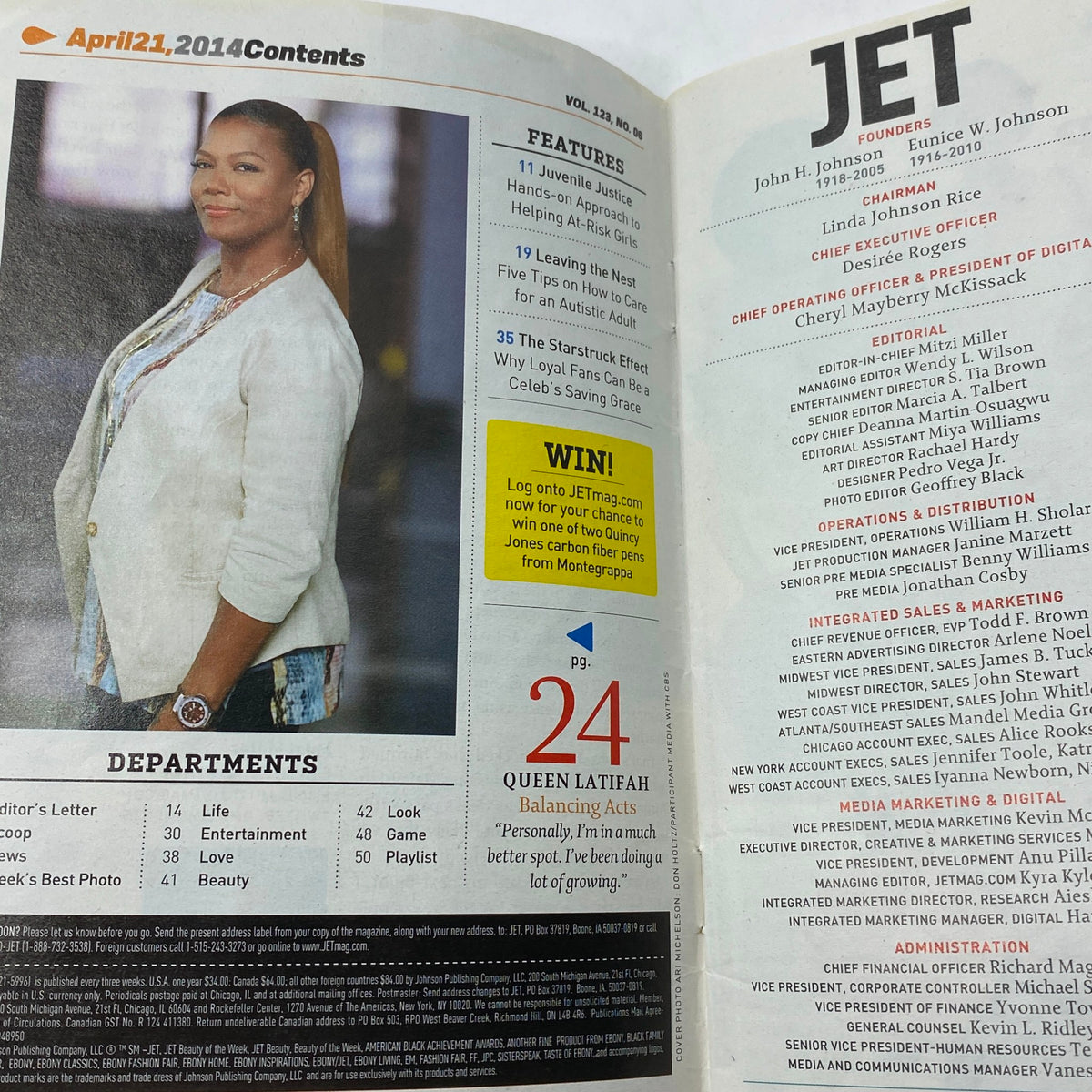
Vintage magazine editors of the late 1980s through the 2000s faced a genuinely exciting editorial challenge with this subject: how do you frame a woman who refuses to be framed? Photography of the era captured her in a striking duality — regal and street-smart, glamorous and grounded — often shot with the bold, high-contrast lighting that defined urban editorial photography of the period. Essence was perhaps her most natural home in print, celebrating her as both a cultural ambassador and a blueprint for Black womanhood in the modern era. Vibe, the definitive chronicle of hip-hop's golden age, documented her musical evolution and industry influence with the insider depth the genre deserved. As her acting career flourished, mainstream titles like Entertainment Weekly and People brought her to broader newsstand audiences, framing the queen for readers who may have first known her not from rap radio but from the silver screen. International editions occasionally featured her as a symbol of American cultural export — a woman whose authority translated across every language a magazine could be printed in.
Curator's Checklist: Highlights Often Include
- Hip-hop era features (late 1980s–early 1990s) covering her emergence on Tommy Boy Records, the cultural significance of All Hail the Queen, and her role in shaping a more Afrocentric, politically conscious voice within rap
- Crossover celebrity profiles (mid-1990s) tied to the success of Living Single and her expanding identity as a multimedia entertainer — a rare Black woman headlining both a hit TV series and a record deal simultaneously
- Film-focused coverage surrounding landmark roles in Set It Off (1996), Chicago (2002, for which she received an Academy Award nomination), and Bringing Down the House — often featuring striking on-set or awards-season photography
- Beauty and fashion editorials that tracked her evolution from Afrocentric streetwear to Old Hollywood glamour, making her a recurring subject for style-forward publications documenting Black fashion's growing influence on mainstream culture
- Empowerment and advocacy features addressing her outspoken positions on body image, self-acceptance, and representation in Hollywood — coverage that feels remarkably prescient given today's cultural conversations
The Collector's Value
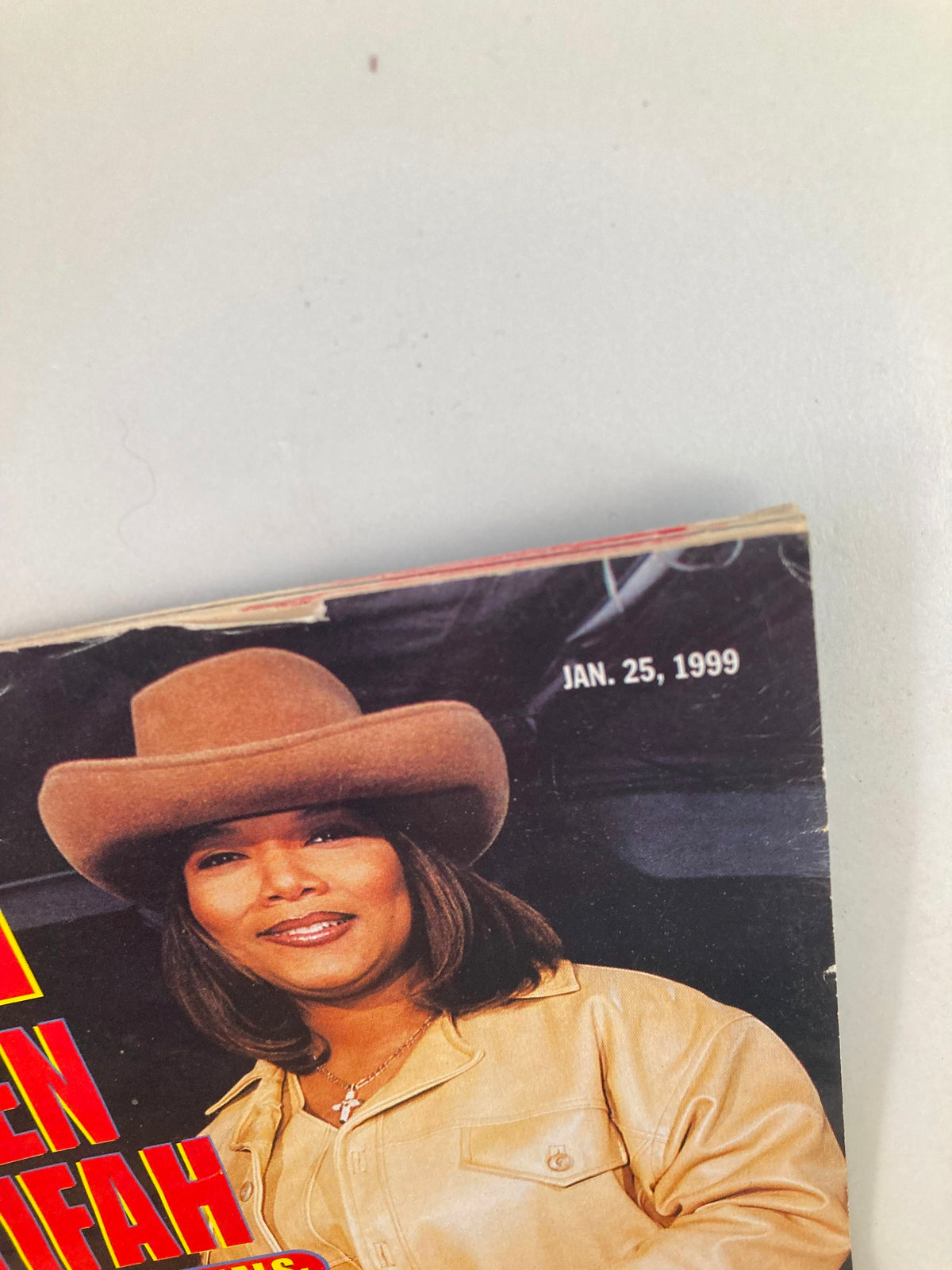
There is something irreplaceable about holding a magazine that was printed while its subject was still becoming legendary — where the editorial team had no idea they were documenting history, only doing their jobs. Issues featuring the queen of hip-hop soul carry that electricity. The paper stock of a mid-1990s Essence or Vibe has a particular heft and warmth to it; the ink of a full-bleed portrait has a depth that no screen has ever faithfully replicated. Flip past her feature and you'll find the surrounding advertisements — the pagers, the Tommy Hilfiger spreads, the 1-800 numbers — each one a time capsule as culturally rich as the editorial itself. For collectors of hip-hop memorabilia, Black cinema and television history, or feminist and empowerment cultural artifacts, these publications offer something no reprint or digital archive can approximate: the authentic, primary-source record of an era, handled and witnessed in real time. Explore our current rotating inventory below and discover which pieces of her story are available to bring home today.