📖 About this Collection
Rachael Ray: The Warmth of a Kitchen, Captured in Print
The Legend & The Legacy
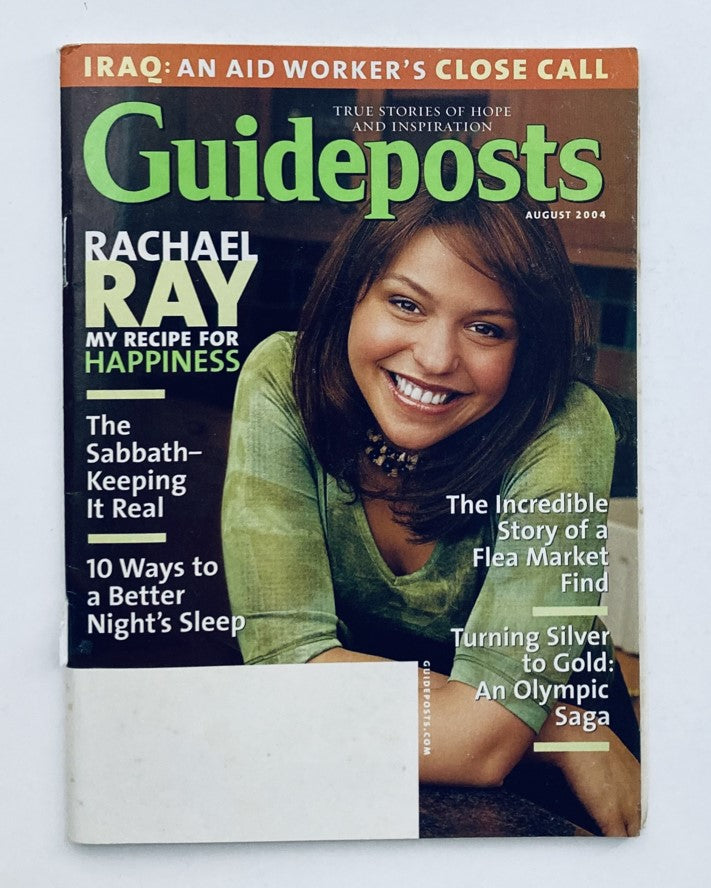
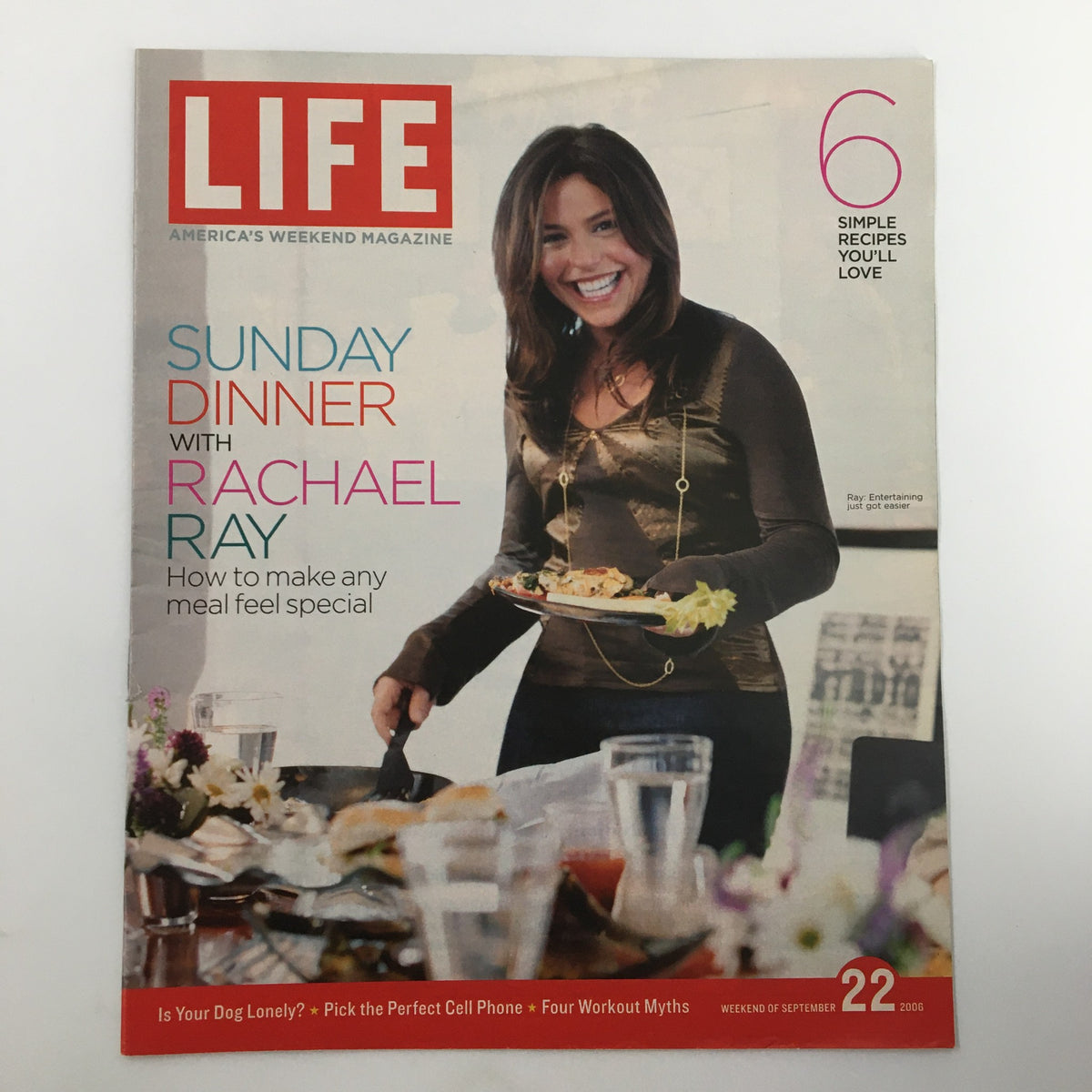
Long before algorithmic feeds and viral recipe videos flattened the culinary world into a scroll, Rachael Ray arrived as something genuinely disarming — a self-taught home cook from the Adirondacks who spoke to everyday Americans in their own language. Her ascent in the early 2000s was meteoric and deliberate: 30 Minute Meals on the Food Network became appointment television for a generation of home cooks who had been made to feel excluded by the haute cuisine establishment. She was not a chef — she said so herself, proudly — and that distinction mattered enormously. At a time when celebrity food culture was drifting toward the rarefied and the untouchable, she pulled it back to the stovetop, the skillet, and the weeknight dinner table. Her EVOO and her boundless, camera-warm energy became cultural shorthand, and her subsequent empire — cookbooks, a syndicated talk show, a branded magazine — cemented her as one of the most influential food personalities of her era. Readers met her first through print, dog-earing her recipes in magazines stacked on kitchen counters across the country.
Inside the Archive
The magazines that chronicled her rise reflect the particular optimism of early-2000s American media — saturated with color, warm in editorial tone, and deeply invested in the mythology of accessible abundance. Food Network Magazine and Every Day with Rachael Ray, her own eponymous publication launched in 2006, are the crown jewels of any collection dedicated to her work, offering lushly styled food photography, personal essays, and the kind of approachable domesticity that defined her brand. Beyond the food press, lifestyle giants such as People, Good Housekeeping, and Parade featured her prominently as she crossed over from culinary personality to full-spectrum American celebrity — profiling her marriage, her philanthropy, and her relentless work ethic. The photography across these publications tends toward the intimate and the kinetic: she is rarely posed stiffly, more often caught mid-laugh, mid-stir, mid-sentence, radiating the unguarded energy that made her a household name.
Curator's Checklist: Highlights Often Include
- Early Food Network coverage — features from the mid-2000s capturing her breakout years with 30 Minute Meals and $40 a Day, often with behind-the-scenes editorial access rarely seen in later, more polished profiles
- Launch-era issues of Every Day with Rachael Ray — the inaugural and early volumes of her self-branded magazine are particularly sought after, offering a time-capsule view of her aesthetic vision at its most original
- Major lifestyle crossover profiles — covers and features in publications like People and Good Housekeeping documenting her transition from cooking host to multimedia mogul and talk show powerhouse
- Holiday and seasonal collector's editions — special issues in which her influence on American home cooking traditions is on full display, with recipes, tablescapes, and hosting guides that defined a particular domestic ideal of the era
- Philanthropic and human-interest coverage — features spotlighting her Yum-o! nonprofit and her advocacy for childhood nutrition, offering a dimension of her legacy that goes well beyond the kitchen
The Collector's Value
To hold one of these magazines is to hold something the internet simply cannot replicate. The slightly rough texture of the newsprint, the glossy weight of a full-bleed cover photograph, the faint warm smell of decade-old ink — these are the sensory signatures of a media era that produced print with genuine craft and intention. The surrounding advertisements alone constitute a remarkable cultural document: the kitchen appliances, the grocery brands, the aspirational home goods that bookend her recipes tell the story of American consumer life in the early 2000s as completely as any archive. For collectors of food and culinary history, early-2000s American television and pop culture ephemera, or women's lifestyle and domestic media, these publications offer an irreplaceable primary source — a tangible record of the moment a working-class girl from upstate New York changed the way a nation thought about dinner. Browse the current selection of original issues available below, and find the piece of that story that belongs in your collection.