📖 About this Collection
Ray Charles: The Genius Who Taught America to Feel
The Legend & The Legacy
Before Ray Charles, American music lived in separate rooms—gospel in the church, blues on the porch, country on the radio, jazz in the club. Then came a man who refused to see borders he couldn't see anyway, and he kicked down every door. With a voice that could summon Sunday morning and Saturday night in the same breath, Charles didn't just blend genres; he alchemized them into something the world had never heard. His fingers danced across ivory keys with the fervor of a tent revival and the sophistication of a conservatory, while his voice—raw, aching, jubilant—became the sound of the American soul itself. From the chitlin' circuit to Carnegie Hall, from "What'd I Say" to "Georgia on My Mind," he transformed popular music into a vehicle for genuine emotion, proving that artistry transcends any limitation society might impose.
Inside the Archive
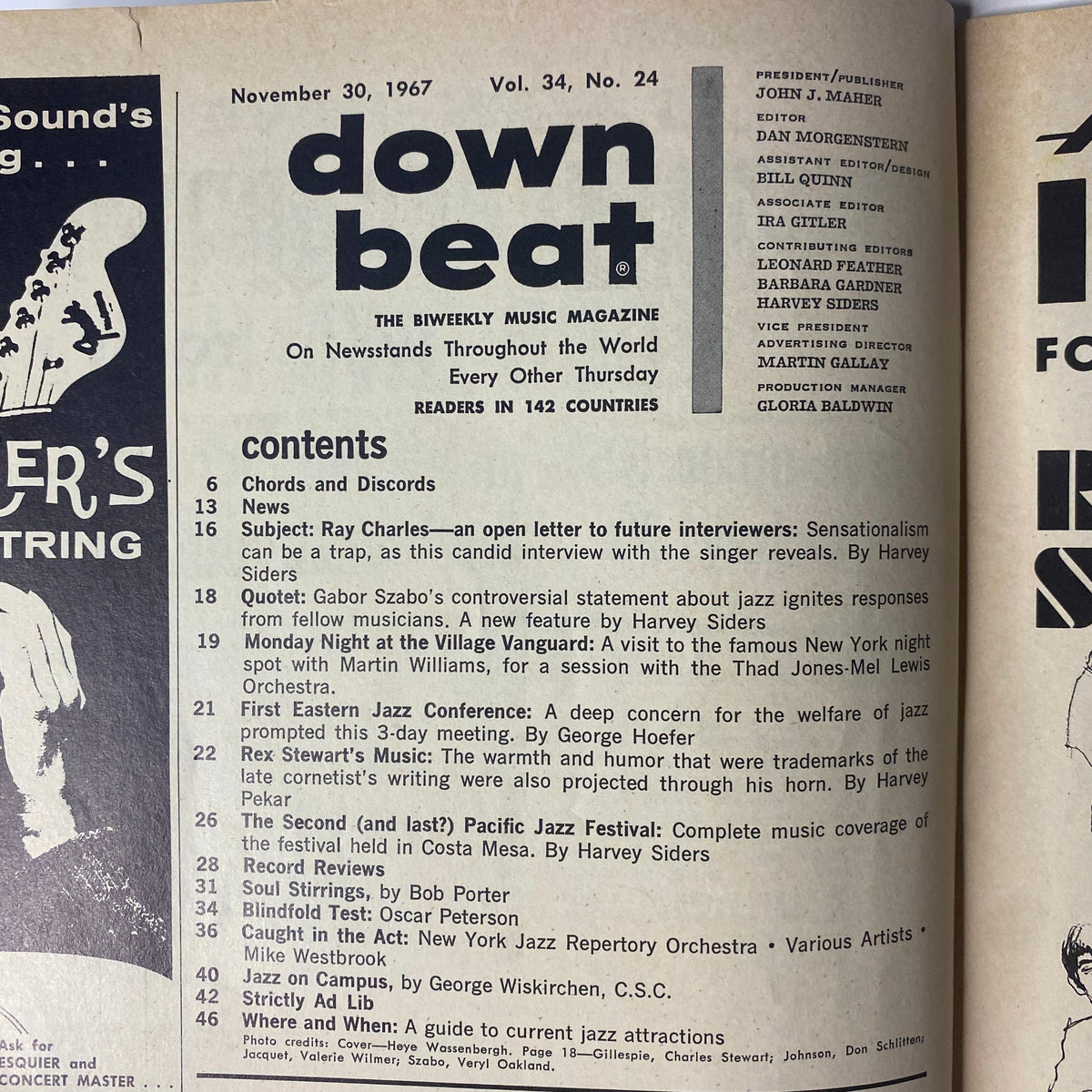
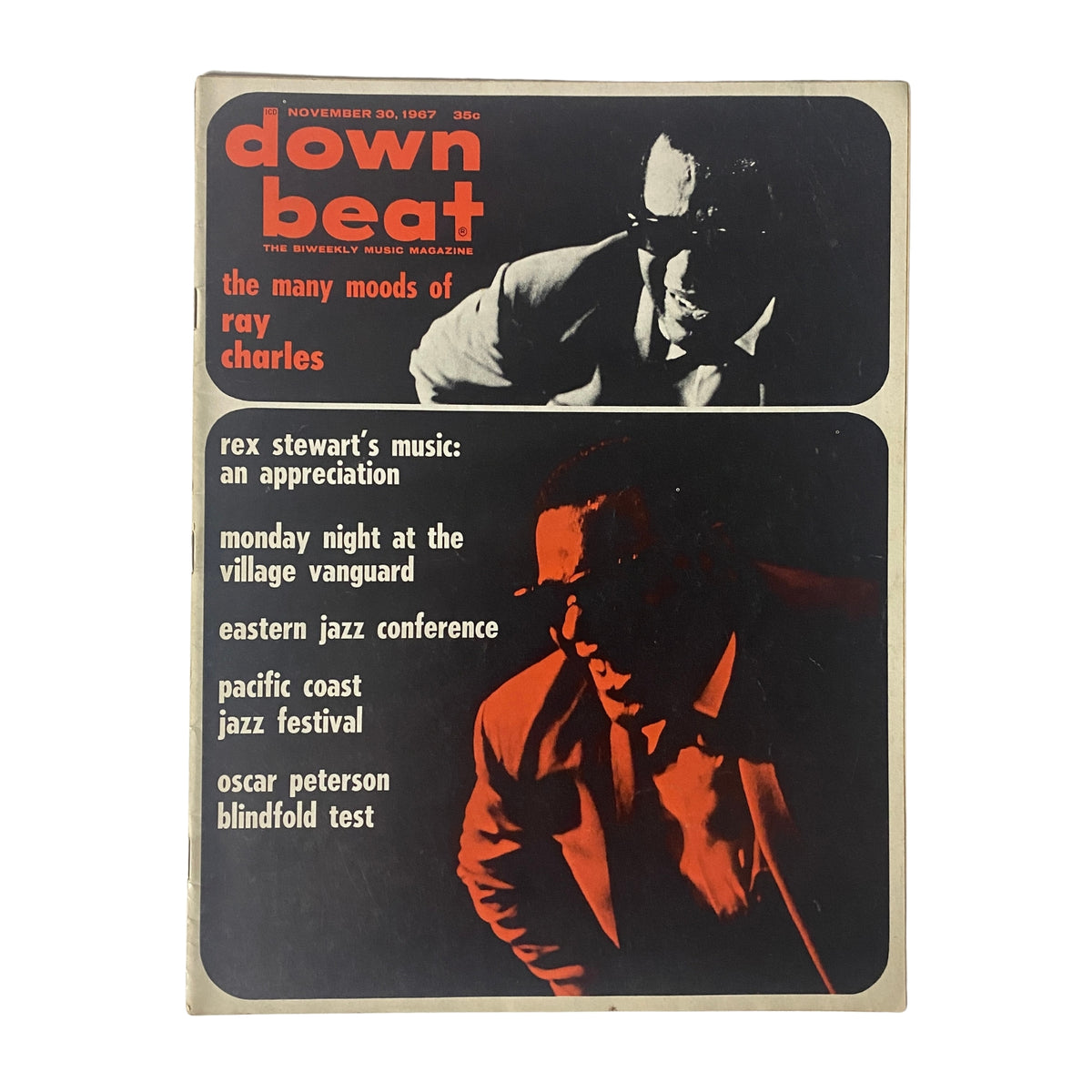
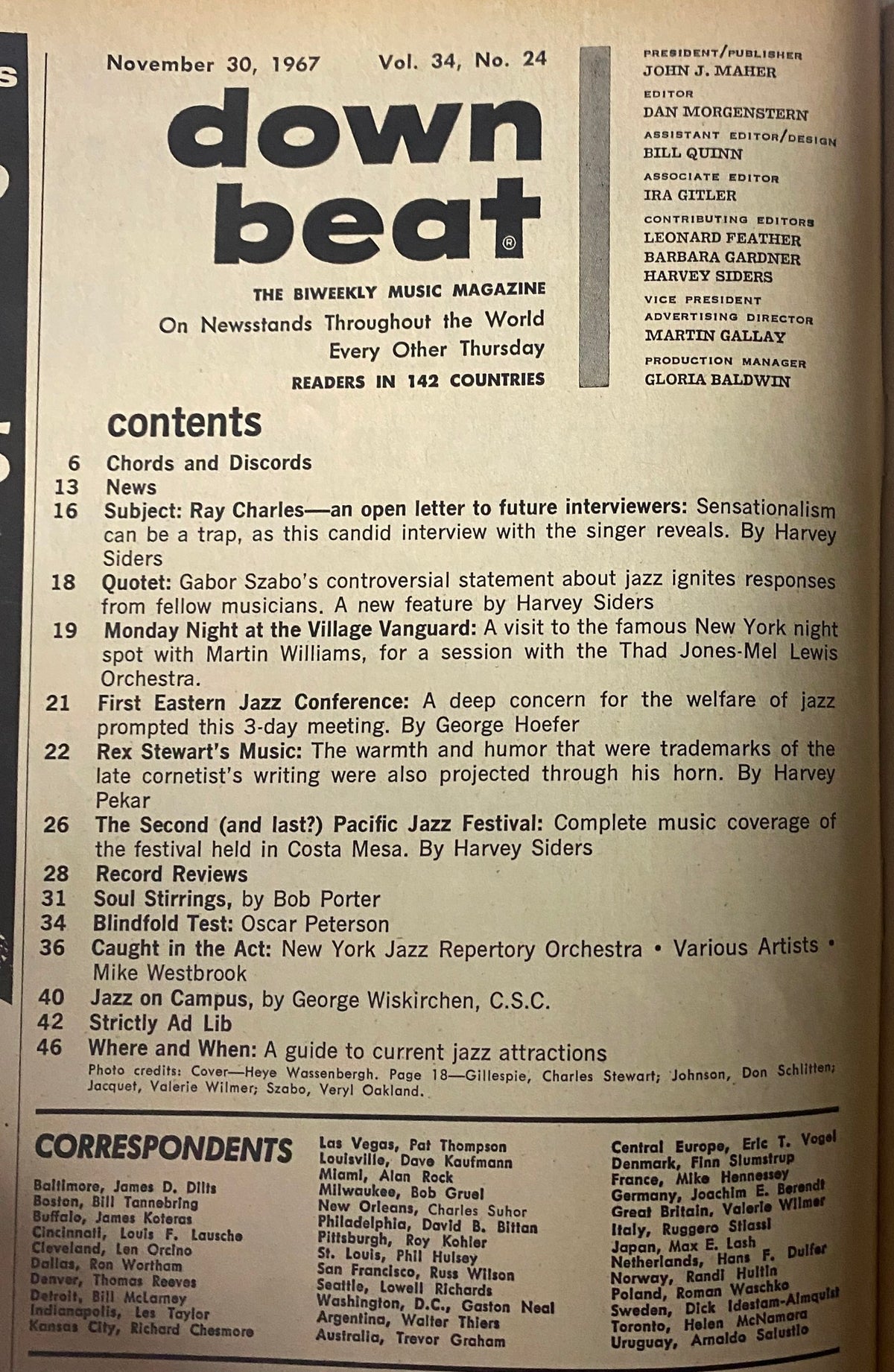
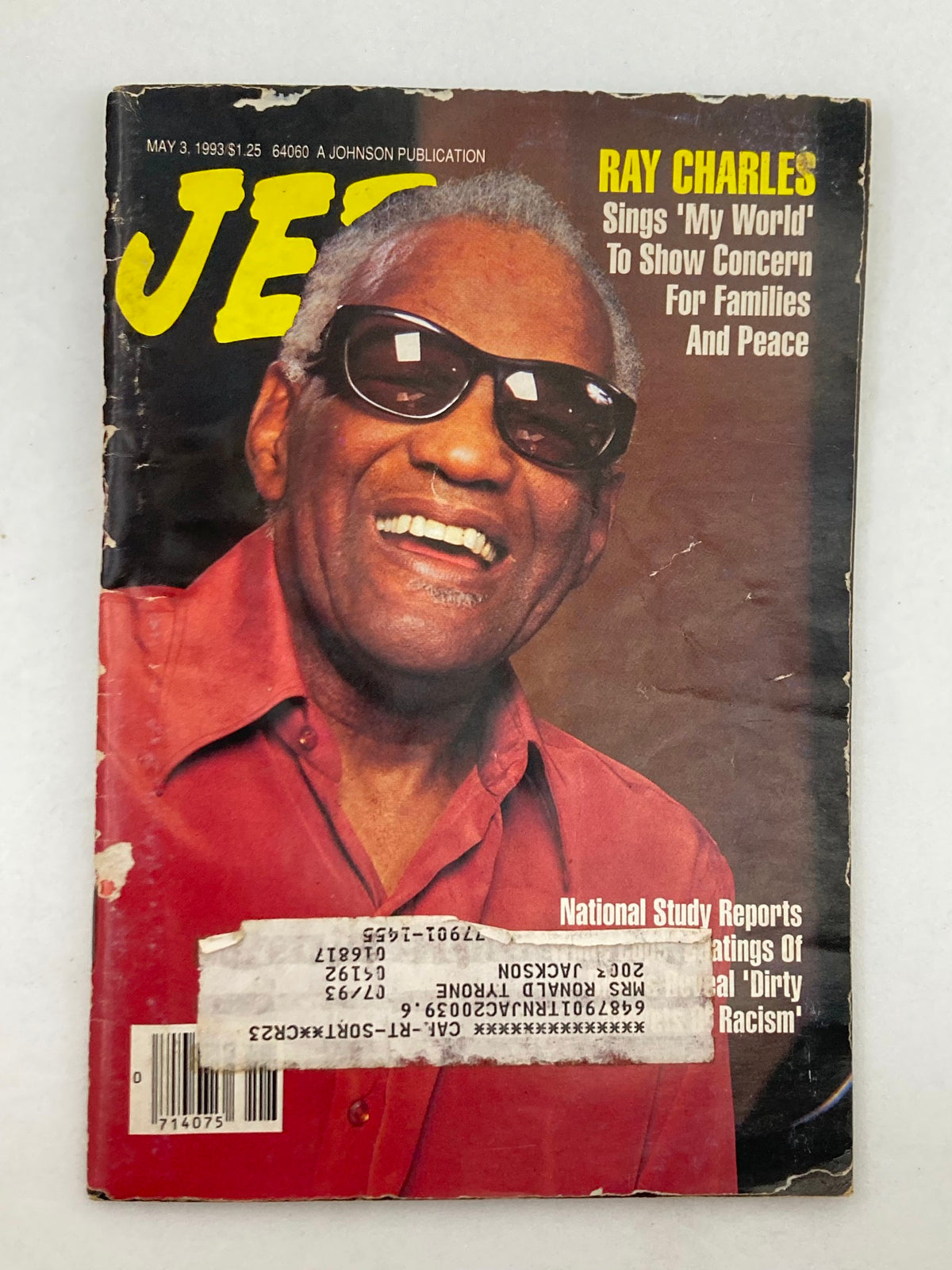
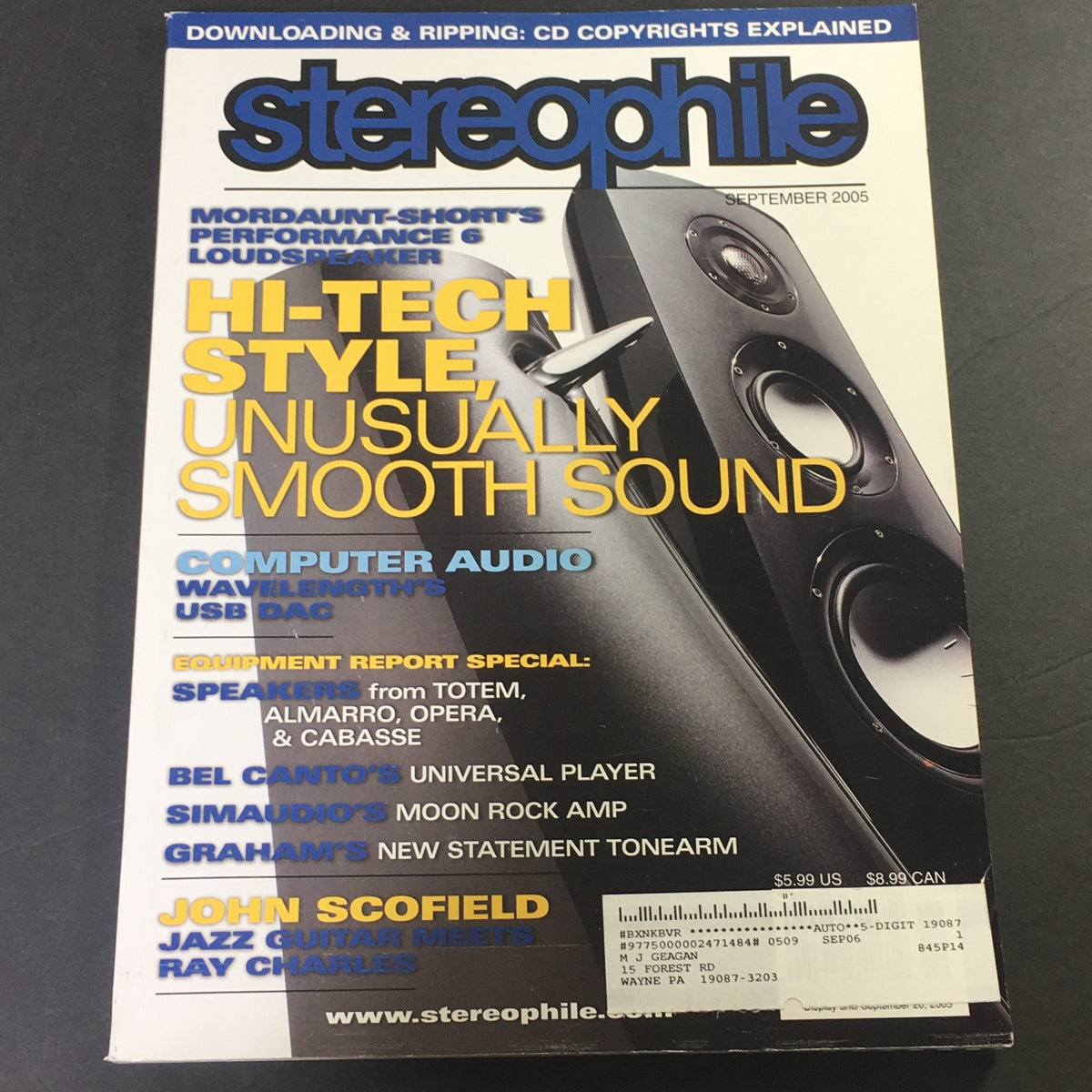
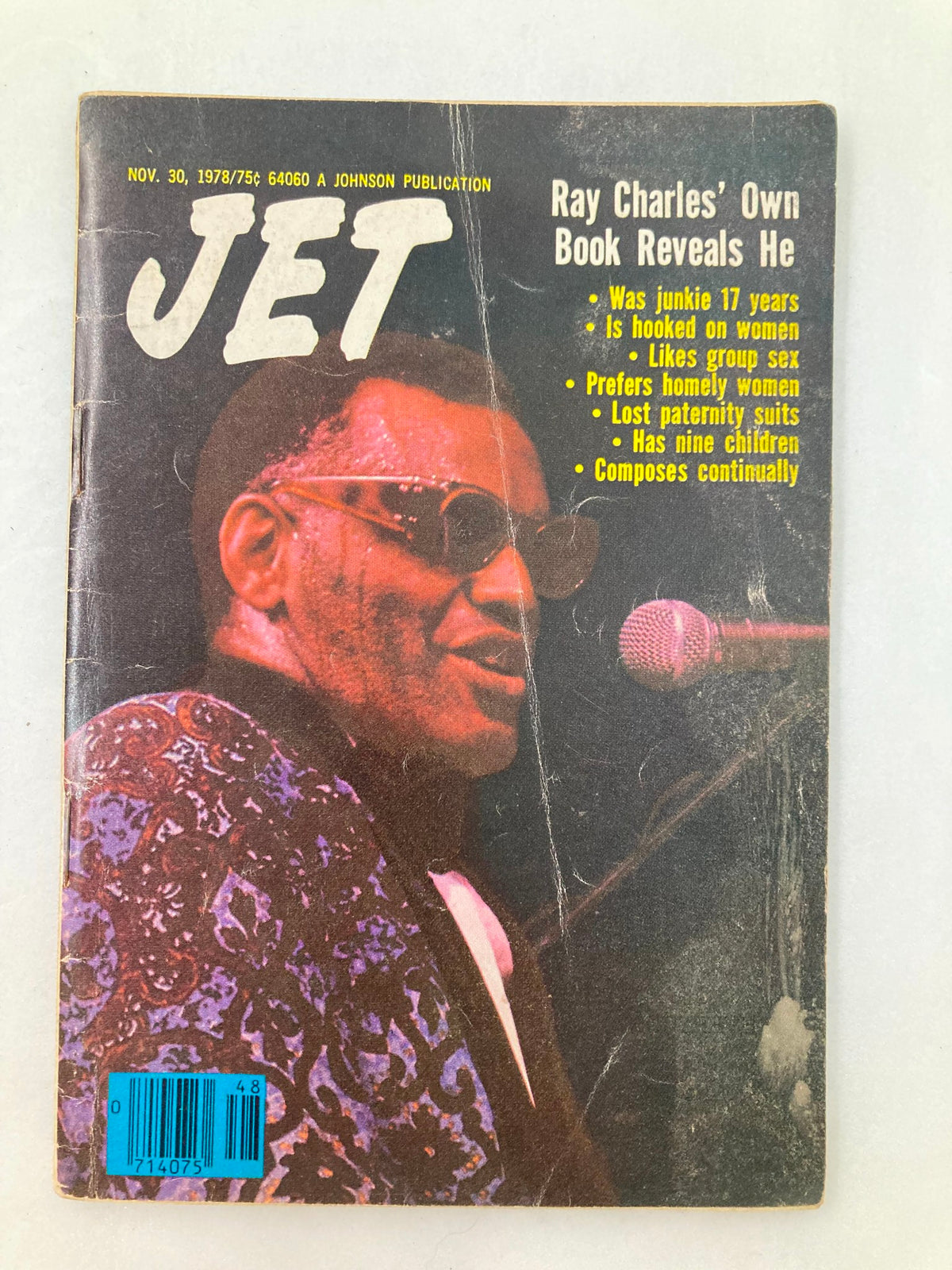
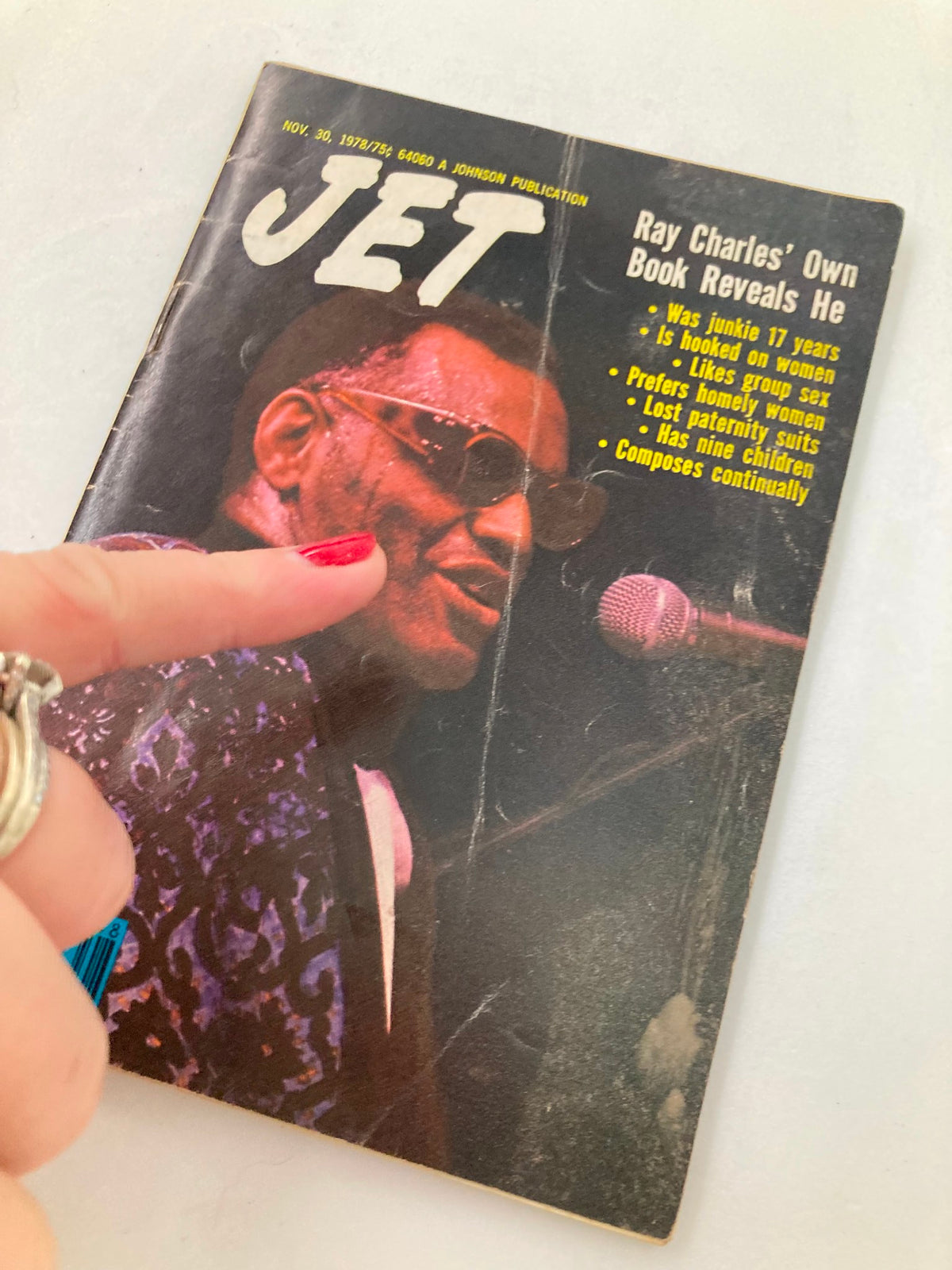
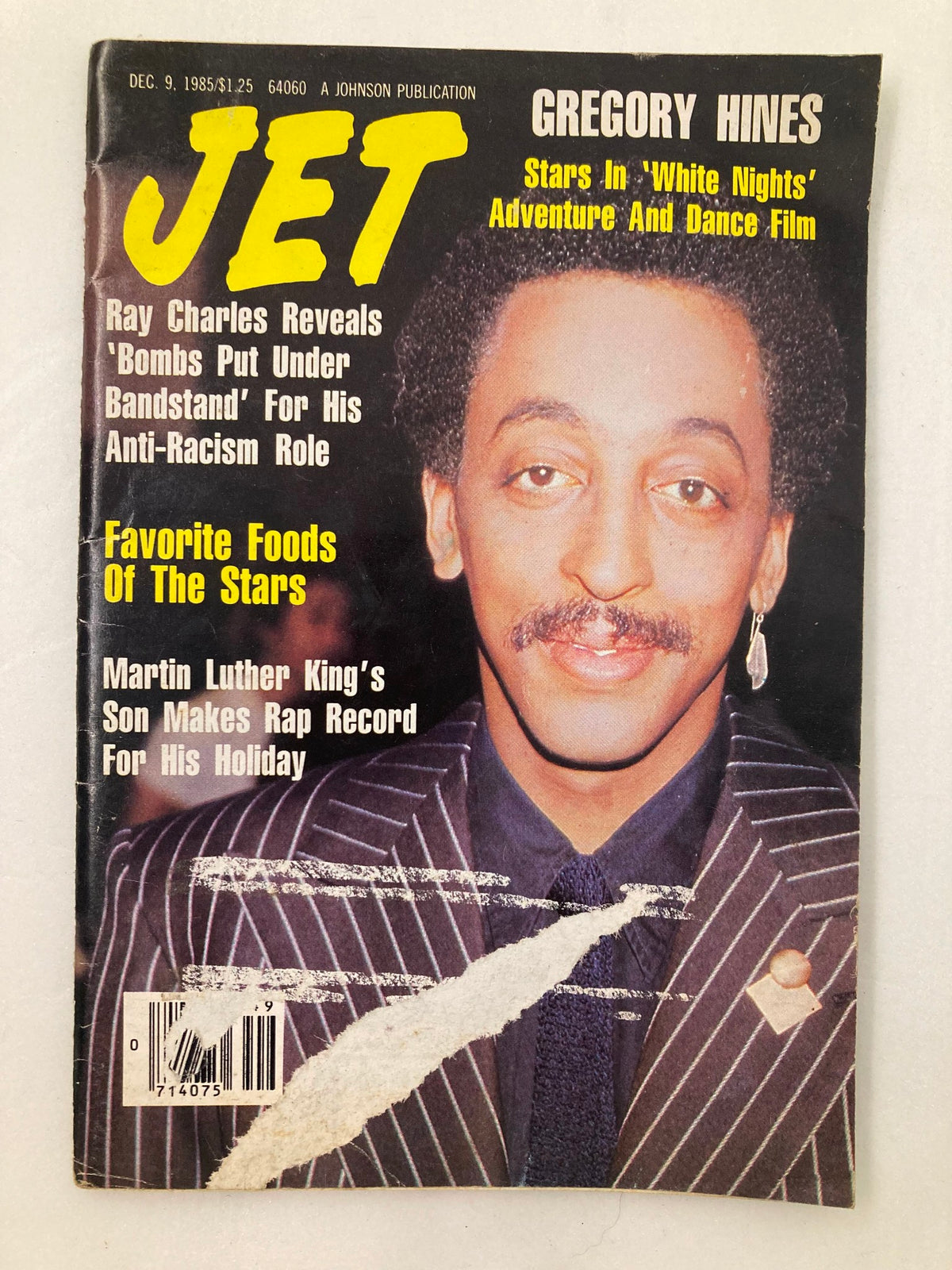
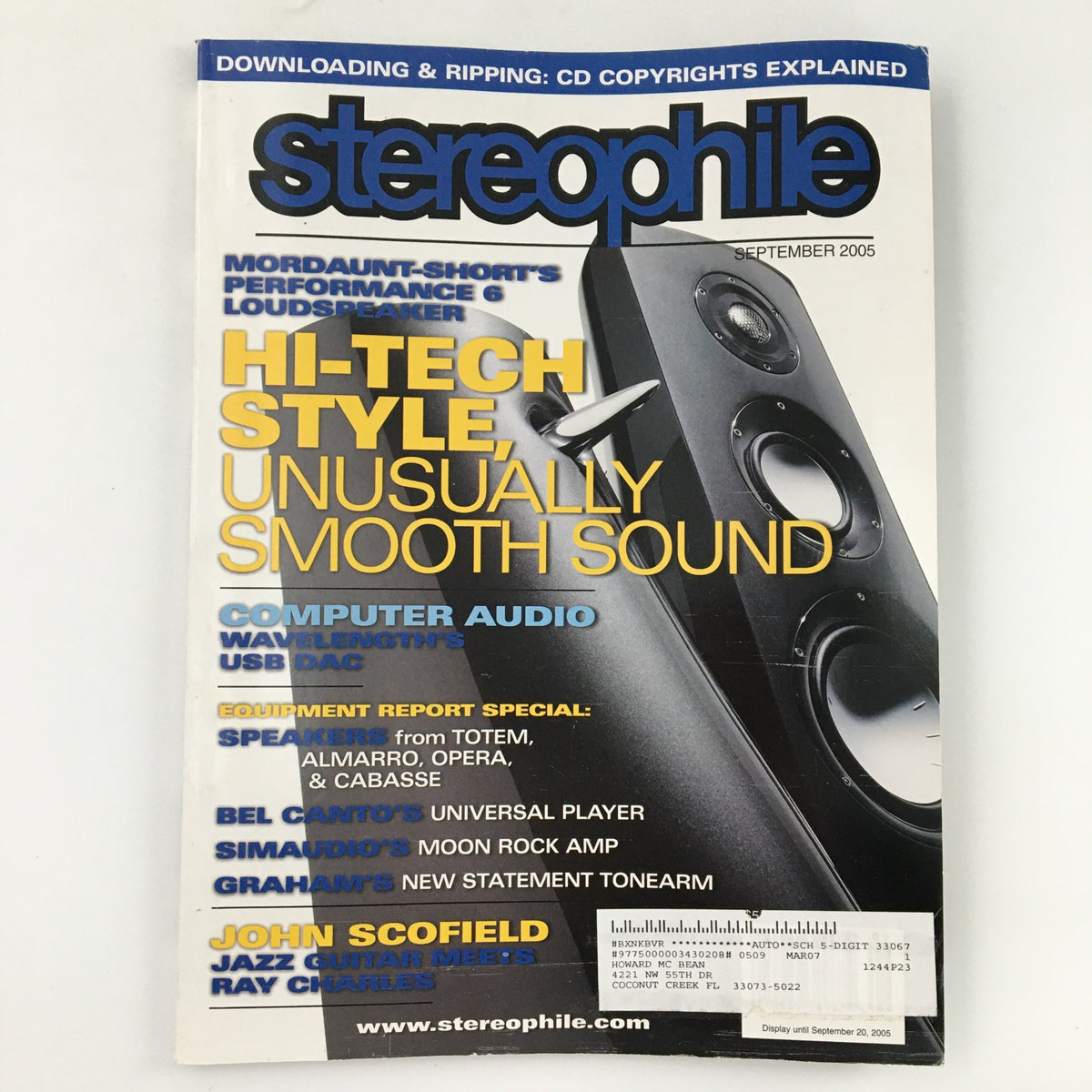
The vintage press captured Charles in striking intimacy—backstage at the Apollo with his trademark sunglasses reflecting stage lights, hunched over a Wurlitzer electric piano in grainy black-and-white studio sessions, or caught mid-performance with his head thrown back in ecstatic abandon. Music magazines chronicled his Atlantic Records revolution with the urgency of war correspondents documenting a cultural shift. Feature writers penned long-form profiles exploring the man behind the genius, while jazz publications analyzed his sophisticated arrangements with academic reverence. By the 1960s, glossy lifestyle magazines framed him as a crossover phenomenon, and civil rights journals examined his quiet but firm stand against segregated venues. The photography ranged from intimate portraits revealing weathered hands on piano keys to dynamic concert shots capturing the Raelettes mid-sway, each image preserving the electricity of an artist who played every show like it was his last.
Curator's Checklist: Highlights Often Include
- Atlantic Revolution: Features documenting the explosive 1950s recordings that birthed soul music, from "I Got a Woman" to "What'd I Say," often with rare studio photography and producer commentary.
- Country Crossroads: Coverage of Modern Sounds in Country and Western Music, the audacious 1962 album that scandalized purists and topped both pop and R&B charts, frequently accompanied by interviews about breaking genre barriers.
- Civil Rights Chronicles: Reports on his refusal to perform at segregated halls in Georgia and throughout the South, positioning him alongside the era's freedom fighters without fanfare or self-promotion.
- Collaborations & Sessions: Behind-the-scenes glimpses of his work with Quincy Jones, Aretha Franklin, Willie Nelson, and other luminaries, revealing the mutual respect that defined his partnerships.
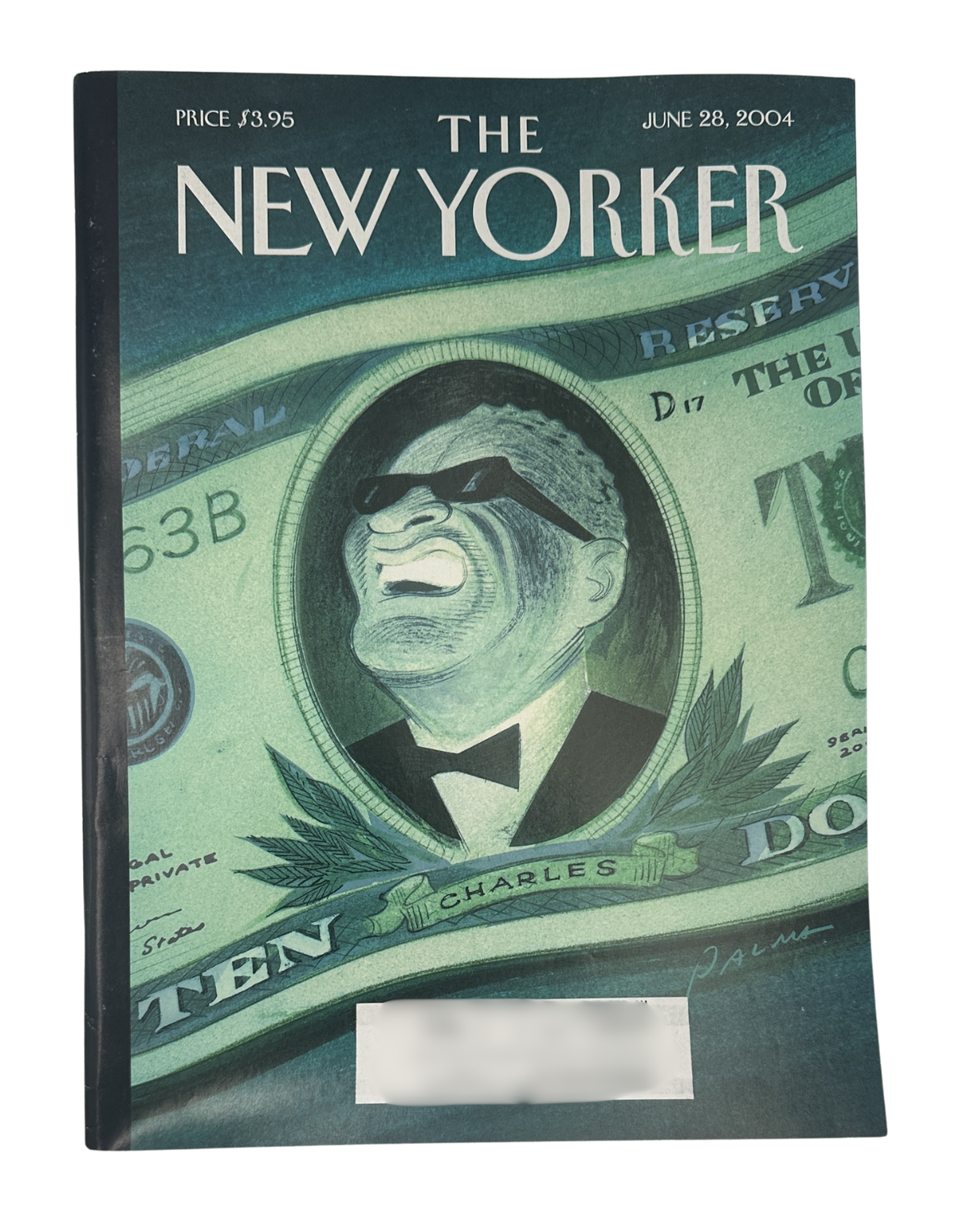
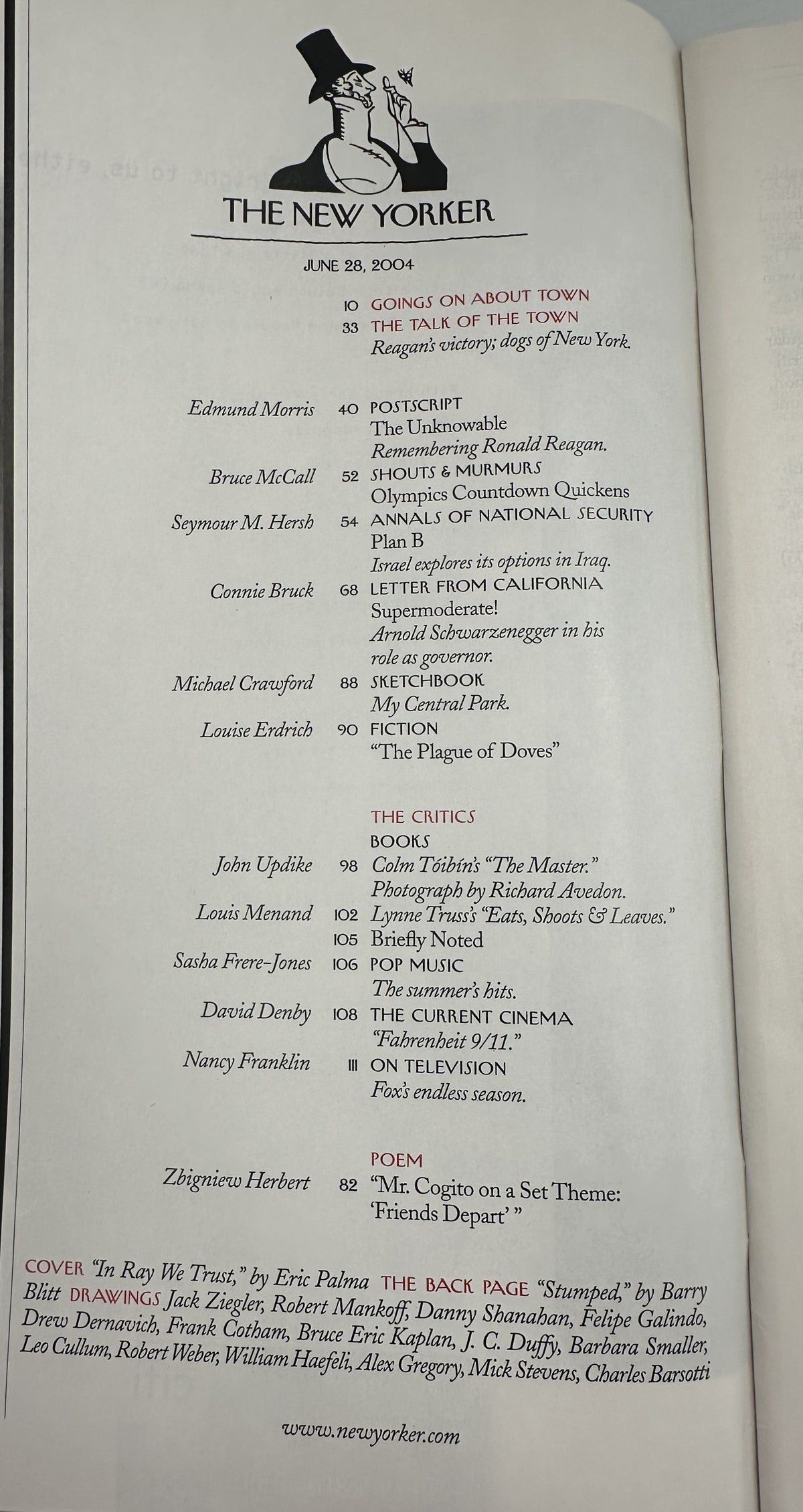
- Legacy Retrospectives: Tributes following his 2004 passing and profiles tied to the Oscar-winning biopic Ray, assessing his seismic influence on jazz, soul, country, and the very definition of American music.
The Collector's Value
An original magazine featuring Ray Charles isn't merely a collectible—it's a primary document of artistic courage, a freeze-frame of the moment when American music finally learned to tell the truth. These issues capture the revolutionary act of a blind Black man from the Jim Crow South becoming one of the most beloved artists in the world, not by softening his sound but by intensifying it, by refusing to choose between sacred and profane, between Black and white, between tradition and innovation. For collectors of music history, civil rights artifacts, or American cultural evolution, these pages represent the intersection where all three meet. Explore our current inventory below to discover which chapter of The Genius's extraordinary journey is available today.