📖 About this Collection
Red Skelton: America's Clown Prince, Preserved in Print
The Legend & The Legacy
Long before late-night television became a crowded landscape of monologues and celebrity interviews, Red Skelton reigned as one of the most beloved entertainers in the American consciousness — a rubber-faced, warm-hearted comedian who made the nation laugh through radio, film, and ultimately the golden glow of the television screen. From his roots as a Depression-era vaudeville performer to the unprecedented two-decade run of The Red Skelton Show, he was a fixture in the American living room in the most literal sense: families gathered around their sets each Tuesday evening to watch him inhabit characters like Clem Kadiddlehopper, Freddie the Freeloader, and the Mean Widdle Kid. In an era when there were only three networks and no on-demand alternatives, a comedian of Skelton's reach commanded a cultural gravity that is almost impossible to replicate today. Fans followed his career not through social media or streaming clips, but through the printed page — through fan mail columns, television weeklies, and the glossy spreads of mass-circulation magazines that arrived by post and sat dog-eared on coffee tables across the country.
Inside the Archive
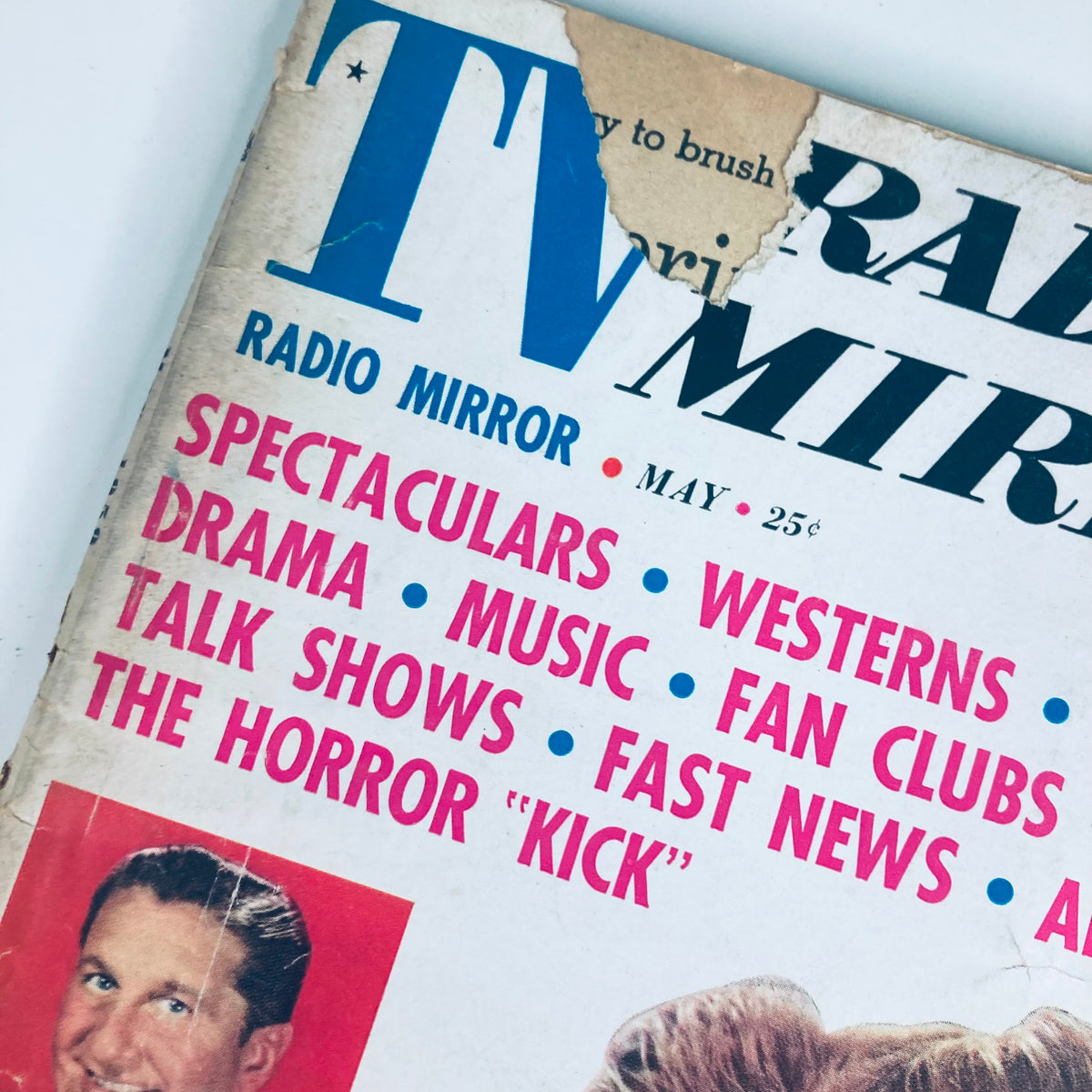
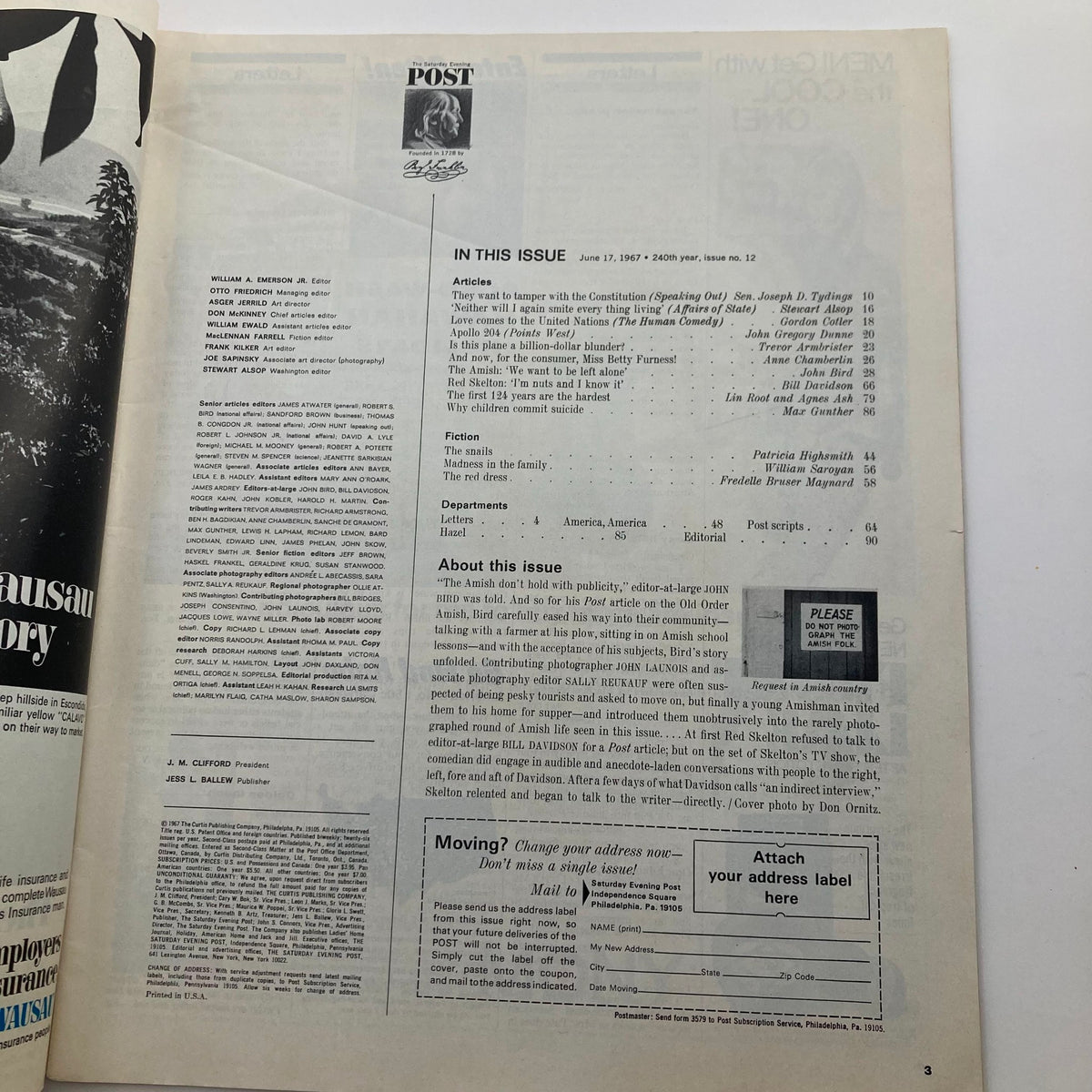
The magazine coverage of this beloved entertainer spanned several distinct phases of his public life, and the editorial treatment evolved beautifully across the decades. In the 1940s and early 1950s, publications like Life and Look captured him in the full theatrical physicality of his craft — wide, dynamic photographs of his elastic expressions, his pratfalls frozen mid-air, his eyes wide with that signature childlike wonder that transcended age and background. TV Guide, the most intimate chronicle of television's golden age, featured him with remarkable frequency throughout the 1950s and 1960s, offering readers behind-the-scenes portraits of the man behind the makeup, including glimpses into his equally passionate career as a painter. Photoplay and similar fan-oriented publications explored the more personal dimensions of his story — his working-class origins, his personal tragedies, and the genuine sentimentality that made audiences feel, always, that they were watching a real human being rather than a performance. The photography across these eras tends to be rich in warmth and spontaneity, reflecting an editorial world that still believed in the power of a single, perfectly composed image.
Curator's Checklist: Highlights Often Include
- Television premiere and milestone coverage — Issues from the early-to-mid 1950s frequently documented the launch and rising dominance of The Red Skelton Show, capturing a pivotal moment in the transition from radio comedy to television stardom
- Character studies and comedic profiles — Editorial features spotlighting his most iconic recurring characters, often accompanied by full-costume photography and quotes from the comedian himself on the art of physical comedy and clowning
- Personal and human-interest stories — Coverage touching on the deeply personal dimensions of his life, including tributes following the 1958 death of his young son Richard, which he addressed publicly and with extraordinary grace, endearing him further to the American public
- Crossover arts coverage — Features highlighting his lesser-known but genuinely acclaimed work as a visual artist, with his clown paintings becoming collectors' items in their own right during the latter half of his career
- Retrospective and career anniversary features — Publications from the late 1960s and 1970s often revisited his extraordinary run as ratings began to shift, offering reflective, elegiac portraits of a comedian who had defined an era
The Collector's Value
To hold one of these original issues is to hold something the internet cannot replicate — the slight give of decades-old coated stock beneath your fingertips, the faintly sweet, woody scent of aged ink and paper that no digital archive can conjure, the unexpected delight of a period advertisement for a long-discontinued appliance or automobile framing a full-page photograph of the great clown in mid-performance. These are primary source artifacts from the golden age of American broadcast entertainment, documents that capture not just a man but an entire cultural mood — the optimism, the domesticity, the unironic joy of postwar American life. The surrounding editorial context, the letters columns, the contemporaneous news items, all conspire to return you, completely, to the moment these pages were first turned. For collectors of golden-age television memorabilia, mid-century American entertainment history, or vintage broadcast journalism, these publications offer an irreplaceable window into an era of mass-media innocence that shaped comedy, performance, and popular culture for generations to come. Browse the current inventory below and discover which pieces of this remarkable legacy are available to bring home today.