📖 About this Collection
Redd Foxx: The King of the Blue Room, Immortalized in Print
The Legend & The Legacy
Long before cable comedy specials or streaming platforms rewrote the rules of entertainment, Redd Foxx built his empire the hard way — through smoky nightclubs, word-of-mouth reputation, and the slow, grinding burn of a career that refused to be respectable on anyone else's terms. Born John Elroy Sanford in St. Louis, he spent decades as the undisputed sovereign of "party records" — adult comedy albums that circulated through Black households and barbershops like contraband treasure, heard by millions but almost never discussed in polite company. When Norman Lear finally brought him to primetime television in 1972 with Sanford and Son, America discovered what Black audiences had known for twenty years: that this man was a generational talent of staggering comedic precision. The show became one of the highest-rated programs in the country, and the image of Fred Sanford clutching his chest and hollering for Elizabeth entered the permanent folklore of American television. In an era when the public learned about its icons through print — through magazine features, television guides, and entertainment weeklies passed hand to hand — the transformation of the "blue comedian" into a beloved national figure was a story that played out, page by glossy page, in real time.
Inside the Archive
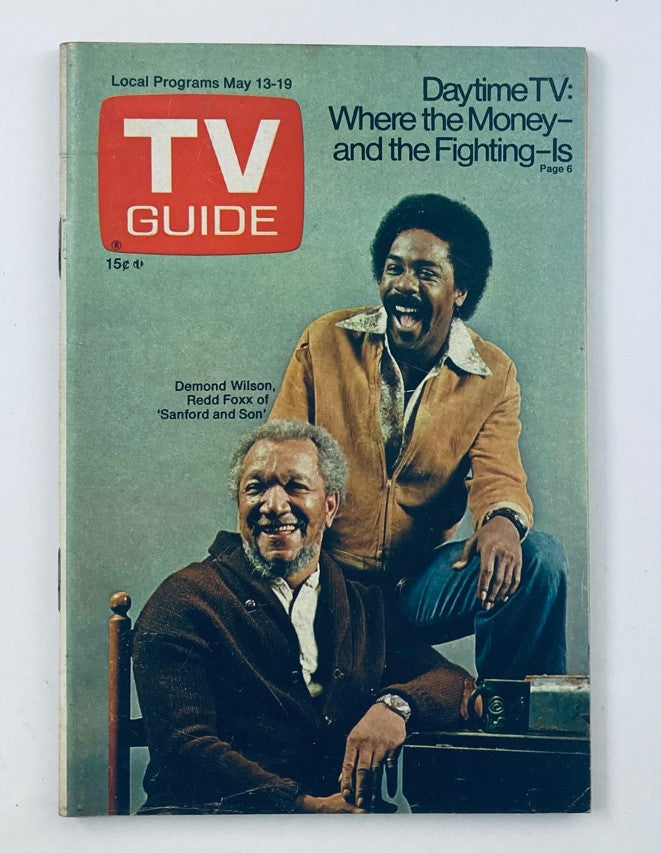
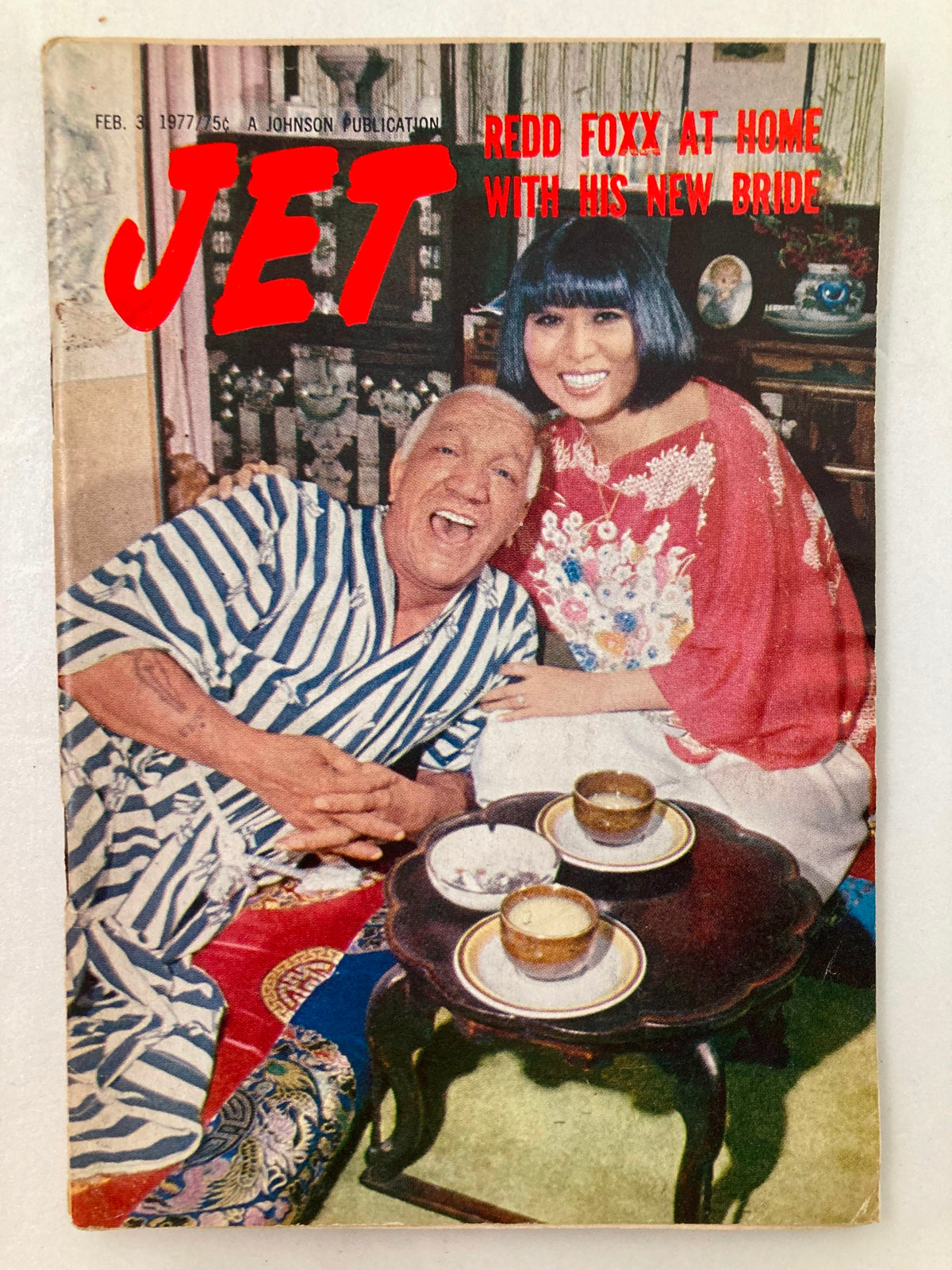
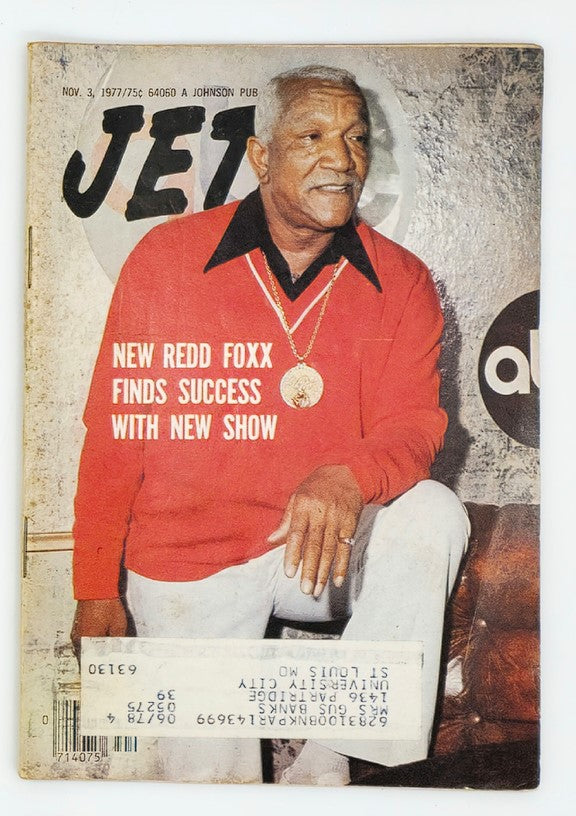
The magazines that chronicled his rise captured a man of remarkable contradictions: raucous and refined, boundary-breaking and deeply sentimental. Ebony and Jet, the twin pillars of Black American print culture, covered him with particular depth and affection — profiling not just the star but the symbol, examining what his mainstream success meant for Black representation at a moment when network television remained largely hostile territory. TV Guide, at the height of its cultural dominance, featured the Sanford and Son cast with the kind of earnest enthusiasm it reserved for shows that had genuinely seized the national conversation. Entertainment weeklies and comedy-focused publications of the early 1970s grappled openly with the novelty of his ascent, their editorial tone often oscillating between celebration and barely concealed astonishment that a man with his underground history had conquered the American living room. Photography from this era tends toward the warmly candid — the King of Comedy photographed on set amid the organized chaos of the Sanford junkyard, or in leisure portraits that emphasized the sly, knowing grin that made Fred Sanford's fake heart attacks so irresistibly funny.
Curator's Checklist: Highlights Often Include
- The Sanford and Son Years (1972–1977): Coverage of the show's meteoric ratings success, cast profiles, and behind-the-scenes features from one of the most watched programs in American television history
- The Party Record Era: Retrospective and contemporaneous pieces exploring his decades-long career as the most celebrated comedian on the Black nightclub and album circuit, often including rare biographical detail unavailable elsewhere
- His Celebrated Las Vegas Residencies: Features on his status as a headline Las Vegas act, with the glamour photography and lifestyle coverage that defined entertainment journalism of the late 1960s and 1970s
- The Contract Disputes & Comeback Narratives: Editorials and news coverage surrounding his high-profile departure from Sanford and Son and subsequent projects, including The Redd Foxx Show and Sanford — a chapter that fascinated the entertainment press
- Tributes & Legacy Retrospectives: Memorial coverage following his sudden death in 1991, with publications reflecting on the full arc of a career that had quietly redefined the boundaries of American comedy
The Collector's Value
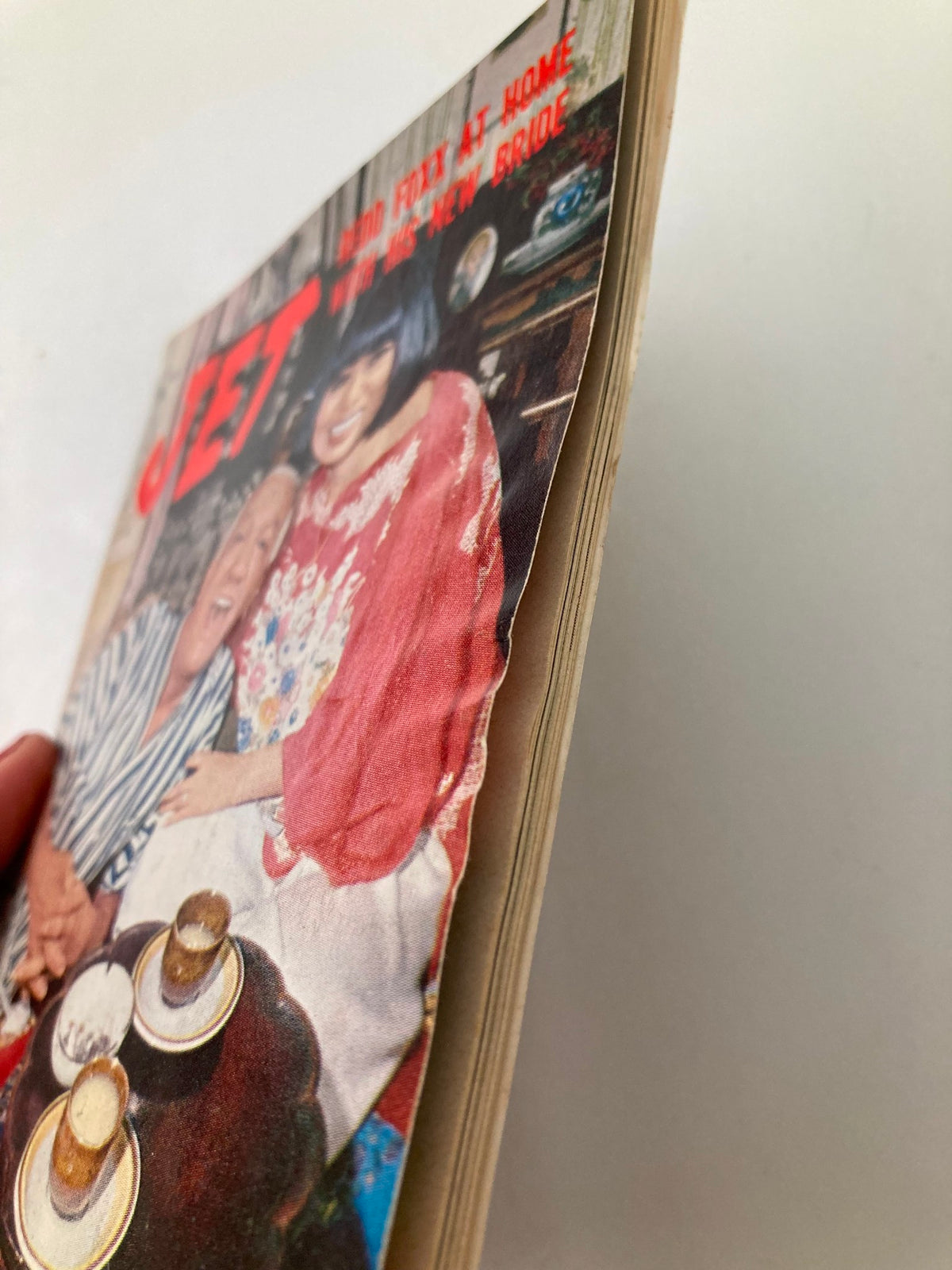
To hold one of these issues is to hold something the internet cannot replicate — the slight give of aged newsprint beneath your fingers, the faint, distinctive perfume of decades-old ink, and the vivid, unretouched photography of a world captured without digital correction or algorithmic curation. Surrounding his features, you will find the period intact: advertisements for products, fashions, and automobiles that place the reader squarely inside the cultural moment he inhabited. These are not reproductions or retrospectives — they are primary source documents, printed and distributed while the story was still unfolding, carrying the excitement, the language, and the visual grammar of their exact moment in time. For collectors of vintage television memorabilia, African American cultural history, or classic American comedy, these publications offer an irreplaceable window into an era when one man's audacity permanently expanded the definition of who could be a star. Explore our current available inventory below, where each issue waiting for you is the only one of its kind.