📖 About this Collection
Reggie Jackson: The October King in Print
The Legend & The Legacy
Few athletes have ever commanded the American imagination quite like Reginald Martinez Jackson — a force of nature who transcended box scores and batting averages to become one of the defining cultural icons of the 1970s and early 1980s. In an era before highlight reels and social media, the public fell in love with Mr. October through the glossy pages of magazines that arrived at doorsteps and newsstands across the country. His volcanic personality, his unapologetic self-confidence, his fiery clashes with Billy Martin in the Yankee dugout, and his singular genius for rising to the grandest occasions made him irresistible editorial material. Three home runs on three consecutive pitches in Game 6 of the 1977 World Series didn't just win a championship — it detonated across the national press like a thunderclap, sending editors scrambling for superlatives. The Mr. October nickname wasn't coined by a biographer years later; it was born in real time, in ink, on paper, passed from hand to hand by a public that could not get enough of the man who performed his greatest acts on the largest stages.
Inside the Archive
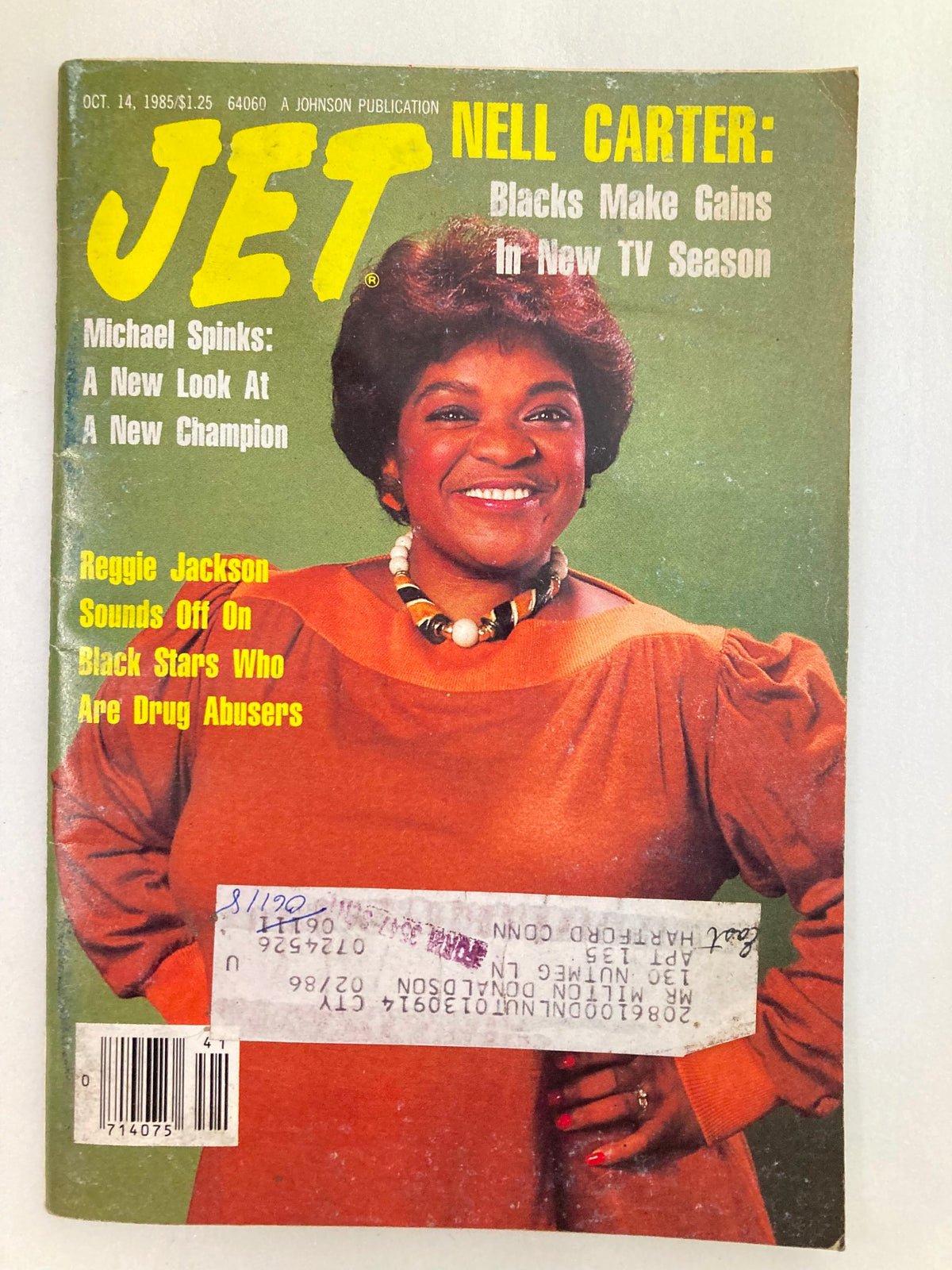
The visual language surrounding the slugger was as bold and theatrical as the man himself. Sports Illustrated returned to him again and again throughout his career — dramatic action photography capturing the torque of that iconic swing, the helmet slightly askew, the follow-through that seemed to defy physics — paired with long-form feature writing that explored the psychological complexity beneath the bravado. Ebony and Jet, the indispensable chronicles of Black American achievement, gave readers a deeper and more personal portrait of the man: his pride, his politics, his place in the continuum of great African American athletes who bore the weight of representation alongside their athletic glory. Sport magazine, a beloved and now-defunct monthly that occupied every serious fan's coffee table during the 1970s, ran cover stories that captured the full arc of his career — from his electrifying early years in Oakland with the A's dynasty teams, through the turbulent Bronx Zoo era, to his later reinvention as a California Angel. The photography of the period was visceral and unretouched — stadium lights, cigarette smoke, the raw grain of 35mm film — a visual aesthetic entirely unlike the digitally perfected imagery of modern sports coverage.
Curator's Checklist: Highlights Often Include
- World Series championship coverage from 1972–74 (Oakland A's dynasty) and the landmark 1977 New York Yankees title, with commemorative and post-season issues that captured the full drama of his October heroics
- Profile and feature spreads exploring the infamous Yankee clubhouse tensions — his relationship with Billy Martin and George Steinbrenner made for compelling, almost novelistic editorial content throughout the late 1970s
- Ebony and Jet features examining his cultural significance as a prominent, outspoken Black superstar during the post-Civil Rights era, with candid photography and deeply personal interviews
- Candy bar and commercial crossover coverage reflecting his rare status as a crossover marketing phenomenon — the "Reggie Bar" and his broader advertising presence frequently appeared as cultural commentary in general interest publications
- Hall of Fame induction features from 1993, with retrospective issues offering sweeping assessments of a career that redefined what it meant to be a clutch performer in American professional sports
The Collector's Value
To hold one of these original issues is to hold a artifact of American sporting mythology — the paper slightly yellowed at the edges, the ink carrying that unmistakable dry, woody scent that no digital archive can replicate, the surrounding advertisements offering their own time capsule of the era: American car culture, cigarette brands, men's cologne, all the commercial texture of a world that no longer exists. These are primary sources, not reproductions — the very publications that shaped how an entire generation understood and celebrated one of baseball's most explosive personalities in real time. The tactile weight of a 1977 Sports Illustrated World Series issue, its cover creased from a thousand excited readings, connects you to October nights in Yankee Stadium in ways that a JPEG simply cannot. For collectors of vintage baseball and postseason memorabilia, 1970s New York Yankees history, or African American sports and cultural heritage, these publications offer an irreplaceable window into how a living legend was received, debated, and celebrated by the world that watched him play. Explore the current available inventory below and discover which pieces of that extraordinary story are waiting for you today.