📖 About this Collection
Rene Russo: The Lioness in Print — Power, Grace, and the Gaze That Defined an Era
The Legend & The Legacy
Before algorithms curated beauty and streaming platforms manufactured stardom, Rene Russo arrived on newsstands the old-fashioned way — through sheer, undeniable presence. She rose first as one of the most sought-after models of the 1970s, gracing the covers of the era's most prestigious fashion titles before Hollywood came calling and transformed her into something rarer still: a leading woman of genuine authority. In the 1990s, at a moment when the industry routinely sidelined women past thirty, she became one of cinema's most compelling presences — holding her own opposite Mel Gibson in the Lethal Weapon franchise, matching Clint Eastwood beat for beat in In the Line of Fire, and commanding the screen opposite Pierce Brosnan in The Thomas Crown Affair with a cool, feline intelligence that made audiences reconsider everything they thought they knew about desire and power. For a generation that experienced her story through physical print — through magazine stands at airports, drugstores, and bookshops — each issue was a chapter in an unfolding cultural conversation about beauty, age, and a woman who refused to be diminished.
Inside the Archive
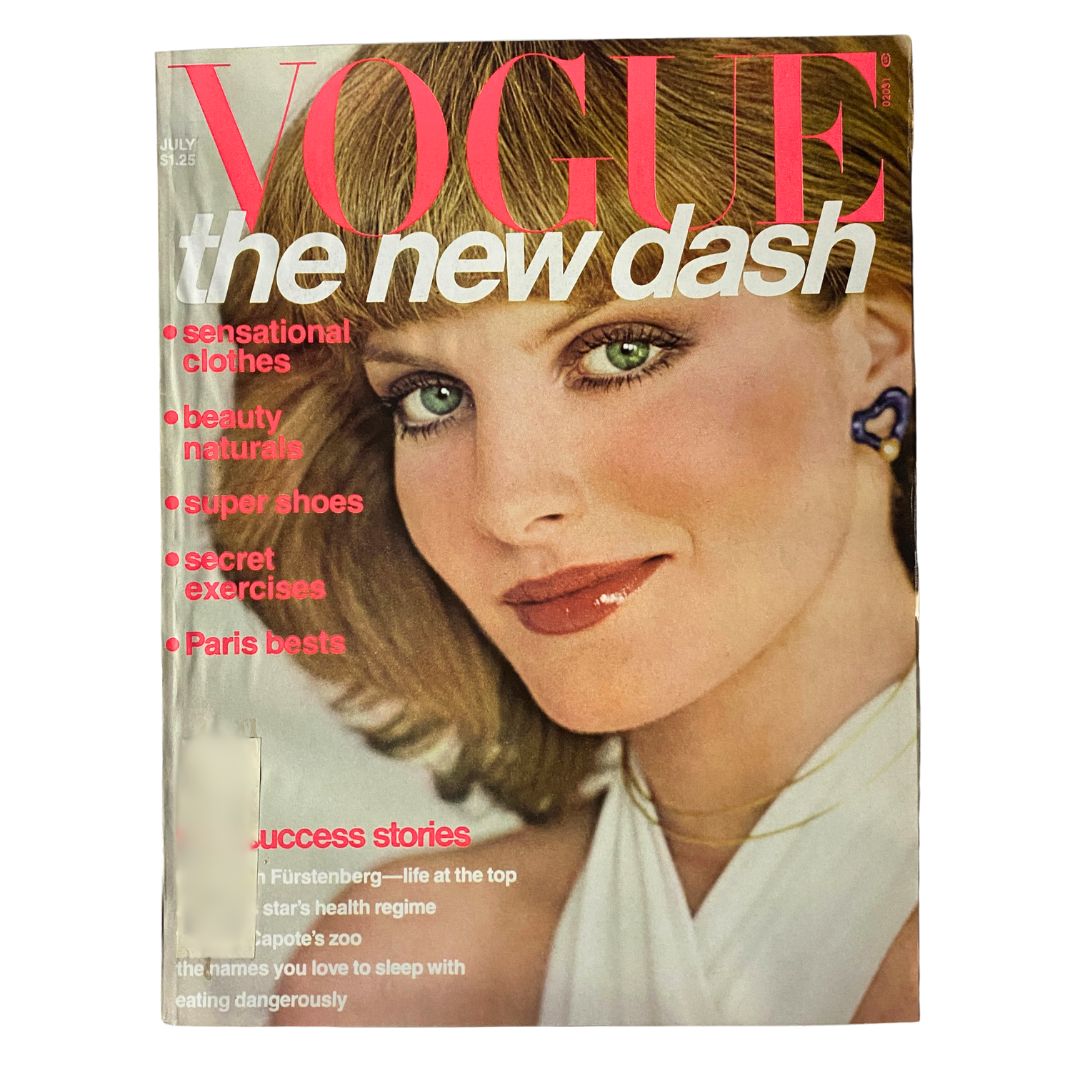
The magazines that documented Rene Russo's dual reign — first as a top-tier model, then as a Hollywood force — capture two distinct and equally compelling visual eras. Her modeling years produced editorial photography defined by the languid, sun-drenched aesthetics of 1970s fashion: warm film grain, natural movement, and a knowing confidence that set her apart from the waif-like vulnerability fashionable at the time. Publications such as Vogue and Cosmopolitan featured her across fashion spreads and beauty editorials that embodied the decade's particular vision of liberated glamour. When her film career ignited in the early 1990s, the coverage shifted — Rolling Stone and Entertainment Weekly brought a sharper, more cinematic lens to their profiles, pairing incisive interviews with photography that emphasized her striking physical presence and surprising depth as a performer. International editions of major fashion titles also took note, recognizing in her a rare crossover figure whose appeal translated across continents and demographics with equal force.
Curator's Checklist: Highlights Often Include
- Fashion editorial spreads from the 1970s — early modeling work from her pre-Hollywood years, featuring the era's signature warm-toned photography and high-fashion styling that first brought her to national attention
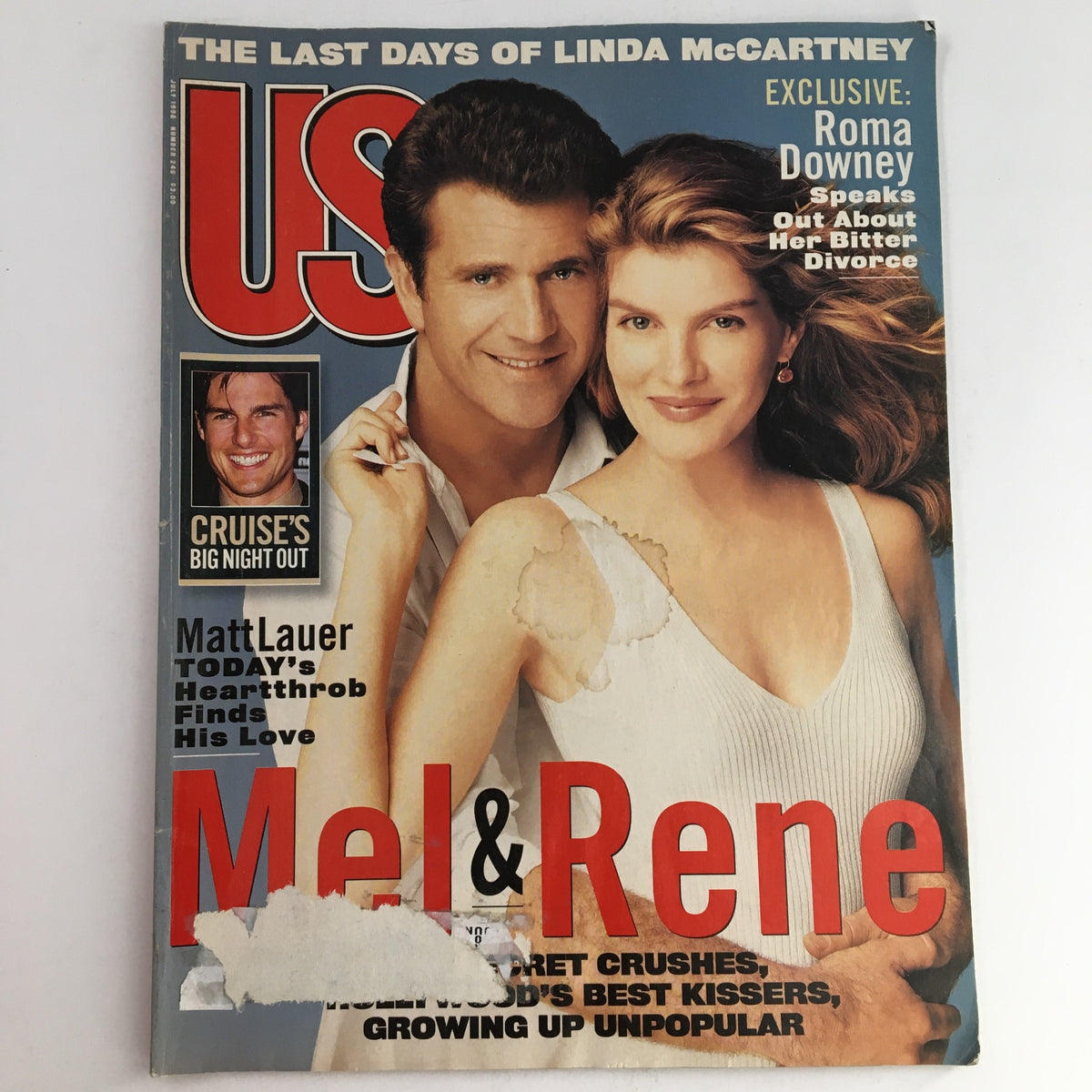
- Hollywood profile features from the early-to-mid 1990s — in-depth interviews and full-length editorial shoots tied to major film releases, exploring her late-blooming acting career and the industry's complicated fascination with her trajectory
- Cover appearances on major entertainment and lifestyle titles — issues where she featured prominently in connection with blockbuster releases such as The Thomas Crown Affair and Lethal Weapon 3, often accompanied by behind-the-scenes photography
- Think-pieces and cultural commentary in women's publications — editorial features that used her story as a lens through which to examine Hollywood's treatment of women over forty, a subject of considerable cultural urgency throughout the decade
- International magazine coverage — European fashion and cinema titles that documented her from both a style and film-industry perspective, offering a distinctly different editorial voice and visual treatment from their American counterparts
The Collector's Value
To hold one of these issues today is to hold a document of a specific, irretrievable cultural moment — the paper stock slightly yellowed at the edges, carrying that unmistakable mineral-and-ink scent that no digital archive can replicate, the surrounding advertisements a vivid time capsule of the fashions, fragrances, and aspirations of their era. These are not reprints or scans; they are primary sources, handled once by someone who plucked them from a newsstand when the world they depicted was entirely present tense. The photography inside was conceived for the scale and texture of the printed page, the colors saturated in ways that screens still struggle to honor. For collectors of vintage Hollywood memorabilia, 1970s and 1990s fashion history, or women's cultural history and representation in media, these publications offer something no poster or still photograph can — context, voice, and the full weight of the era surrounding the icon. Explore the current available inventory below and discover which chapters of this remarkable story are waiting to come home with you.