📖 About this Collection
Richard Gere: The Smoldering Conscience of Hollywood's Golden Disquiet
The Legend & The Legacy
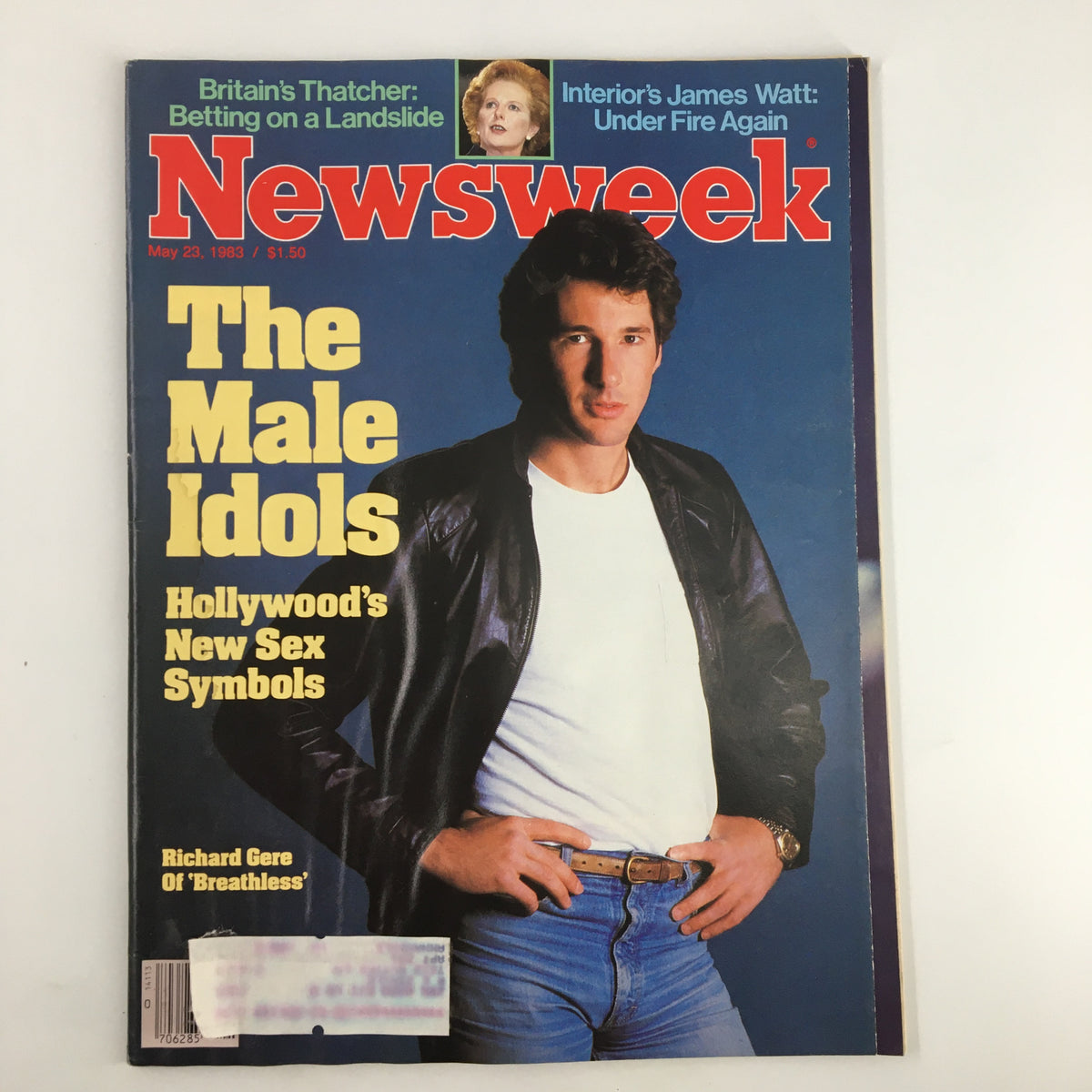
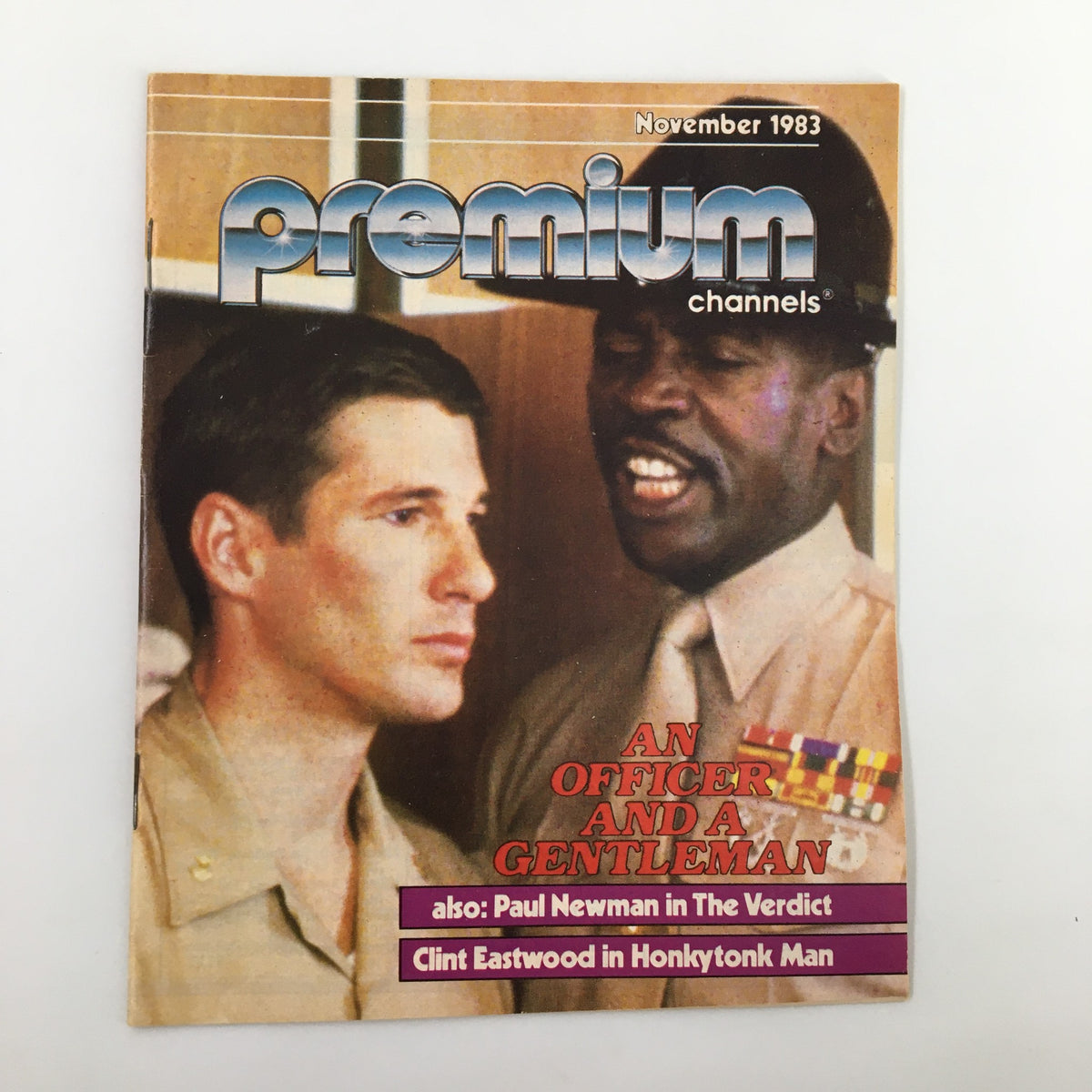
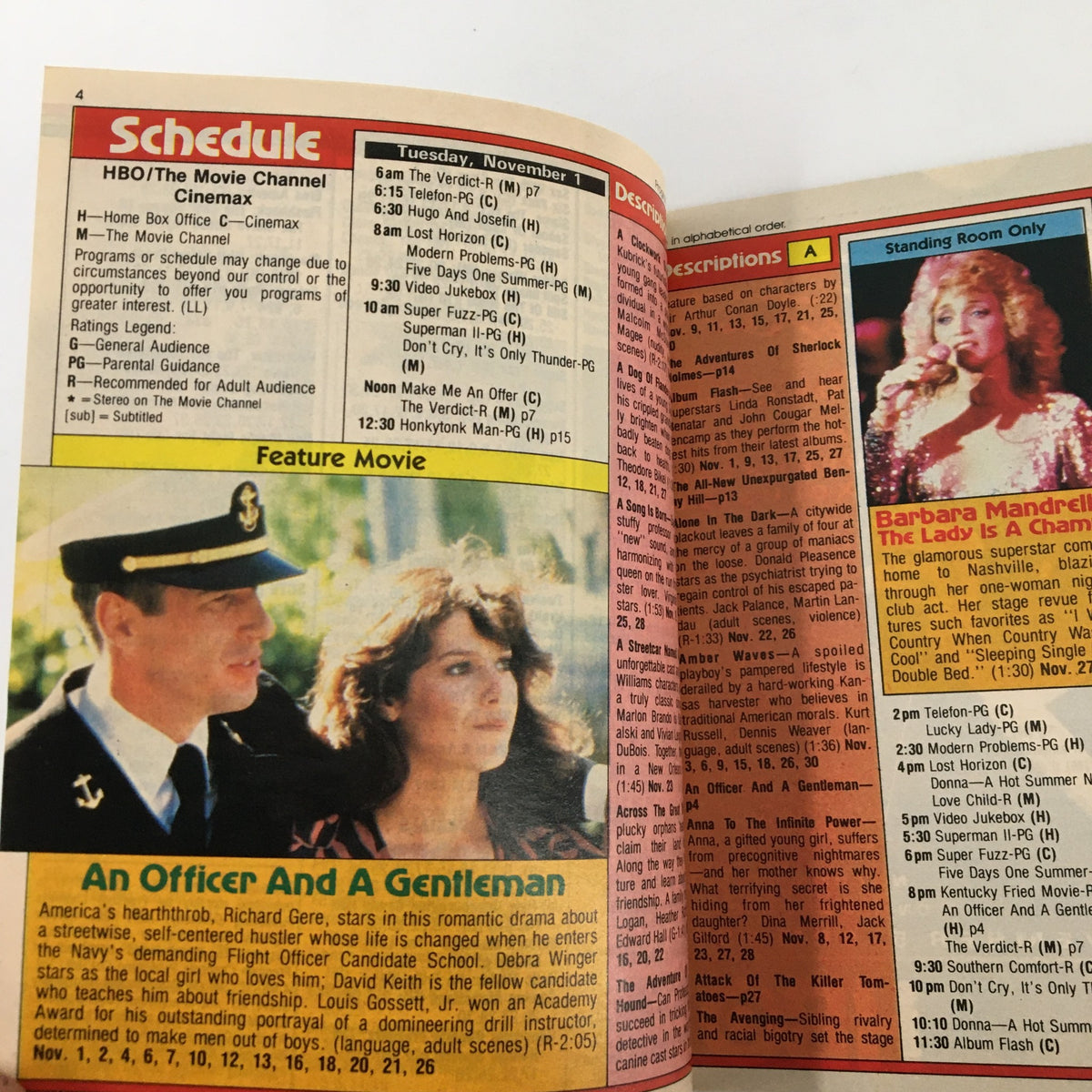
Few figures of the late twentieth century embodied contradiction so magnificently — or so profitably — as Richard Gere. Rising to cultural omnipresence in the early 1980s, he became the rare leading man who was simultaneously a studio-manufactured sex symbol and a quietly subversive presence, one who used his magnetism as leverage for causes the mainstream entertainment industry preferred to ignore. From the electric provocation of American Gigolo and An Officer and a Gentleman to the global phenomenon of Pretty Woman, he occupied magazine racks at a moment when print media was the singular arbiter of stardom — when a cover placement on a glossy weekly or a lavish fashion monthly was not merely publicity, but cultural canonization. His outspoken advocacy for Tibetan independence and his public embrace of Buddhism made him a figure of genuine geopolitical consequence, not merely celebrity gossip, and editors treated him accordingly: as a man whose image demanded both desire and debate.
Inside the Archive
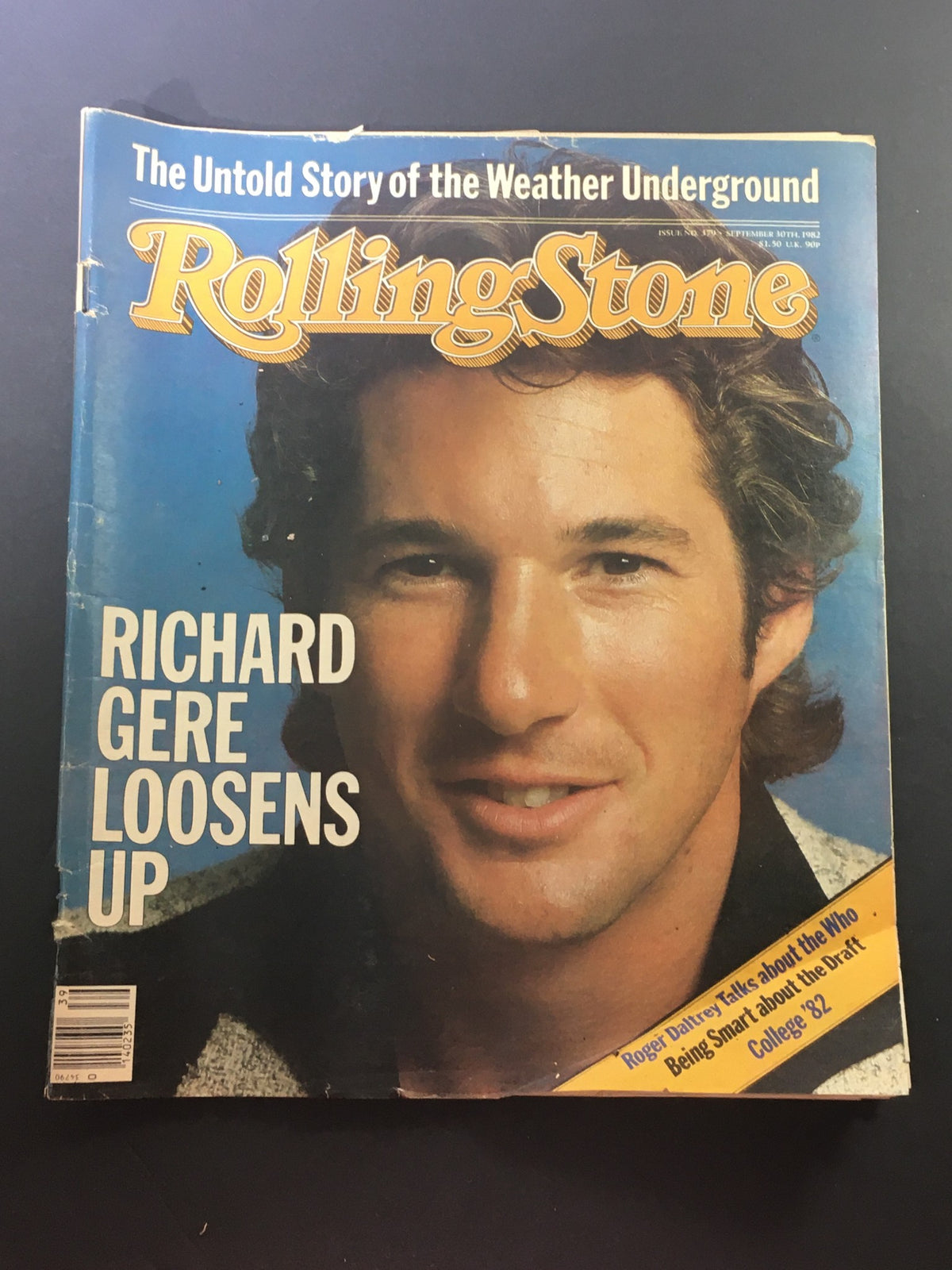
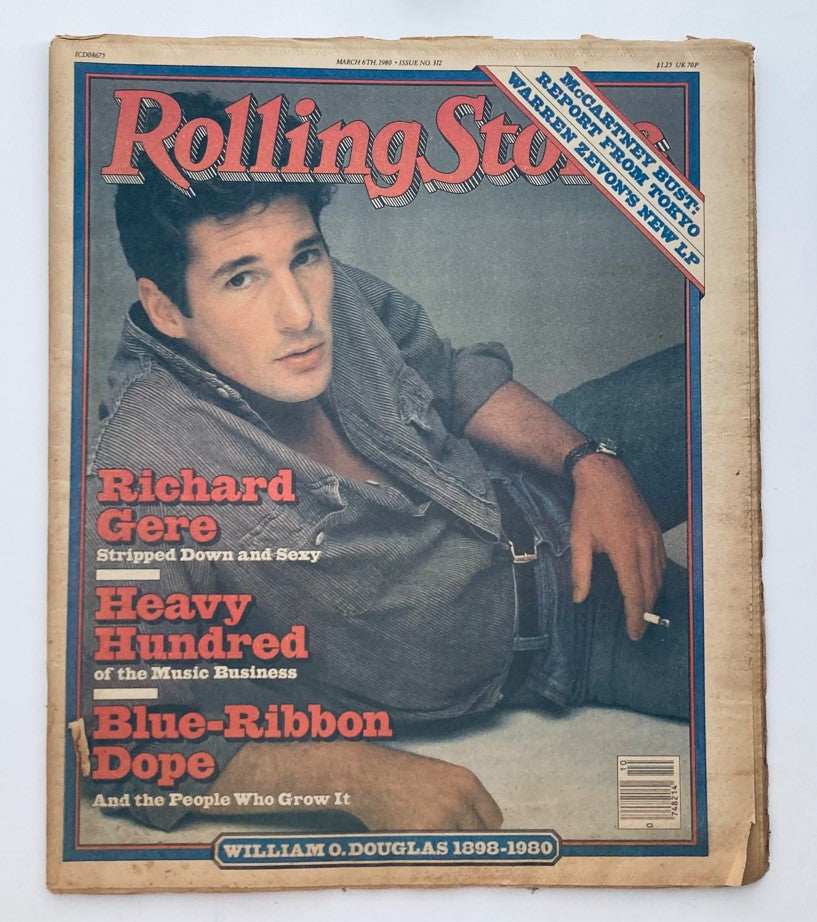
Vintage magazines approached him with a distinctive duality — the lens lingered on the physical, while the editorial voice strained toward the philosophical. Fashion and entertainment monthlies frequently cast him in high-contrast, brooding portraiture that emphasized his angular features and an almost unsettling self-possession; photographers of the era understood that he did not merely fill a frame, he challenged it. People magazine chronicled his ascent with the breathless regularity reserved for icons in the making, capturing both his romantic entanglements and his humanitarian pronouncements with equal editorial enthusiasm. Rolling Stone, ever alert to the intersection of celebrity and cultural disruption, afforded him the kind of long-form treatment that positioned stardom within a broader social context — his Buddhism, his politics, his complicated masculinity. Meanwhile, the international fashion press, particularly publications such as GQ in its various global editions, recognized early that he occupied a singular space: a Hollywood leading man who dressed, and thought, like a European art house director.
Curator's Checklist: Highlights Often Include
- Breakthrough era coverage (1980–1982): Features tied to American Gigolo and An Officer and a Gentleman frequently appear, capturing the precise cultural moment when he became a household name and redefining the era's masculine ideal in print
- The Pretty Woman phenomenon (1990): Entertainment weeklies, fan publications, and mainstream glossies from this period often reflect the extraordinary commercial and cultural footprint of what became one of Hollywood's most beloved films
- Tibetan advocacy and political commentary: News-adjacent magazines and current affairs monthlies from the late 1980s through the 1990s sometimes featured remarkably candid editorial coverage of his public confrontations with Chinese government policy — a rare instance of celebrity activism treated with journalistic gravity
- High-fashion editorial spreads: International style publications occasionally featured him in extended fashion portfolios that blur the line between celebrity profile and fine art photography, highly prized by fashion archive collectors
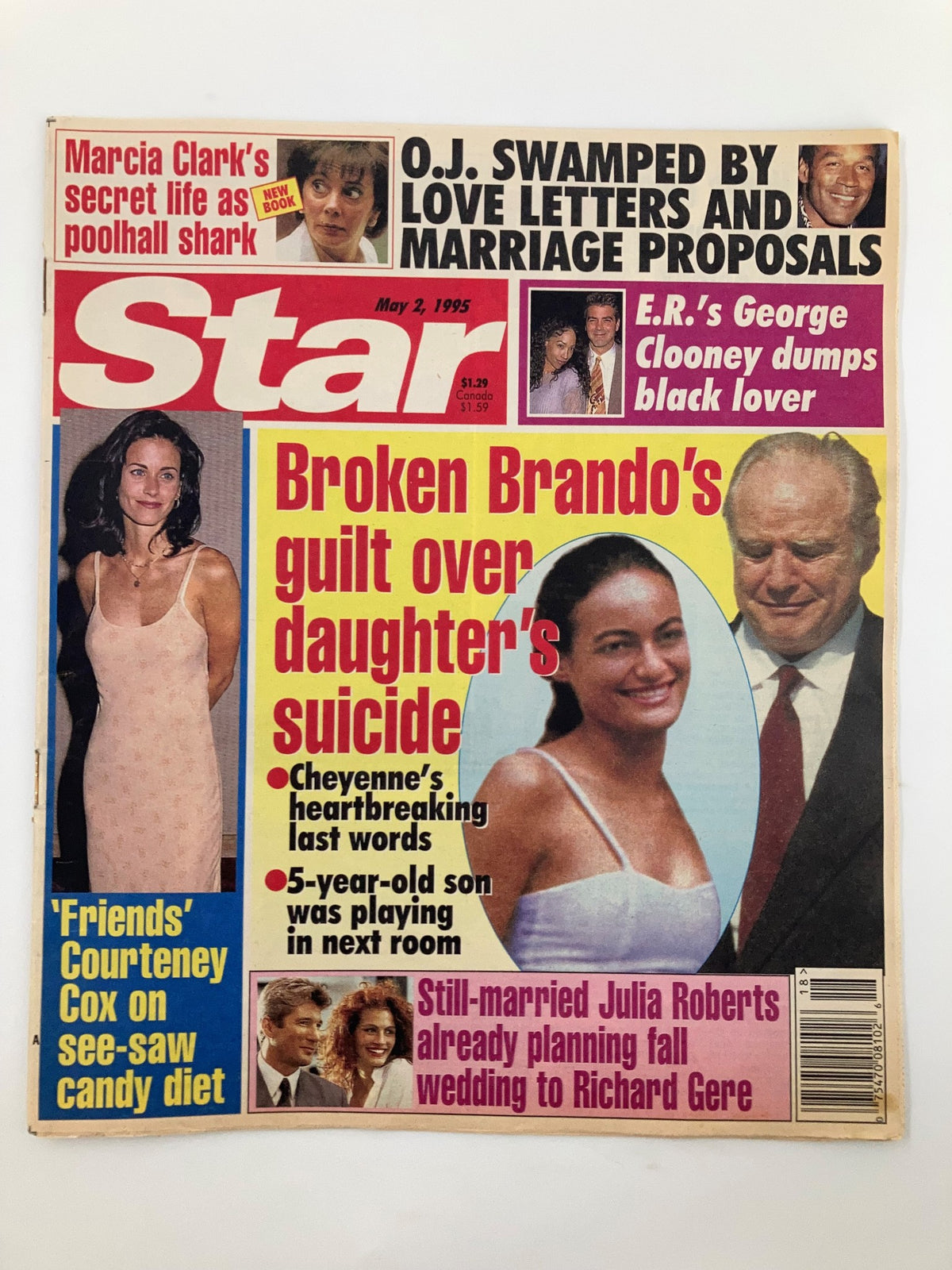
- Personal life and cultural mythmaking: Coverage of his marriages — particularly his high-profile relationship and wedding to Cindy Crawford — generated an extraordinary volume of domestic and international magazine features that now serve as vivid time capsules of early 1990s celebrity culture
The Collector's Value
To hold one of these original issues is to participate in a vanished ritual — the deliberate turning of pages in a world that had not yet learned to scroll. The paper stock of a 1982 Rolling Stone carries a particular weight and warmth, slightly yellowed at the margins, with ink that has settled into the fibers over decades to produce a visual richness no digital reproduction can approximate. The advertisements that surround his image — the cigarette campaigns, the American car manufacturers, the department store fragrances — are themselves historical documents, framing his celebrity within the full texture of an era. These are not merely collectibles; they are primary sources, the original record of how a culture saw itself reflected in one of its most compelling faces. For collectors of Hollywood golden-era memorabilia, vintage fashion and photography archives, or twentieth-century political and humanitarian history, these publications offer an irreplaceable convergence of aesthetic beauty and documented cultural moment. Browse the current available inventory below, and discover which piece of that irretrievable world is waiting to find its next careful custodian.