📖 About this Collection
Richard Pryor: The Raw Truth, Bound in Print
The Legend & The Legacy
Richard Pryor did not simply perform comedy — he conducted surgery on the American conscience with a scalpel made of laughter and pain. Rising from the streets of Peoria, Illinois, through the smoke-filled clubs of the 1960s and into the blinding lights of Hollywood, he redefined what it meant to be vulnerable, Black, and brilliantly alive on a public stage. In an era when the civil rights movement was still raw, when racial identity on screen was rigidly policed, and when comedians were expected to entertain rather than illuminate, he shattered every convention. His concert films, his landmark Saturday Night Live appearances, his explosive film roles alongside Gene Wilder, and his searingly honest stand-up specials made him one of the most discussed, debated, and deeply felt cultural figures of the 1970s and 1980s. Audiences didn't just watch him — they recognized themselves in him, and the magazines of the era understood they were witnessing something rare: a man publicly dismantling himself in order to tell the truth.
Inside the Archive
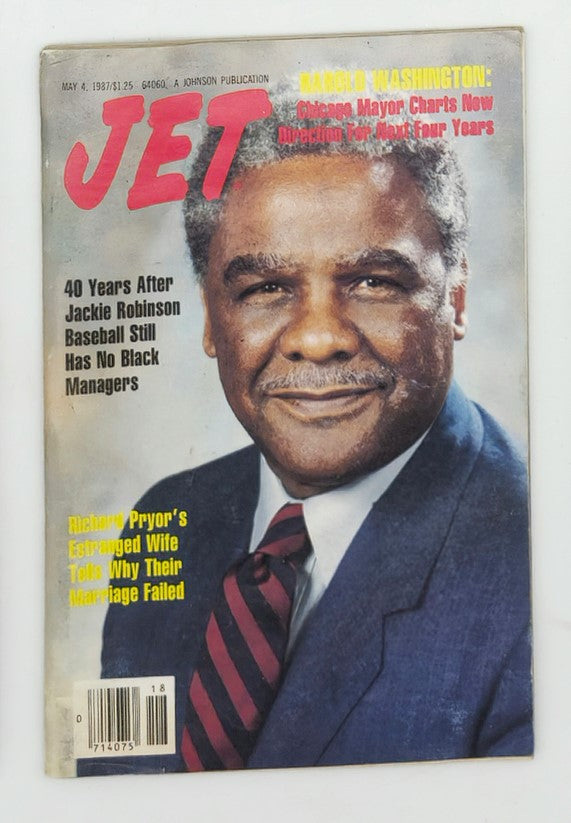
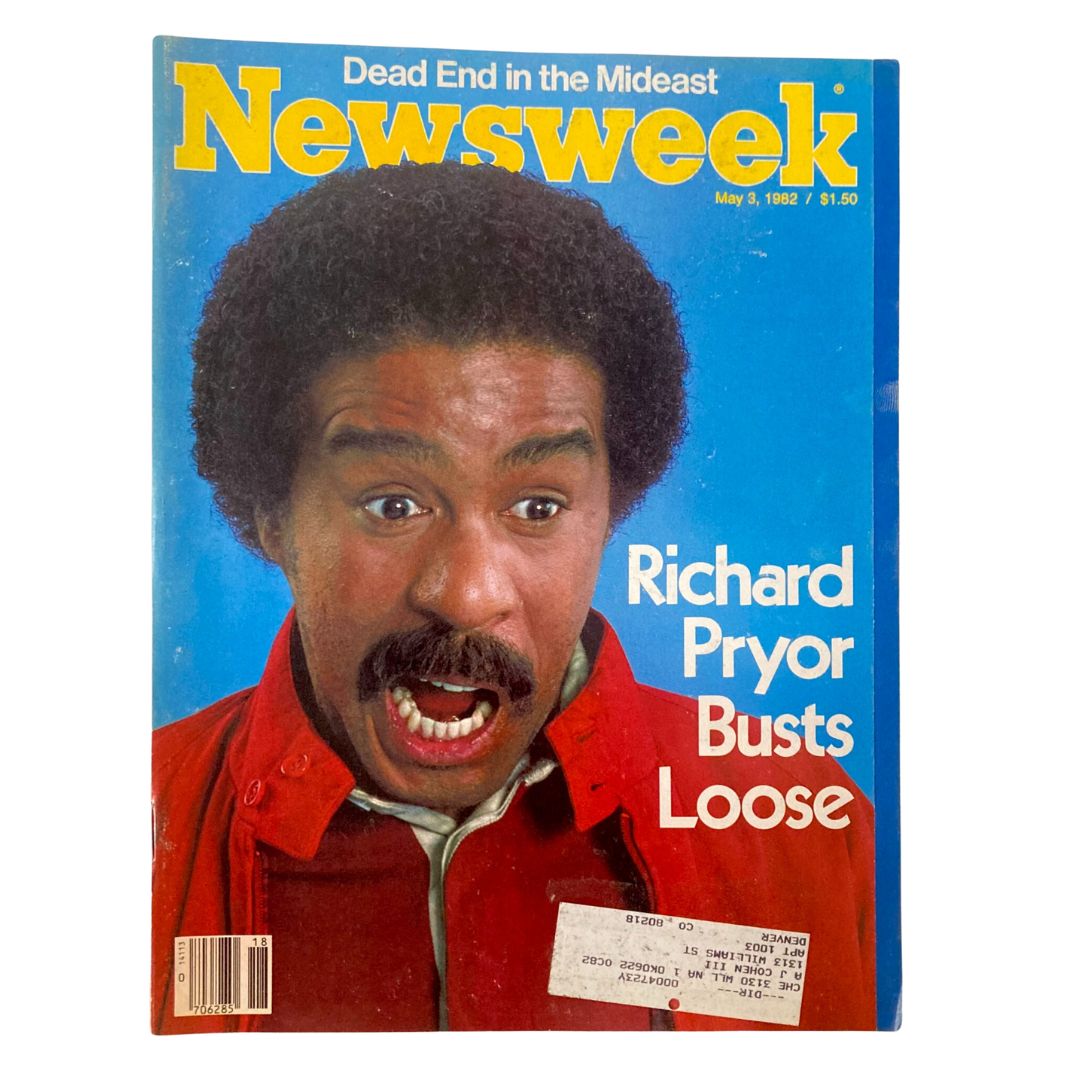
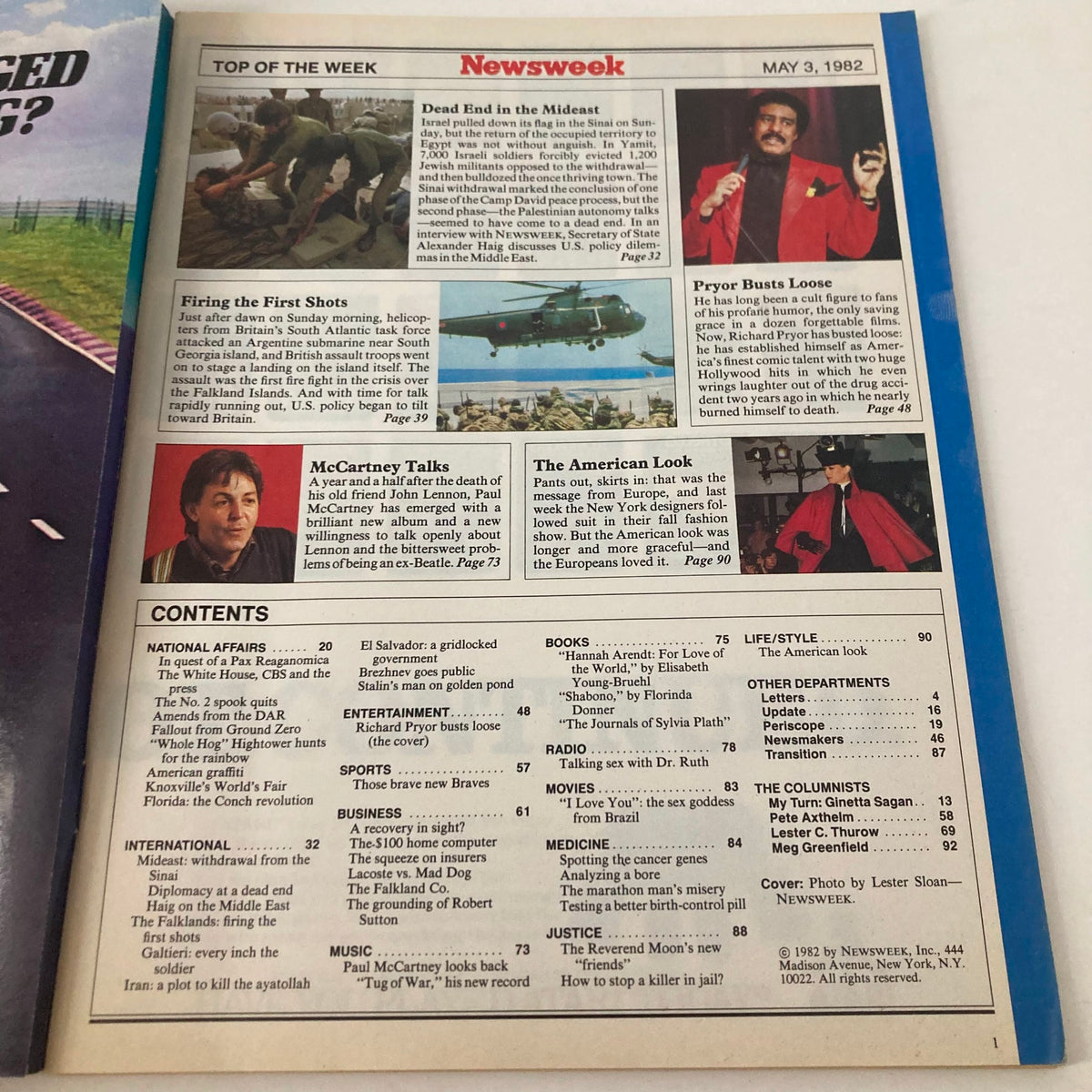
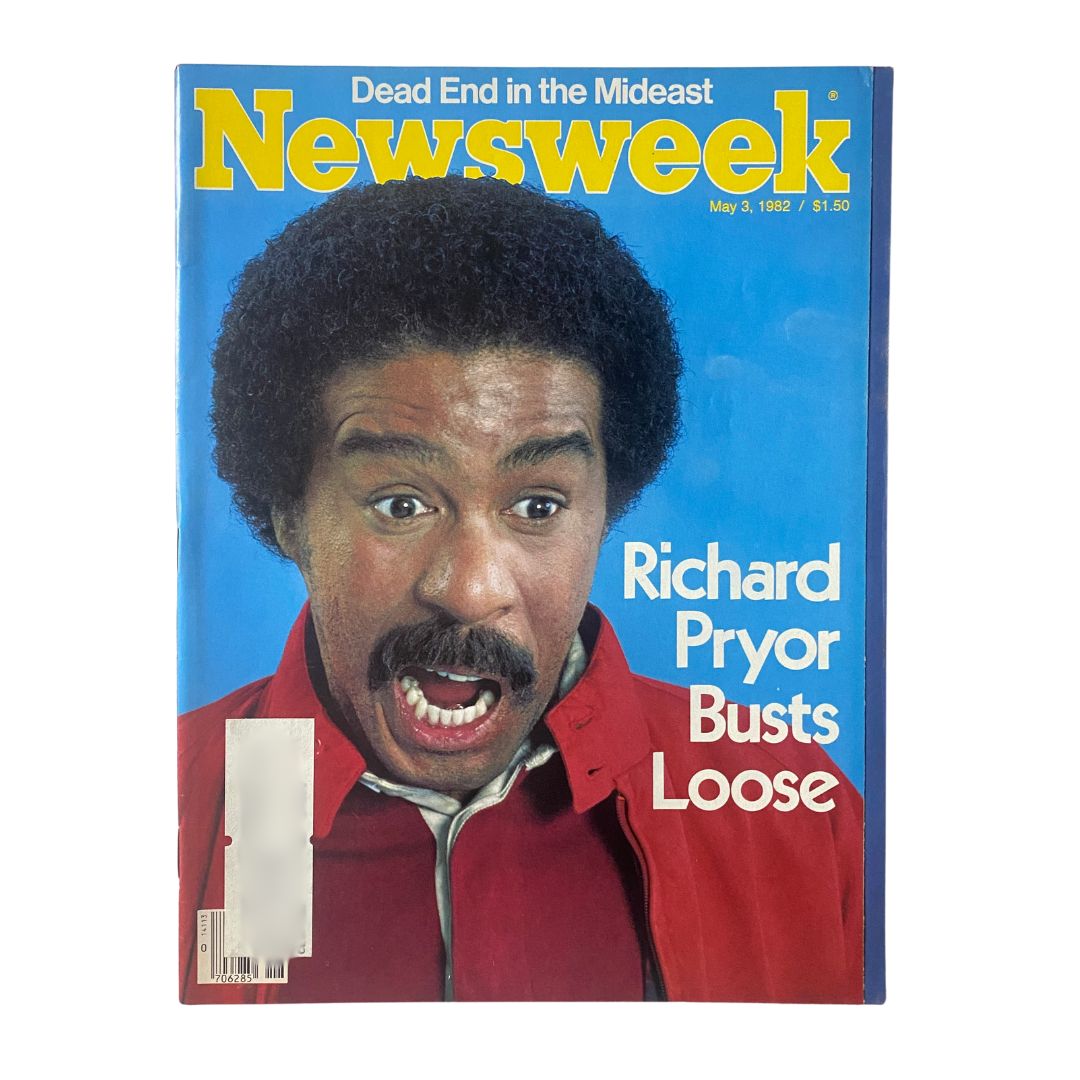
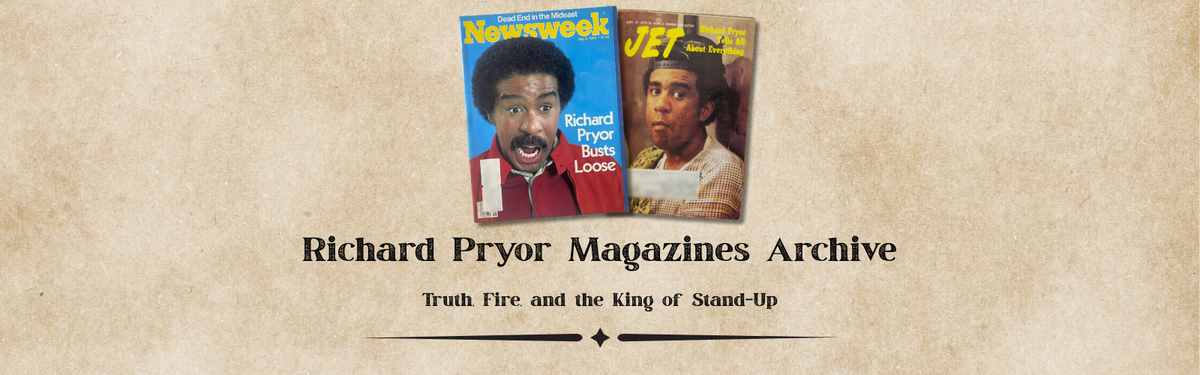
The print media of his era approached the trailblazing comedian with a mixture of awe, fascination, and occasional unease — and that tension made for extraordinary journalism. Ebony and Jet, the twin pillars of Black American print culture, chronicled his ascent with pride and intimacy, offering readers access to the man behind the myth through candid photography and interviews that probed his childhood, his contradictions, and his triumphs. Rolling Stone, which had elevated rock stars to the status of cultural prophets, extended that same reverence to him — running long-form profiles that treated his comedy as serious art and his life as essential American literature. Meanwhile, mainstream entertainment weeklies and Hollywood-adjacent titles captured him on film sets, at award ceremonies, and in the aftermath of personal crises that became, paradoxically, some of his most fertile creative material. The photography across these publications ranges from raw and documentary in style to dramatically lit studio portraiture — each image a different facet of a man who was never easy to pin down, and all the more magnetic for it.
Curator's Checklist: Highlights Often Include
- Concert film and stand-up era coverage — Reviews, photo spreads, and features tied to landmark performances such as That Nigger's Crazy and Richard Pryor: Live in Concert, representing the period when critics were scrambling to articulate his genius
- Hollywood crossover features — Entertainment press coverage from his peak film years, including profiles connected to Silver Streak, Stir Crazy, and Which Way Is Up?, often capturing the novelty and commercial power of his partnership with Gene Wilder
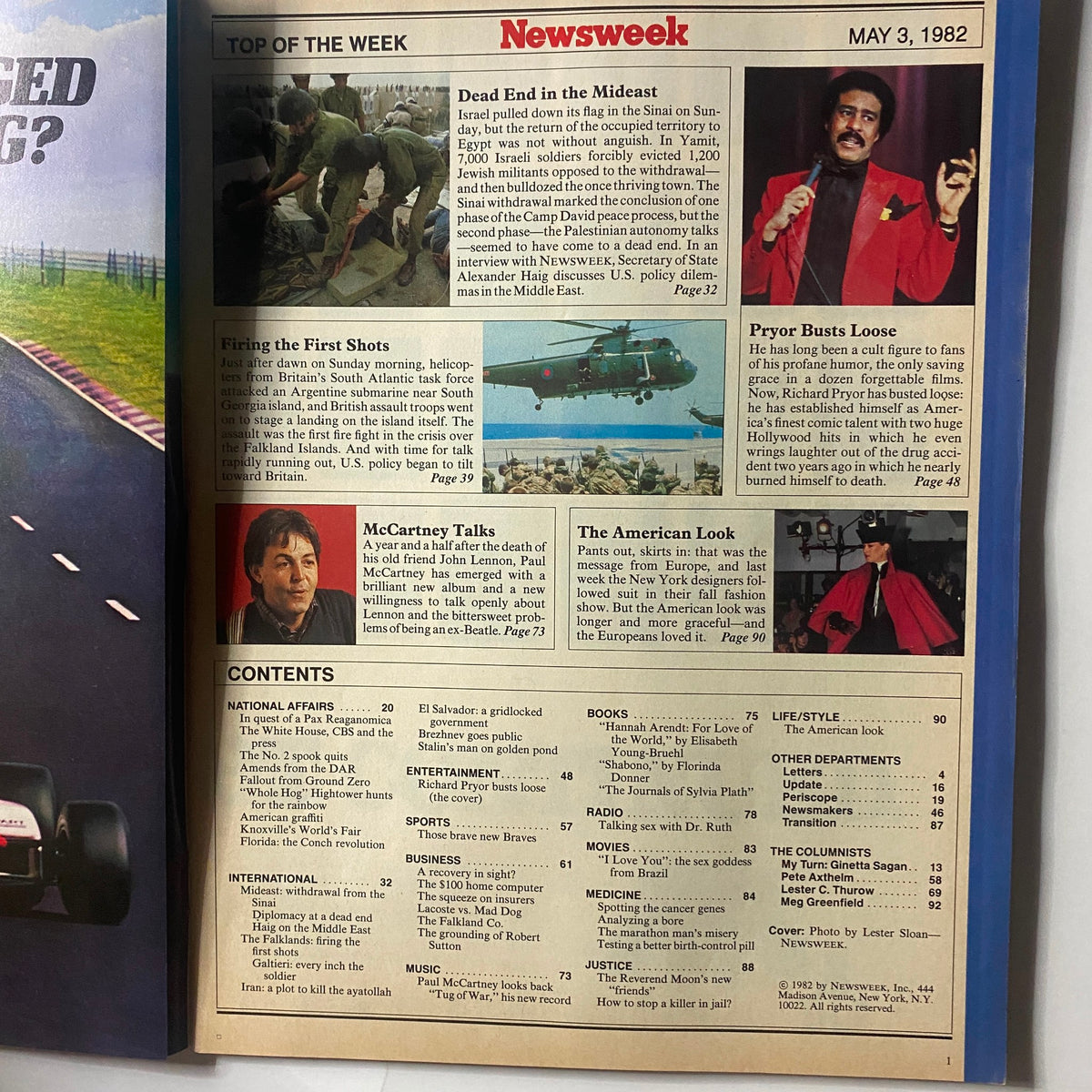
- Crisis and comeback narratives — Magazine journalism from the early 1980s documenting the highly publicized freebasing incident of 1980, a chapter that generated some of the most searching and humanizing print coverage of his career
- Black press tributes and cultural retrospectives — Issues of Ebony, Jet, and similar publications offering a perspective on his significance within the African American community that mainstream outlets rarely matched in depth or emotional intelligence
- Television and awards season coverage — Features from the late 1970s through the 1980s tied to his Emmy-winning television work, his Grammy-winning comedy albums, and his honorary recognition by the Kennedy Center and beyond
The Collector's Value
To hold one of these issues is to hold a time capsule of an America still wrestling with its own identity — and the physical experience is inseparable from the meaning. The slightly yielding weight of decades-old coated stock, the faint amber at the page edges, the smell of ink that has settled deep into the paper over fifty years, the surrounding advertisements for long-discontinued cigarettes, hi-fi equipment, and Cadillac sedans: all of it conspires to return you to the precise cultural moment when this genius was alive and unfolding in real time. These were not retrospective assessments written with the comfort of history — they were dispatches from witnesses, editors, and photographers who understood, even then, that they were documenting someone who would outlast them all. For collectors of African American cultural history, 1970s Hollywood memorabilia, or the golden age of stand-up comedy, these publications offer a primary source irreplaceable by any streaming platform, podcast, or digital archive ever assembled. Explore the current available inventory below and find the issue that speaks to you.