📖 About this Collection
Ricky Nelson: The Boy Next Door Who Became a Rock and Roll Idol
The Legend & The Legacy
America watched Ricky Nelson grow up. As the younger son on "The Adventures of Ozzie and Harriet," he came of age inside the nation's living rooms, and when he picked up rock and roll, he brought a ready-made audience of millions with him. But he was no mere novelty act riding a famous family—Nelson had a genuine gift, an easy croon and a rockabilly cool that produced a string of hits like "Hello Mary Lou," "Travelin' Man," and "Poor Little Fool." Backed by the ace guitarist James Burton, he became one of the first true teen idols of the television age, proof that the small screen could mint pop stars as surely as the radio. Later, as a maturing artist billing himself Rick Nelson, he answered the pressures of nostalgia with the wry, self-aware "Garden Party." His life ended too soon, in a 1985 plane crash, but his place was secure: a founding figure of the teen-idol era and a member of the Rock and Roll Hall of Fame.
Inside the Archive
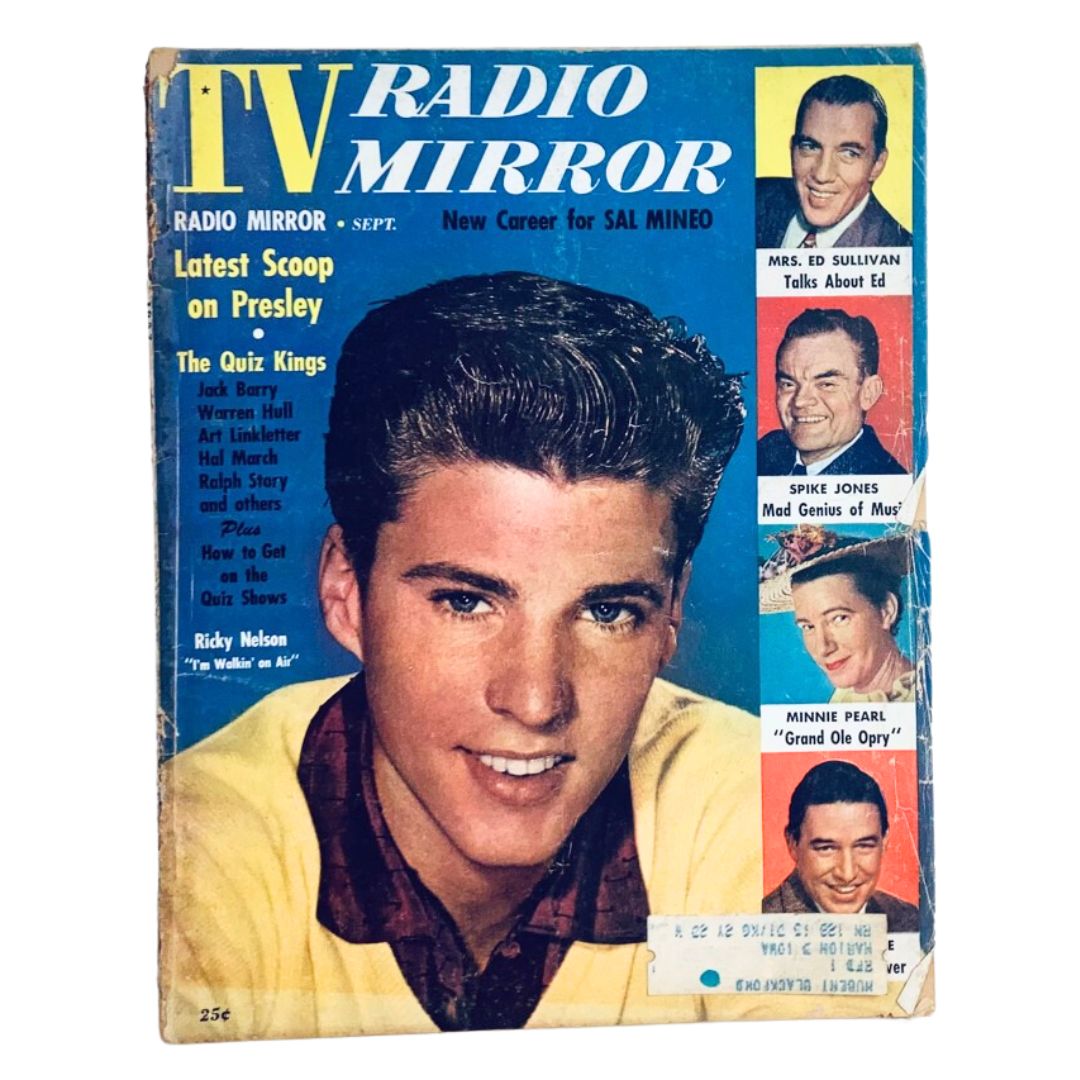
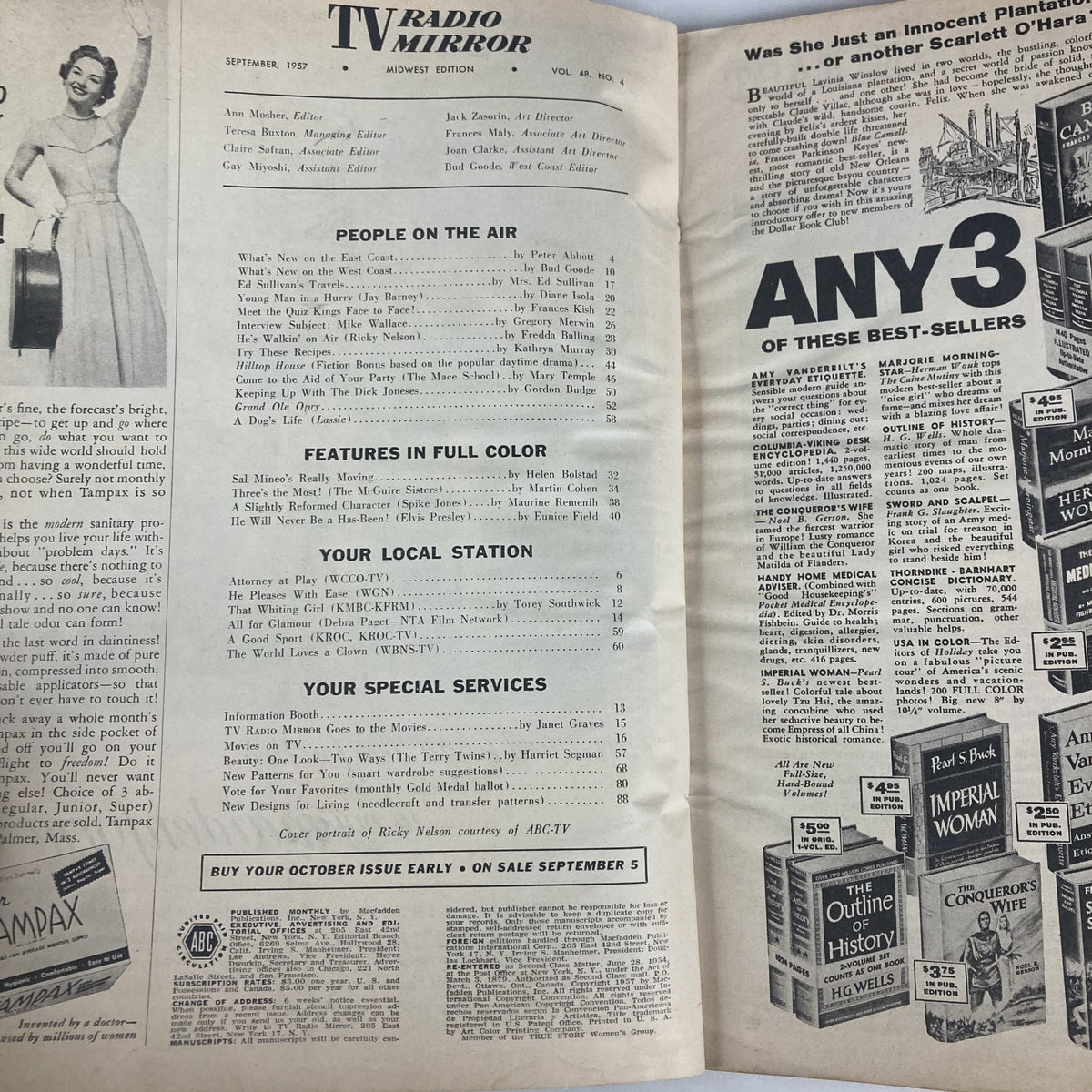
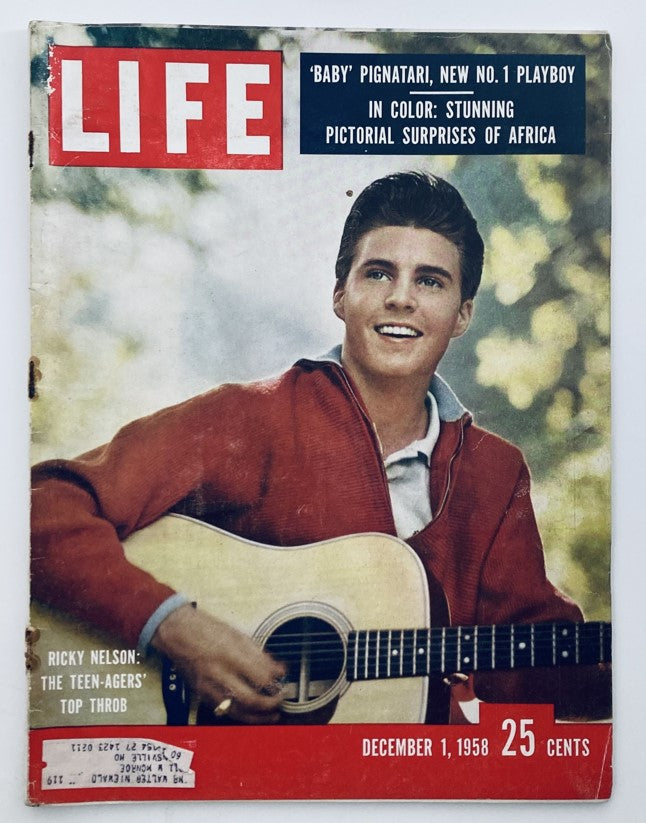
The vintage press followed Nelson from child star to heartthrob to grown artist. Teen and fan magazines of the late 1950s and 1960s made him a cover fixture, feeding an audience that had watched him since boyhood. Television guides chronicled the Ozzie and Harriet years, while music titles tracked his hit records and his backing band. Later coverage followed his evolution into a more serious performer and, after his untimely death, the tributes that affirmed his role in shaping the sound and the stardom of early rock and roll.
Curator's Checklist: Highlights Often Include
- Ozzie and Harriet: Coverage of the family television show that made him a household face.
- The Teen Idol: Fan-magazine features and pin-ups from the height of his heartthrob fame.
- The Hit Records: Coverage of the rockabilly singles that established him as a genuine star.
- Becoming Rick: Features on his later, more mature artistry and the "Garden Party" era.
- Legacy & Tribute: Retrospectives following his 1985 death and his place in rock and roll history.
The Collector's Value
An original magazine featuring Ricky Nelson is a primary document of the moment television began minting pop idols. These issues preserve, in the language of their own era, the story of a boy the country watched grow into one of early rock's most likable stars. For collectors of rock and roll history, 1950s and 1960s pop culture, or the teen-idol age, few names carry more nostalgia. Explore our current inventory below to see which chapter of Ricky Nelson's story is available today.