📖 About this Collection
Rihanna: The Print Era of a Cultural Phenomenon
The Legend & The Legacy
Few artists have commanded the cultural conversation quite like Robyn Rihanna Fenty — a Barbadian girl who arrived on the global stage in 2005 and never once relinquished her grip on it. From the sun-soaked simplicity of Pon de Replay to the cold, architectural perfection of Anti, her evolution was not merely musical but civilizational, reshaping what it meant to be a Black woman at the intersection of pop, fashion, and commerce. Before streaming algorithms and Instagram stories flattened the media landscape, her story unfolded in real time across glossy pages — in the fashion capitals of Paris, Milan, and New York, in the gossip weeklies that dissected her personal life with surgical precision, and in the prestige monthlies that gradually recognised they were in the presence of a generational icon. Each era of her career arrived like a new chapter of a serialised novel, and it was the magazine industry — in all its tactile, ink-saturated glory — that served as the binding.
Inside the Archive
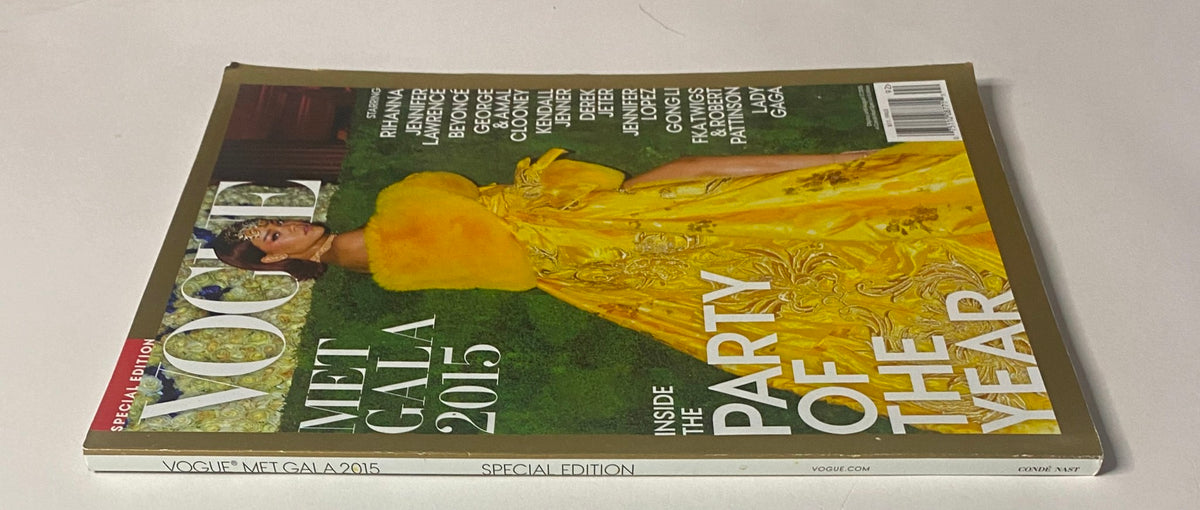
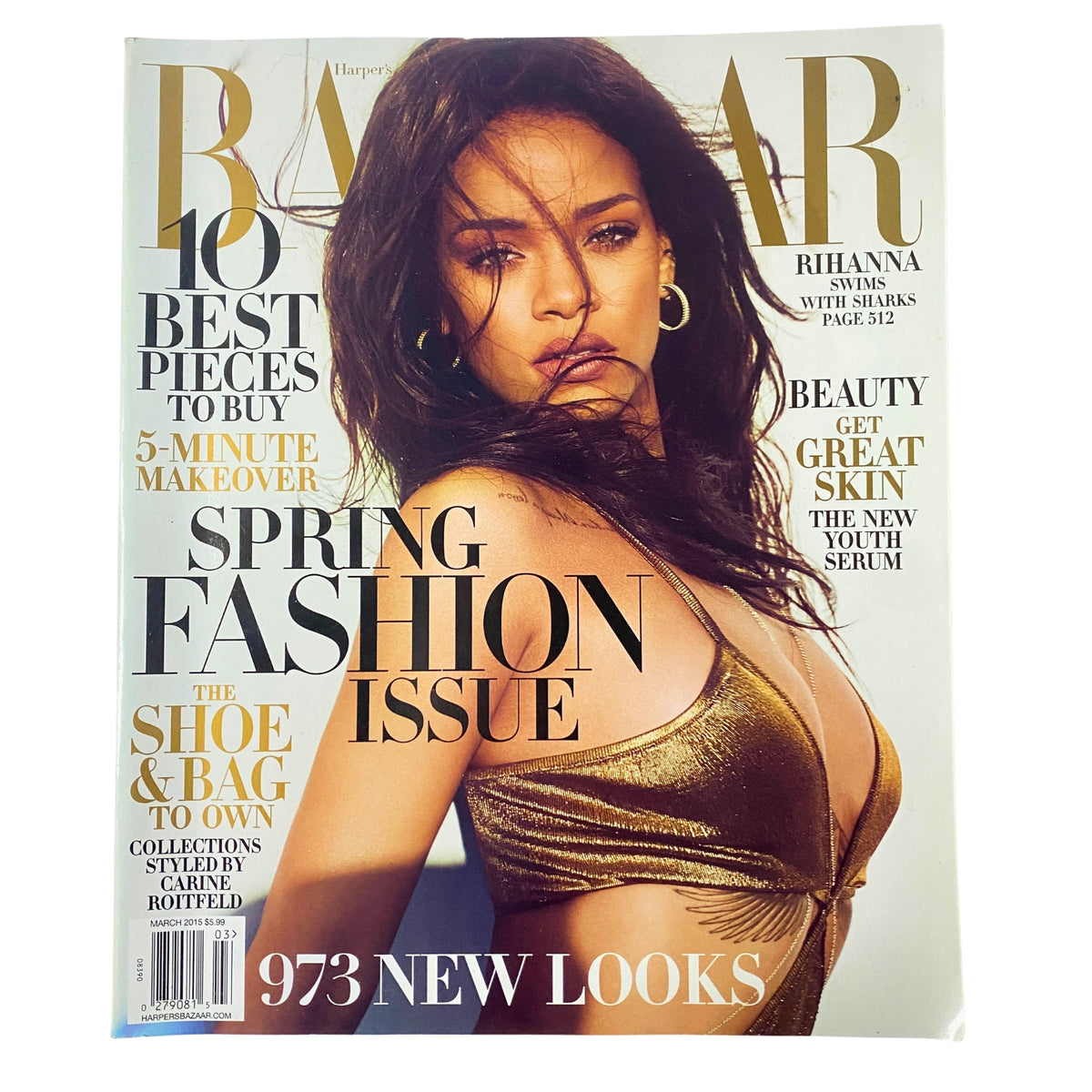
The print world tracked the Barbadian superstar with an intensity rarely afforded to artists of her generation. In her early years, the coverage leaned bright and breathless — the infectious smile, the tropical exuberance, the girl-next-door energy that made Teen Vogue and Seventeen reach for her repeatedly. As she matured, the editorial gaze shifted: Vogue — both its American and international editions — gave her their most prestigious real estate, their photographers deploying dramatic lighting and couture to frame her as the fashion icon she was actively becoming. Elle and Harper's Bazaar followed suit, their shoots growing more conceptual and high-art with each passing year. Meanwhile, Rolling Stone chronicled the more complicated, more combustible dimensions of her public life, placing her on its cover during pivotal moments with the kind of longform scrutiny reserved for true cultural forces. Black cultural institutions like Essence celebrated her with a particular pride and intimacy, contextualising her success within a broader story of Black excellence, beauty, and resilience that the mainstream press rarely paused to tell. Throughout it all, the photography was audacious — bold colour palettes, unapologetic sensuality, and a chameleonic quality that made every shoot feel like a reinvention.
Curator's Checklist: Highlights Often Include
- Breakthrough era coverage (2005–2007): Early features and pop profile pieces from teen and young women's magazines documenting the emergence of a fresh Caribbean voice in the pop mainstream, often shot with a sun-drenched, buoyant energy reflective of the era
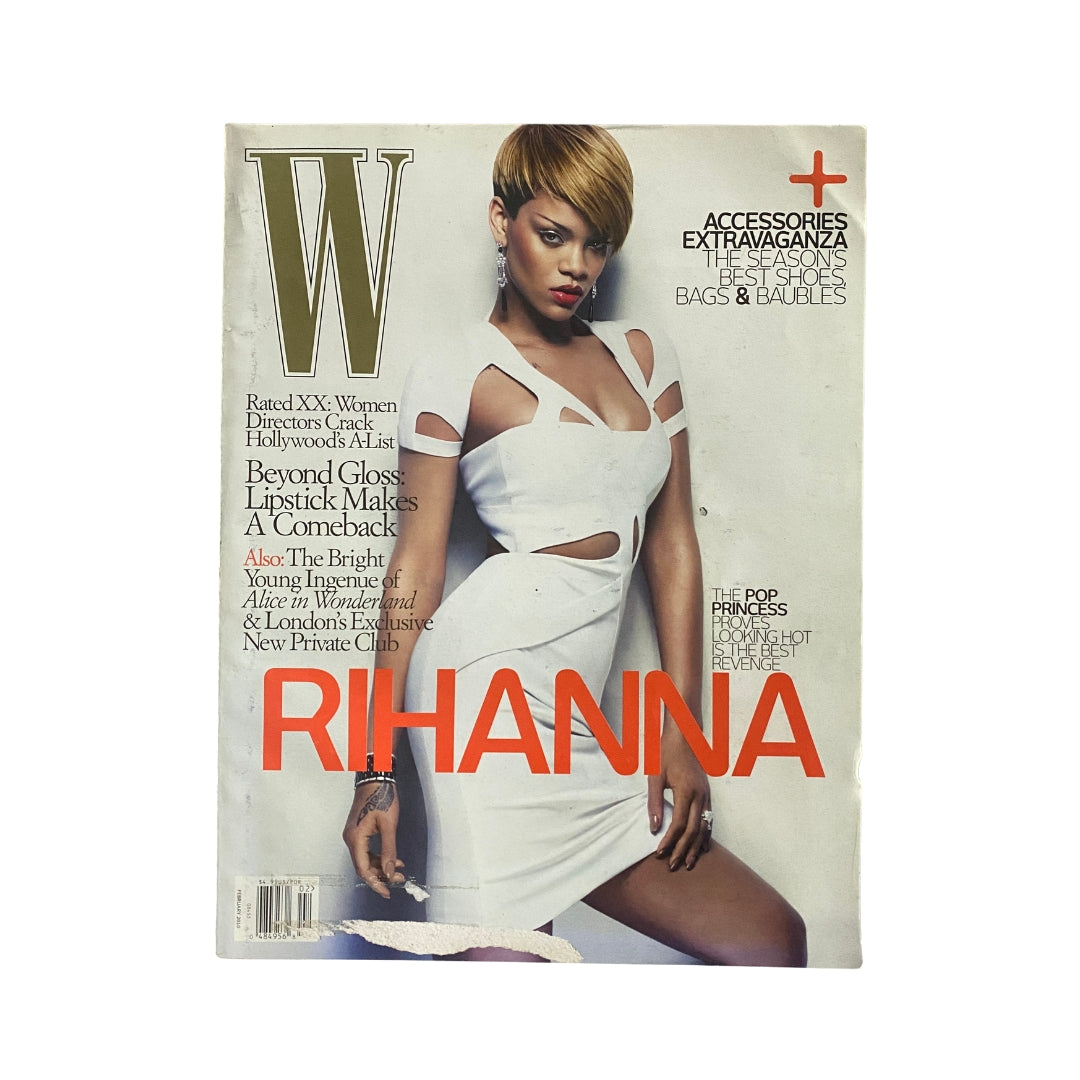
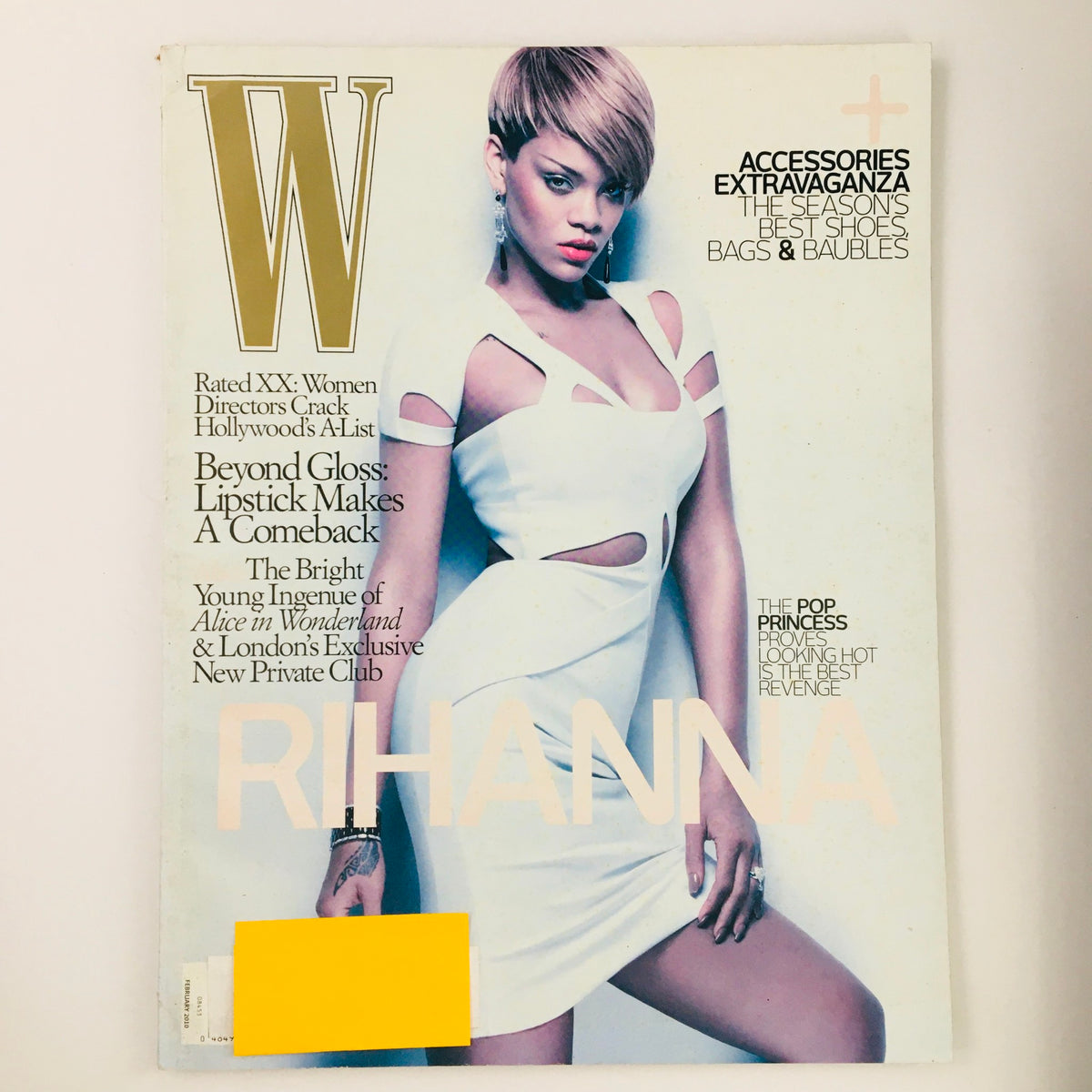
- Post-Good Girl Gone Bad fashion ascendancy (2007–2009): Editorial spreads tracking her rapidly evolving style — the pixie cut, the sharp angles, the transition from pop starlet to bona fide fashion disruptor, frequently covered by style-forward titles responding to her growing influence on street and high fashion alike
- Cultural reckoning and resilience coverage (2009–2012): Landmark issues from major music and lifestyle publications that grappled seriously with her public narrative, her artistic response, and her refusal to be defined by circumstance — among the most historically significant documents of her print era
- Vogue and prestige fashion covers: Collectors frequently seek her appearances on the covers of American, British, French, and Italian Vogue, each representing a formal coronation by the fashion establishment and offering extraordinary photography by the industry's most celebrated image-makers
- The Fenty era and businesswoman framing (2017 onward): Features from fashion, business, and beauty publications heralding the launch of Fenty Beauty and Savage X Fenty — a new genre of Rihanna coverage that positioned her not merely as artist or muse, but as a transformative entrepreneur reshaping the beauty industry's standards of inclusion
The Collector's Value
To hold a vintage magazine featuring Rihanna is to hold something that the digital age fundamentally cannot replicate — a frozen moment of cultural consensus, rendered in ink on paper, surrounded by the advertisements, the anxieties, and the aesthetic vernacular of its exact moment in time. The slightly yielding weight of a glossy monthly, the particular luminescence of a cover printed before the era of digital retouching's uncanny perfection, the faint, warm scent of aged paper and letterpress ink — these are not merely sensory pleasures but authenticating details, proof that what you hold was there, that it circulated through the world at the precise moment it was capturing history. For collectors of Black cultural history and iconography, early 21st-century pop and music memorabilia, or high fashion and editorial photography, these publications offer something the archive of the internet never can: primary source material with a pulse. Explore our current available inventory below, and discover which pieces of this remarkable story are waiting to find their next custodian.