📖 About this Collection
Robert De Niro: The Method, The Myth, The Mirror of American Cinema
The Legend & The Legacy
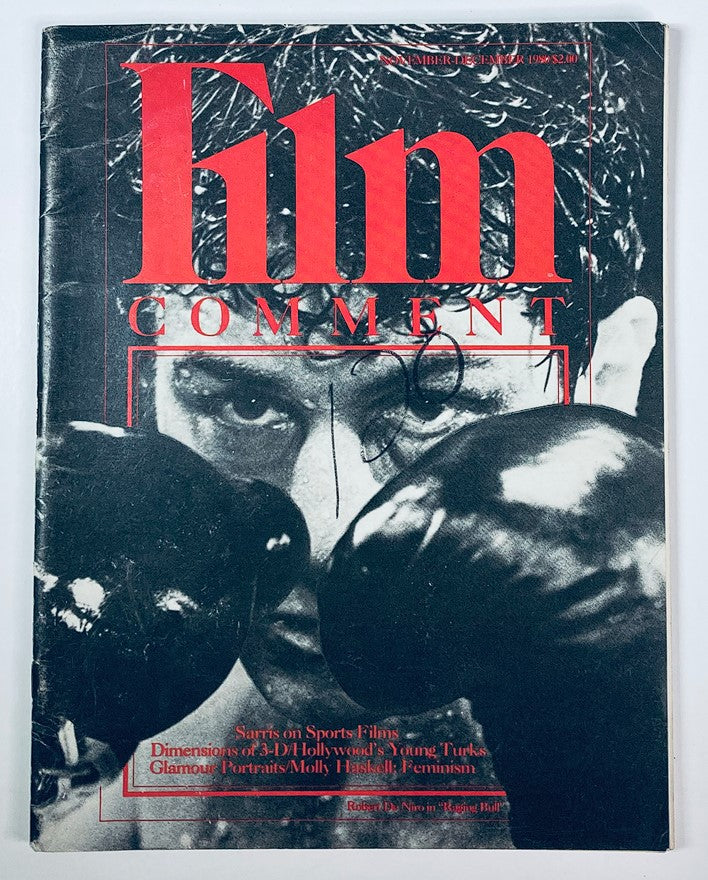
There are actors, and then there are forces of nature who reshape the very grammar of their art form — Robert De Niro belongs to the latter category with a permanence that few in any era can claim. Rising through the gritty, uncompromising cinema of the 1970s, he became the defining face of a new kind of American protagonist: volatile, interior, morally complex, and devastatingly human. From the mean streets of Little Italy to the blood-soaked canvas floors of Madison Square Garden, the roles he inhabited — Travis Bickle, Jake LaMotta, Vito Corleone, Michael, Jimmy Conway — were not performances so much as total transformations that the public followed with a reverence usually reserved for statesmen or saints. In an era before social media, before streaming, before the instantaneous collapse of mystery, audiences knew him only through what flickered on the screen and what appeared on the glossy, ink-heavy pages of the magazines they carried home. Print was the sole conduit between the legend and the public, and the press — sensing they had something rare on their hands — obliged with obsessive, lush, and searching coverage that remains irreplaceable today.
Inside the Archive
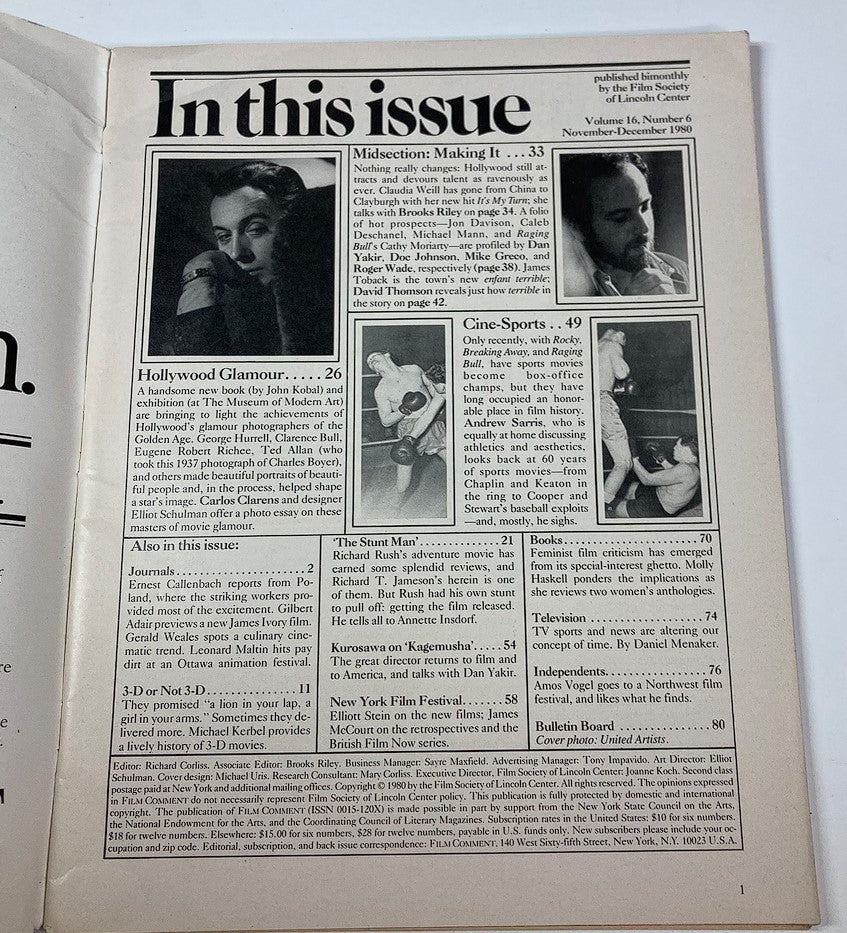
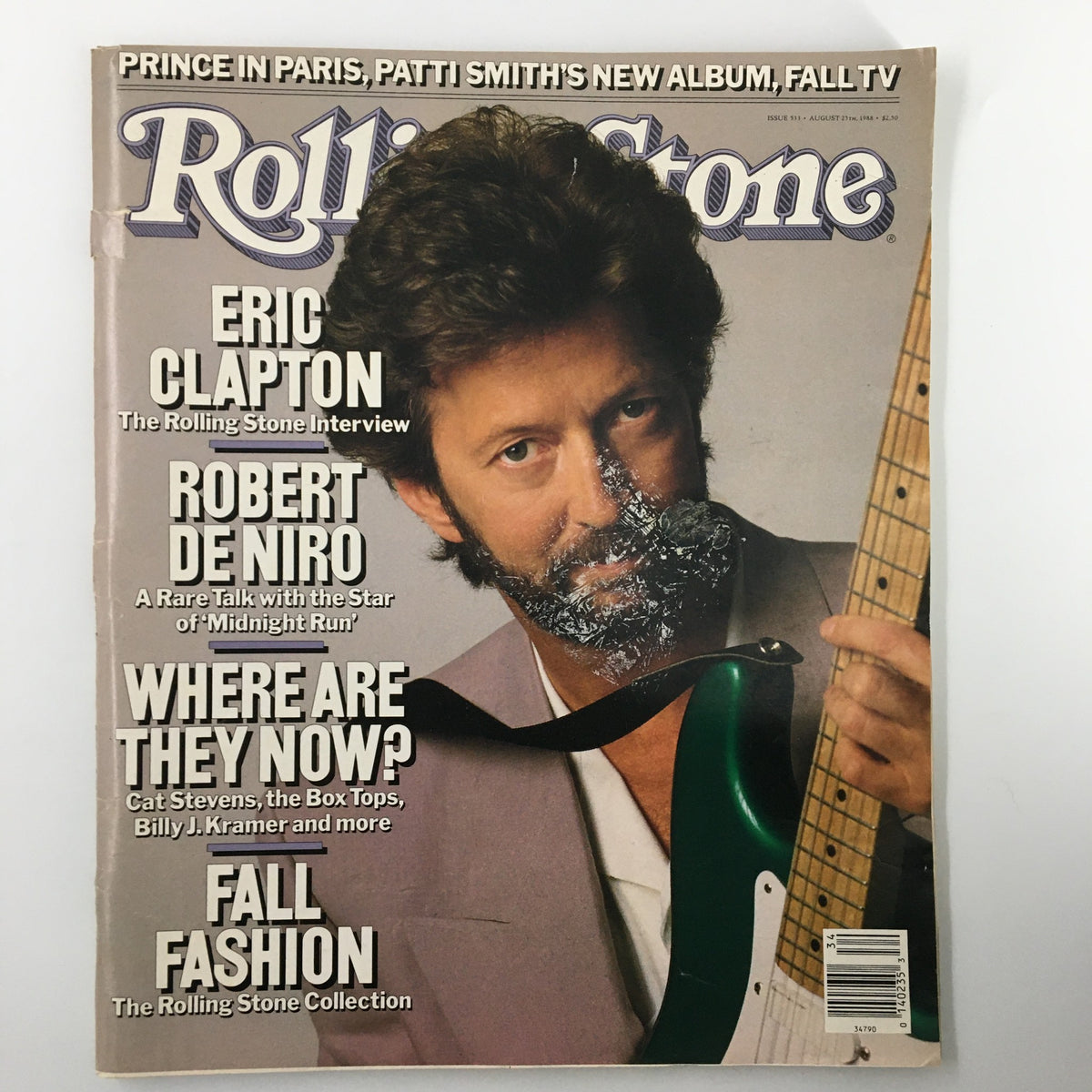
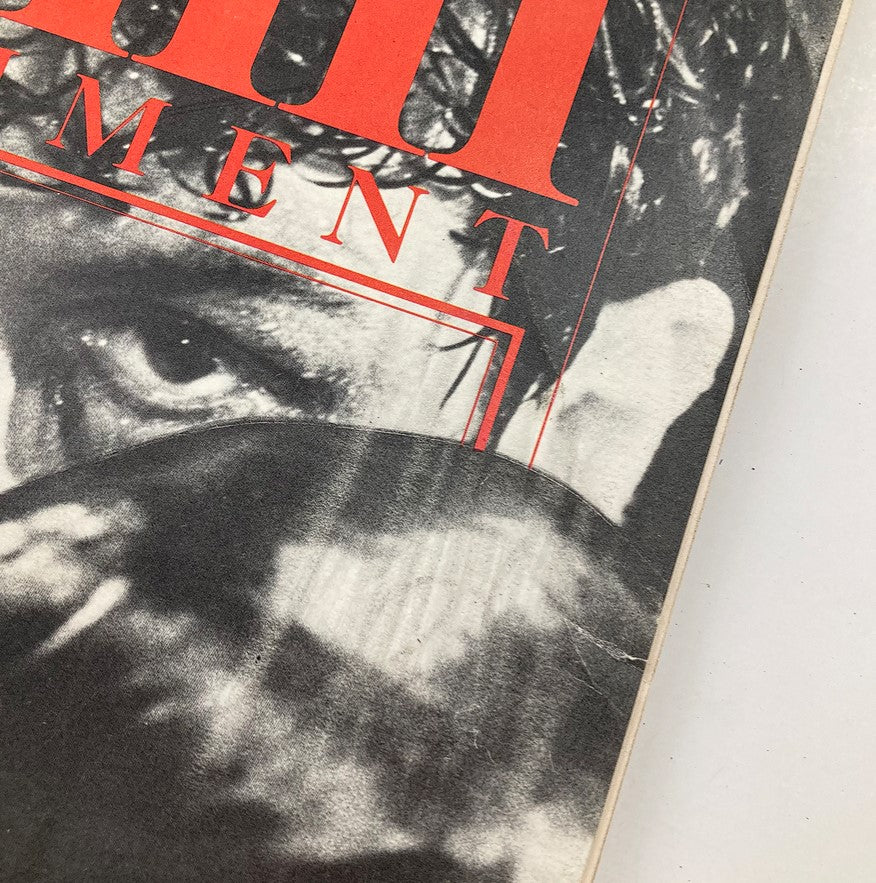
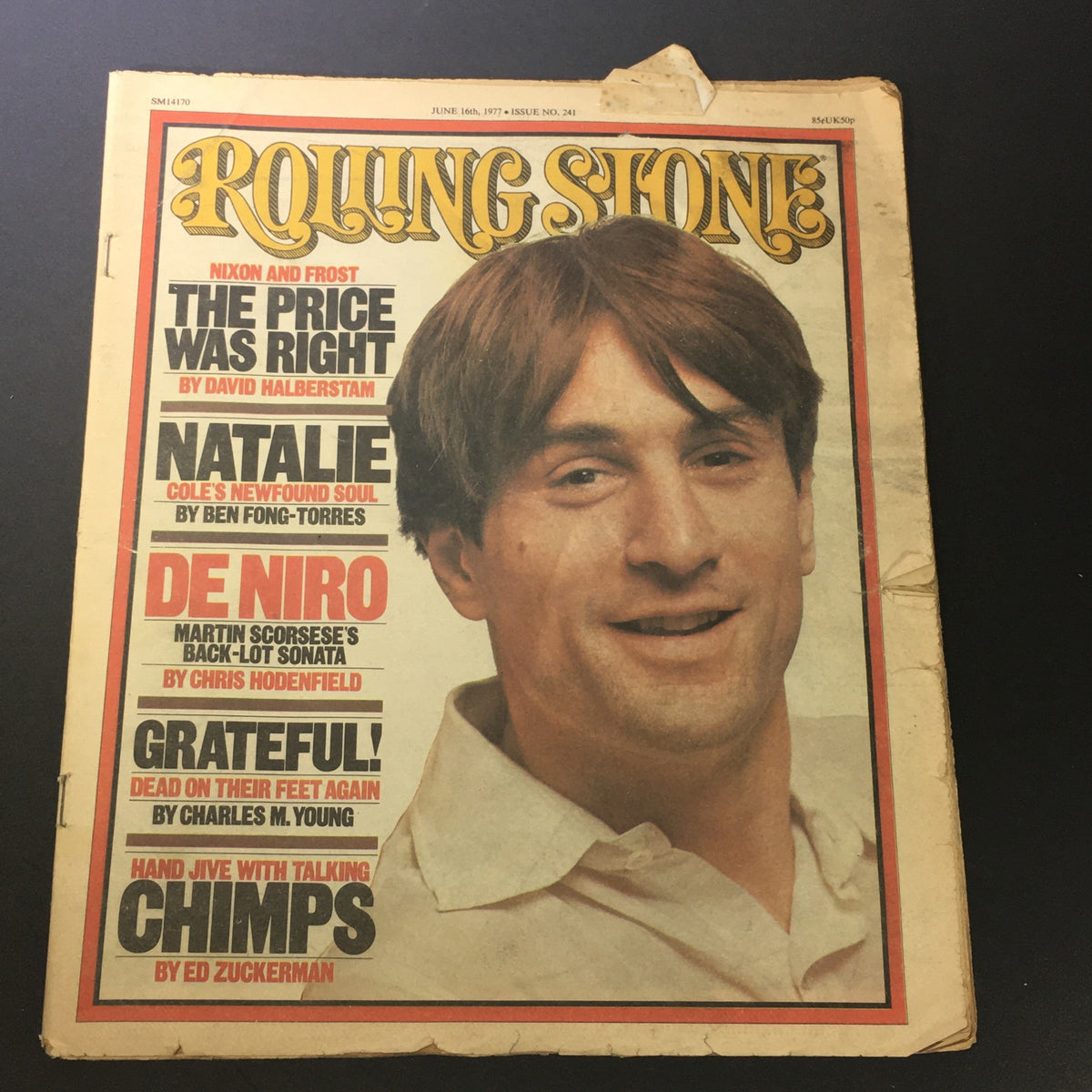
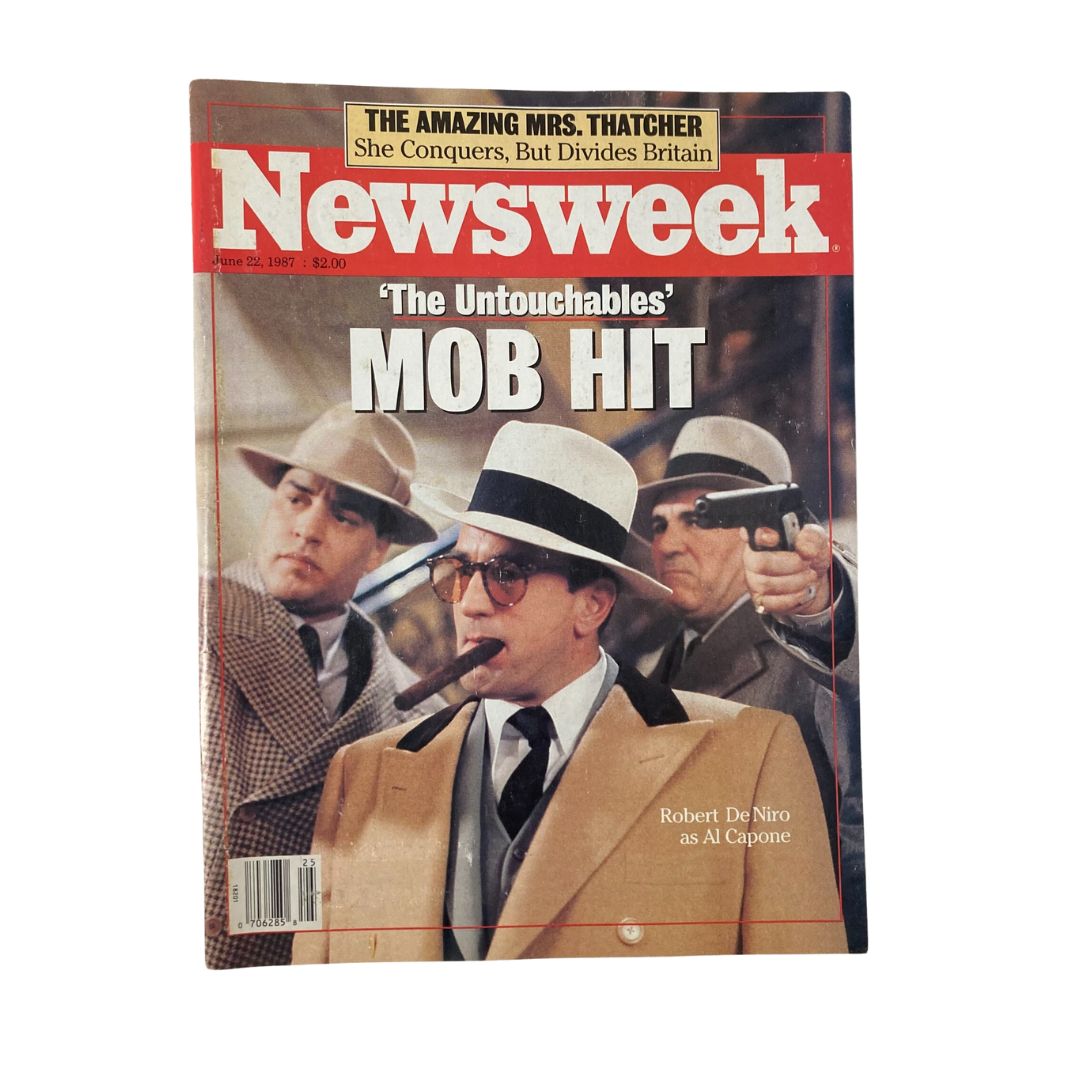
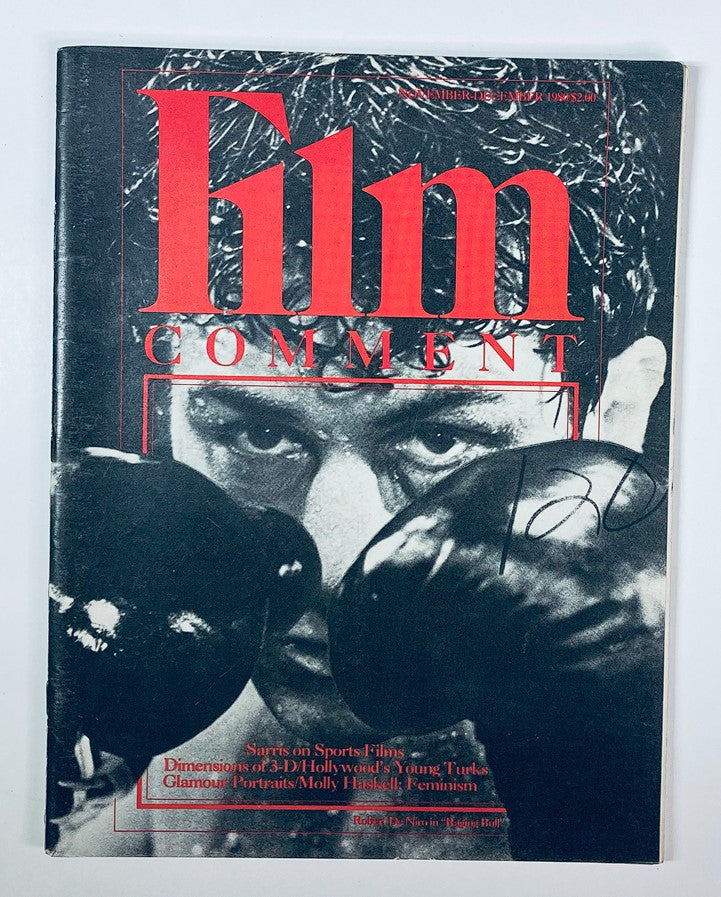
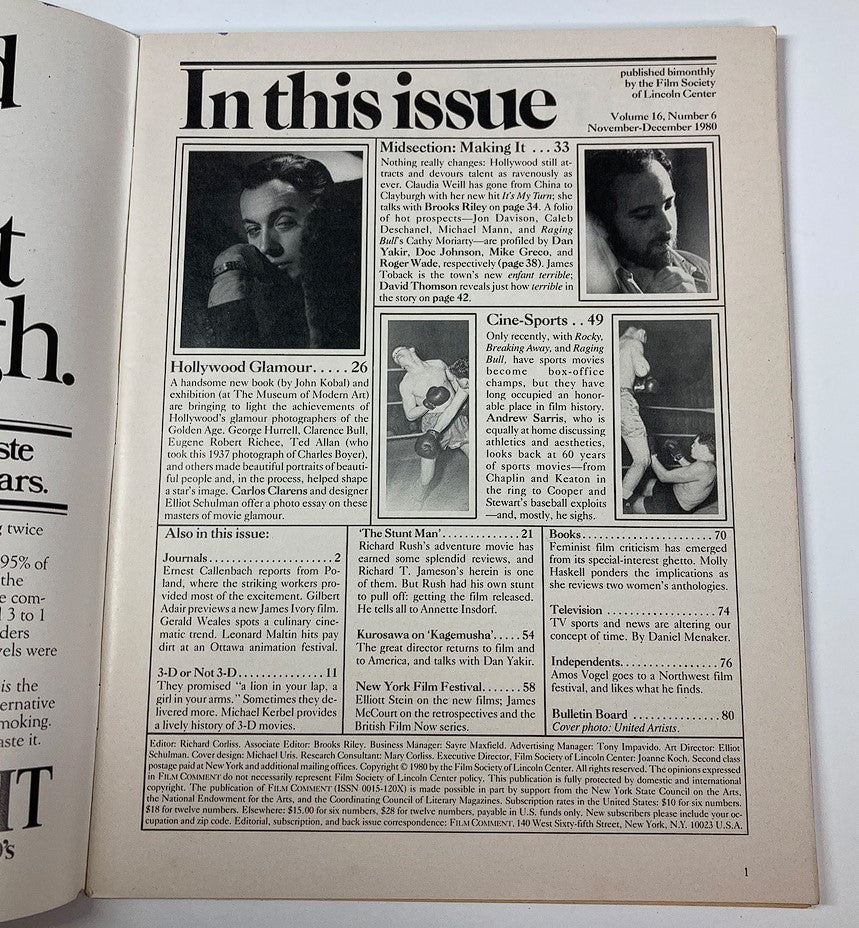
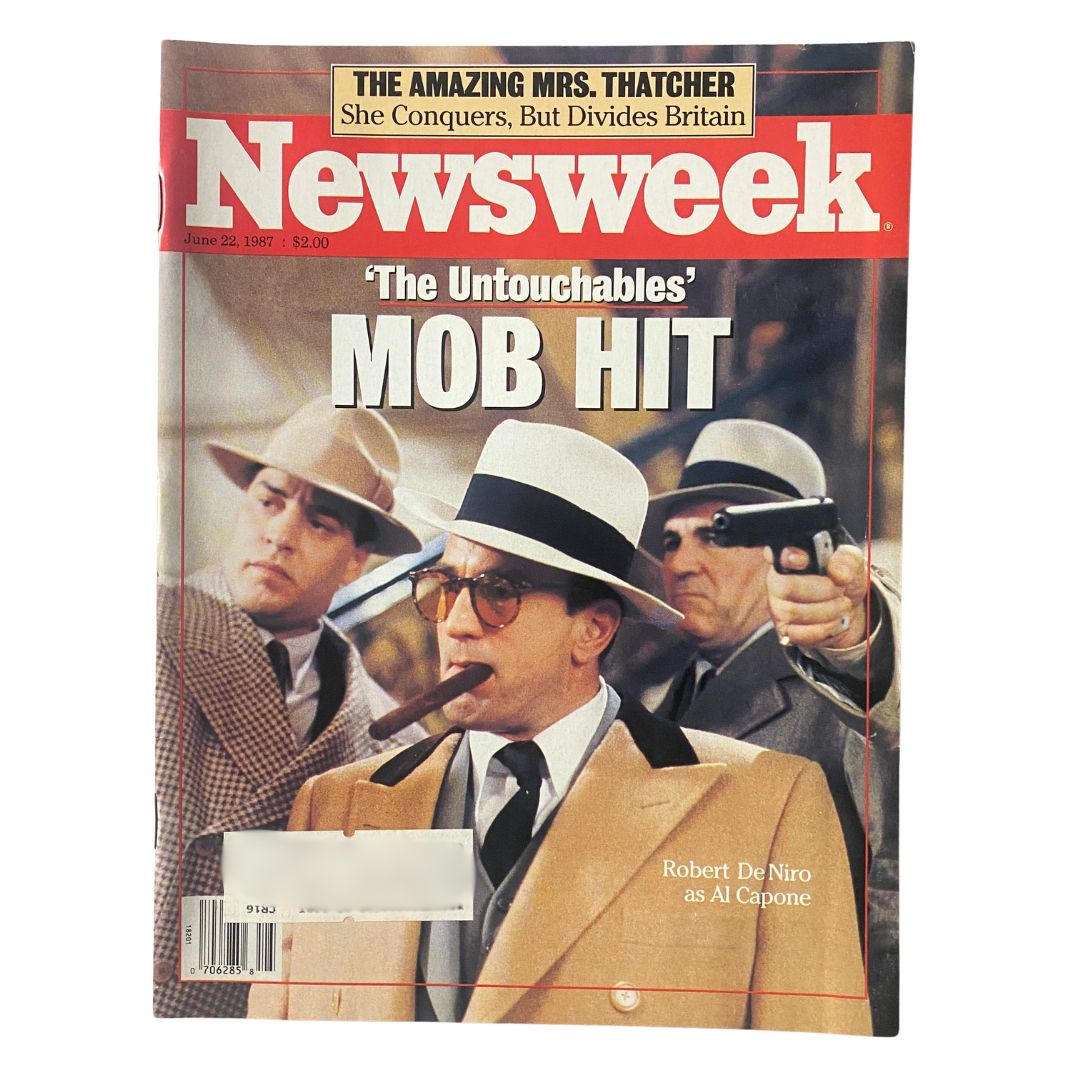
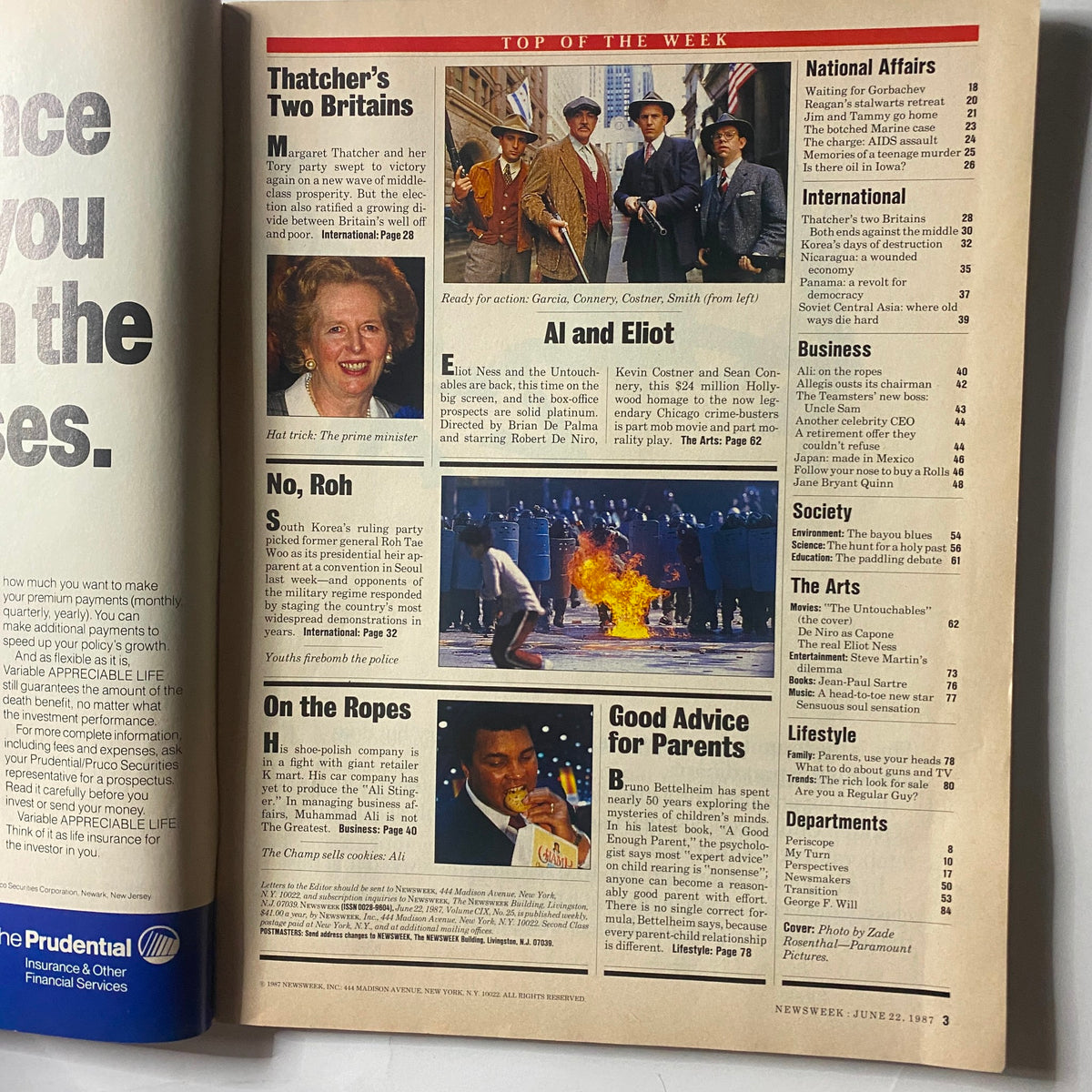
Vintage magazines approached the actor with a mixture of fascination and careful respect, aware that this was a subject who guarded his private self ferociously while simultaneously surrendering everything to the camera. The photography that graced his covers and interior spreads tended toward the dramatic and the elemental — stark black-and-white portraiture, often by the era's great editorial photographers, that caught the intensity behind those famously unreadable eyes. Rolling Stone, which canonized him alongside rock gods and cultural revolutionaries, devoted extended profiles to his method and his mythology throughout the 1970s and early 1980s. Time and Newsweek — the twin arbiters of mainstream cultural weight — placed him on their covers at career-defining moments, framing him explicitly as a symbol of Hollywood's new artistic seriousness. Premiere magazine, the essential insider journal of the film industry through the late 1980s and 1990s, tracked his every project with authoritative long-form interviews that documented the craft with a depth no tabloid could match. Internationally, the Italian press treated him with particular warmth and intensity, given his Sicilian heritage and the Corleone connection, while publications like Paris Match introduced him to European audiences who would become devoted followers of American cinema's most serious leading man.
Curator's Checklist: Highlights Often Include
- Landmark cover features from the mid-1970s through the 1980s, coinciding with releases such as Taxi Driver, Raging Bull, and The Deer Hunter — widely considered the apex of American filmmaking and among the most culturally analyzed films of the 20th century
- Behind-the-scenes and method acting retrospectives exploring his notorious physical transformations, including the documented weight gain for Raging Bull that became one of cinema's most discussed acts of bodily commitment
- Year-end and decade-retrospective issues from major entertainment and news publications, in which he is consistently named among the defining cultural figures of the post-classical Hollywood era
- International editions and foreign-language publications — particularly Italian, French, and British titles — offering a fascinating cross-cultural lens on how his image was projected and received across the Atlantic
- Award season features surrounding his Academy Award wins for The Godfather Part II (1974) and Raging Bull (1980), capturing those rare moments when a private, guarded artist was drawn into public celebration
The Collector's Value
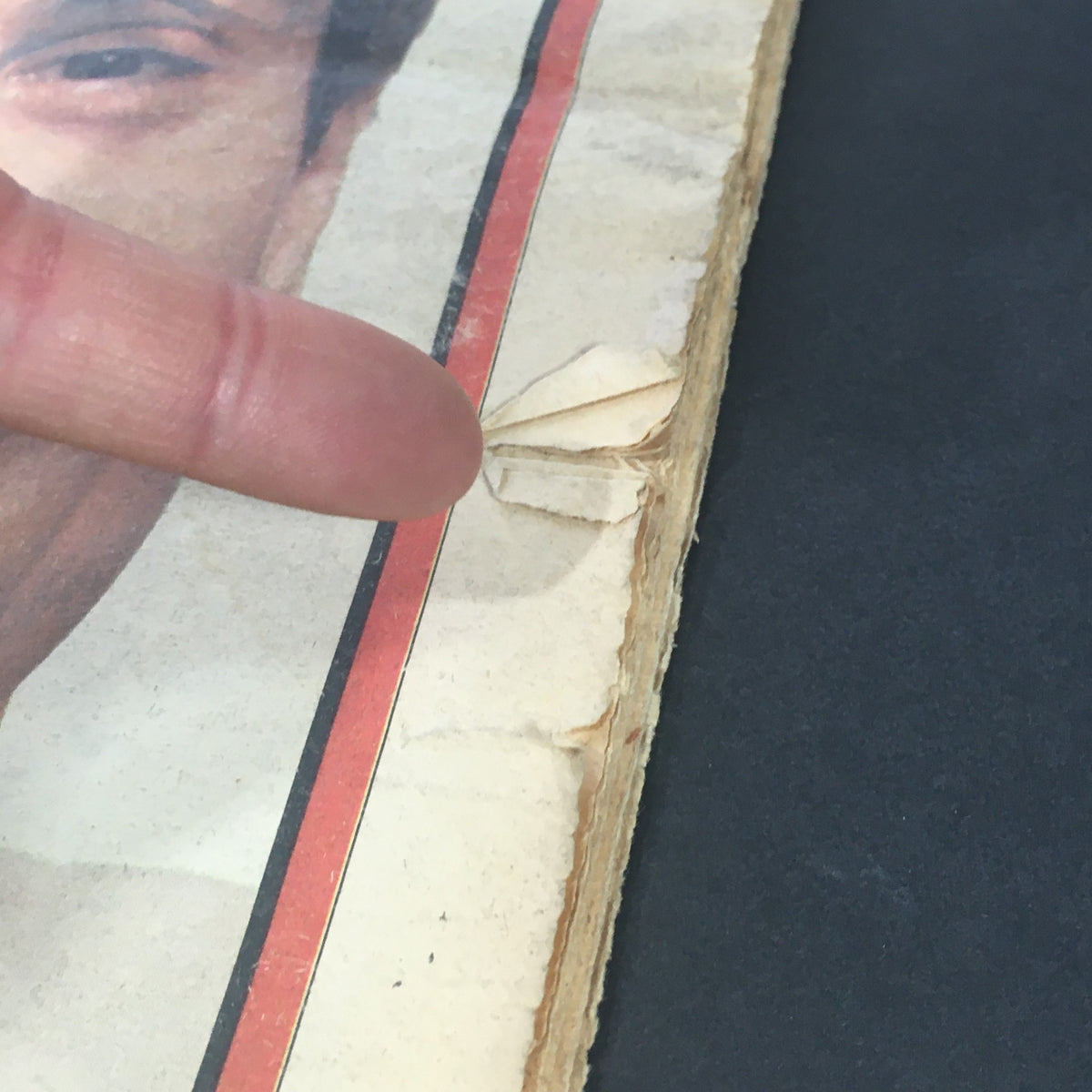
To hold one of these magazines is to hold a document of an era that cannot be reconstructed — not by streaming platforms, not by digital archives, not by any algorithm. The paper itself tells a story: the slightly yellowed, cool-to-the-touch stock of a 1970s Rolling Stone, the smooth, heavier pages of a Time cover issue, the faint mineral smell of decades-old printing ink mingling with the ghost of whatever world that issue once inhabited. These objects existed in barbershops and living rooms and film school dormitories, passed between hands that were watching the same cultural revolution unfold in real time. The period advertisements alone — for cigarettes, for American automobiles, for perfumes long discontinued — construct a vivid, immersive portrait of the world that shaped and was shaped by his work. For collectors of vintage Hollywood and New American Cinema memorabilia, Method acting and film history ephemera, or 1970s and 1980s cultural and countercultural print media, these publications offer not just a souvenir but a primary source — a direct, unmediated artifact of the moment when one of cinema's most consequential careers was being written in real time. Explore the current available inventory below and discover which pieces of that irreplaceable chapter are waiting for you today.