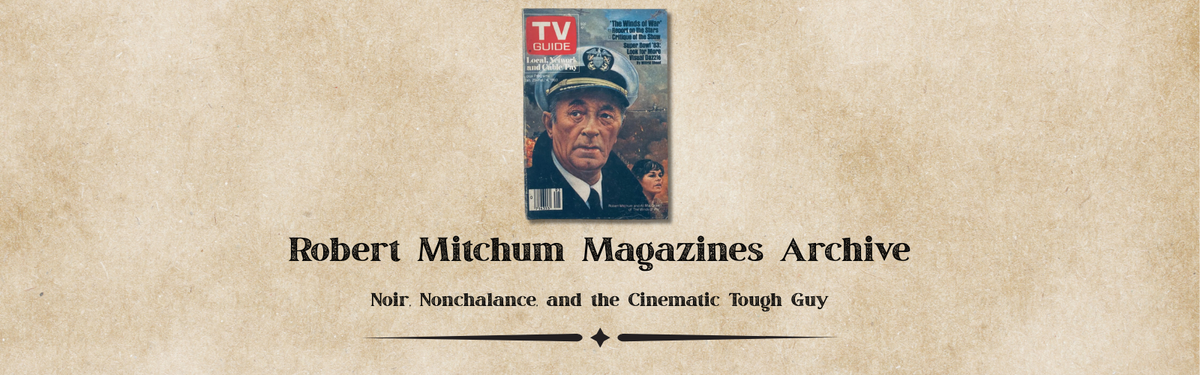
📖 About this Collection
Robert Mitchum: The Outlaw Who Made Hollywood Blink
The Legend & The Legacy
Robert Mitchum occupied a singular, irreplaceable place in the American cultural imagination — a man who seemed constitutionally incapable of pretending, at a time when Hollywood demanded exactly that. From his breakout years in the mid-1940s through his commanding late-career performances, the hooded-eyed drifter from Bridgeport, Connecticut became the living embodiment of postwar disillusionment: too cool to flinch, too dangerous to ignore. When he was arrested for marijuana possession in 1948, the scandal that would have buried any other star only deepened his mythology. Audiences didn't read about him in fan magazines and feel betrayed — they felt vindicated. He was exactly who they suspected he was. In an era when stars were carefully manufactured and gossip columns were the only unfiltered window into Hollywood's machinery, Mitchum was a genuine anomaly: a man the press could never quite contain, and a public that couldn't stop watching him try to slip the leash.
Inside the Archive
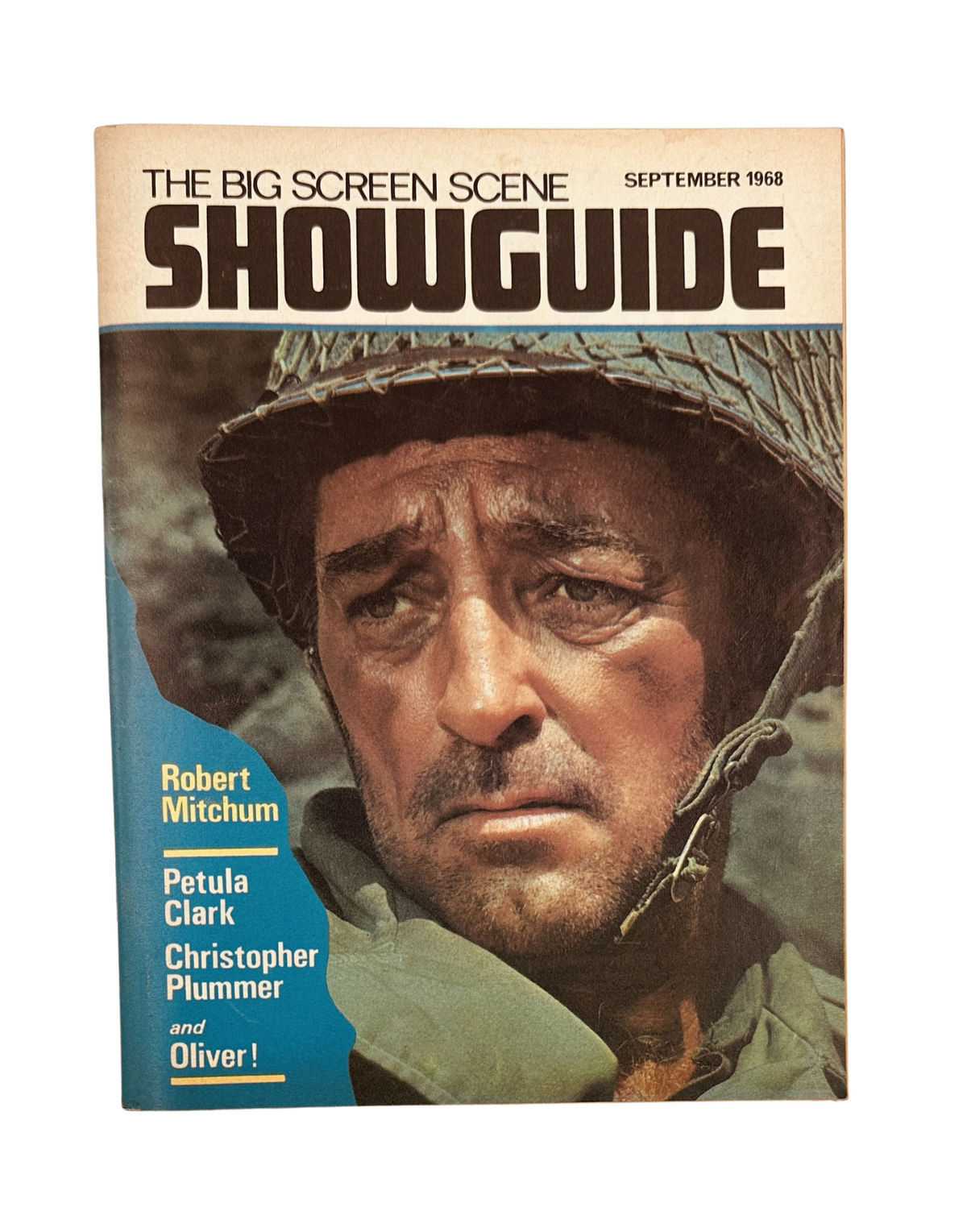
The magazines that chronicled his career captured something the screen alone could not — the sheer physical weight of his presence rendered in full-bleed photography, the sardonic wit that surfaced in long-form profile interviews, the behind-the-scenes stills from fog-drenched noir sets that felt more cinematic than the films themselves. Life magazine, the era's undisputed arbiter of American cultural significance, returned to him repeatedly — his arrest, his comeback, his brooding performances in pictures like Night of the Hunter and Cape Fear each warranting the kind of sprawling photo essays reserved for men who moved the national conversation. Photoplay and Modern Screen, the twin bibles of Hollywood fandom, wrestled with him constantly, their breathless editorial tone straining against a subject who seemed faintly amused by the whole enterprise. Internationally, Paris Match recognized in him the archetype that French critics theorized most passionately — the quintessential American antihero — and afforded him the serious, cinematic portraiture that matched his stature as an icon of film noir.
Curator's Checklist: Highlights Often Include
- The 1948 Arrest & Aftermath — Coverage from fan magazines and news-adjacent publications navigating the tension between scandal and stardom, often featuring conflicted editorial tones that reflect the era's shifting moral landscape
- Film Noir Retrospectives & On-Set Photography — Evocative, shadow-heavy stills and features tied to landmark productions including Out of the Past, Night of the Hunter, and The Night of the Hunter, often printed with the dramatic contrast photography that defined the postwar studio era
- The "Bad Boy" Profile Interview — Long-form pieces in which journalists attempted — and frequently failed — to rattle him, producing some of the most quotable and candid celebrity copy of the 1950s and 1960s
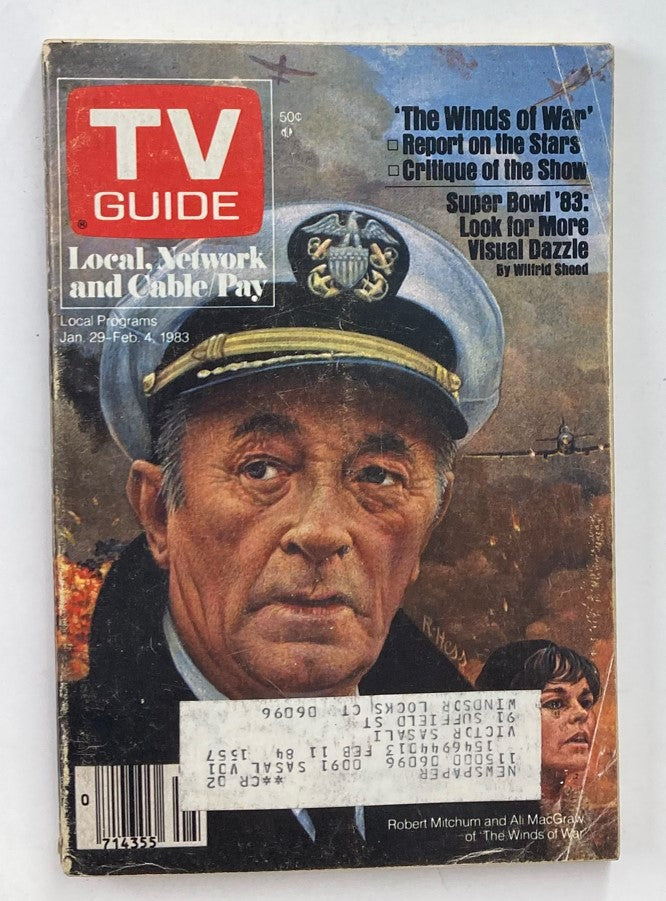
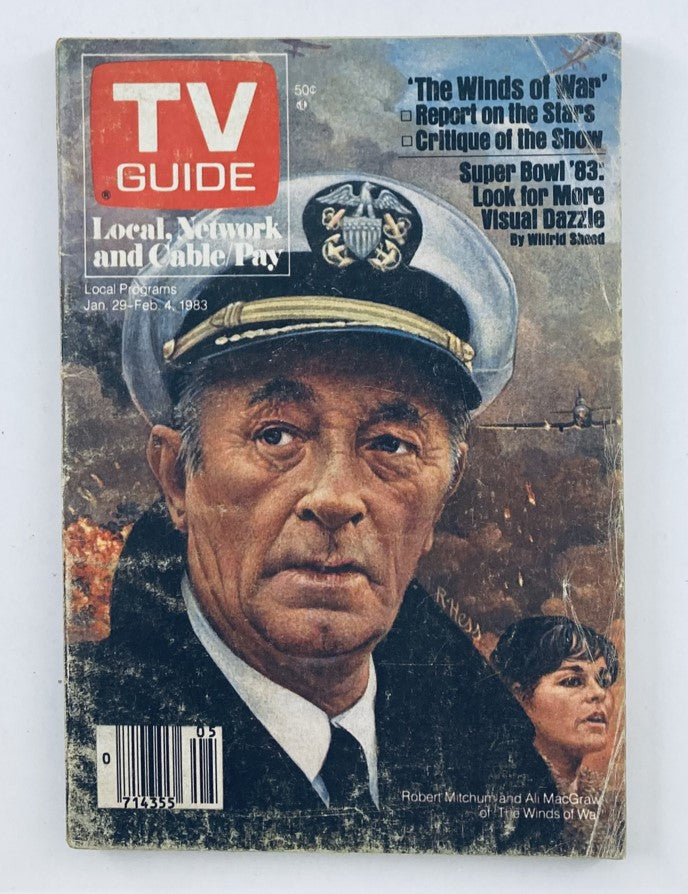
- Late-Career Reappraisals — Features from the 1970s and 1980s in which a new generation of film critics and entertainment writers recognized his earlier work as visionary, positioning him as a forefather of the antihero tradition that then dominated American cinema
- International Film Press Coverage — European and British publications, particularly those aligned with the auteur criticism movement, treating him as a serious dramatic force decades before Hollywood's own establishment fully acknowledged it
The Collector's Value
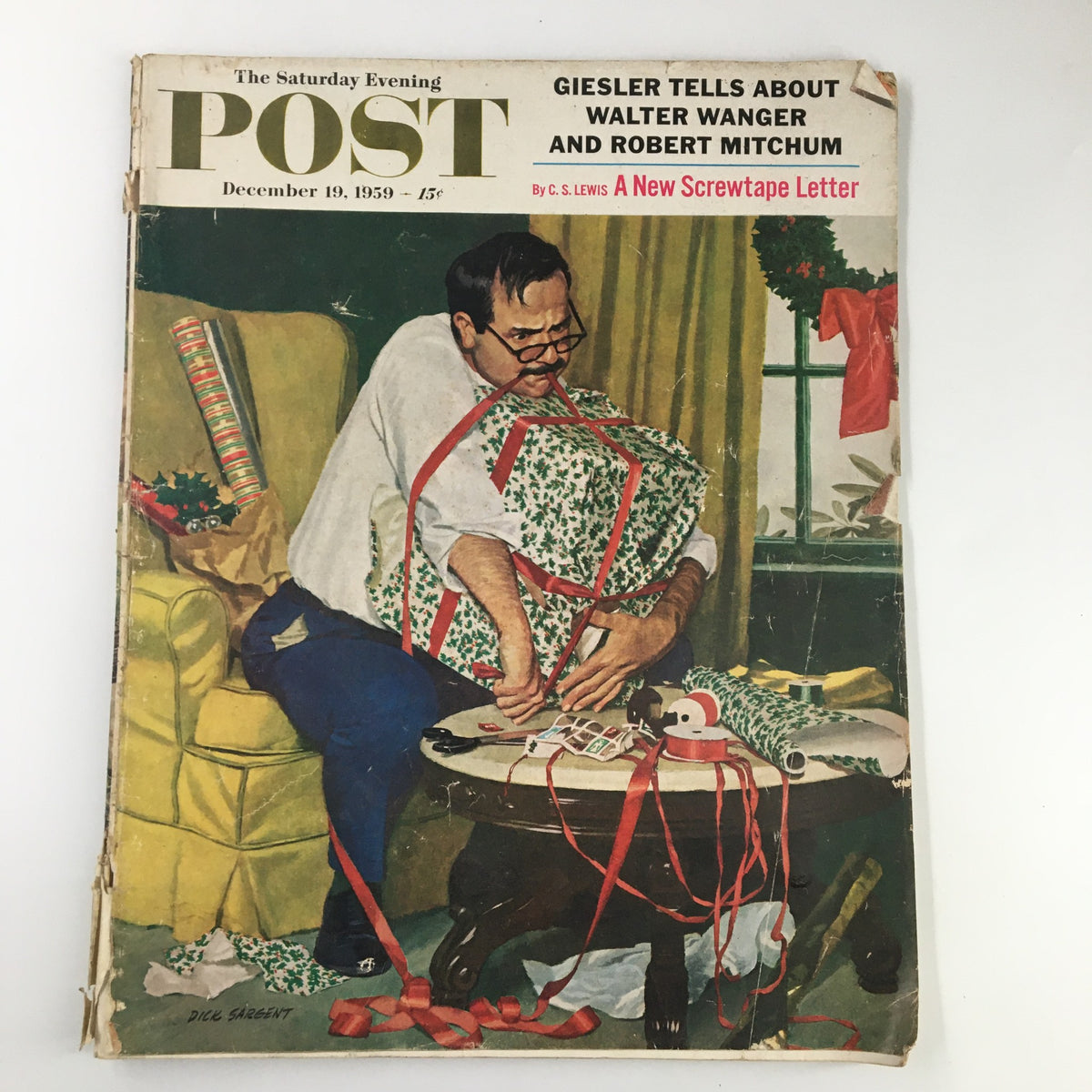
To hold one of these magazines is to hold the moment itself — the slightly rough tooth of mid-century coated stock beneath your fingertips, the faint chemical perfume of decades-old ink, the surrounding advertisements for Lucky Strikes and Chrysler automobiles that place you, irrevocably, in the world that made him famous. These are not reprints or retrospectives; they are primary documents, pressed and bound in the very weeks and months that his story was still unfolding, consumed by readers who had no idea they were witnessing the construction of a legend. For collectors of classic Hollywood memorabilia, vintage film noir ephemera, or mid-century American print culture, these publications offer an irreplaceable intimacy with a man and an era that no biography or streaming documentary can replicate. Browse the current available inventory below and find the issue that speaks to you.