📖 About this Collection
Robert Plant: Voice of the Gods, Ink of an Era
The Legend & The Legacy
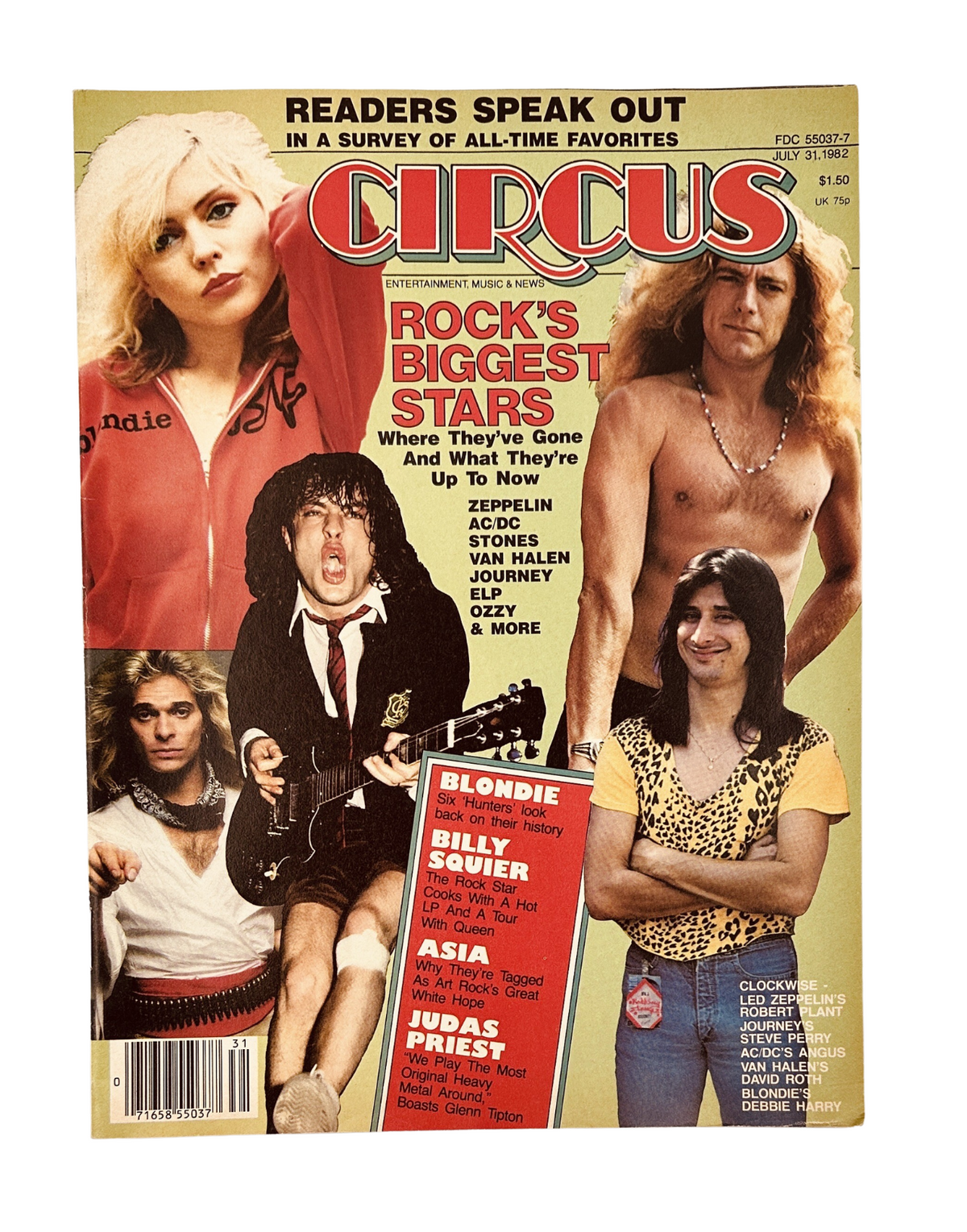
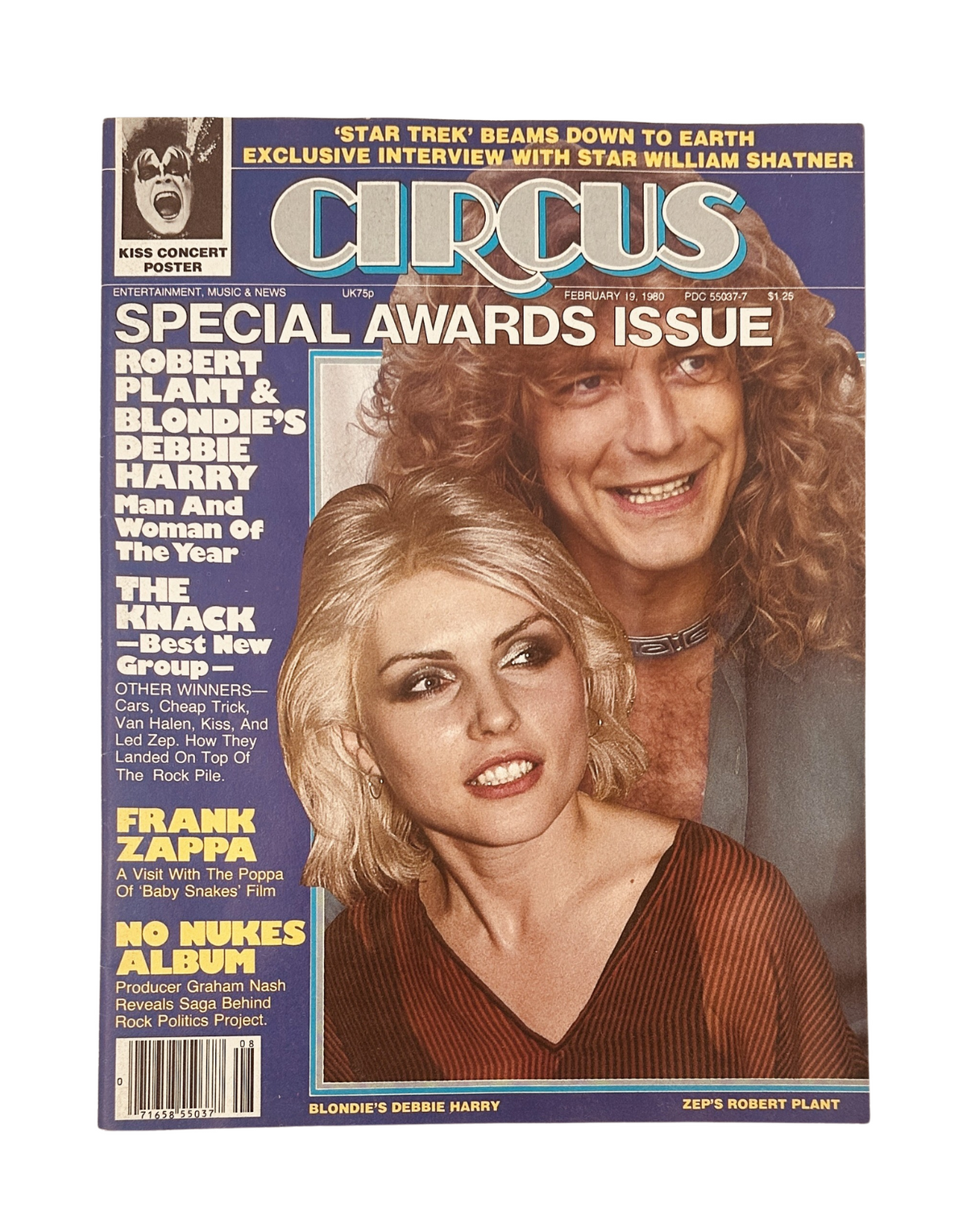
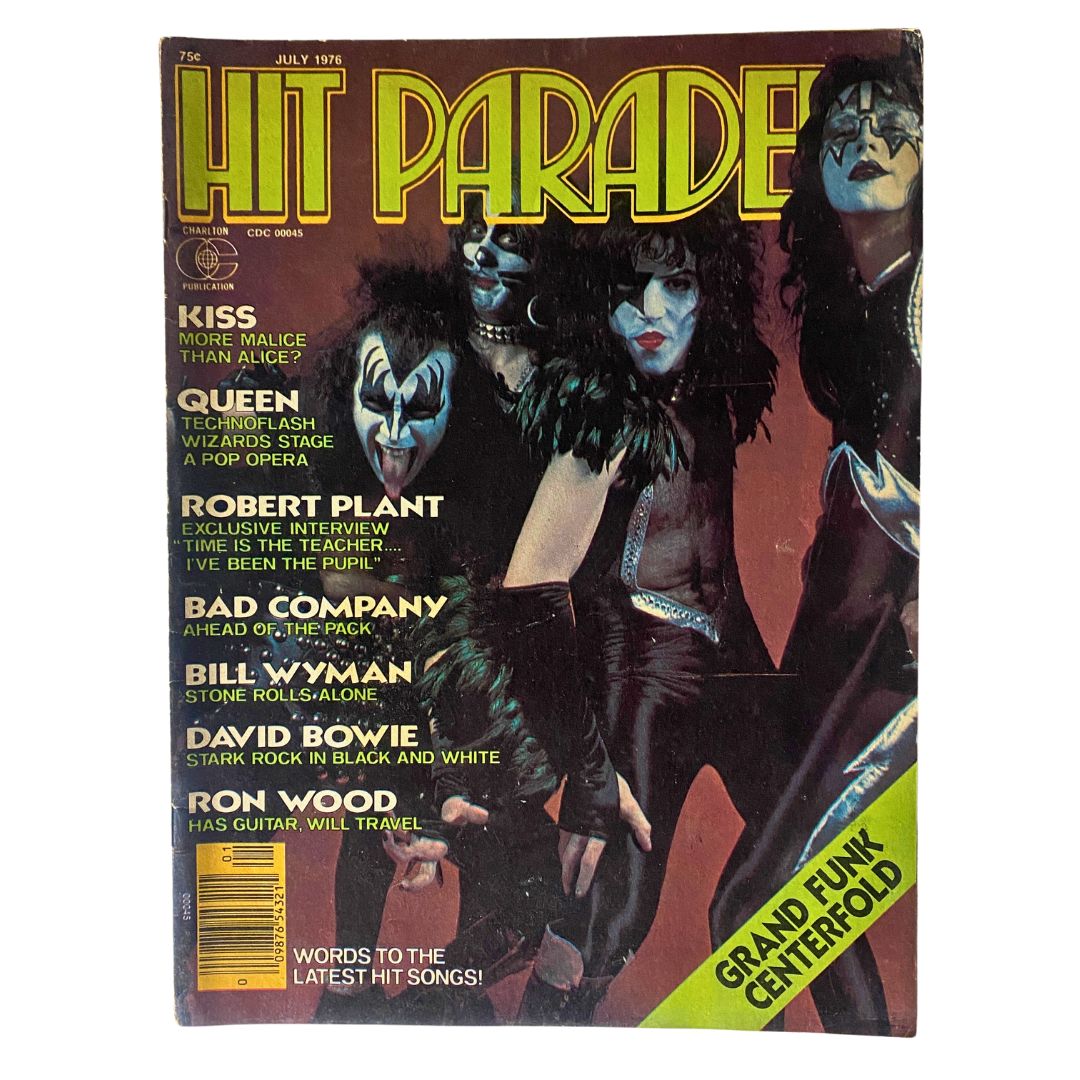
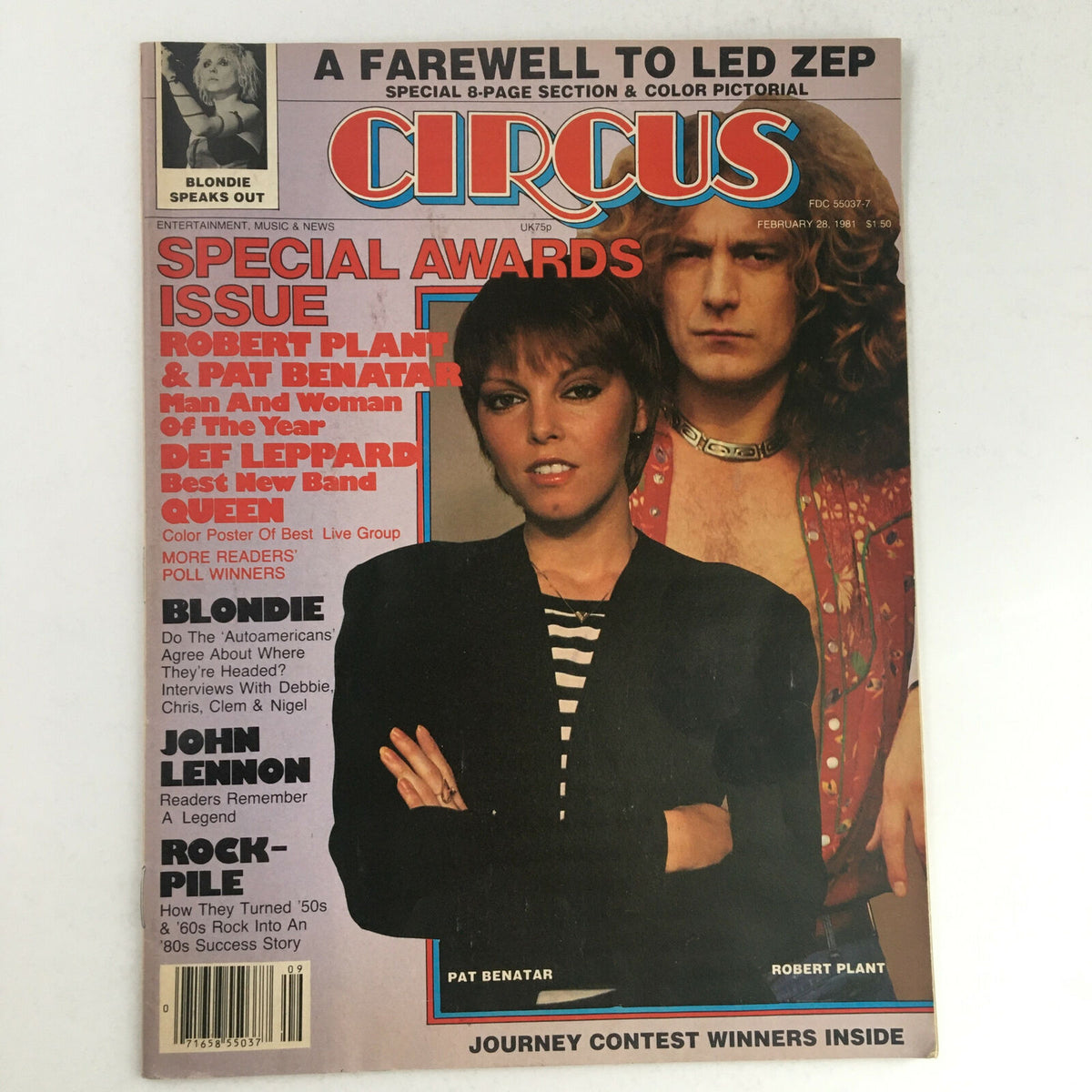
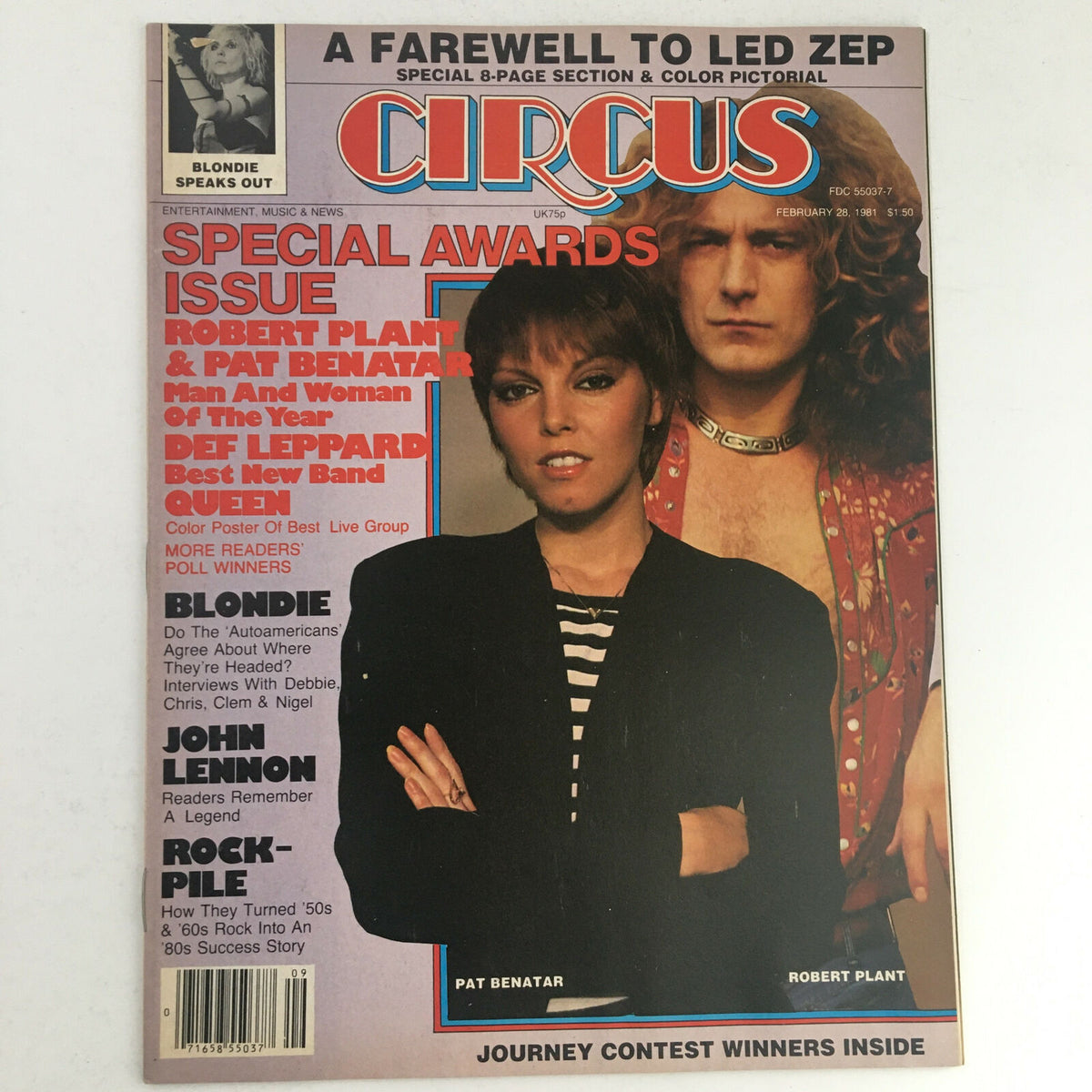
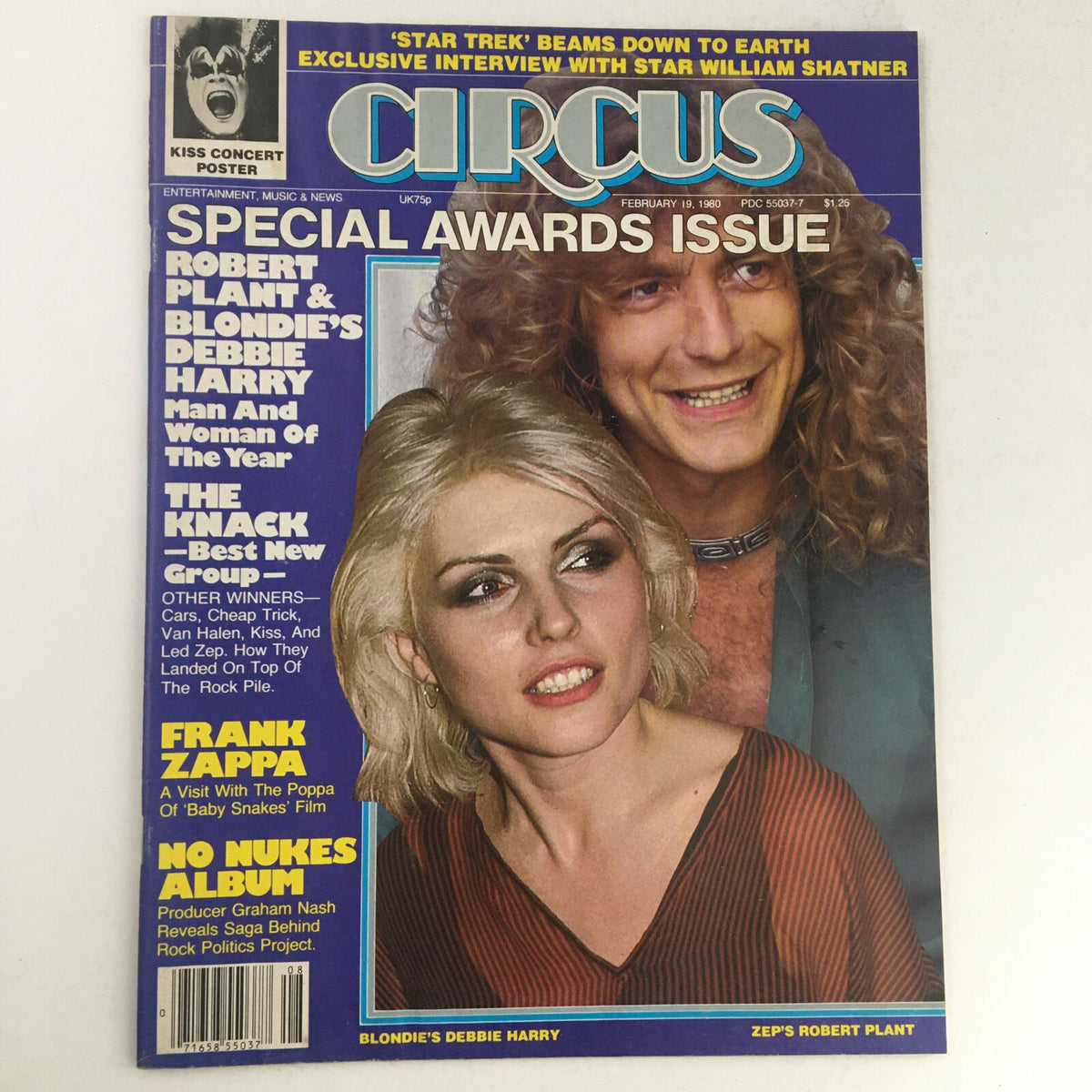
Before algorithms curated your taste and streaming services flattened the mystery of a great rock band, Robert Plant existed as a living myth — one that the world could only fully experience through the crackling electricity of a live performance or the glossy, ink-saturated pages of a music magazine. As the golden-maned frontman of Led Zeppelin, he did not merely occupy the cultural landscape of the late 1960s and 1970s; he defined it. His voice — that impossible instrument ranging from a lover's whisper to a primal howl — became the soundtrack to a generation navigating war, counterculture, sexual liberation, and the collapse of postwar innocence. Readers devoured every profile, every candid tour photograph, every cryptic interview they could find, because Plant and his bandmates represented something that felt simultaneously ancient and apocalyptic. The printed page was the only place fans could hold that mythology still long enough to study it.
Inside the Archive
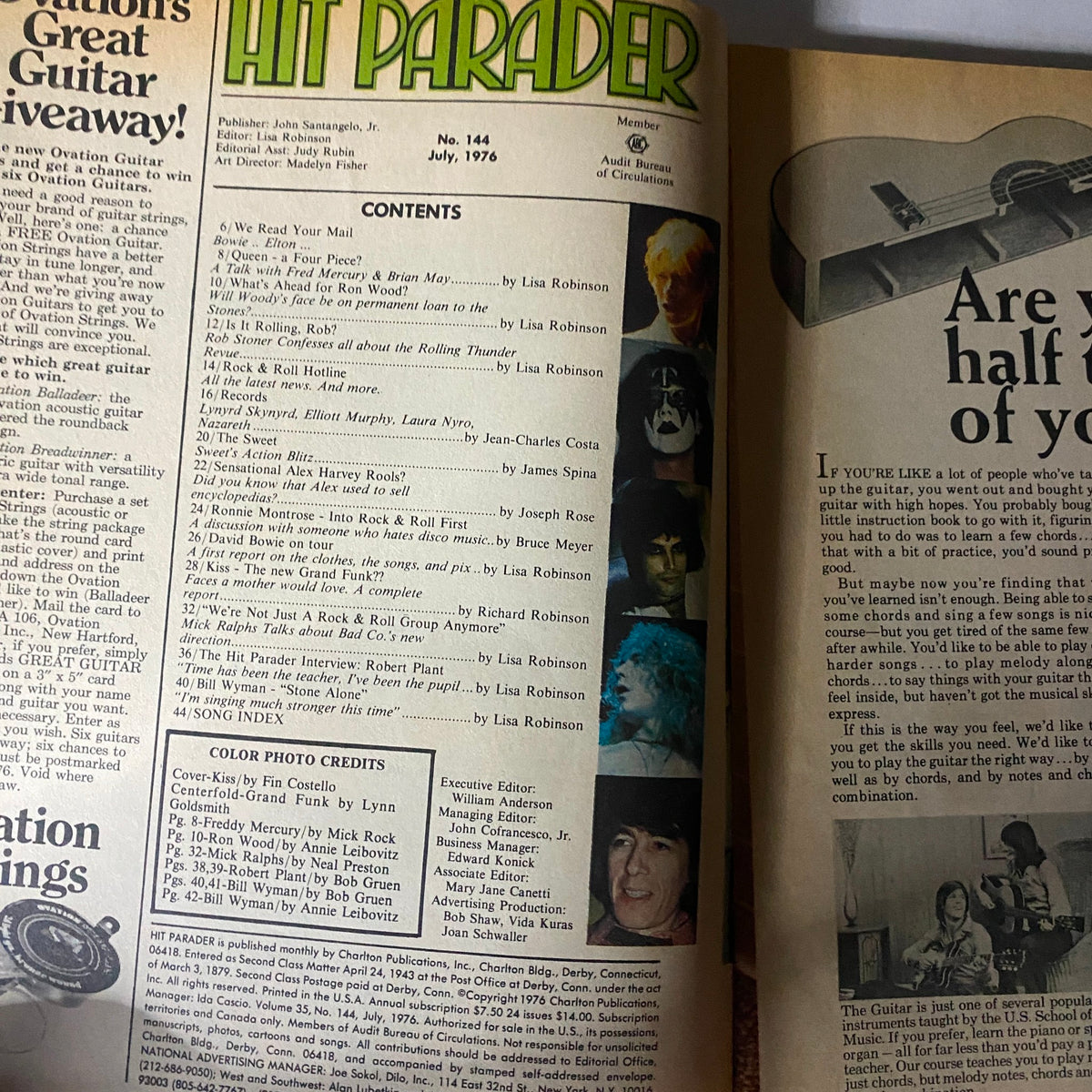
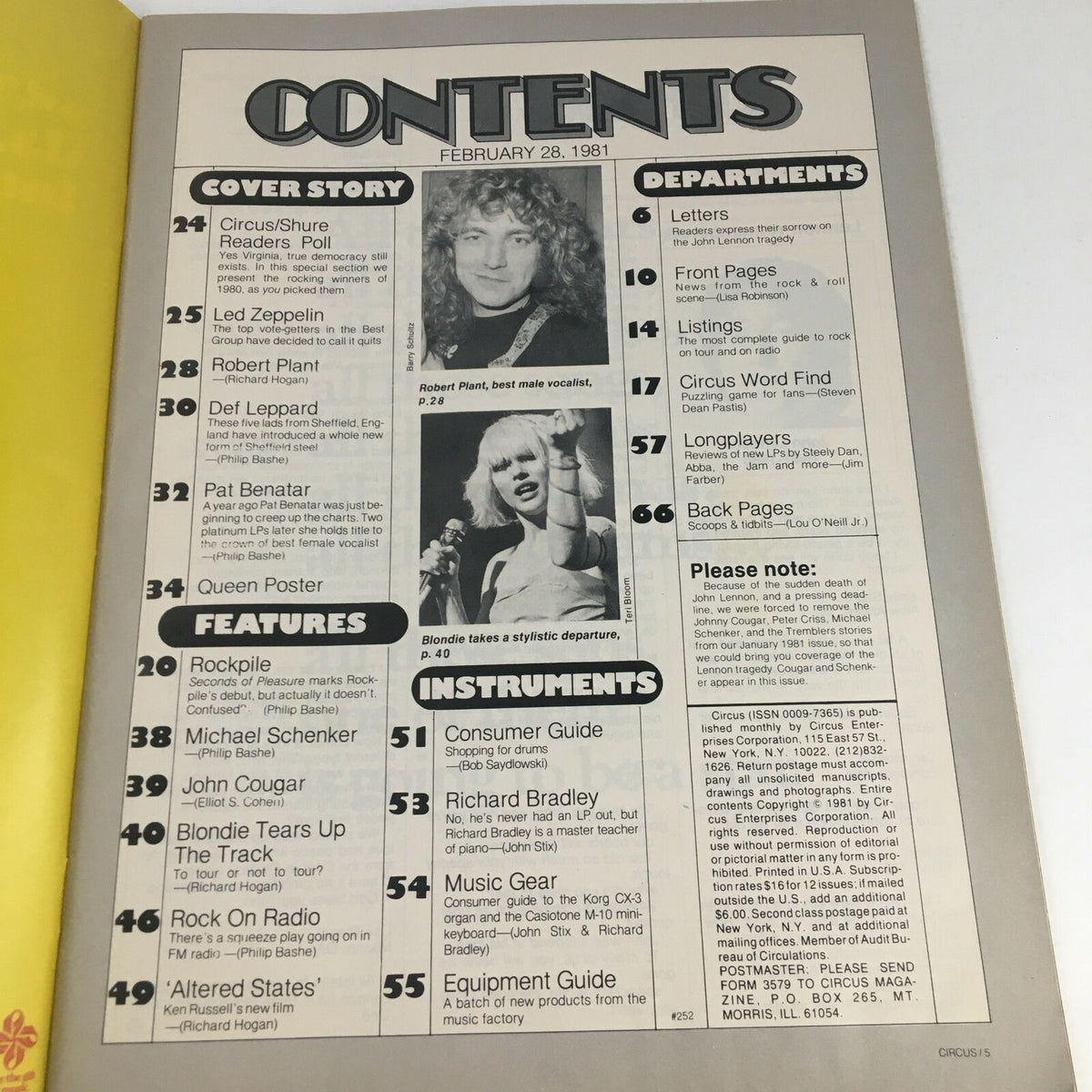
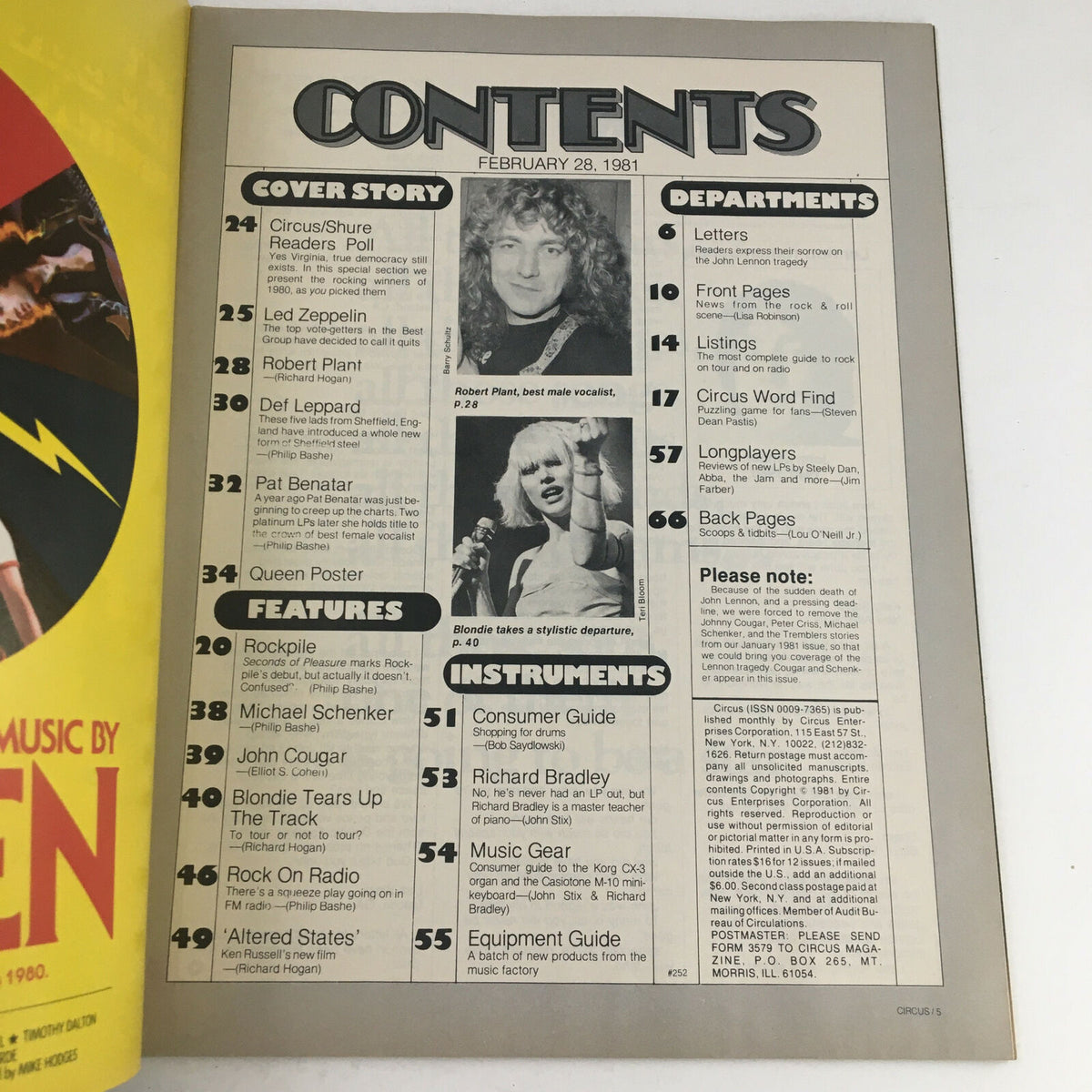
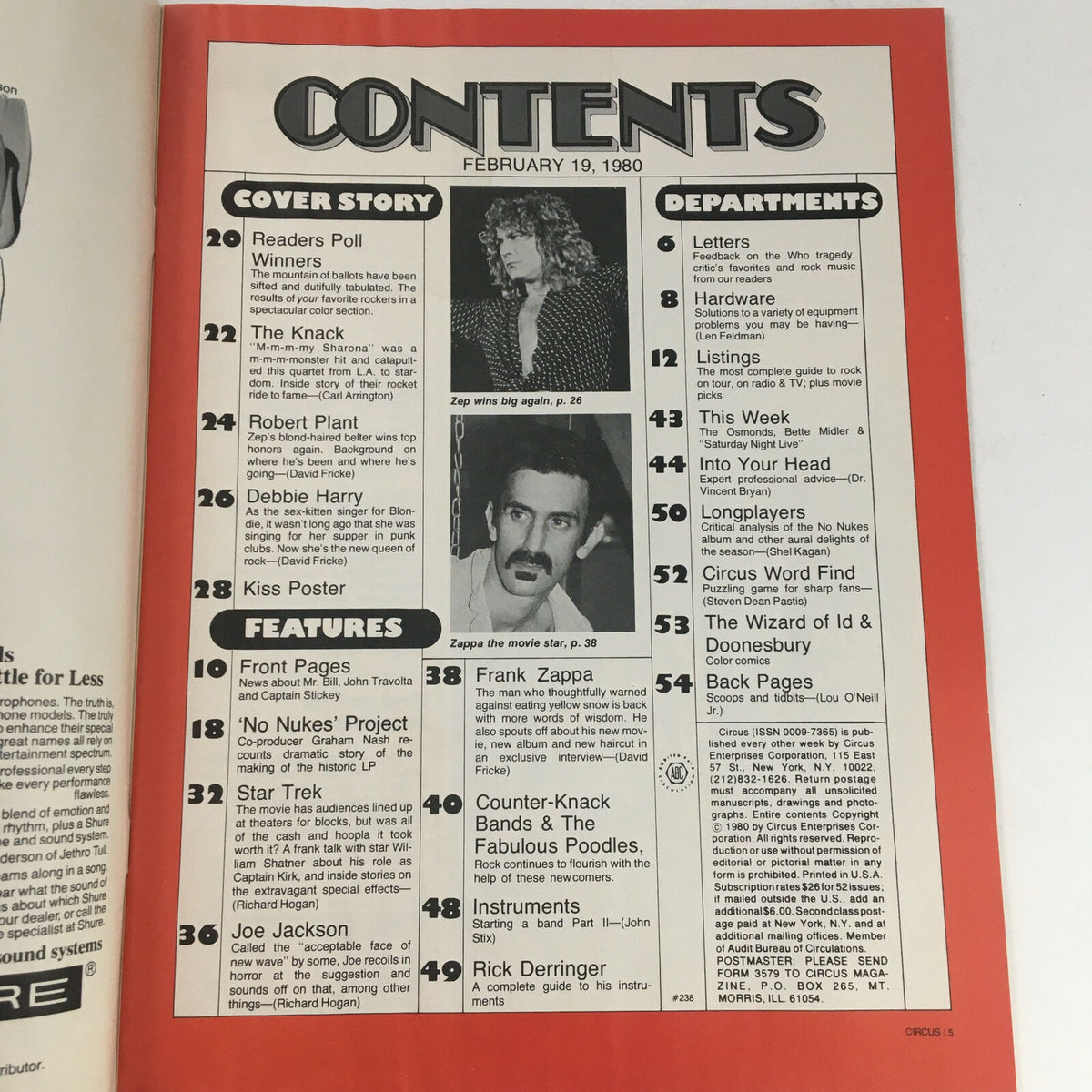
Vintage magazine coverage of the Wolverhampton-born legend was as theatrical as the man himself. Photographers like Neal Preston and Robert Ellis captured him mid-stage in images that felt less like concert documentation and more like portraiture of a Norse deity — bare-chested, curls cascading, microphone raised like a scepter. Editorial tone across publications swung between reverent awe and breathless scandal, particularly during Led Zeppelin's notorious touring years through the early-to-mid 1970s. Rolling Stone was perhaps his most devoted chronicler, dedicating cover features and sprawling multi-page interviews to both the band and his later solo resurgence. Across the Atlantic, the British weekly Melody Maker treated him with the particular intimacy of a hometown publication watching one of its own ascend to impossible heights, while Creem — the Detroit-born voice of rock's scrappier instincts — captured the raw, irreverent energy that surrounded Zeppelin's reign with a gritty editorial eye perfectly suited to the era's excesses.
Curator's Checklist: Highlights Often Include
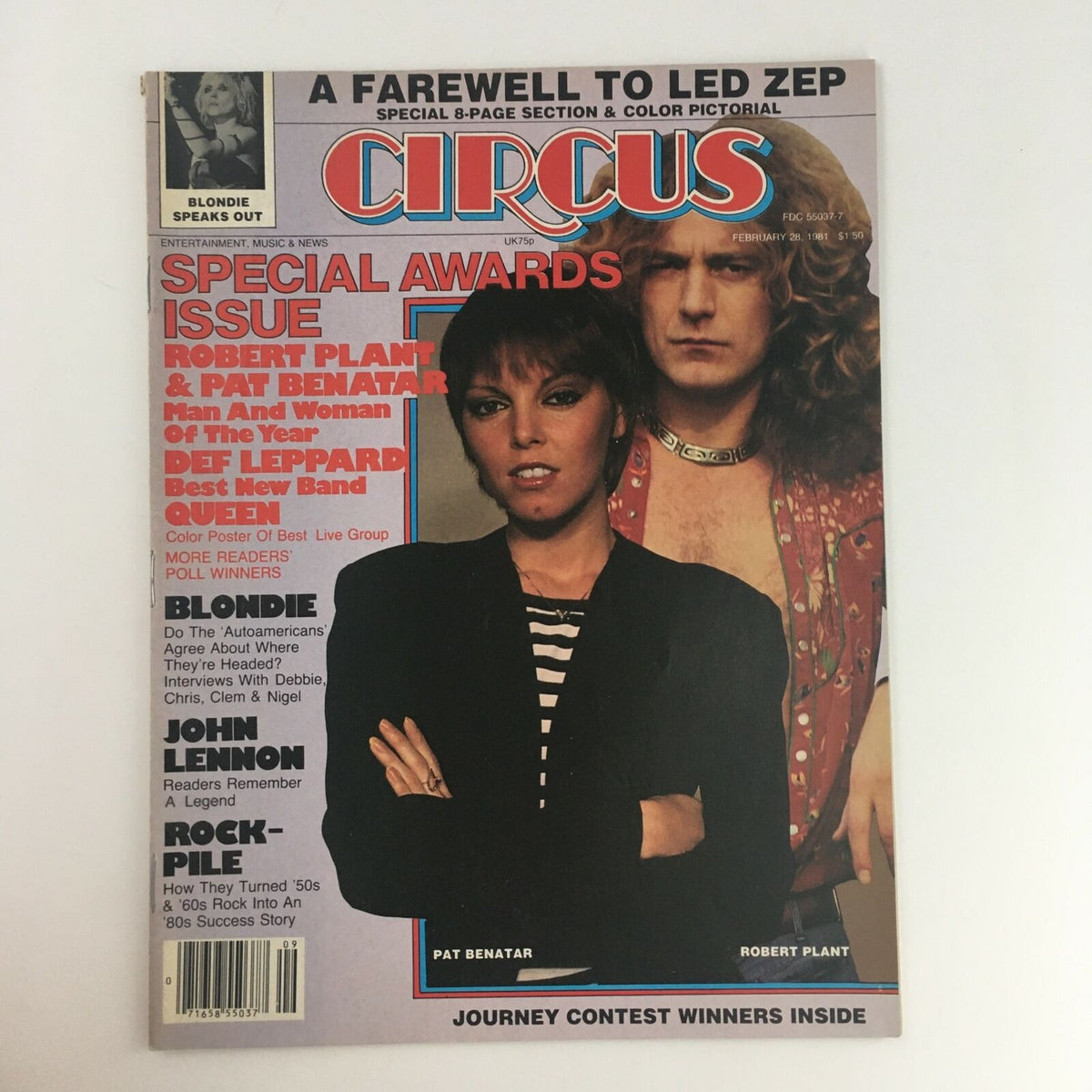
- Led Zeppelin at their peak — Coverage from the 1969–1975 period frequently surfaces, documenting the band's meteoric rise from the British blues scene to the most powerful live act on the planet, with Plant front and center in both photographs and prose
- The Physical Graffiti & Presence era — Editorial features tied to these landmark mid-70s albums, often capturing a more complex, world-weary side of the golden god as the decade matured
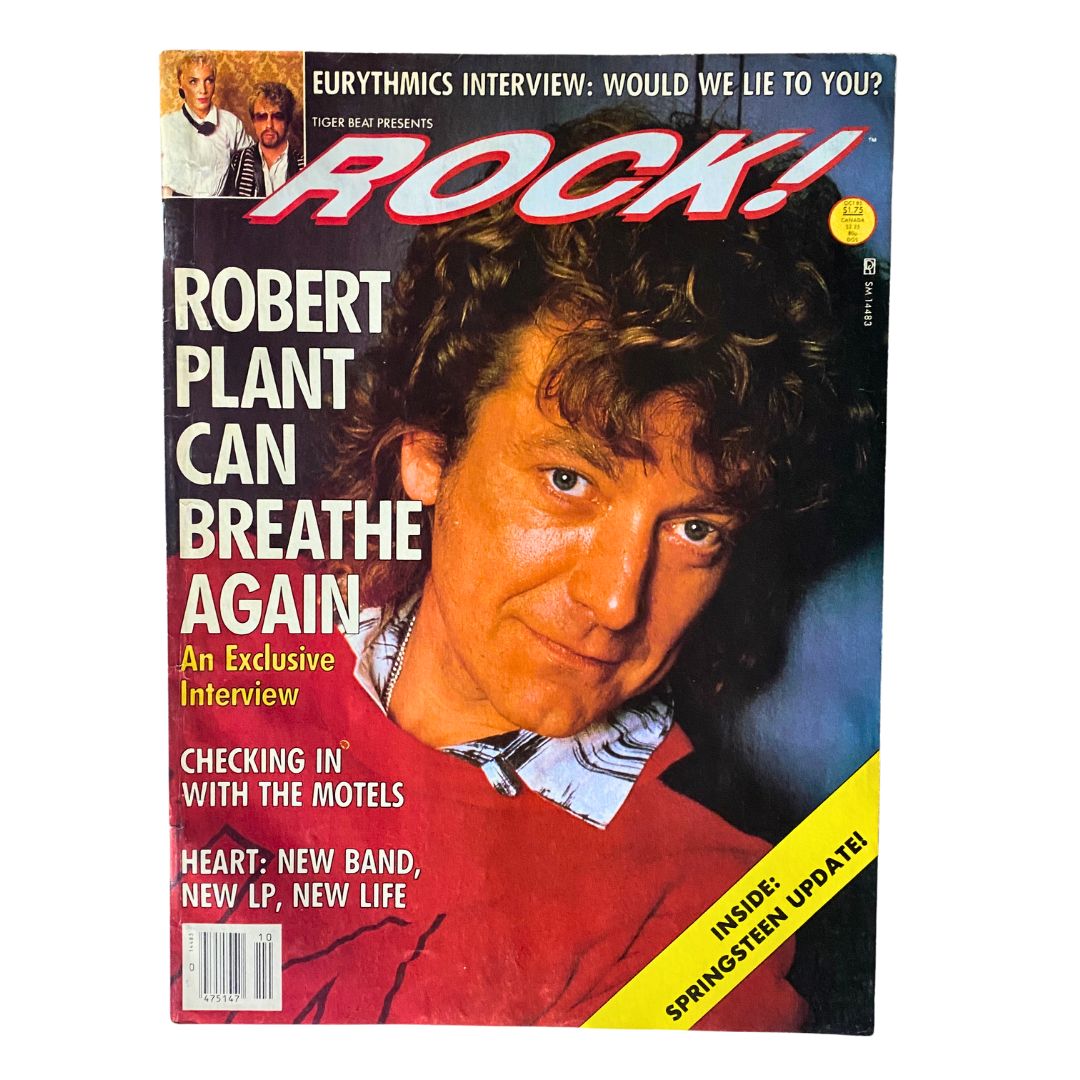
- Solo reinvention — Post-Zeppelin coverage from the early-to-mid 1980s chronicling Pictures at Eleven and The Principle of Moments, as the voice of a generation stepped boldly into new sonic territory
- Transatlantic press comparisons — Collectors frequently discover meaningful contrasts between American publications focused on spectacle and mythology, and British music weeklies that covered him with sharper cultural critique and hometown familiarity
- Festival and tour photography — Candid and editorial images from landmark events, including early US tours and the celebrated 1973 Madison Square Garden residency, often appearing in both mainstream and niche rock publications of the period
The Collector's Value
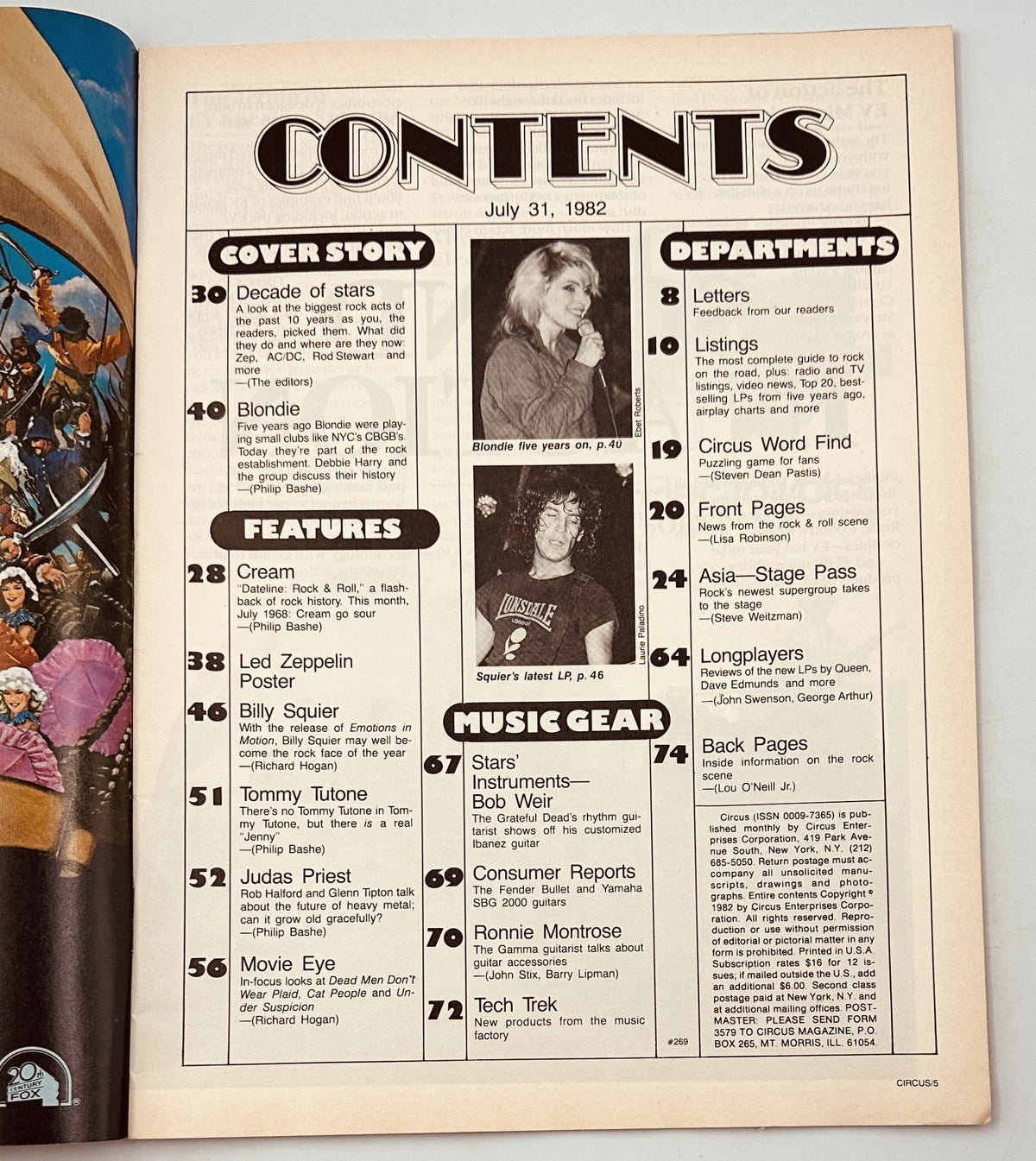
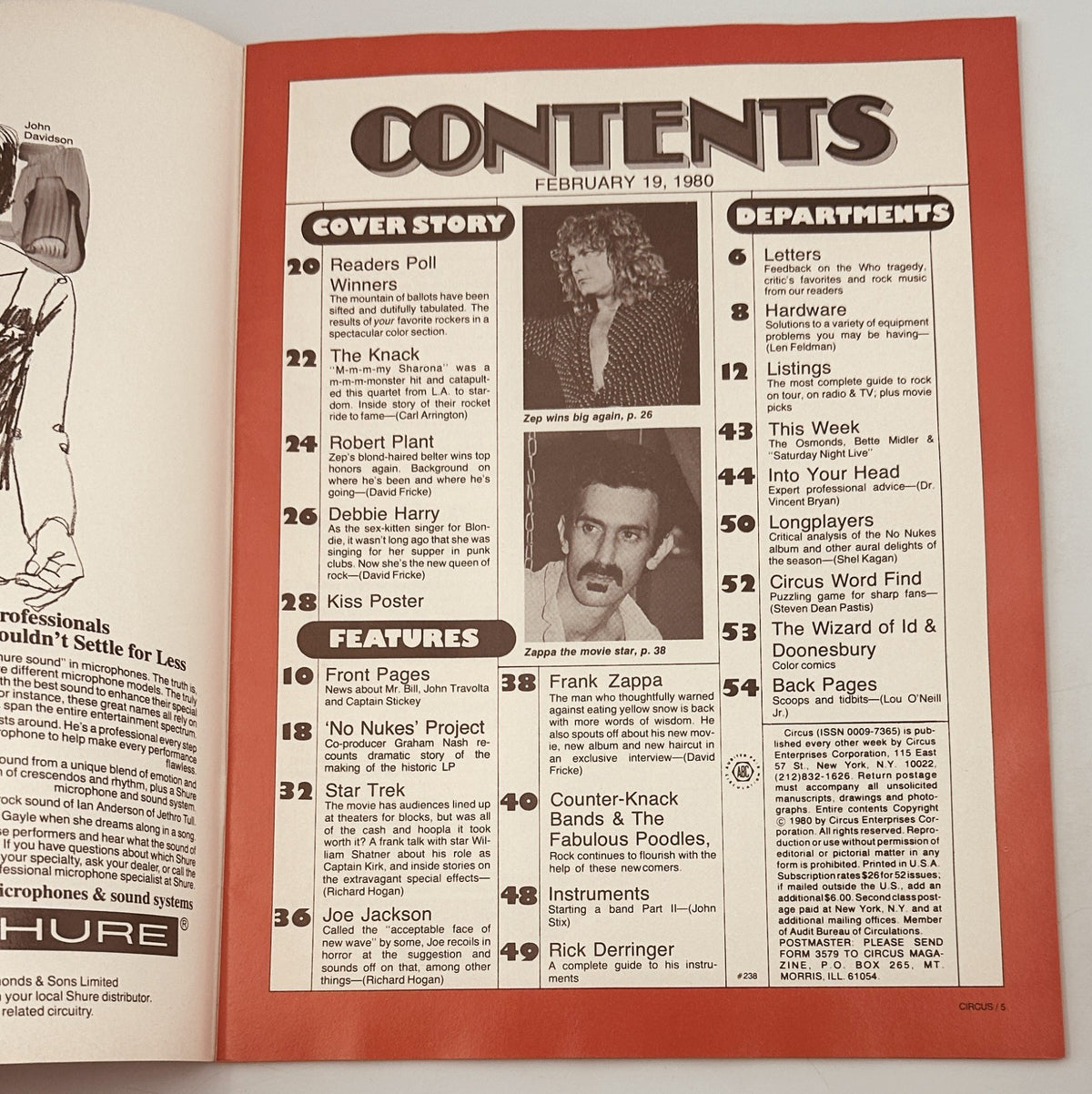
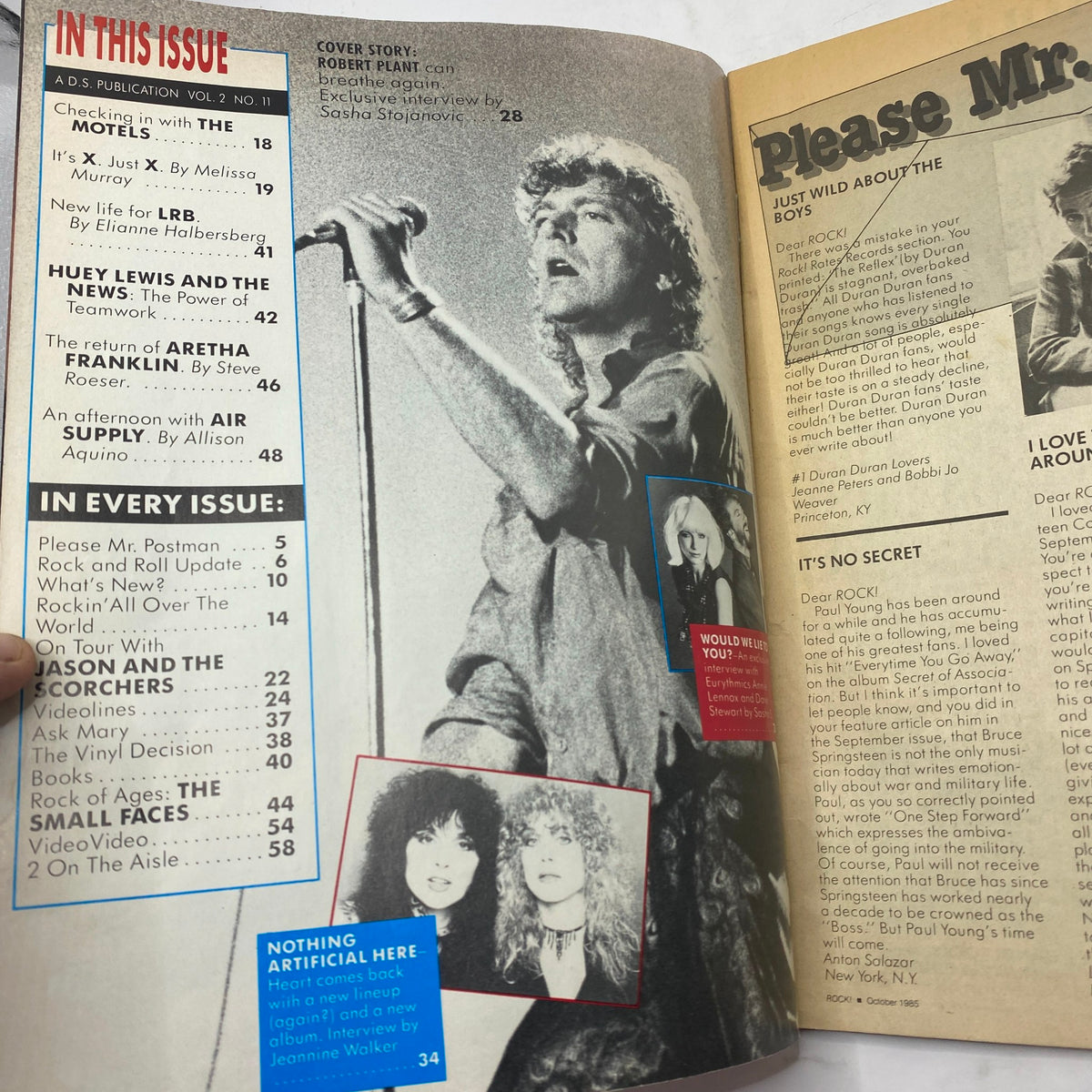
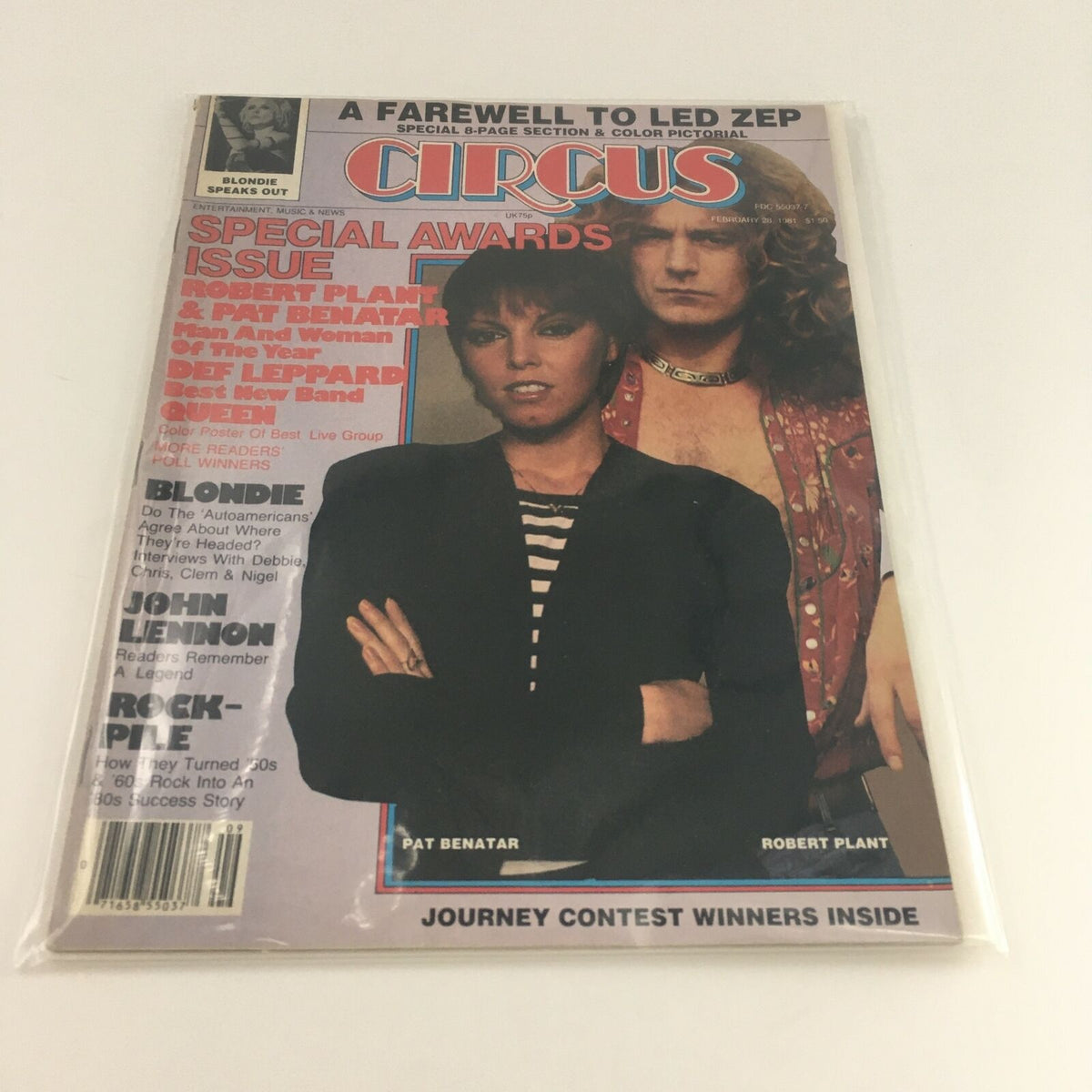
There is something irreplaceable about holding the actual issue — feeling the slightly brittle give of decades-old coated paper stock, catching the faint mineral tang of old ink, turning past a full-page advertisement for a 1973 Ford Mustang or a vintage whiskey brand before arriving at a four-page spread on the most electrifying frontman of his generation. These are not reprints or digital archives; they are primary documents, artifacts of a moment when rock and roll was genuinely dangerous and the printed press was its only permanent record. The centerfold photograph of Plant on stage at the Forum, the interview in which he deflects and enchants in equal measure, the classified ads at the back of the issue that anchor it so precisely in its historical moment — all of it conspires to create an object of extraordinary cultural density. For collectors of classic rock memorabilia, British music history, or 1970s counterculture ephemera, these publications offer an unmediated, tactile connection to an era that no streaming platform or digital archive can replicate. Explore the current available inventory below and find the piece of history waiting to belong to your collection.