📖 About this Collection
Robert Redford: The Golden Light That Didn't Burn Out
The Legend & The Legacy
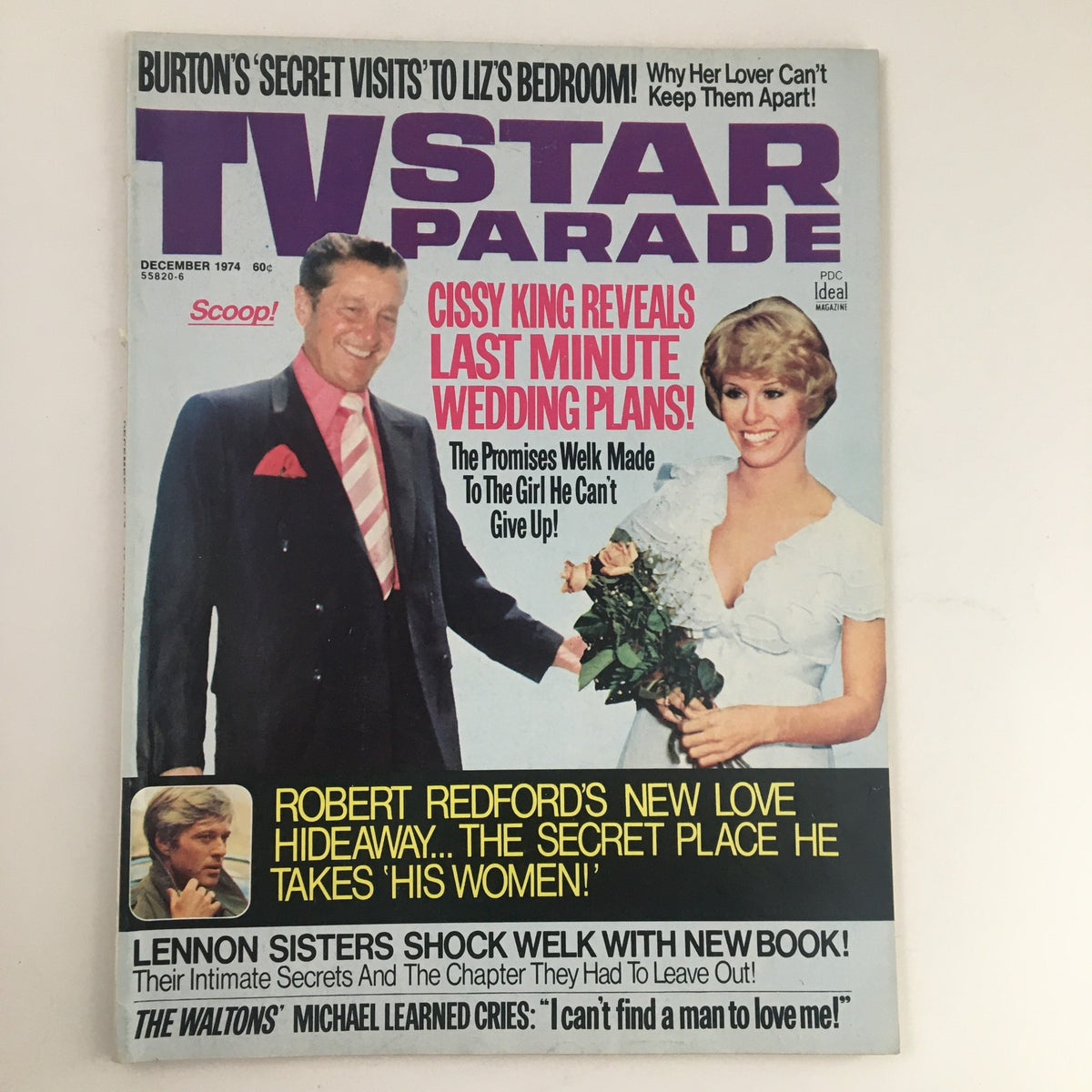
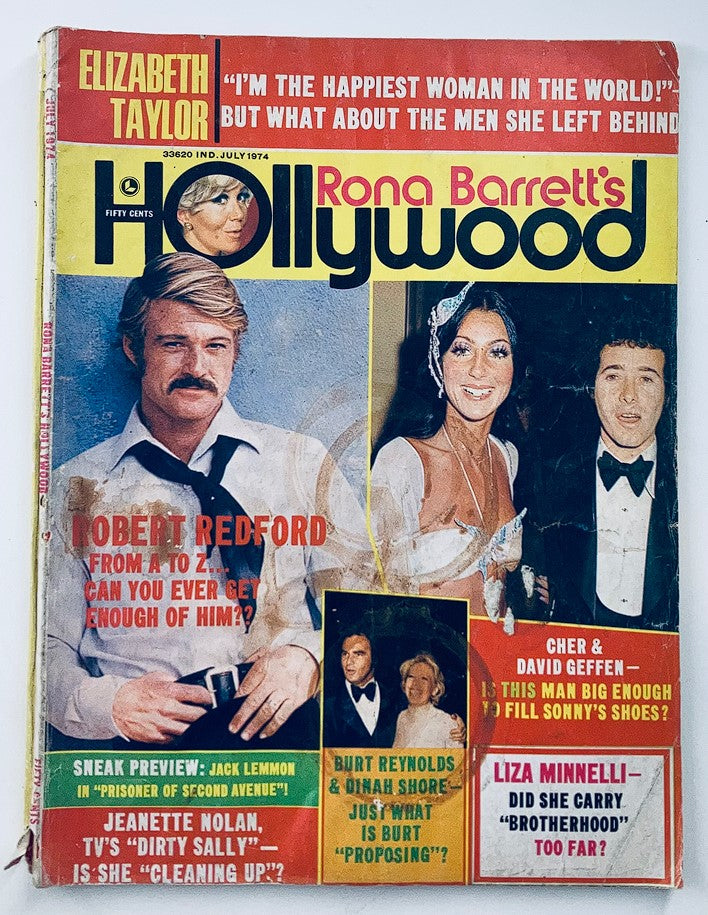
In an era when Hollywood manufactured stars on factory schedules, Robert Redford arrived as something the industry hadn't quite planned for — a man of genuine complexity who happened to photograph like a myth. Through the late 1960s and across the whole luminous stretch of the 1970s, the public came to know him not through algorithms or streaming thumbnails, but through the tactile intimacy of print: a magazine spread laid open on a coffee table, a cover propped against a bedside lamp, his blue eyes fixed on you from a newsstand rack between the evening paper and the TV Guide. He was the era's great golden contradiction — a matinée idol who loathed the machinery of fame, a political conscience wrapped in the most disarming face in American cinema. When Butch Cassidy and the Sundance Kid arrived in 1969, it didn't merely launch a career; it inaugurated a decade-long cultural conversation about what American heroism looked like when the country had stopped trusting its institutions. Magazines were the forum for that conversation, and Redford was one of its most compelling subjects.
Inside the Archive
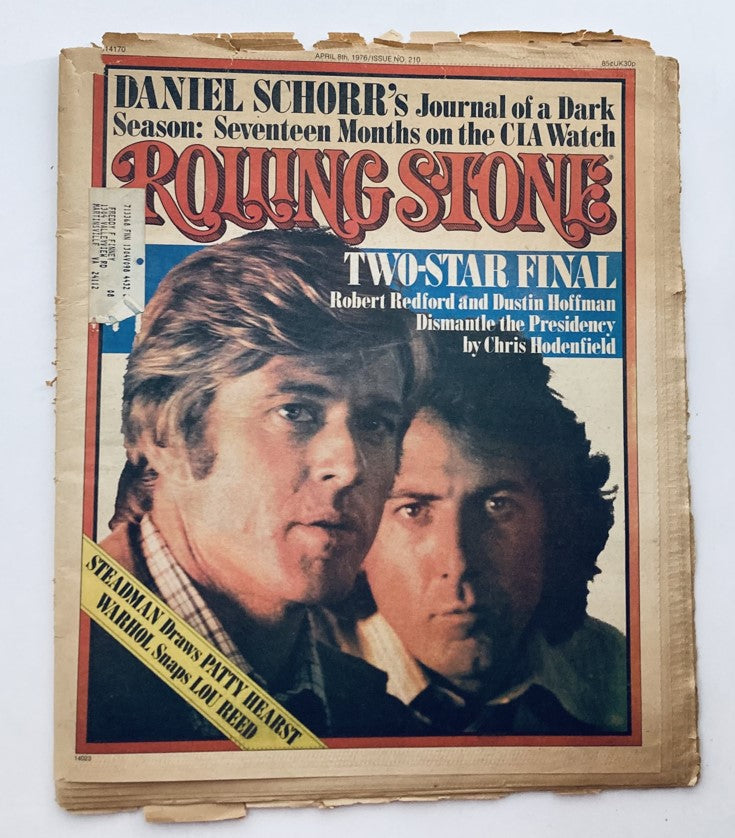
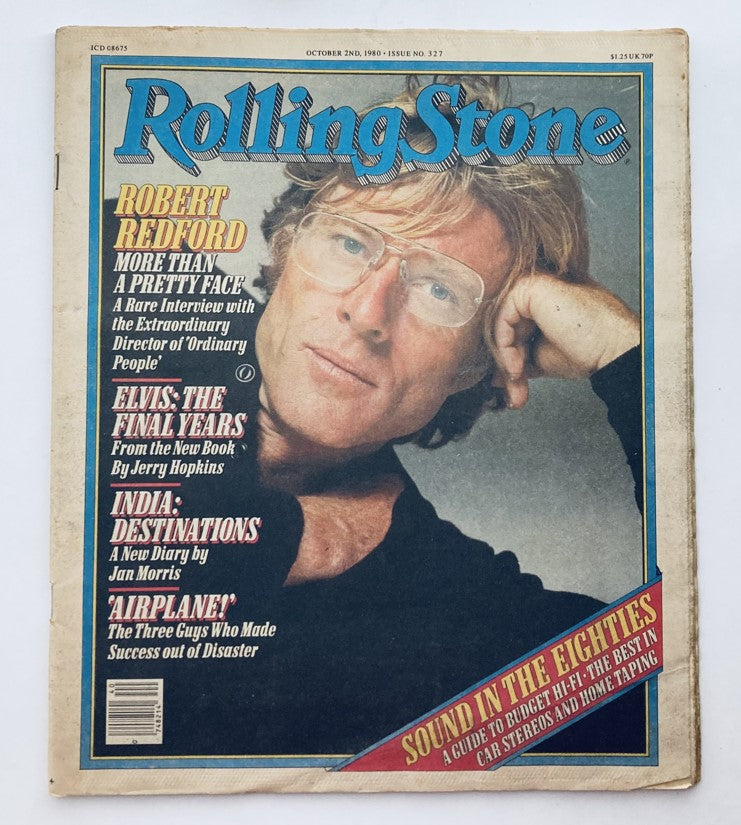
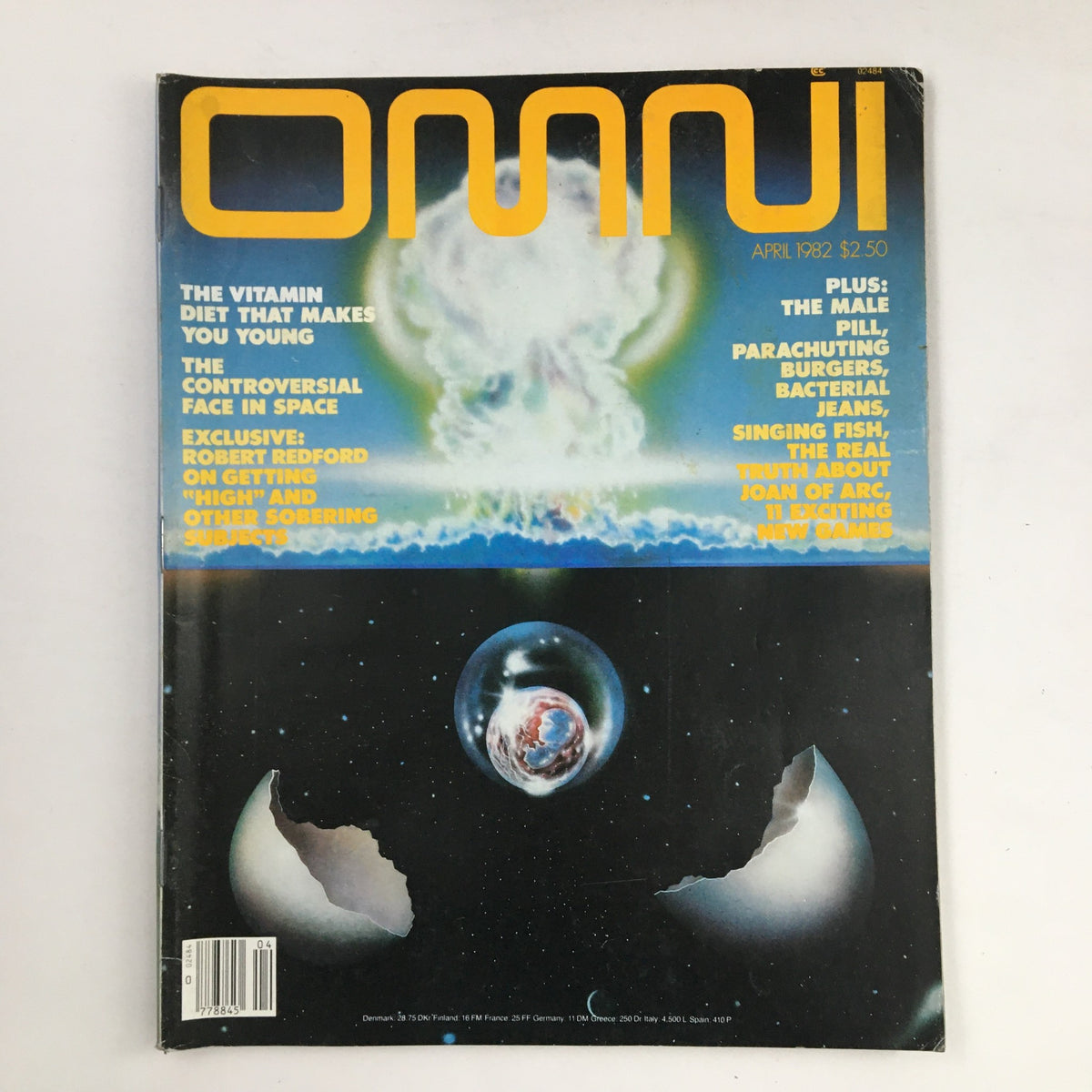
The photography of Redford in vintage print is its own art form — editors and lensmen understood instinctively that overlit studio portraits would diminish him, and so the finest coverage placed him outdoors: in the Utah canyon country he loved, on film sets in natural light, or candid and slightly sun-squinted in a way that felt accidental and entirely intentional at once. Life magazine approached him as a cultural document, pairing long-form profiles with cinematic photo essays that treated his rise as a chapter in the American story itself. Rolling Stone, in its great literary journalism period, gave him the kind of searching, unguarded interviews that revealed the environmentalist and Sundance visionary beneath the marquee name. Internationally, Paris Match and Der Spiegel covered the American New Hollywood movement with particular fascination, and Redford — who carried none of the garish excess of his contemporaries — became their preferred emblem of what sophisticated transatlantic audiences wanted to believe about American film. The editorial tone across publications ranged from reverential to genuinely probing, but rarely tabloid; he commanded a register of seriousness that even celebrity-hungry editors respected.
Curator's Checklist: Highlights Often Include
- New Hollywood profile pieces from the early-to-mid 1970s situating him alongside Nicholson, Beatty, and Hoffman as the faces of a post-studio-system cinema — rich in cultural context and period advertising that doubles as time capsule
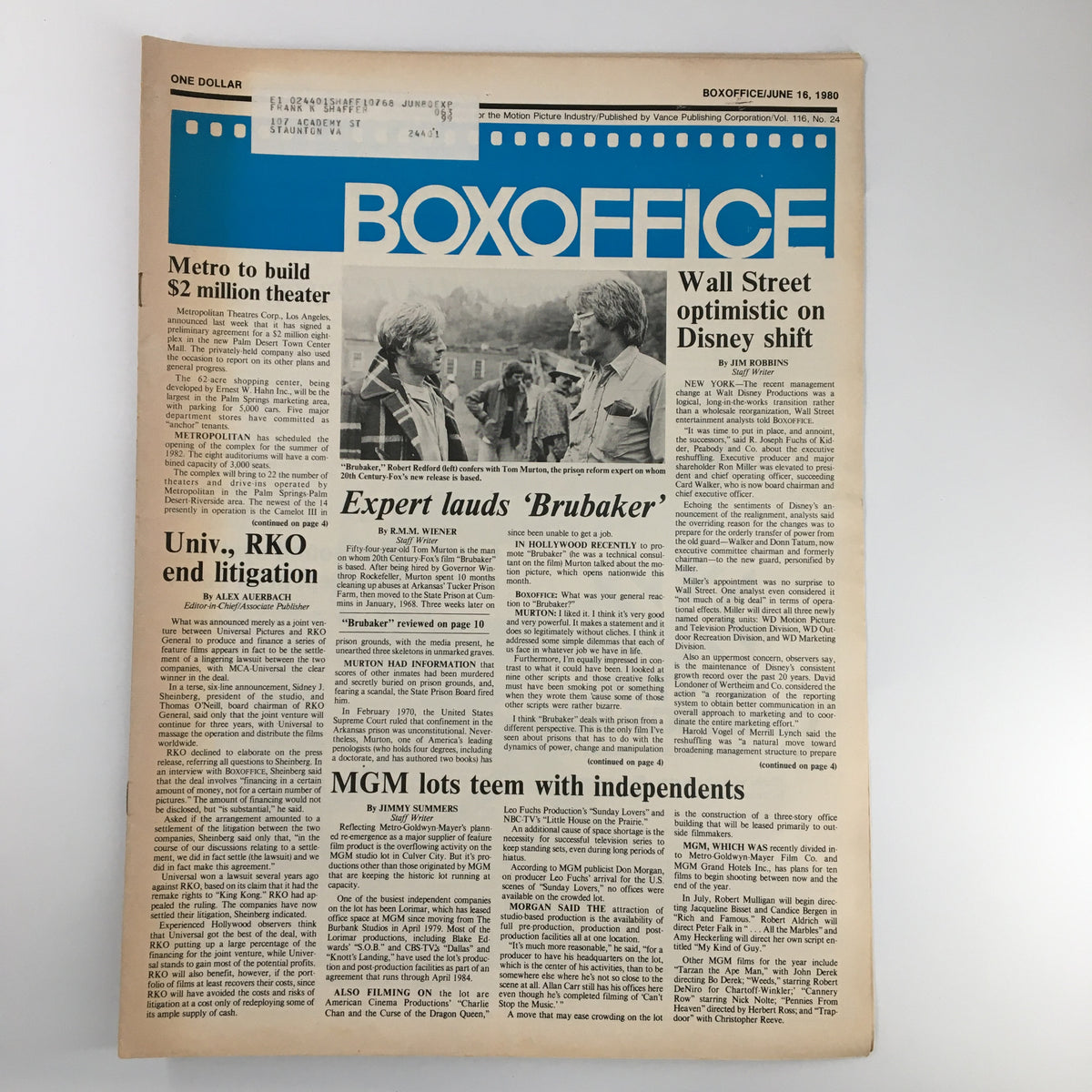
- Film-release coverage tied to landmark titles — The Candidate, The Sting, The Great Gatsby, All the President's Men, and The Natural — including international editions that reflect how distinctly his image resonated across different markets
- Environmental and political features from the late 1970s onward, as his advocacy for wilderness conservation and the American West moved him into editorial pages and policy-minded publications beyond the entertainment press
- Sundance Institute and independent film coverage from the 1980s, documenting his foundational role in reshaping American independent cinema before "indie film" entered the common vocabulary
- Retrospective and awards-season issues — including pieces surrounding his honorary Academy Award and later career recognition — offering collectors a through-line from the icon's peak to his enduring legacy
The Collector's Value
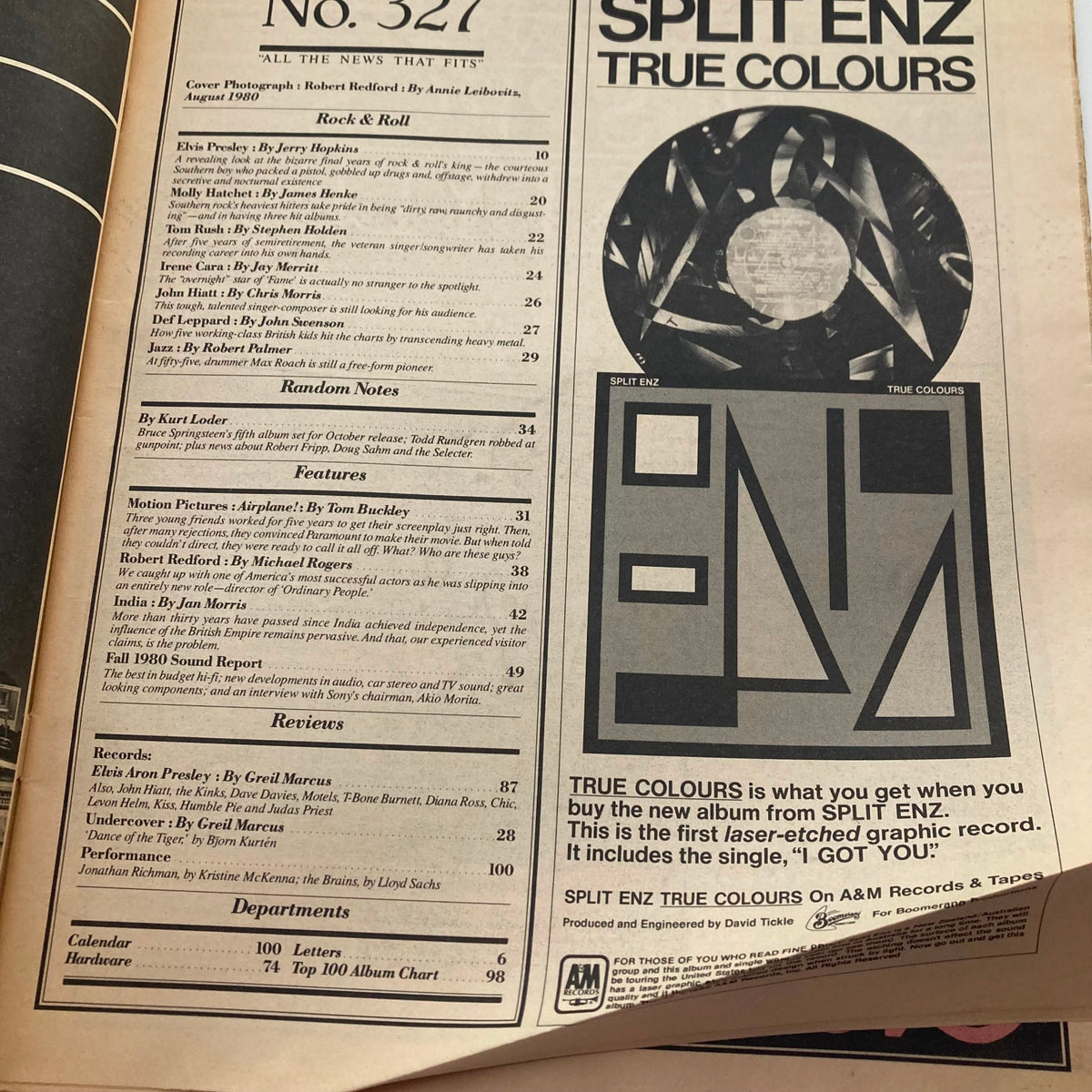
What a collector holds when they open one of these issues is irreplaceable in the most literal sense: a primary source artifact, printed and distributed in the very moment it describes, carrying the smell of decades-old ink and the soft, slightly yellowed warmth of paper stock that no digital archive can replicate. The surrounding advertisements — for cigarettes, for chrome-bumpered automobiles, for perfumes discontinued before most collectors were born — locate these magazines in time with a precision that no caption could achieve. The covers show a world calibrated to a different tempo, one in which a single extraordinary image could hold public attention for the full month between issues. For collectors of classic Hollywood and New Hollywood cinema memorabilia, American cultural history of the 1970s, or environmental and independent arts legacy, these publications offer not merely decoration but documentation — a firsthand account of how one of the twentieth century's most compelling figures was witnessed, debated, and celebrated as it was actually happening. Explore the current inventory below and find the issue that belongs in your archive.