📖 About this Collection
Rock Hudson: The Last Great Illusion of Hollywood's Golden Age
The Legend & The Legacy
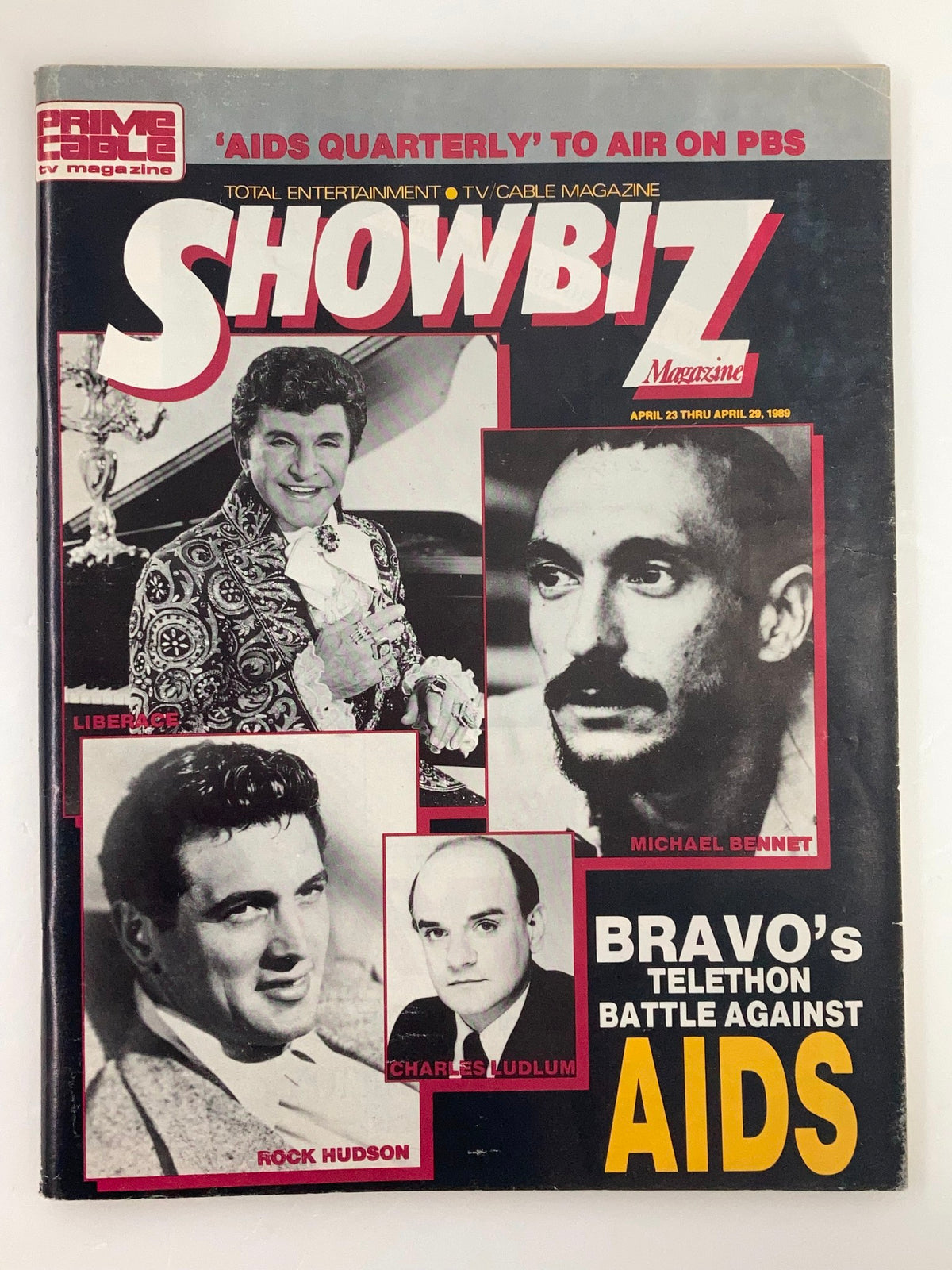
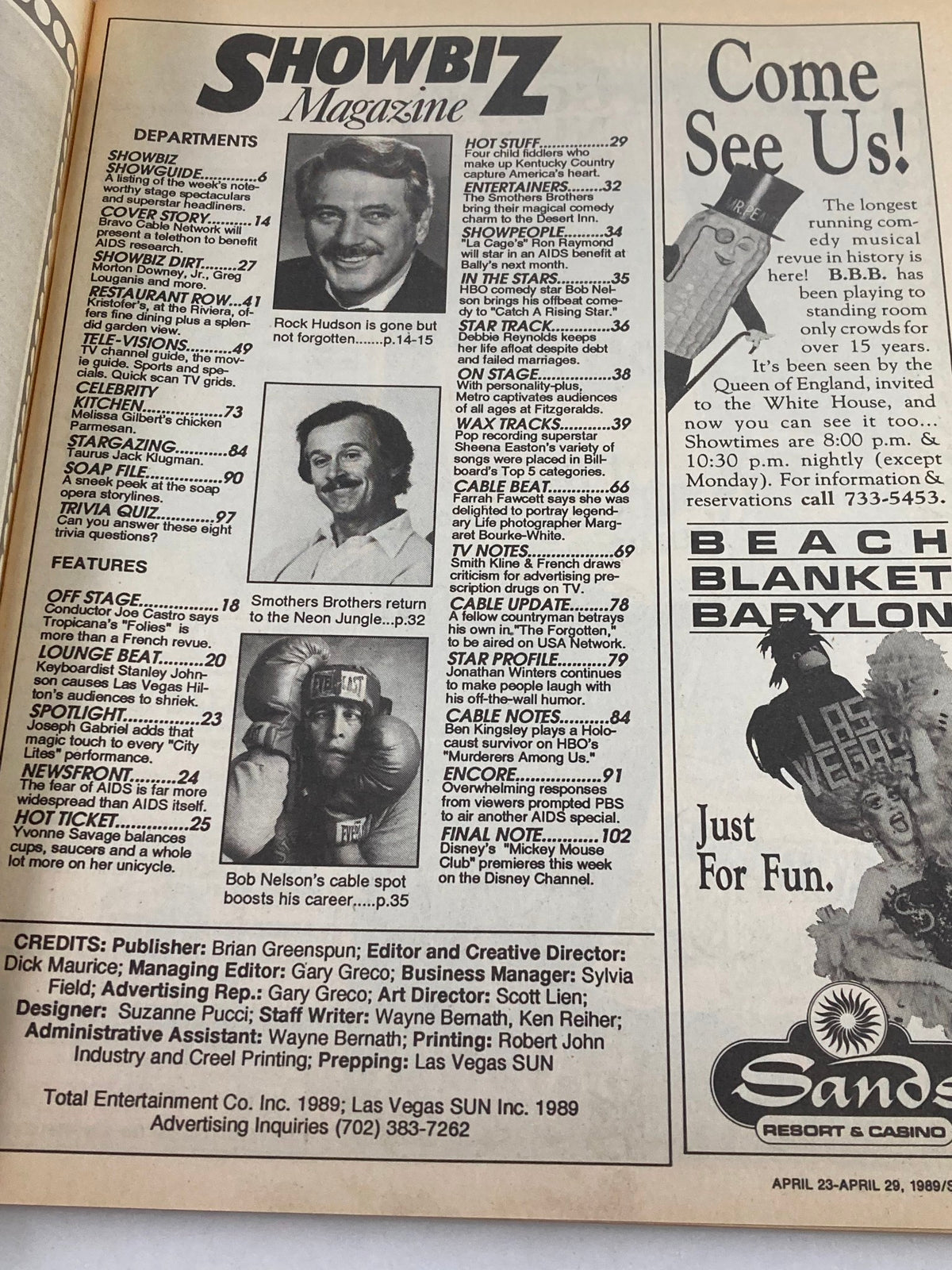
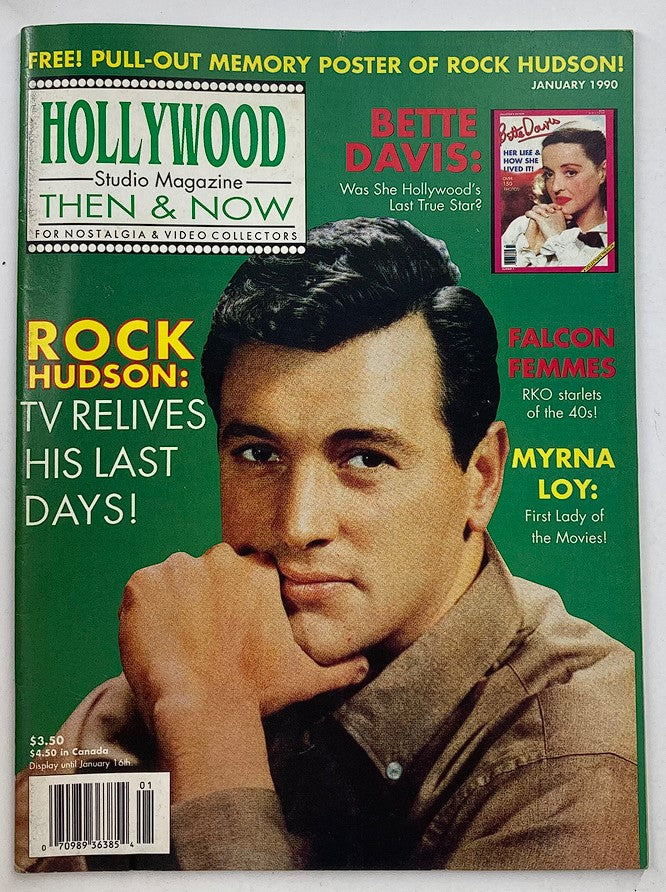
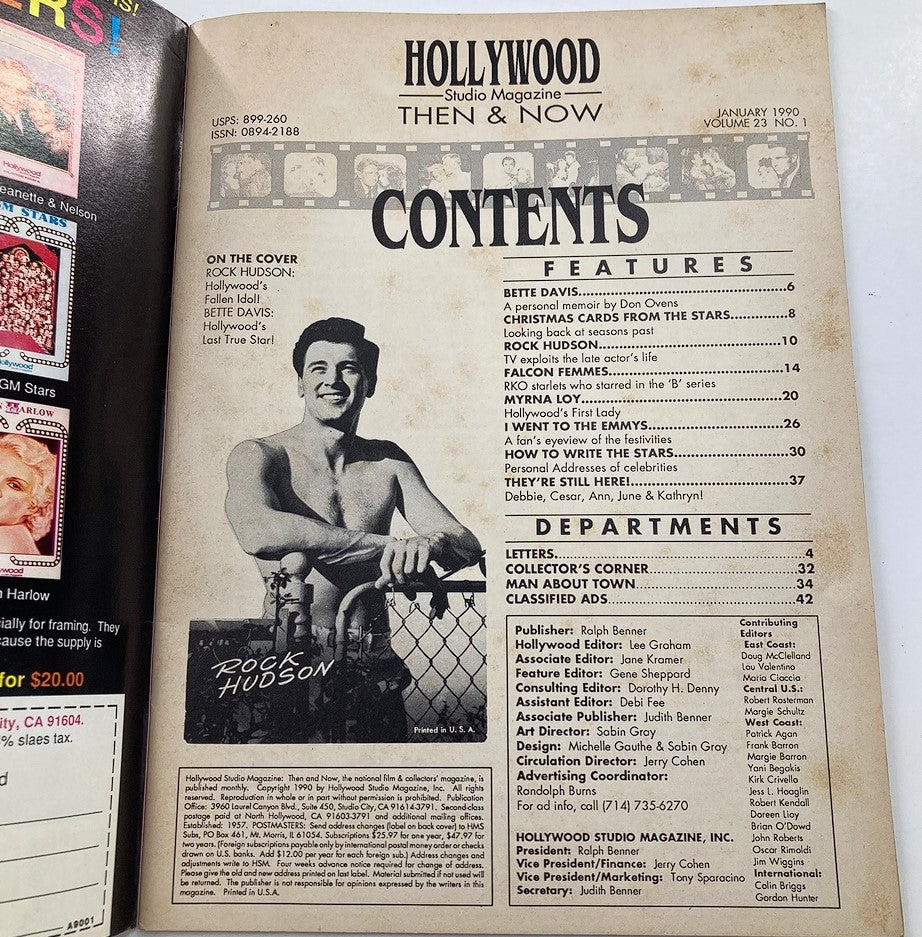
In an era when the Hollywood studio system manufactured stars with the precision of a factory and the polish of a dream, Rock Hudson stood apart — not merely as a product of the machine, but as its most perfectly realized creation. From his breakout in the early 1950s through his reign as one of the most bankable leading men in American cinema, the tall, dark Illinoisan became a fixture of the national imagination in a way that only physical print media could sustain. Gossip columns dissected his romances, fan magazines speculated endlessly about his inner life, and mainstream weeklies treated his every film premiere as a civic event. Then, in August of 1985, when his diagnosis became the first to bring the AIDS crisis into the living rooms of mainstream America, the story transformed entirely — from fairy tale into history. No moment better illustrated the power of the printed page than the photographs and front-page headlines that circled the globe in those final months, reframing a legend in real time. Hudson's life was not merely consumed by the public; it was constructed by them, issue by issue, photograph by photograph.
Inside the Archive
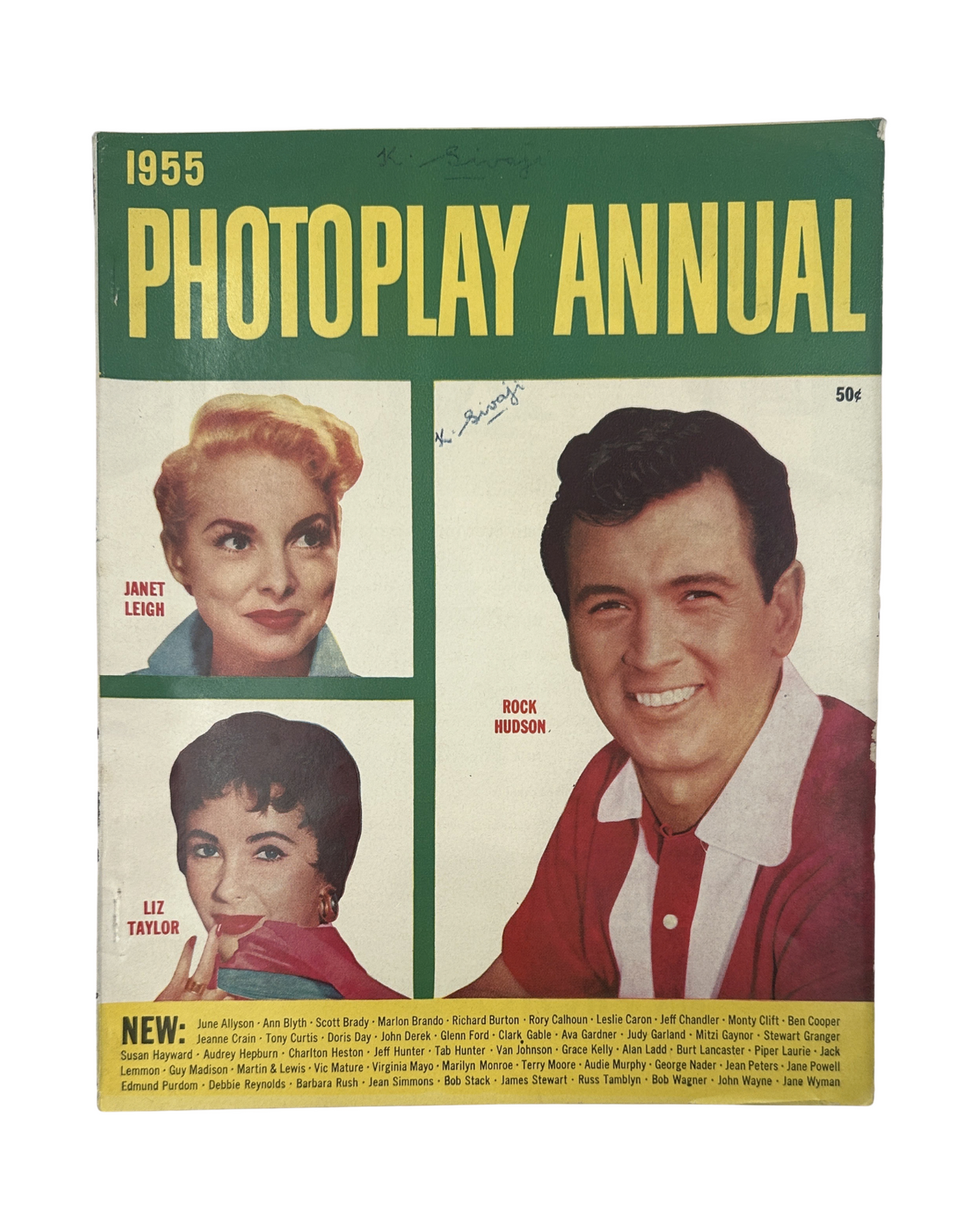
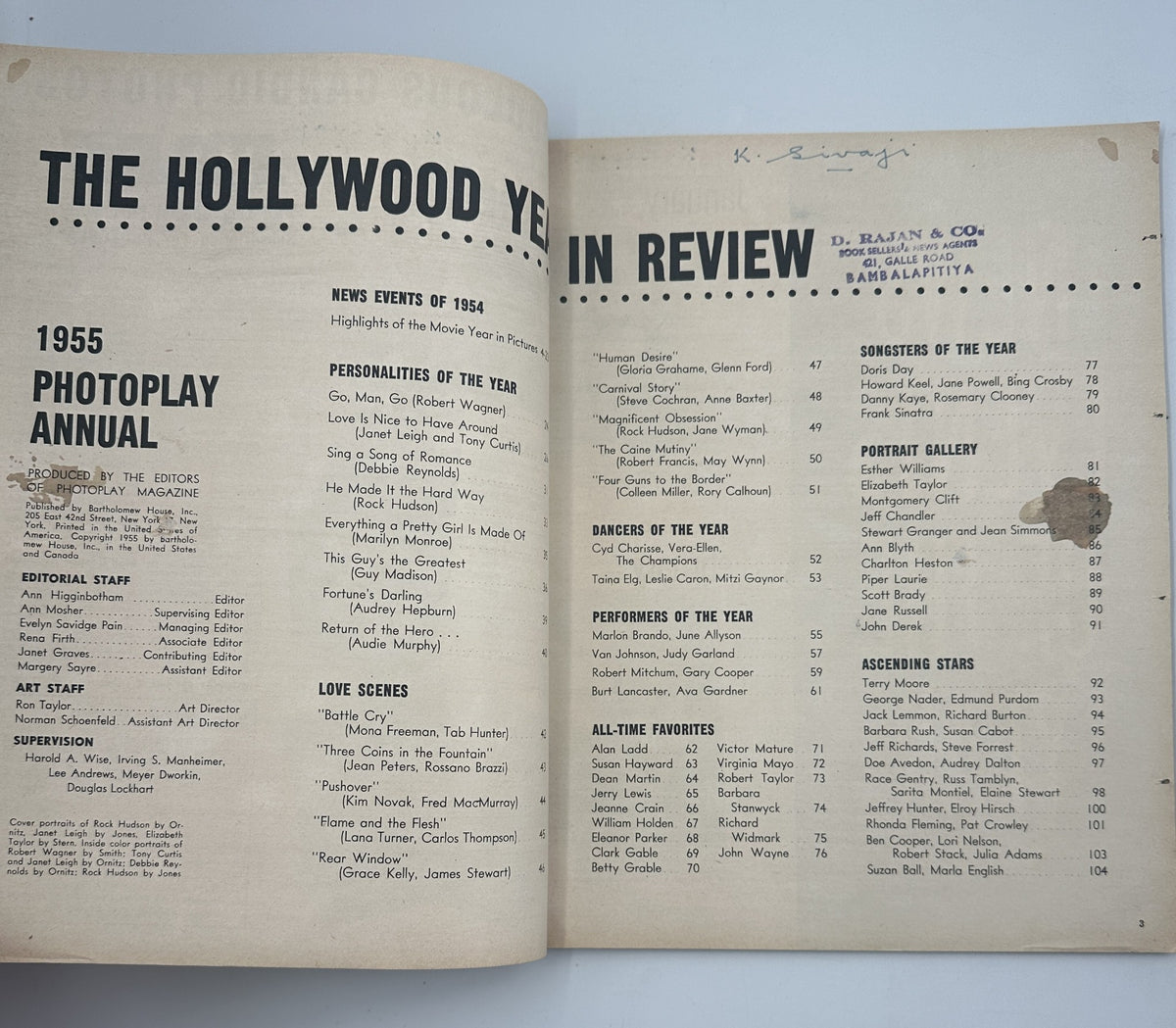
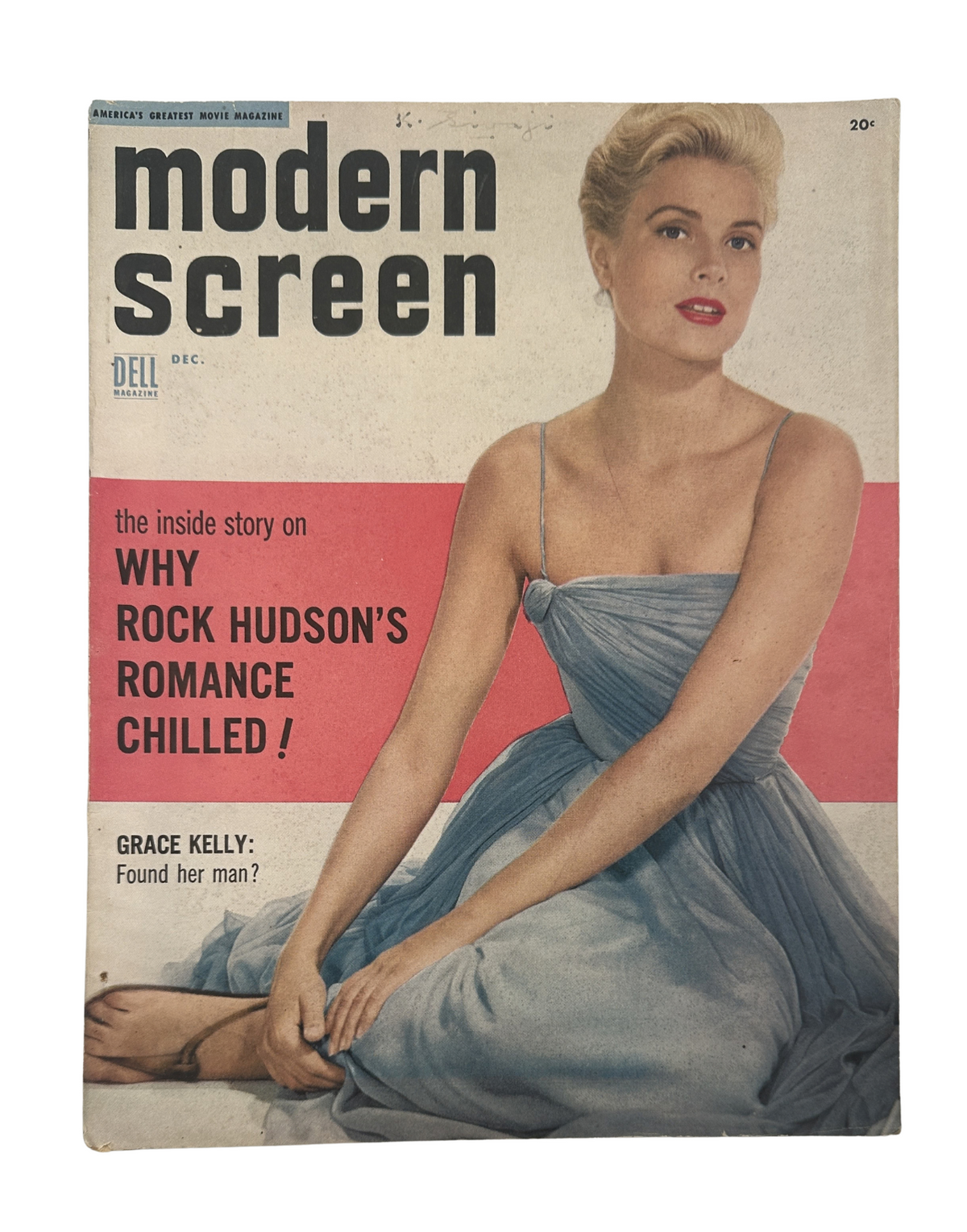
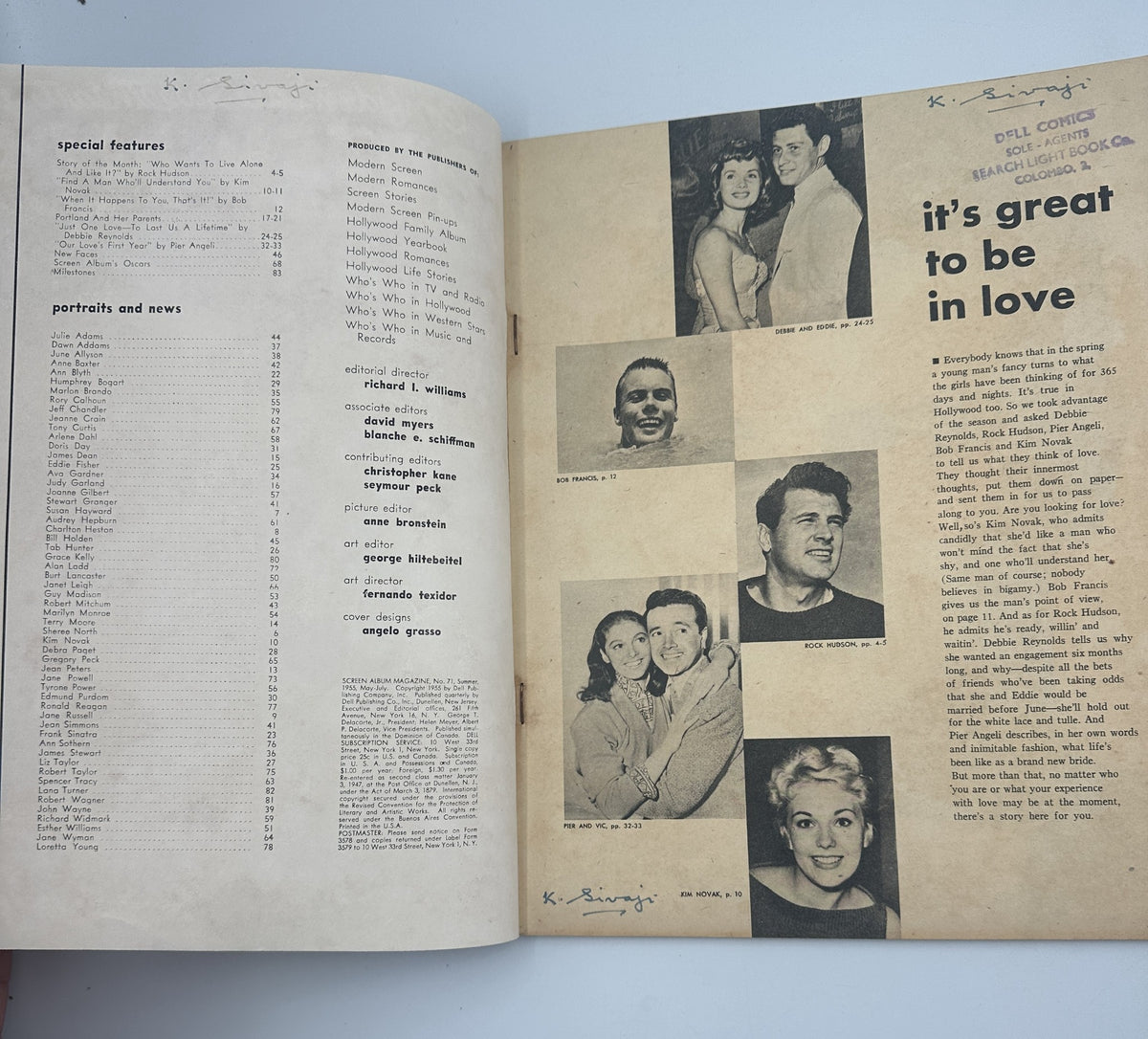
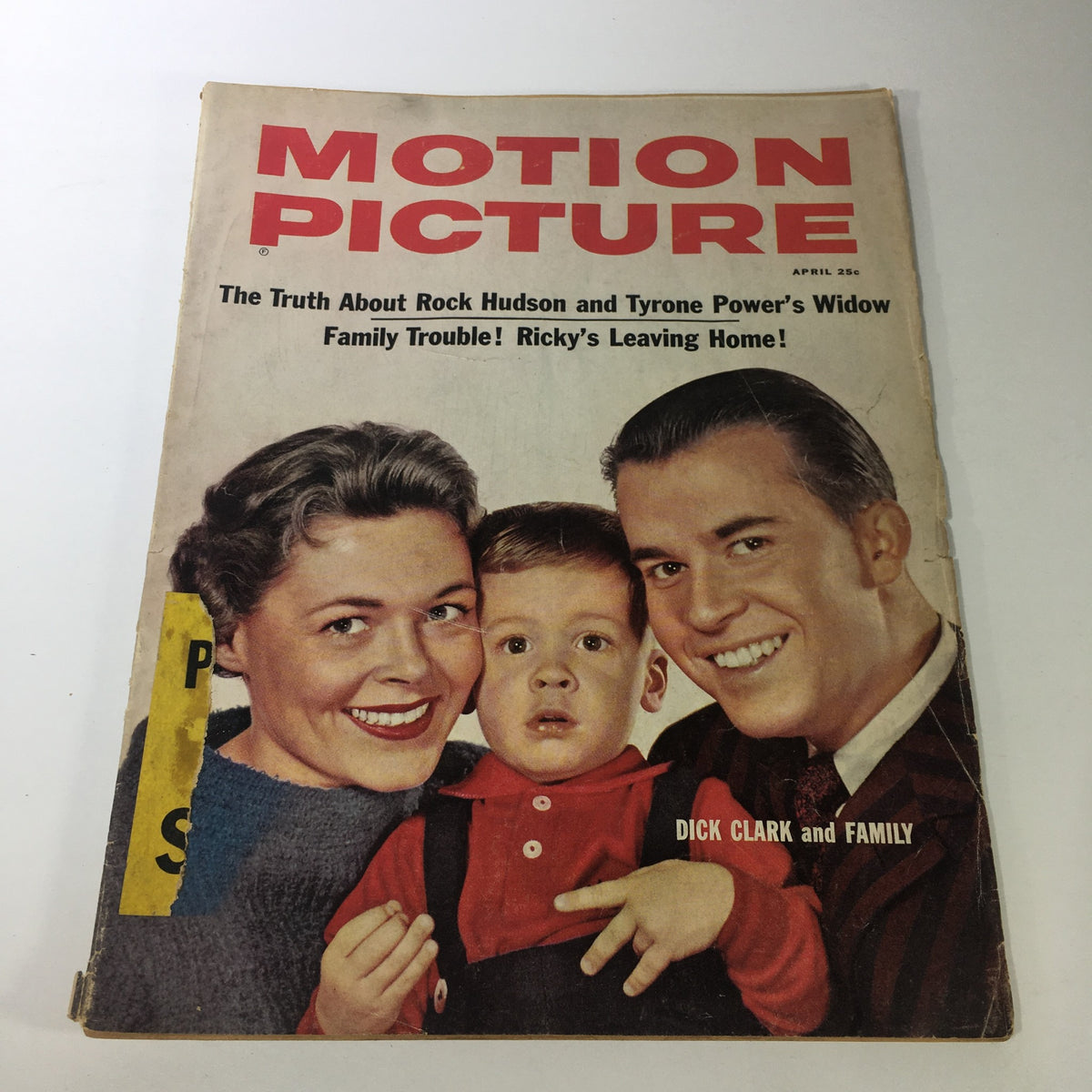
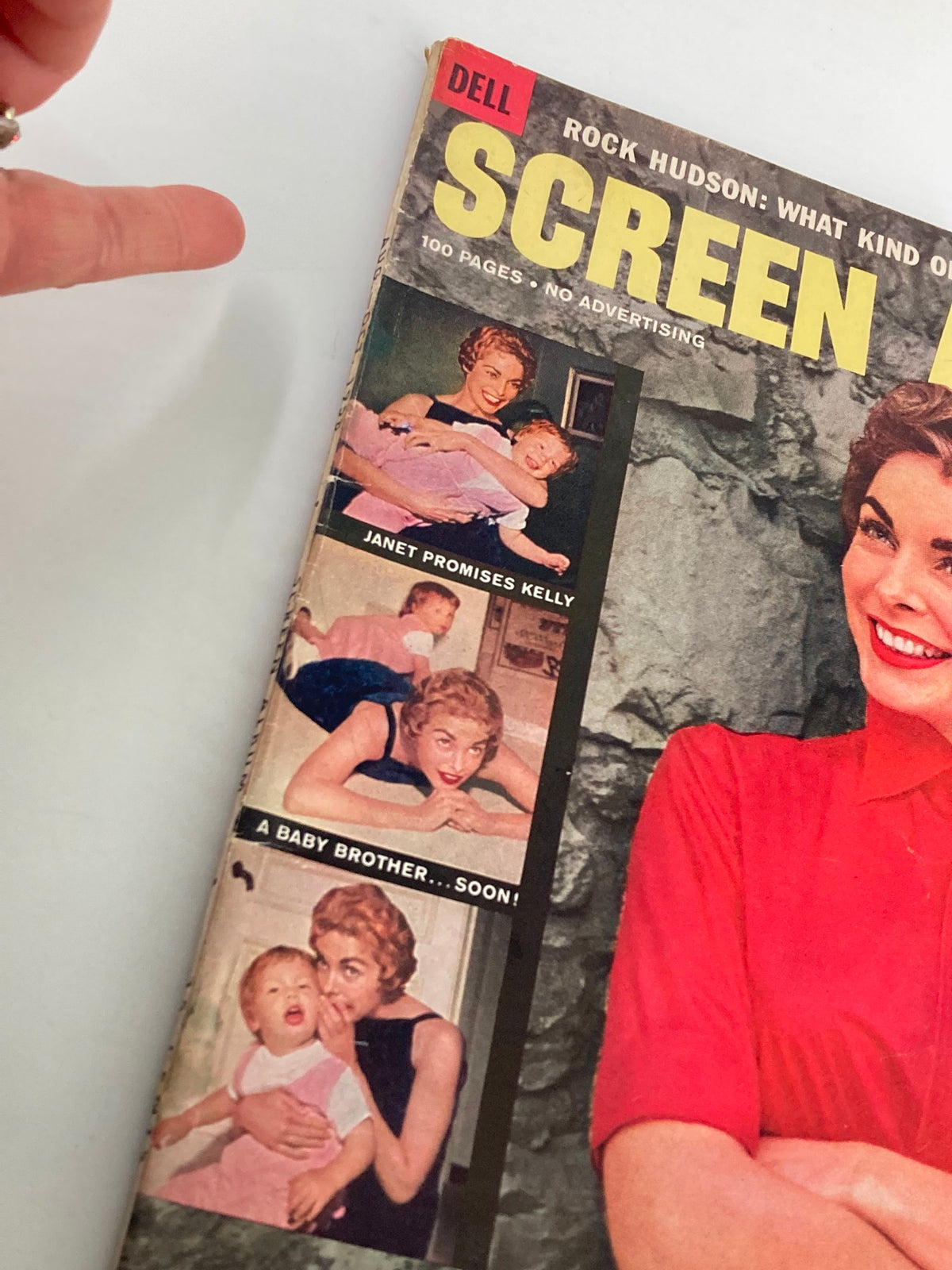
Vintage magazines captured the man in two distinct registers: the gleaming idol and the complicated human beneath. During his peak years in the late 1950s and early 1960s, publications like Photoplay and Modern Screen ran soft-focus portraits and carefully curated studio interviews, presenting him as the quintessential American bachelor — broad-shouldered, good-humored, and perpetually available. Life magazine, with its sweeping full-bleed photography and authoritative editorial voice, covered him with a gravity befitting a national institution, placing him alongside the cultural giants of the postwar era. Internationally, Paris Match brought its own glamorous sensibility to his European press tours, particularly during the filming of A Farewell to Arms. In his later years and in the aftermath of 1985, the editorial tone shifted dramatically — newsweeklies and human interest publications turned reflective, even elegiac, grappling with what his story meant for a country confronting a crisis it had long tried to ignore.
Curator's Checklist: Highlights Often Include
- Golden Age studio profiles and fan magazine exclusives from the early-to-mid 1950s, when Universal Pictures was actively building his leading-man persona through carefully orchestrated coverage in fan-centric publications
- Romantic comedy era spreads tied to his celebrated pairings with Doris Day — Pillow Talk, Lover Come Back, Send Me No Flowers — which generated enormous coverage in both trade publications and mainstream weeklies throughout the late 1950s and early 1960s
- International press coverage from his European film work and press tours, including French, Italian, and German language publications that treated him as a symbol of American cinematic elegance
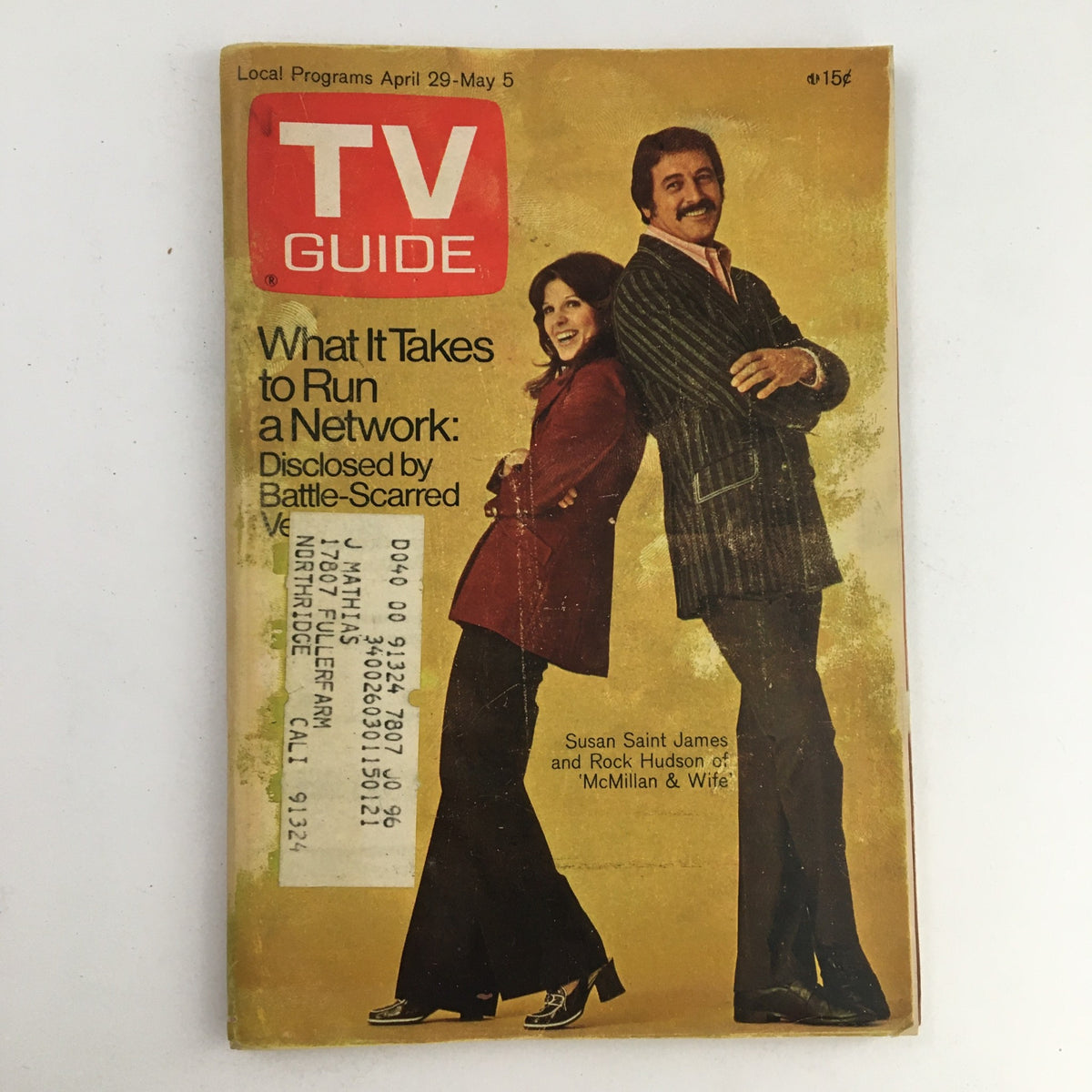
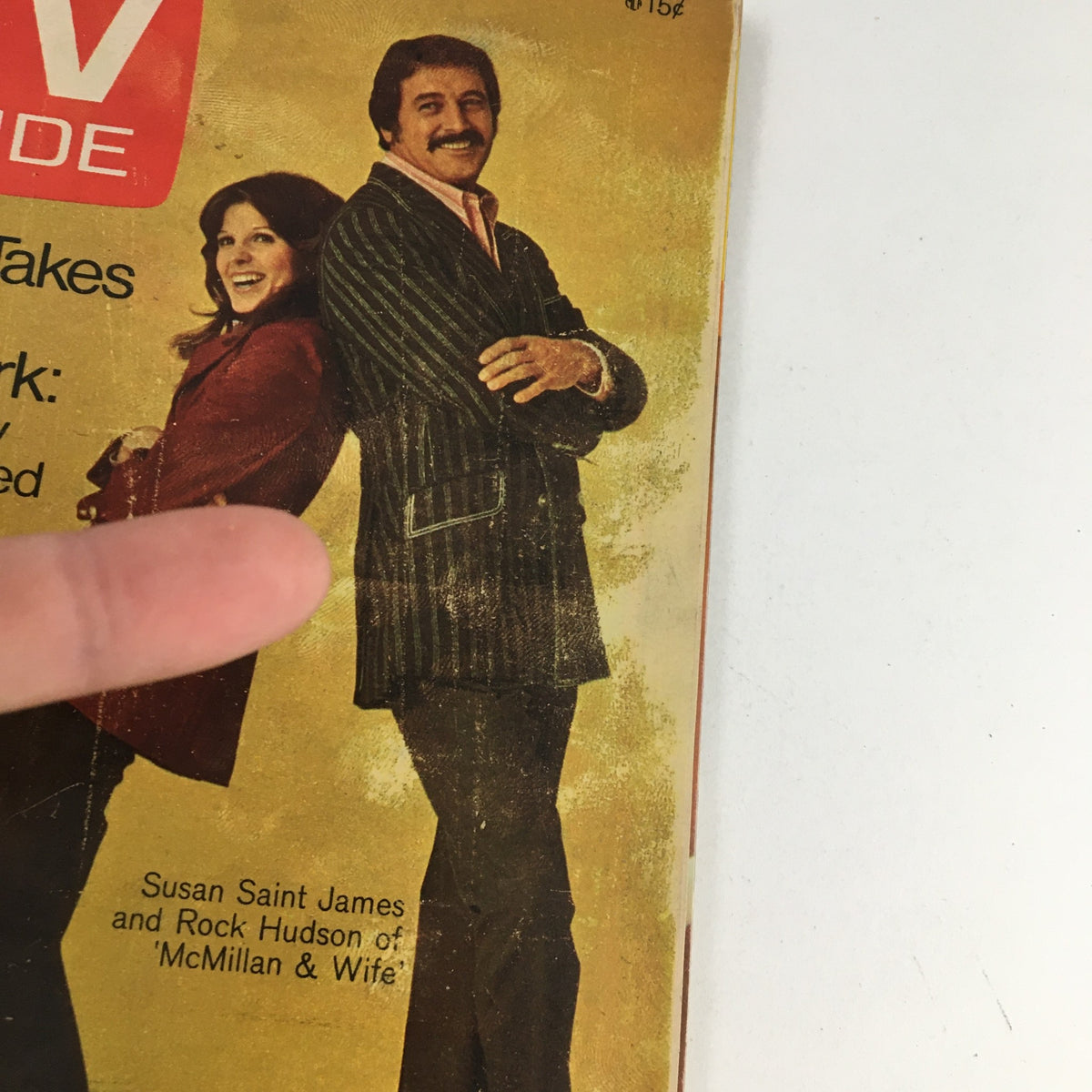
- Television-era features from the 1970s and early 1980s, when his role in the series McMillan & Wife reintroduced him to a new generation of audiences and prompted fresh profiles in prime-time television guides and entertainment monthlies
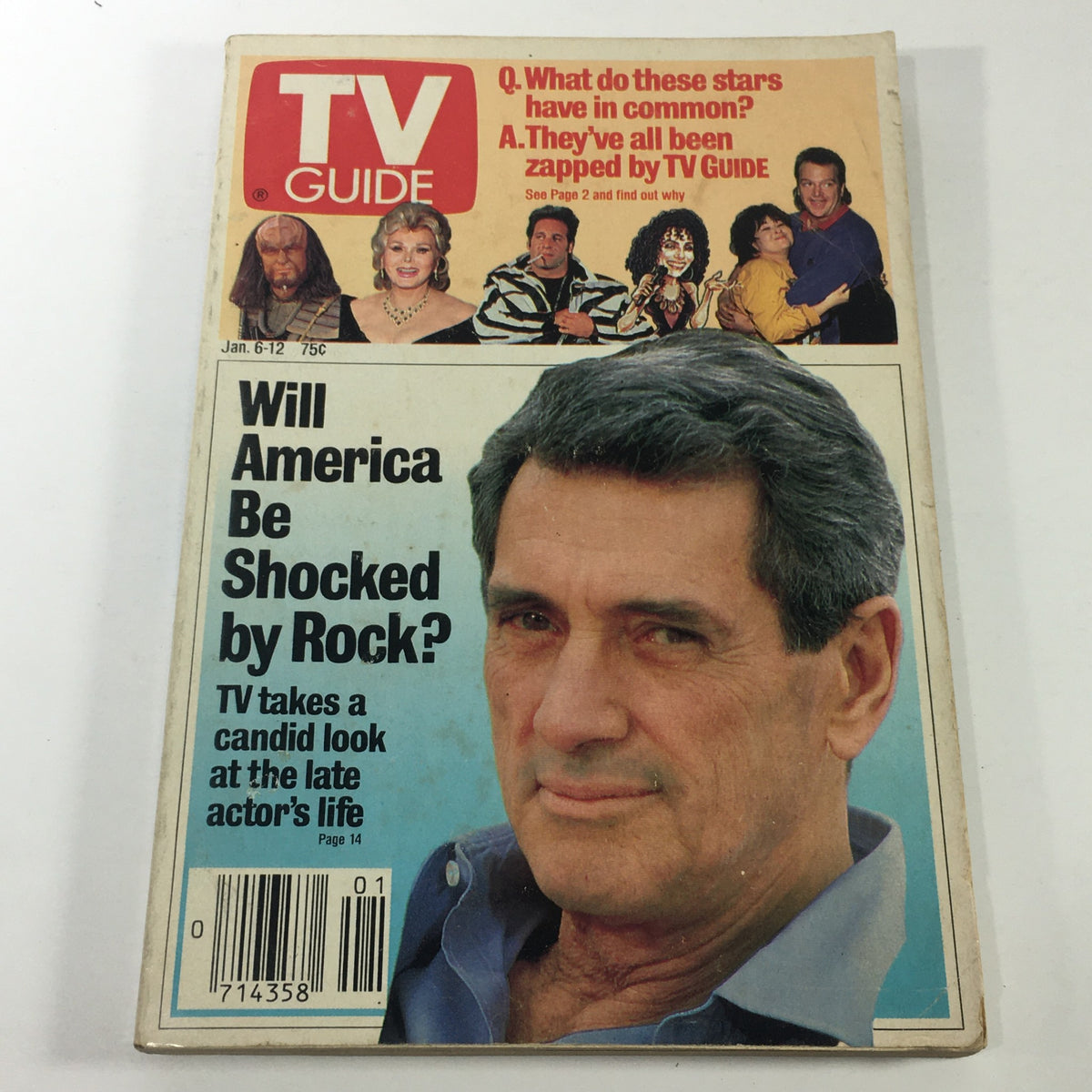
- Historic 1985 news coverage and commemorative issues — among the most historically significant print documents of the decade — marking the moment his public diagnosis became a turning point in global awareness of the AIDS epidemic
The Collector's Value
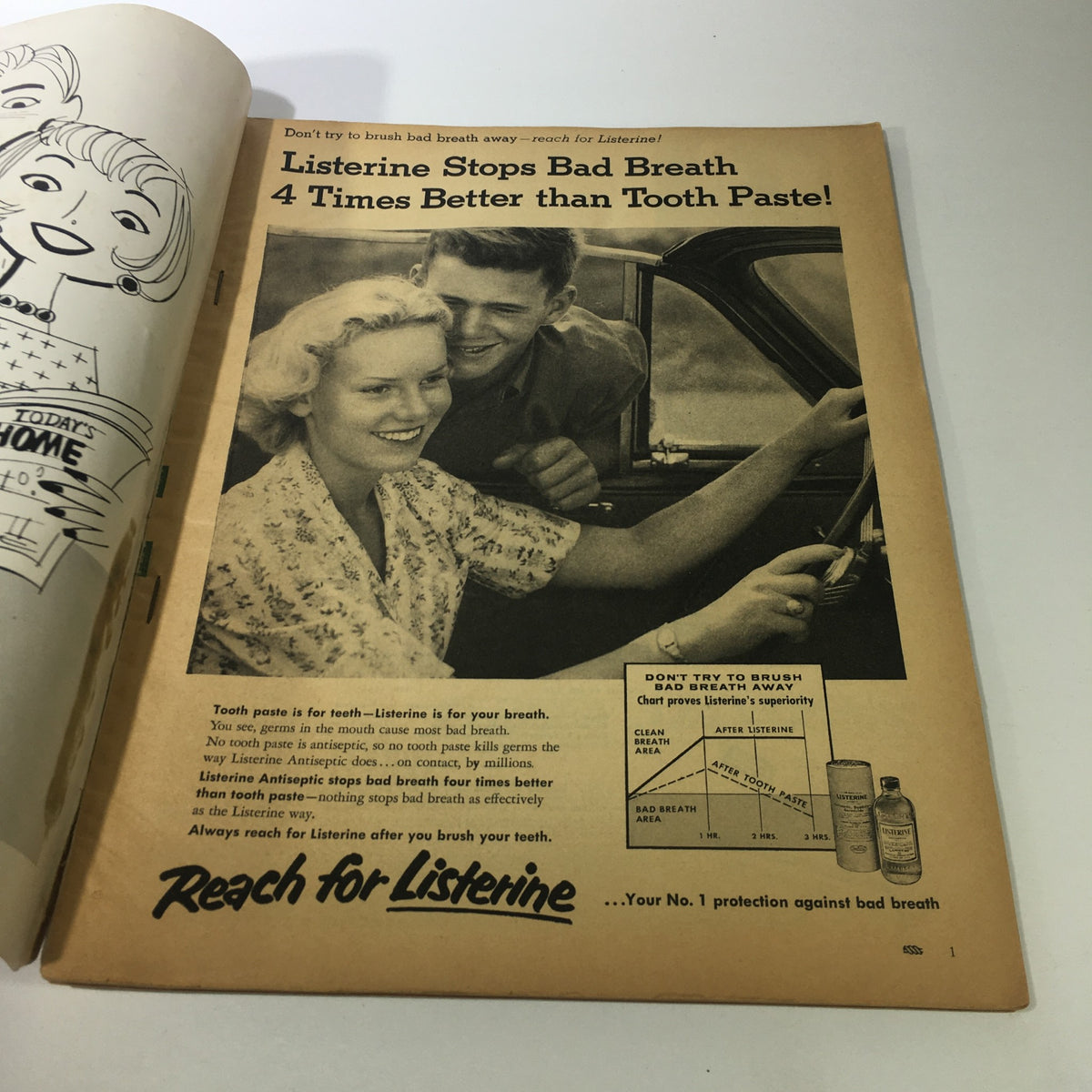
To hold one of these magazines is to hold a primary document of the twentieth century — not a reproduction, not a scan, but the actual object that someone carried home, read under lamplight, and folded back at a favorite page. The paper stock tells its own story: the glossy weight of a Life spread, the slightly softer texture of a fan monthly, the smell of decades-old ink mingling with the faint mustiness of a cultural moment perfectly preserved. Surrounding Hudson's image on those pages are advertisements for products, fashions, and automobiles that place you precisely in their era — a Buick on the back cover, a Revlon lipstick beside the masthead — each one a detail that no digital archive can replicate. For collectors of Hollywood memorabilia, LGBTQ+ history, or twentieth-century social history, these publications offer irreplaceable primary source material: artifacts of how a nation saw itself, what it chose to celebrate, and what it was only beginning to understand. Browse the current available inventory below and discover which pieces of this remarkable story are waiting to find their next keeper.