📖 About this Collection
Rodney Dangerfield: The Man Who Made the World Laugh at Itself
The Legend & The Legacy
In an era when comedy was still finding its voice on television and in the supper clubs of mid-century America, Rodney Dangerfield carved out a niche so uniquely his own that it became a mirror held up to the anxieties of an entire generation. Born Jacob Cohen, he reinvented himself not once but twice — enduring years of obscurity before exploding into mainstream consciousness in the 1970s and riding that wave of self-deprecating genius well into the 1990s. His genius was deceptively simple: the loosened tie, the bulging eyes, the collar tug, and that immortal refrain — I don't get no respect — channeled the quiet humiliation of the American everyman with surgical precision. Before social media could make anyone a comedian overnight, Dangerfield built his legend the old-fashioned way: through relentless nightclub circuits, The Ed Sullivan Show, and the kind of slow-burn magazine coverage that turned a club comic into a cultural institution. Fans followed his journey through print, clipping interviews from entertainment weeklies and poring over profiles that asked, earnestly, whether America's funniest man was also its saddest.
Inside the Archive
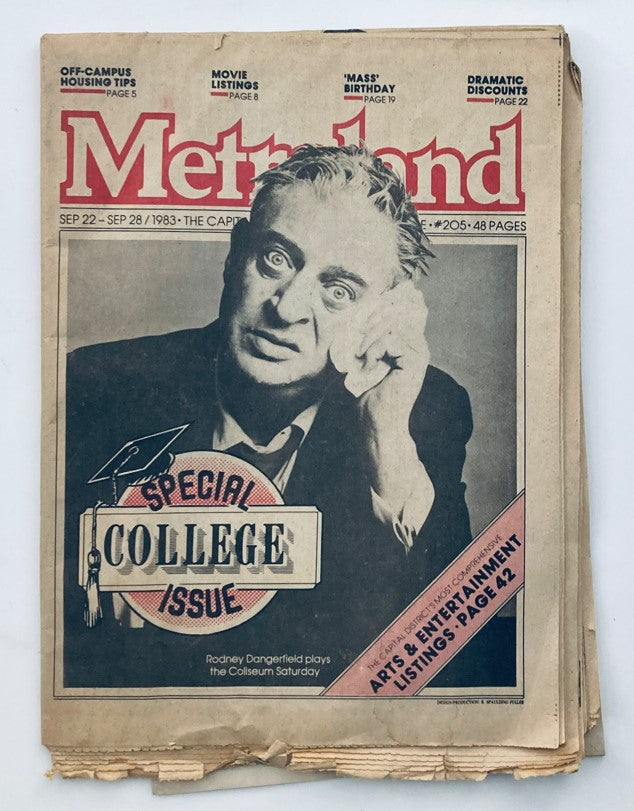
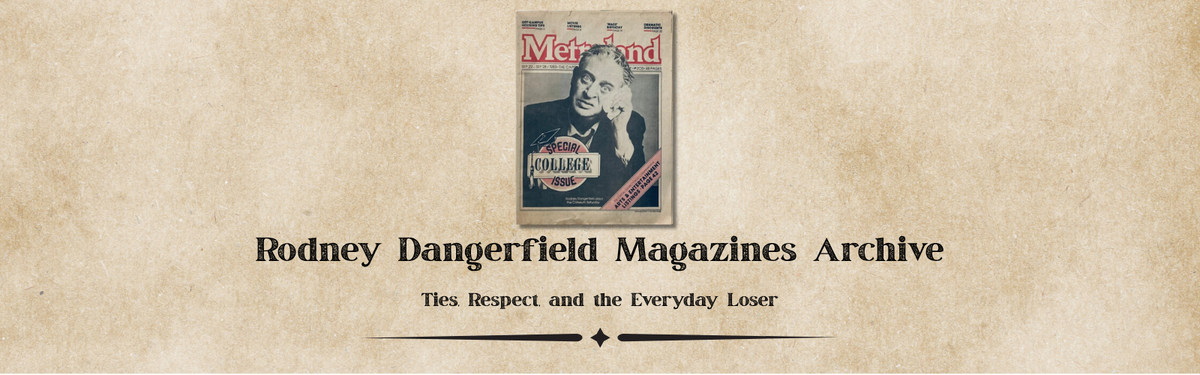
Vintage magazine coverage of the rubber-faced legend tended to capture two very distinct personas: the manic, sweat-soaked performer caught mid-punchline, and the surprisingly reflective raconteur photographed in quieter moments — backstage, in his New York apartment, or on the set of films like Caddyshack and Back to School. Editorial photographers leaned into his physicality, often freezing that trademark expression of exasperated disbelief in black-and-white close-ups that communicated volumes before a single caption was read. People magazine, at the height of its cultural authority in the late 1970s and 1980s, frequently profiled the comedian as both a success story and a symbol of late-blooming perseverance — a narrative that resonated powerfully with its broad readership. Rolling Stone, ever attuned to the intersection of entertainment and counterculture, explored his unlikely cool factor, particularly as he bridged the gap between Borscht Belt traditionalism and a new generation of irreverent humor. Meanwhile, TV Guide — the ubiquitous weekly that sat on virtually every American coffee table — documented his television appearances with the kind of breathless enthusiasm reserved for those who had genuinely earned their place in the national living room.
Curator's Checklist: Highlights Often Include
- Late-night and variety show tie-in coverage from the 1970s, chronicling his breakthrough appearances on The Tonight Show and his status as Johnny Carson's most reliable guest — issues from this era often capture the electric moment when America truly discovered him
- Film-era profiles and on-set photography from the early-to-mid 1980s, coinciding with the runaway success of Caddyshack (1980) and Easy Money (1983), where entertainment magazines frequently featured candid and promotional photography alongside cast interviews
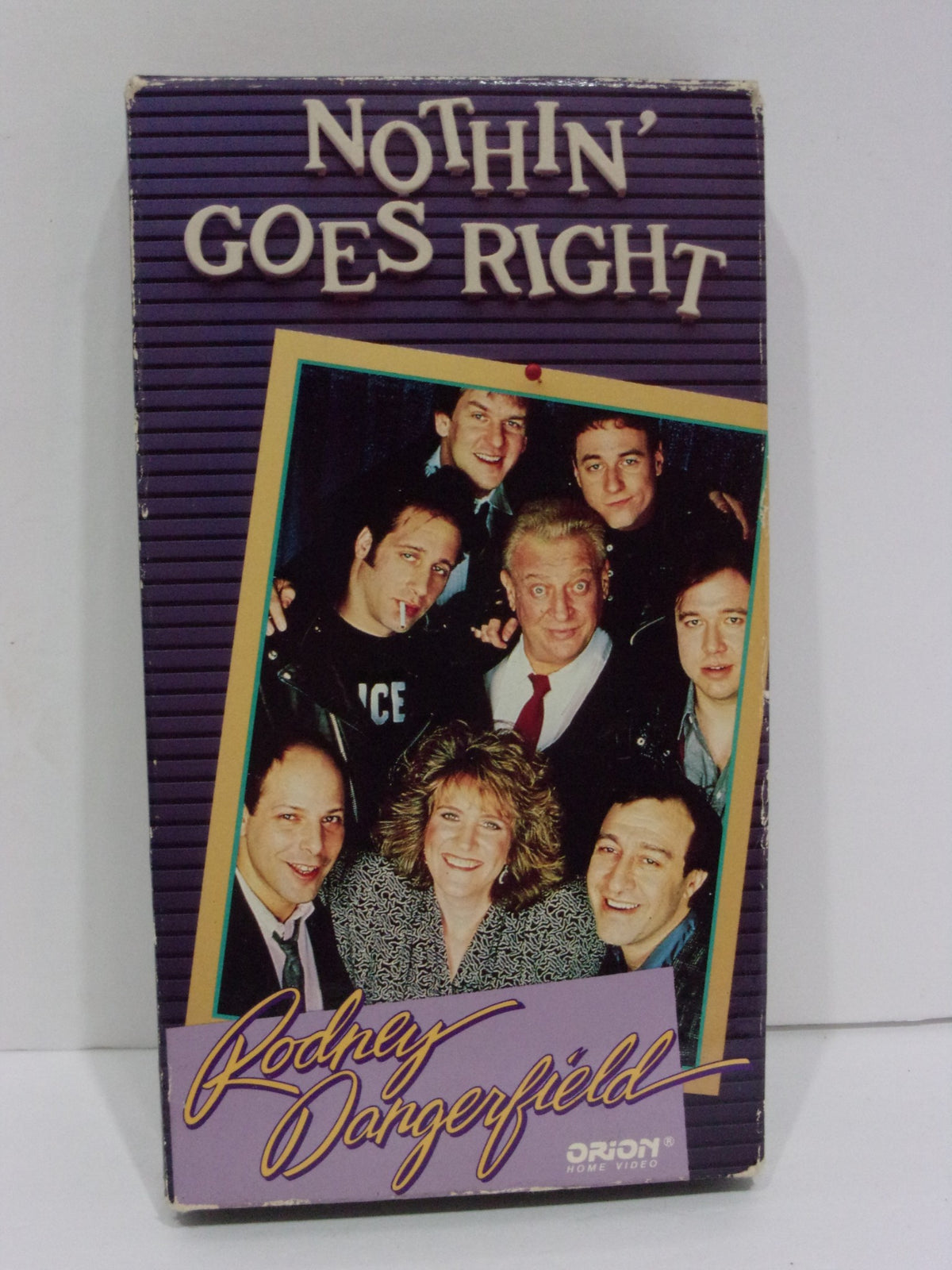
- Stand-up comedy special features tied to his legendary HBO specials of the 1980s, a period when the comedy world was undergoing a seismic boom and the man in the loosened tie was being hailed as one of its founding architects
- Human interest and comeback narrative pieces reflecting on his years of struggle before fame — publications of the era were drawn to the romance of his story, and long-form profiles often read with the weight of a redemption arc
- Pop culture roundup features from entertainment and lifestyle magazines of the late 1980s and 1990s, where his image, catchphrases, and influence on a younger generation of comedians were examined as a barometer of American humor itself
The Collector's Value
To hold one of these magazines is to hold something that no streaming service or digital archive can replicate — the soft, slightly yielding texture of decades-old coated paper stock, the faint ghost of ink that rises when you turn a page, and the glorious, unintentional time capsule of the advertisements surrounding the editorial: cigarette brands, luxury sedans, and department store fashions that place you irrevocably in their moment. A profile of the great comedian published in 1980 doesn't arrive alone — it arrives embedded in the full cultural context of its year, surrounded by the anxieties, aspirations, and aesthetics of a world that no longer exists. The interviews are unfiltered by the algorithmic distance of the internet age; the photography is tactile, grain-rich, and alive in a way that a screen simply cannot honor. For collectors of vintage comedy memorabilia, mid-century American entertainment history, or classic Hollywood and television ephemera, these publications offer not merely a keepsake but a primary source — a document of how a nation processed its laughter, its longing for the underdog, and its complicated love affair with a man who spent a lifetime insisting he deserved more. Explore the current available inventory below and find your piece of that irreplaceable story.