📖 About this Collection
Rowdy Roddy Piper: The Piper Always Played for Keeps
The Legend & The Legacy
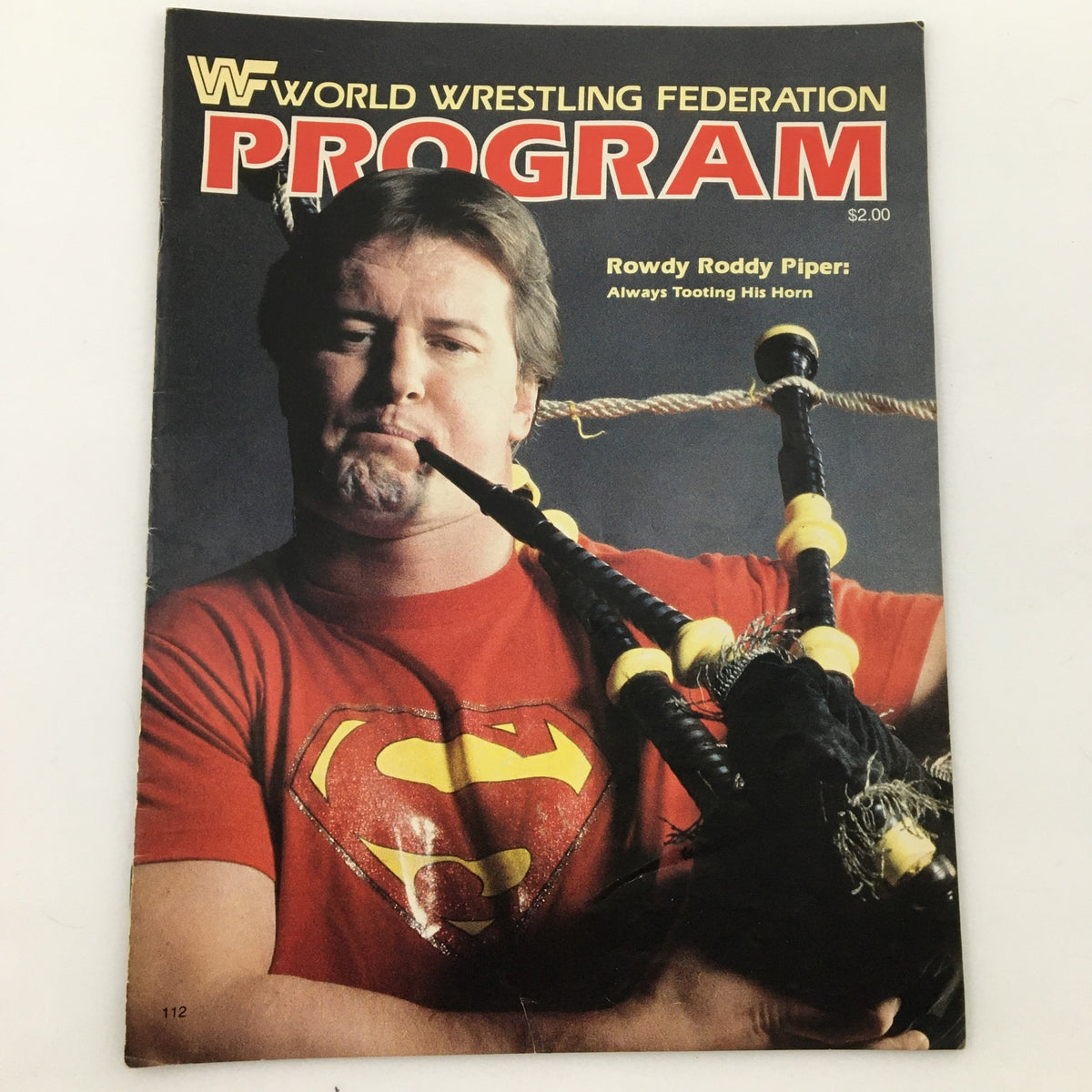
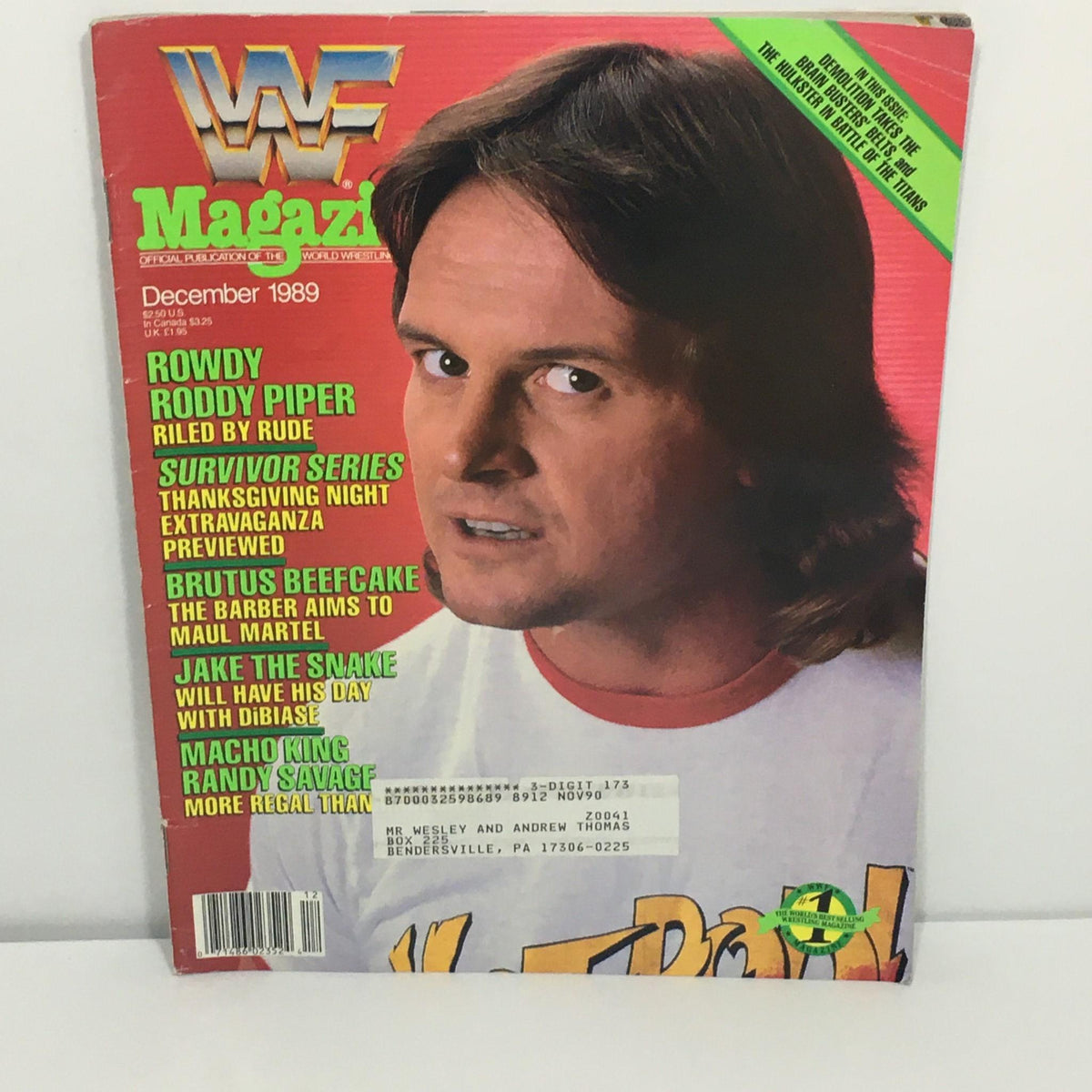
Before the era of viral moments and social media feuds, professional wrestling's most electrifying antagonist built his legend one breathless headline at a time. Roddy Piper — born Roderick George Toombs — arrived on the national consciousness like a thunderclap, wielding a kilt, a microphone, and a ferocity that blurred the line between performance and genuine menace. In the early 1980s, as Vince McMahon's WWF expanded into a pop-cultural juggernaut, "Hot Rod" became the promotion's indispensable villain — the man audiences genuinely despised, then secretly adored, then could not look away from. His Piper's Pit interview segment was must-see television in an era when must-see television was consumed communally, in living rooms, and then dissected in the pages of physical print. For millions of fans who didn't have cable, who lived outside major markets, or who simply wanted something to hold onto, wrestling magazines were the sacred record — the proof that what they had witnessed was real, was documented, and mattered.
Inside the Archive
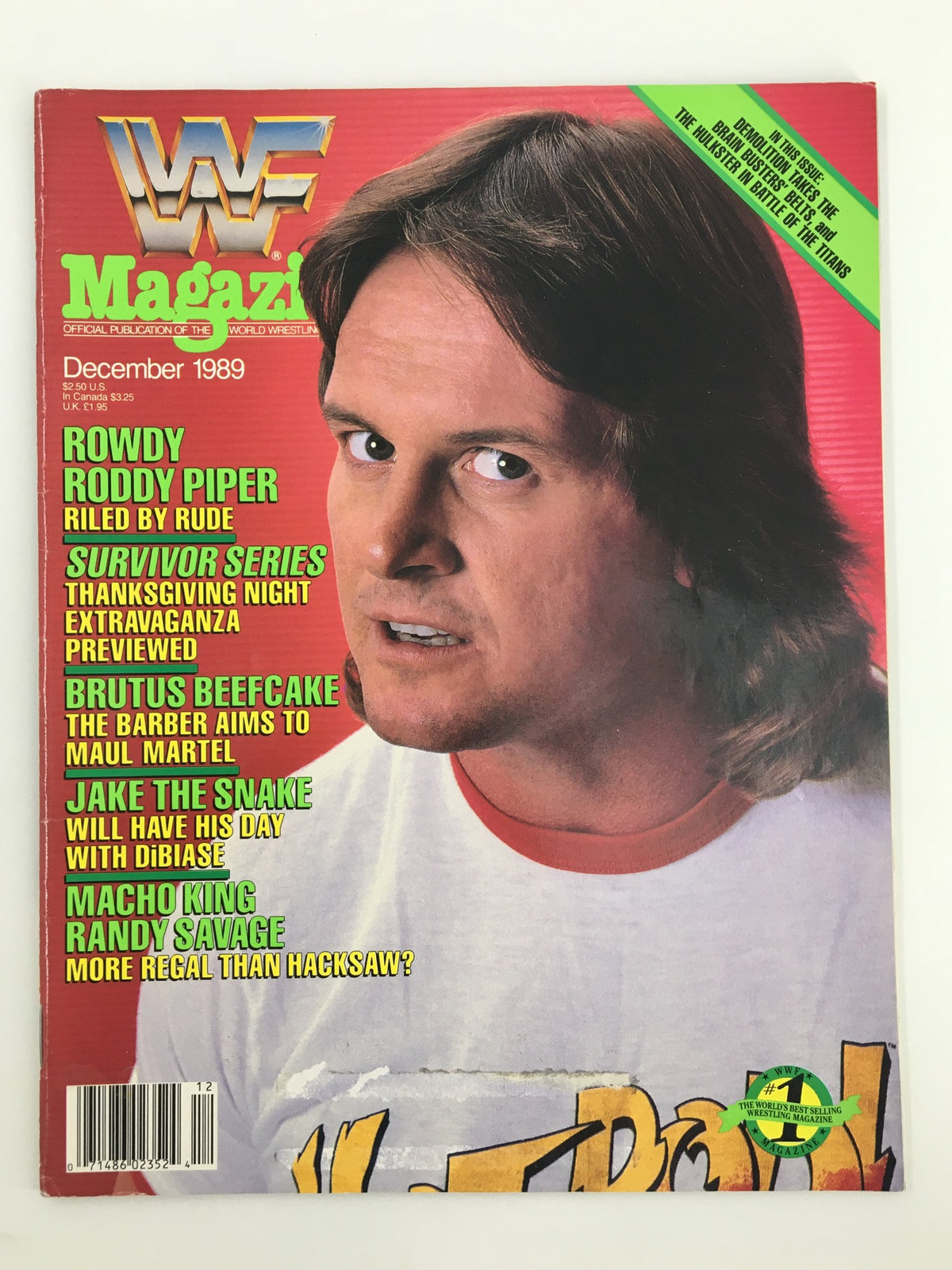
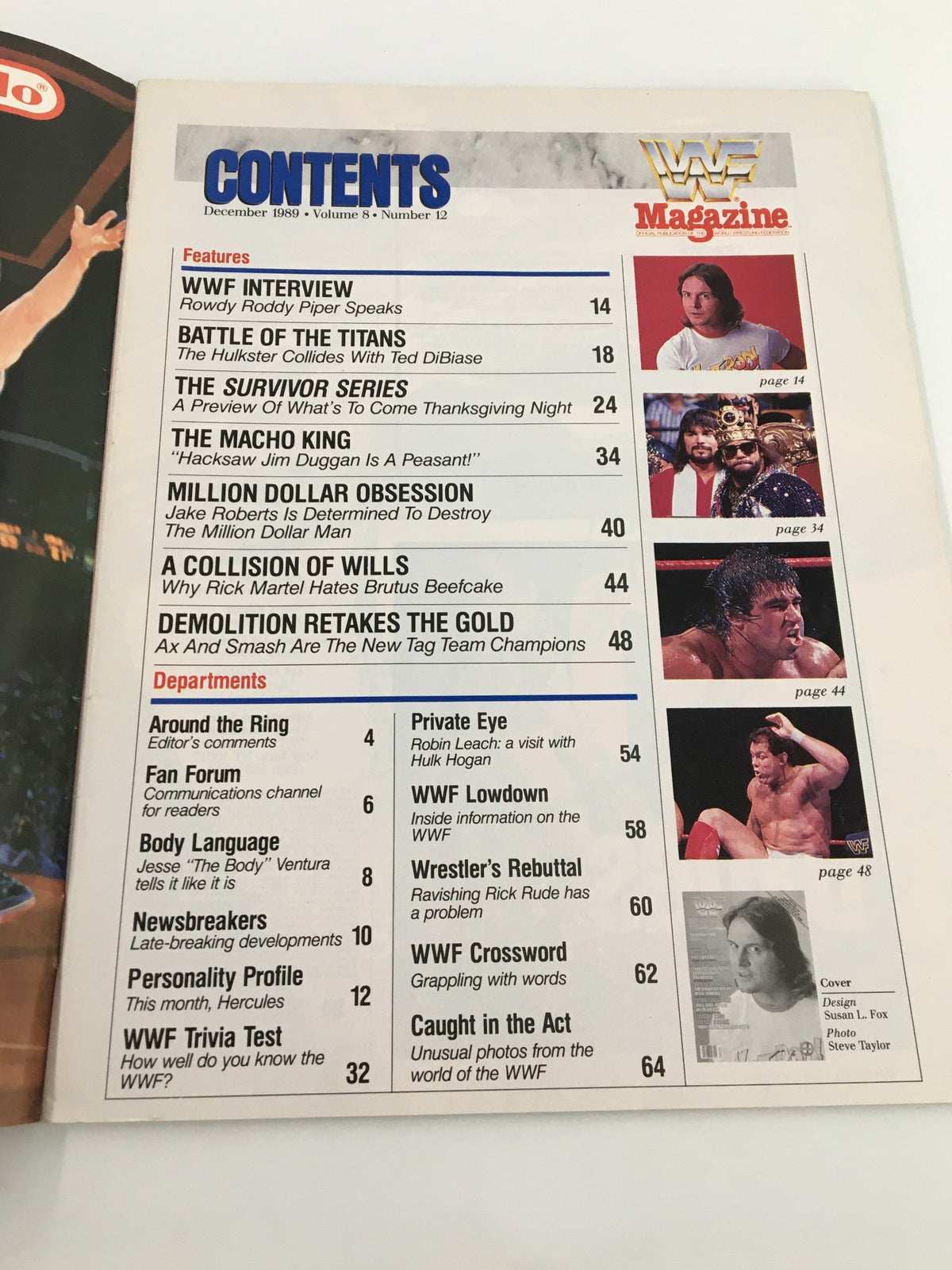
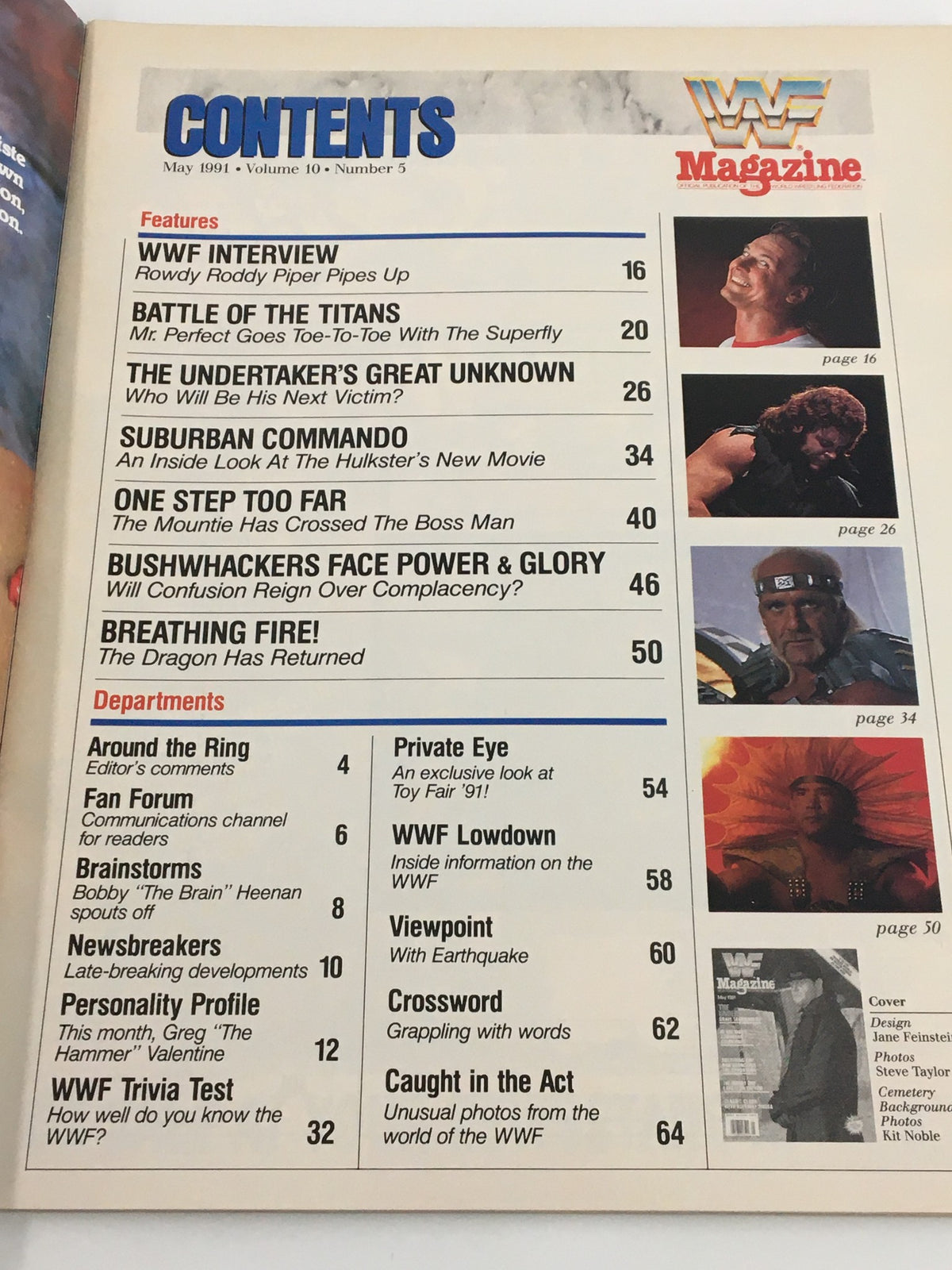
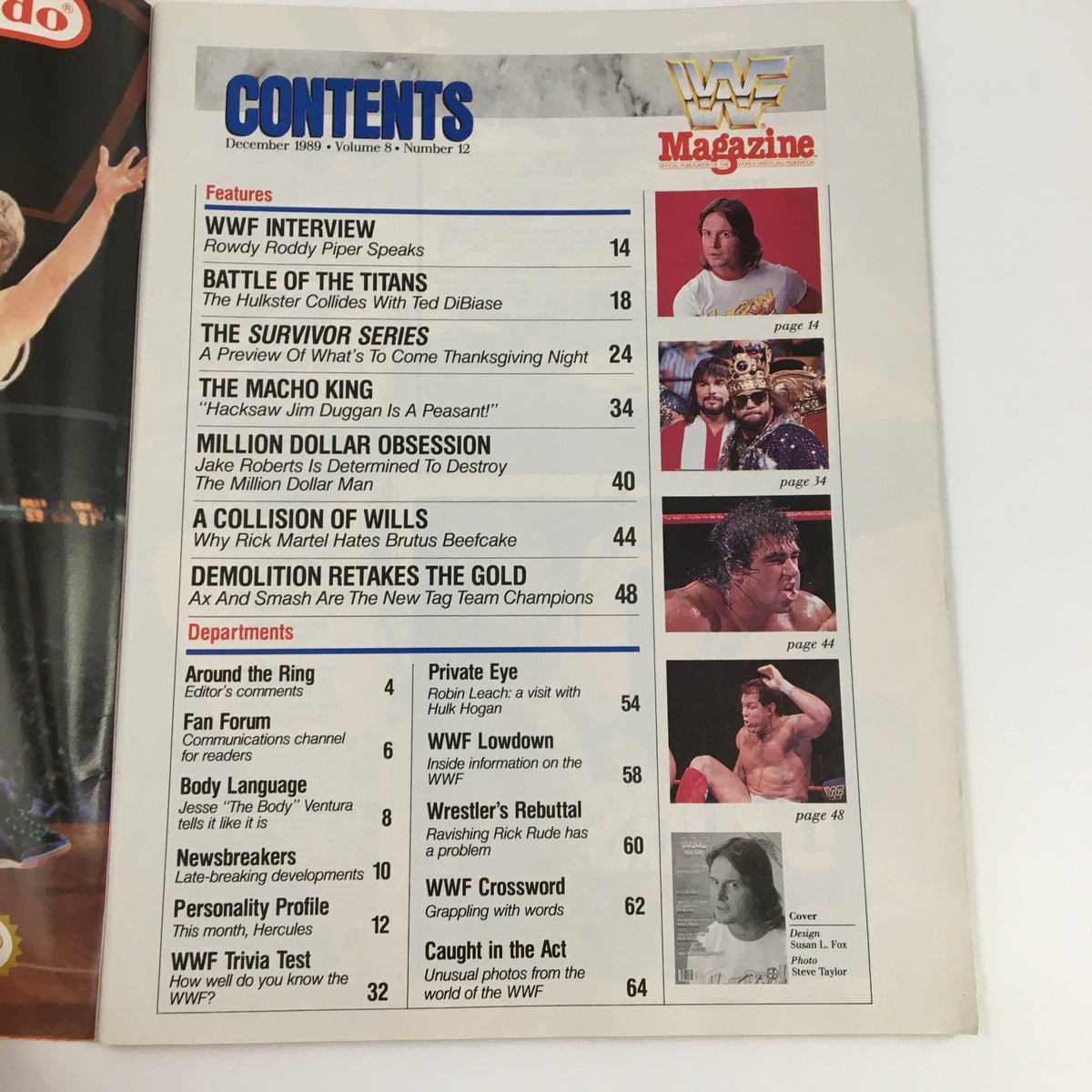
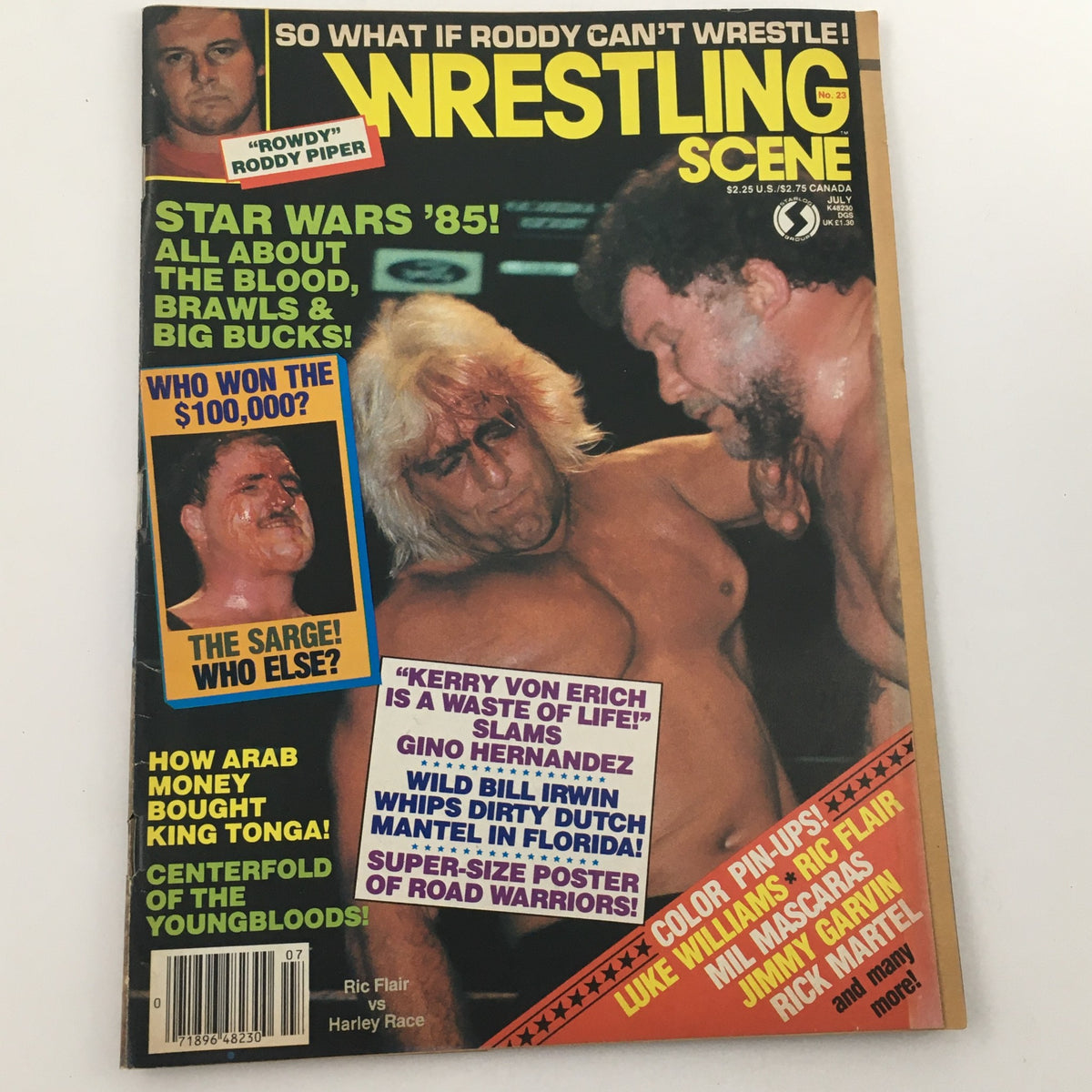
The wrestling press of the 1980s and early 1990s treated Piper with a mixture of reverence and theatrical alarm entirely befitting the character he embodied. Publications like Pro Wrestling Illustrated — the undisputed bible of the sport — ran his image on their covers with the urgency of a wanted poster, pairing action photography with breathless, kayfabe-committed prose that treated every storyline as genuine breaking news. Sports Review Wrestling and The Wrestler magazine leaned into his Scottish-Canadian outsider mythology, publishing long-form character profiles that explored his rough-and-tumble backstory with the gravity of legitimate journalism. Beyond the wrestling press, mainstream entertainment coverage caught up to him as his celebrity crossed over into Hollywood — particularly following his starring role in John Carpenter's They Live — with genre and entertainment publications capturing a man who was something entirely new: a wrestler the world took seriously as a cultural figure. The photography of his era has an unmistakable texture — high-contrast ring shots, the sweat catching the arena lights, a sneer photographed from just below eye level to maximize his air of menace.
Curator's Checklist: Highlights Often Include
- Career-defining rivalry coverage — Collectors frequently seek out issues documenting his incendiary feuds with Hulk Hogan, culminating in the landmark WrestleMania I main event of 1985, one of the most commercially significant moments in sports entertainment history
- Piper's Pit feature spreads — Editorial recaps and behind-the-scenes photography from his iconic in-ring talk show segment, including coverage of the notorious moments — the broken coconut, the altercation with Jimmy Snuka — that became legend
- Hollywood crossover profiles — Entertainment and genre publications from the late 1980s and early 1990s often featured profiles timed to the release of They Live, positioning him as a legitimate leading man with a genuinely dangerous screen presence
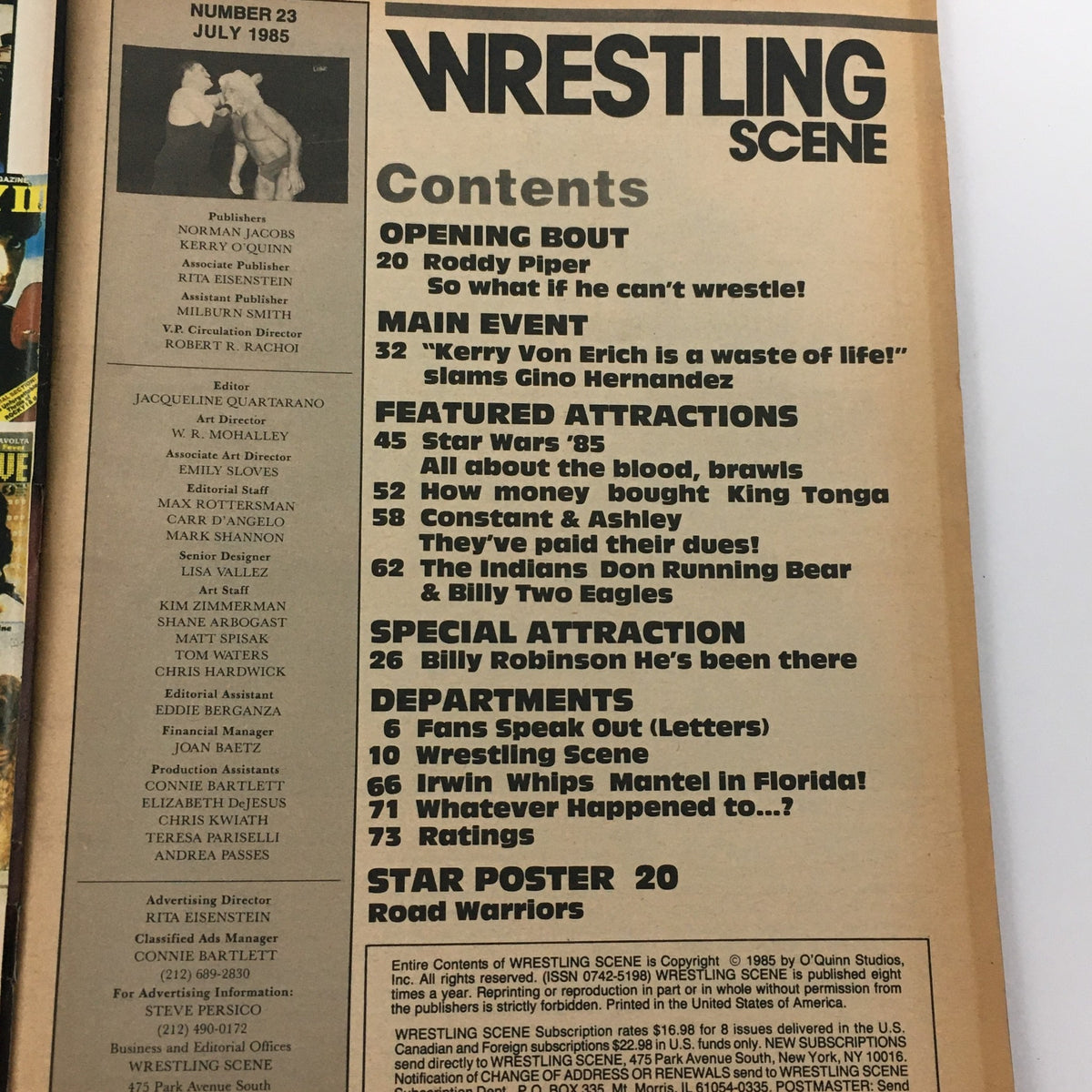
- AWA and territorial era documentation — For the serious historian, earlier regional wrestling publications from the Pacific Northwest and Calgary circuits capture a young, rawer Piper still forging his persona in the territorial system — exceptionally rare primary source material
- Retirement era retrospectives and tributes — Following his passing in 2015, numerous publications ran career retrospectives; equally collectible are the late-career comeback profiles from the 2000s that reappraised his singular legacy with the benefit of hindsight
The Collector's Value
There is something irreplaceable about holding a 1985 copy of Pro Wrestling Illustrated with Roddy Piper glaring from the cover — the paper stock slightly yellowed at the edges, the ink carrying that faint, characteristic scent of decades past, the surrounding advertisements a vivid time capsule of the Reagan-era consumer landscape that produced wrestling's first golden age. These are not reprints, not digital scans, not algorithmic recreations — they are primary documents, handled by fans who were there, preserved through decades precisely because someone understood their worth. The images inside were composed by photographers working under arena lights before digital touch-up existed; the words were written by journalists who covered the story as it happened, without the revisionism of retrospect. For collectors of professional wrestling memorabilia, 1980s pop culture ephemera, or vintage Americana, these publications offer an unmediated window into a cultural moment that no streaming service or Wikipedia entry can fully reconstruct. Explore our current rotating inventory below, and find the piece of history that belongs in your collection.