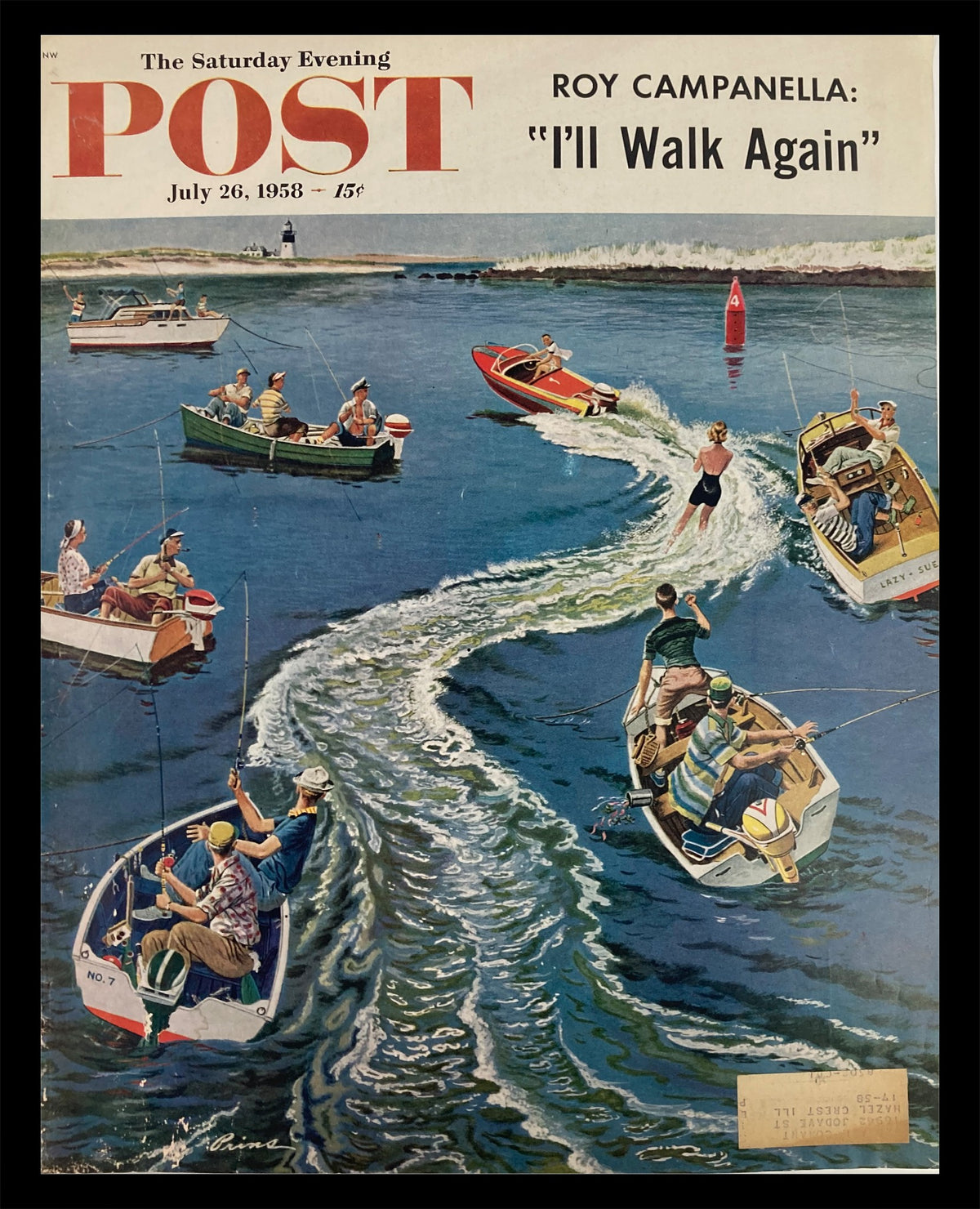
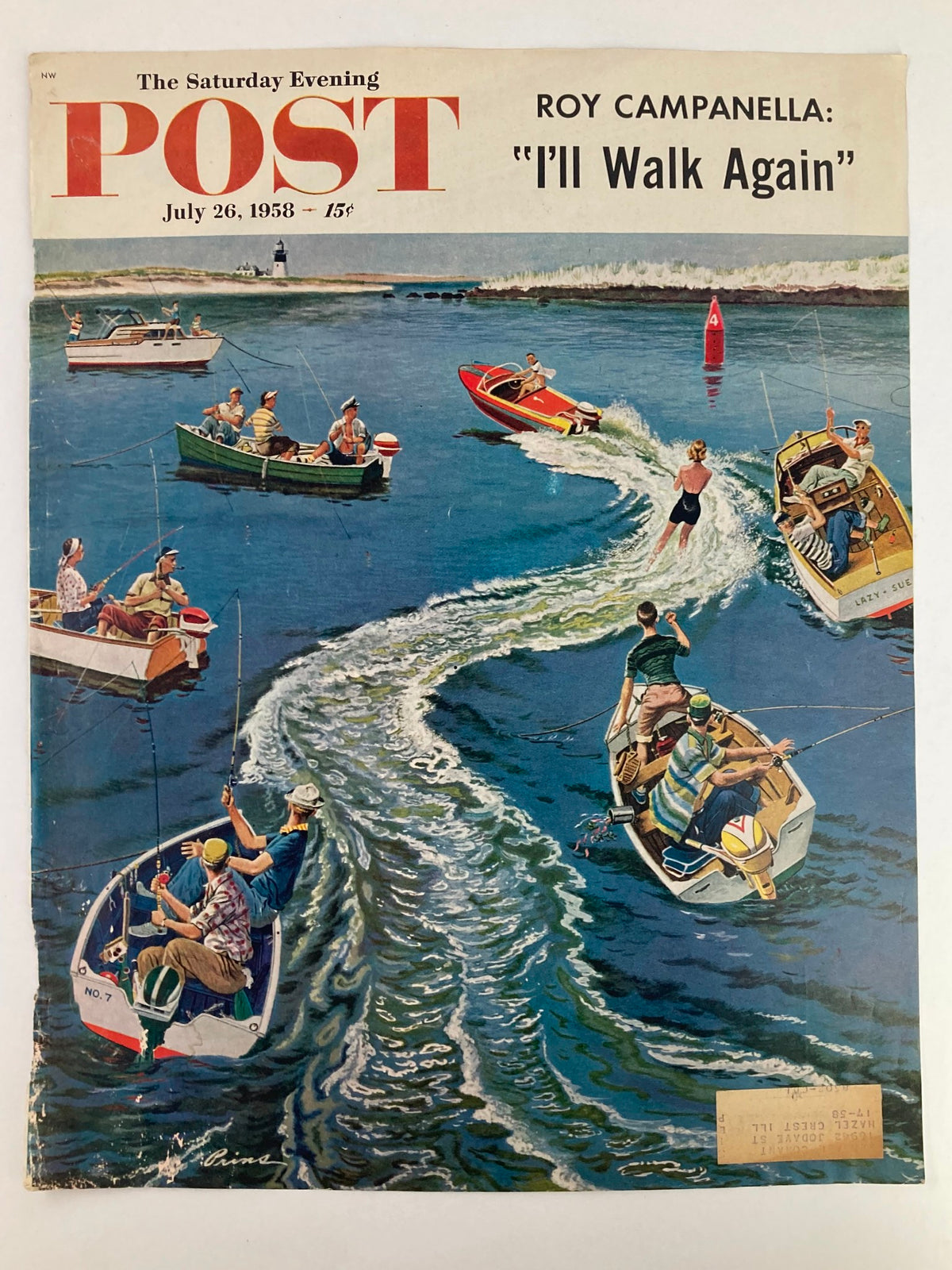
📖 About this Collection
Roy Campanella: The Man Who Made Brooklyn Believe
The Legend & The Legacy
In the golden age of Brooklyn, when the Dodgers were not merely a baseball team but a civic religion, Roy Campanella stood as one of its most beloved saints. A three-time National League Most Valuable Player, he was the heartbeat behind home plate — a barrel-chested catcher of extraordinary skill, warmth, and quiet dignity who helped dismantle the color line in professional baseball alongside his teammate Jackie Robinson. His story was consumed by a nation hungry for heroes: fans devoured box scores in their morning papers, waited for monthly sports periodicals to deliver lush photographs of his powerful swing and radiant smile, and gathered around newsstands when word spread that the great Campy had done something extraordinary again. Then, in January 1958, a car accident on an icy Long Island road left him paralyzed, and the press — once breathless with his triumphs — turned elegiac. The outpouring that followed, including a memorial game at the Los Angeles Coliseum attended by over 93,000 fans, was one of the most emotionally charged moments in American sports history, all of it documented in the ink and paper of an era that knew no other way to share its grief.
Inside the Archive
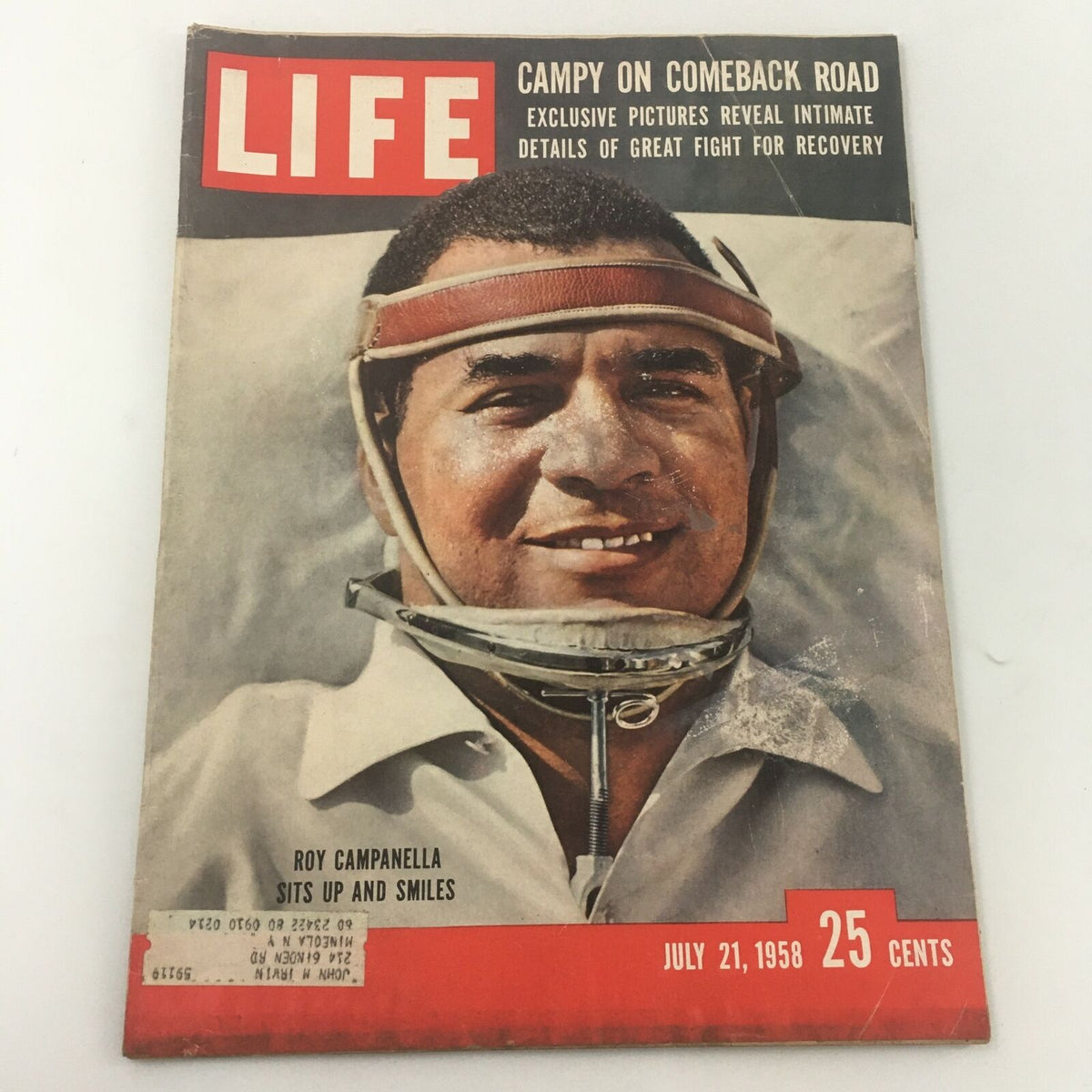
Vintage magazines of the 1940s through 1960s captured the catcher with an editorial reverence that modern sports media rarely achieves. Photographers shot him in dramatic chiaroscuro in the dugout, or mid-crouch in the golden dust of Ebbets Field, images that carried the full mythological weight of postwar American optimism. Sport magazine, one of the era's premier monthly sports publications, featured him prominently during his MVP years, with the kind of long-form, intimate profiles that revealed the man behind the mask. Life magazine — that unrivaled visual chronicle of mid-century America — brought his story into living rooms across the country, particularly in the emotionally resonant coverage that followed his tragic accident. Ebony magazine, essential reading in African American households, documented his significance not just as an athlete but as a symbol of Black excellence, perseverance, and dignity during the Civil Rights era, placing his journey within the larger, urgent narrative of a people demanding their rightful place in American life.
Curator's Checklist: Highlights Often Include
- MVP Celebration Coverage — Issues from 1951, 1953, and 1955 seasons frequently yield feature stories and action photography documenting his three historic National League MVP awards, a record-tying achievement at the time
- World Series Championship Features — Coverage of the Brooklyn Dodgers' 1955 World Series victory, the franchise's only championship, in which his leadership behind the plate was considered instrumental
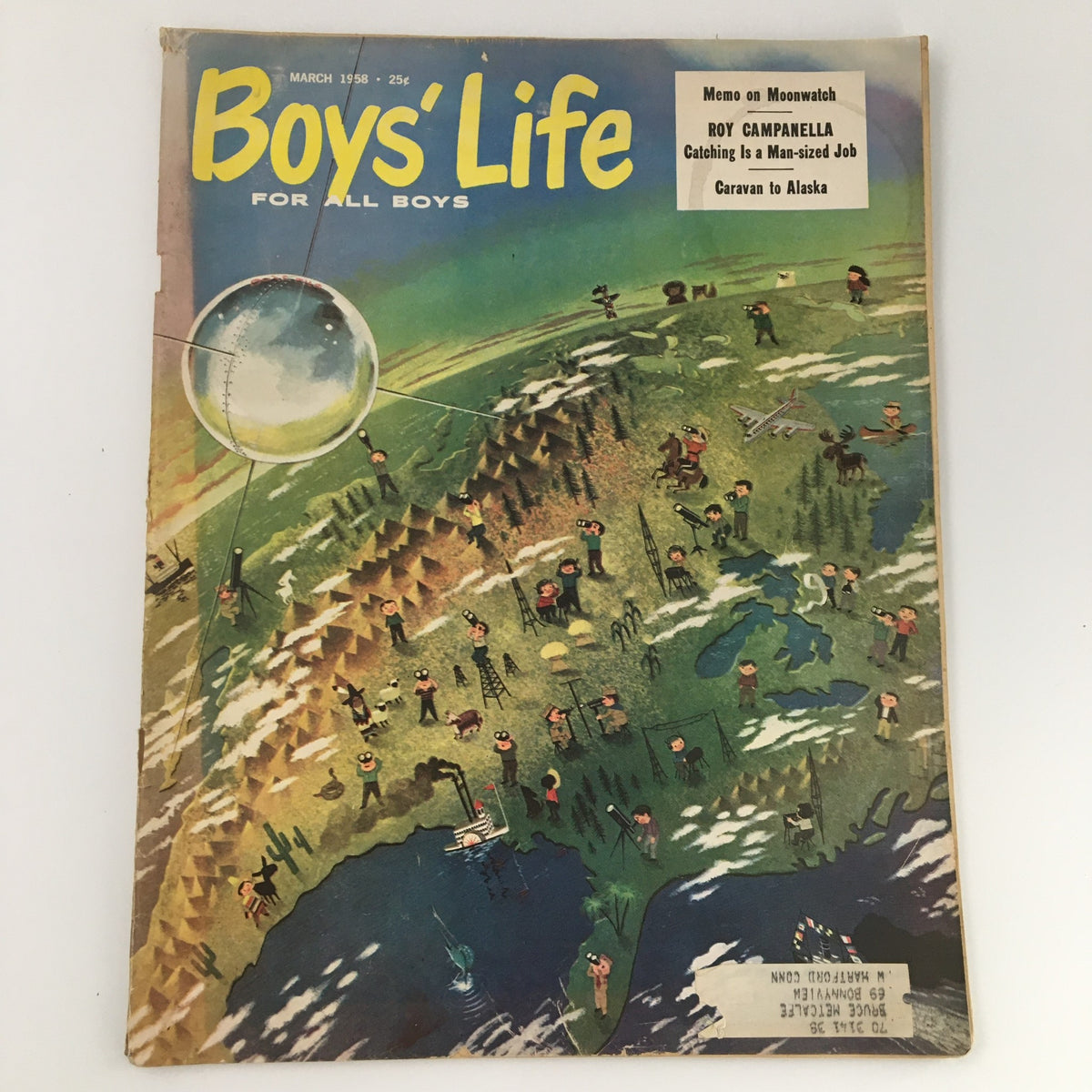
- The Accident & Its Aftermath — Deeply human editorial coverage from early 1958 onward, when publications across the country responded to his paralyzing injury with tributes, retrospectives, and profiles of his extraordinary courage in rehabilitation
- Integration-Era Narratives — Stories placing him alongside Jackie Robinson in the broader context of baseball's racial integration, often appearing in both mainstream sports periodicals and African American press outlets of the late 1940s and early 1950s
- Post-Career Ambassador Profiles — Later features from the 1960s and beyond, in which he appeared as a coach, mentor, and enduring symbol of the sport's conscience, often accompanied by photographs of remarkable emotional power
The Collector's Value
To hold one of these magazines is to hold a dispatched artifact from a world that no longer exists — the smell of aged newsprint and period ink, the slight yellowing at the edges that speaks not of deterioration but of decades faithfully kept, the surrounding advertisements for Chesterfield cigarettes and Gillette razor blades that root you unmistakably in their time. These are not reproductions or commemorative prints; they are primary sources, the very pages that Brooklyn families folded under their arms on their way home from the newsstand, that fathers read aloud at kitchen tables, that boys tucked under their pillows. The cultural and historical layering here is exceptional — this is a story about baseball, yes, but also about race in America, about physical triumph and human tragedy, about the dignity of a man who never once let bitterness win. For collectors of vintage baseball memorabilia, African American history and civil rights ephemera, or the golden age of Brooklyn Dodgers fandom, these publications offer an irreplaceable, tactile connection to one of sport's most complete and consequential lives. Browse the current available inventory below and discover which piece of that history is waiting to find its way into your hands.