📖 About this Collection
Run-DMC: Where the Streets Met the Mainstream
The Legend & The Legacy
Before streaming playlists and algorithm-curated feeds, hip-hop had to fight for every inch of cultural real estate — and no group claimed that territory more decisively than the three young men from Hollis, Queens who would become Run-DMC. Emerging in the early 1980s from a borough most of America only knew through headlines of urban decay, they transformed the raw energy of block parties and street corners into a global phenomenon. With their Adidas shell-toes, black fedoras, and unapologetic Kangols, they rendered a cultural uniform that magazines scrambled to decode for mainstream audiences. Their landmark 1986 collaboration with Aerosmith on "Walk This Way" didn't just crack rock radio — it cracked open an entirely new conversation about race, genre, and the future of popular music, a conversation that played out, issue by issue, on the printed page. Long before anyone could simply tap a screen to understand what hip-hop meant, readers turned to their monthly magazines to make sense of this seismic shift happening in real time.
Inside the Archive
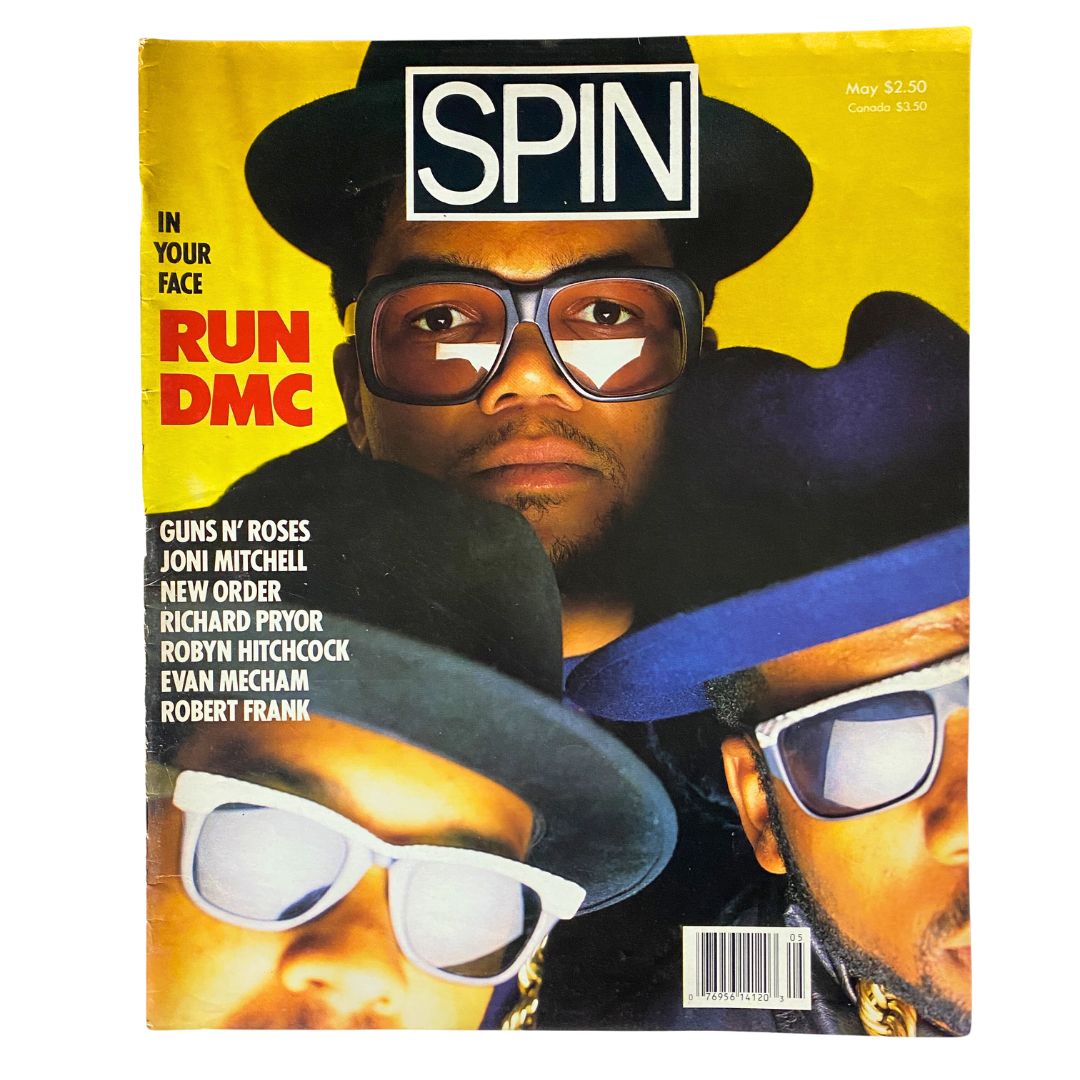
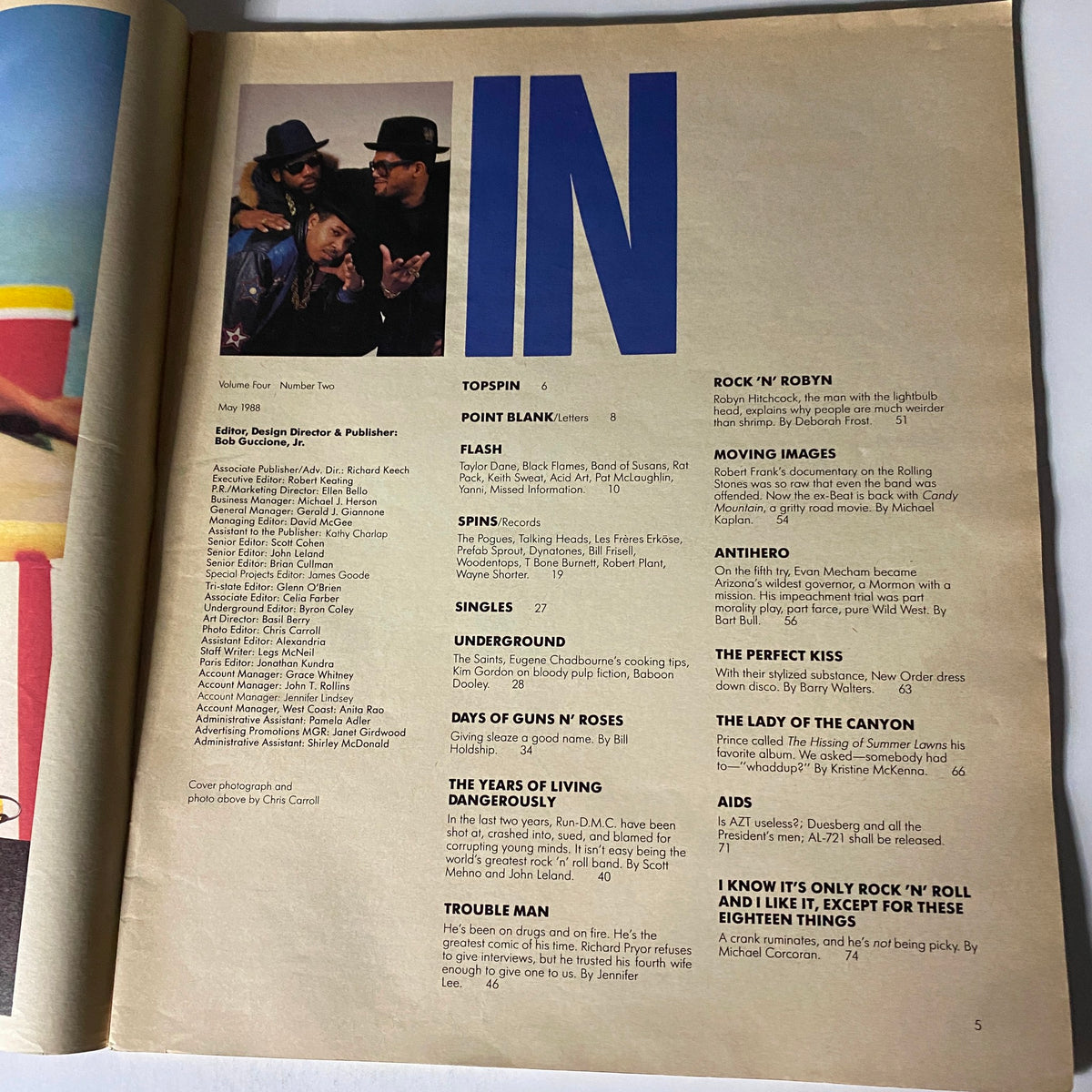
The visual language of Run-DMC was so arresting — so immediately iconic — that photographers and editors were handed a gift: a group that looked like no one who had come before them. Early editorial photography tended toward documentary grit, shot against the raw backdrops of New York streetscapes, subway yards, and Hollis Avenue itself, lending the images an authenticity that felt more photojournalism than pop promotion. As their crossover appeal exploded, the framing shifted, placing the trio in dramatic studio portraits that emphasized their near-mythological stature. Rolling Stone chronicled their rise with the seriousness it had once reserved for arena rock royalty, framing them as architects of a new American sound. Spin, that sharp-edged chronicle of the MTV generation, embedded their story within broader dispatches on youth culture, genre warfare, and the politics of radio. Meanwhile, Ebony and Jet provided essential cultural context, covering them not merely as entertainers but as symbols of Black excellence and community pride reaching audiences who understood exactly what it meant to see Hollis, Queens celebrated on a national stage.
Curator's Checklist: Highlights Often Include
- Crossover milestone coverage — Feature stories and news items documenting the watershed Raising Hell era and the Walk This Way cultural moment, often accompanied by split editorial commentary from both rock and hip-hop journalists writing in the same issue
- Fashion and style profiles — Spreads examining the group's deliberate, streetwear aesthetic and the ensuing Adidas phenomenon, frequently appearing in style-forward publications grappling with hip-hop's influence on mainstream fashion
- Year-end and decade retrospectives — Late 1980s and early 1990s issues often positioned them as defining figures of the decade in music round-ups, placing their legacy alongside rock, pop, and R&B contemporaries
- Social and political context pieces — Coverage framing hip-hop's rise within the broader landscape of Reagan-era America, urban policy, and youth identity, in which the group frequently appeared as the genre's most recognizable standard-bearers
- International music press — Publications from the UK, such as NME and Smash Hits, documented their European tours and the astonishing reach of hip-hop across the Atlantic, offering a fascinating outside-looking-in perspective on America's newest cultural export
The Collector's Value
To hold one of these original issues is to hold a document of a world in the middle of being changed. The slightly coarse paper stock of a mid-1980s music monthly, the faint ghost of ink that comes off on your fingertips, the vivid full-page advertisements for cassette decks and high-tops that bracket the editorial pages — all of it conspires to place you precisely in the moment when hip-hop was still fighting for legitimacy and winning, loudly, on every front. These are not reprints or commemorations; they are primary sources, artifacts of a press corps that was witnessing history without fully knowing it. For collectors of hip-hop memorabilia, vintage music press, or 1980s New York cultural history, these publications offer something no documentary, biography, or anniversary box set can replicate — the unfiltered, contemporary record of how the world received one of music's most transformative forces, captured in the very week or month it happened. Browse the current available inventory below and find the piece of that story that belongs in your collection.