📖 About this Collection
Rupert Murdoch: The Man Who Rewrote the Rules of the Press
The Legend & The Legacy
Few figures in the twentieth century reshaped the landscape of public information as profoundly — and as controversially — as the Australian-born media baron who would come to command newspapers, television networks, and publishing empires across three continents. Long before the algorithm replaced the editor, Rupert Murdoch understood something that most proprietors of his era did not: that media was not merely a public service but a force of power, and that whoever controlled the press controlled the conversation. From his earliest days inheriting a single Adelaide newspaper in the 1950s to his audacious acquisition of British tabloids, American broadcast networks, and Hollywood studios, his ascent was one of the defining business and cultural stories of the late twentieth century. In an age when people learned about the world through the weight of a morning paper or the glossy authority of a weekly magazine, his name appeared in those very pages — celebrated, scrutinized, and feared in equal measure.
Inside the Archive
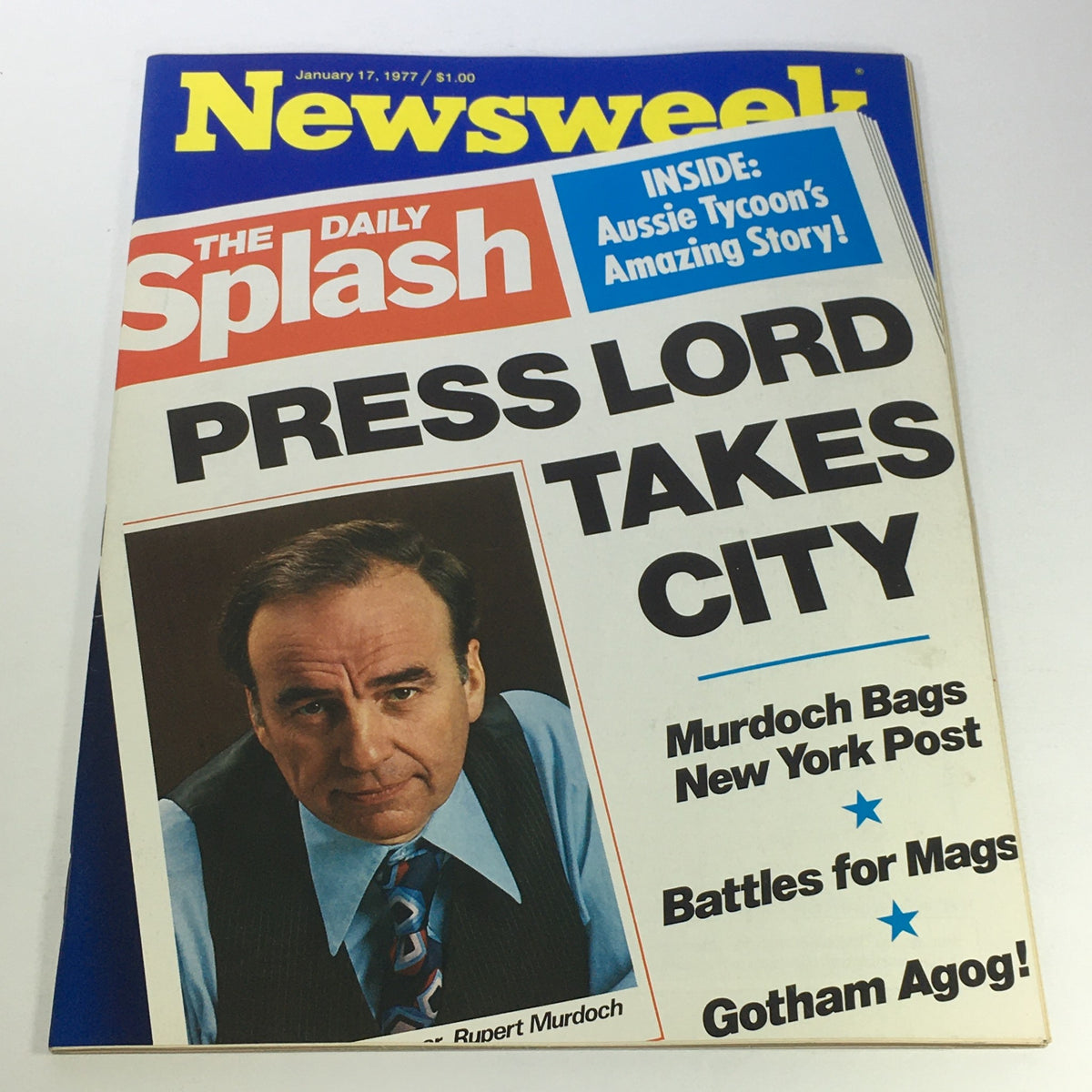
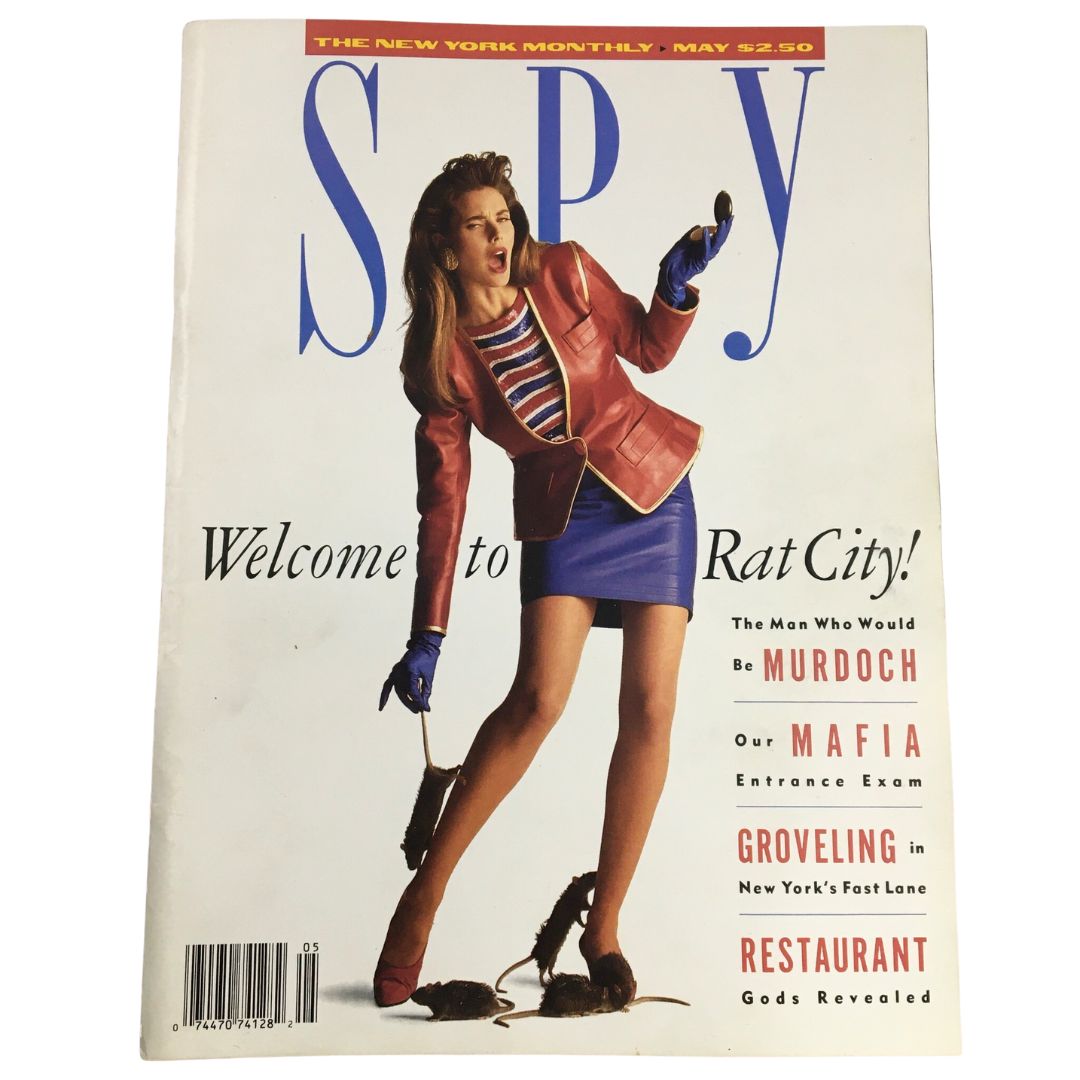
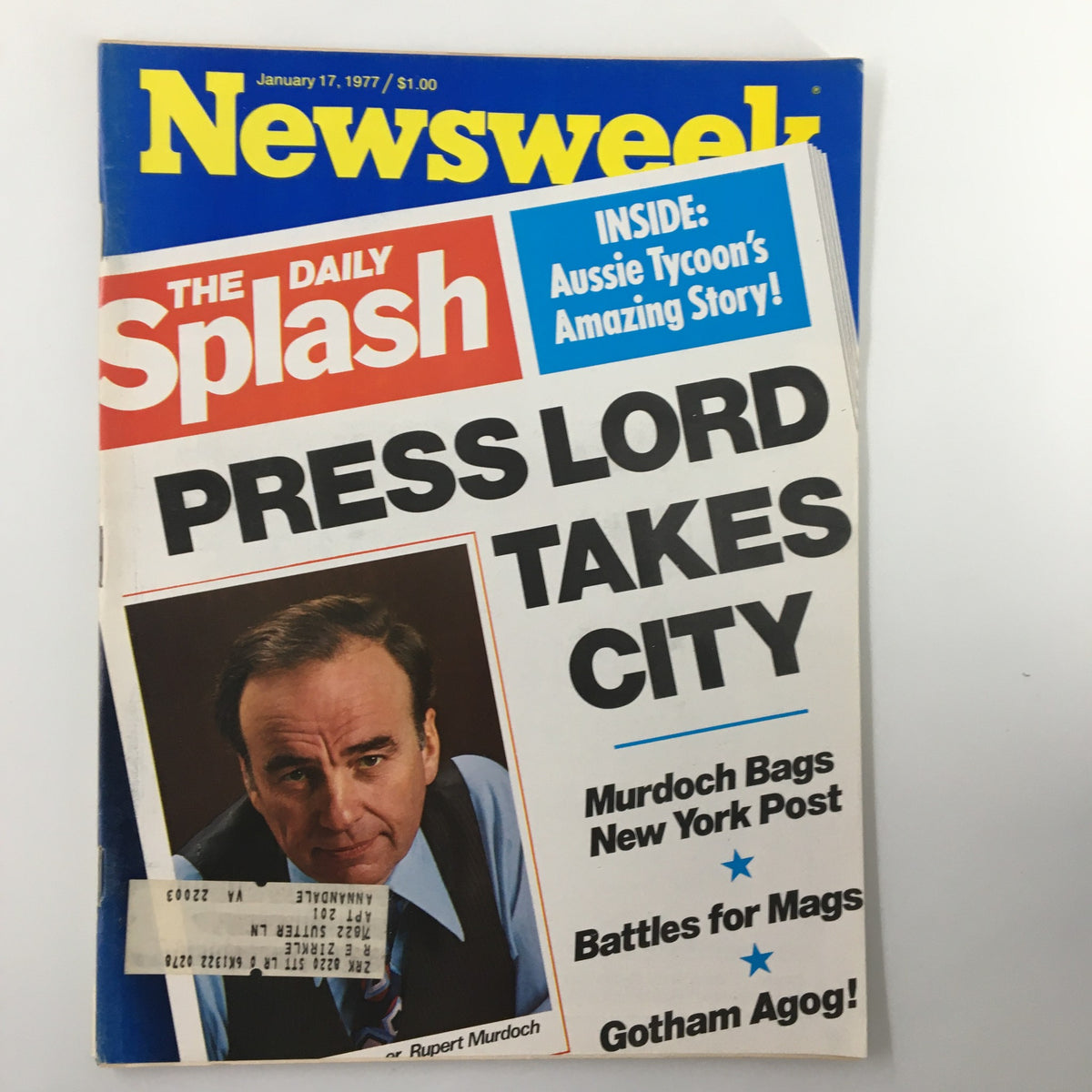
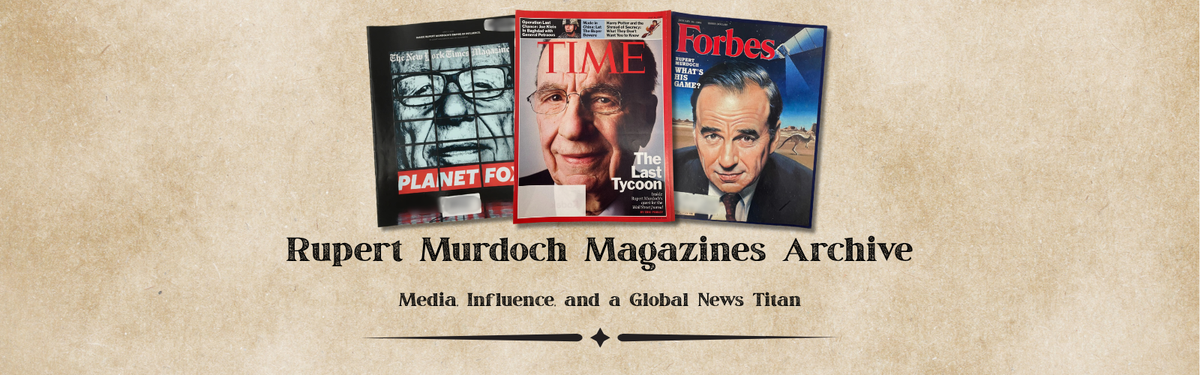
Vintage magazines captured the media mogul's story with a mixture of reverence and unease that is entirely unique to his subject. Business titles such as Fortune and Forbes profiled him in expansive, authoritative features throughout the 1970s and 1980s, their photography often placing him against the stark geometry of printing presses or behind vast executive desks — imagery designed to communicate both dominance and industry. Time magazine, itself a competitor in the broader media ecosystem, nonetheless dedicated cover stories to his expanding empire, wrestling openly in print with questions of press monopoly and democratic influence. Across the Atlantic, British publications including The Economist and Private Eye tracked his transformation of Fleet Street with a particularly sharp editorial lens, documenting his confrontation with the print unions at Wapping in 1986 — a watershed moment that made him simultaneously a villain to the labor movement and a revolutionary to free-market conservatives. The photography of this era is striking in its iconography: the set jaw, the deliberate gaze, the sense of a man perpetually mid-maneuver.
Curator's Checklist: Highlights Often Include
- Fleet Street & the Wapping Revolution: Coverage from British newspapers and magazines documenting the landmark 1986 labor dispute, often with vivid photojournalism of the picket lines and editorials debating the future of the British press
- The Fox Broadcasting Era: American business and entertainment magazines from the late 1980s onward frequently chronicled his audacious launch of a fourth U.S. television network, a story treated at the time as either visionary or reckless
- Acquisition Milestones: Issues from the period surrounding high-profile purchases — The Times of London, the New York Post, The Wall Street Journal, and Twentieth Century Fox — often feature extended investigative profiles and editorial commentary on media consolidation
- Political Influence & Thatcher's Britain: Publications from the 1979–1990 period often explored the perceived alliance between his British tabloids and Margaret Thatcher's Conservative government, a relationship that fascinated political journalists on both sides of the Atlantic
- International Empire Building: Australian and pan-Pacific business titles from the 1960s through 1980s frequently track the early, less-documented chapters of his rise, offering collectors a rarer window into the formative years of a global dynasty
The Collector's Value
There is something irreplaceable about holding a magazine from the height of the print era and reading, in real time, how the world was attempting to make sense of a man who was actively reshaping it. The paper stock of a 1980s Fortune profile has a particular weight and opacity; the ink carries a faint, familiar must that no digital archive can replicate; and the surrounding advertisements — for whiskey, American automobiles, and transatlantic airline routes — place the editorial content inside a rich, breathing cultural moment that context alone cannot restore. These are not reprints or facsimiles. They are primary sources: the actual documents through which an informed public first processed the rise of a media empire that would influence elections, entertainment, and the very definition of news for decades to come. For collectors of press history and media criticism, twentieth-century business biography, or the political and cultural history of Britain, Australia, and the United States, these publications offer an unmediated encounter with one of modernity's most consequential and debated figures. Explore the current available inventory below and discover which pieces of that history are waiting to find a new home.