📖 About this Collection
Ryan O'Neal: The Golden Boy in the Age of Celluloid Dreams
The Legend & The Legacy
Few figures embodied the bittersweet glamour of Hollywood's transitional era quite like Ryan O'Neal — the blue-eyed heartthrob who rose from afternoon television to the summit of international stardom in a single, breathtaking decade. When Love Story swept the world in 1970, it didn't merely make him a star; it made him a cultural phenomenon, a face onto which an entire generation projected its longing, its grief, and its romantic idealism. In an era before social media or entertainment websites, the public's relationship with him was mediated entirely through the printed page — through the glossy weight of a magazine pulled from a drugstore rack, the creased centerfold pinned above a dorm room desk, or the dog-eared profile folded into a handbag. His tumultuous personal life, his Academy Award nomination, his storied partnership with Farrah Fawcett, and his complex legacy as both a dramatic actor and a tabloid fixture were all stories first told in ink, on paper, in real time — making every surviving issue a sealed dispatch from a world that no longer exists.
Inside the Archive
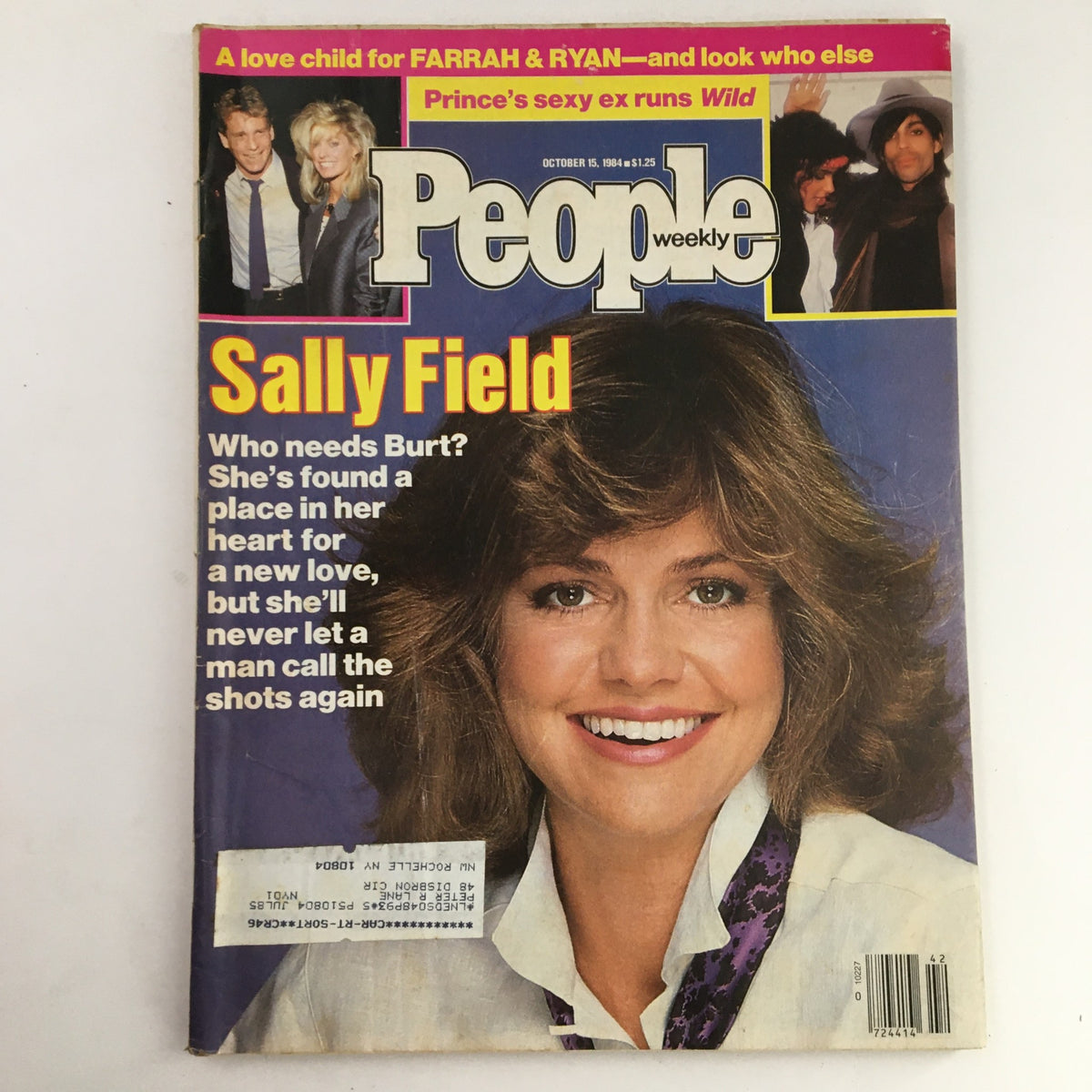
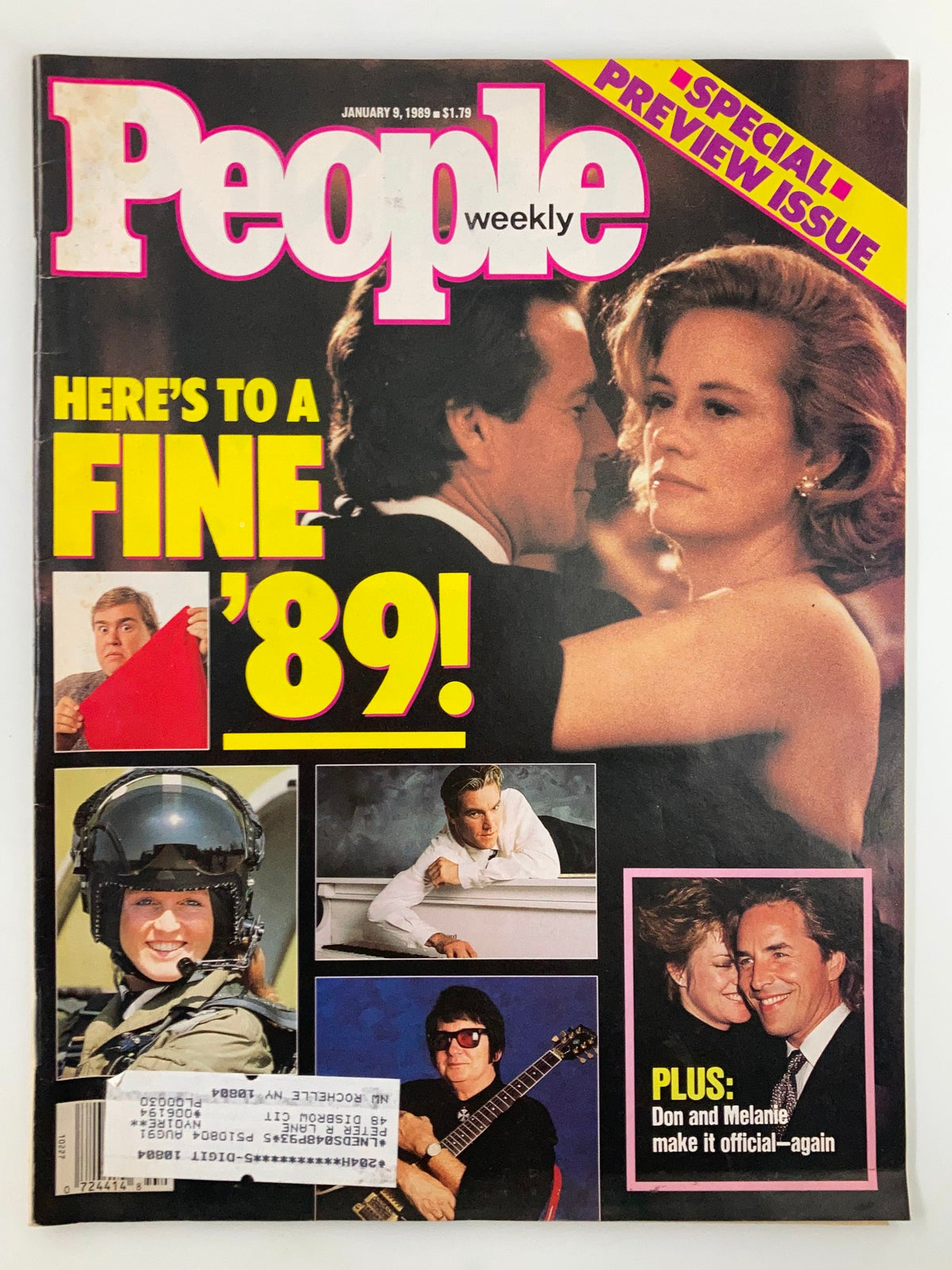
Vintage magazines of the late 1960s through the 1980s pursued the golden-haired Californian with a particular ardor, recognizing in him the rare combination of leading-man looks and genuine dramatic range that editors knew would move copies. People magazine, in its formative years as America's defining celebrity weekly, returned to him repeatedly — covering both his cinematic triumphs and his headline-generating private life with the breathless intimacy the publication made its signature. Rolling Stone, chronicling the cultural crossroads of Hollywood and counterculture, featured him as part of its broader examination of New Hollywood's rise. Across the Atlantic, Paris Match — ever attuned to the American stars who captured European imaginations — devoted lavish, large-format spreads to the man and the mythology surrounding him, their photography tending toward the cinematic and the elegiac. The photography of this era was itself an art form: studio-lit portraiture giving way to naturalistic, sun-drenched California imagery that perfectly suited a subject who seemed born from the Pacific light itself.
Curator's Checklist: Highlights Often Include
- Post-Love Story coverage (1970–1972): Collectors frequently seek out issues capturing the extraordinary wave of press that followed the film's release, including Oscar season profiles and features exploring his near-overnight transformation from TV actor to global romantic icon.
- The Farrah Fawcett years: Coverage from the mid-to-late 1970s documenting one of Hollywood's most photographed couples often surfaces — a pairing that made the two of them a singular fixture in the celebrity press of the era.
- New Hollywood retrospectives: Editorial features situating him alongside contemporaries like Barbra Streisand (What's Up, Doc?) and Tatum O'Neal (Paper Moon) — for which his daughter won an Academy Award — offer rich insight into a pivotal period in American cinema.
- International editions: European and Australian magazine markets, particularly during the early 1970s, produced their own distinctly styled coverage, offering collectors a fascinating cross-cultural portrait of how his stardom was received and mythologized abroad.
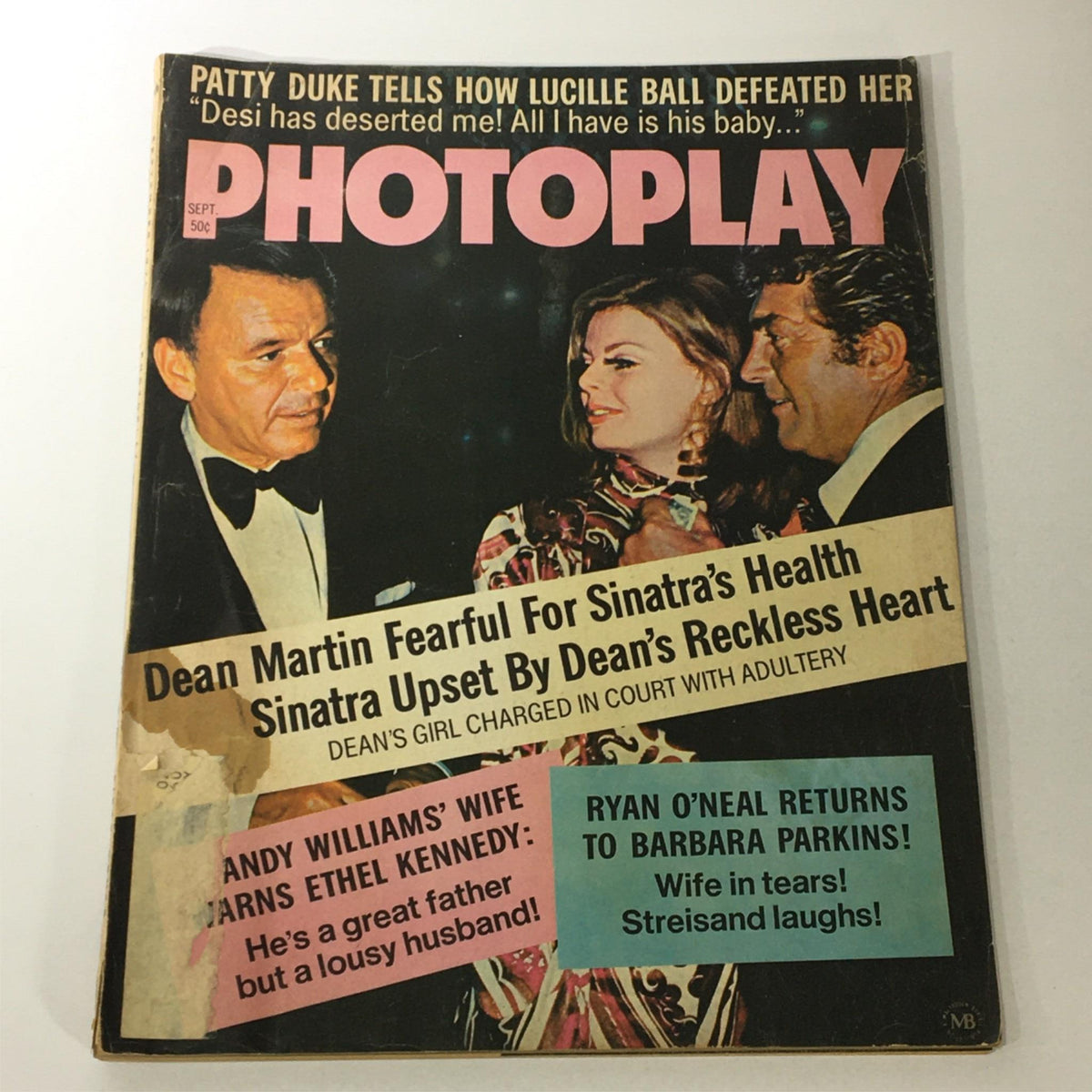
- 1980s tabloid and legacy features: Later-era publications chronicling his personal struggles, career evolution, and enduring public fascination represent a more complex, candid chapter of coverage that serious collectors of celebrity print history find equally compelling.
The Collector's Value
There is something irreplaceable about holding the era in your hands — the particular heft of a 1971 magazine, its pages slightly amber at the edges, the ink carrying that faintly mineral perfume that no digital archive can replicate. Surrounding the features on him, you will find advertisements for cigarettes and Cadillacs, perfume and Pan Am flights — an entire civilization fossilized in the margins, giving context and texture that transforms a simple celebrity profile into a genuine primary historical document. These are not reprints or facsimiles; they are the original objects through which a culture processed its own fascinations, its own dreams, its own grief. For collectors of New Hollywood cinema, 1970s pop culture and fashion, or vintage celebrity and entertainment memorabilia, these publications offer an irreplaceable window into an era of American glamour that remains endlessly revisited and never quite recaptured. Explore the current available inventory below and discover which pieces of that gilded, complicated world are waiting to find a new home.