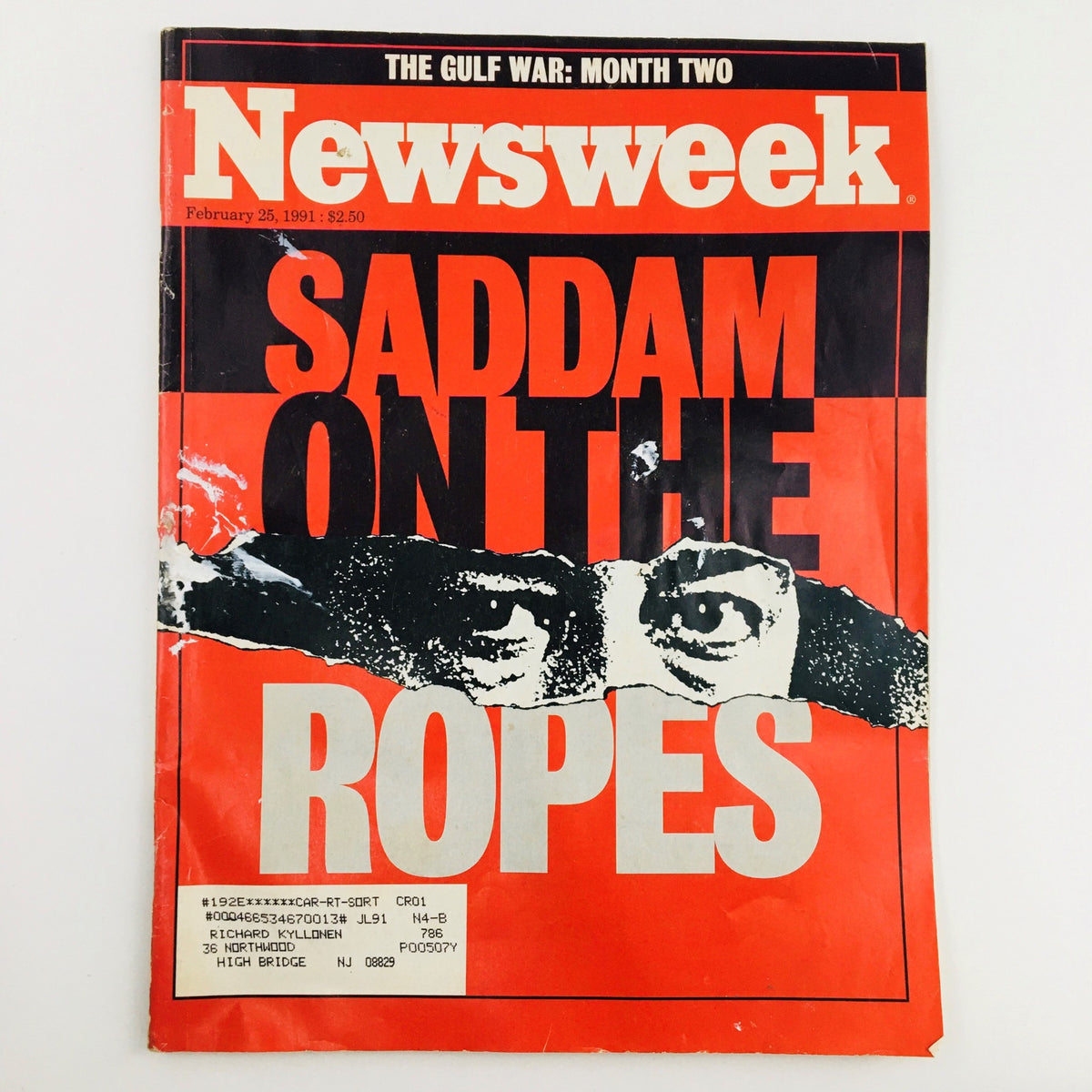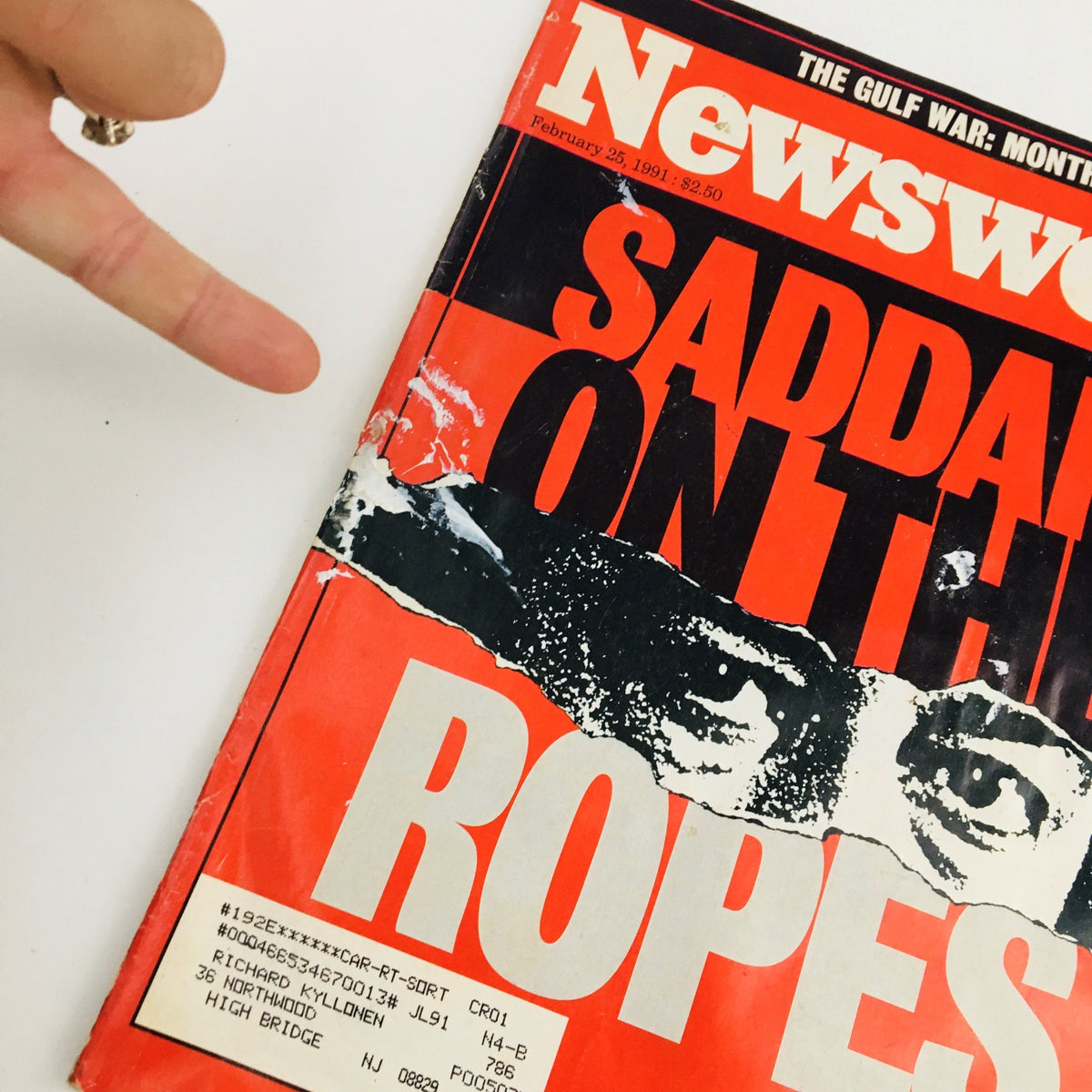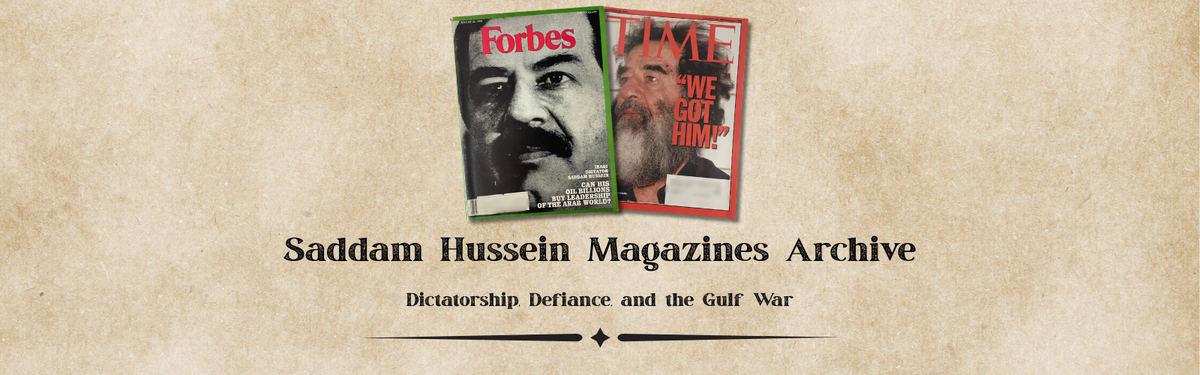
📖 About this Collection
Saddam Hussein: Power, Propaganda, and the Weight of a Crumbling World
The Legend & The Legacy
Few figures of the late 20th century commanded the global press with such relentless, unsettling force as Saddam Hussein — the iron-fisted architect of modern Iraq whose rise and fall became one of the defining geopolitical dramas of our time. From his consolidation of Ba'athist power in 1979 to the thunderous coalition response of the Gulf War in 1991, and the long, tense decade of sanctions and brinksmanship that followed, the world watched through the pages of its magazines. In an era before Twitter threads and rolling cable news alerts, the public understood this enigmatic dictator through long-form photojournalism, sweeping editorial analysis, and the visceral imagery that only the glossy or newsprint page could deliver. Weekly and monthly publications became the primary lens through which ordinary readers in London, Paris, New York, and Baghdad itself made sense of the man who declared himself the heir to Nebuchadnezzar — and who would ultimately meet his end on live television, in front of a watching world he could no longer control.
Inside the Archive
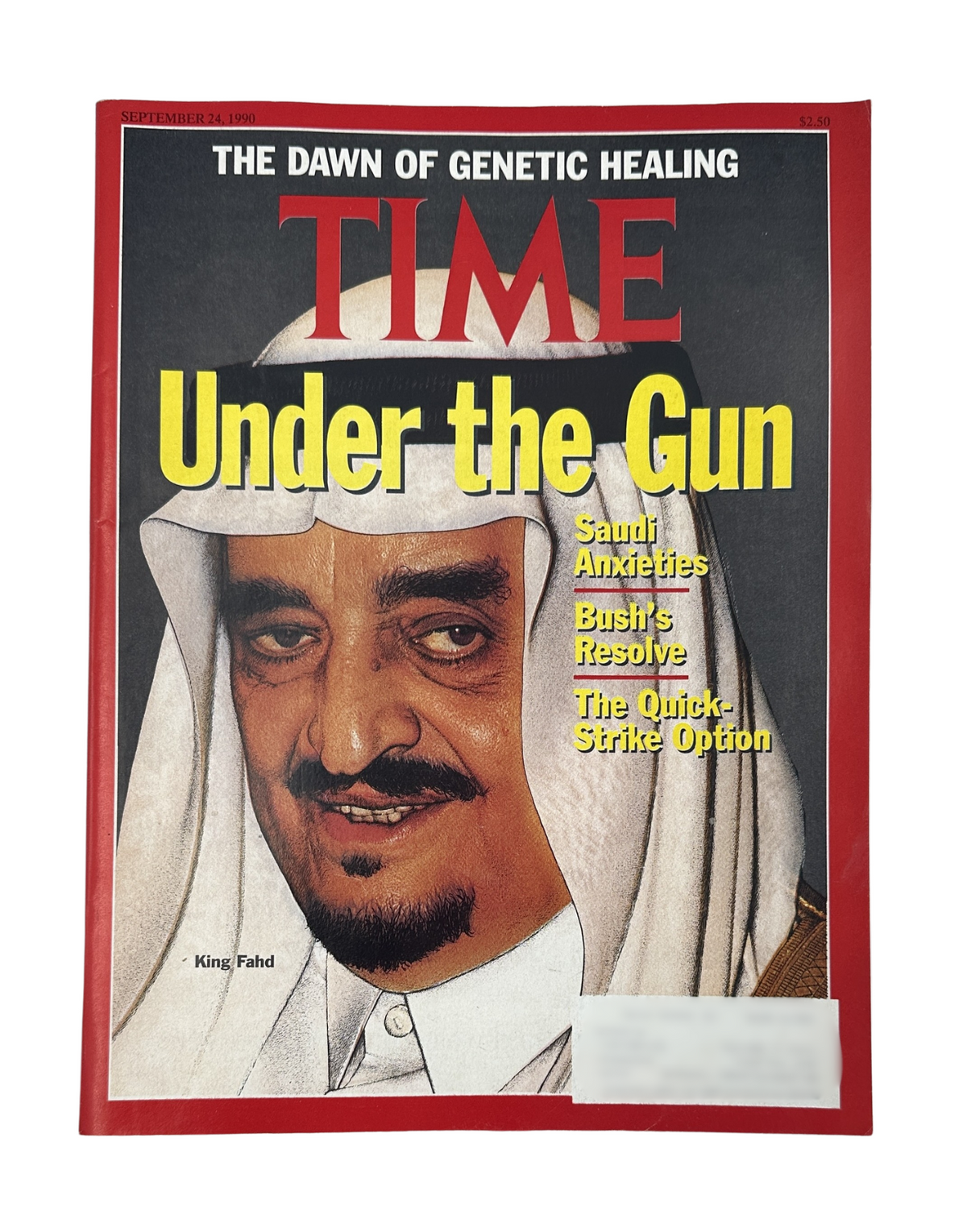
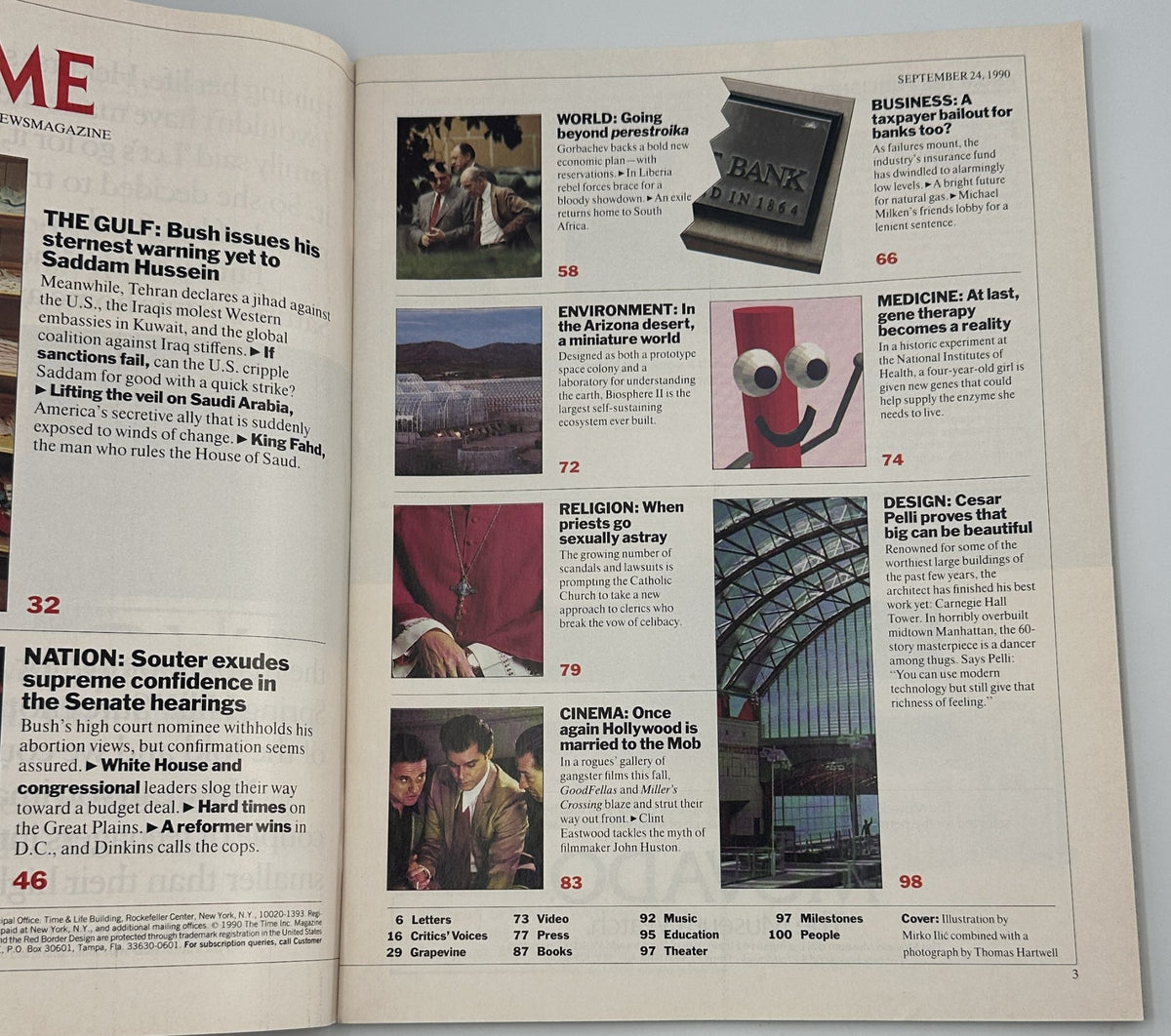
Vintage magazine coverage of the Iraqi strongman is a masterclass in how the international press navigated power, propaganda, and moral complexity. In the 1970s and early 1980s, much of the Western coverage carried a cautious ambivalence — he was, after all, a Cold War-era counterweight, and publications like Time and Newsweek profiled him with the measured gravity reserved for dangerous but diplomatically relevant men, often featuring formal portraiture and full-page analyses of Middle Eastern geopolitics. Paris Match, with its tradition of bold, visually dramatic photojournalism, brought European readers the spectacle of Saddam in full military regalia, against the backdrop of a nation being simultaneously modernized and militarized. The Gulf War of 1991 transformed coverage entirely — Life magazine and the major newsweeklies shifted into wartime mode, their pages filling with desert imagery, coalition maps, burning oil fields, and the haunting face of a man who had become the West's foremost villain. The editorial photography of this era is striking in its contrast: official Iraqi state imagery showed a composed, almost regal leader; Western publications answered with imagery of devastation, defiance, and geopolitical consequence.
Curator's Checklist: Highlights Often Include
- Gulf War coverage issues (1990–1991) — among the most sought-after in the archive, featuring dramatic front-line photography, coalition strategy breakdowns, and the political reckoning of a world suddenly at war in the desert
- Pre-war profile features from the 1970s–80s — rare and historically rich, these issues often portray the Iraqi leader as a modernizing strongman, offering a striking counterpoint to later coverage and illuminating how Western opinion evolved
- Human interest and civilian impact journalism — pieces documenting life under the Ba'athist regime, the Kurdish conflict, and the humanitarian consequences of the sanctions era, published in outlets with strong foreign correspondence traditions
- Post-Gulf War and UN inspections-era coverage (1991–2002) — a decade of geopolitical tension captured in weekly newsmagazines, charting the cat-and-mouse diplomacy that kept the world on edge
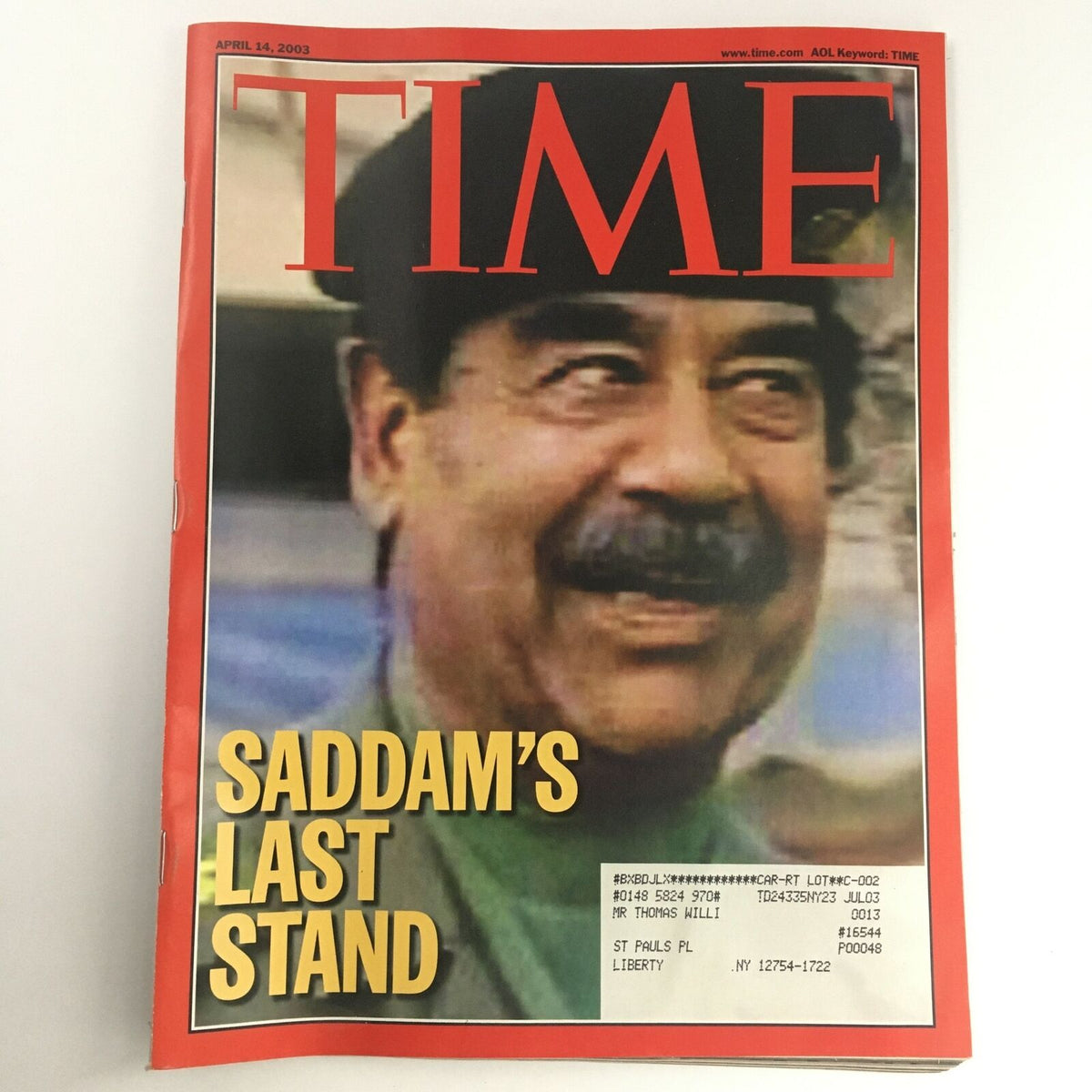
- 2003 Iraq War and fall of Baghdad issues — landmark collector's pieces documenting the U.S.-led invasion, the toppling of the iconic statue in Firdos Square, and the dramatic, history-altering close of an era
The Collector's Value
There is something irreplaceable about holding in your hands a magazine printed in the very week the world changed — feeling the slight brittleness of aged paper stock, catching the faint, distinctive scent of decades-old ink, and finding, between articles about the subject himself, advertisements for long-discontinued automobiles and cigarette brands that place you unmistakably inside a vanished moment. These publications are not merely curiosities; they are primary sources, artifacts of how informed citizens processed one of the most volatile and morally complex figures of the modern age in real time, without the benefit of hindsight. For collectors of Cold War geopolitical history, Middle Eastern affairs and journalism, or Gulf War and military history memorabilia, these publications offer an irreplaceable window into the world as it was experienced — not as it was later remembered or reframed. Explore our current available inventory below, and discover which pieces of this turbulent chapter of history are waiting to find a place in your collection.