📖 About this Collection
Sandy Koufax: The Arm That Silenced Summer
The Legend & The Legacy
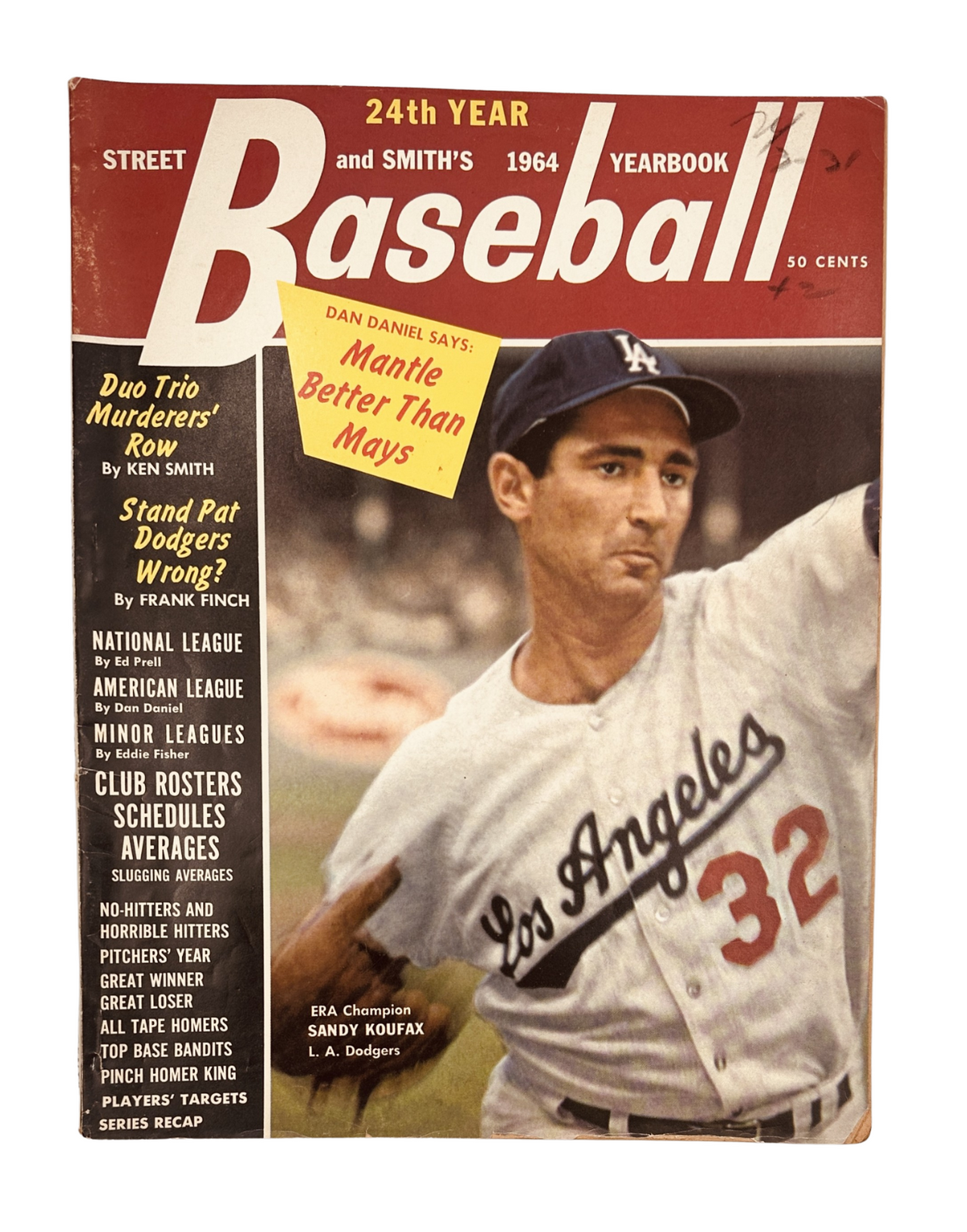
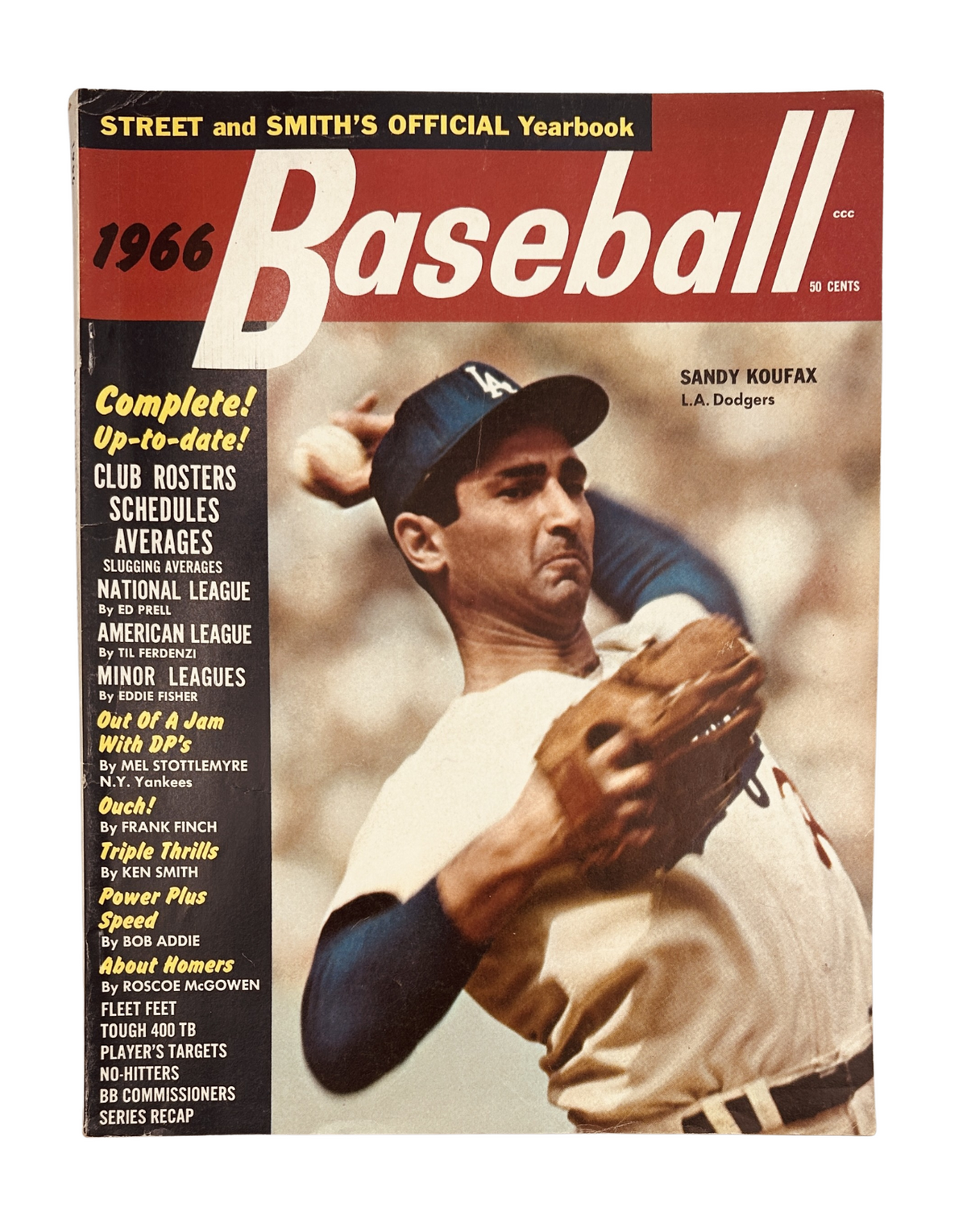
In an era before highlight reels and instant replays, before the internet could dissect a curveball frame by frame, Sandy Koufax was experienced almost entirely through print — through the breathless game recaps folded into morning newspapers, the long-form profiles that attempted to explain the inexplicable, and the glossy magazine covers that tried to capture something a camera could barely contain. From 1963 through his sudden retirement in 1966, the Brooklyn-born lefthander of the Los Angeles Dodgers compressed one of the most dominant four-year stretches in the history of professional sport into a career that ended just as the world was learning how to watch him. He was a Jewish icon in a decade of fractured American identity, a figure of quiet dignity in a circus of celebrity, and a pitcher so unhittable that opposing batters spoke of him with something closer to reverence than rivalry. The tragedy of his early exit — at thirty years old, his arm destroyed by traumatic arthritis — only deepened the mythology. Print media was not merely a medium for covering Koufax; for an entire generation, it was Koufax.
Inside the Archive
The magazine coverage of his peak years reflects both the grandeur of the era and the particular gravity he seemed to generate wherever he appeared. Sports Illustrated returned to him repeatedly, publishing features that moved beyond statistics into something almost philosophical — studies in control, in pain, in the discipline of a man who reportedly iced his elbow for hours after every start just to be able to lift a fork at dinner. Life magazine, then at the height of its cultural authority, brought its signature full-page photographic sweep to bear on the Dodgers' ace, producing images of extraordinary intimacy: the windup in golden California light, the grimace behind closed doors, the quiet man amid the noise of Chavez Ravine. Look, Life's great rival in the general-interest arena, offered similarly rich long-form visual storytelling, while the Jewish press — publications like Jewish Life and features in national outlets attuned to community pride — covered him as something beyond an athlete: a symbol of belonging, excellence, and assimilation. The editorial tone across publications was consistently one of awe restrained by journalistic decorum, as if writers feared that hyperbole would somehow diminish what they were witnessing.
Curator's Checklist: Highlights Often Include
- World Series championship coverage — Issues from October 1963 and 1965 frequently feature extensive spreads on the Dodgers' title runs, with Koufax's performances forming the dramatic centerpiece of post-season recaps and retrospectives
- The retirement announcement and its aftermath — His stunning November 1966 retirement at the height of his powers generated an outpouring of editorial reflection; collectors often seek issues from that period capturing the disbelief of a sport saying goodbye too soon
- Profile features on his arthritic condition — The story of a man pitching through debilitating pain was irresistible to long-form editors; our archive often features pieces that detail the physical sacrifice behind each start, lending them an almost tragic heroism
- Jewish-American cultural tributes — Publications attuned to the American Jewish community covered the southpaw as a figure of communal pride, particularly following his famous decision not to pitch Game 1 of the 1965 World Series on Yom Kippur
- Year-end awards and statistical milestones — Three Cy Young Awards, four no-hitters including a perfect game, and a 1965 season of 382 strikeouts generated recurring coverage; issues marking these achievements are among the most sought-after in the category
The Collector's Value
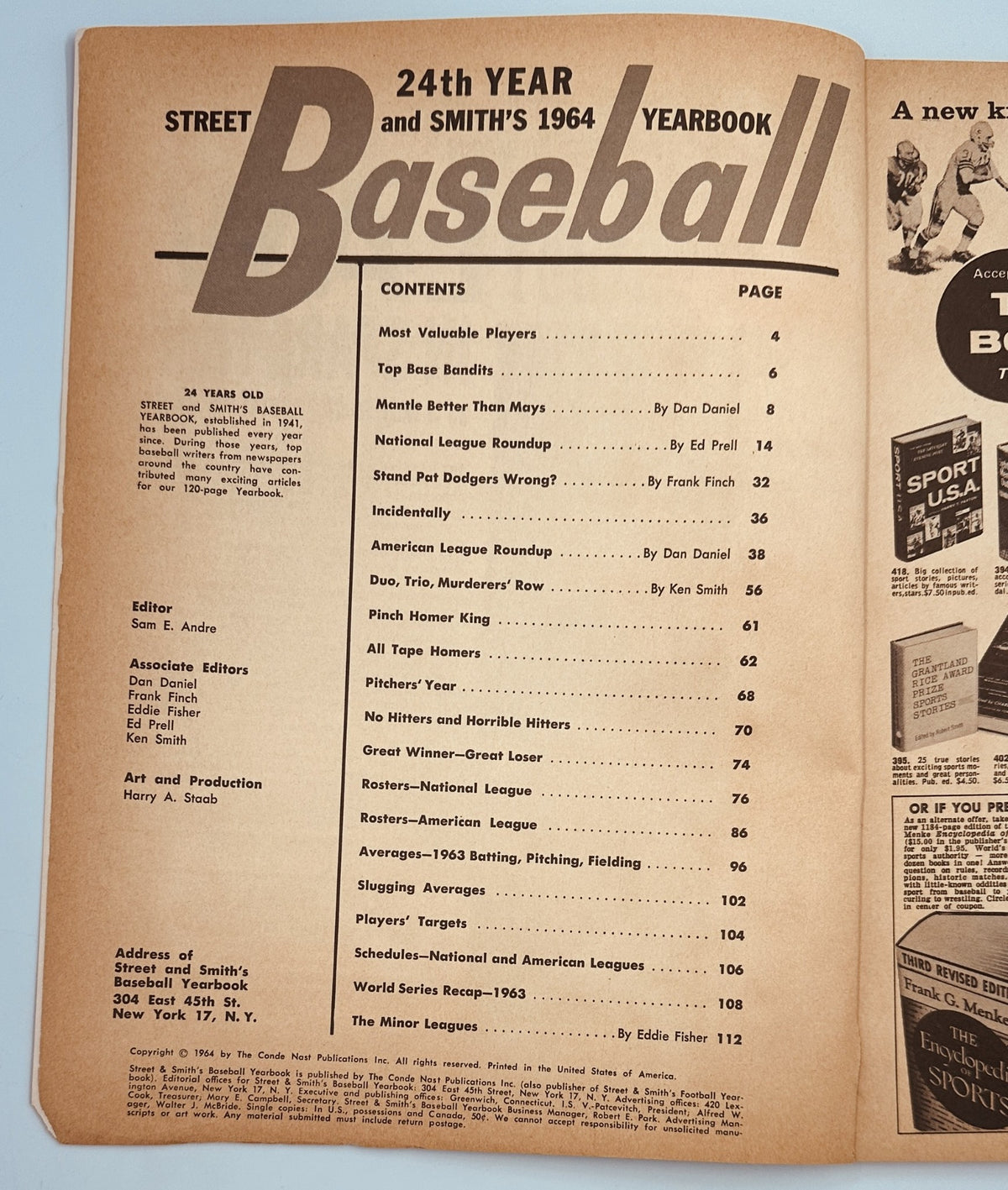
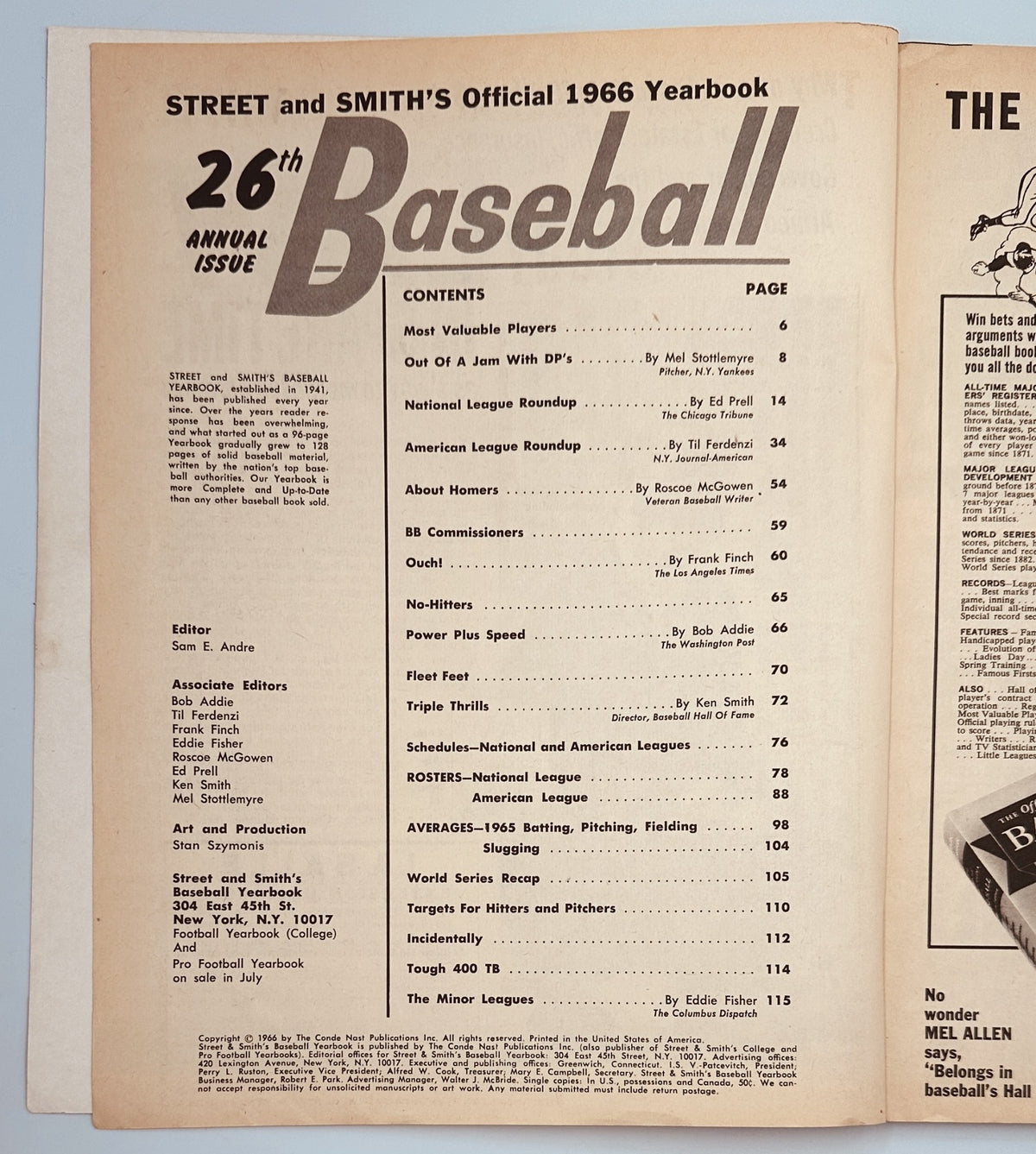
To hold a vintage magazine featuring Sandy Koufax is to hold something that no digital archive can replicate — a physical artifact from the moment his legend was still being written in real time. The paper stock of a mid-1960s Sports Illustrated has a particular weight and warmth to it, slightly yellowed at the edges now, carrying the faint mineral scent of decades-old ink and the ghost of the newsstand it once occupied. The advertisements surrounding his features — for Chevrolets, Lucky Strike cigarettes, Gillette razors — place him precisely within his cultural moment, reminding us that he was not yet history but simply news. His image on a cover or interior spread was a commercial statement as much as an editorial one: this man sold magazines, because this man mattered. For collectors of vintage baseball memorabilia, mid-century American Judaica, or 1960s sports and cultural history, these publications offer an irreplaceable window into a singular career through the eyes of the journalists who watched it unfold firsthand. Explore the current available inventory below and find the piece of that era waiting to come home with you.