📖 About this Collection
Scottie Pippen: The Silent Architect of a Dynasty
The Legend & The Legacy
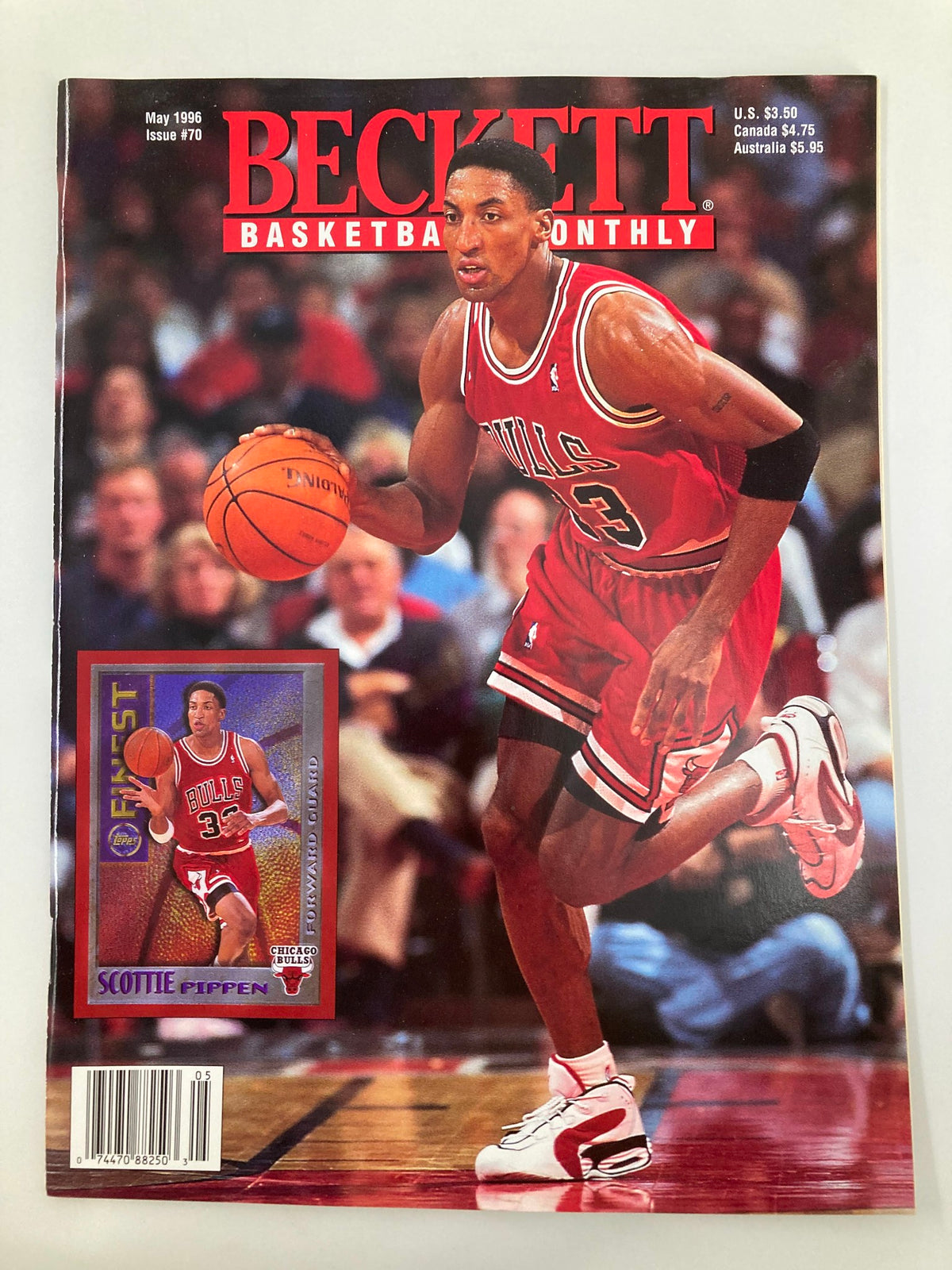
Before the highlight reel existed in every pocket and before digital archives catalogued every assist, Scottie Pippen's greatness lived most vividly on the printed page. Rising from the small town of Hamburg, Arkansas, to become one of the most indispensable players in NBA history, Pippen was the rare athlete whose brilliance was both undeniable and perpetually undervalued by public perception — a tension that made for endlessly compelling magazine journalism throughout the late 1980s and 1990s. As the cornerstone of the Chicago Bulls' six championship dynasties alongside Michael Jordan, he redefined what it meant to be a "second star" — his defensive genius, court vision, and physical versatility making him arguably the most complete player of his generation. Fans who lived through that era remember waiting for the latest issue to drop at the newsstand, eagerly turning to the sports pages to make sense of a team that felt, month after month, utterly unstoppable. Print was the medium through which his legacy was processed in real time, and those issues remain the most authentic record of how the world witnessed his ascent.
Inside the Archive
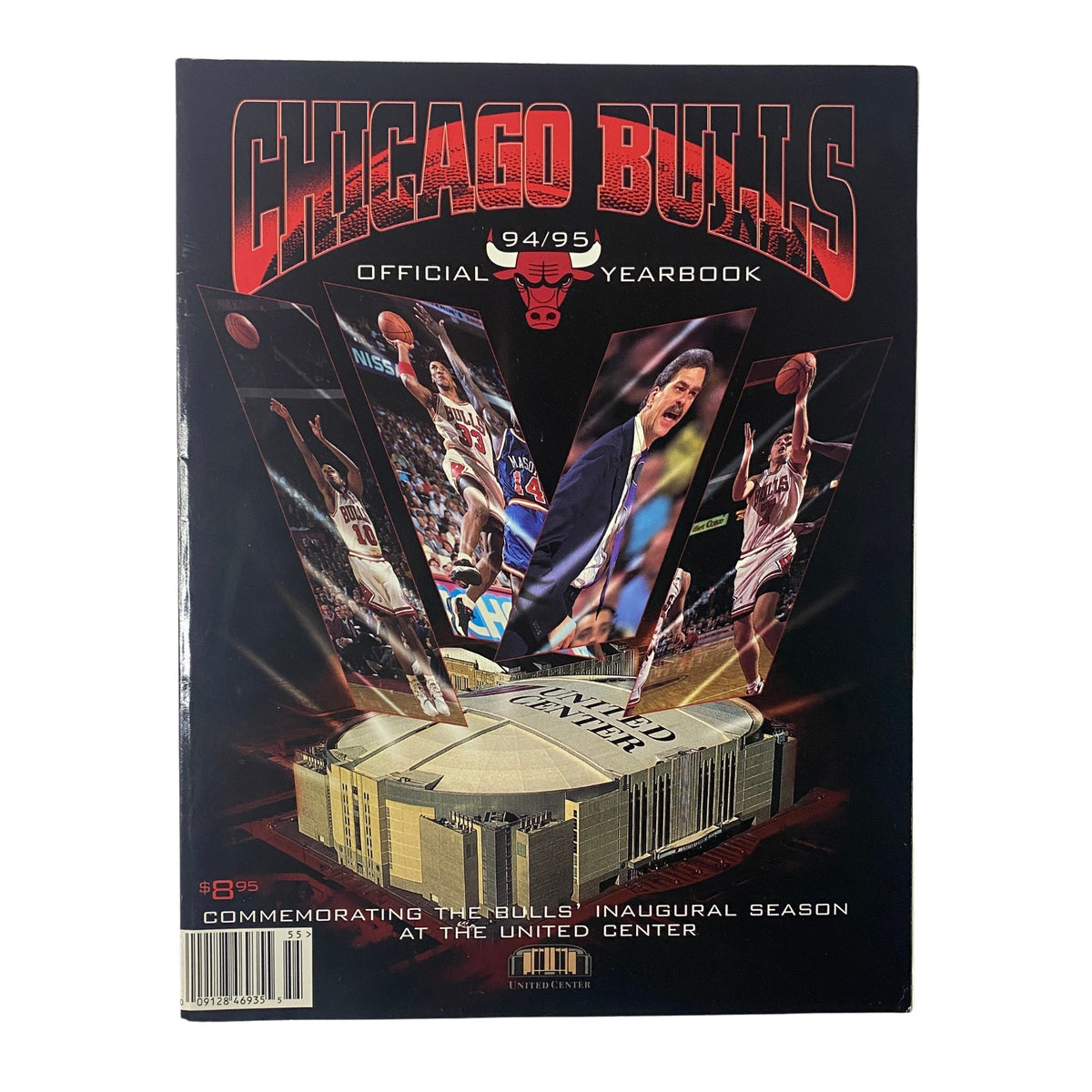
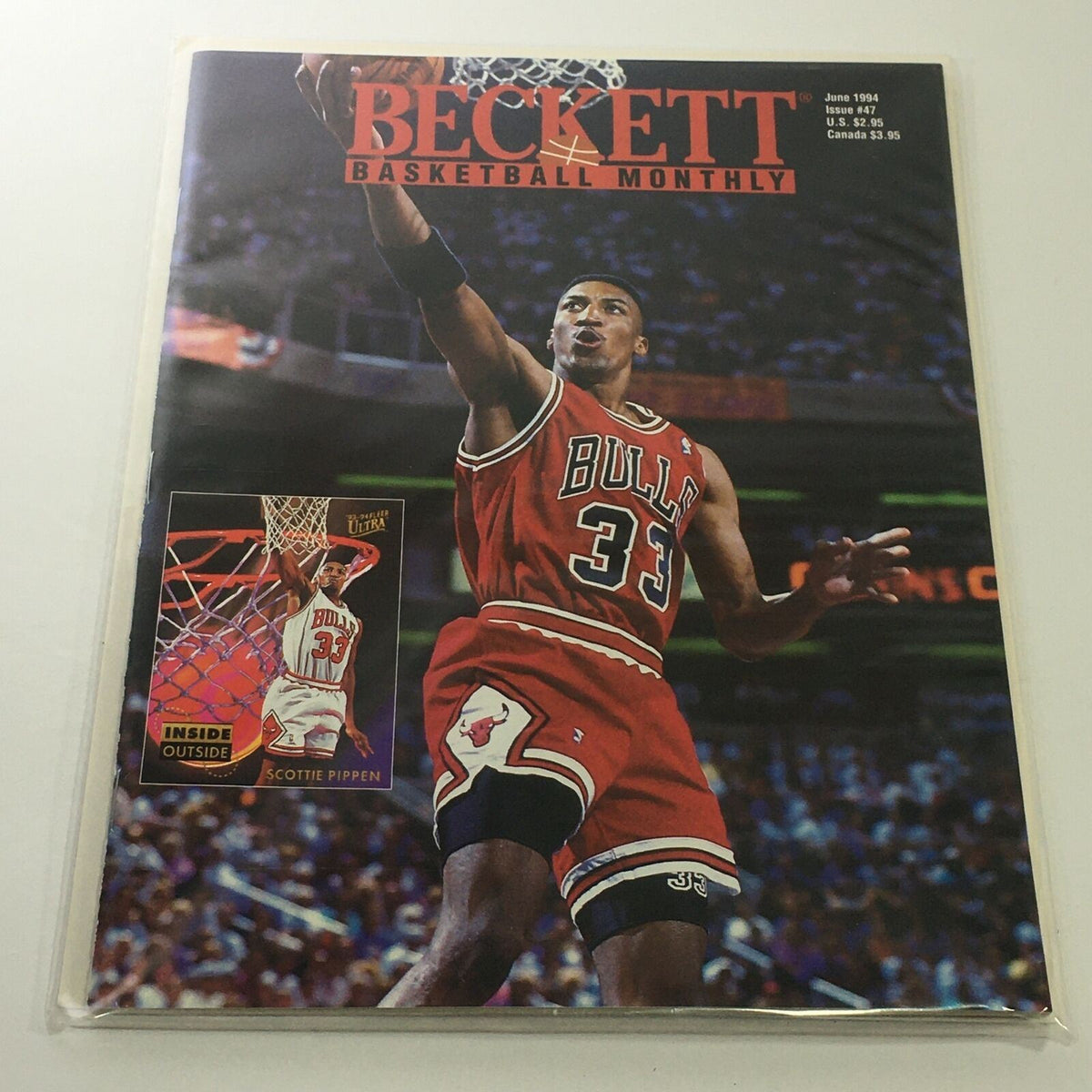
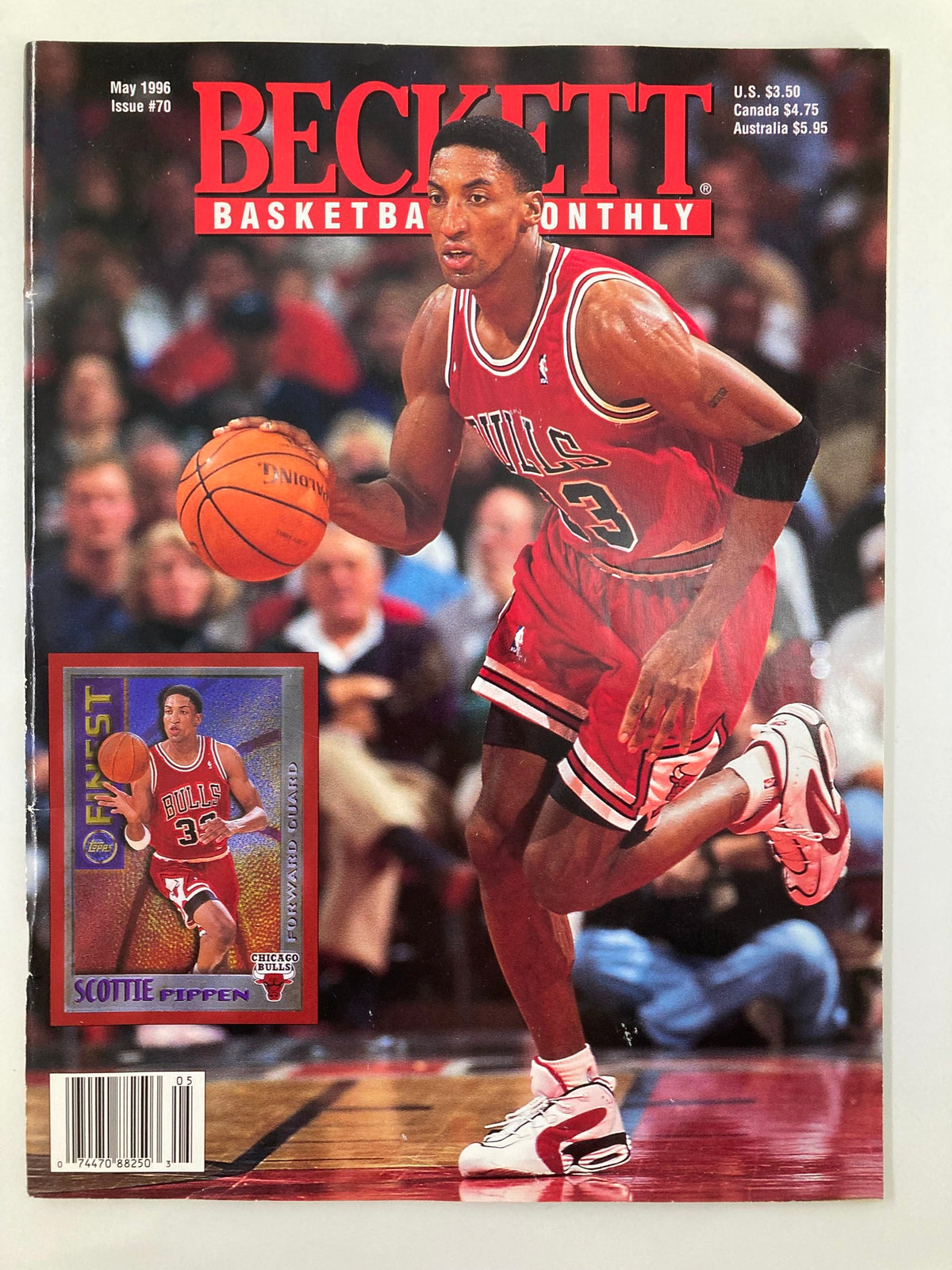
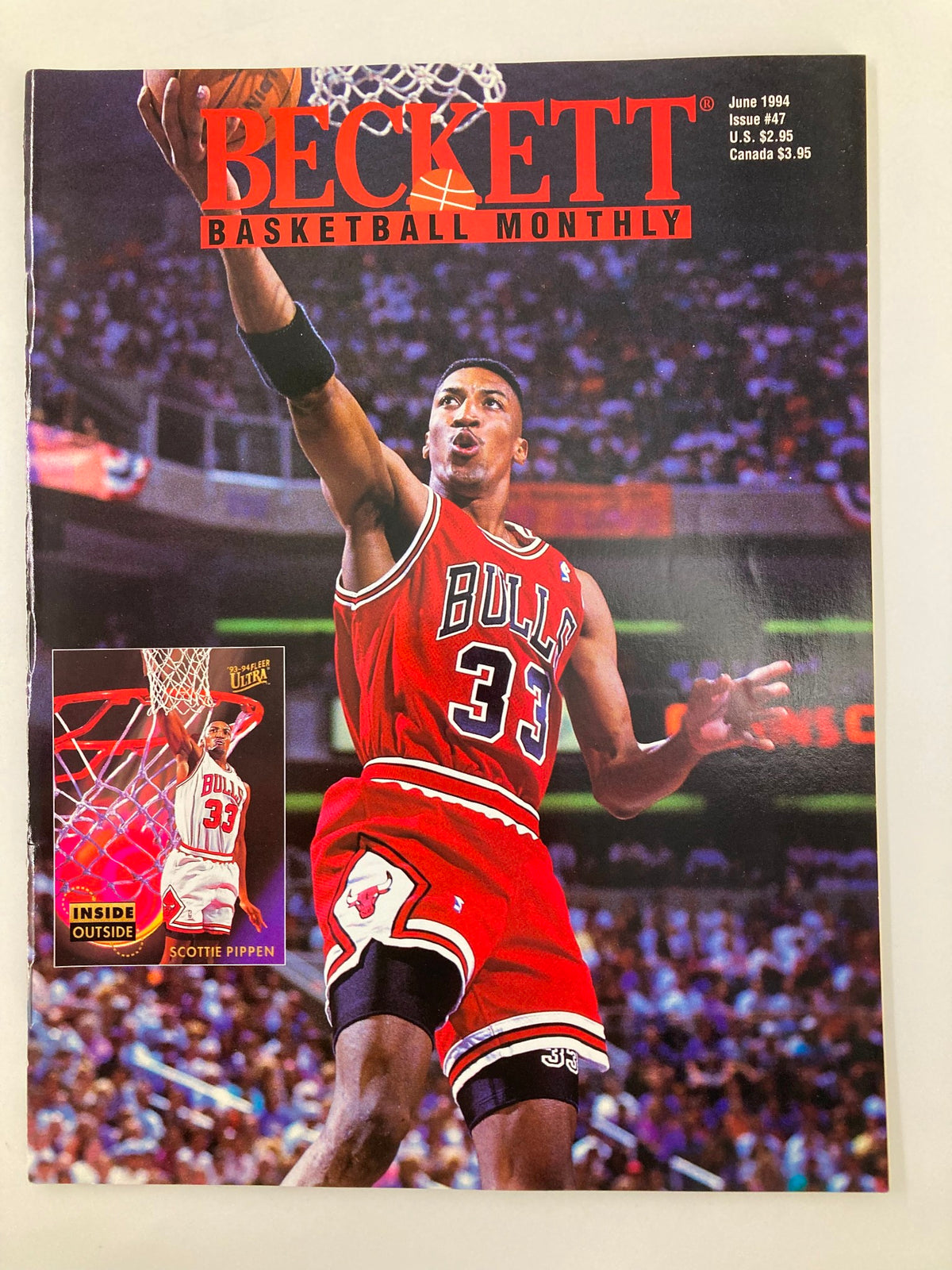
The coverage Pippen received throughout his peak years — roughly 1990 through the turn of the millennium — was rich, nuanced, and often visually spectacular. Sports Illustrated, the undisputed bible of American athletics during that era, featured the Bulls with a frequency bordering on devotion, and Pippen was regularly framed not merely as a sidekick but as a tactician, a lockdown defender, and a leader in his own right. Inside the pages of SLAM magazine, the defining voice of basketball's cultural moment in the 1990s, Pippen was celebrated with the kind of raw, street-credible editorial energy that captured his importance to the game's urban identity. Ebony and Jet, the essential chroniclers of Black American achievement, contextualized his rise within a broader narrative of excellence — profiling the man behind the jersey, his humble origins, and what his success meant to a generation. Photographically, the imagery from this era is particularly striking: the teal and black of the Bulls' road uniforms caught beautifully under arena lighting, the sweat-soaked intensity of playoff basketball rendered in the bold, saturated print quality of pre-digital offset photography. These were not action shots captured algorithmically — they were considered compositions, chosen by editors who understood they were documenting history.
Curator's Checklist: Highlights Often Include
- Championship coverage — Issues commemorating one or more of the Bulls' six NBA titles (1991, 1992, 1993, 1996, 1997, 1998), with Pippen frequently featured in game analysis and locker-room photography
- The Jordan-Pippen dynamic — Editorial features exploring the partnership, rivalry, and mutual dependence between the two stars, often accompanied by iconic dual-portrait photography
- The 1996 Olympic Dream Team coverage — Domestic and international publications documenting Pippen's starring role on the gold medal-winning U.S. squad in Atlanta, where he stepped fully into the spotlight
- The "Without Jordan" season (1993–94) — A particularly sought-after editorial moment in which Pippen led Chicago alone following Jordan's first retirement, earning widespread critical reassessment of his individual greatness
- International sports press — European basketball and general sports magazines, particularly from France, Italy, and Spain, where the Bulls were a cultural phenomenon and Pippen's image graced covers independent of his more famous teammate
The Collector's Value
To hold one of these issues in your hands is to hold something irreplaceable — the physical weight of a moment that the internet can reference but can never replicate. The slightly rough texture of a 1990s newsstand magazine, the faint petroleum sweetness of decades-old ink, the full-bleed action photography bordered by advertisements for cars, colognes, and sneakers that are themselves now artifacts of a vanished consumer culture: all of it conspires to transport you back to the precise cultural atmosphere in which these moments first unfolded. These are primary sources, not reprints, not pixels — original witnesses to one of the most dominant runs in professional sports history. For collectors of NBA memorabilia and basketball history, 1990s sports and popular culture, or African-American achievement and legacy publishing, these publications offer an intimacy and authenticity that no trophy case or trading card can match. Browse the current inventory below and discover which pieces of that extraordinary era are available today.