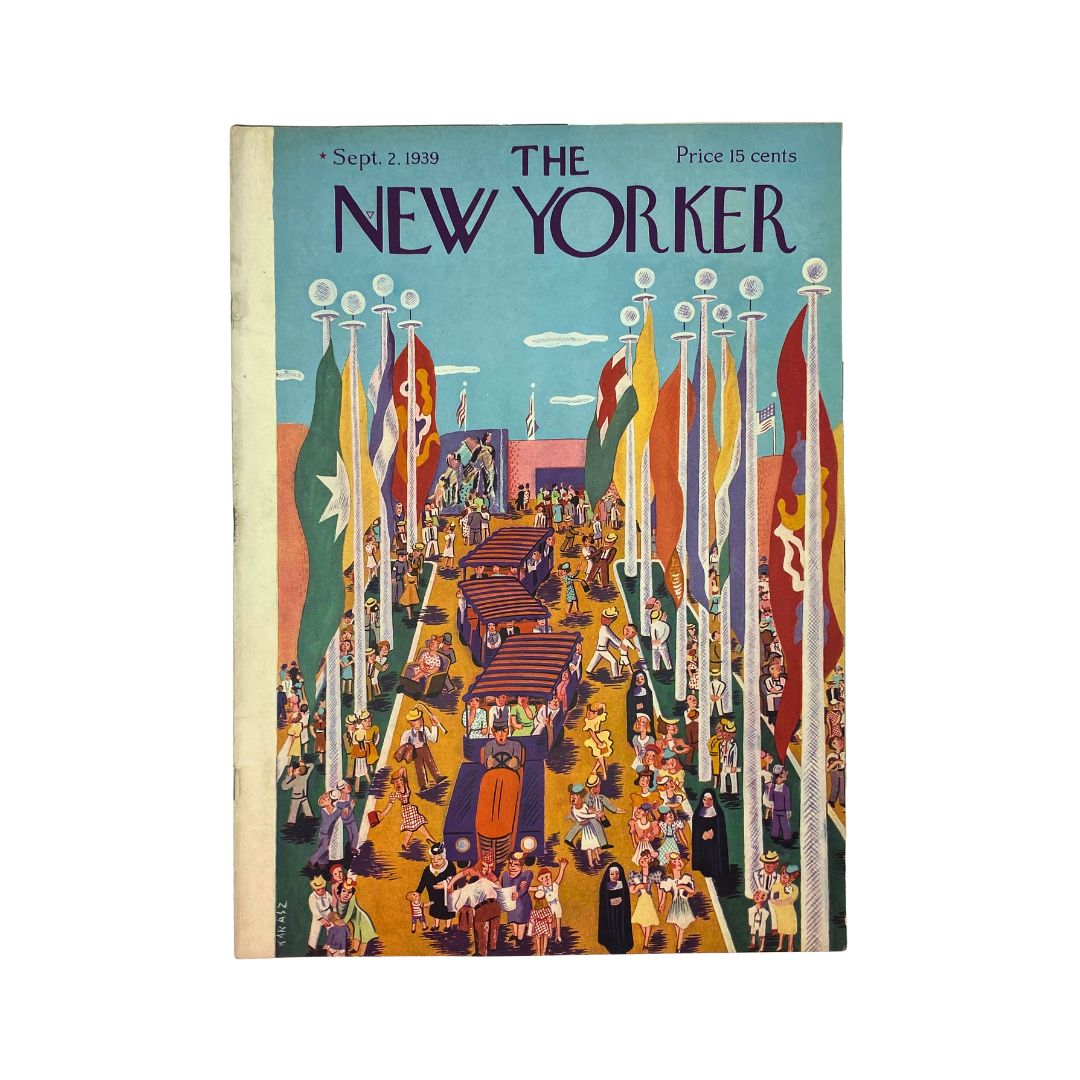
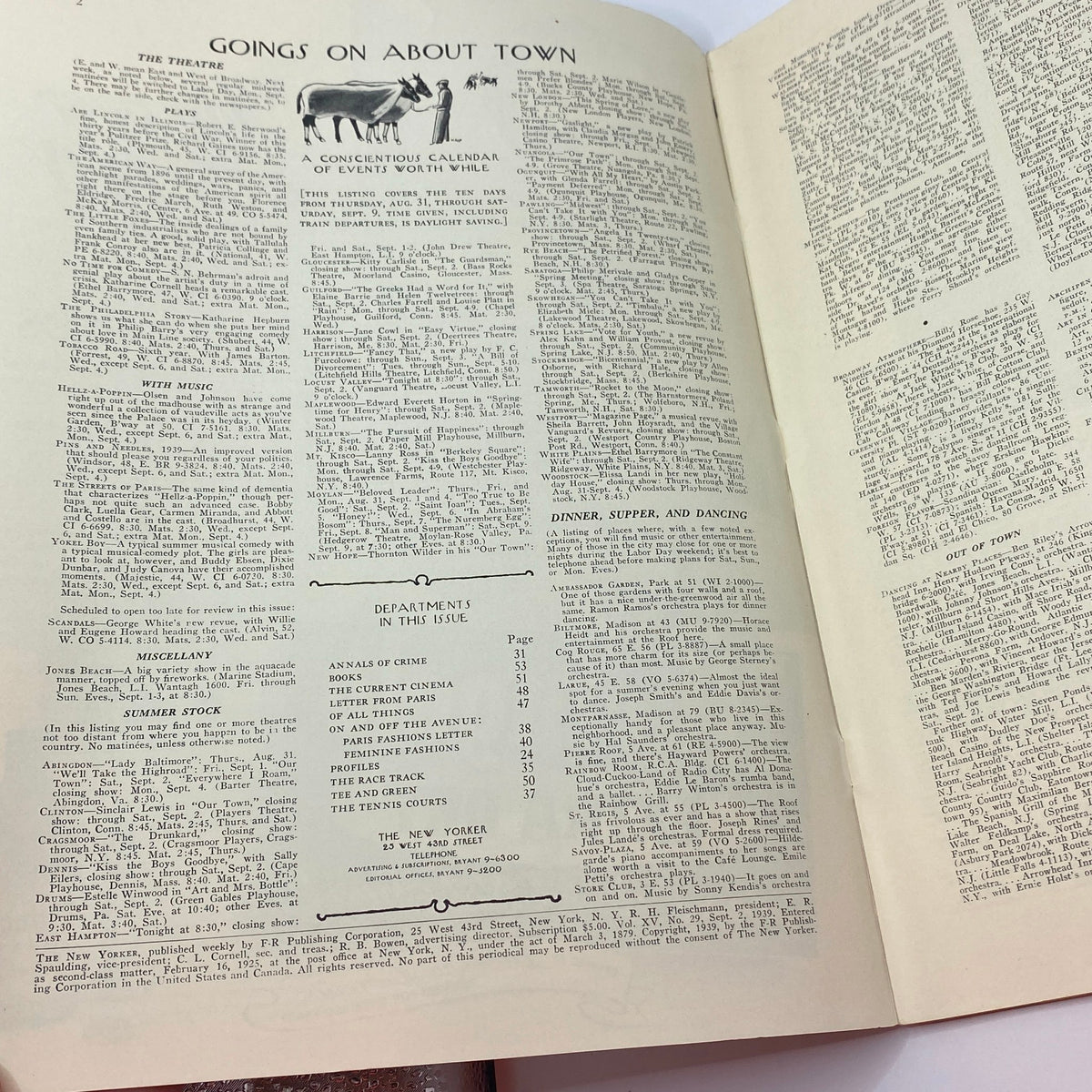
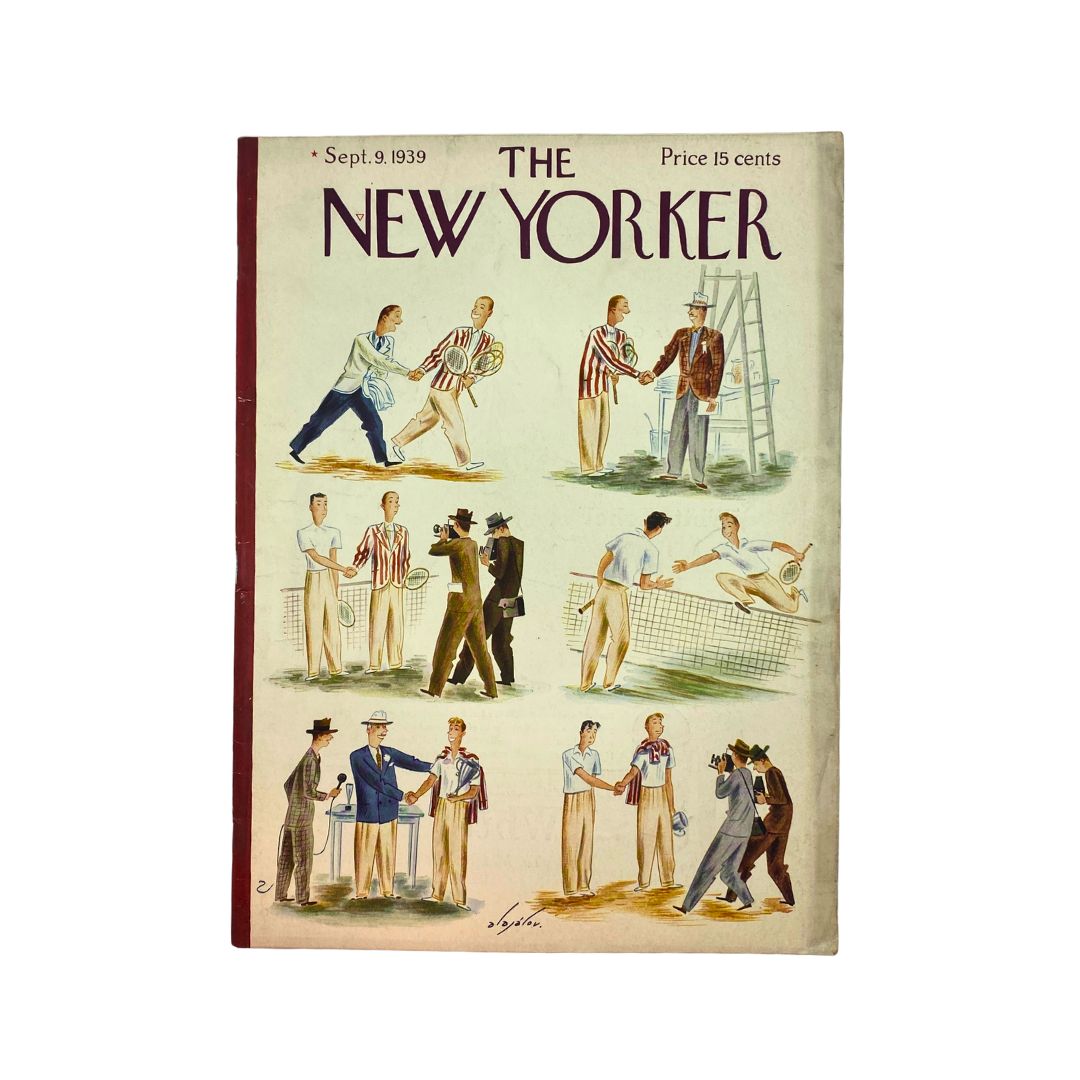
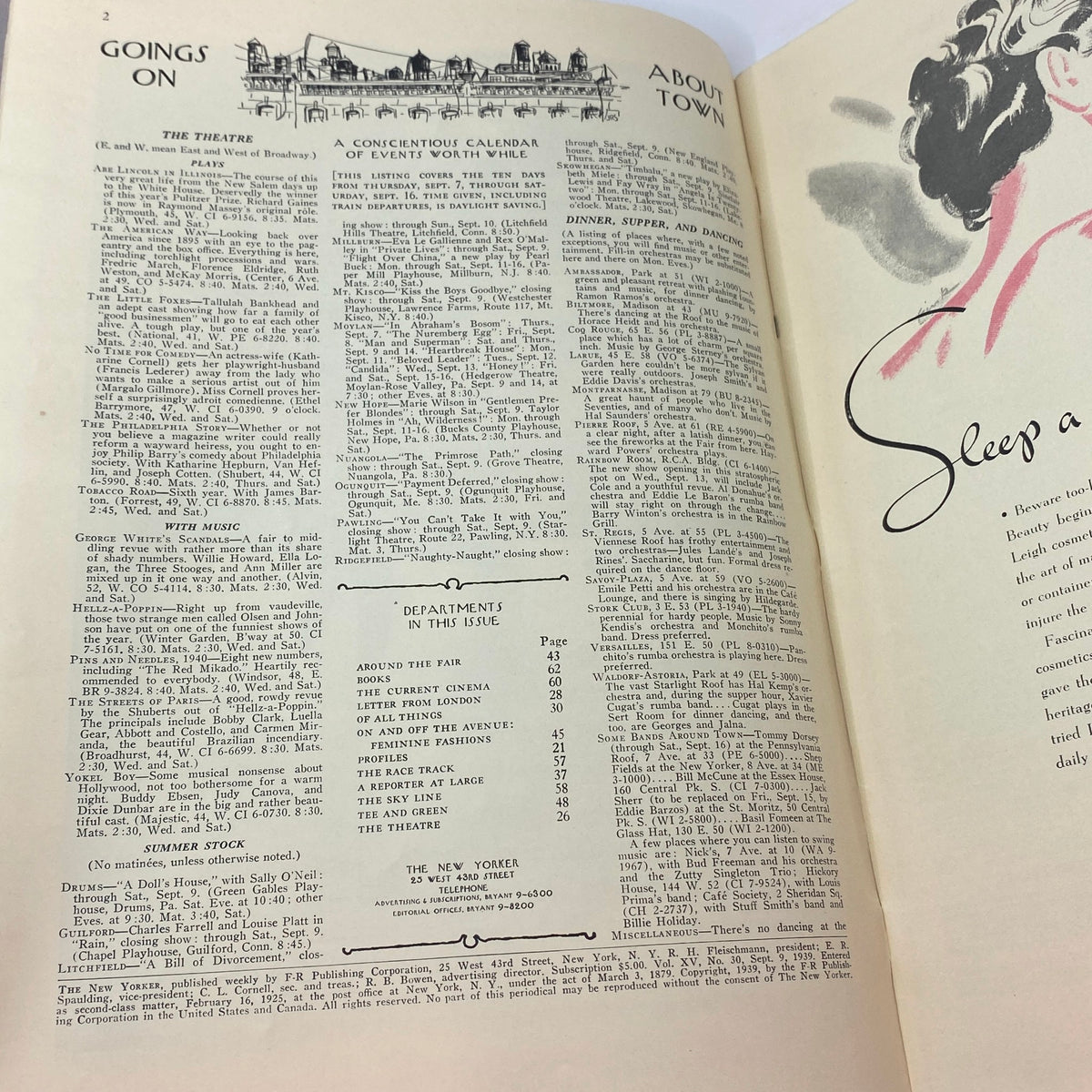
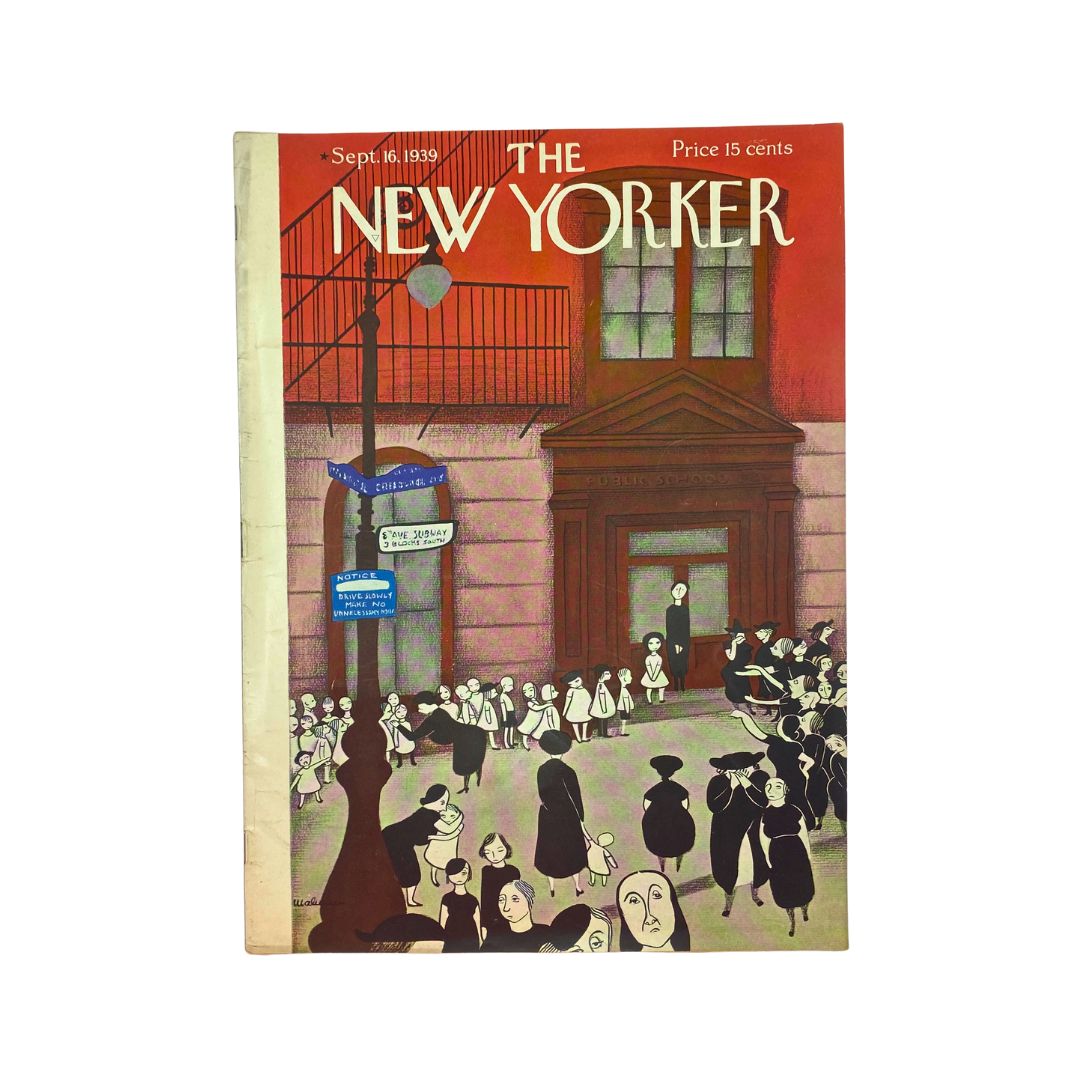
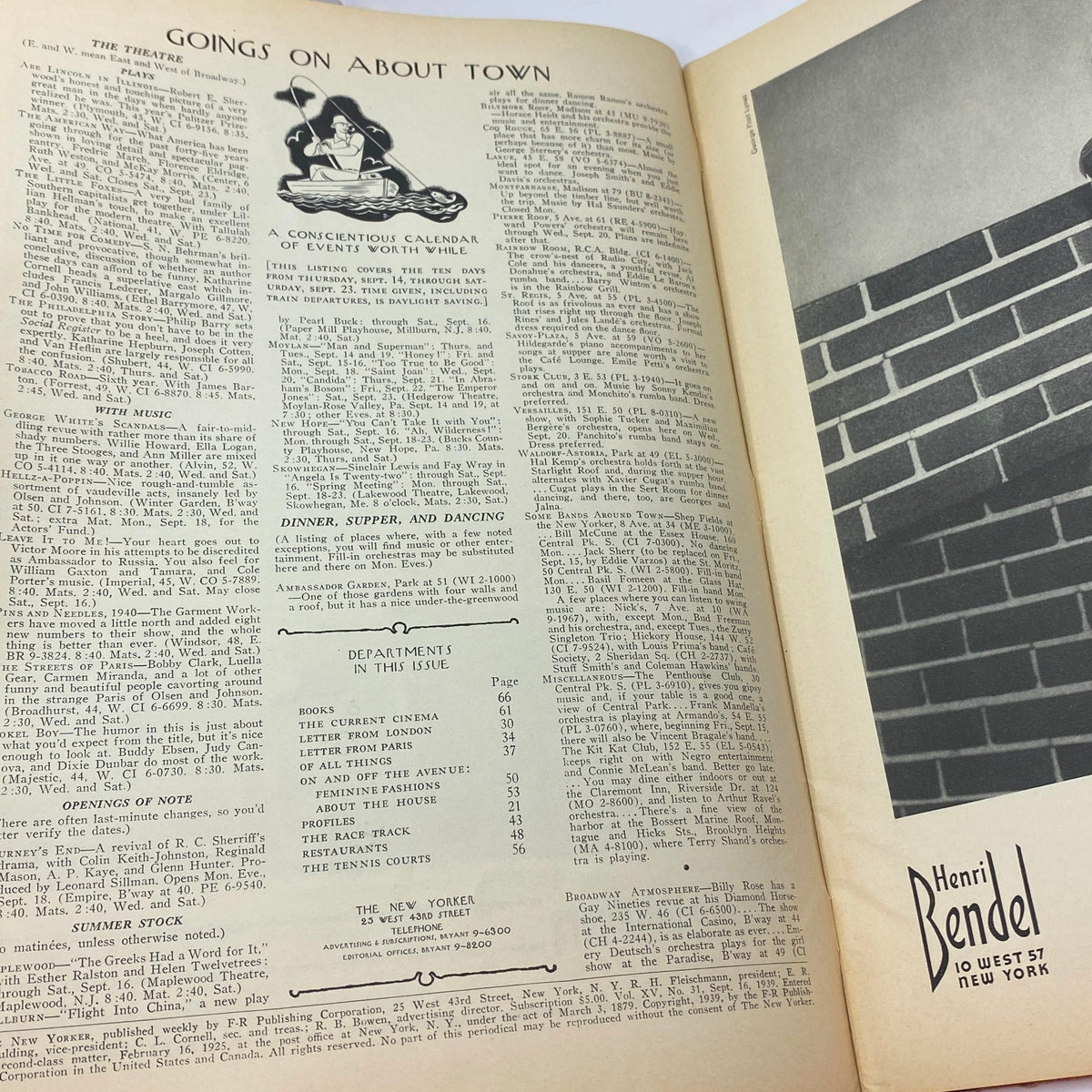
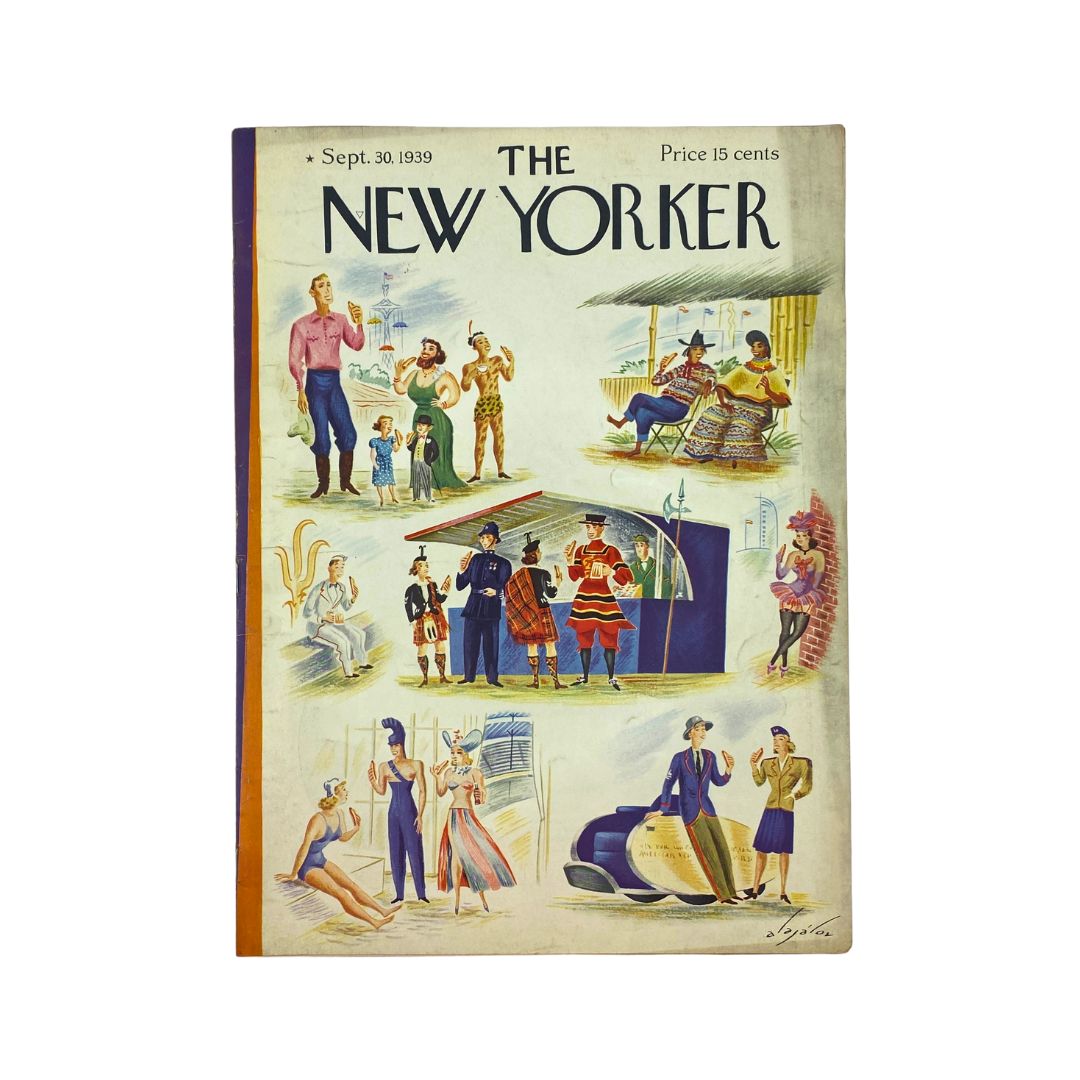
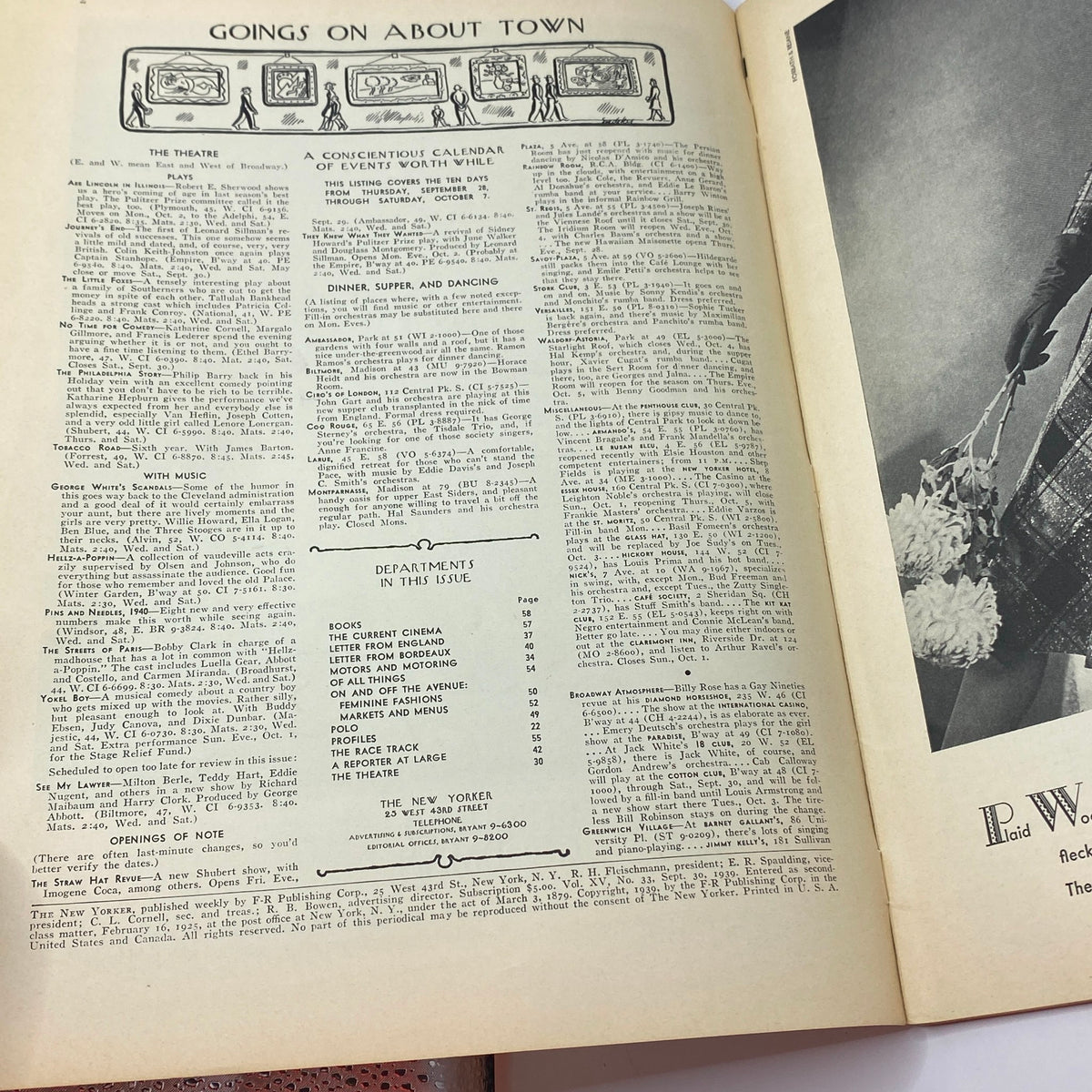
📖 About this Collection
September 1939: The Month the World Went to War
The Historical Context
The world held its breath and then broke open. On September 1, 1939, German forces crossed into Poland at dawn, and within days the diplomatic architecture of two decades—fragile, hopeful, increasingly desperate—collapsed entirely. Britain and France declared war on September 3. Australia, New Zealand, South Africa, and Canada followed. Franklin D. Roosevelt, speaking to a stunned American public on September 5, declared United States neutrality, though few who heard him truly believed the distance would hold. By month's end, Warsaw had fallen after nineteen days of resistance, the Soviet Union had invaded Poland from the east, and a German-Soviet treaty had redrawn the map of Central Europe in secret ink. This was the world your loved one entered—not a world of abstract geopolitics, but one of crackling radio broadcasts, urgent newspaper headlines, and the particular dread of a continent choosing sides.
Life, Culture & the Magazines of September 1939
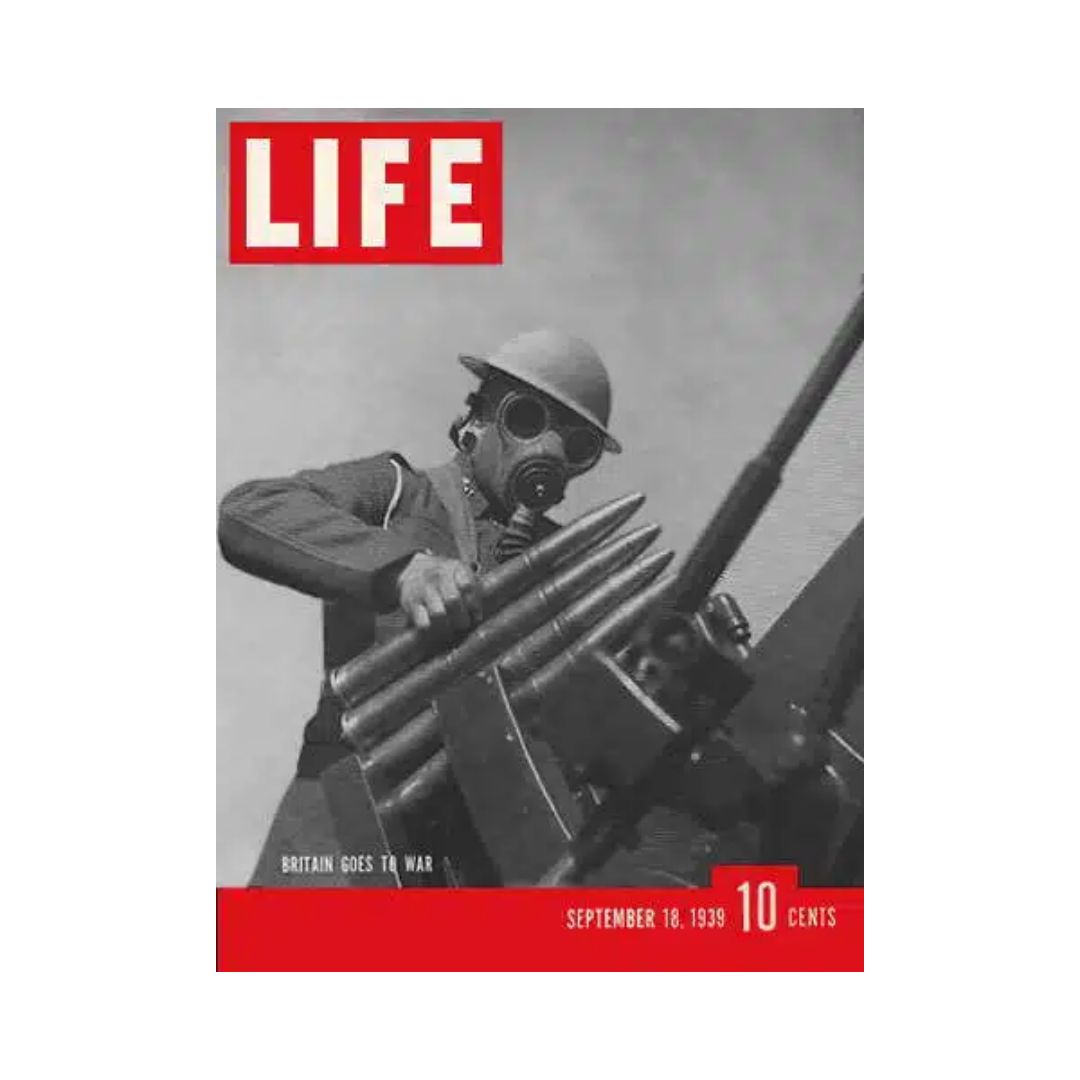
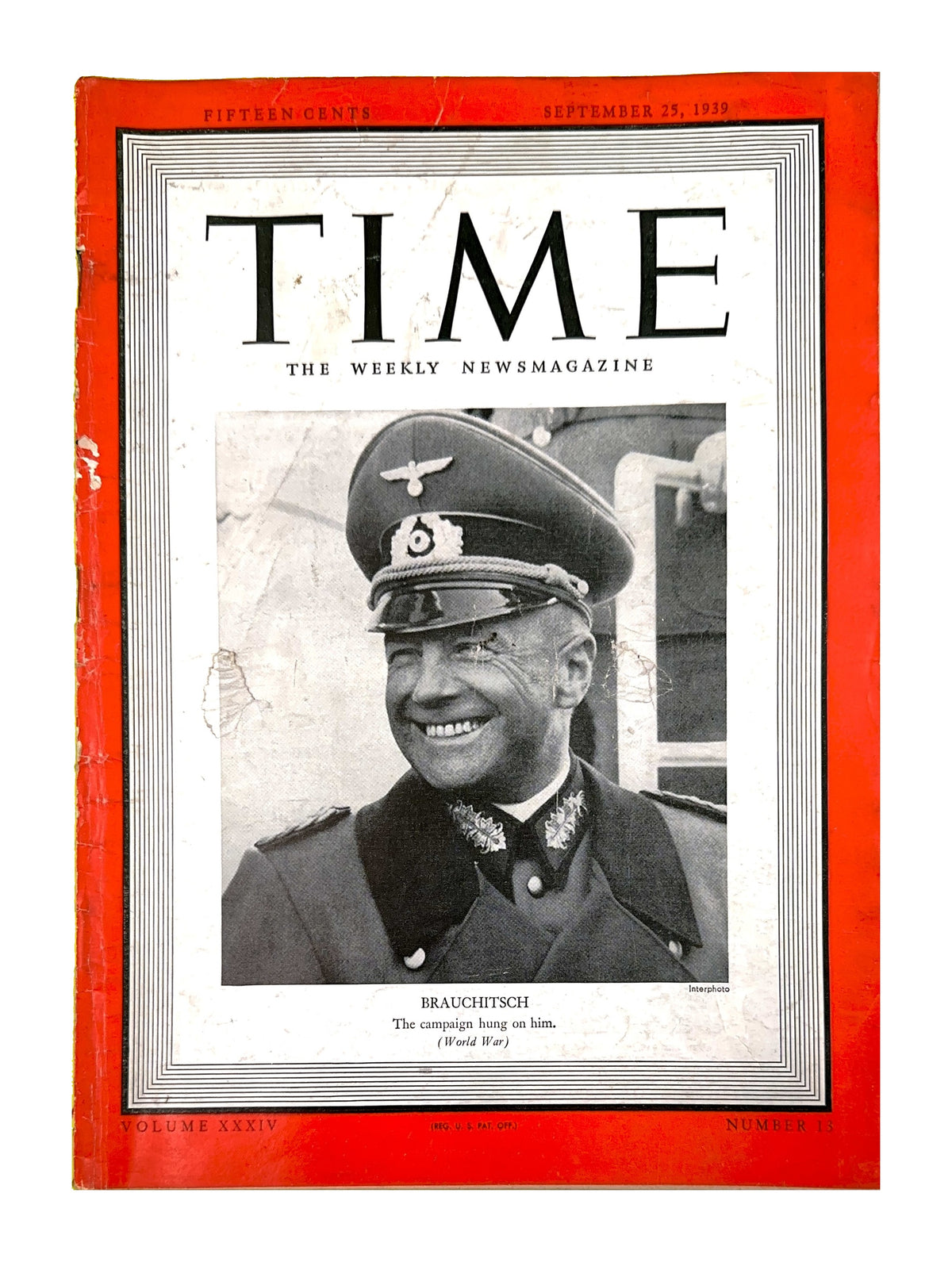
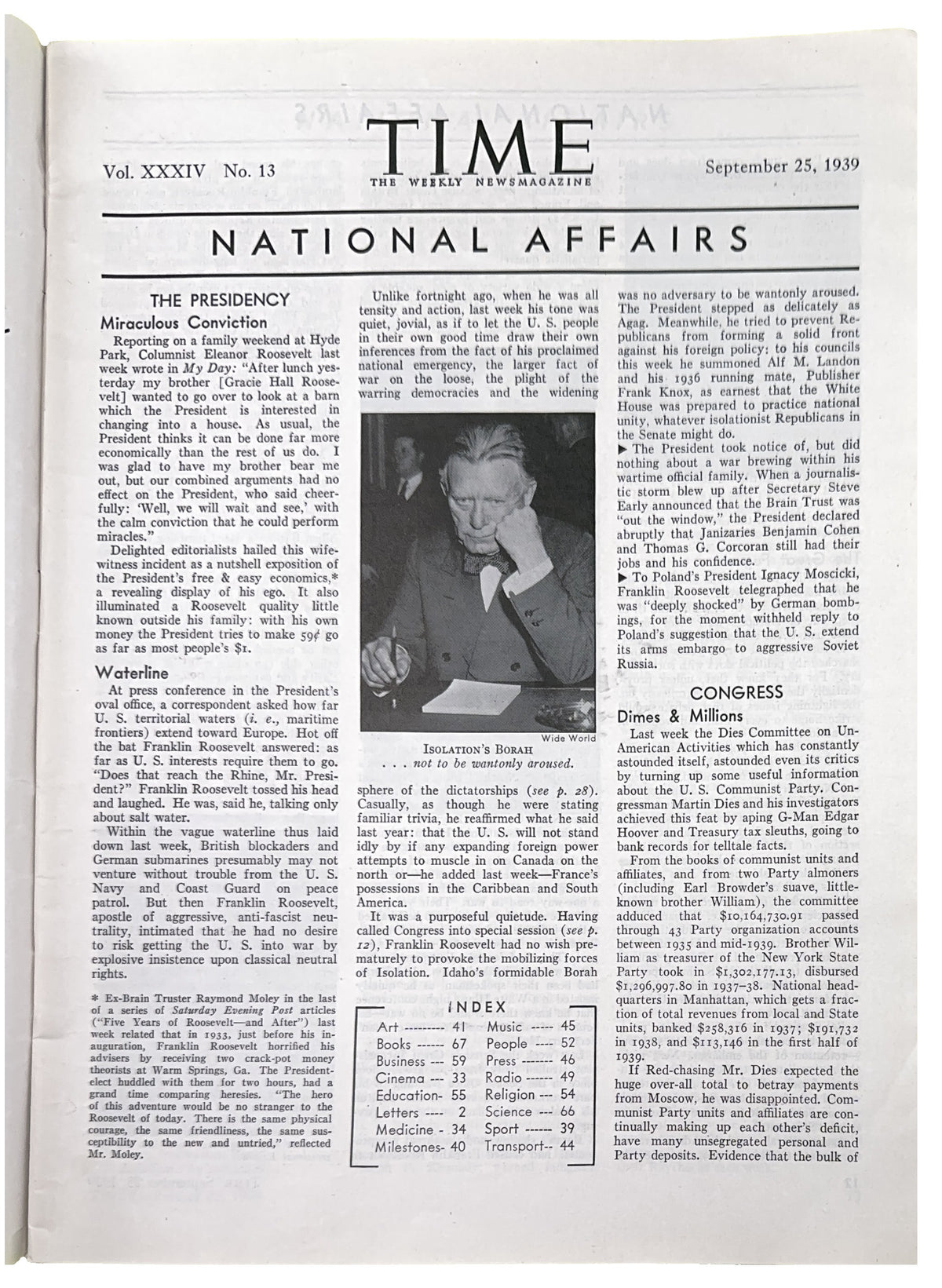
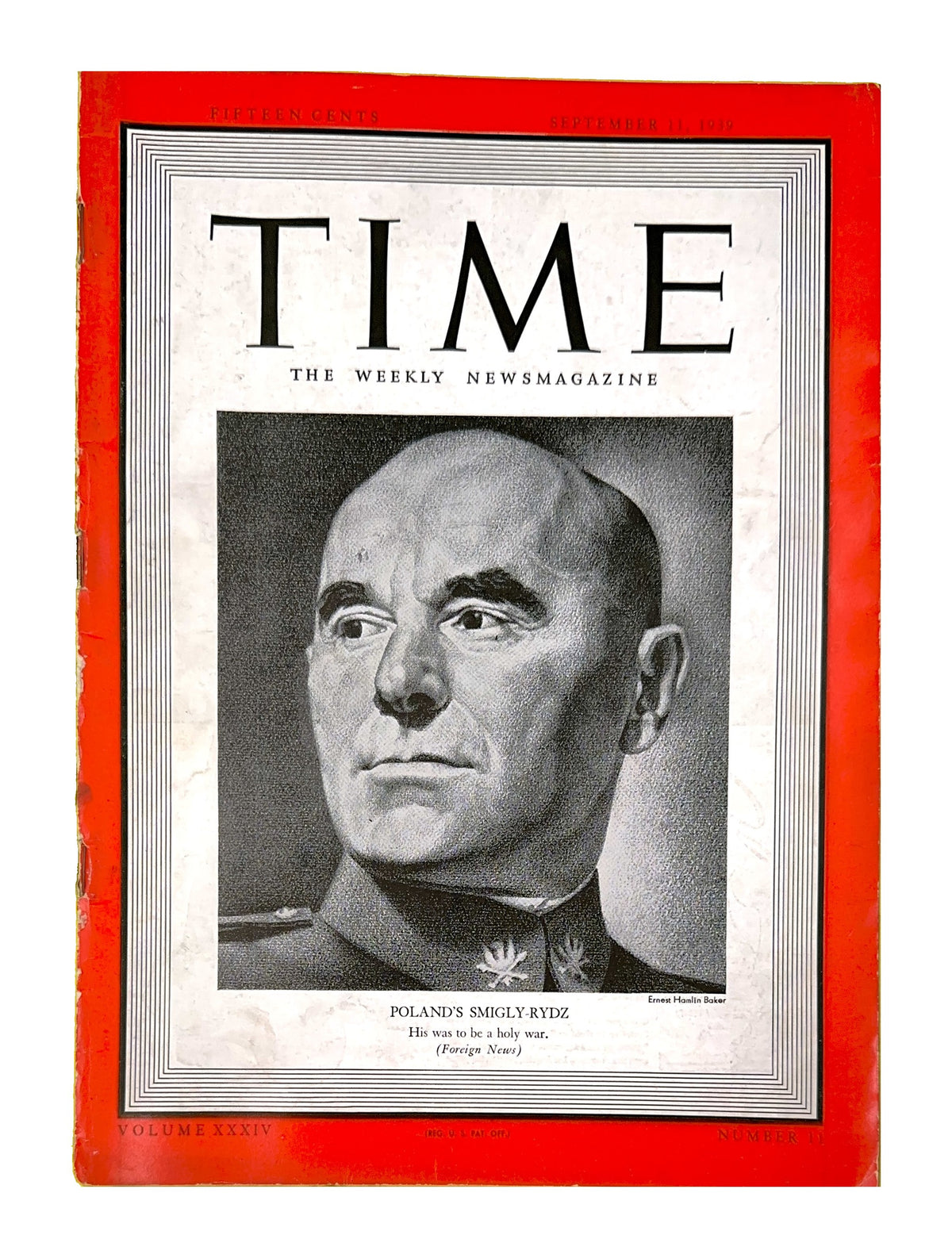
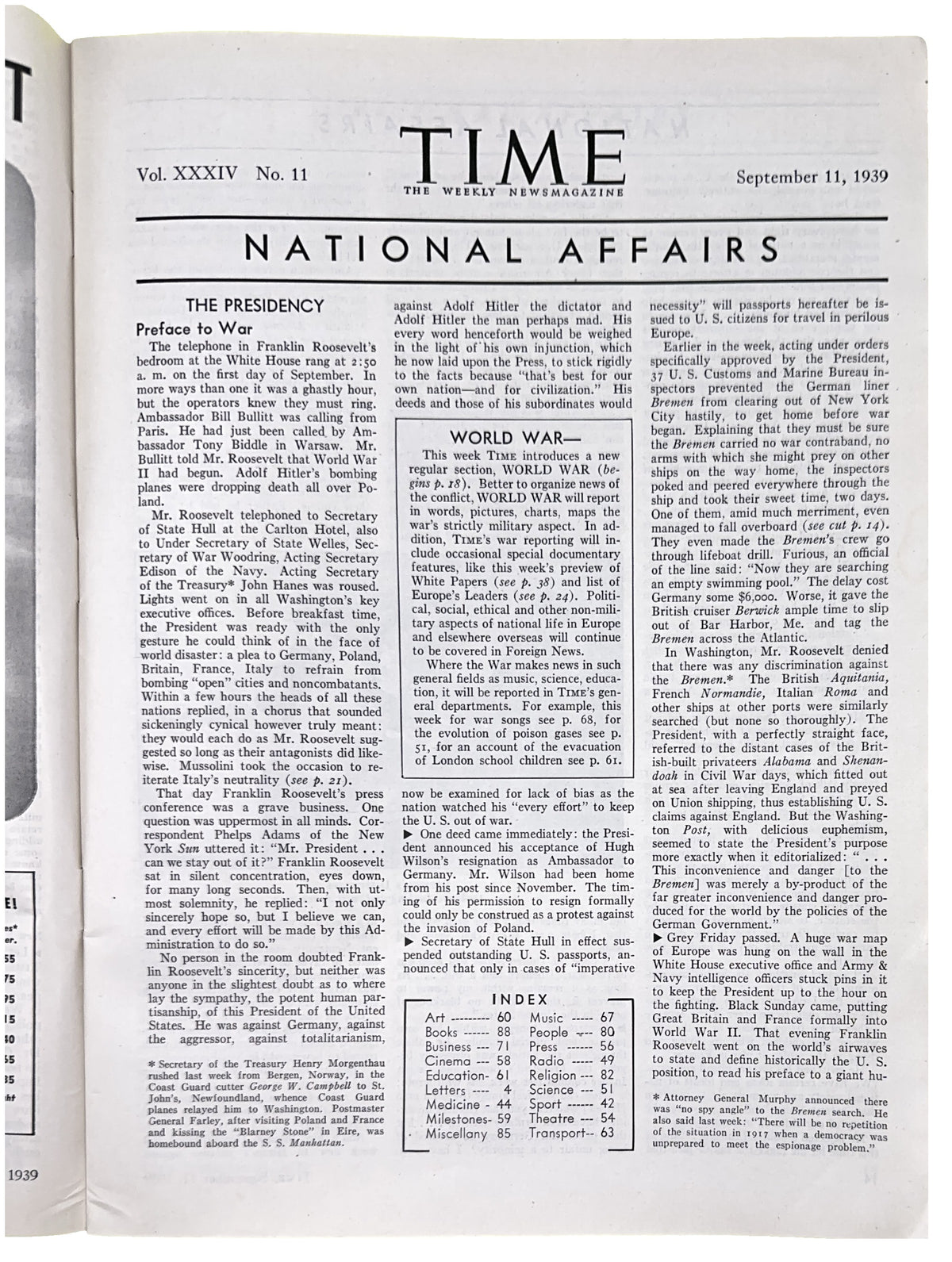
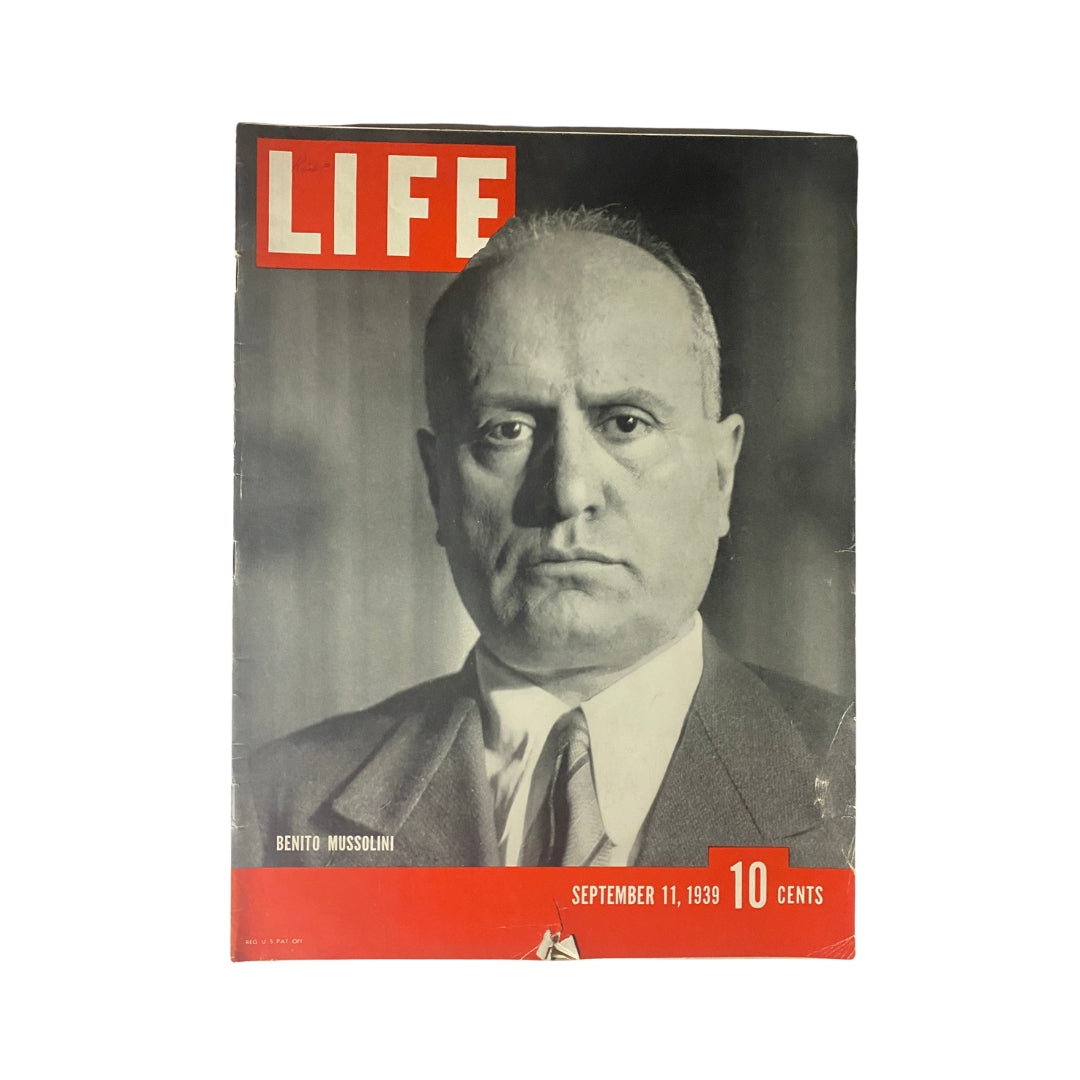
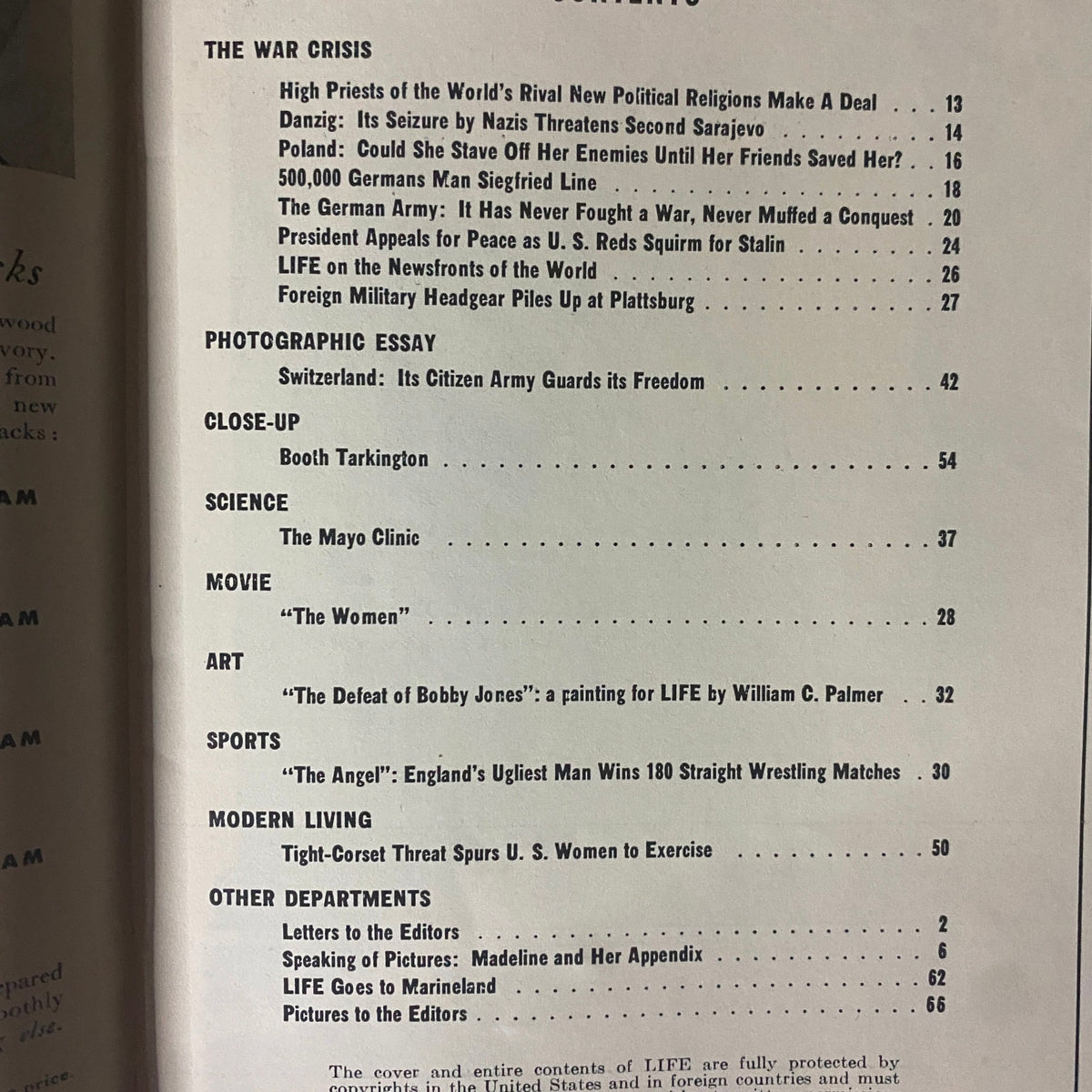
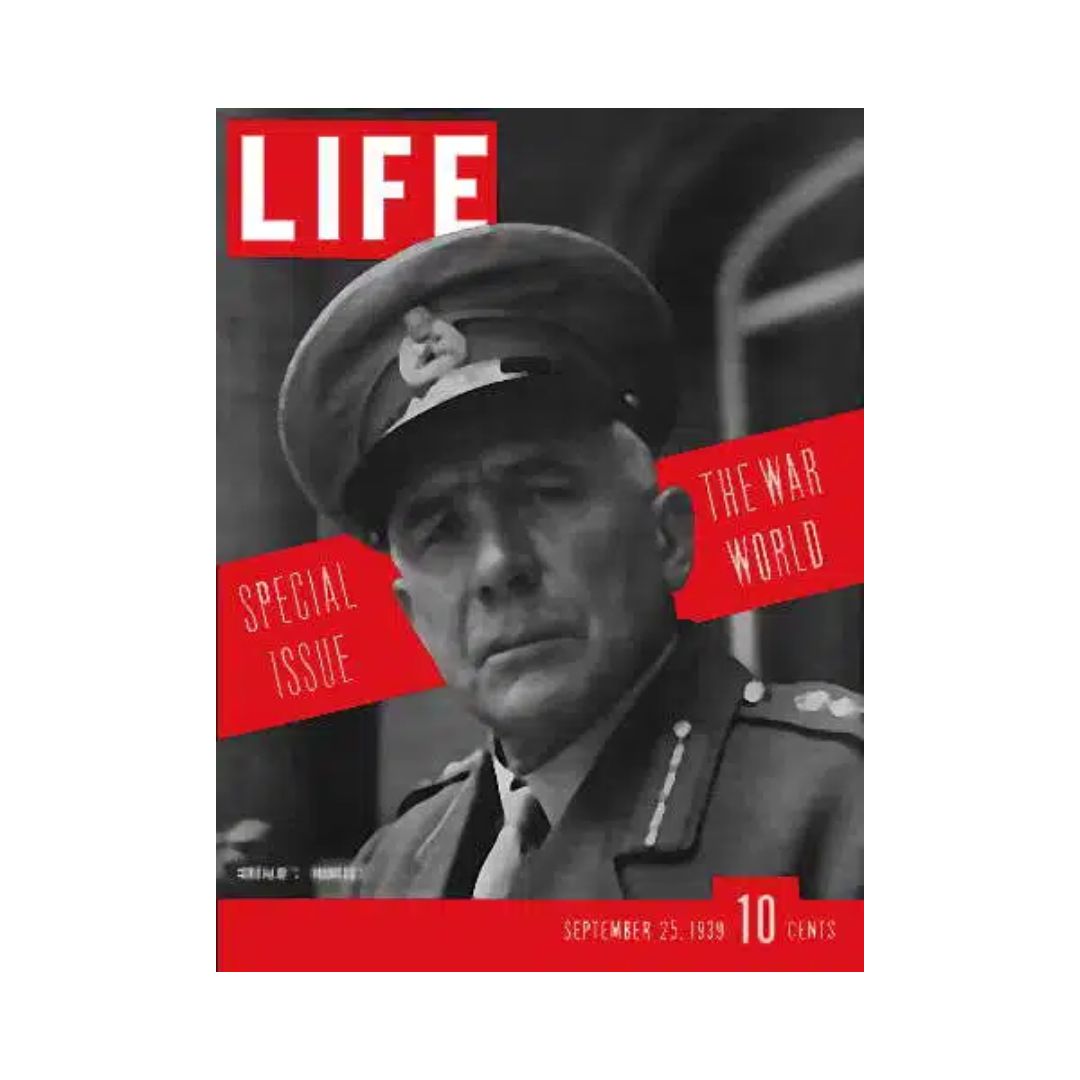
While statesmen signed treaties and generals moved divisions across maps, everyday life in Britain and America carried on with a strange, suspended quality. Time and Life magazines devoted their covers and spreads to the unfolding crisis, their pages dense with photographs of evacuating civilians and mobilizing armies. Newsreels captured what print could not. In sports, 20-year-old Cleveland Indians pitcher Bob Feller became the youngest player to win 20 games in a season—a moment of almost defiant normalcy against the backdrop of war. Joe Louis defended his heavyweight title with a bruising eleventh-round knockout of Bob Pastor in Detroit. And in a footnote that would grow into legend, Igor Sikorsky's VS-300 made its first tethered flight in Connecticut on September 14—the world's first practical helicopter, lifting off just as civilization felt it was falling. Original magazines from September 1939 capture this collision: the sports pages running alongside wire photographs from Warsaw, the advertisements for automobiles and refrigerators sharing space with maps of European borders.
Curator's Checklist: What to Look For in September 1939 Issues
-
Germany Invades Poland: Rare magazines from the first week of September feature front-page photography and banner headlines announcing the invasion, often illustrated with maps of the Polish corridor and photographs of German armor—the defining visual record of history's most consequential month.
-
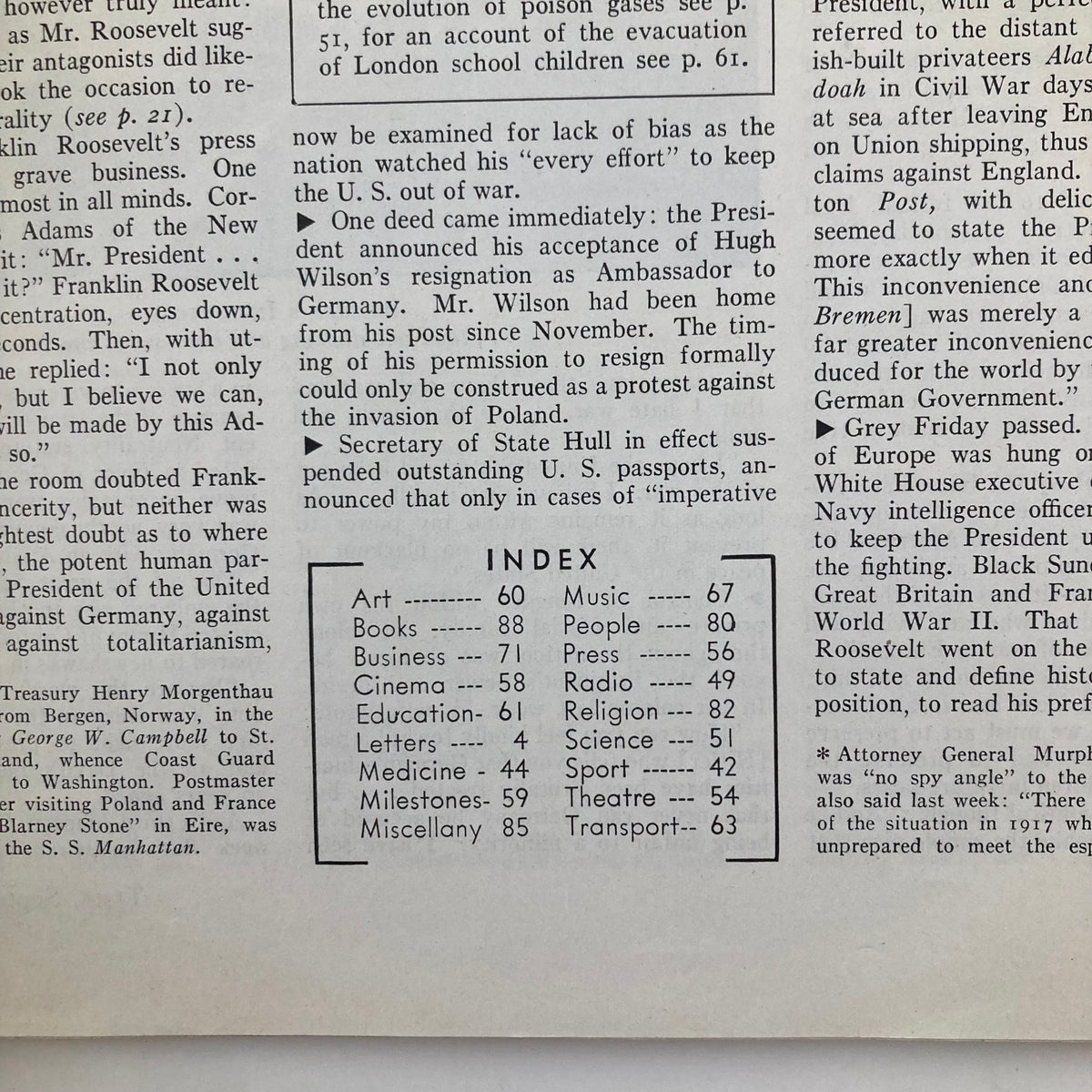
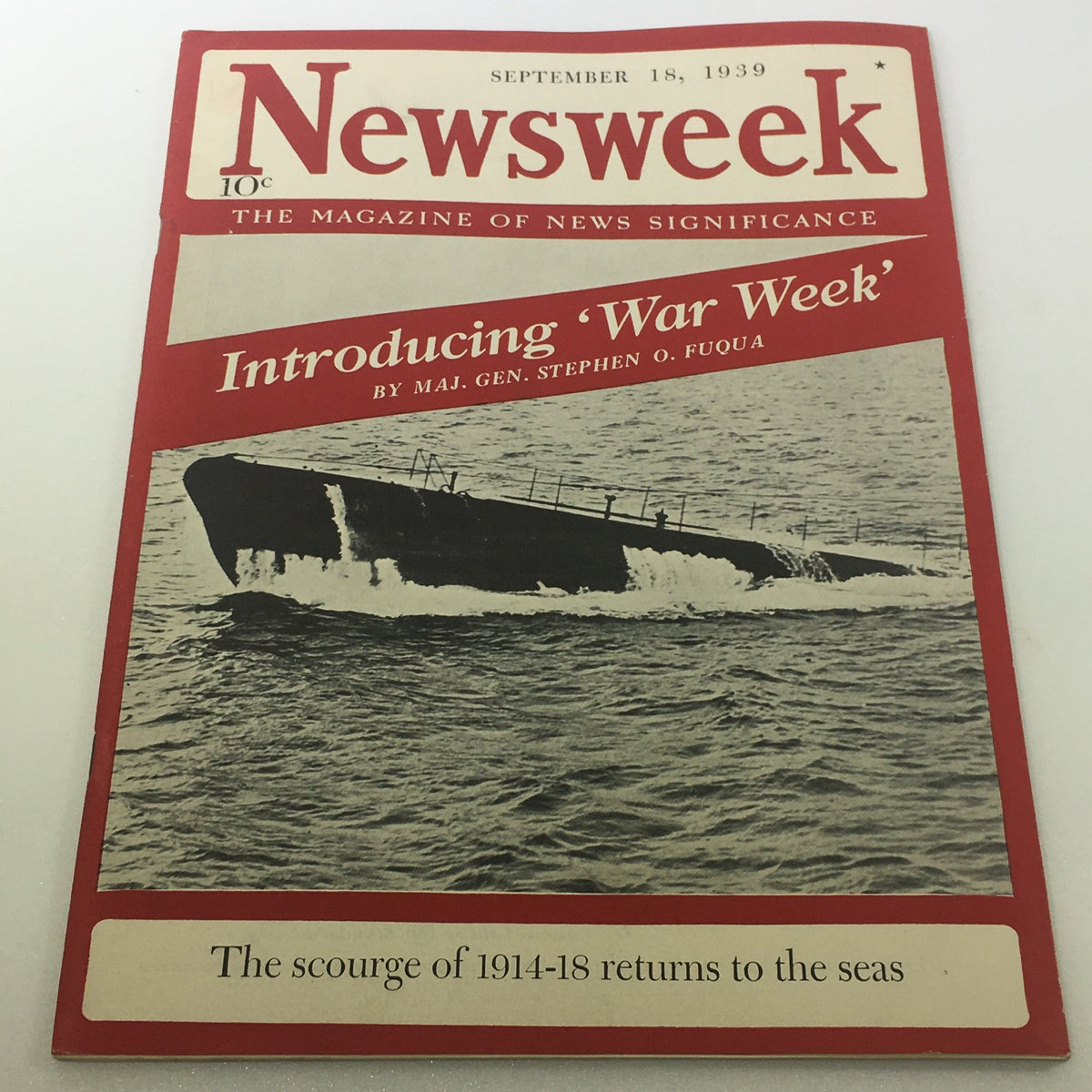
Britain and France Declare War: Time, Life, and Newsweek issues from the week of September 3 carry extensive coverage of the declarations, frequently featuring photographs of Chamberlain at Downing Street and Churchill—newly appointed First Lord of the Admiralty—alongside editorials weighing America's response.
-
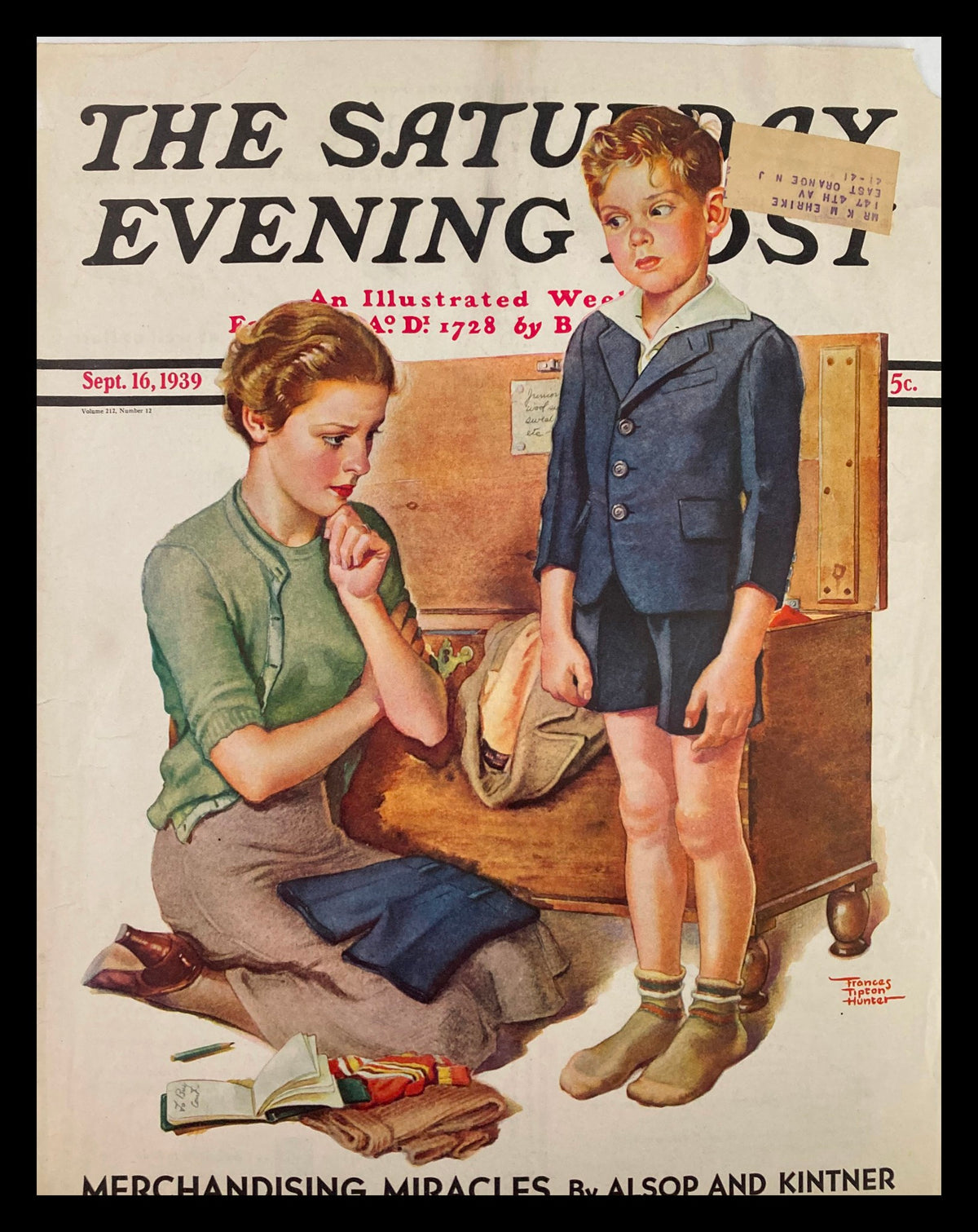
FDR's Neutrality Address: American vintage magazines from mid-September chronicle Roosevelt's careful navigation of public opinion, with Look and the Saturday Evening Post running opinion pieces and reader surveys on whether the United States could—or should—remain out of the war.
-
Bob Feller and the Sports Pages: Authentic issues of Sports Illustrated's predecessor publications and general-interest weeklies from late September document Feller's milestone season, showcasing the way American sports journalism served as deliberate counterpoint to the war dispatches filling every other column.
-
Igor Sikorsky's Helicopter: Popular Mechanics and science-forward publications from autumn 1939 capture the VS-300's historic tethered flight, often with technical diagrams and photographs—a genuine time capsule of a world simultaneously inventing its future and destroying its present.
The Perfect Gift
For someone born in September 1939, an original magazine from this world-changing month isn't just a collectible—it's an authenticated portal to the precise days their life began, preserved in genuine headlines, original advertisements, and the unretouched photography of a civilization on the edge.