📖 About this Collection
September 1940: The Month Britain Refused to Break
The Historical Context
Europe was burning. Through the smoke-filled skies above London, something extraordinary was happening in September 1940—a small island nation was holding the line against the most powerful military machine the world had ever seen. The German Luftwaffe had launched its Blitz on September 7th, raining bombs on London for 57 consecutive nights. Buckingham Palace itself was struck multiple times. Yet in those ruins, a defiant spirit crystallized. Winston Churchill stood in RAF Fighter Command's operations room on September 15th—Battle of Britain Day—watching as the Royal Air Force repulsed the Luftwaffe's most ferocious assault, shooting down over fifty German aircraft in a single day. Hitler, recognizing the invasion he had ordered would be catastrophic, indefinitely postponed Operation Sealion on September 17th. Meanwhile, the stakes widened dramatically: on September 27th, Nazi Germany, Fascist Italy, and Imperial Japan formalized their ten-year alliance, giving the world a name for the gathering darkness. This was the world your loved one entered.
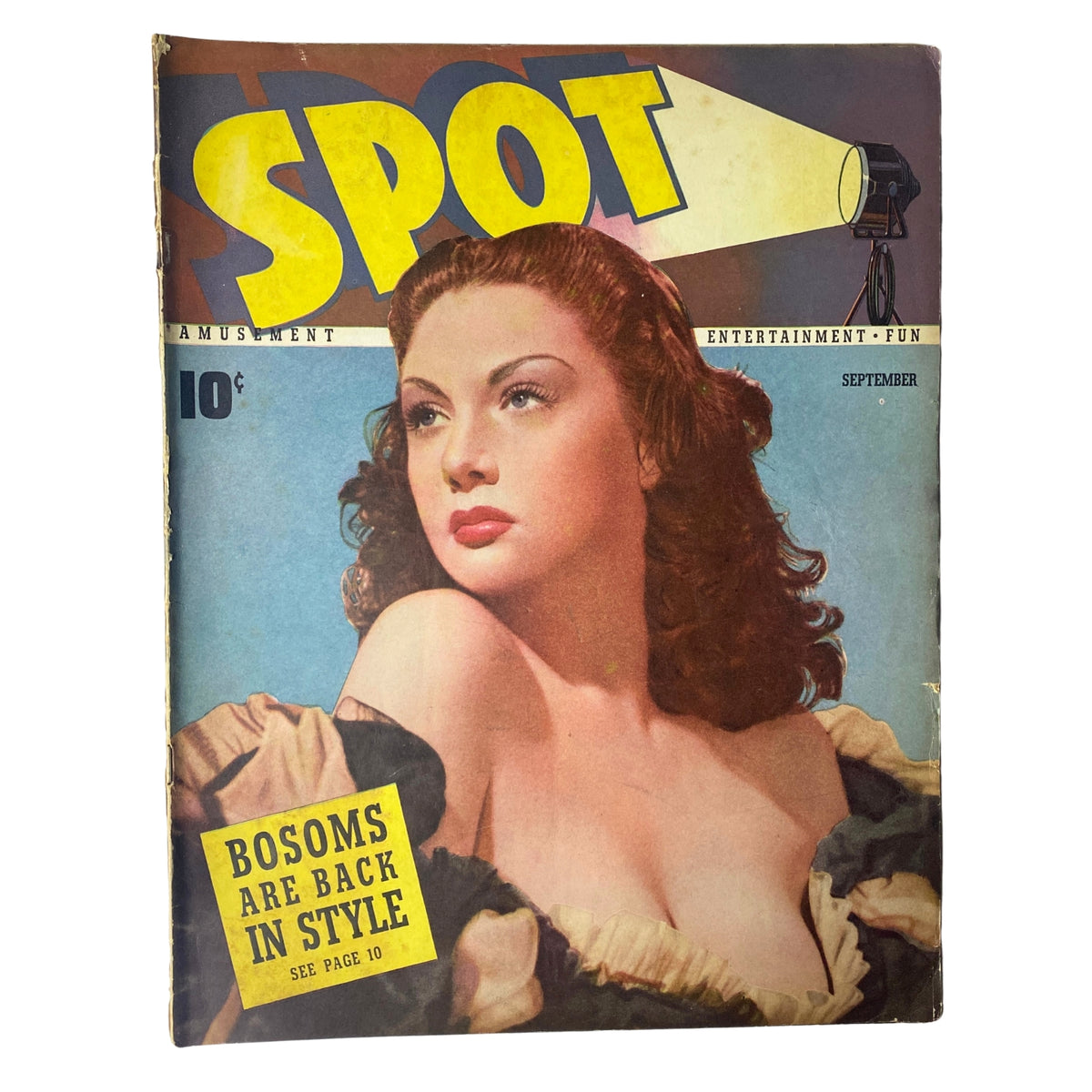
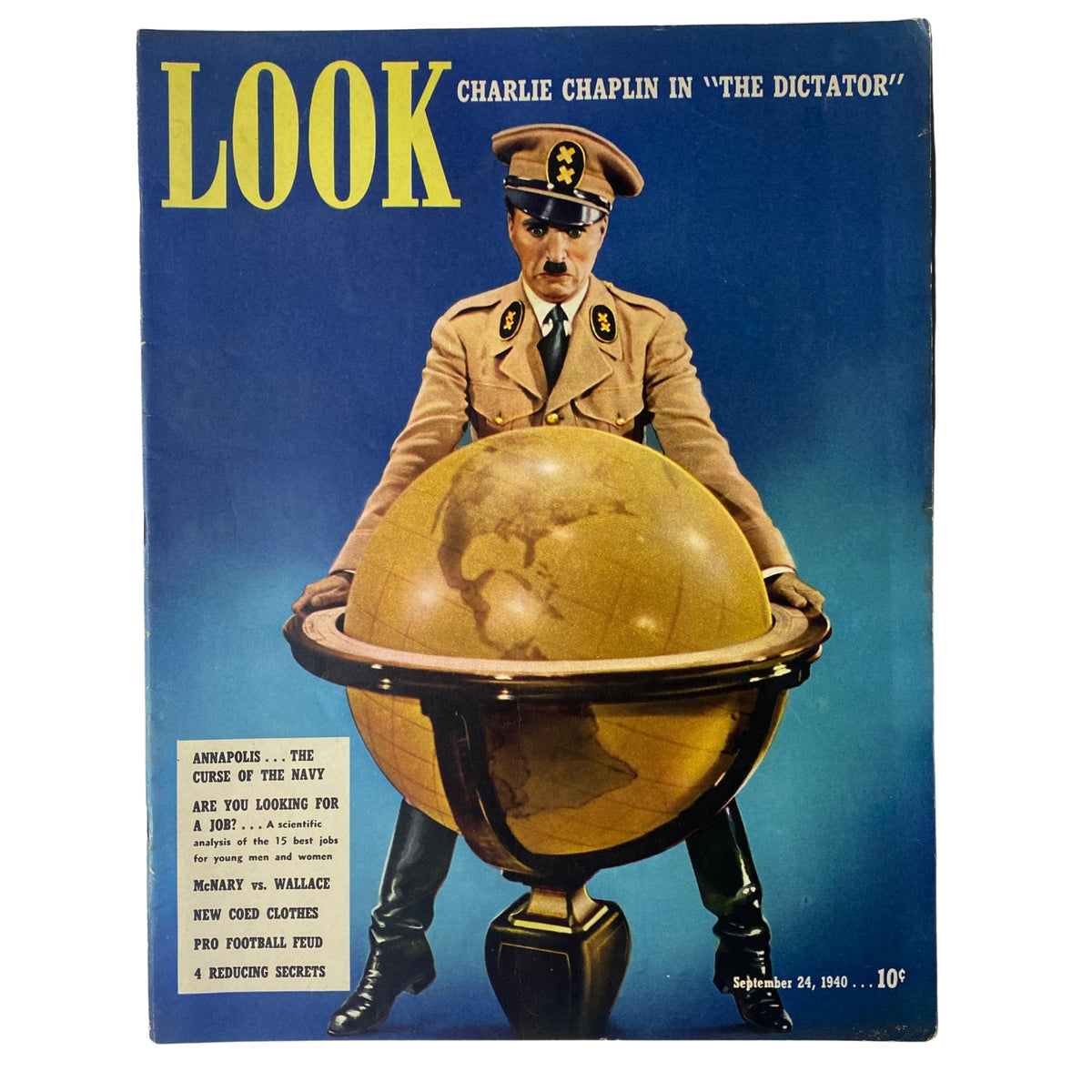
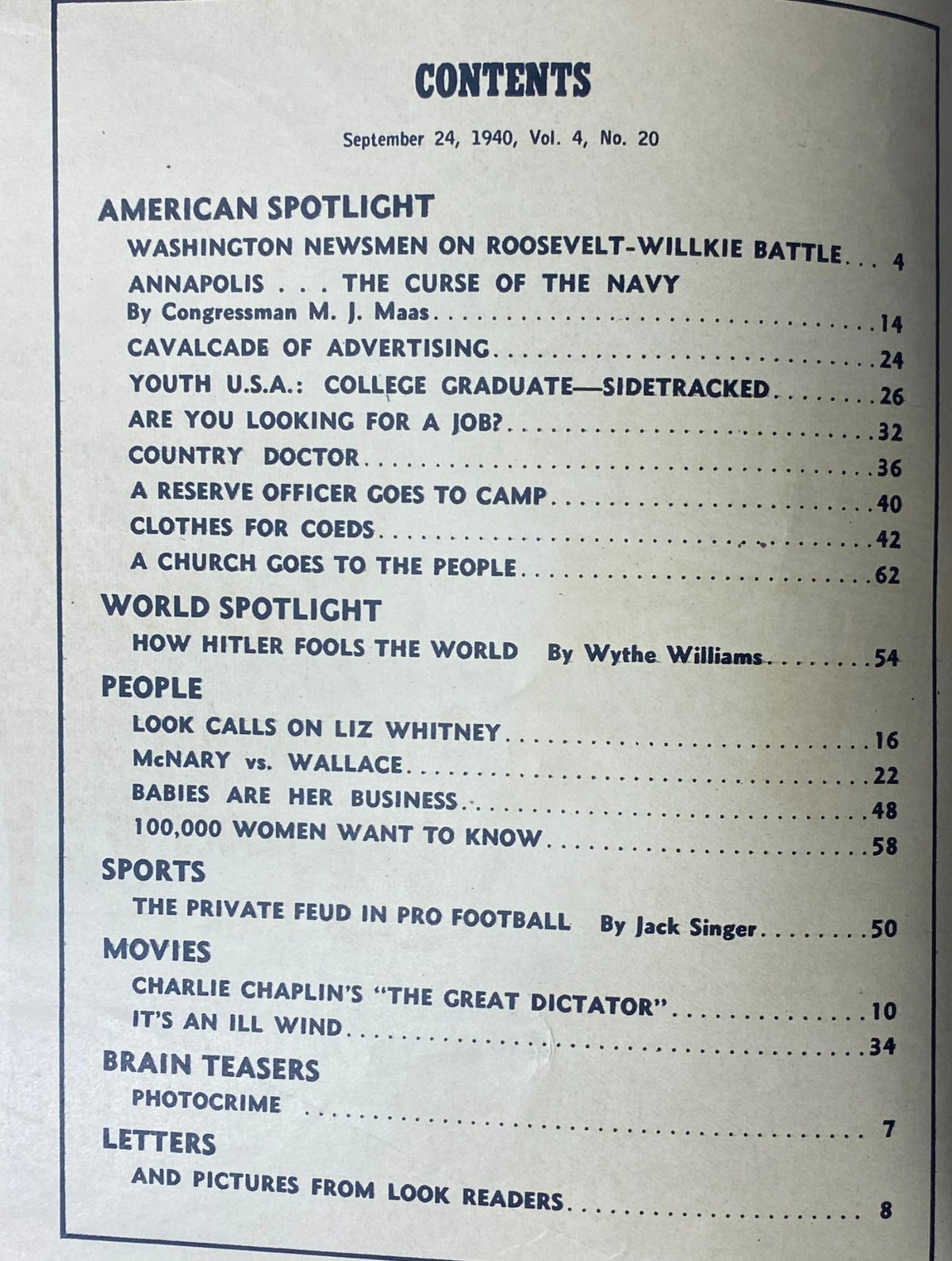
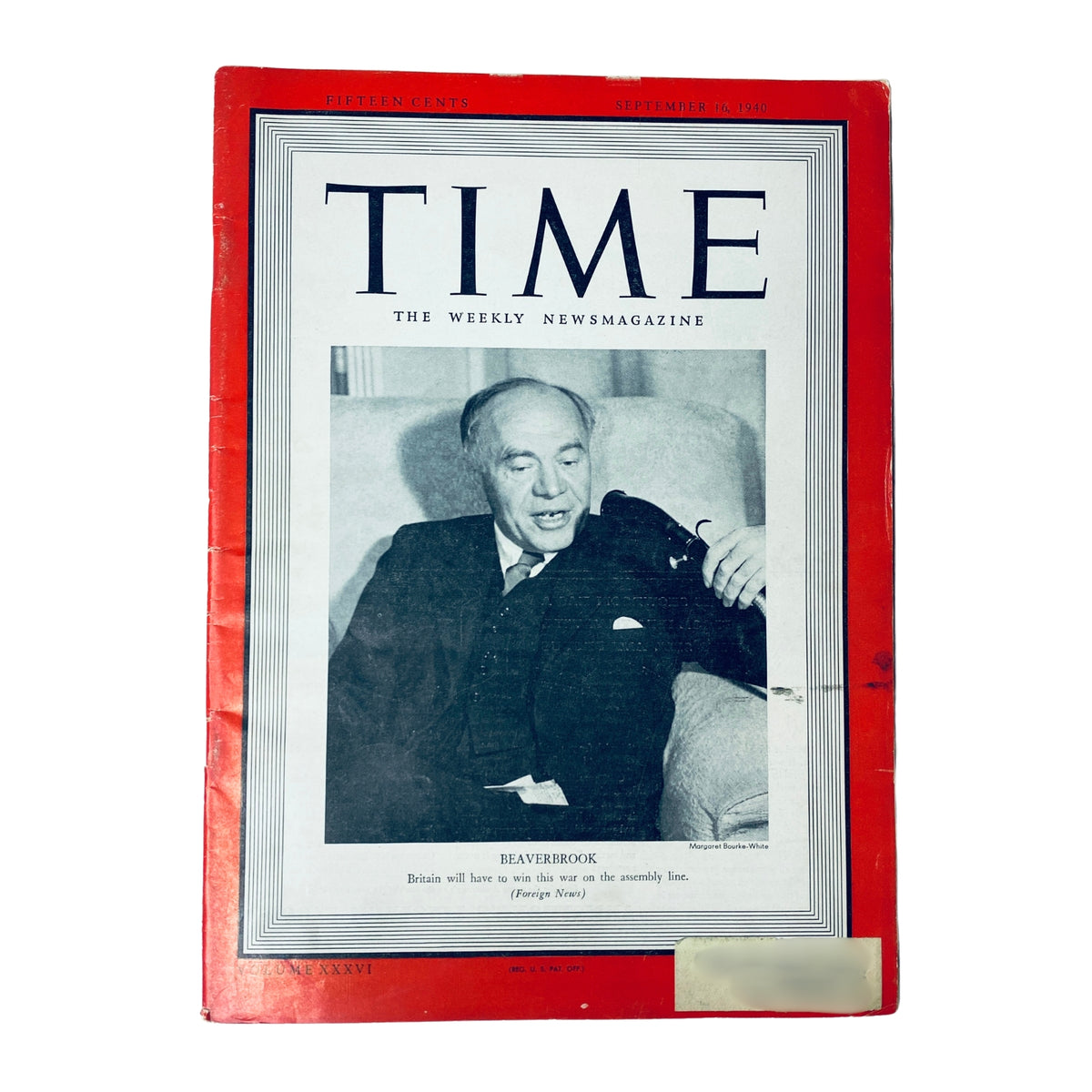
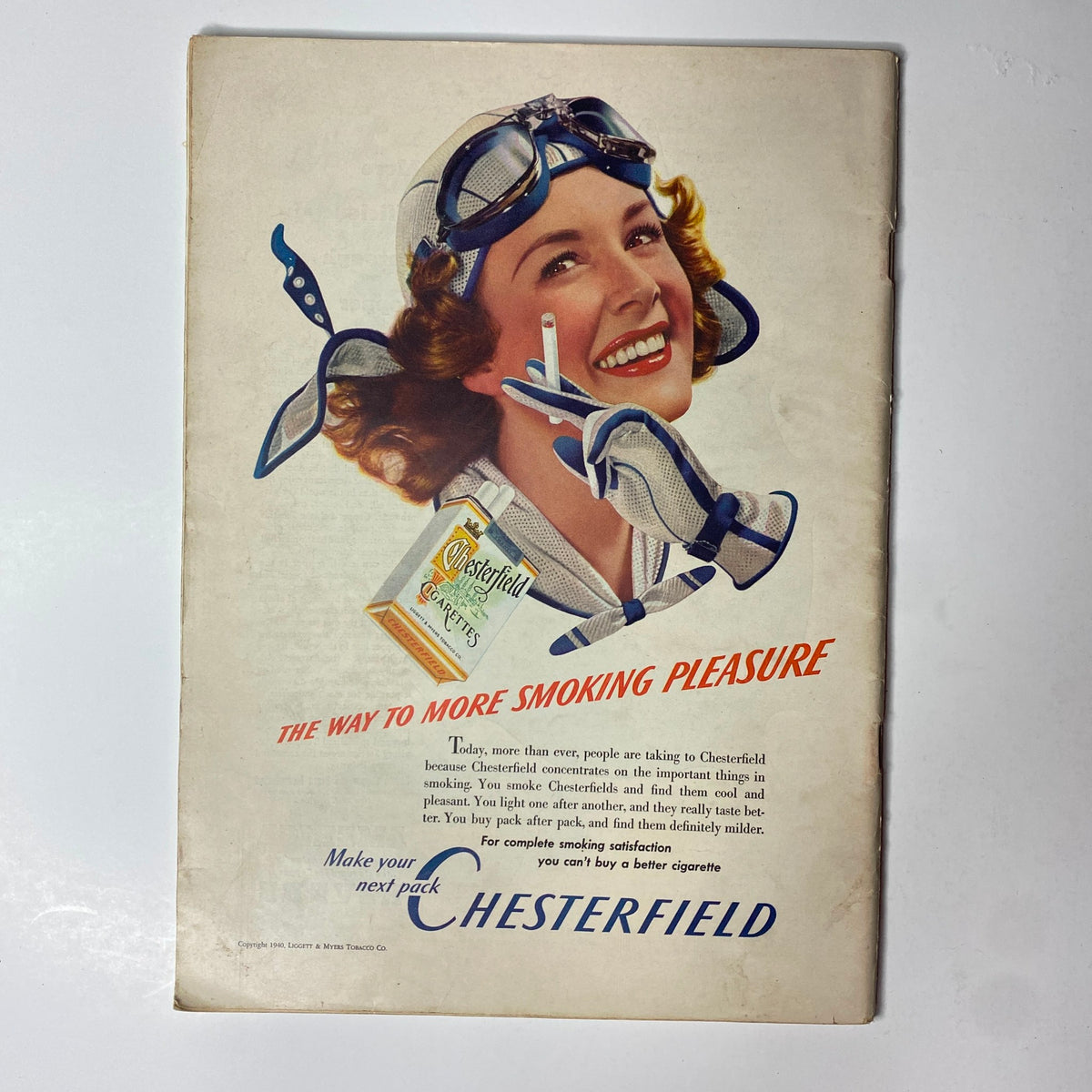
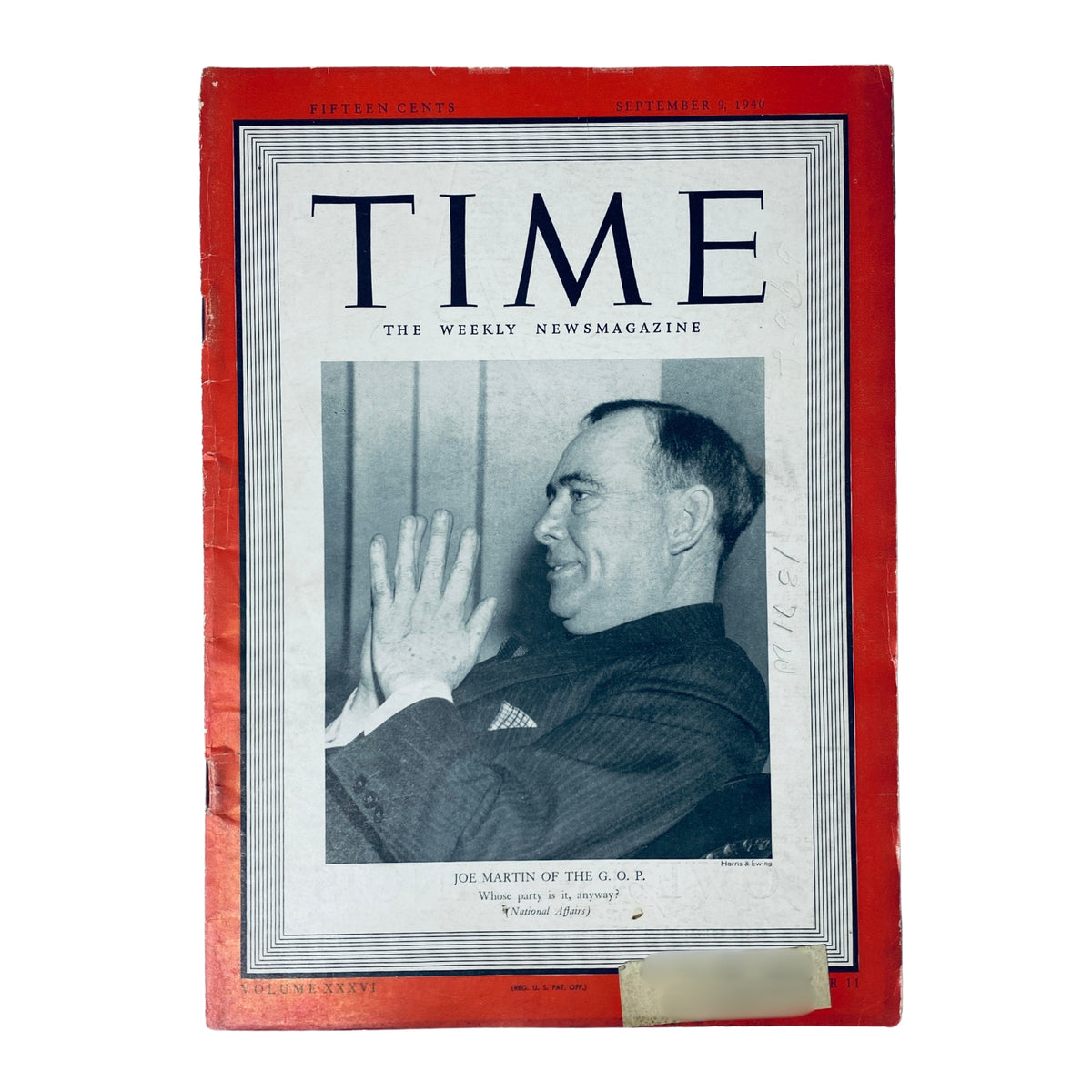
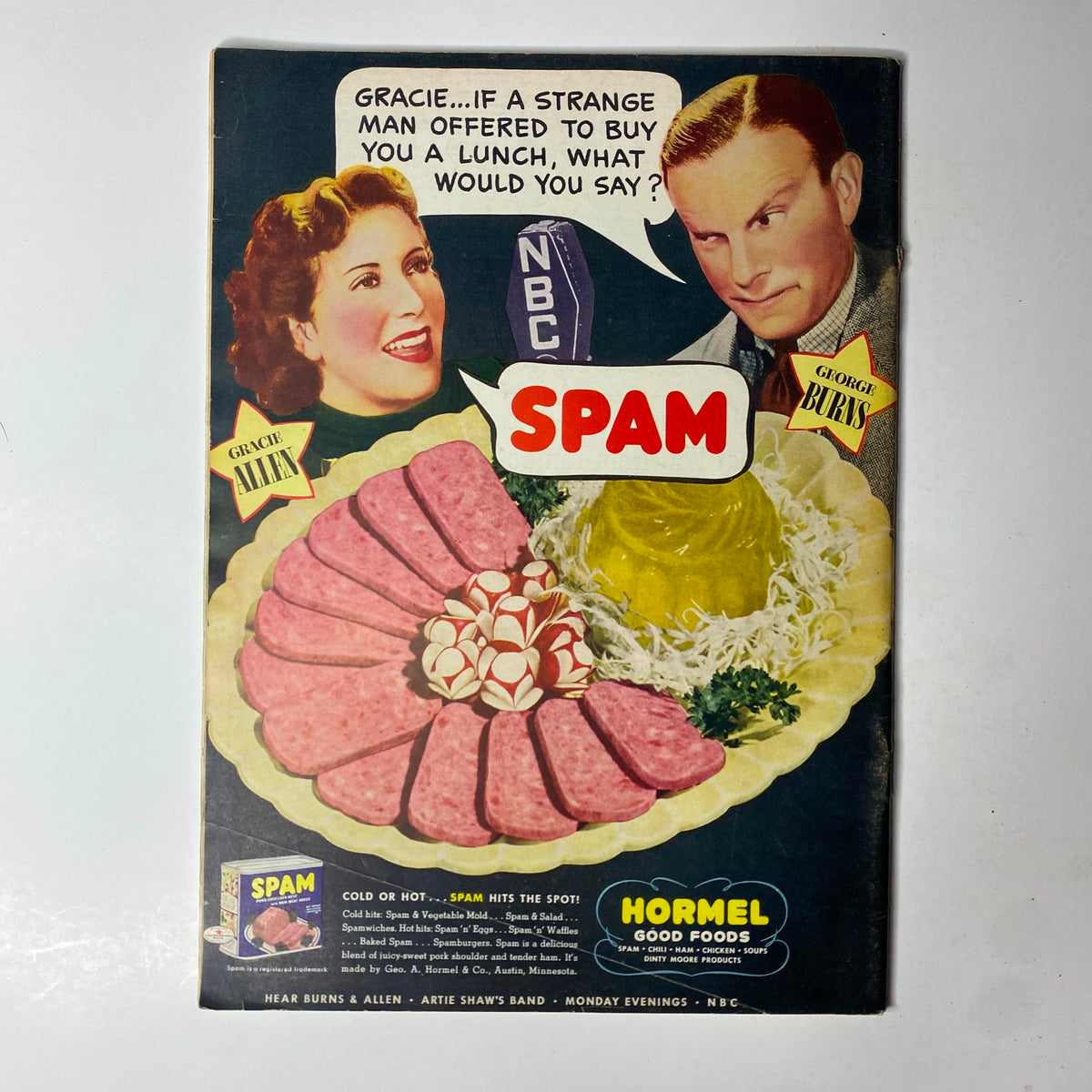
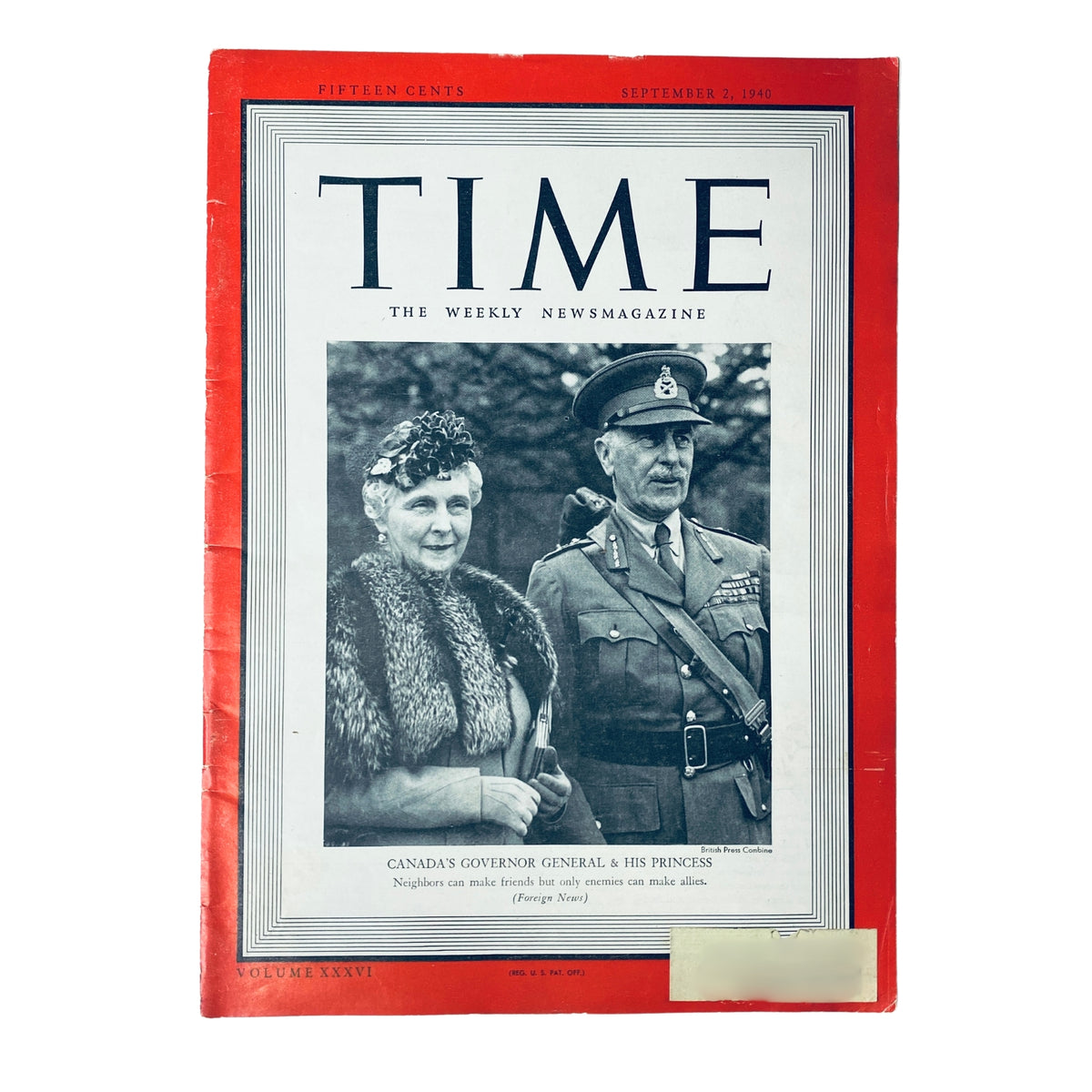
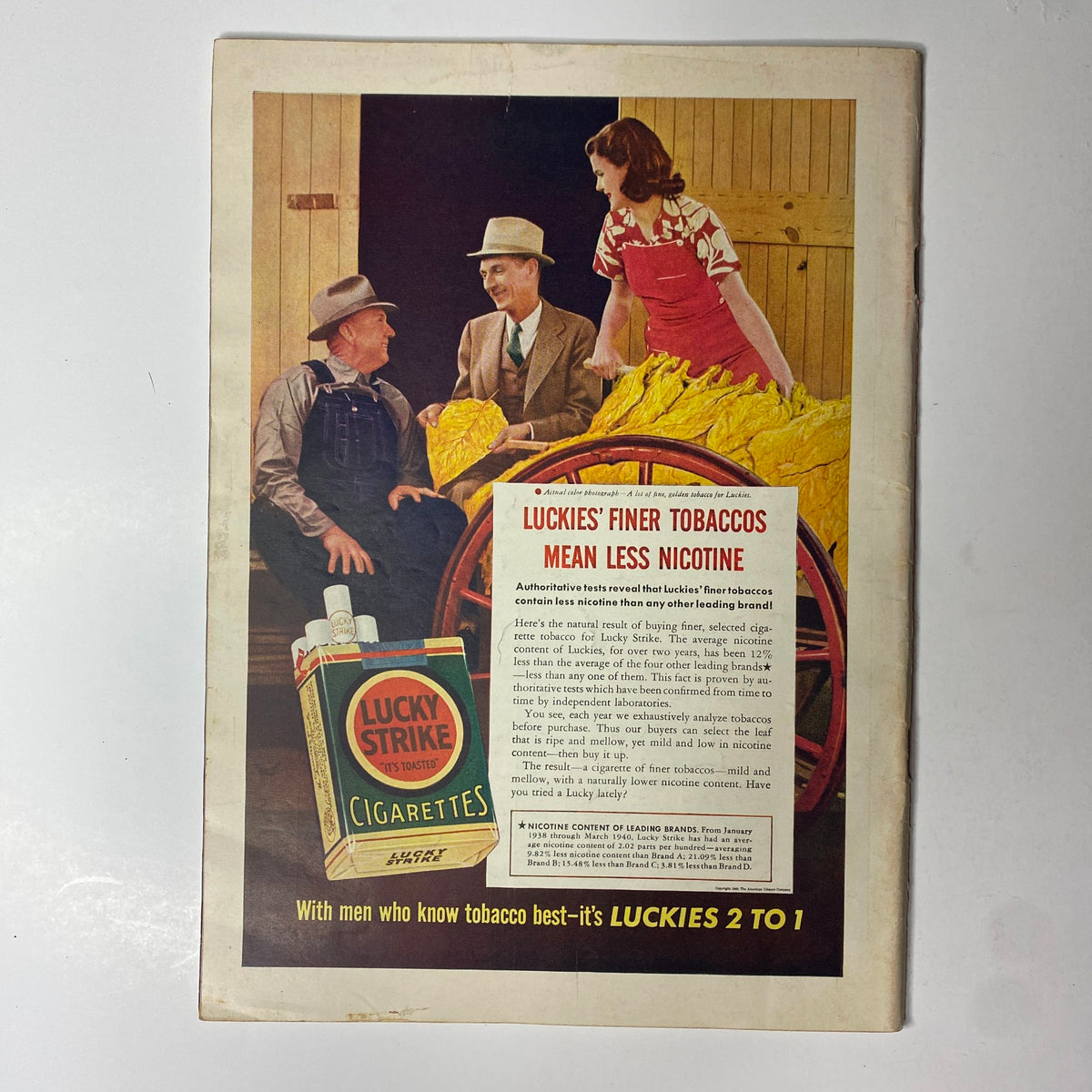
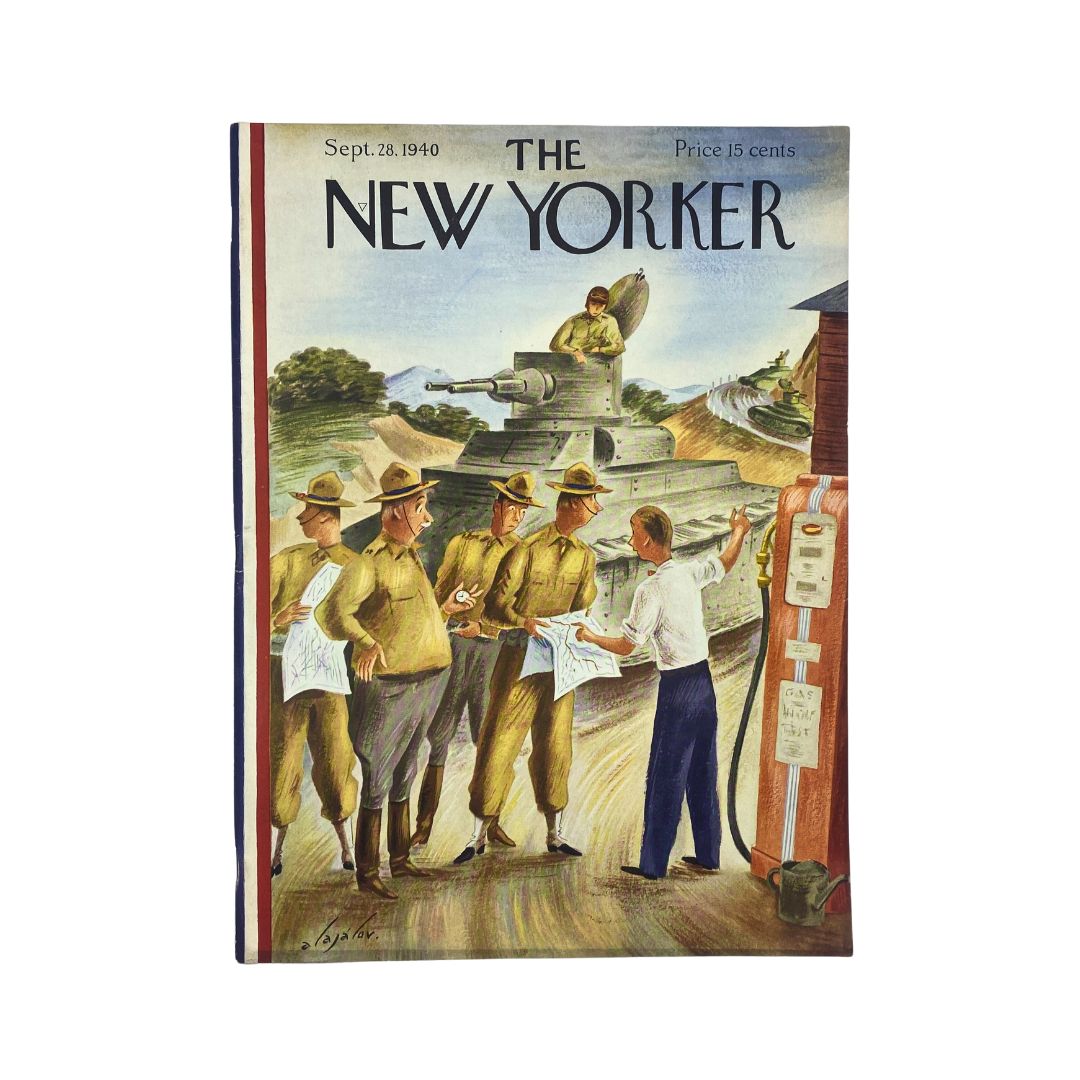
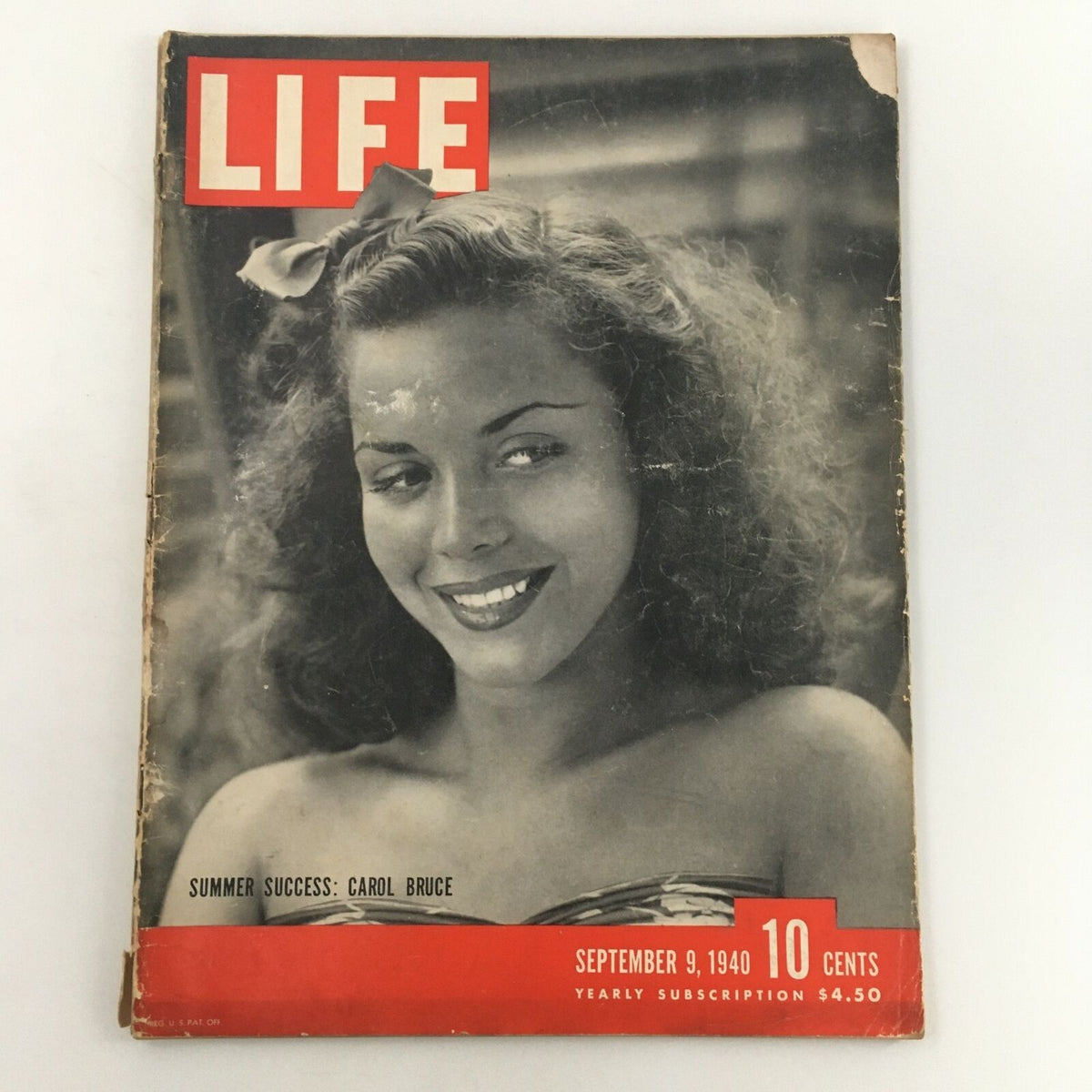
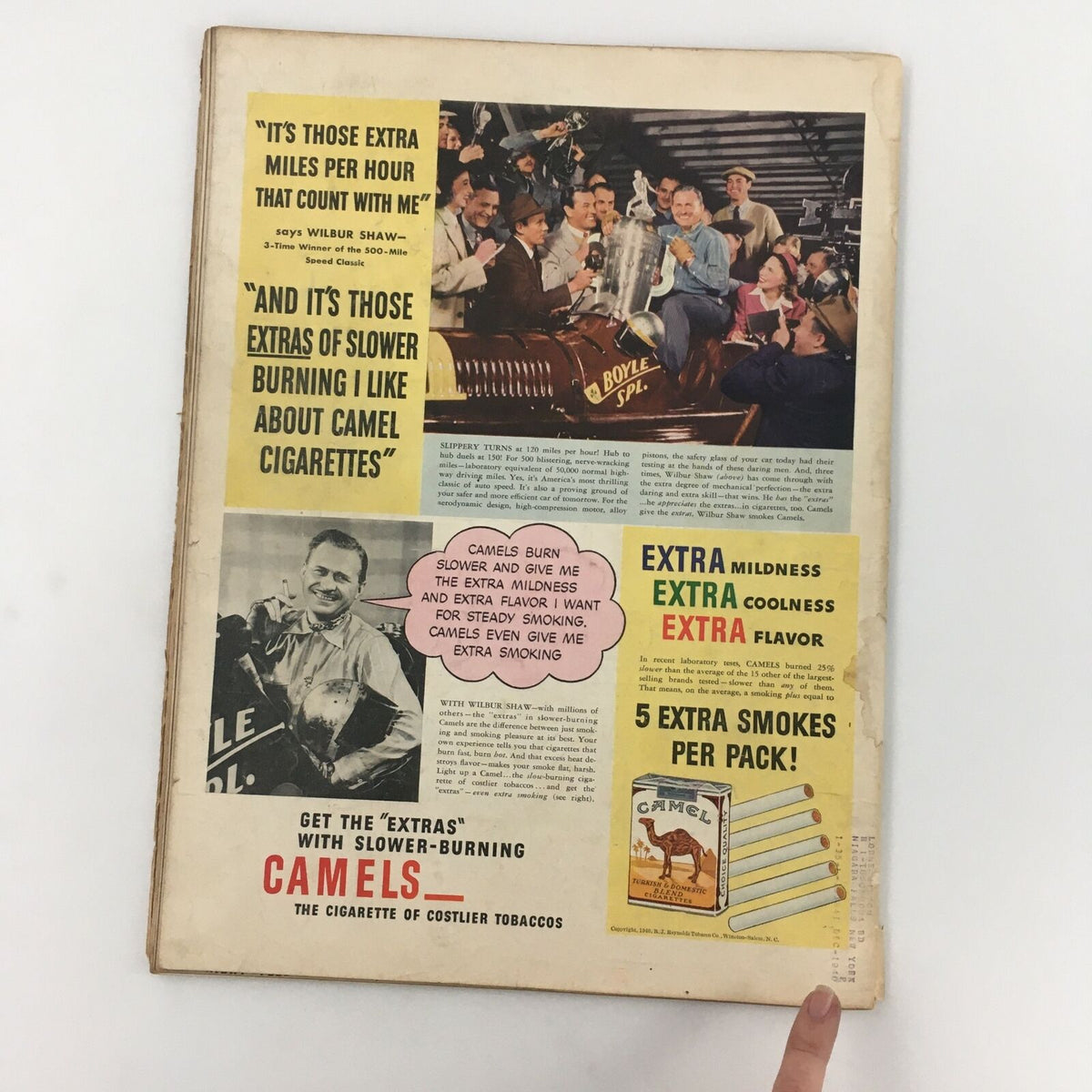
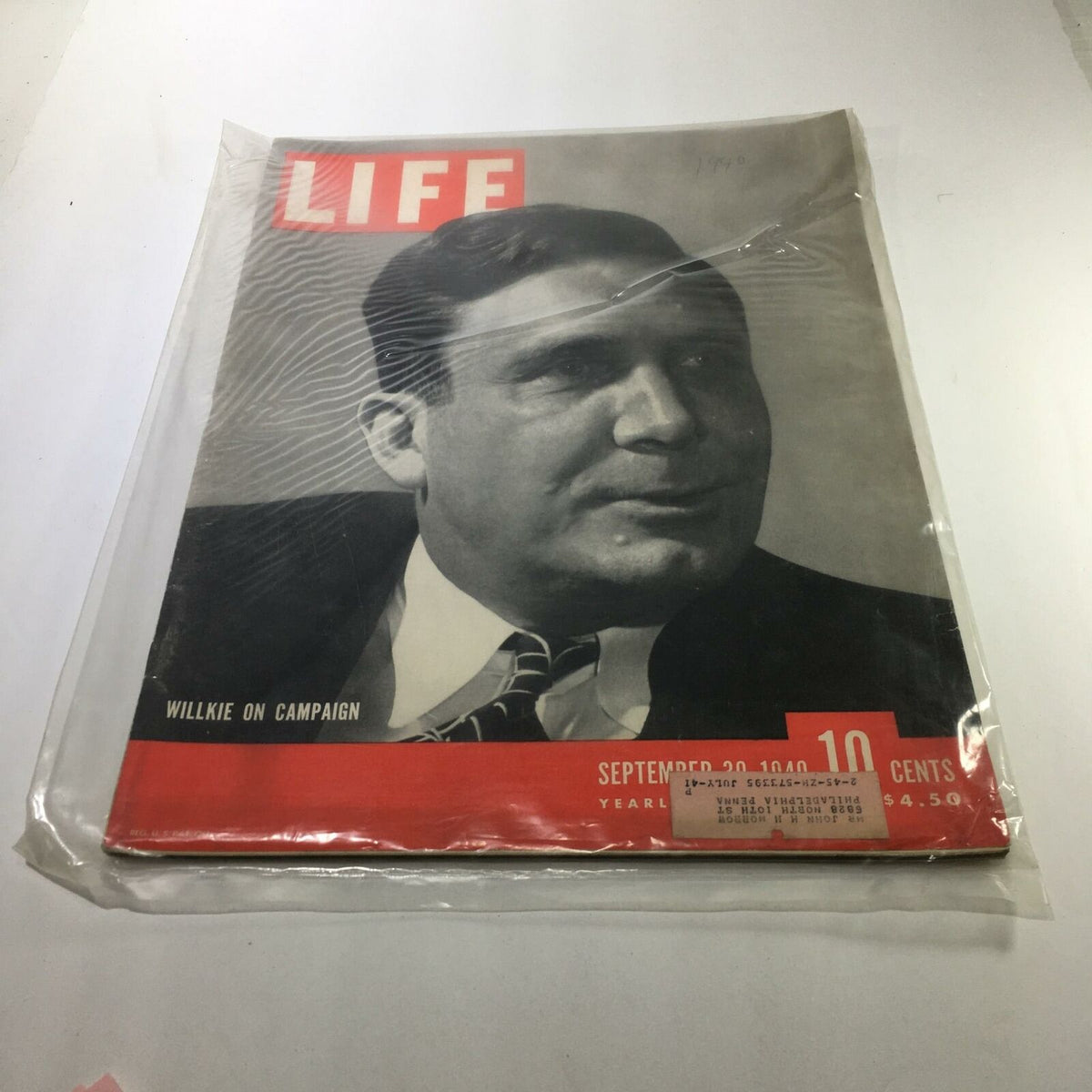
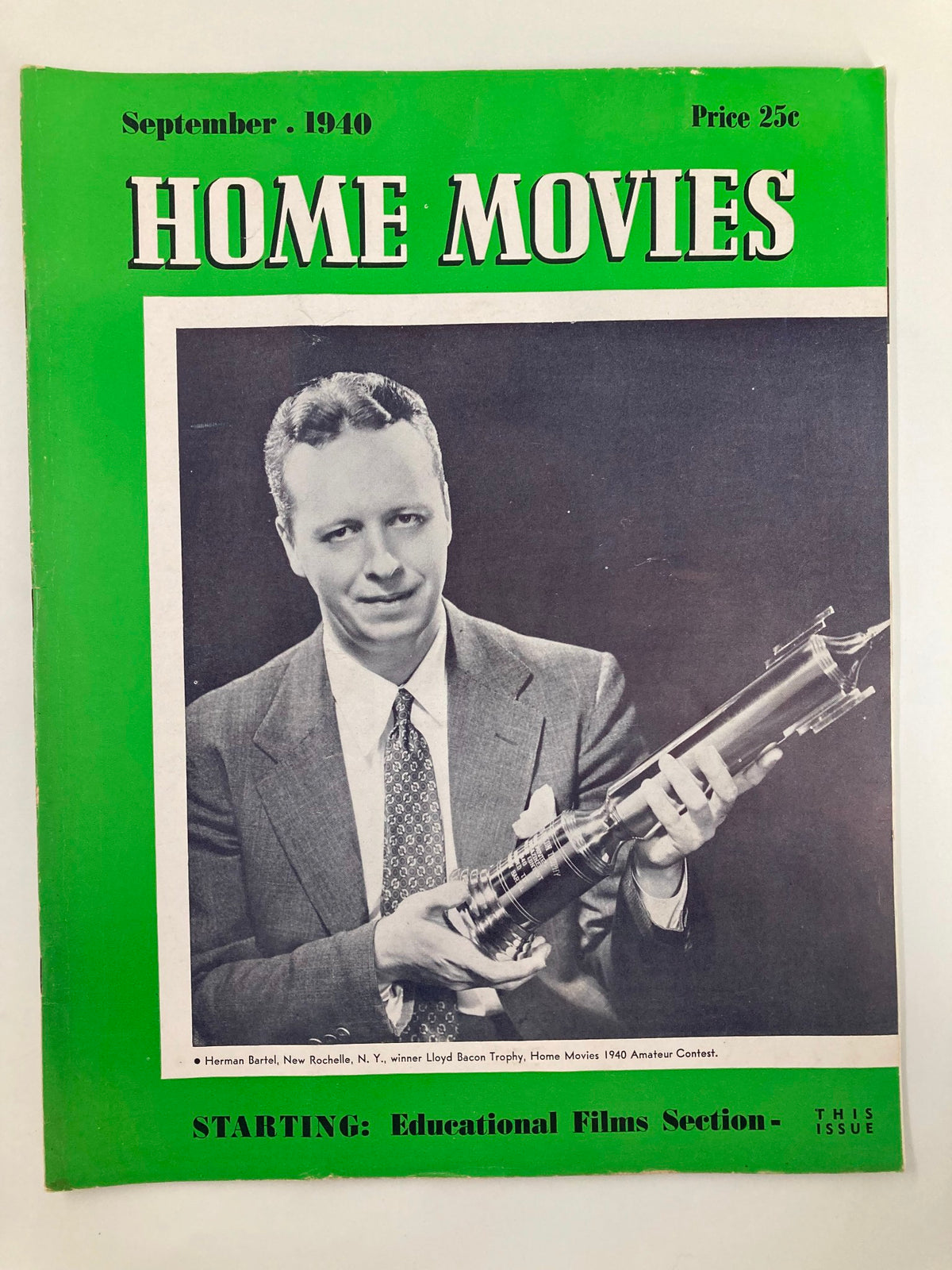
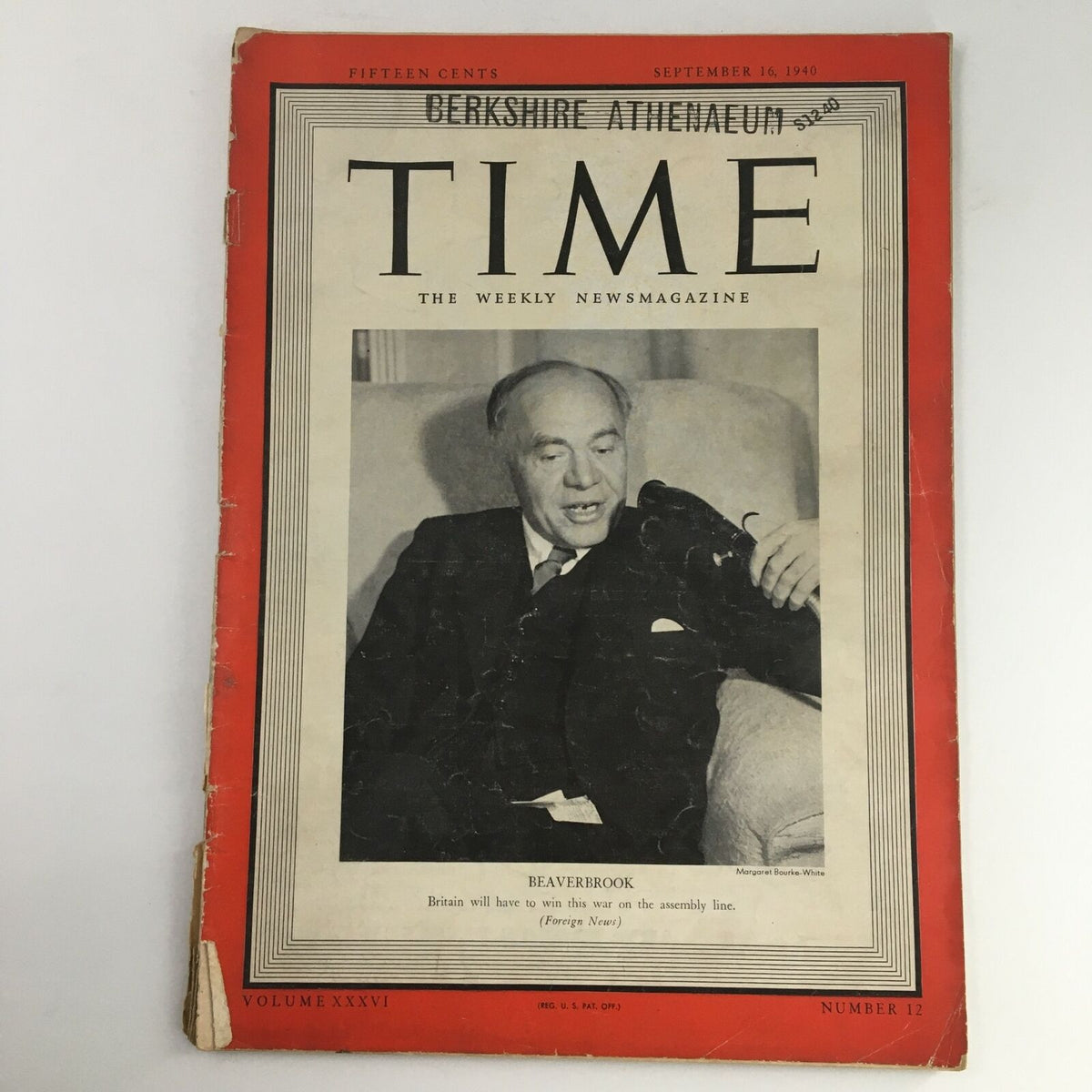
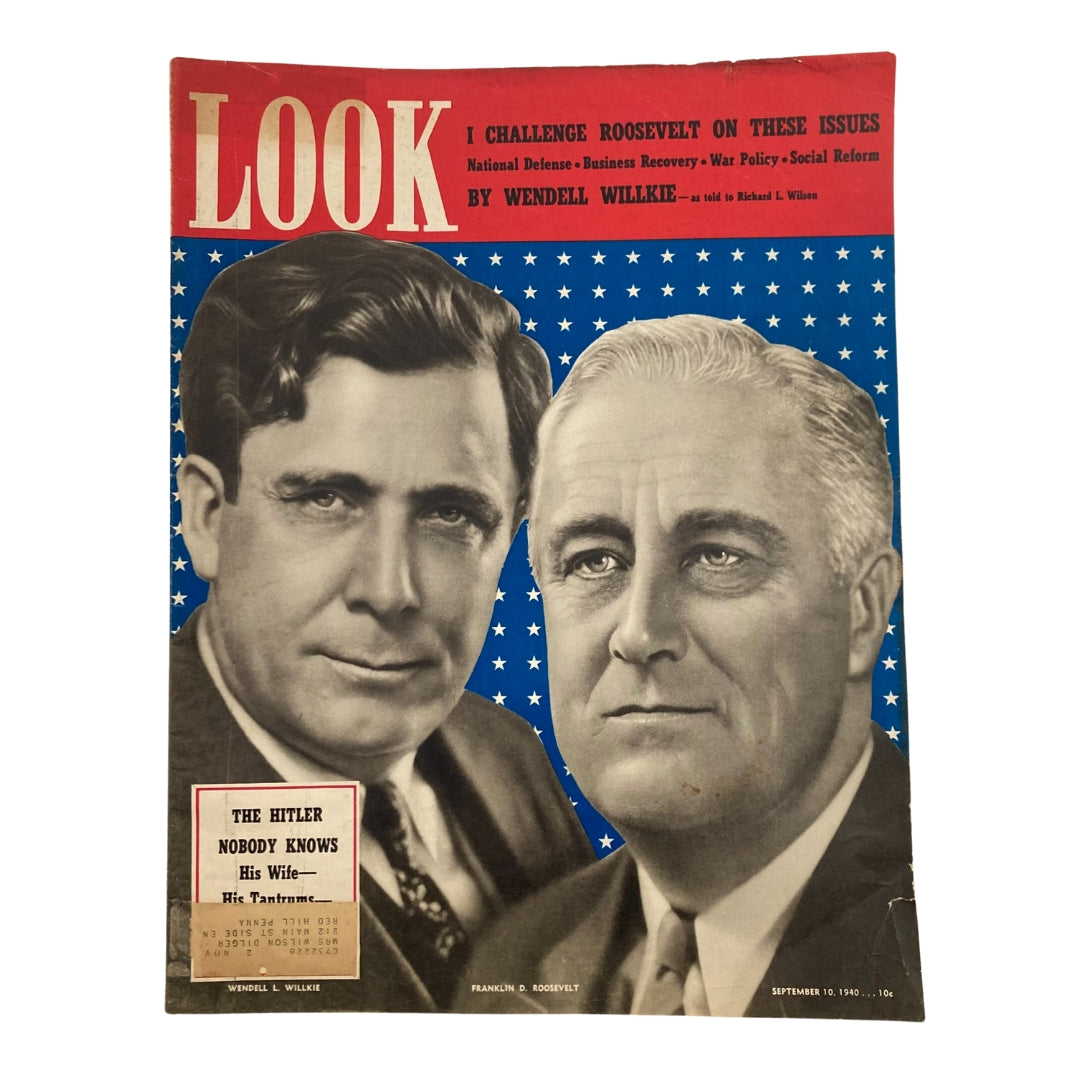
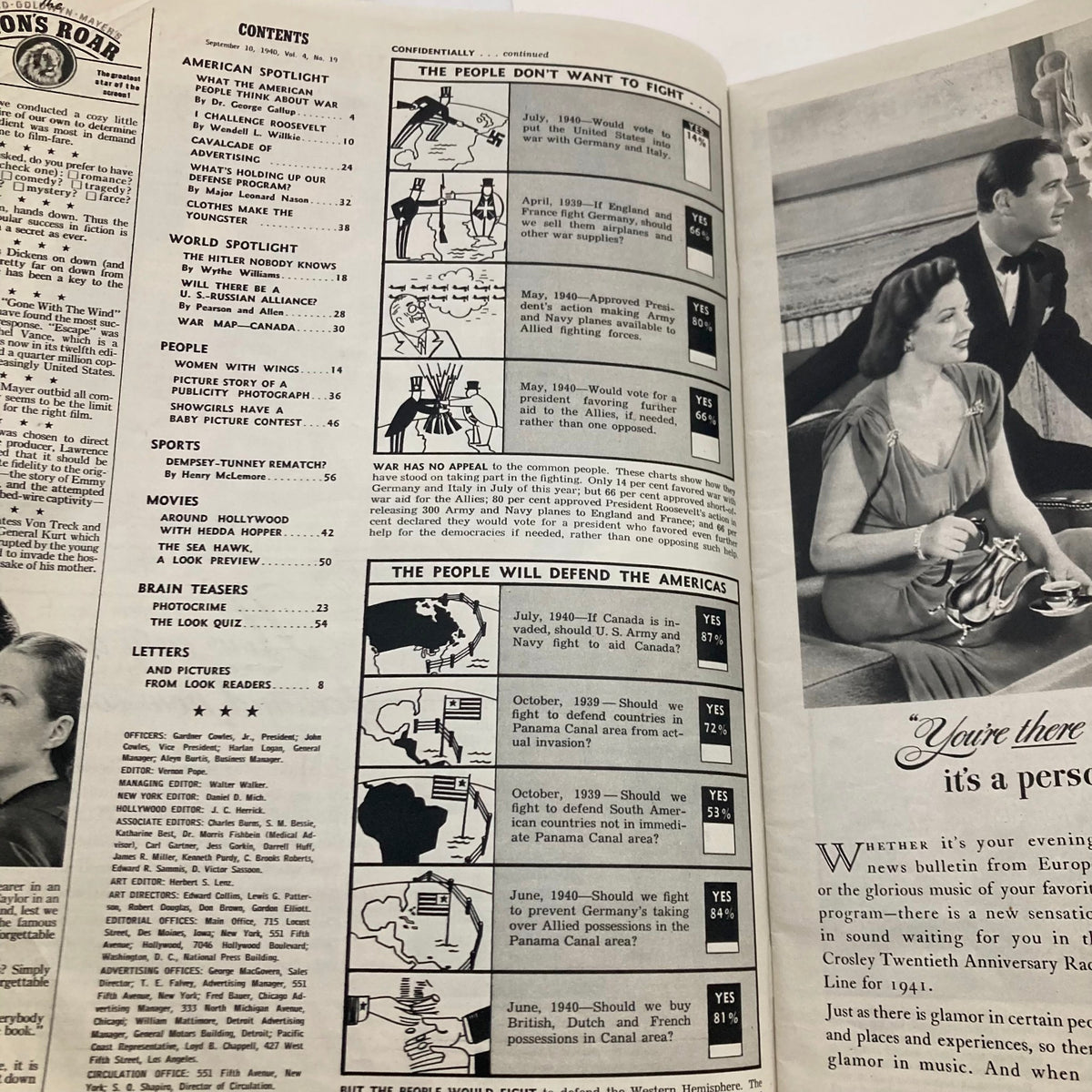
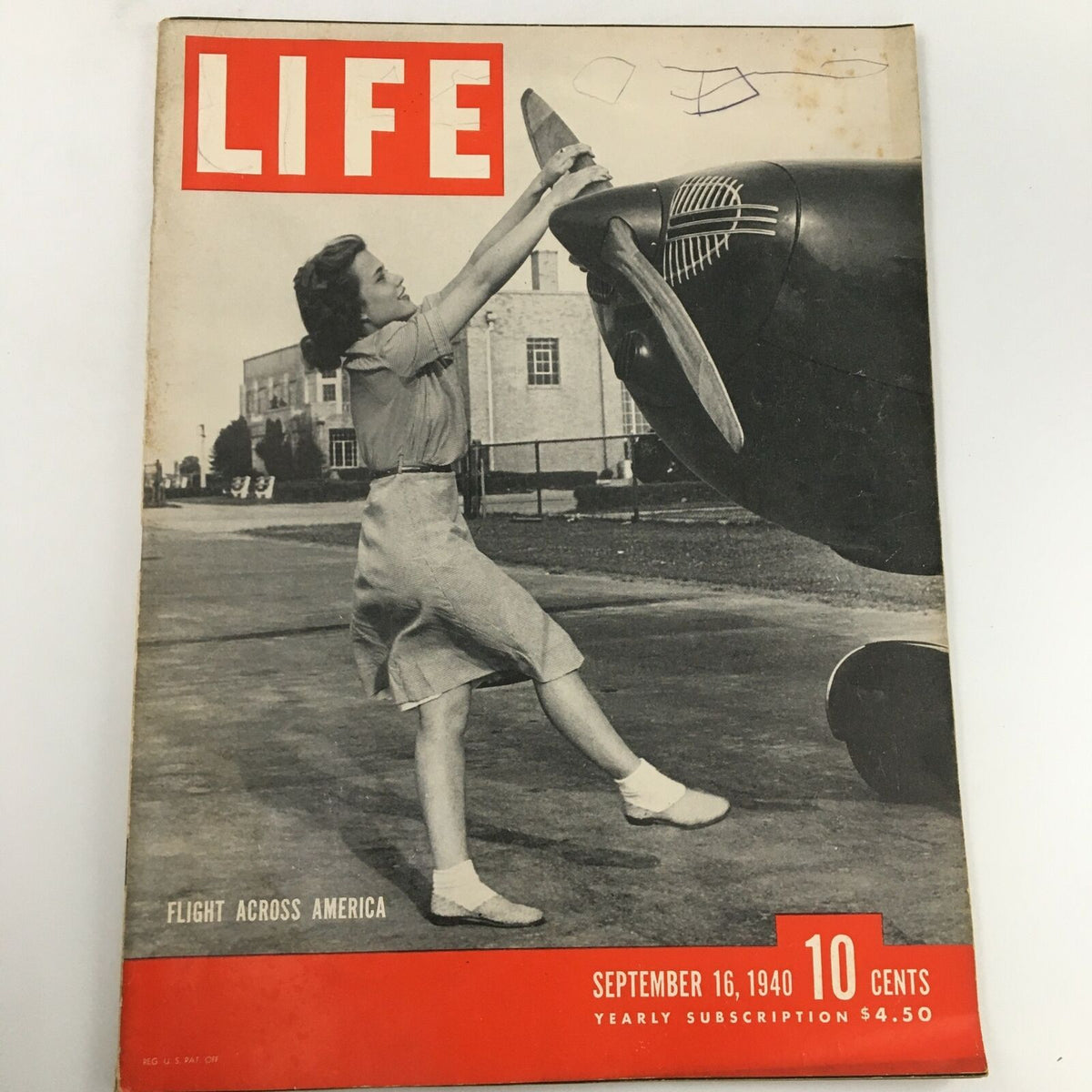
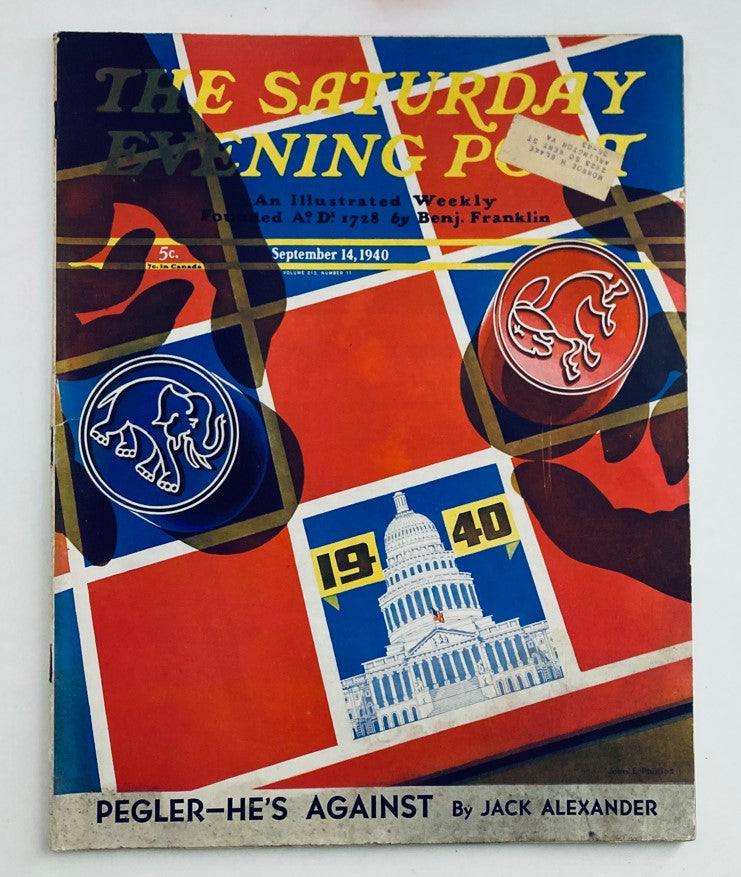
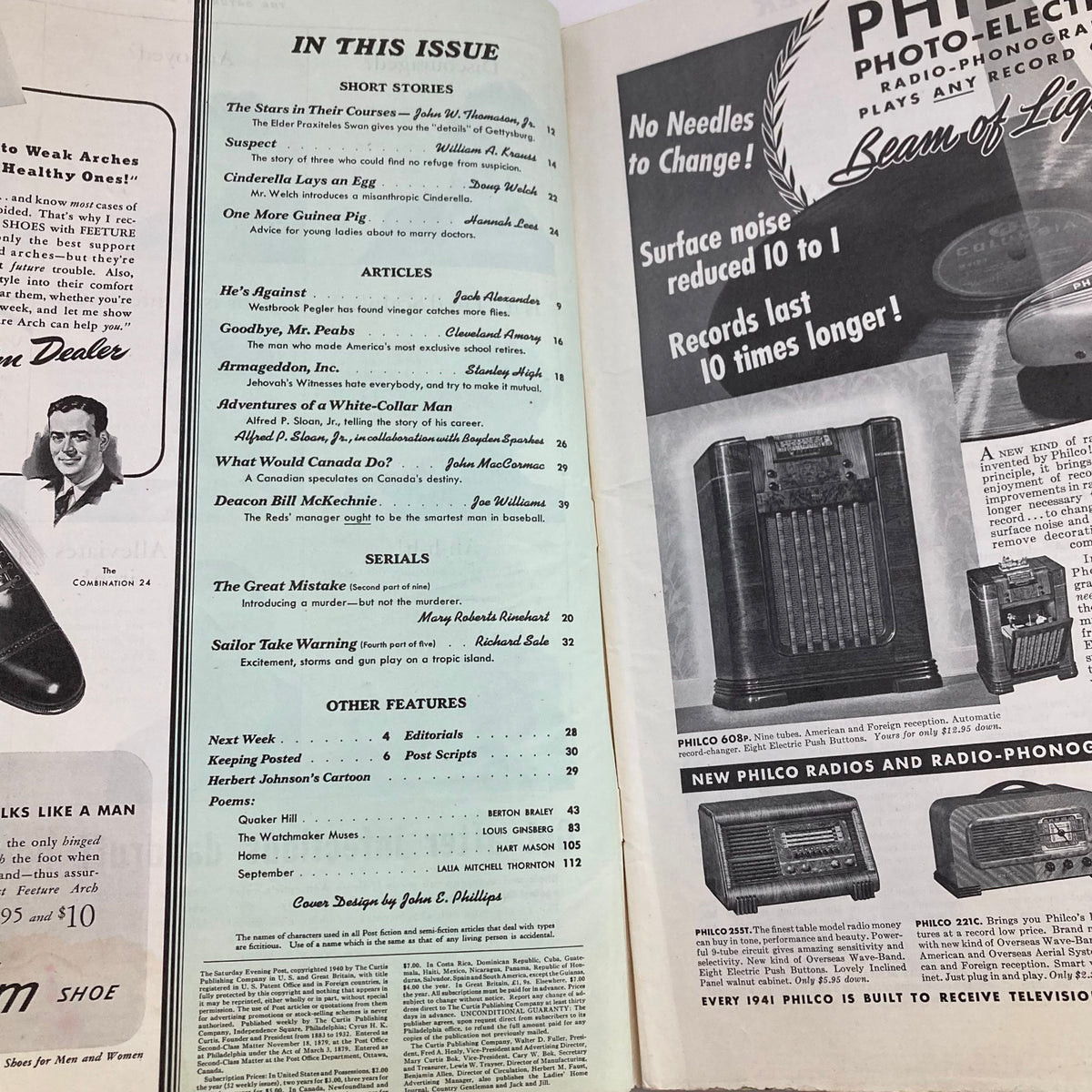
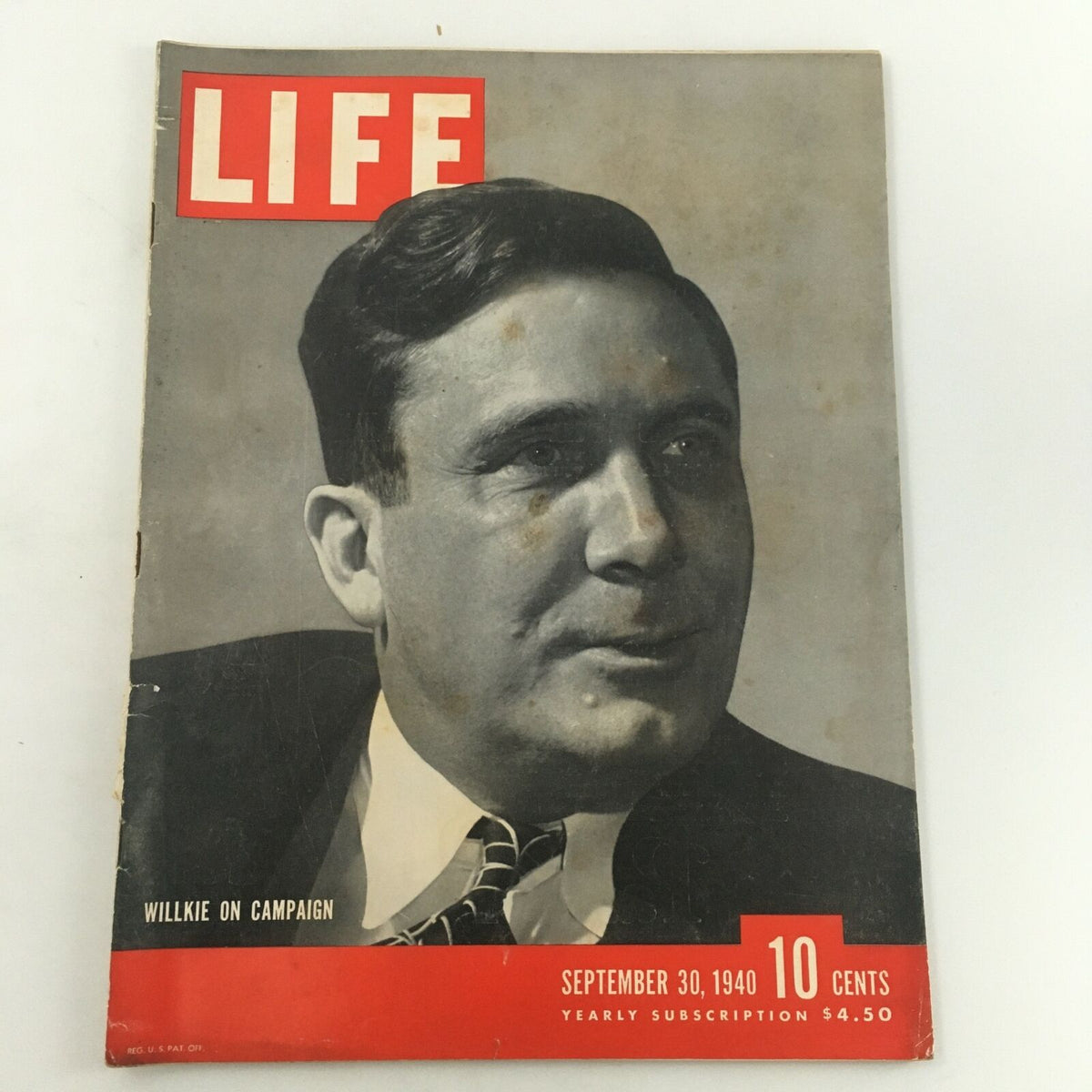
Pop culture offered Americans a complicated escape. On September 29th, Strike Up the Band opened in cinemas—Mickey Rooney and Judy Garland crackling with youthful energy while newsreels showed London in flames. Radio quiz show Double or Nothing made its Mutual Radio Network debut, offering audiences the simple pleasure of a right answer in a world of impossible questions. On the sports pages, Byron Nelson claimed his first PGA Championship in a tense 36-hole Monday final over Sam Snead at Hershey Country Club, and Jimmie Foxx became just the second player in history to reach 500 career home runs on September 24th. Original magazines from September 1940 carry this full, layered reality—Life running aerial photographs of the London Blitz alongside advertisements for the kind of comfortable American domesticity that seemed both precious and precarious. Time parsed the Axis pact's implications; Look brought the human faces of the war home in ways no newsreel could.
Curator's Checklist
-
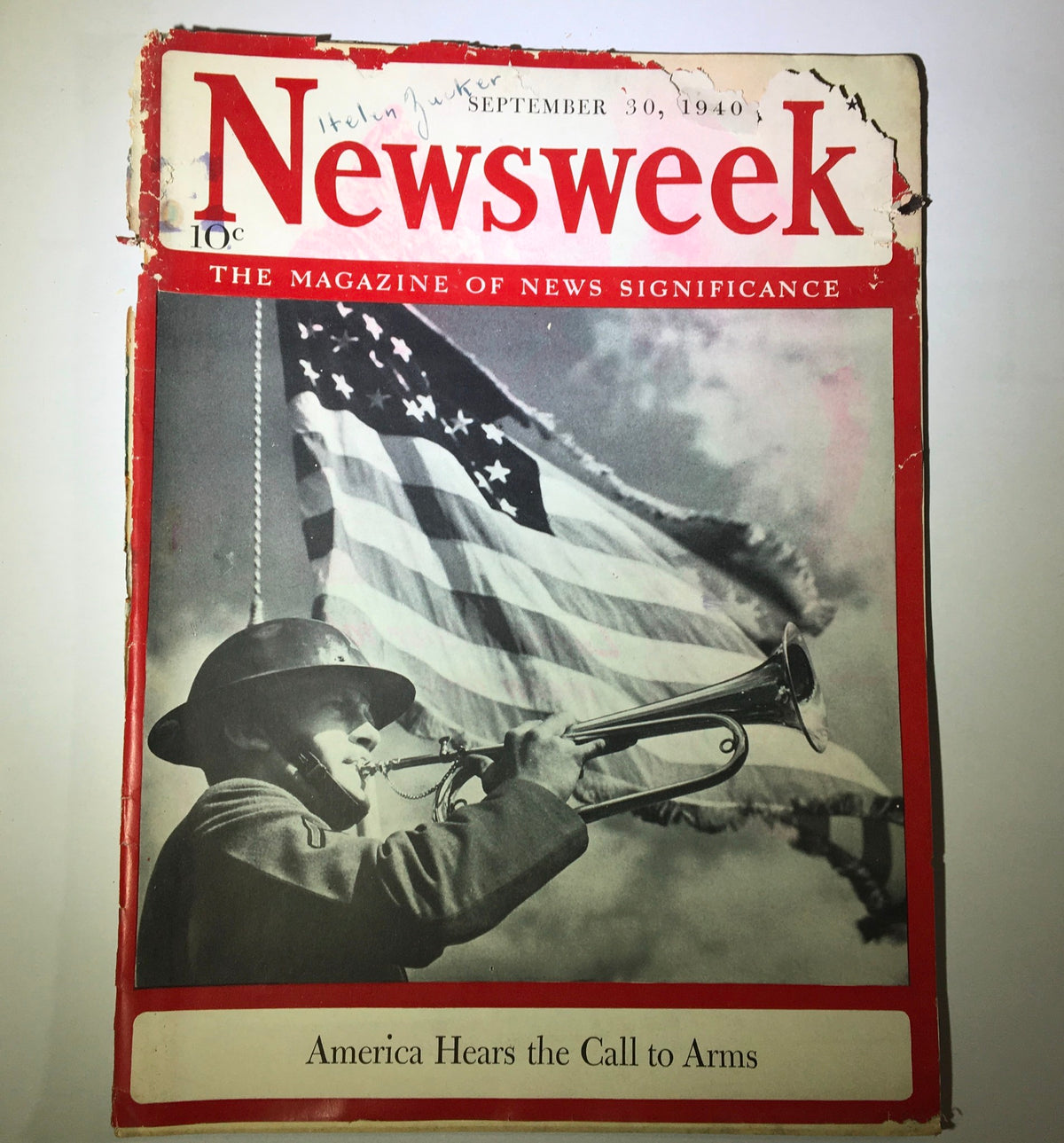
The London Blitz: News magazines including Life, Time, and Newsweek featuring dramatic aerial and ground-level photography of bombed London streets, with coverage of Buckingham Palace damage and RAF fighter pilots—the authentic visual record of history's most documented bombing campaign.
-
The Axis Pact (September 27th): Time and Newsweek covers and feature spreads chronicling the formal alliance of Germany, Italy, and Japan, illustrated with photographs of the signing ceremony and analytical maps showing the combined territorial ambitions of three powers.
-
Battle of Britain Day: Rare magazines from this month showcasing RAF combat reports and Luftwaffe loss tallies, often featuring illustrated diagrams of the aerial engagements that determined whether Britain would survive the autumn.
-
Byron Nelson's PGA Championship: Sports Illustrated precursors and sporting newspapers chronicling Nelson's historic Hershey win over Snead, a genuinely golden moment in American golf captured in the vintage magazines of this pivotal month.
-
The First US Peacetime Draft: Life and Look documenting President Roosevelt's signing of the Selective Training and Service Act—photographic spreads showing young American men registering for a draft that would change millions of lives, preserved in the genuine advertisements and editorial layouts of the era.
The Perfect Gift
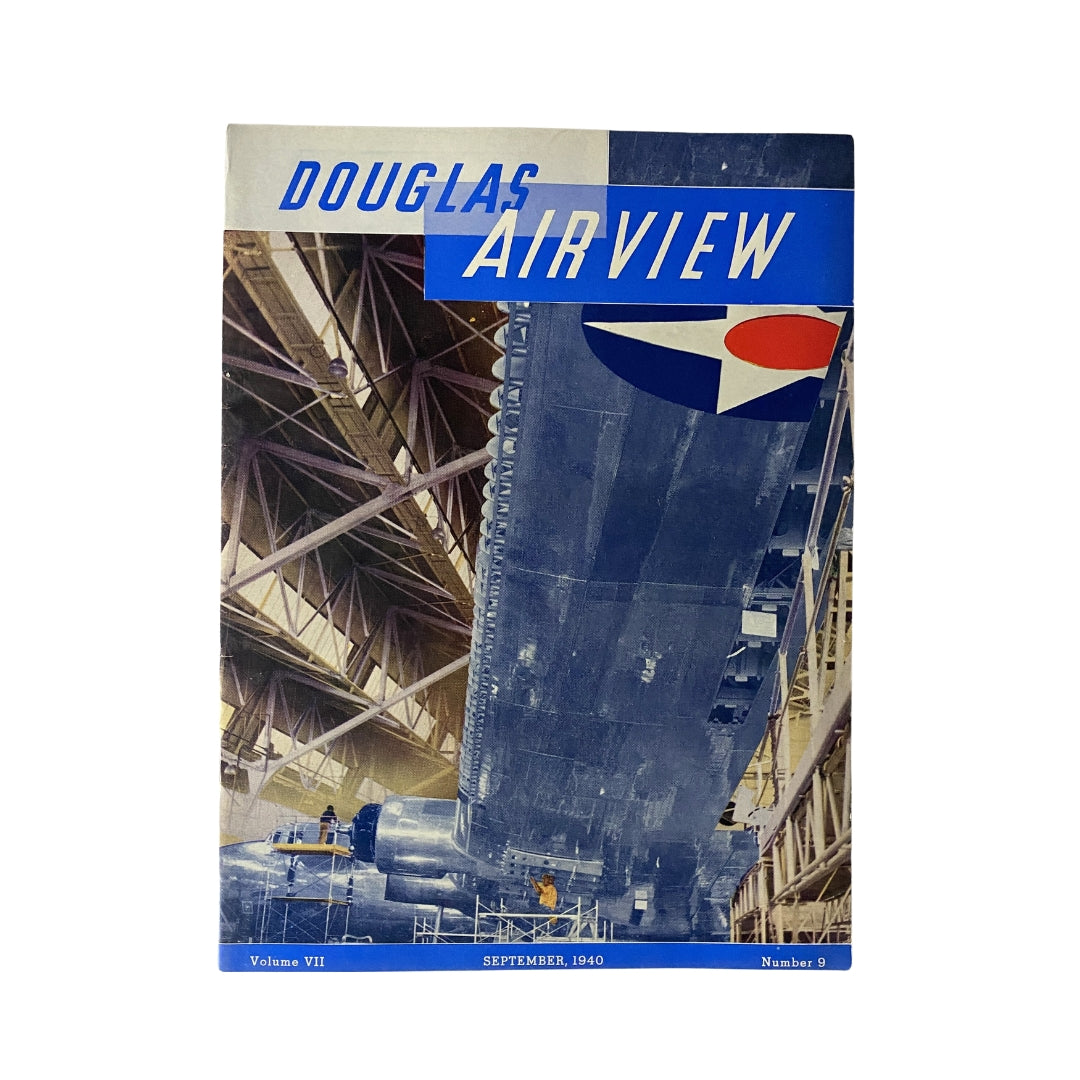
For someone born in September 1940, an original magazine from this extraordinary month isn't just printed paper—it's an authenticated time capsule of the precise days when the world held its breath, preserved in the crinkled newsprint, the period advertisements, and the urgent headlines of their birth month.