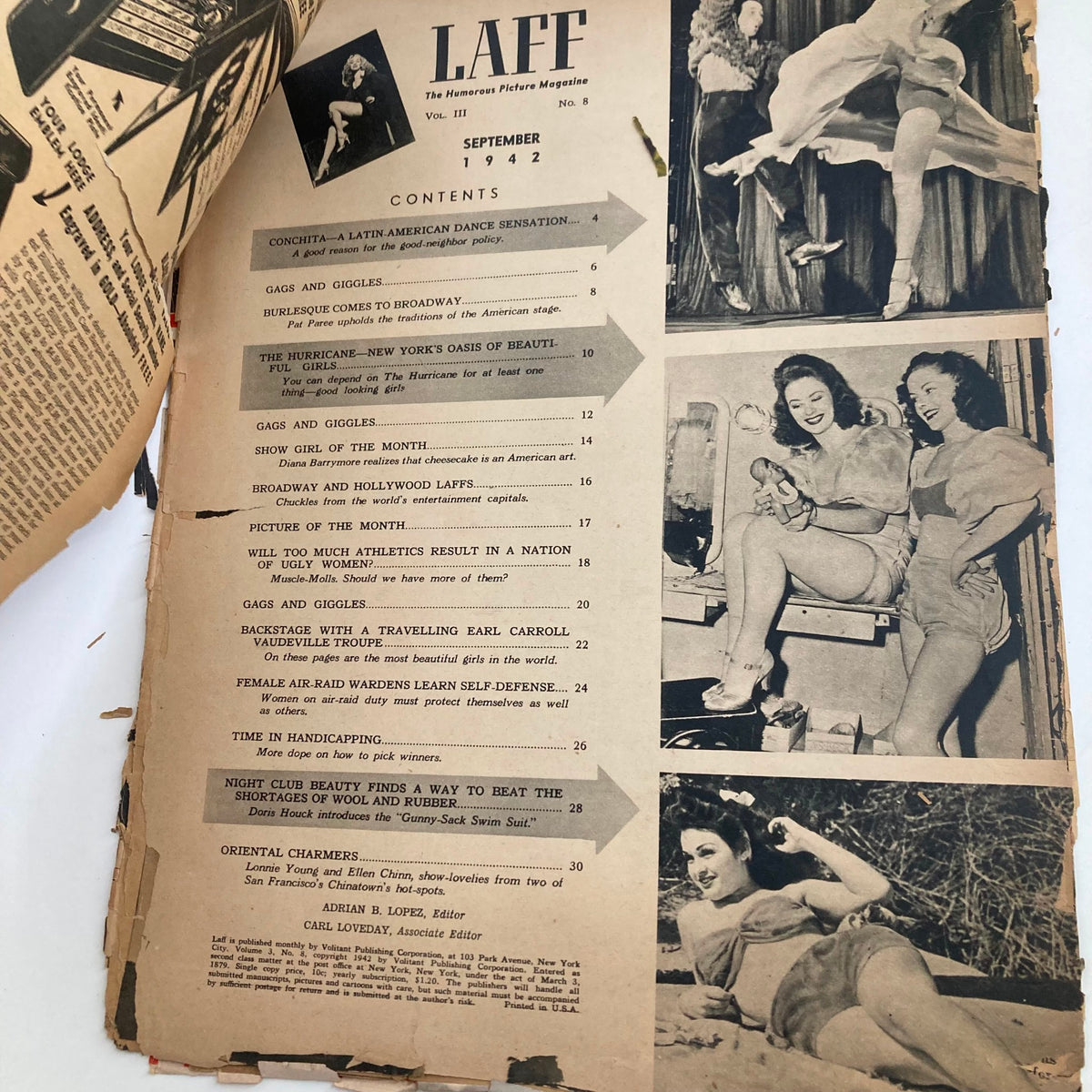
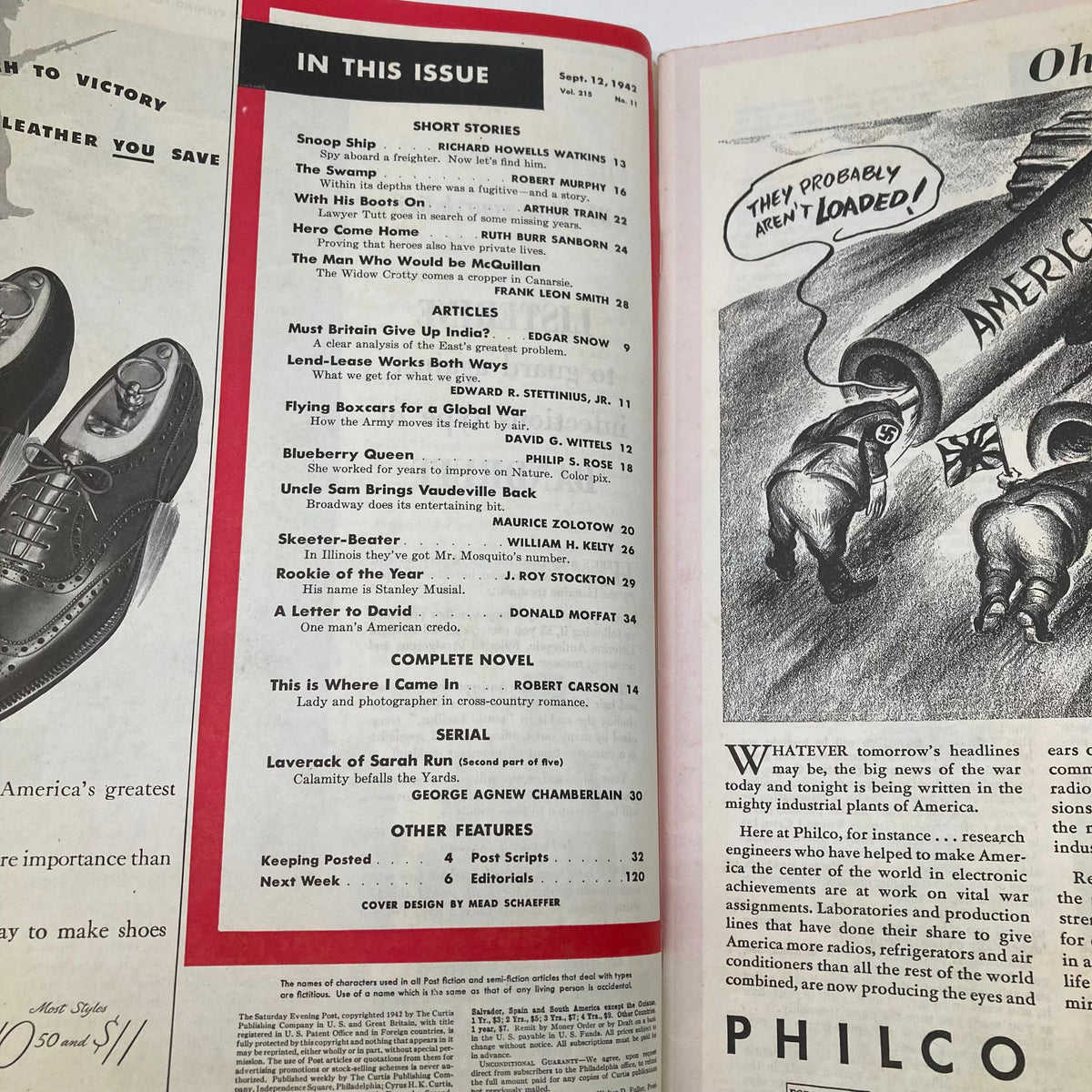
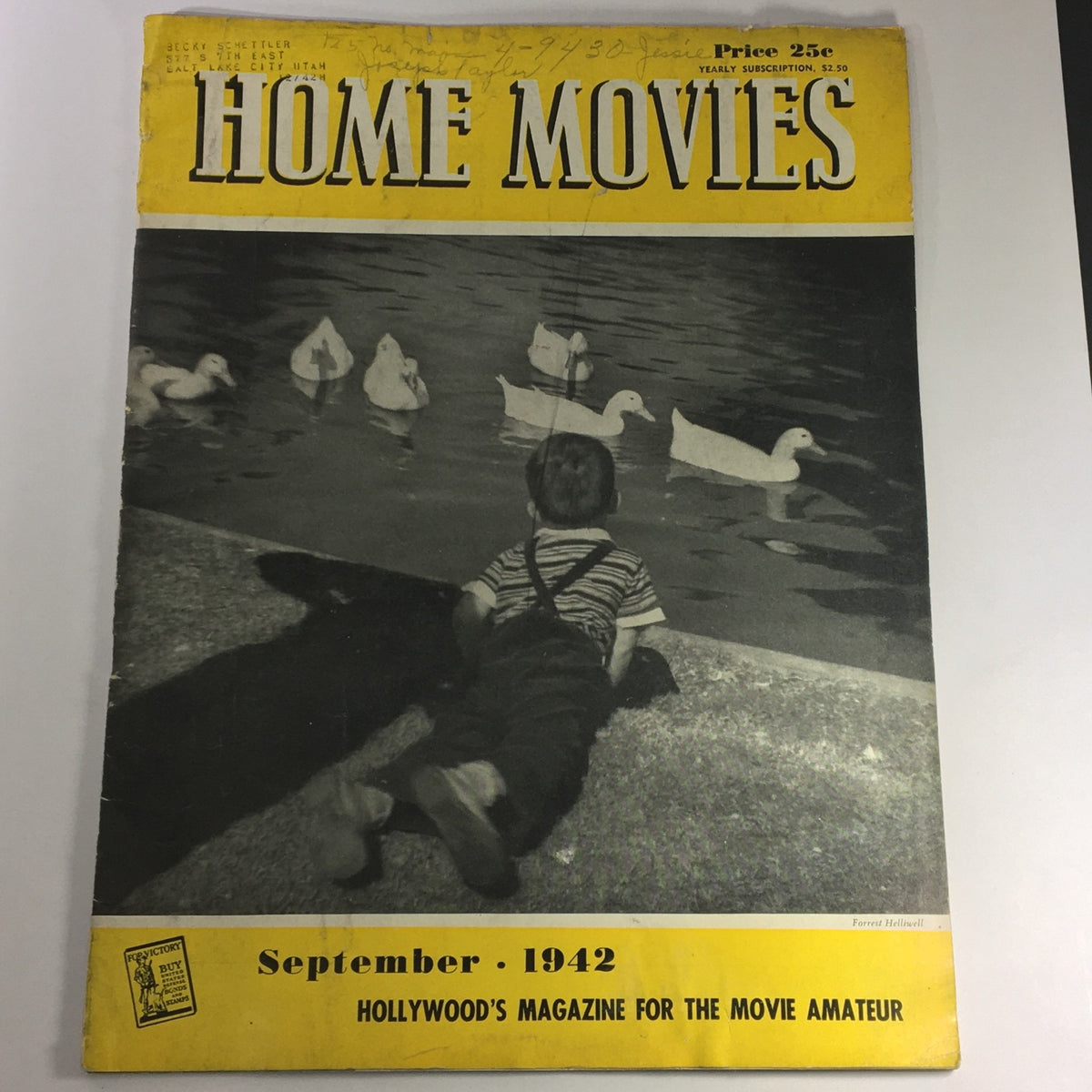
📖 About this Collection
September 1942: When the World Held Its Breath at Stalingrad
The Historical Context
The autumn of 1942 arrived with the thunder of artillery. The eyes of the world fixed on a single, smoking city on the Volga River: Stalingrad. When German forces launched their assault on September 13th, seizing the city's main railway station and pushing block by block through rubble and ruin, military strategists on both sides understood that this was no ordinary battle. This was a contest for the war itself. Soviet counteroffensives on September 23rd signaled that the Red Army would not yield without consuming the Wehrmacht entirely—a prophecy that would prove brutally accurate in the months ahead.
The horror was not confined to Russia. In Paris, 116 hostages were executed by Nazi forces on September 21st. Transport trains continued their grim journeys from occupied France, carrying Jewish families east toward Auschwitz. In Poland, the SS carried out systematic massacres near Łódź. This was the world in September 1942—a world of almost unimaginable stakes, where individual courage and collective atrocity existed side by side on the same front pages.
Culture, Sport, and the Home Front in September 1942
Even as the world burned, life on the American home front retained its rhythms—charged now with urgency and meaning. On September 27th, Glenn Miller and his Orchestra played their final civilian concert at the Central Theater in Passaic, New Jersey, before Miller disbanded the group to enlist in the US Army. It was a farewell that a generation would never forget. Original magazines from September 1942 captured this bittersweet moment: America's most beloved bandleader trading his trombone for a uniform.
On the sporting pages, Ted Schroeder claimed the US National Championship at Forest Hills, and the St. Louis Cardinals clinched the National League pennant on the very last day of the season. The New York Yankees had already secured the American League, setting the stage for the Fall Classic. Sports Illustrated wouldn't exist for another decade, but Life, Look, and Time ran photographs of these diamonds and courts, snapshots of normalcy in a nation mobilized for war. Fashion pages in Vogue and Harper's Bazaar reflected wartime austerity alongside quiet glamour—utility fabrics, Victory suits, the particular beauty of restraint. These are the authentic, irreplaceable details that make rare magazines from this month so compelling to hold.
Curator's Checklist: What to Look For in Your September 1942 Magazine
-
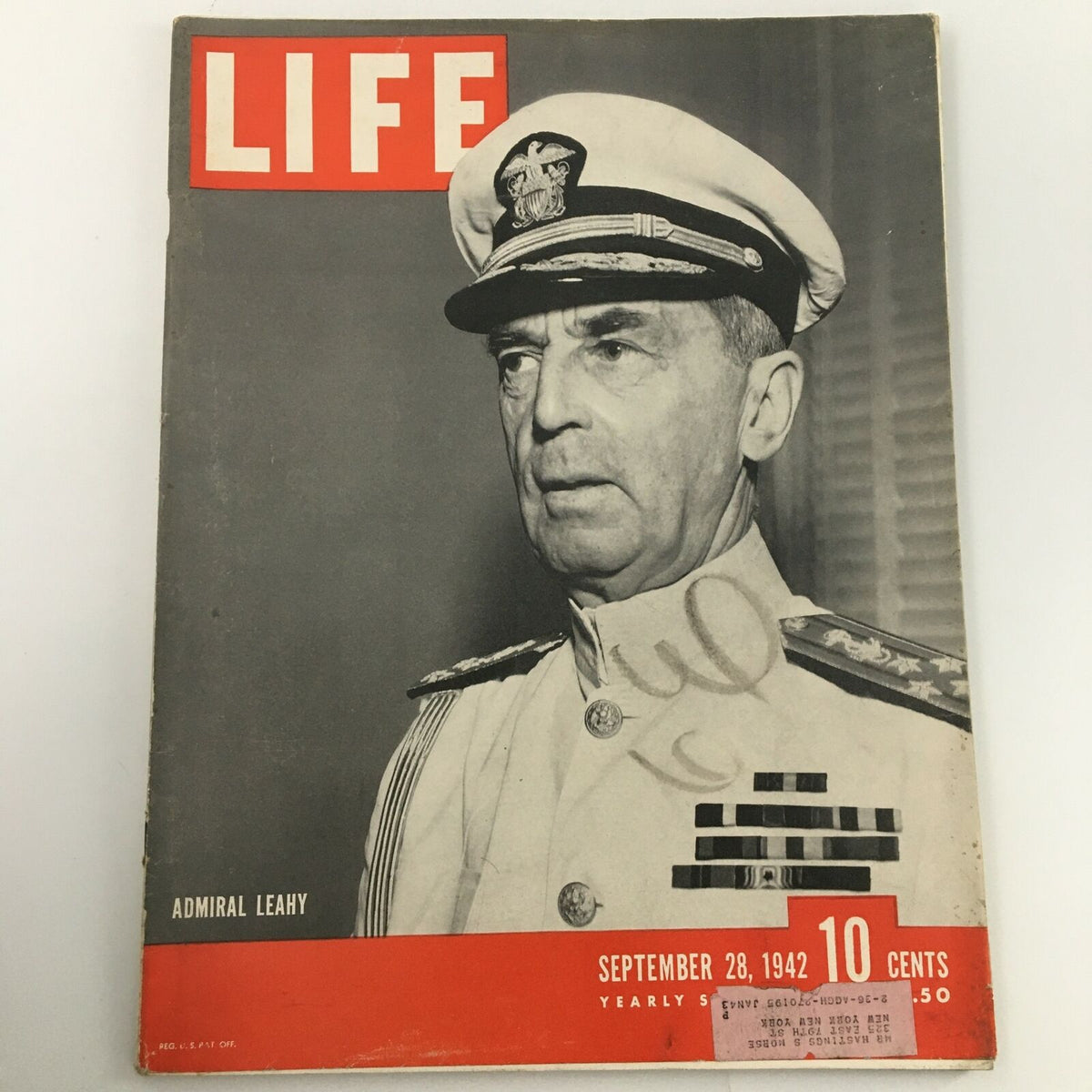
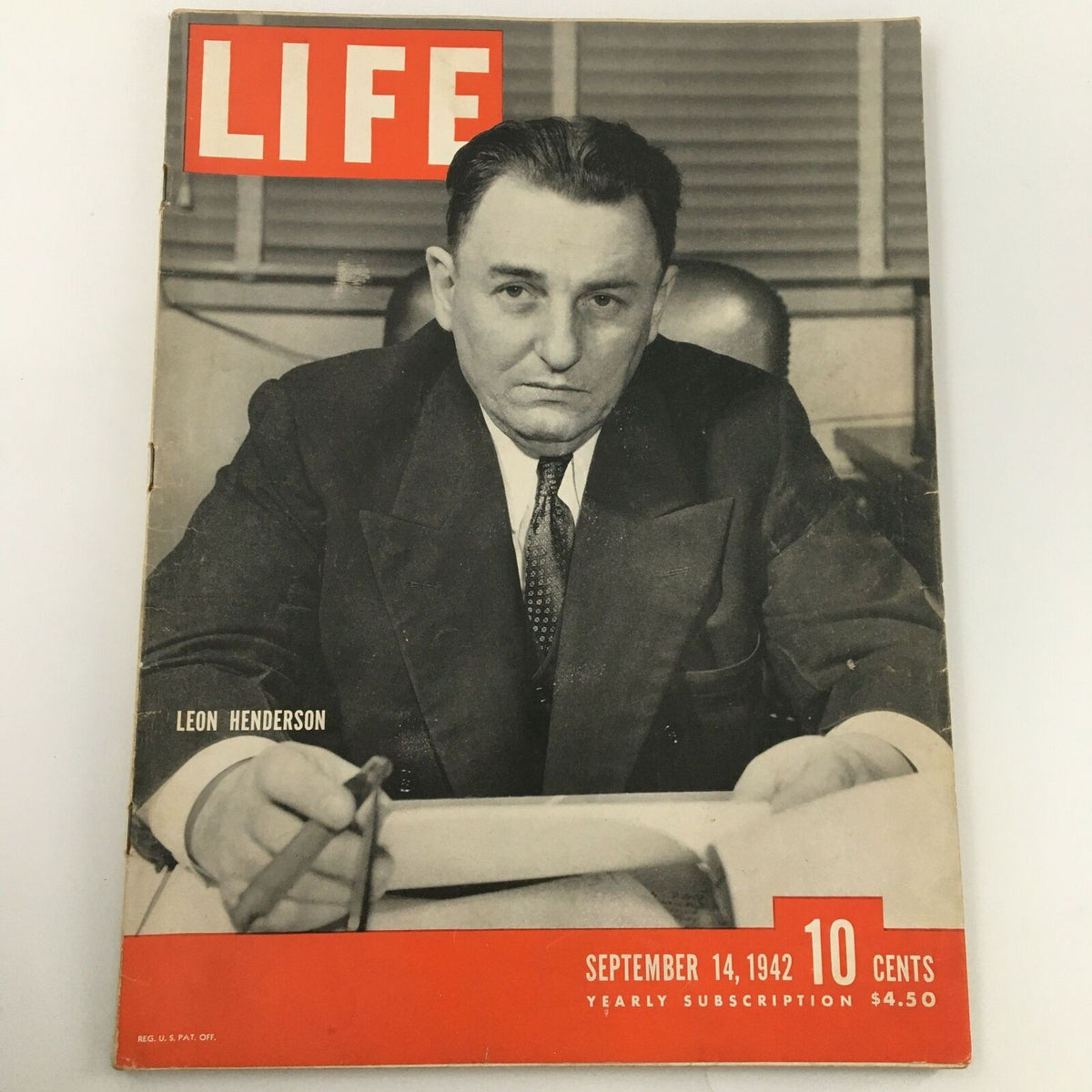
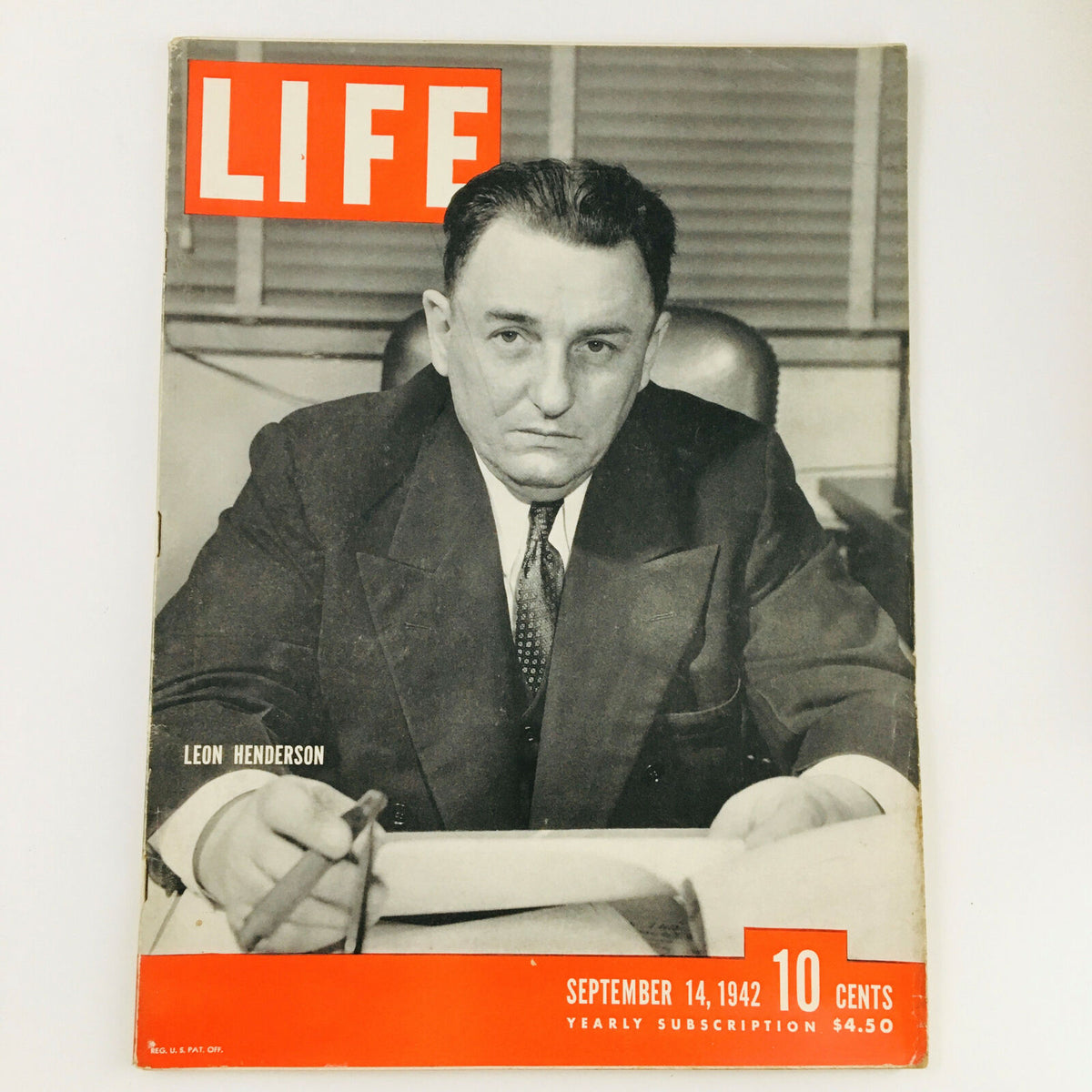
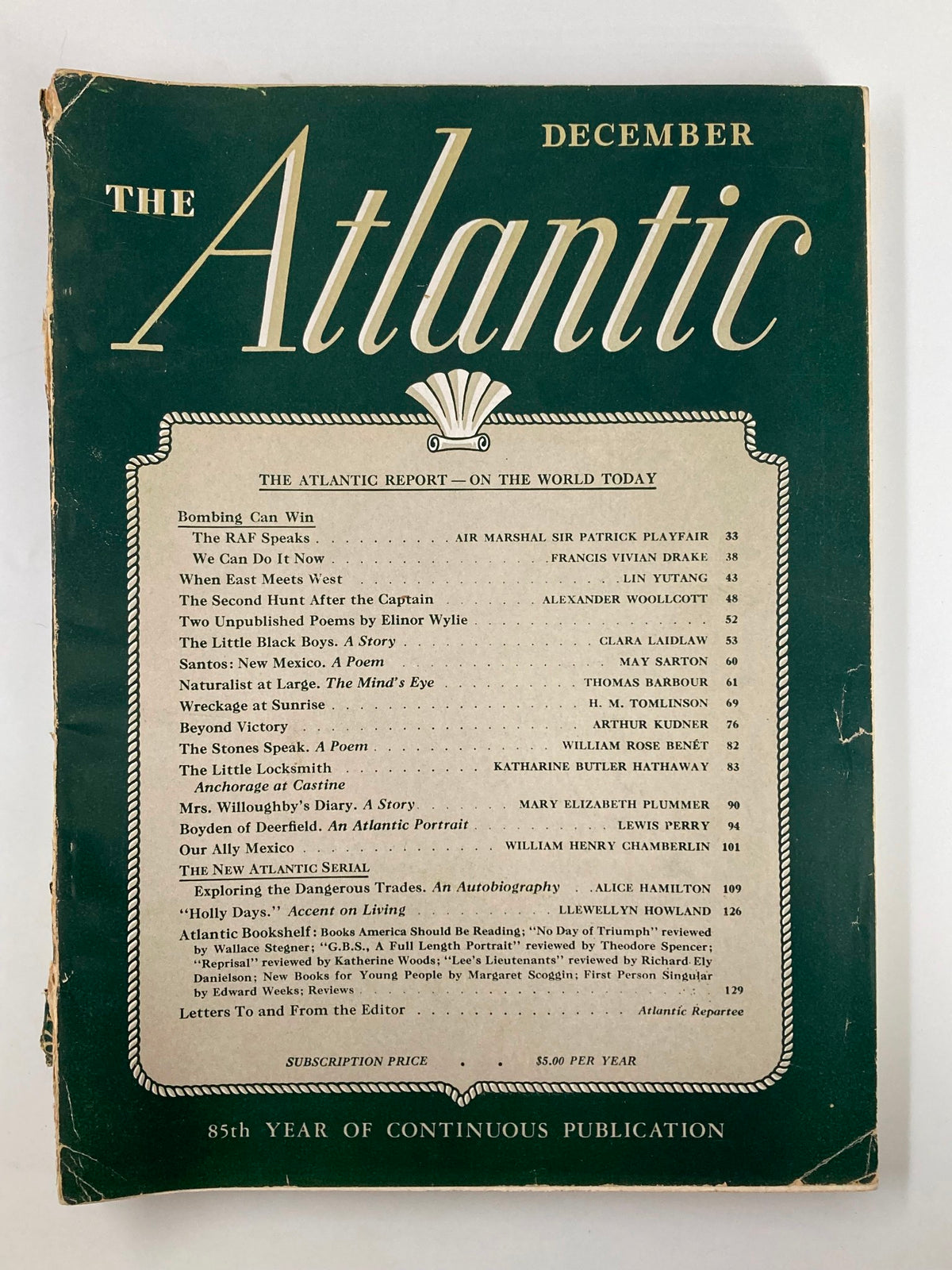
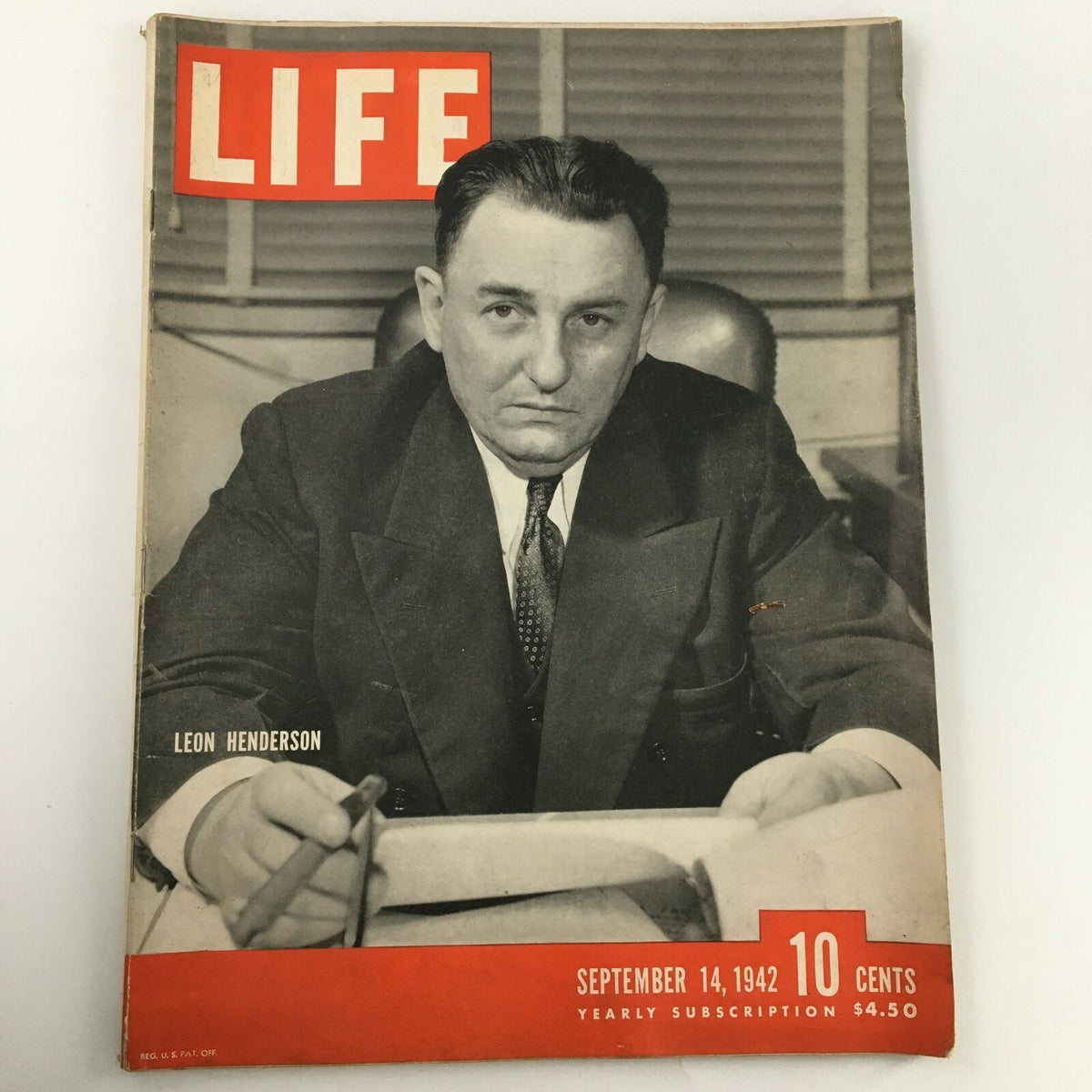
The Battle of Stalingrad: News magazines such as Time, Life, and Newsweek featuring front-page photographic reports and battlefield maps of the German advance into Stalingrad, often illustrated with dramatic aerial photography and illustrated breakdowns of Soviet defensive positions.
-
Glenn Miller's Farewell: Entertainment and general-interest titles capturing the cultural weight of America's most famous bandleader enlisting, showcasing photographs of his final civilian performances and tributes from fellow musicians—a genuine time capsule of wartime sacrifice at home.
-
The First Medal of Honor: Life and Look covering Admiral Chester Nimitz's ceremony aboard USS Enterprise in Pearl Harbor, with authentic photographs of sailor John William Finn receiving the war's inaugural Medal of Honor—vintage magazines preserving a watershed moment in military history.
-
Baseball's Pennant Race: Sports sections and general weeklies chronicling the Cardinals' dramatic final-day pennant clinch alongside the Yankees' American League triumph, featuring authentic box scores, player portraits, and wartime stadium photographs rarely seen outside original print.
-
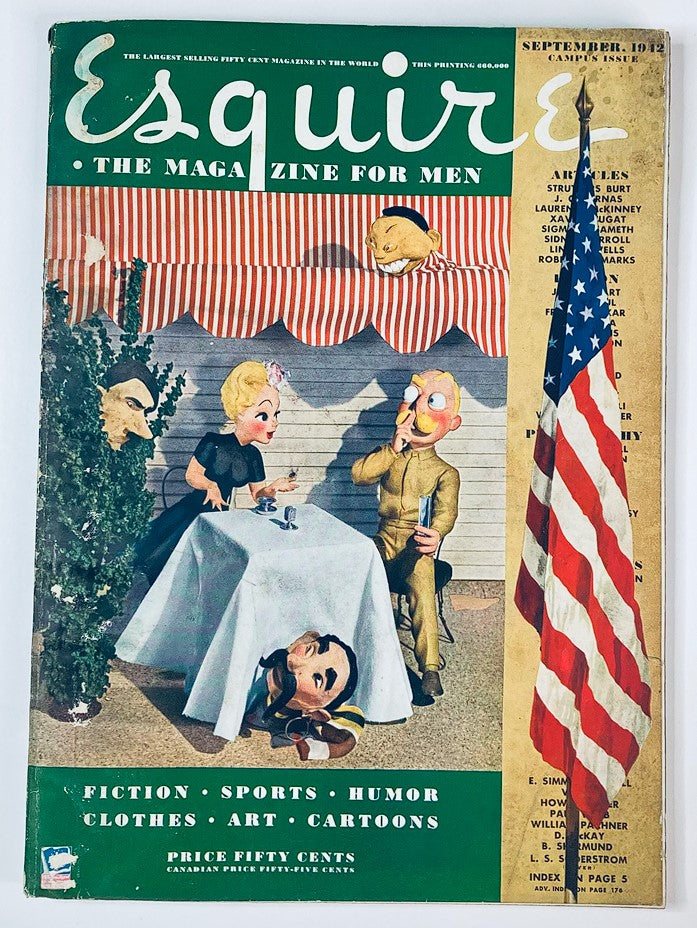
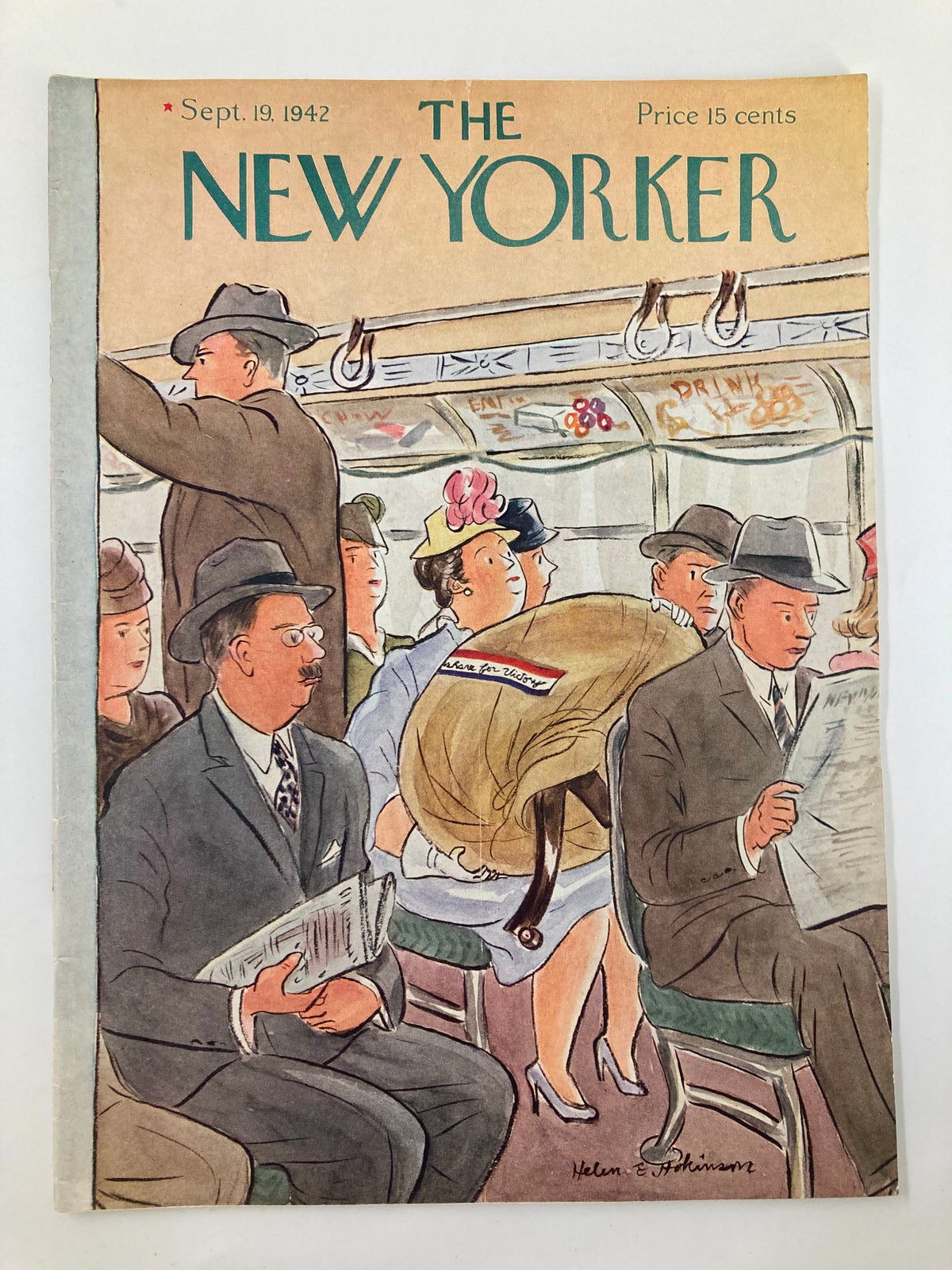
The War Comes to Oregon: Regional news titles and national weeklies documenting the first-ever bombing of continental US soil—Japanese planes striking Mount Emily, Oregon on September 9th—showcasing how genuine birthday gift magazines from this month carry headlines that genuinely shocked a nation.
The Perfect Gift
For someone born in September 1942, an original magazine from this extraordinary, anguished month isn't just a piece of paper—it's an authenticated dispatch from the world that shaped them, preserved in the genuine headlines, advertisements, and photographs of their very first days.