📖 About this Collection
September 1944: When Europe Held Its Breath
The Historical Context
September 1944 arrived with the thunder of liberation. Across Western Europe, Allied columns were racing east with a momentum that seemed unstoppable—Brussels fell on September 5th, Luxembourg on the 9th, and for a breathless few weeks, it appeared the war might be over before Christmas. Then came Operation Market Garden. On September 17th, in the largest airborne operation in history, Allied paratroopers descended on the Netherlands in an audacious gamble to seize the bridges at Eindhoven, Nijmegen, and Arnhem. For nine days the world watched as British troops held the Arnhem bridge against overwhelming German firepower. On September 21st, the last defenders surrendered. The Allied advance had come, in General Browning's own words, "a bridge too far."
On September 3rd, a quieter horror unfolded: Anne Frank, fifteen years old, boarded the final transport of Dutch Jews from Westerbork to Auschwitz. Meanwhile, in Quebec City, Roosevelt and Churchill met to plan the endgame. This was the world—triumphant, anguished, and unresolved—into which your loved one was born.
Culture in Wartime
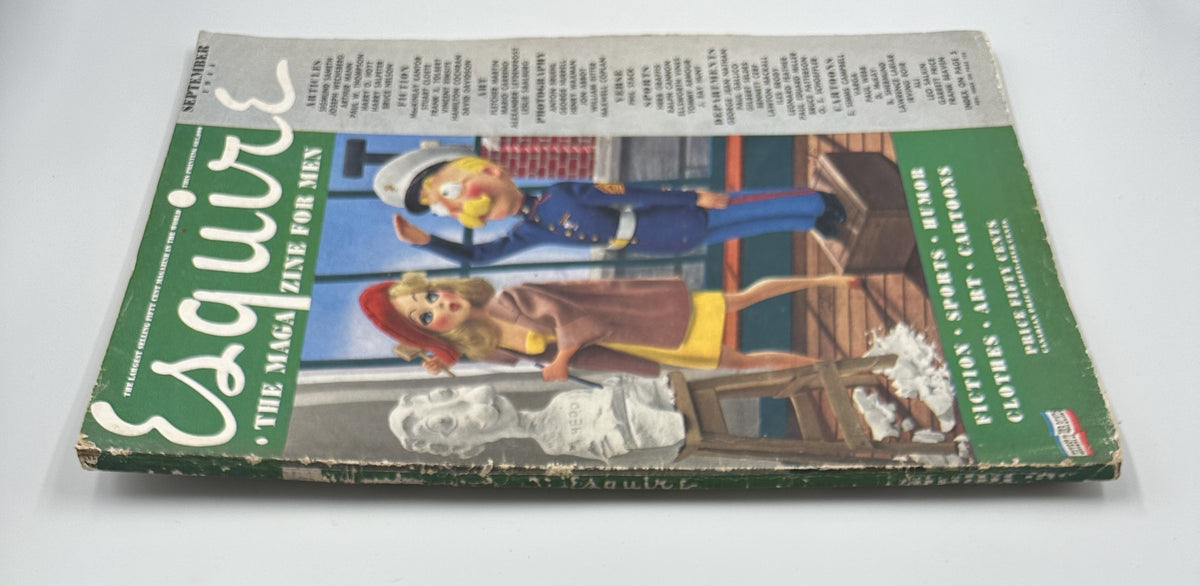
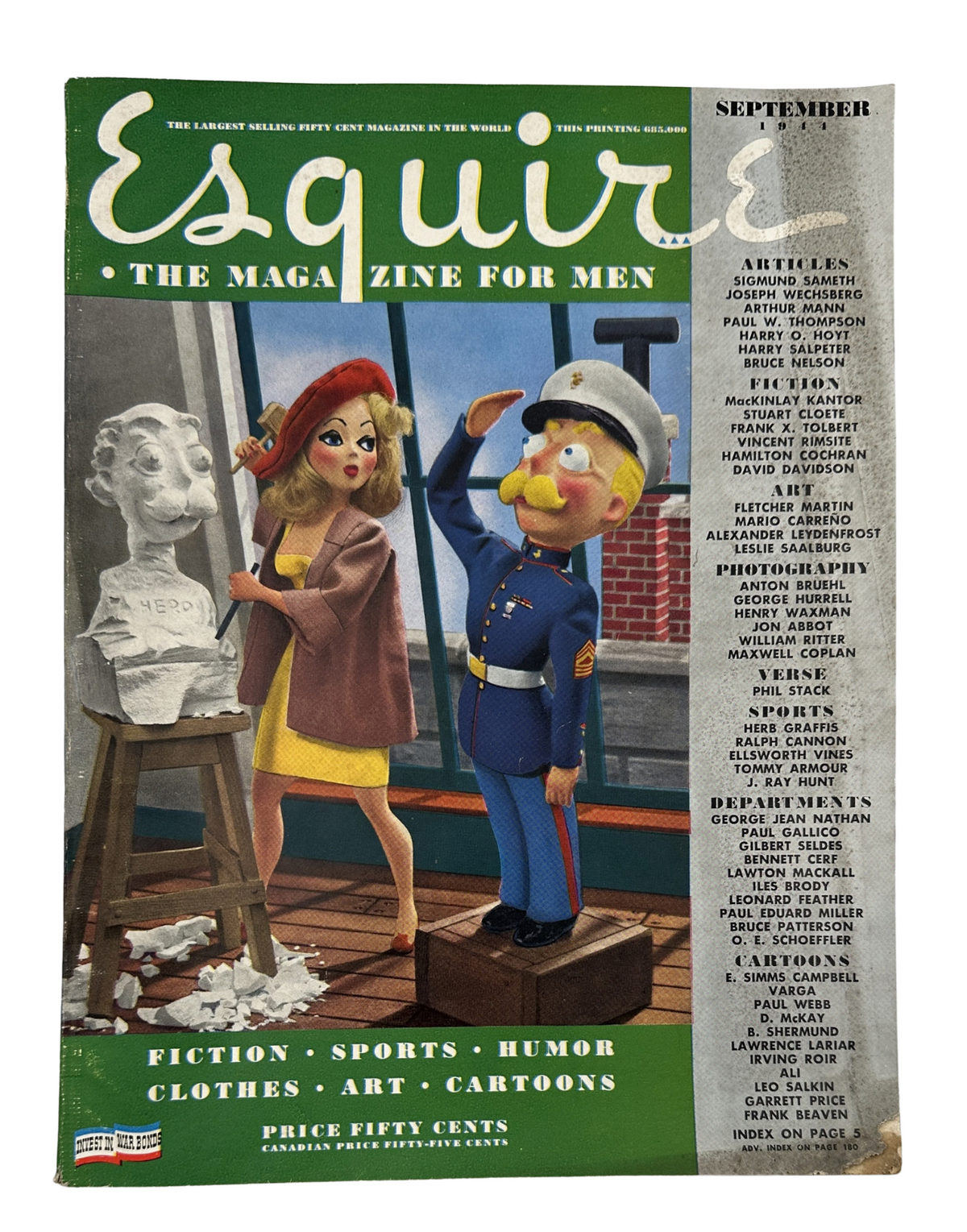
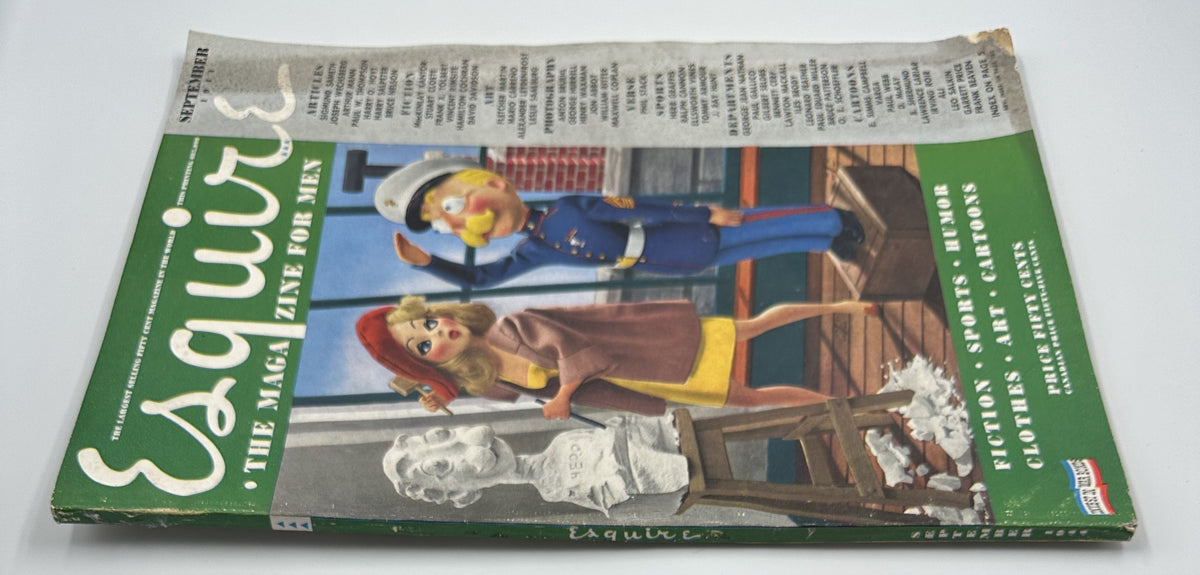
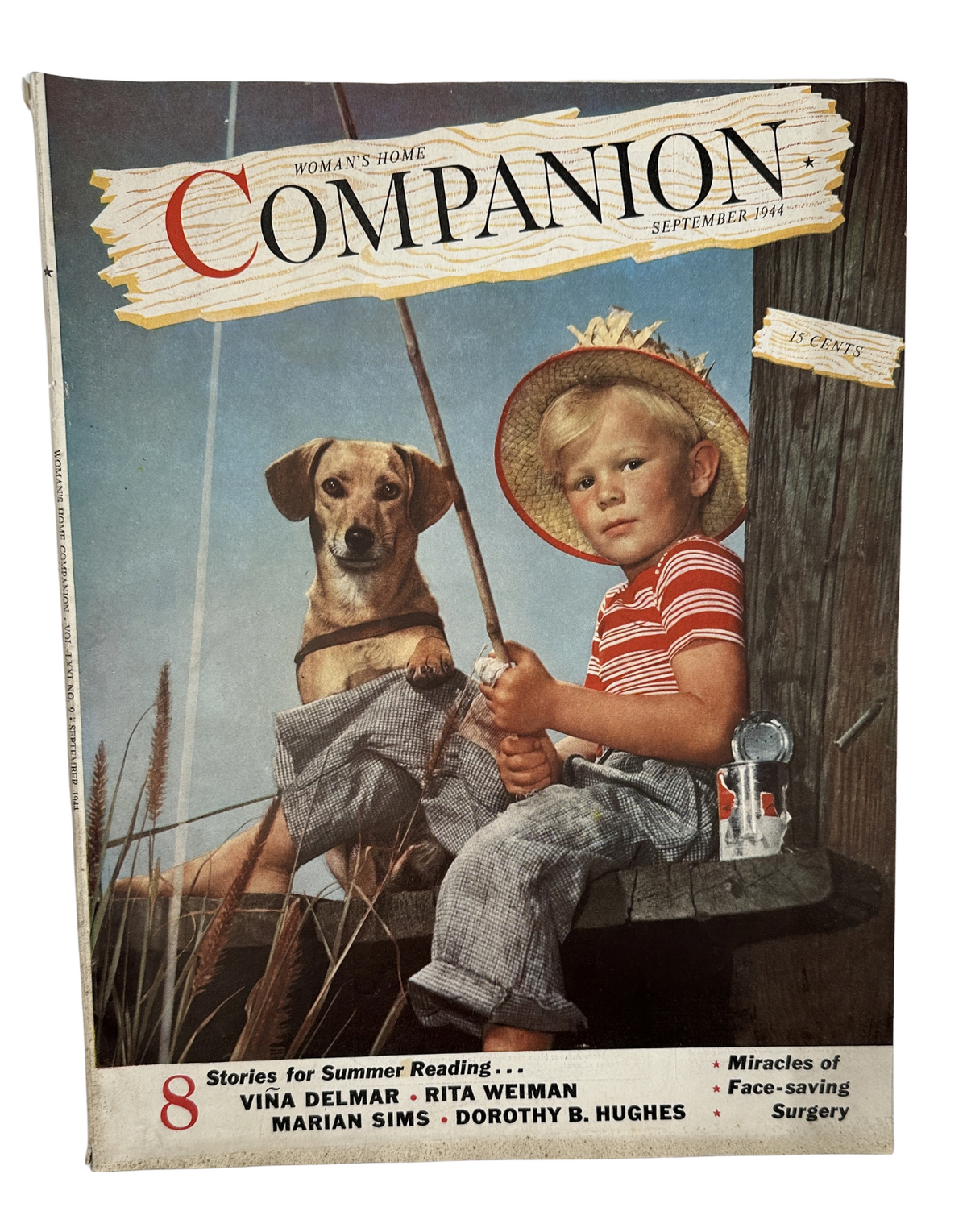
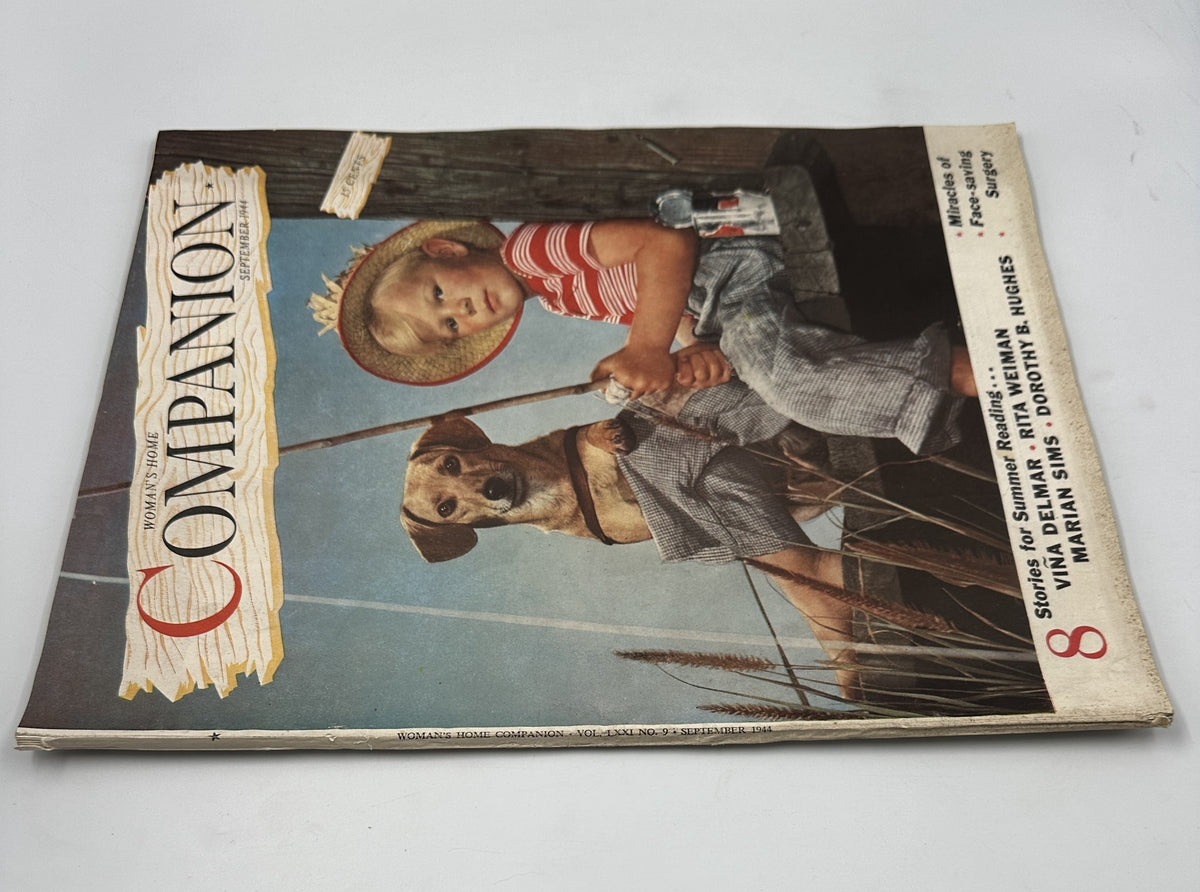
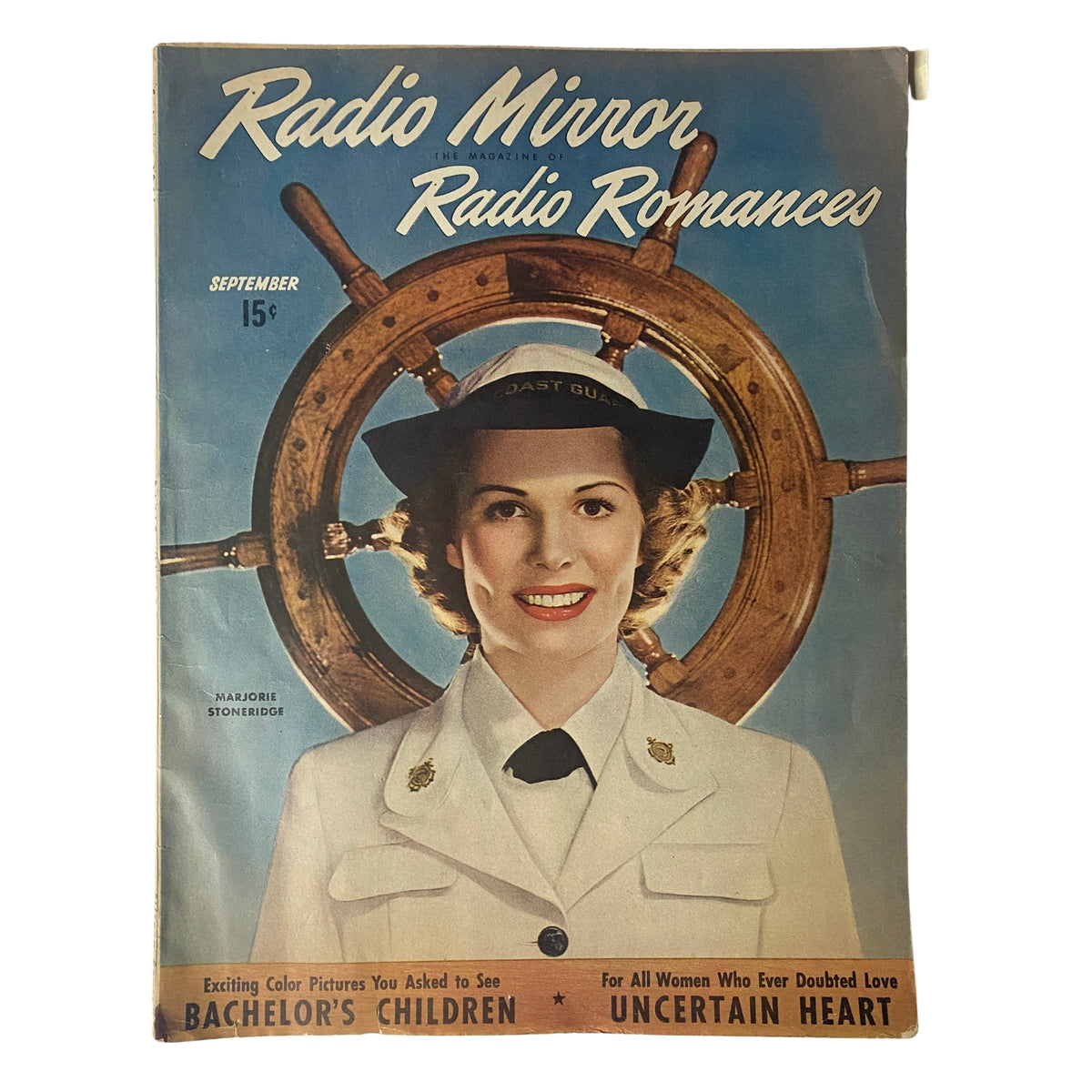
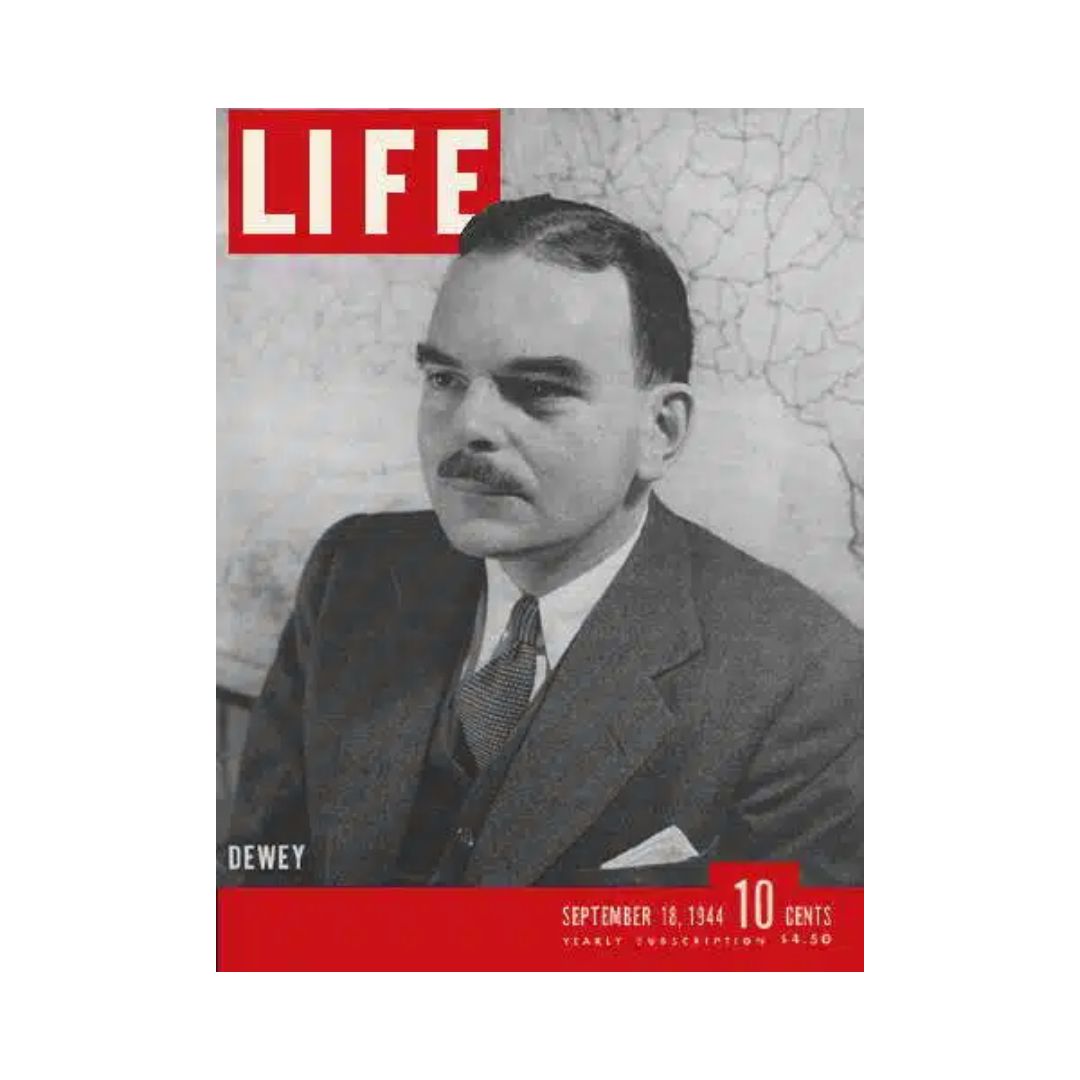
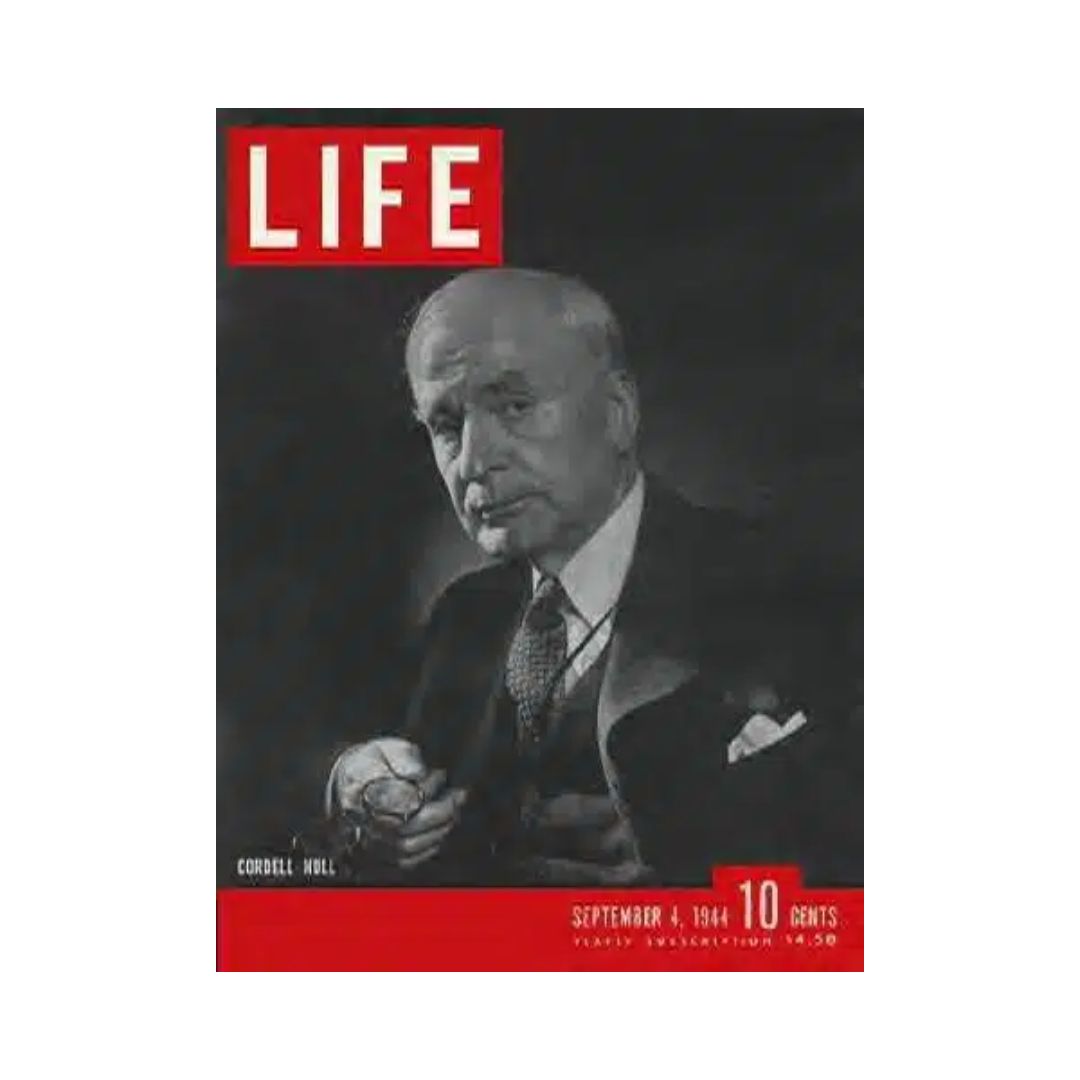
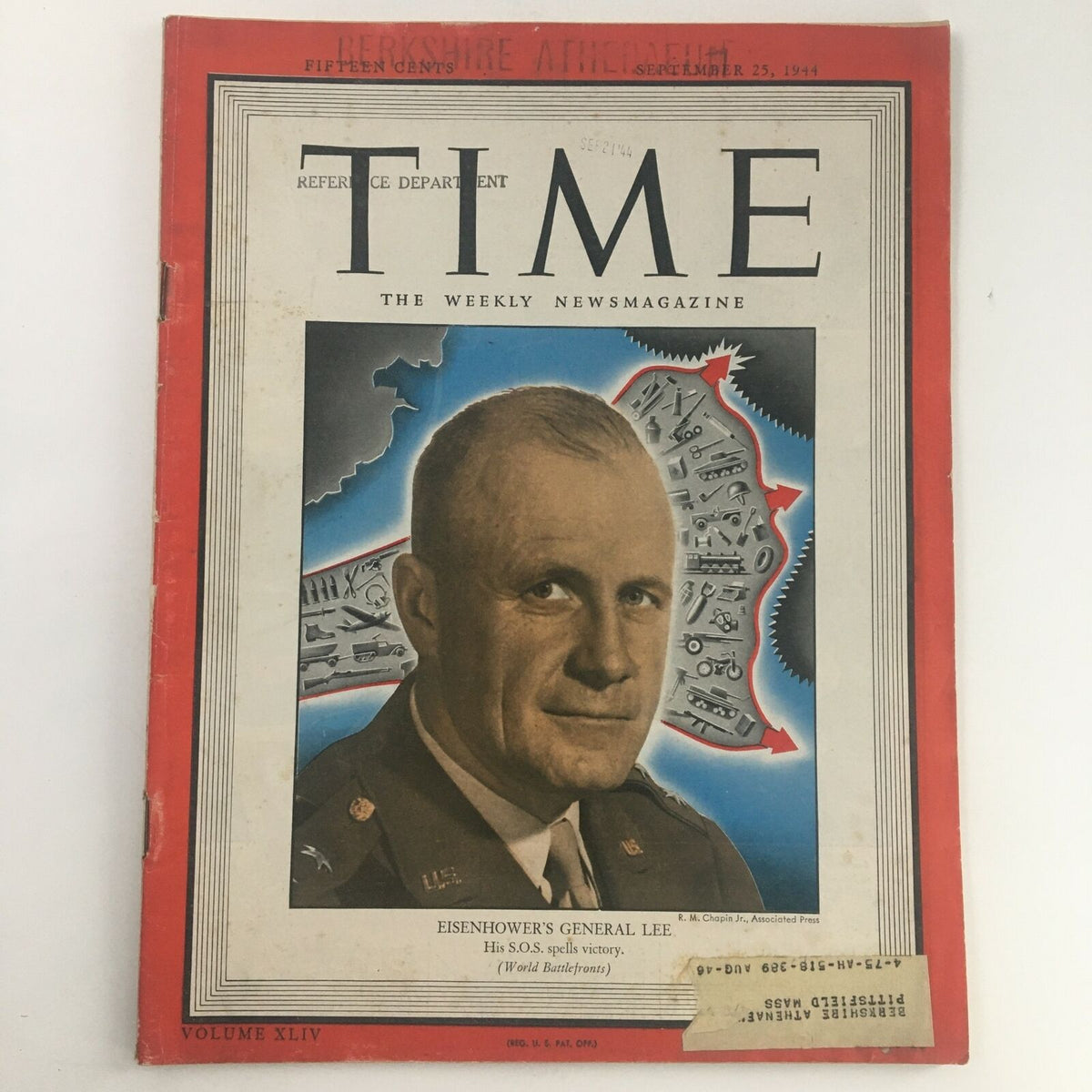
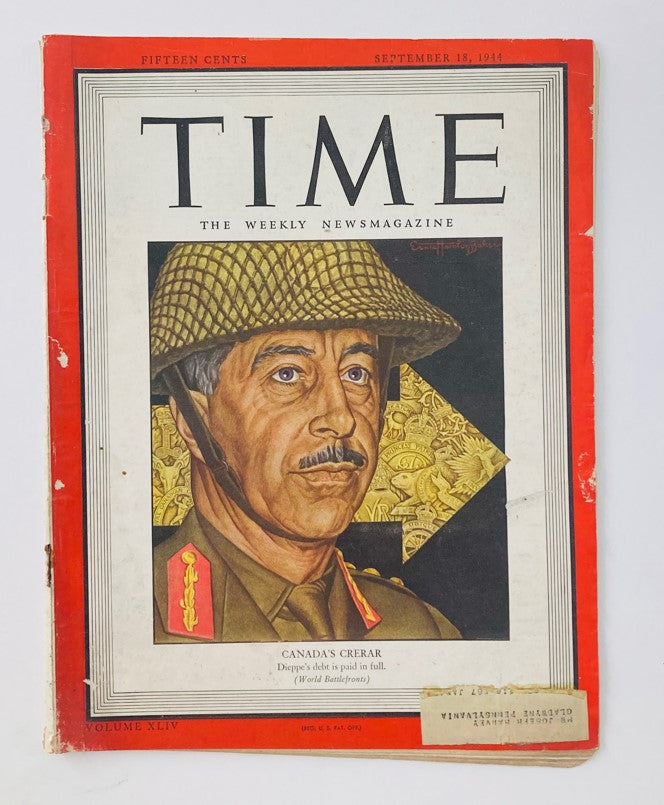
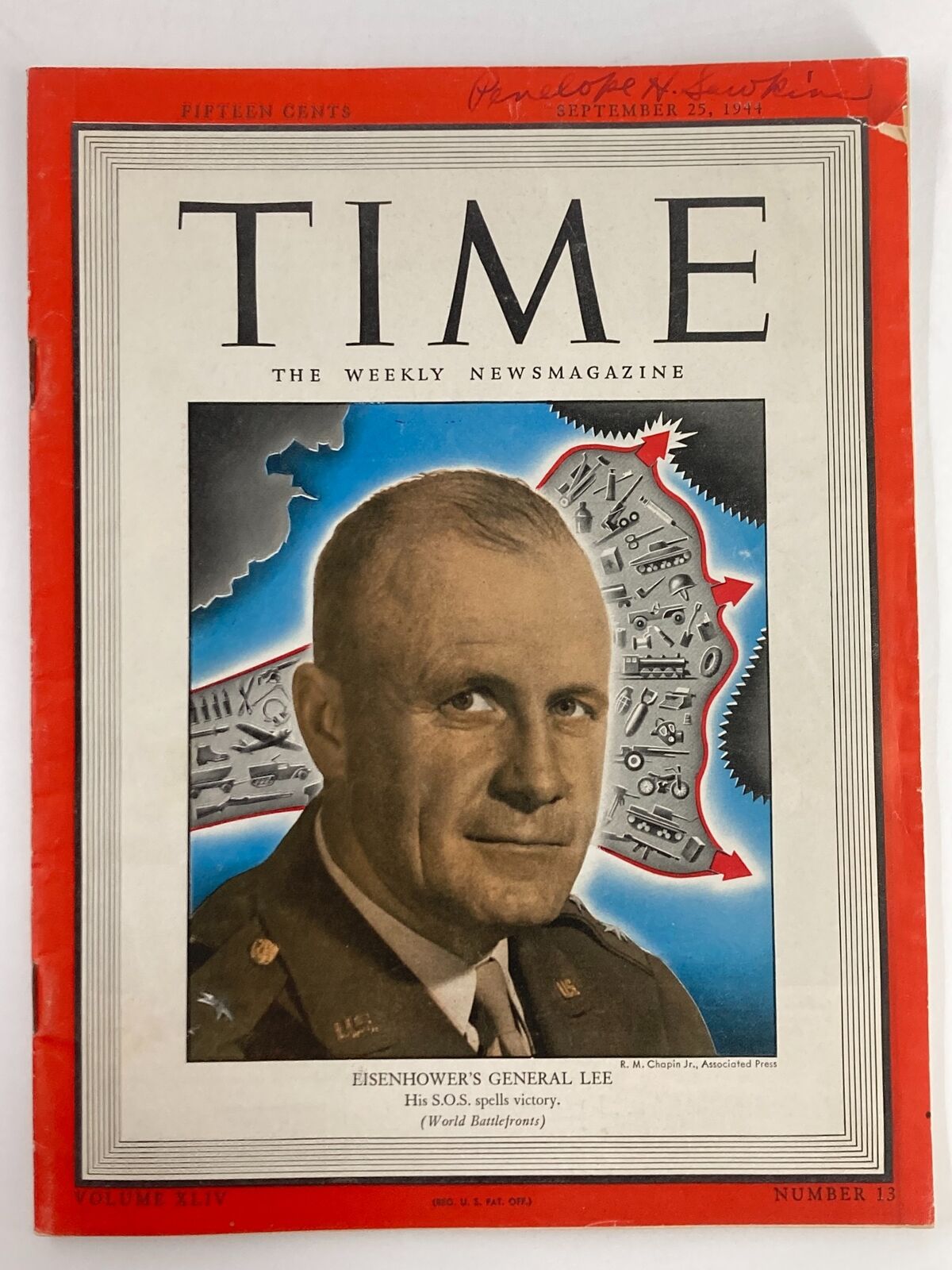
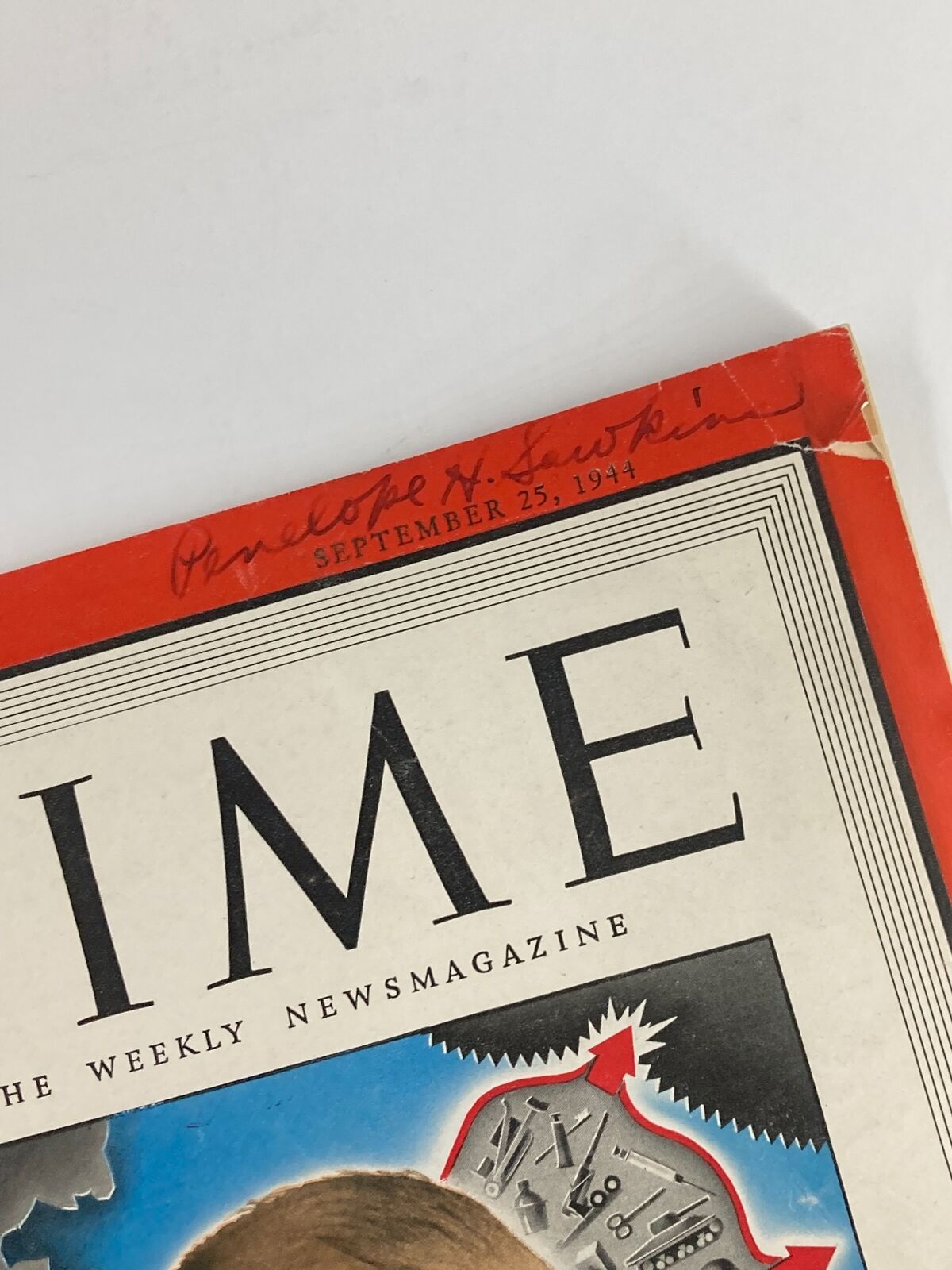
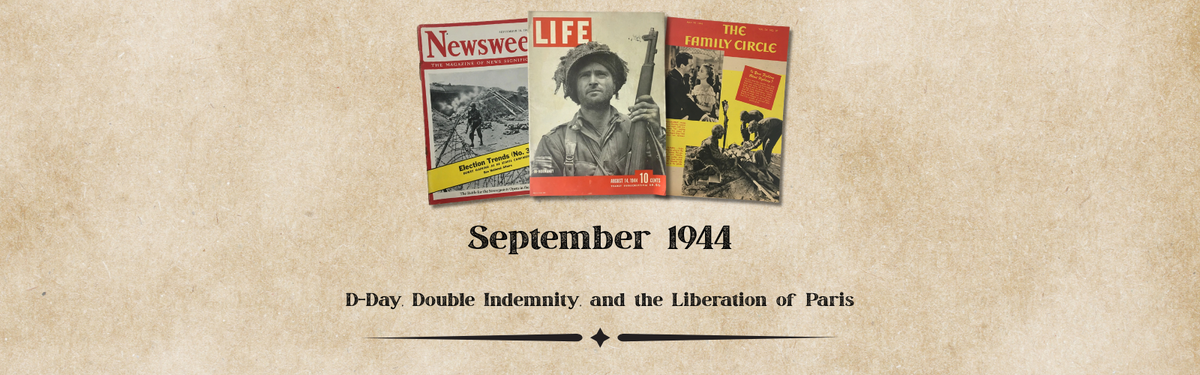
Even in September 1944, life insisted on going forward. American newsstands were crowded with Life, Time, and Newsweek, their covers alternating between liberation photographs and the grim maps of Operation Market Garden's collapse. Sports offered brief relief: at Forest Hills, Frank Parker captured his first US National Championship in men's tennis on September 4th, while Pauline Betz Addie claimed her third consecutive women's title that same weekend—the kind of normalcy Americans were hungry for.
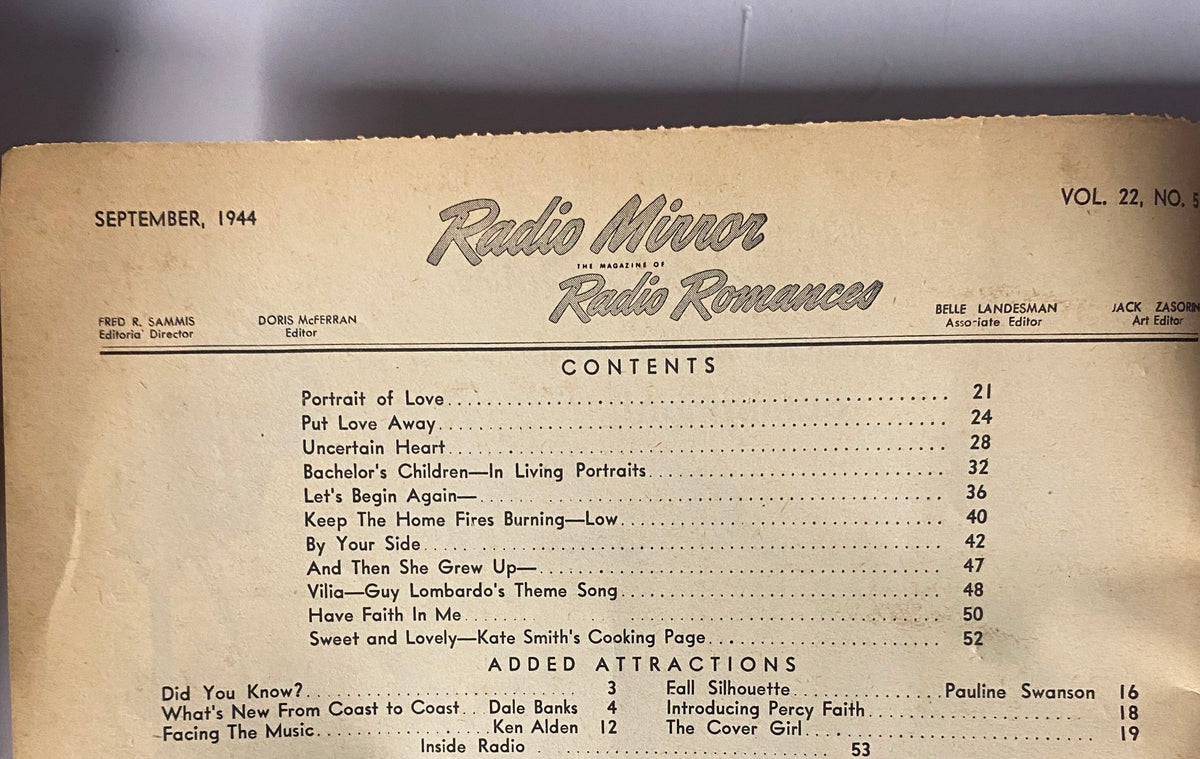
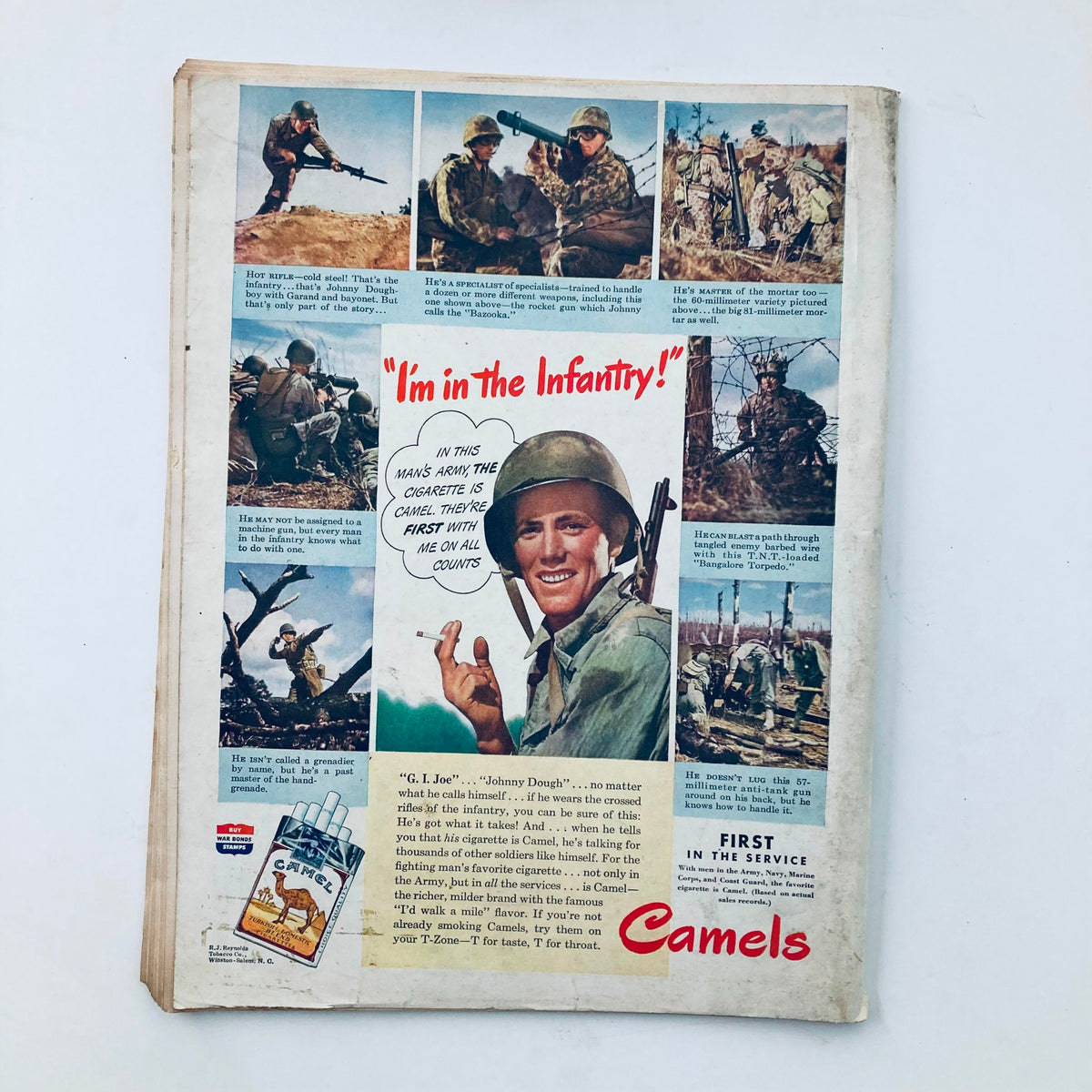
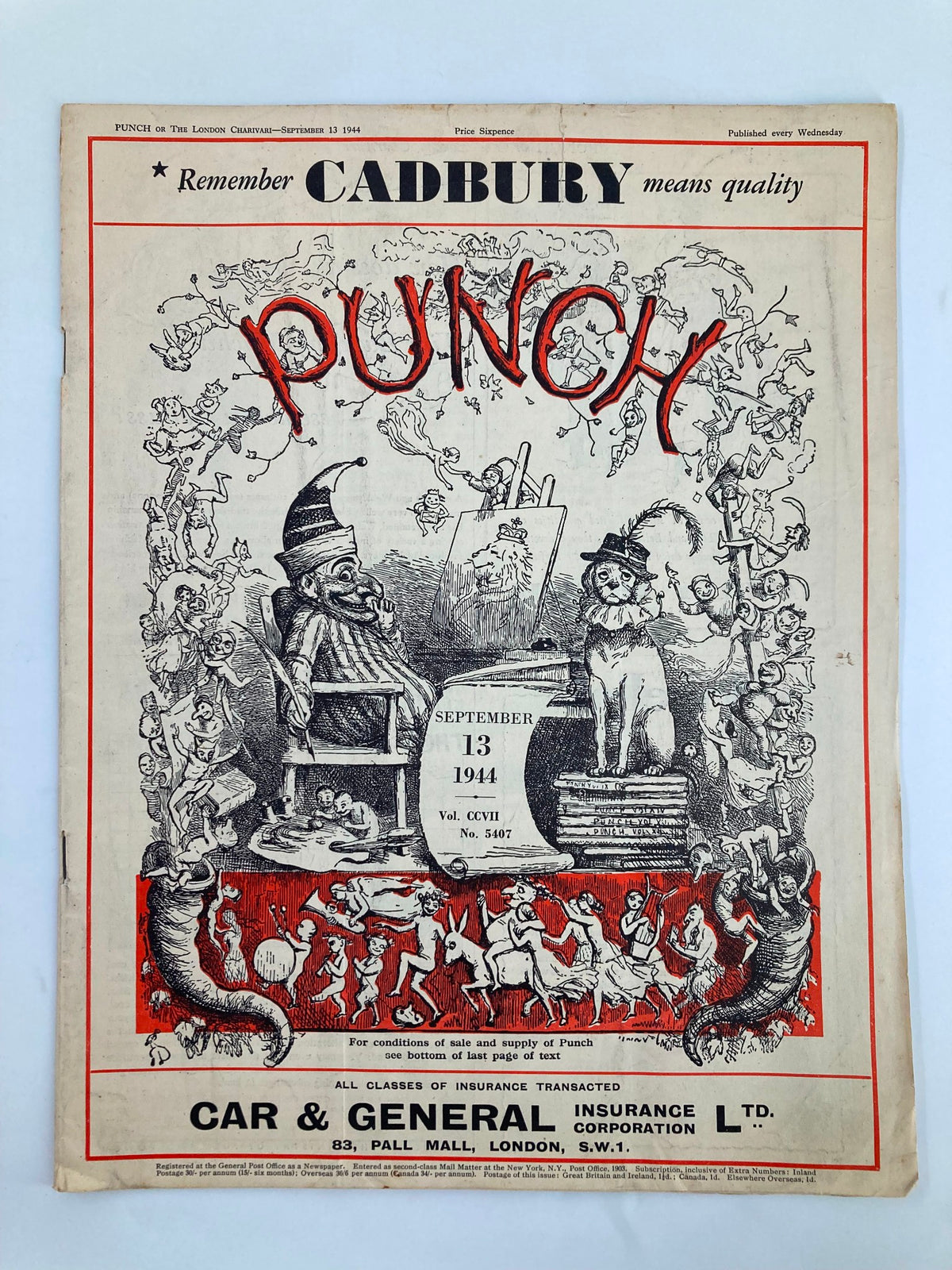
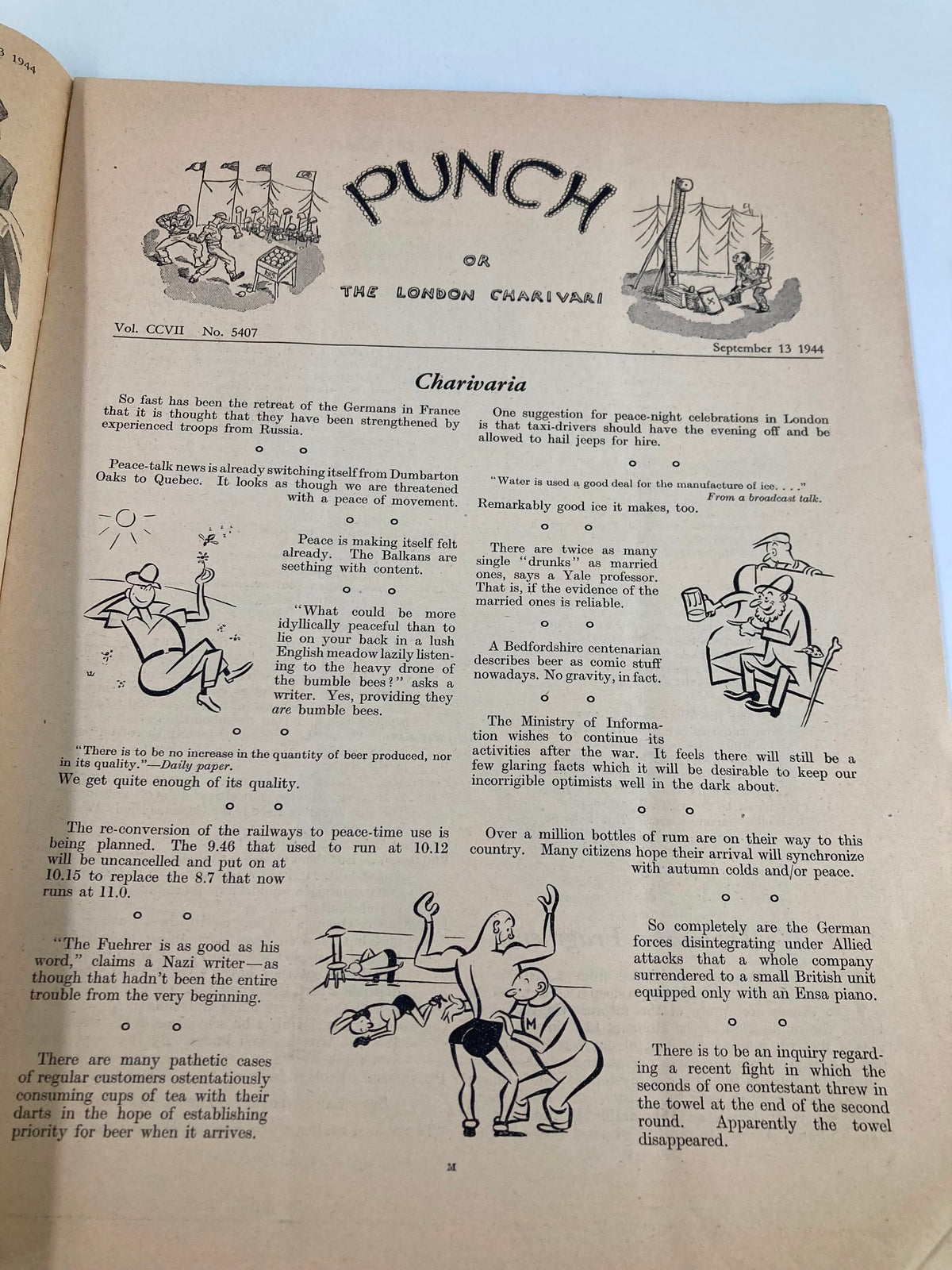
Television, still in its infancy, offered a small milestone: on September 28th, the medium aired its first musical comedy, The Boys from Boise, a curiosity that the entertainment press would note as a sign of things to come. Original magazines from September 1944 capture this strange duality—the advertisements still selling war bonds and practical housewares, the editorial pages chronicling both Allied triumphs and defeats. Look and the Saturday Evening Post offered readers the human stories behind the headlines, while rare magazines from specialist publishers documented the military campaigns in extraordinary photographic detail.
Curator's Checklist
- Operation Market Garden: Life and Newsweek featuring full photographic spreads of Allied paratroopers descending over the Dutch countryside, often illustrated with battlefield maps and survivor testimonies from the Arnhem siege.
- The Liberation of Belgium and Luxembourg: Vintage magazines including Time and Look showcasing jubilant street scenes as Allied troops entered Brussels and Antwerp, chronicling the civilian celebrations alongside military dispatches.
- The Quebec Conference: News weeklies featuring formal portraits of Roosevelt and Churchill at their second wartime summit, with editorial analysis of Allied occupation planning and the future shape of postwar Europe.
- Wartime Advertising and the Home Front: Authentic period advertisements in genuine Saturday Evening Post and Life issues from this month reveal what Americans were buying, saving, and sacrificing—a time capsule of consumer culture under rationing.
- Sports in Wartime America: Sports Illustrated had not yet launched, but the sporting press and general magazines covered the US National Tennis Championships as a symbol of civilian normalcy, making these birthday gift issues a document of resilience as much as recreation.
The Perfect Gift
For someone born in September 1944, an original magazine from this extraordinary month isn't just a piece of paper—it's an authenticated time capsule of the most consequential weeks of the twentieth century, preserved in genuine wartime ink, photography, and the urgent headlines of a world remaking itself.