📖 About this Collection
September 1945: The Month the World Finally Exhaled
The Historical Context
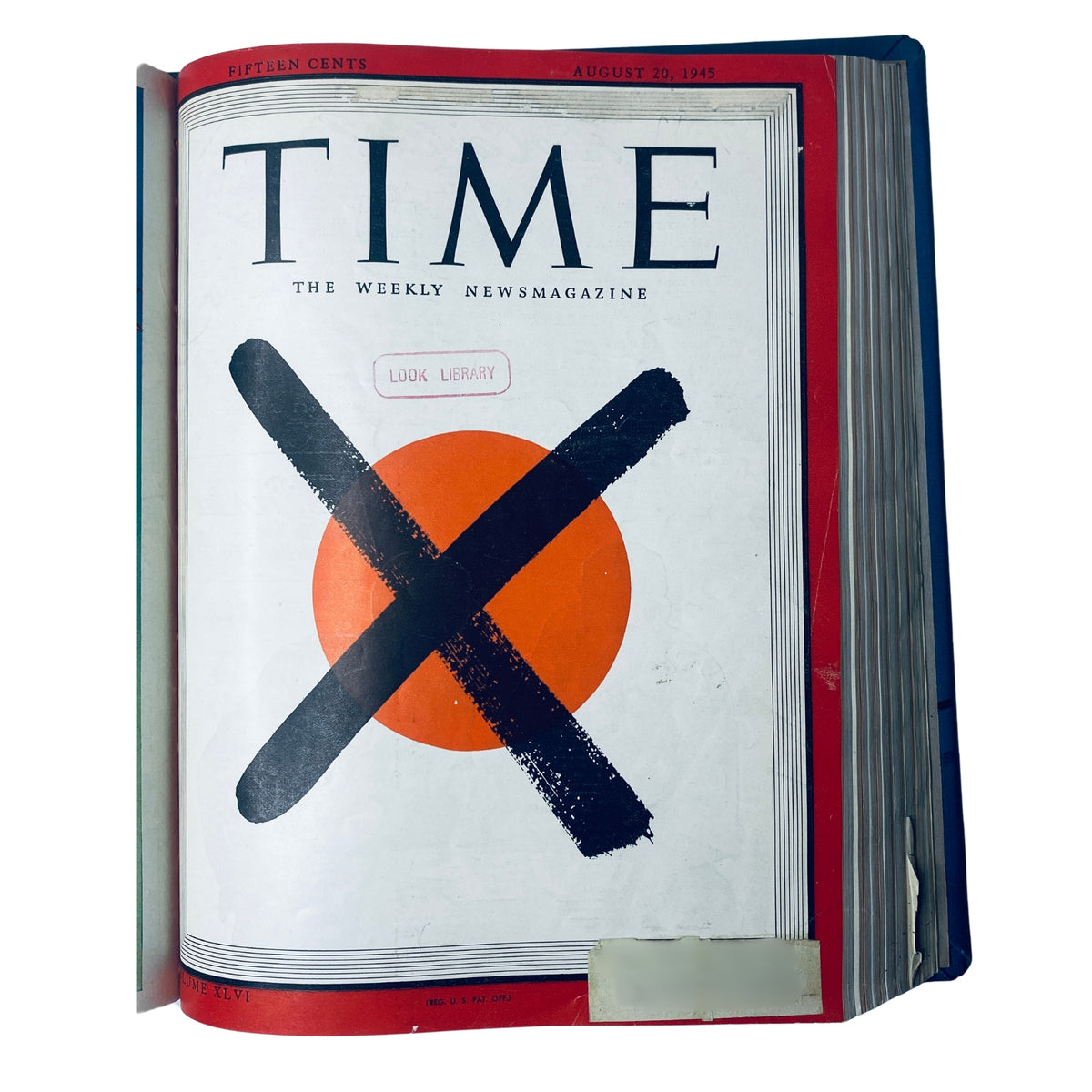
The summer of 1945 had been building toward something—and in September, it arrived. On the second day of the month, aboard the USS Missouri anchored in Tokyo Bay, Japanese Foreign Minister Mamoru Shigemitsu set pen to paper and the most destructive conflict in human history officially ended. V-J Day was not merely a news event; it was a collective exhale felt in every city, every household, every newsstand in America. Life and Time scrambled to capture the moment, and the covers of that month read like dispatches from a civilization catching its breath.
But the peace was already complicated. Ho Chi Minh declared Vietnamese independence from France on that same historic September 2nd, planting the seeds of a conflict that would define the next generation. In Tokyo, General Douglas MacArthur met Emperor Hirohito face-to-face—a meeting of conqueror and conquered that photographers documented for the world. In Oslo, Nazi collaborator Vidkun Quisling was sentenced to death. The old order was collapsing, and something new—uncertain, thrilling, fragile—was taking its place. This was the world your loved one entered.
Pop Culture & Life in September 1945
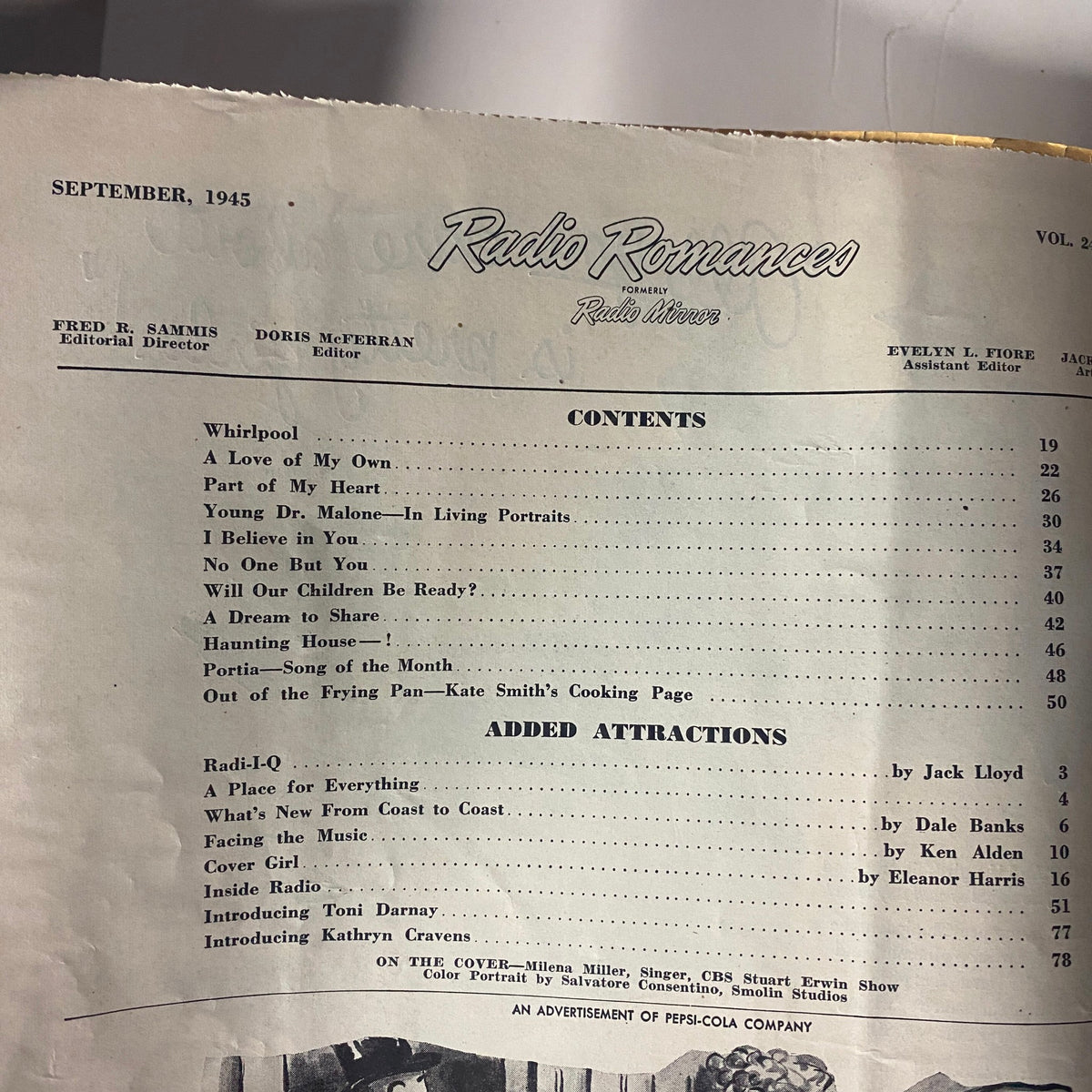
On the newsstands and in the darkened cinemas of September 1945, Americans were learning how to be peacetime people again. The film that defined the month was Mildred Pierce, the Joan Crawford noir that opened at the Strand Theatre in New York on September 28th and would go on to win Crawford the Academy Award for Best Actress—her career-defining role advertised in the pages of original magazines from September 1945 with the era's signature Hollywood glamour photography.
On the radio and in the clubs, the Cavalcade of Jazz outdoor concert lit up Wrigley Field in Los Angeles on September 23rd, with Count Basie leading the bill—the kind of cultural moment that Look and the entertainment press breathlessly covered. Meanwhile, baseball lovers watched the Chicago Cubs clinch the National League pennant and Hank Greenberg launch a pennant-winning grand slam on the season's final day for Detroit. Sports Illustrated wouldn't exist for nearly a decade, but Life covered these games with full-page photography that captured the raw joy of a nation celebrating every kind of victory it could find. Vintage magazines from this month are genuinely rare windows into that particular giddy, unsteady euphoria.
Curator's Checklist: What to Look For in September 1945 Magazines
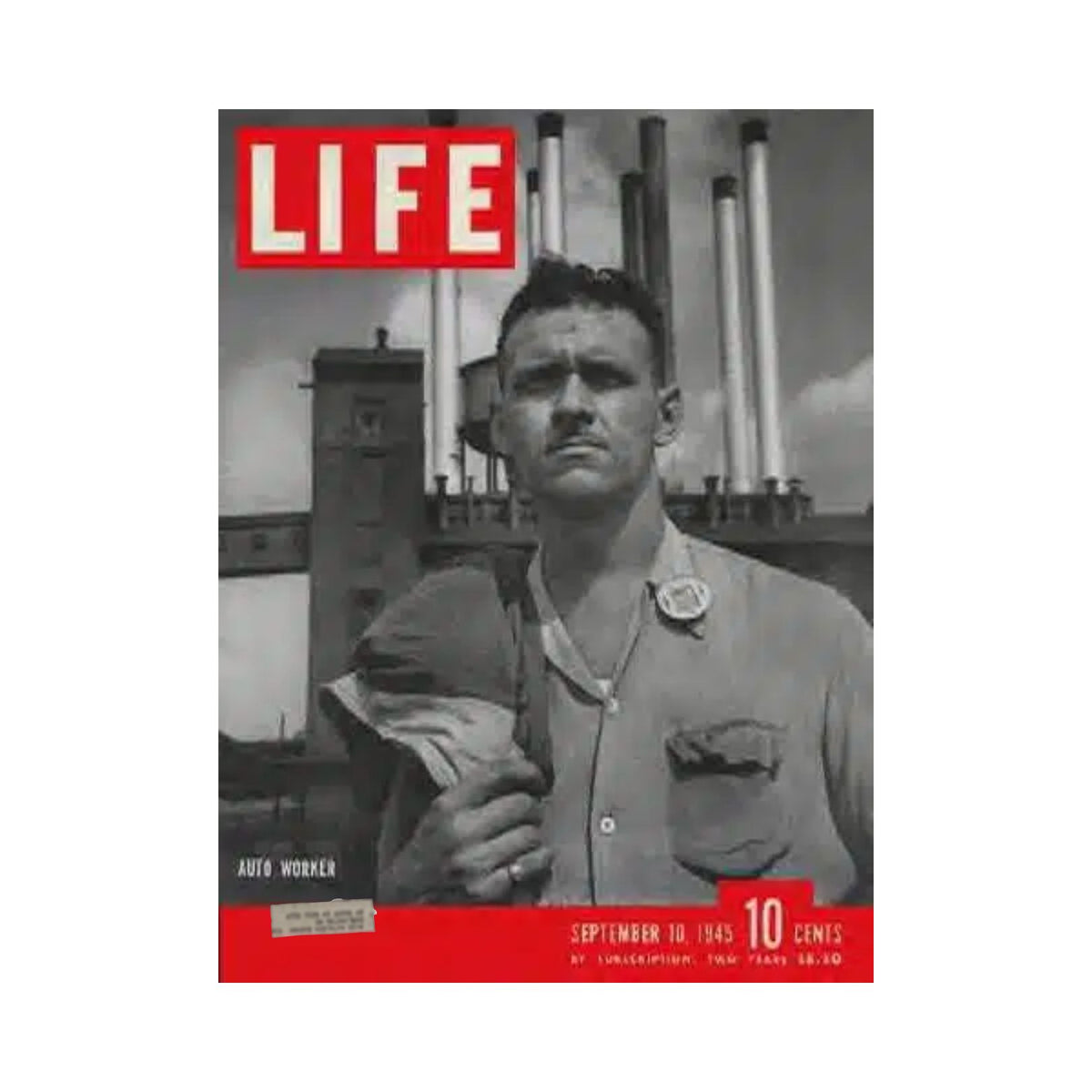
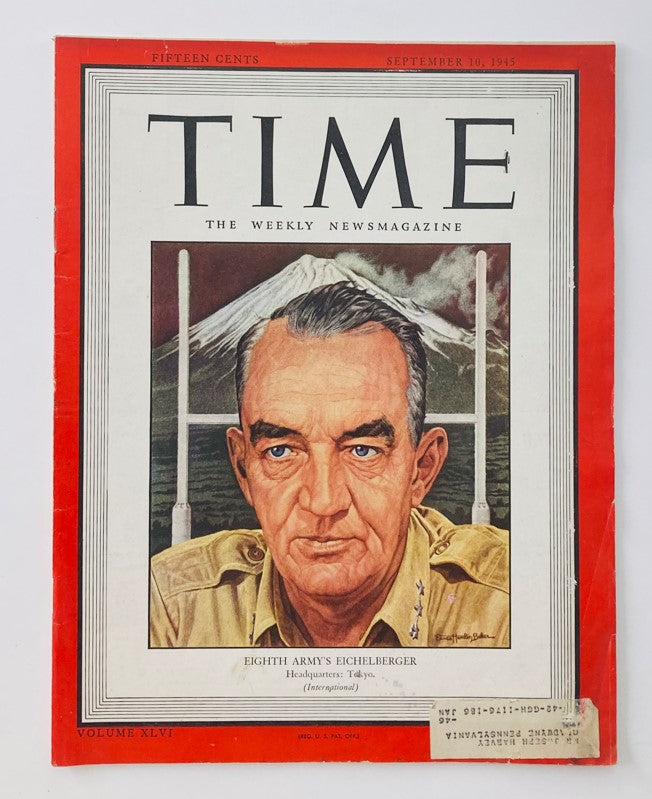
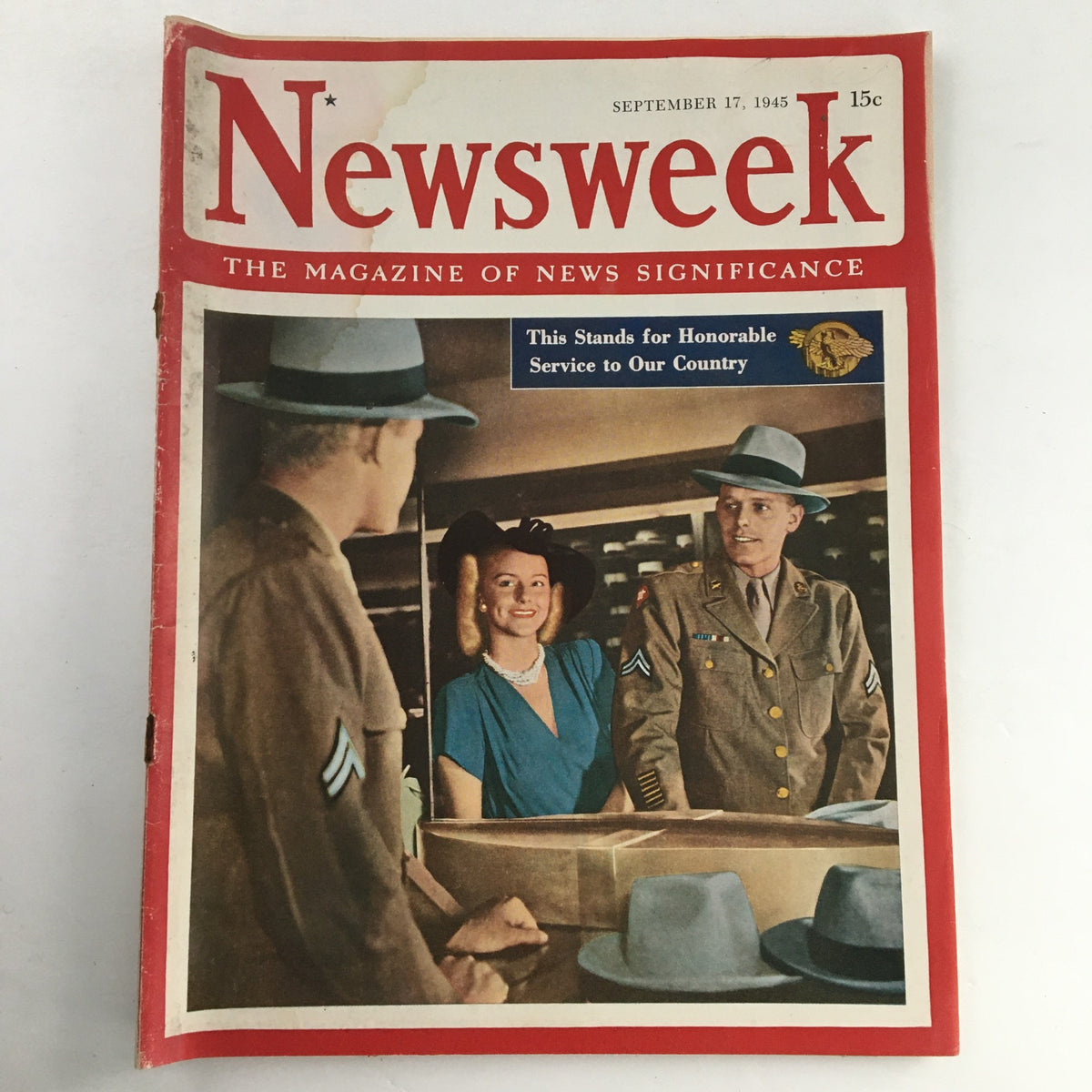
- V-J Day and the USS Missouri Surrender: Life, Time, and Newsweek from September 1945 featuring dramatic documentary photography of the signing ceremony aboard the USS Missouri, often paired with solemn editorial spreads on the war's final accounting and the faces of soldiers hearing the news.
- General MacArthur and Emperor Hirohito: News magazines and Look showcasing the historic September 27th meeting between MacArthur and Hirohito in Tokyo, illustrated with formal photographs of two men whose encounter signaled the total transformation of postwar Asia.
- Mildred Pierce Film Advertising: Entertainment publications and general-interest rare magazines from this month carrying full-page studio advertisements for the Joan Crawford noir, featuring the bold graphic design and moody photography typical of peak Hollywood promotional art.
- The Cavalcade of Jazz and Postwar Nightlife: Esquire and entertainment weeklies from September 1945 chronicling the return of live music and leisure culture, with Count Basie and the Los Angeles jazz scene representing the authentic sound of a country celebrating its homecoming.
- Baseball's Pennant Race Finale: Authentic vintage magazines from the sporting press and general weeklies featuring the Cubs' NL pennant clinch and Hank Greenberg's legendary grand slam—genuine advertisements for Gillette, Lucky Strike, and other period sponsors framing the sports pages in period-perfect commercial art.
The Perfect Gift
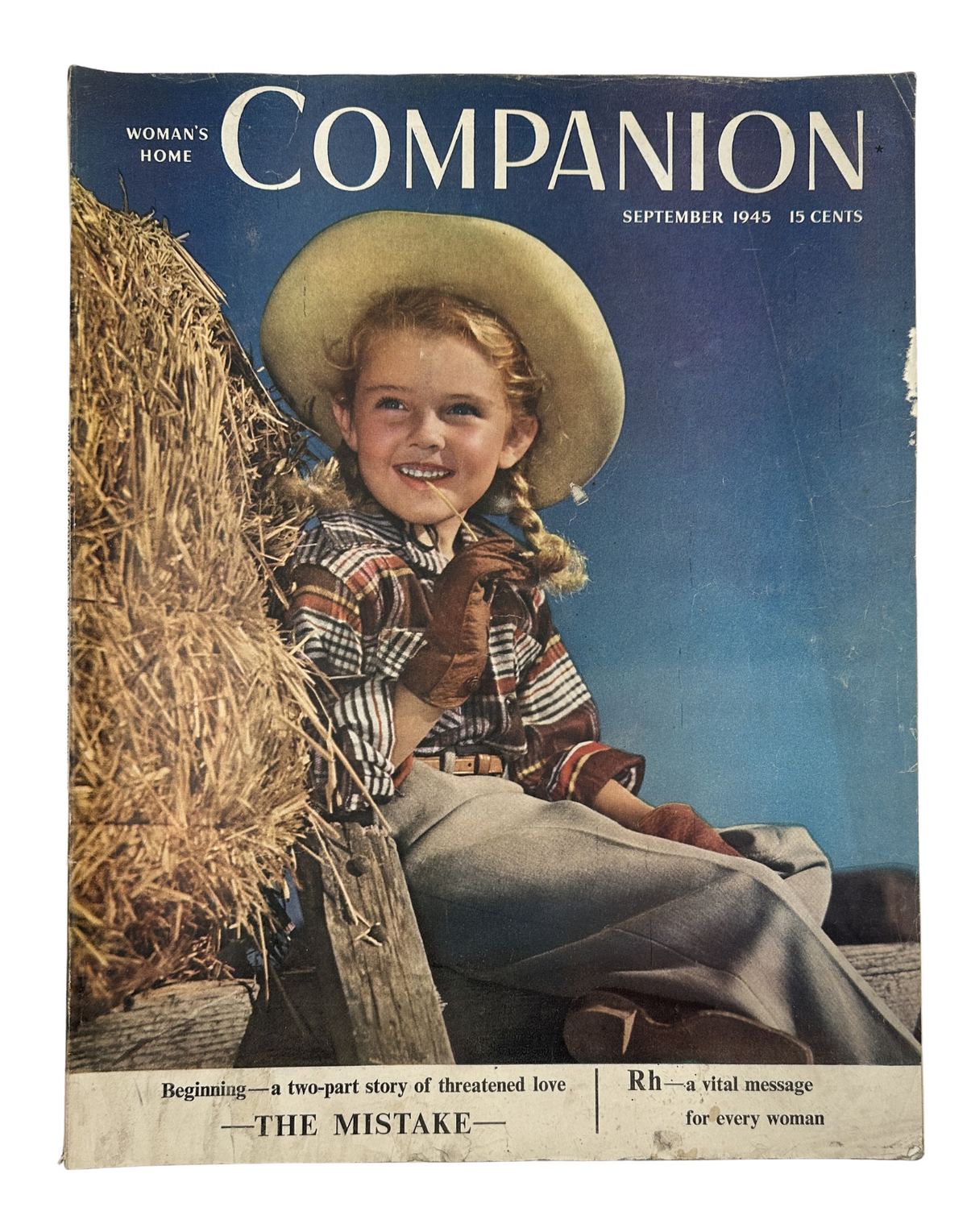
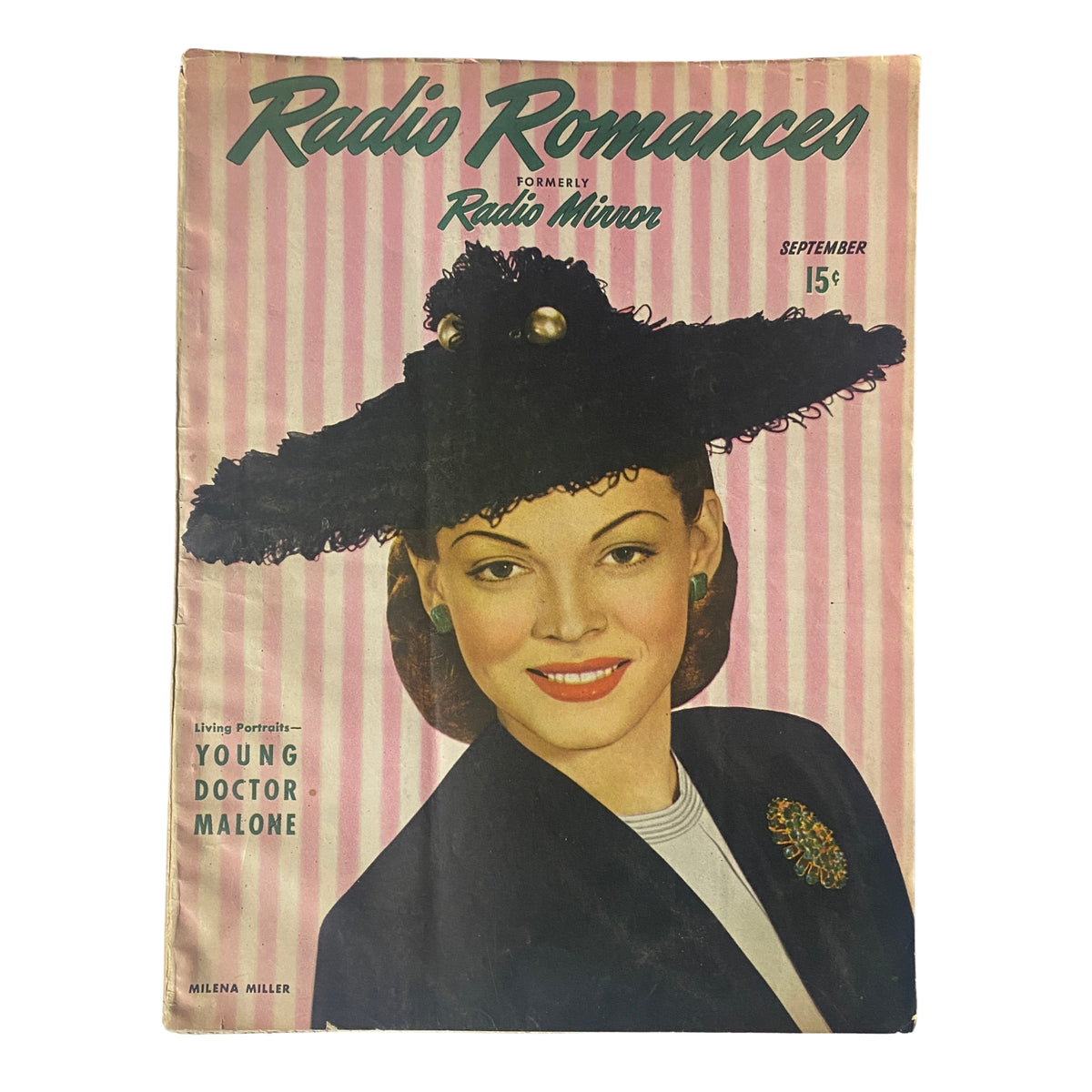
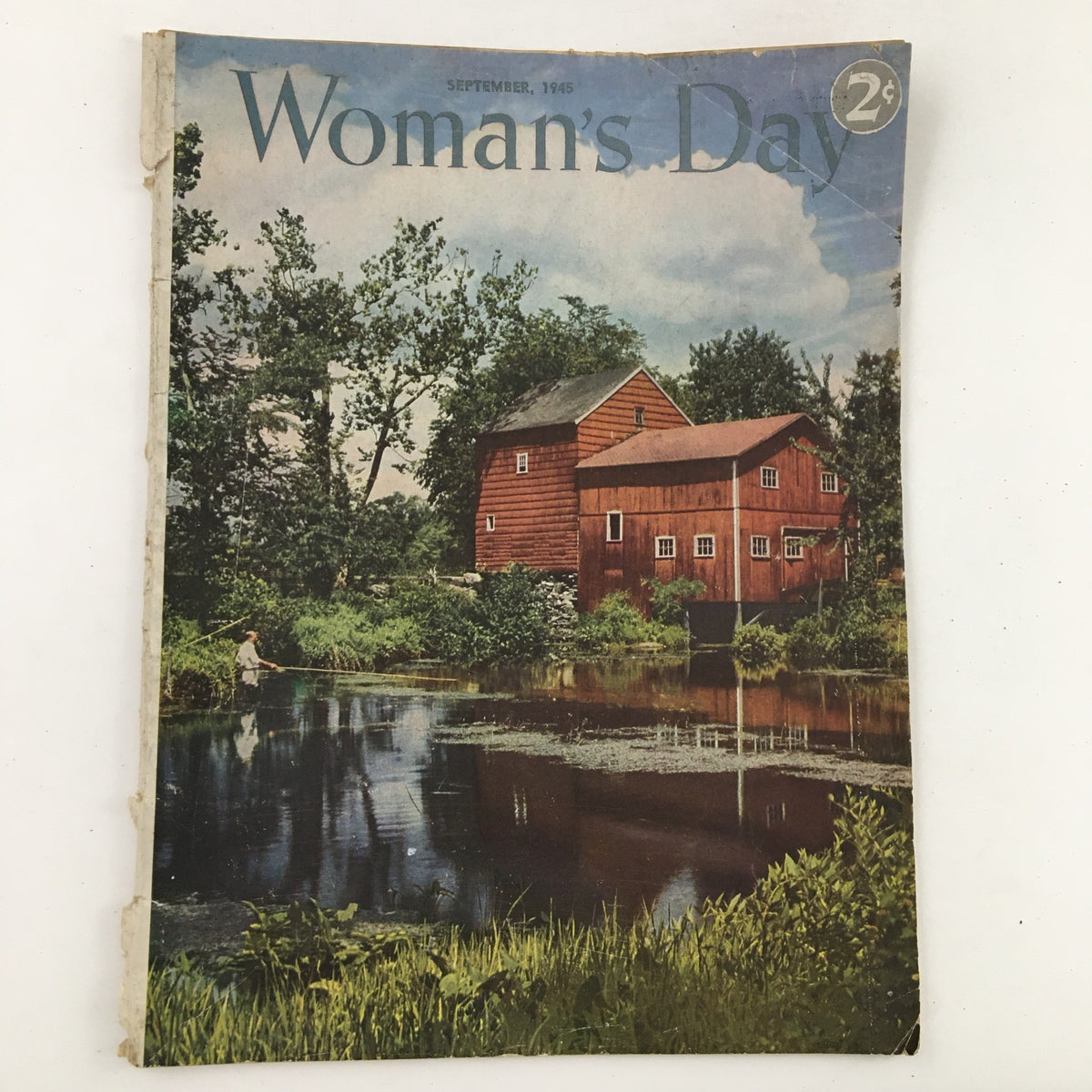
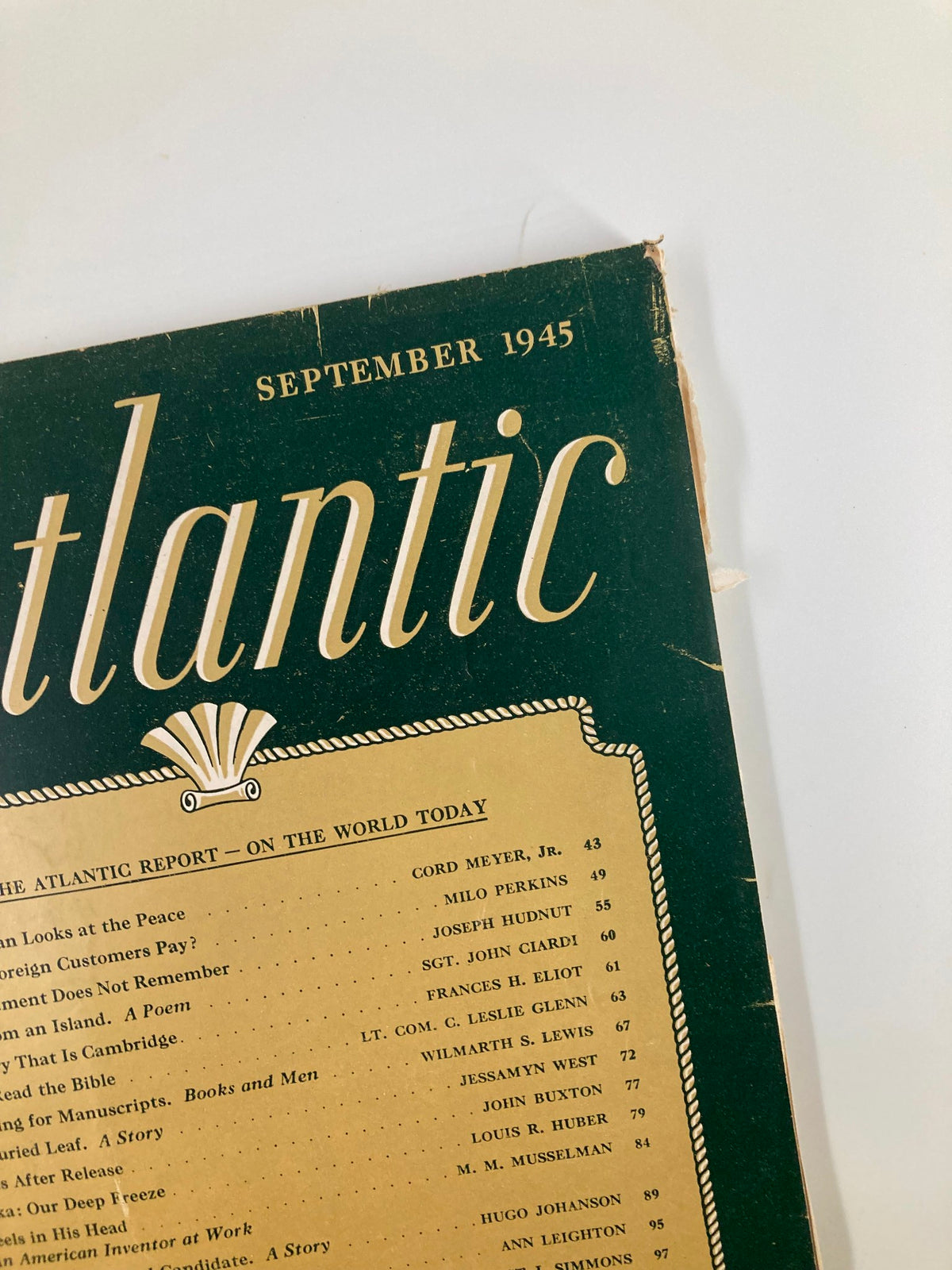
For someone born in September 1945, an original magazine from this momentous month isn't just a piece of old paper—it's a genuine time capsule of the day the world declared peace, preserved in the crackling newsprint, period advertisements, and unretouched photography that no reproduction can replicate.